The Summer Mulching Mistakes Georgia Homeowners Keep Making In The Heat
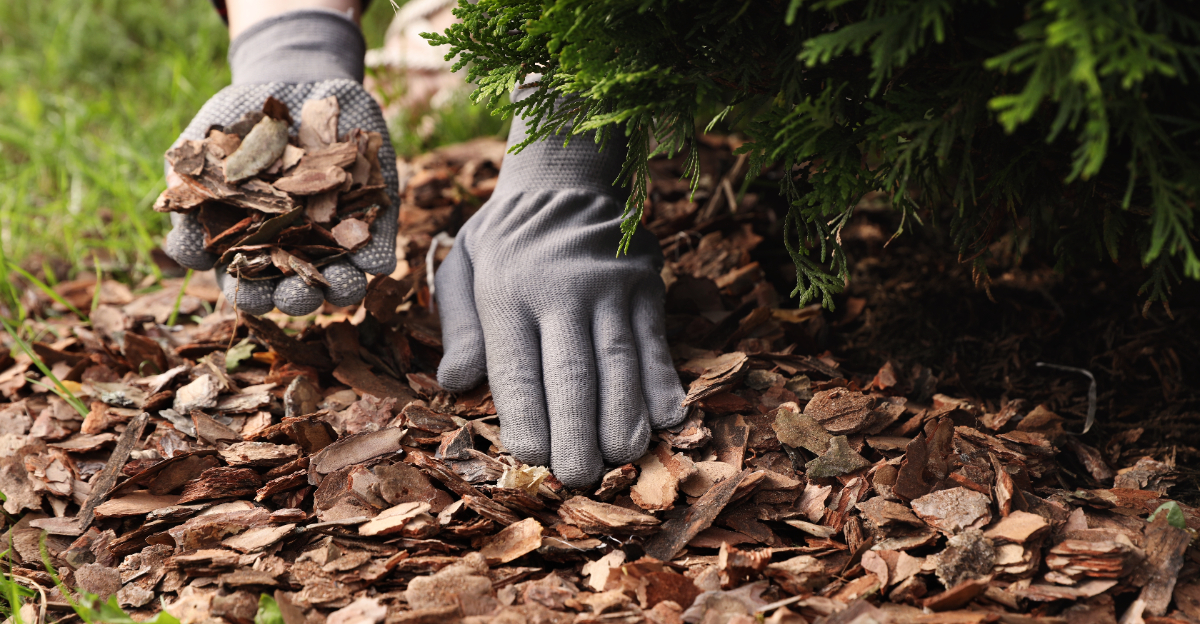
Nothing is more frustrating than putting effort into your yard and feeling like the summer heat is winning anyway. Plants start looking stressed.
Soil dries out faster than expected. Areas that looked great a few weeks ago suddenly seem to need extra attention.
The annoying part is that many homeowners are trying to do the right thing. They are not neglecting their landscape.
They are not ignoring their plants. Yet some common habits can quietly create problems during the hottest weeks of the year.
Mulch is often involved. Most people see it as a simple way to help the garden, so they rarely question whether they are using it correctly.
But a few small mistakes can have a bigger impact than expected once temperatures start climbing.
Many Georgia homeowners make the same mulching errors every summer. The good news is that they are usually easy to correct once you know what to watch for.
1. Thick Layers Can Hold More Moisture Than Plants Need
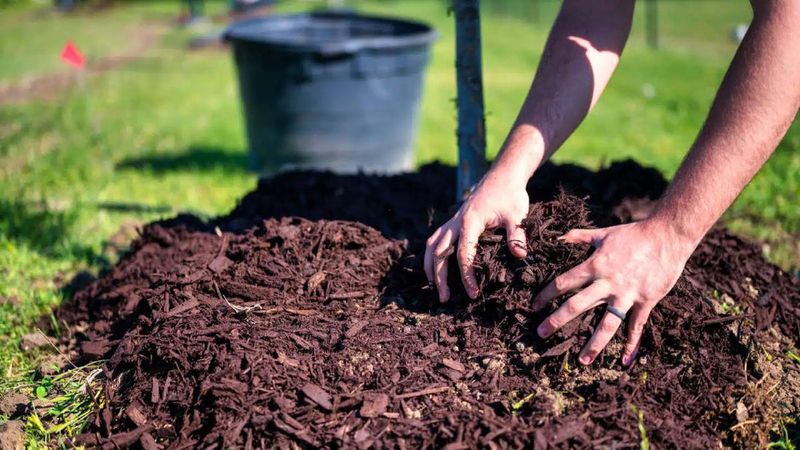
More is not always better when it comes to mulch. Piling it on thick feels like you are giving your plants extra protection, but too much creates a soggy barrier that roots cannot handle.
A layer deeper than four inches can trap so much moisture that the soil beneath never fully dries out. Roots sitting in constantly wet soil are prone to rot and fungal problems.
In humid summer conditions, that risk goes up fast.
Two to three inches is the sweet spot for most garden beds. At that depth, mulch holds enough moisture to reduce watering needs without suffocating the soil below.
It also allows air to move through, which roots need just as much as water.
Pull back any area where mulch has built up over multiple seasons. Layers tend to stack up when homeowners add fresh material without removing the old.
That buildup compounds the problem every year.
Check the moisture level of your soil before watering. If the ground feels wet two inches below the surface, skip the hose that day.
Thick mulch can make it hard to judge soil conditions by sight alone.
Spreading mulch evenly and keeping track of depth takes only a few extra minutes. A simple ruler or your finger can help you measure.
Getting the depth right from the start saves a lot of trouble later in the season.
2. Piling Material Against Tree Trunks Can Cause Problems
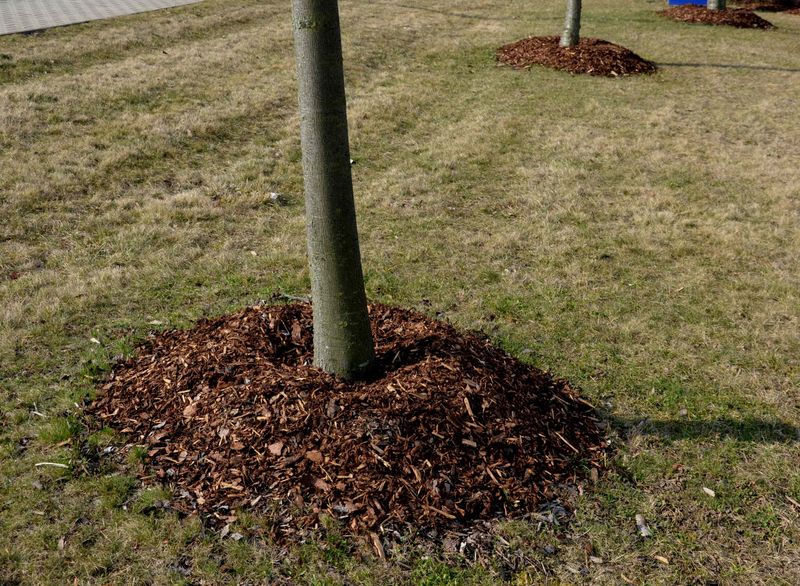
Volcano mulching is one of the most common yard mistakes, and it looks worse than it sounds. Mounding mulch up against a tree trunk might seem tidy, but it slowly damages the bark beneath.
Bark is not meant to stay wet for long periods. When mulch presses against it and traps moisture, the bark softens.
Soft bark invites fungal growth, insects, and disease. Over time, the trunk can develop decay at the base that weakens the whole tree.
Keep mulch pulled back at least two to three inches from the base of any tree. Create a flat, even layer that starts where the trunk flares out at the soil line.
Your Georgia Garden Changes Every Week. Your Plan Should Too.
Gardening in Georgia changes quickly throughout the season. Every Friday you’ll receive a simple weekly plan showing exactly what to plant, prune, fertilize, harvest, and protect so you never miss the right timing.
That small gap makes a big difference in bark health.
Some homeowners pile mulch high because they think it protects the tree from lawn equipment. A proper mulch ring does help with that, but the material should never touch the trunk itself.
The protection comes from keeping mowers away, not from burying the base.
Young trees are especially vulnerable to this mistake. Their bark is thinner and more sensitive to prolonged moisture.
Getting into the habit of mulching correctly around young trees sets them up for stronger growth.
Walk your yard and check every tree. Pull back any mulch that is touching the trunk.
It takes less than a minute per tree and can prevent serious long-term damage to your landscape.
3. Bare Soil Spots Can Still Lose Moisture Quickly
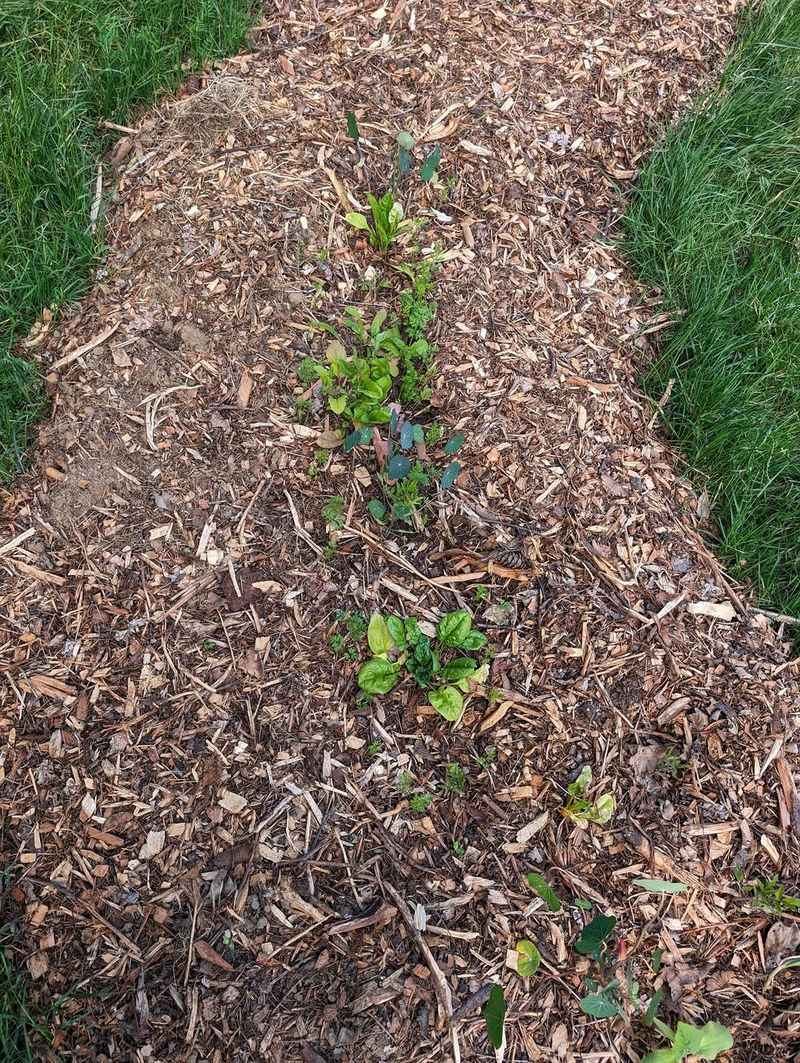
Skipping a spot might not seem like a big deal, but bare soil in summer loses moisture fast. Without coverage, the sun bakes the ground and water evaporates before roots can absorb it.
Surface soil can reach extreme temperatures on hot afternoons. That heat stresses shallow roots and can slow plant growth noticeably.
A thin layer of mulch acts like a shade cloth for the ground, keeping soil temperatures lower and more stable.
Bare patches also invite weeds. Open soil is an easy landing spot for weed seeds carried by wind or rain.
Once weeds take hold, they compete with your plants for water and nutrients. Covering gaps early saves a lot of pulling later.
Walk your beds and look for any spots where the ground is visible. Fill those areas in with an even layer of mulch, matching the depth of the surrounding material.
Consistency across the bed gives you uniform moisture retention and temperature control.
Pay extra attention to areas near the edges of beds. Mulch tends to get kicked out or washed away near borders.
Edging your beds helps hold material in place and keeps coverage more even over time.
Even a light application over bare areas helps more than leaving them exposed. You do not need a perfect layer to make a difference.
Getting something down quickly during a heat wave can protect roots that would otherwise struggle through the hottest part of summer.
4. Existing Weeds Should Be Removed Before Application
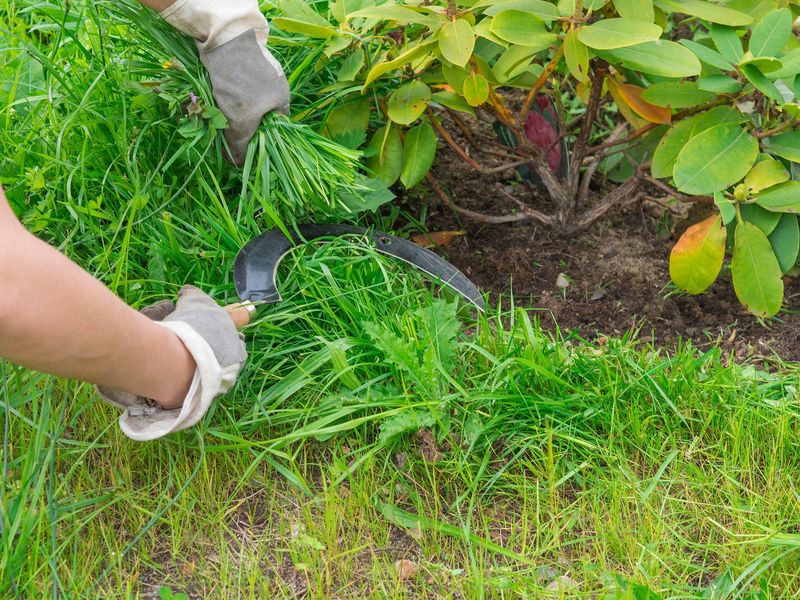
Laying mulch over weeds is a shortcut that almost always backfires. Covering them does not stop them from growing.
Most weeds push right through even a few inches of material within days.
Weeds that are already established have strong root systems. Mulch on top just gives them a moist, protected environment to keep spreading.
By the time they break through the surface, they are harder to pull and more likely to have spread seeds.
Clear the bed completely before applying anything. Pull weeds by hand or use a hoe to break up roots near the surface.
If you are dealing with a serious infestation, give the area a few days after clearing before spreading mulch.
Annual weeds are easier to manage than perennial ones. Perennial weeds like nutsedge or ground ivy have deep or spreading root systems that need persistent attention.
Mulch alone will not control them. Removing the roots is the only reliable approach.
After clearing, consider laying a thin layer of newspaper or cardboard under the mulch in problem areas. This creates an extra barrier without harming the soil.
It breaks down over time and adds organic matter as it decomposes.
Starting with a clean bed makes your mulch work the way it is supposed to. Weed control, moisture retention, and temperature regulation all improve when the ground beneath is clear.
A little extra effort upfront saves a lot of frustration through the rest of summer.
5. Wood Chips And Pine Straw Do Not Perform The Same Way
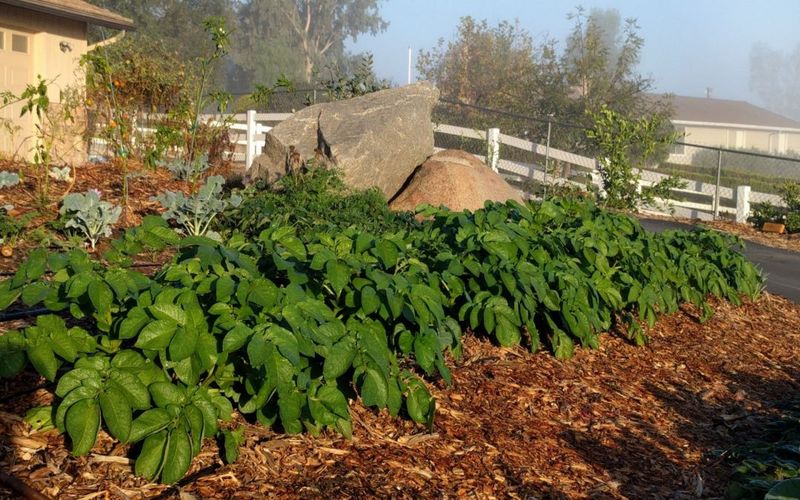
Choosing the wrong type of mulch for your specific plants and soil can set you back more than using none at all. Wood chips and pine straw are both popular, but they behave very differently in the ground.
Pine straw is lightweight and breaks down faster. It is a natural choice in areas where pine trees are common, and it works well for acid-loving plants like blueberries, azaleas, and camellias.
It allows rain to pass through easily, which matters during heavy summer storms.
Wood chips are denser and break down more slowly. They hold moisture longer and work well in mixed garden beds and around trees.
However, fresh wood chips can temporarily draw nitrogen from the soil as they decompose. That can affect plant growth if chips are worked into the soil rather than kept on the surface.
Match your mulch type to what you are growing. Acid-loving plants generally do better with pine straw.
Ornamental beds with a variety of shrubs often benefit from wood chips or shredded hardwood. Neither material is universally better than the other.
Cost and availability also play a role. Pine straw is widely available across the South and is often more affordable in large quantities.
Wood chips can sometimes be sourced for free from local tree services.
Understanding what each material does before you buy saves money and prevents plant stress. Read the label, ask at the garden center, and match the product to your actual landscape needs.
6. Heavy Rain Can Shift Newly Applied Ground Cover
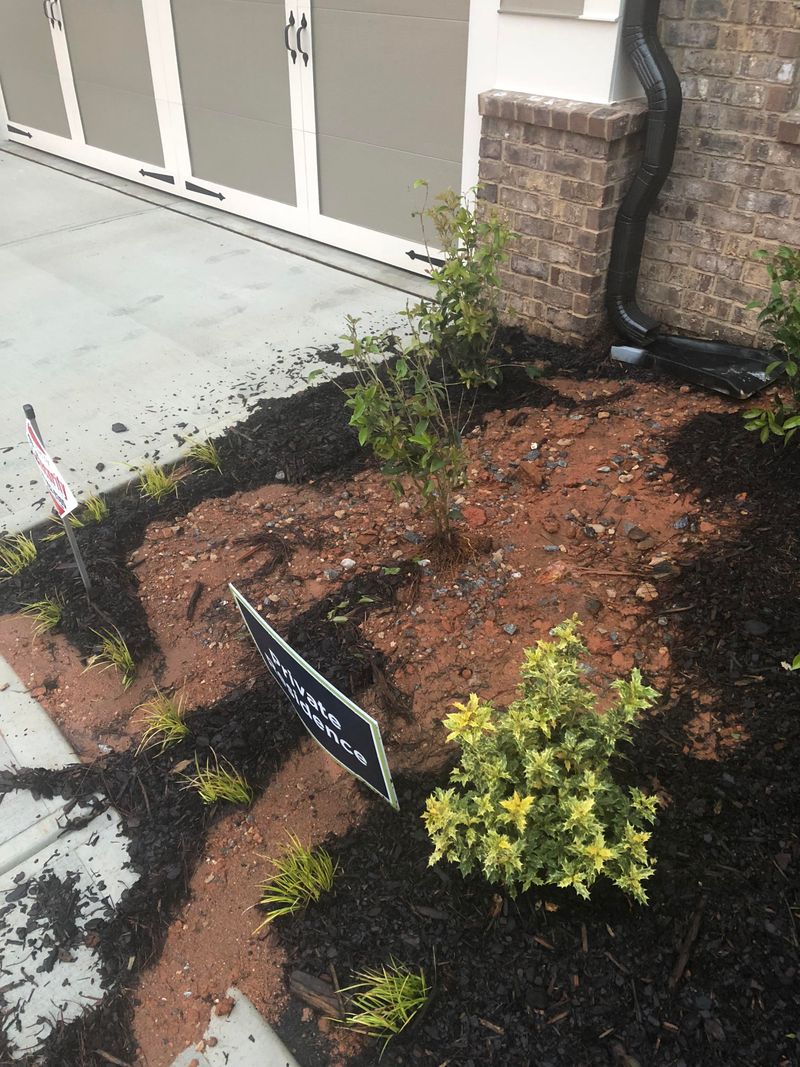
Timing your mulch application matters more than most people think. Spread fresh material right before a heavy storm and a good chunk of it may end up somewhere you did not intend.
Lightweight materials like pine straw are especially prone to shifting in strong rain. Wood chips are heavier but can still float and move in areas with poor drainage or on slopes.
A storm that drops two inches of rain in an hour can undo an entire afternoon of work.
Check the forecast before you start spreading. A dry stretch of two to three days after application gives material time to settle into place.
Once it compacts slightly, it holds much better against wind and rain.
Slope is another factor to consider. Beds on an incline lose mulch faster than flat areas.
Using coarser, heavier material on slopes helps. Some homeowners also use edging or landscape borders to keep material from washing downhill.
If a storm does shift your mulch, redistribute it once the ground dries. Bare spots left exposed after rain lose moisture quickly in the summer heat.
Getting coverage back in place promptly helps protect roots during the recovery period.
Proper installation also helps with stability. Rake material smooth and tuck edges neatly along bed borders.
A well-laid bed handles rain better than one that was spread quickly and unevenly. Taking a few extra minutes during application pays off when the storms roll in.
7. Adding More On Top Is Not Always The Right Move
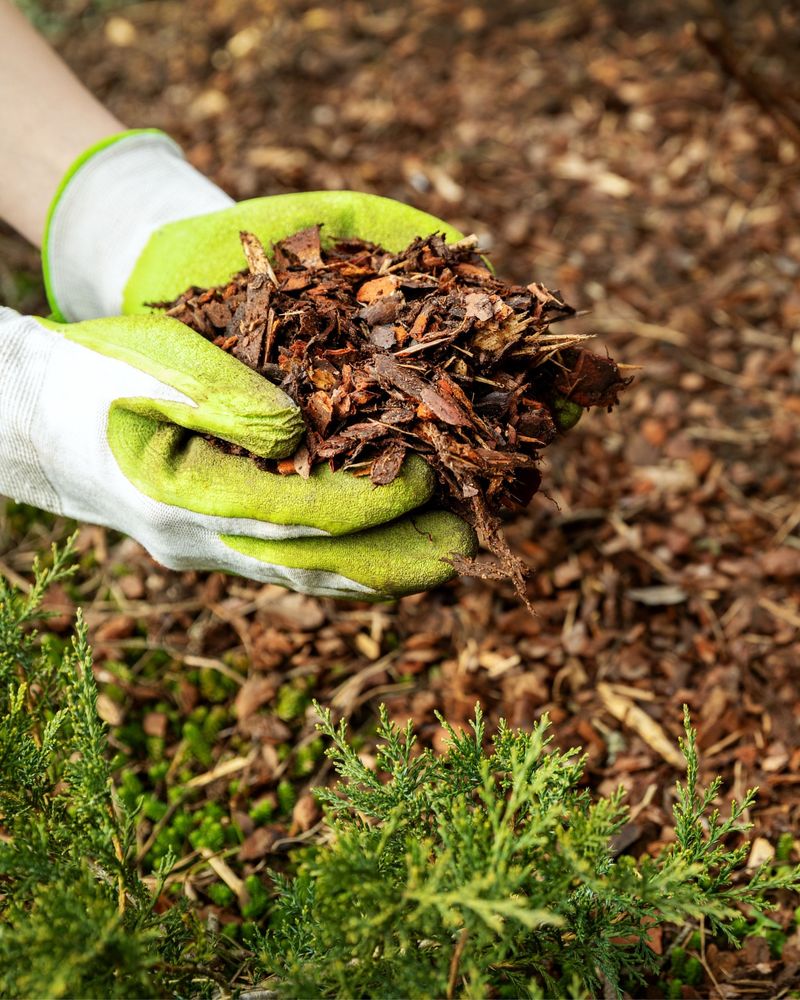
Refreshing your mulch every season sounds like good maintenance, but blindly adding more on top can create more problems than it solves. Older mulch does not disappear.
It just gets buried under the new layer.
Over time, mulch layers compact and can form a crust that water struggles to penetrate. Rain or irrigation hits the surface and runs off instead of soaking in.
Your plants may actually get less water even though the ground looks covered.
Before adding anything, check what is already there. Push your hand through the existing material and measure the depth.
If it is already at three inches or more, you may only need to fluff and rake what is there rather than adding new material.
Old mulch that has broken down significantly is actually good for your soil. As it decomposes, it adds organic matter and nutrients.
Leaving the bottom layer in place and just topping off the surface is often the smarter approach.
If the existing material has developed a hard, matted layer, loosen it with a rake before adding anything on top. Breaking up compaction restores airflow and water movement through the bed.
That step alone can improve plant health noticeably.
Homeowners across the South often over-mulch simply out of habit. Slowing down and assessing what your beds actually need each season leads to better results.
Sometimes the best move is doing less, not more, and letting the existing material finish its job.