This Large Insect Showing Up In Georgia Gardens In July Is One Of The Good Ones
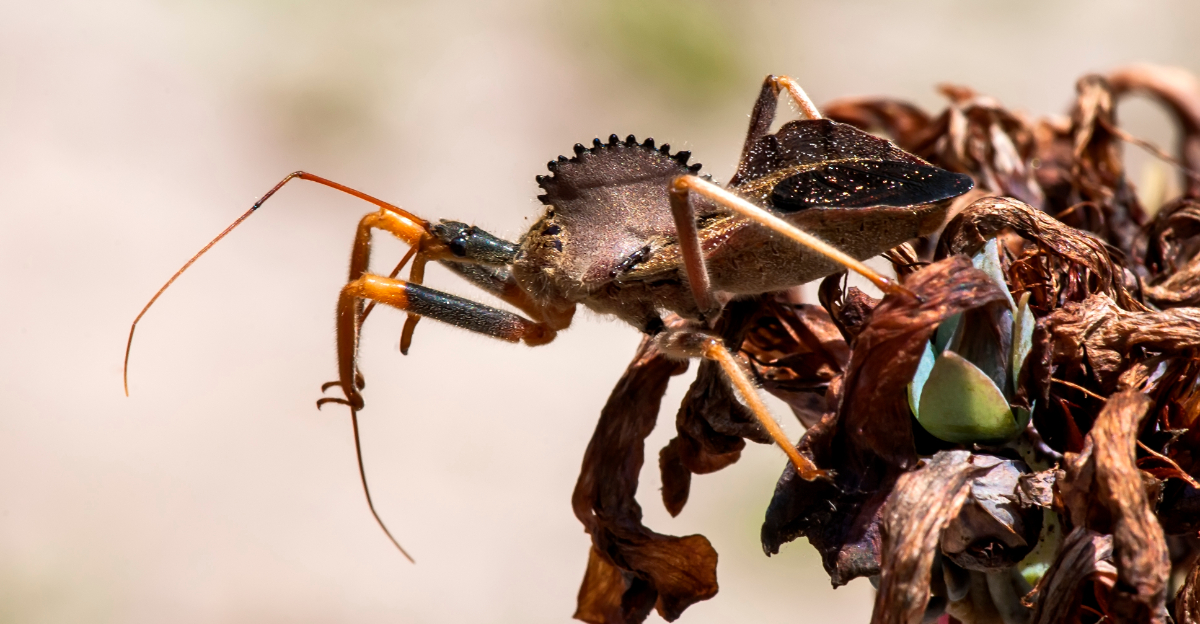
Some garden visitors are judged the moment they appear. A large body, an unusual shape, and a look that seems almost prehistoric are enough to make many people want it gone without a second thought.
That first reaction is completely understandable, especially when you have never seen this insect before.
July is when this remarkable insect becomes much easier to spot, and its appearance often catches homeowners by surprise. Despite its intimidating look, it is not in your garden to damage your plants.
In fact, it spends much of its time doing something that benefits the space around it.
If you come across this unusual insect in your Georgia garden, do not be too quick to chase it away.
Once you learn what it is and why it is there, you may be happier to see it than almost any other insect in your yard.
1. Wheel Bugs Are Among The Most Beneficial Insects You Can Find
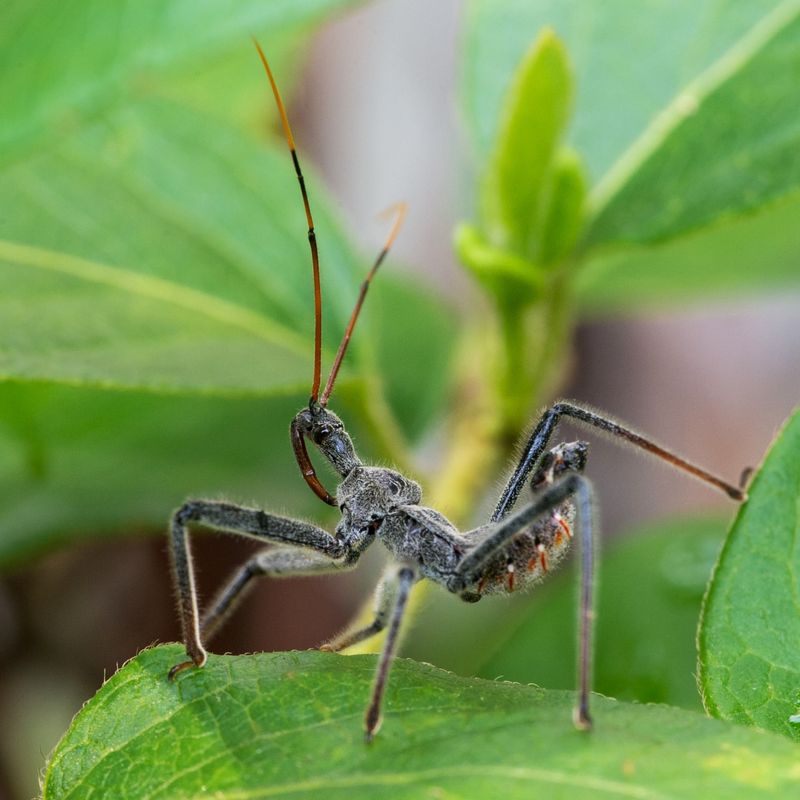
Forget everything you thought you knew about big, scary-looking bugs. Wheel bugs are not a threat to your garden.
They are one of its greatest defenders.
Most gardeners never learn to tell beneficial insects apart from harmful ones. Wheel bugs fall into the beneficial category without question.
Part of the assassin bug family, wheel bugs use a sharp beak to subdue their prey. They are not aggressive toward plants.
Every bit of their hunting energy goes toward other insects.
Gardeners who spot wheel bugs and leave them alone tend to notice fewer pest problems over time. That is not a coincidence.
A single adult wheel bug can consume a surprising number of harmful insects across one season.
Backyard gardeners in the Southeast often overlook the role predatory insects play in keeping gardens balanced. Wheel bugs fill a gap that no spray product can fully replace.
Natural predation is more targeted and leaves no chemical residue behind.
Welcoming wheel bugs means stepping back and letting nature handle part of the workload. That shift in thinking is hard for some gardeners, but the results speak clearly.
A garden with active wheel bugs is a garden with a functioning defense system already in place.
2. Many Common Garden Pests Are Part Of Their Diet
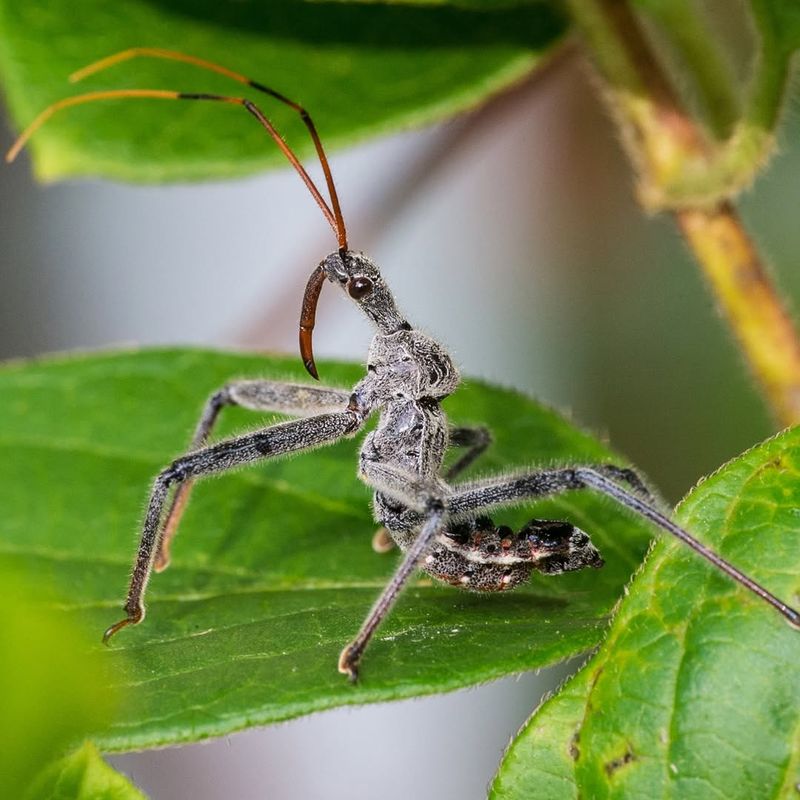
Aphids, caterpillars, Japanese beetles, stink bugs, and even squash bugs are all fair targets for a hungry wheel bug. That list covers some of the most destructive pests home gardeners deal with every summer.
Wheel bugs do not pick and choose based on insect size alone. They have been documented taking down prey much larger than themselves.
That kind of hunting ability makes them genuinely valuable in vegetable and flower gardens alike.
Caterpillars are a particularly important part of their diet. Many caterpillar species cause serious foliar damage before most gardeners even notice them.
Wheel bugs intercept them early, often before visible plant damage occurs.
Stink bugs are notoriously difficult to manage with conventional methods. Chemical sprays often miss them or fail to penetrate their protective shell effectively.
Wheel bugs bypass that problem entirely by using direct physical force.
Your Georgia Garden Changes Every Week. Your Plan Should Too.
Gardening in Georgia changes quickly throughout the season. Every Friday you’ll receive a simple weekly plan showing exactly what to plant, prune, fertilize, harvest, and protect so you never miss the right timing.
Japanese beetles cause widespread destruction across warm-season gardens. Most organic control options for this pest are limited or inconsistent.
Having a natural predator already patrolling the garden provides a layer of control that does not depend on timing or application schedules.
Watching a wheel bug work is genuinely impressive. Movement is slow and deliberate, almost methodical.
Once it locks onto a target, the outcome is rarely in doubt.
3. Give Them Space To Avoid A Defensive Bite
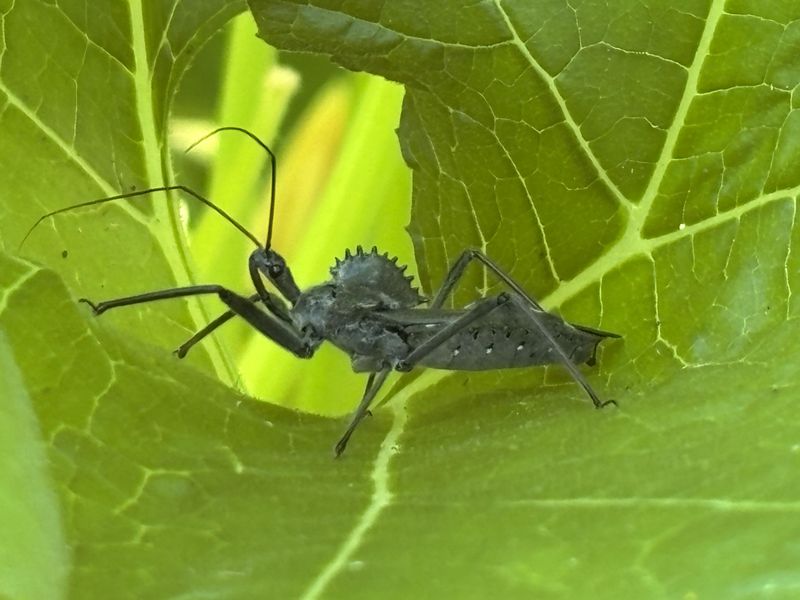
Wheel bugs do not go looking for trouble with humans. Left alone, they will ignore you completely and focus entirely on hunting.
That said, handling one without care is a mistake worth avoiding. A wheel bug bite is reportedly quite painful, often described as more intense than a bee sting.
The reaction can linger for several hours depending on the individual.
No venom is involved in the traditional sense, but the saliva they inject into prey can cause a sharp, burning sensation in human skin. It is not medically dangerous for most people, but it is genuinely uncomfortable.
Children are naturally curious about large, unusual-looking insects. Teaching them to observe without touching is the right approach here.
A wheel bug spotted on a tomato cage or fence post makes a great learning moment from a safe distance.
Gardening gloves add a layer of protection if you need to move one off a path or out of a high-traffic area. Even then, slow and careful movement is the better strategy.
Sudden handling provokes a defensive response.
Respecting their space is easy once you understand their behavior. Wheel bugs are not aggressive.
They simply protect themselves when they feel cornered or grabbed.
4. The Gear-Shaped Crest Makes Them Easy To Identify
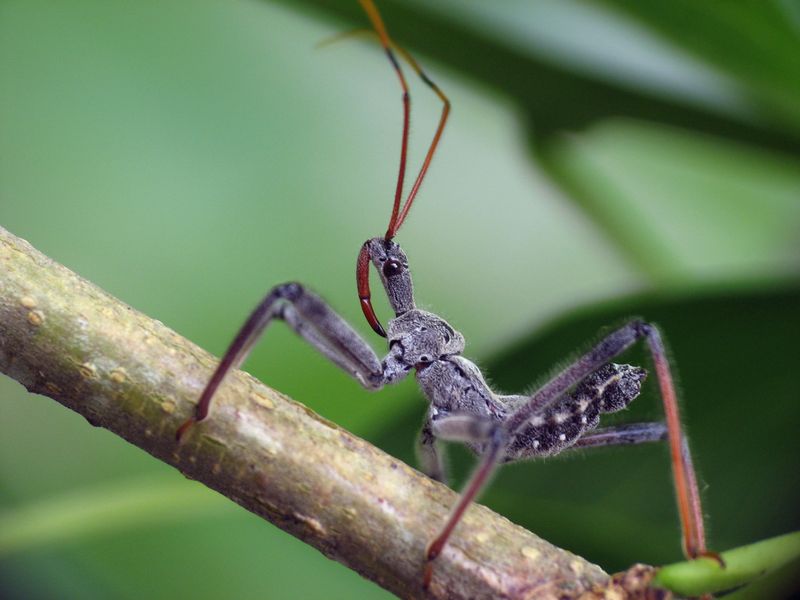
No other insect in North America looks quite like a wheel bug. That crest on its back is the giveaway every time.
Shaped like a partial gear or cogwheel, the raised ridge sits on the thorax and is visible even from a few feet away on a larger adult. It is the feature that gives the insect its common name.
Once you see it, identification becomes instant and reliable.
Adult wheel bugs reach roughly one and a half inches in length. Their coloring runs from dark gray to brownish-gray, which helps them blend into bark and woody stems.
Despite that camouflage, the crest breaks their outline and makes them stand out once your eye knows what to look for.
Nymphs, which are the younger stages, do not yet have the crest fully developed. They tend to be bright red or orange with black markings.
Many gardeners mistake nymphs for a completely different insect before learning the connection.
Knowing what wheel bugs look like at every life stage prevents accidental removal. A gardener who spots a cluster of red nymphs and leaves them alone is making a smart, informed choice.
Those juveniles will grow into the same capable hunters as the adults.
5. They Hunt Prey Instead Of Feeding On Plants
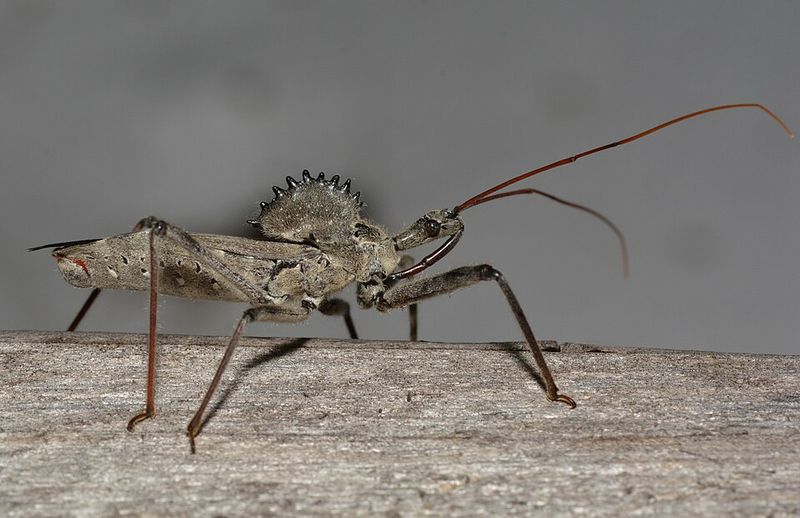
Plant feeders and predators behave completely differently in a garden. Knowing which category an insect falls into changes everything about how you respond to it.
Wheel bugs are obligate predators. Every meal comes from another insect, never from plant tissue.
Leaves, stems, fruit, and roots are completely safe from them.
Compare that to stink bugs or aphids, which pierce plant cells directly and drain nutrients. Wheel bugs use that same piercing beak for an entirely different purpose.
Their target is always living prey, not your vegetable crop.
Some gardeners confuse the feeding posture of wheel bugs with plant damage. Seeing a large insect motionless on a stem can look suspicious.
Closer inspection usually reveals it is waiting in ambush or already processing a captured pest.
Because they only eat other insects, wheel bugs cause zero collateral damage to garden plants. Squash, tomatoes, peppers, beans, and ornamental shrubs are all completely unaffected by their presence.
That distinction matters enormously when deciding whether to intervene.
Predatory insects like wheel bugs represent what ecologists call natural pest regulation. It works without inputs, without timing charts, and without worrying about residue on edible crops.
6. Broad-Spectrum Pesticides Can Reduce Their Numbers
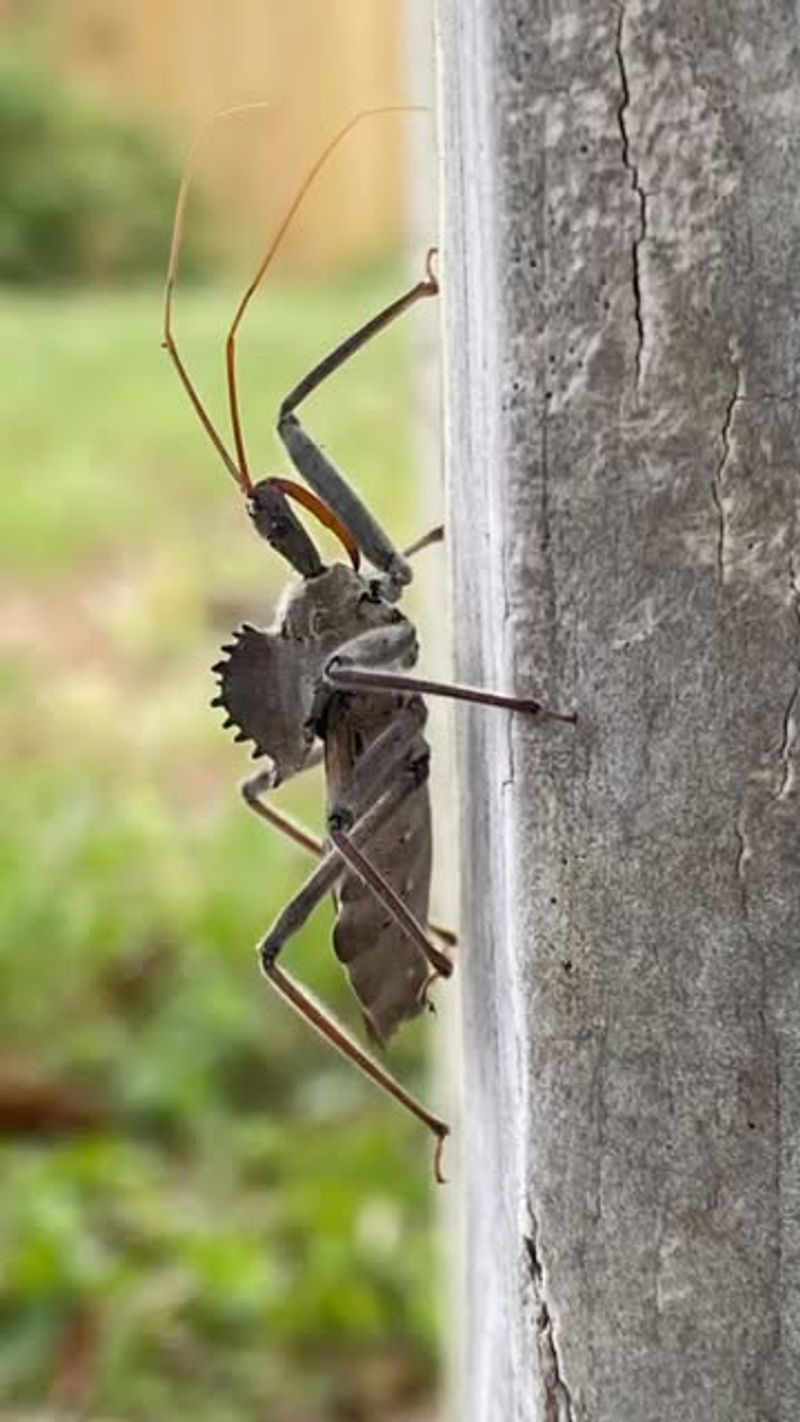
Spraying broadly for one pest problem often creates a second one. Broad-spectrum pesticides do not distinguish between harmful insects and helpful ones.
Wheel bugs are just as vulnerable to common insecticides as the pests they hunt. A single application of a non-selective spray can remove an entire season’s worth of natural pest control from a small garden.
That loss is rarely visible right away, but the effects show up later.
Pyrethrin-based products, neonicotinoids, and organophosphates all pose real risks to predatory insects. Even products marketed as natural or organic can affect wheel bug populations when applied carelessly or too frequently.
Label claims about safety for beneficial insects vary widely and deserve scrutiny.
Spot treatments are a smarter approach when chemical intervention is genuinely necessary. Targeting only the affected plant or area limits exposure to non-target insects.
Avoiding applications during peak activity hours also reduces contact risk.
Integrated pest management strategies prioritize predators like wheel bugs as a first line of response. Chemical options are reserved for situations where natural control has clearly failed.
That sequence protects the biological balance a healthy garden depends on.
Gardeners who spray reflexively at every pest sighting often end up with more pest problems over time, not fewer.
7. Adult Wheel Bugs Become Easier To Spot In July
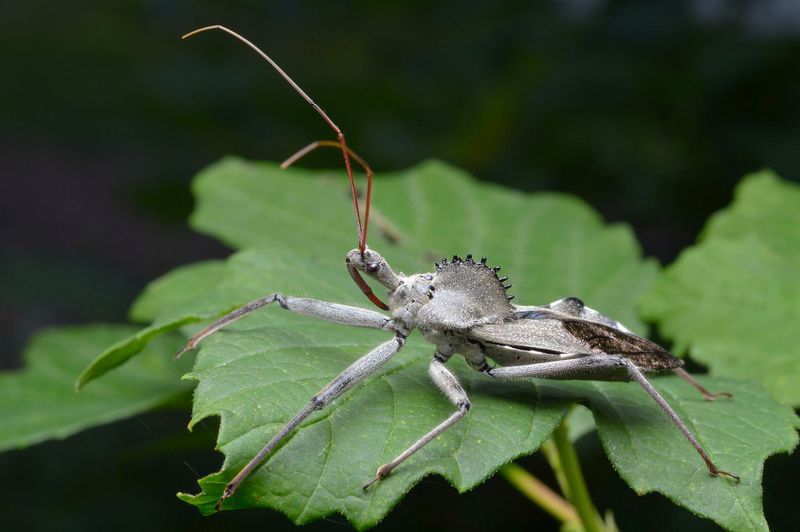
July is when adult wheel bugs reach full size and start showing up in places gardeners actually notice. Earlier in the season, they move through nymph stages and stay smaller and harder to find.
Warm temperatures accelerate their development. By midsummer across the Southeast, adults are fully formed and actively hunting at peak capacity.
That timing lines up almost perfectly with the height of pest pressure in most home gardens.
Increased visibility in July is partly a size issue. Adults are large enough to catch the eye while moving across foliage, fences, or raised bed frames.
Gardeners who were unaware of them earlier in the season suddenly notice them everywhere.
Evening garden walks are one of the best times to spot them. Wheel bugs are active in low light and tend to position themselves on plant stems and woody structures where prey traffic is high.
A small flashlight makes locating them much easier.
Spotting one in July is a sign that your garden has supported a healthy population through the earlier part of the season. That suggests a reasonable level of insect biodiversity and relatively low pesticide disruption.
Both are positive indicators for a functioning garden ecosystem.
Georgia summers can be brutal on vegetable crops, with pest pressure building week by week.