The One Thing You Must Do To Ohio Lavender In July Or It Won’t Survive The Humidity
Lavender and Ohio July humidity are not exactly best friends. This gorgeous Mediterranean herb thrives on hot sun, dry air, and fast-draining soil, which is basically the opposite of what an Ohio midsummer delivers.
Thick, sticky humidity, heavy rainfall, and warm nights that never quite dry things out: lavender tolerates a lot, but that combination can push even a healthy plant toward looking stressed, soggy, and a little sorry for itself by the middle of the season.
Here’s the thing though: gardeners grow lavender successfully every year, and the ones who do well have usually figured out a handful of simple adjustments that make a real difference.
Trimming spent stems, rethinking mulch placement, dialing in the watering routine: none of it is complicated. It just takes knowing what this plant actually needs when Ohio summer is doing its worst.
1. Improve Airflow Around The Plant
Thick, still air in an Ohio garden during July can create conditions that lavender genuinely struggles with. When plants are crowded together or tucked against fences and walls, moisture from morning dew or rain has nowhere to go.
The foliage stays damp far longer than it should, and that lingering wetness is one of the biggest contributors to fungal problems on lavender during humid summers.
Improving airflow does not require a complete garden redesign. Sometimes it is as simple as moving a nearby pot, cutting back a neighboring shrub, or thinning out overgrown companions that have crept too close.
Even a few inches of open space around each lavender plant can help humid air circulate rather than settle.
Ohio herb gardens often pack plants together for a lush look, which works well for many perennials but can quietly stress lavender. If your plant sits in a spot where the air feels heavy and still on humid mornings, that location is worth reconsidering.
Raised beds and walkway borders tend to offer better natural airflow than dense, enclosed garden corners. Think of good airflow as one layer of protection that works alongside sun, drainage, and smart watering habits.
2. Clear Crowded Growth Near The Crown
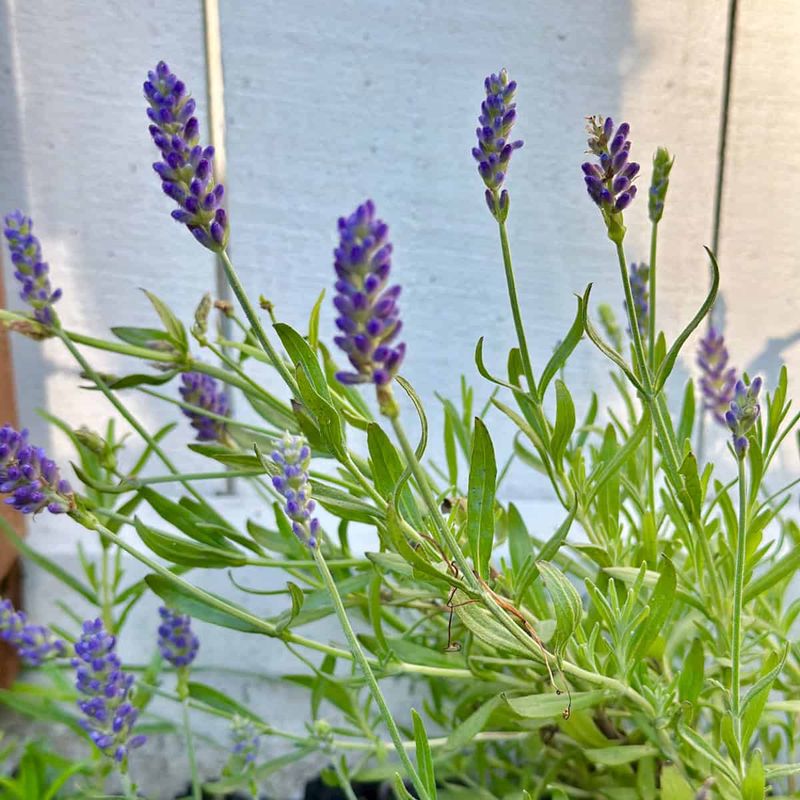
The crown of a lavender plant, that central cluster of woody stems right at the soil line, is one of the most vulnerable spots during Ohio’s humid July weather.
When old stems, spent growth, or nearby plant material pile up near the crown, moisture gets trapped exactly where the plant can least afford it.
That damp, crowded base creates an environment where rot and fungal issues can take hold quietly before you even notice anything is wrong.
Clearing crowded growth near the crown is a straightforward task that pays off quickly. Use clean pruning shears or your fingers to gently remove any dried or spent stems clustered at the base.
If neighboring plants have grown into the lavender’s personal space, trim them back so the crown has room to breathe and dry out between rain events.
Gardeners in Ohio sometimes notice their lavender looking tired or gray-brown near the base in midsummer. That discoloration can be an early sign that the crown is staying too wet or too shaded.
Your Ohio Garden Changes Every Week. Your Plan Should Too.
Gardening in Ohio changes quickly throughout the season. Every Friday you’ll receive a simple weekly plan showing exactly what to plant, prune, fertilize, harvest, and protect so you never miss the right timing.
Keeping that central area open and light-exposed gives the plant its best chance of staying healthy through the rest of the growing season without needing drastic intervention later on.
3. Keep Mulch Away From The Stems
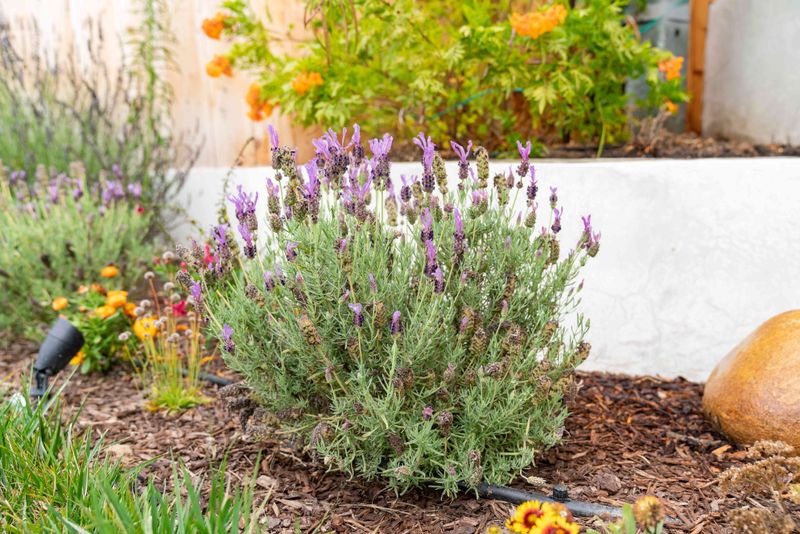
Mulch is a helpful tool in most garden beds, but lavender has a complicated relationship with it, especially during Ohio’s sticky summer months.
Organic mulches like wood chips or shredded bark hold moisture close to the soil surface, which is great for tomatoes and hostas but can be problematic for lavender stems that prefer to stay on the drier side.
When mulch presses right up against the stems, it keeps that area damp for hours after rain or irrigation.
The fix is simple: pull any existing mulch back several inches from the base of the plant. Leaving a clear ring around the stems allows air to reach the crown and lets the soil surface dry more quickly after wet weather.
If you want ground cover around your lavender, coarse gravel or pea gravel works much better than organic material because it does not retain moisture the same way.
Gardeners who use raised beds sometimes find that gravel mulch also helps reflect heat and sunlight back onto the lower foliage, which lavender appreciates.
The combination of good drainage, open airflow, and dry-friendly mulch choices goes a long way toward keeping lavender stable through July’s most humid stretches without making the plant work harder than it needs to.
4. Avoid Watering Over The Foliage
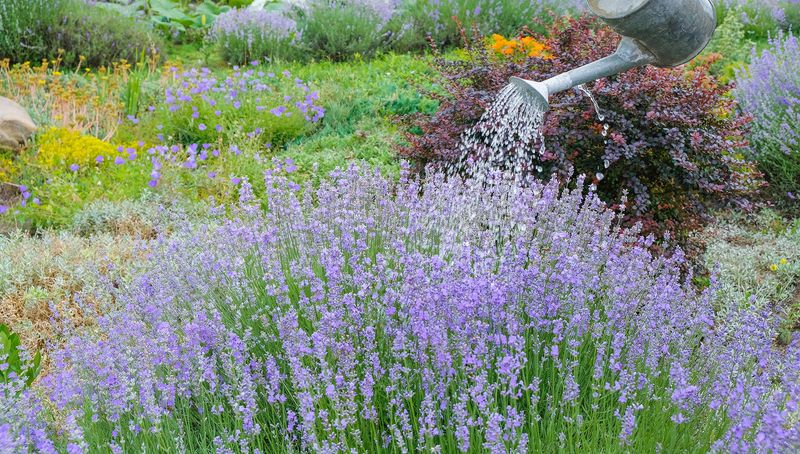
Overhead watering is one of the easiest habits to fall into, especially when you are moving quickly through a garden with a hose. For most plants it is fine, but lavender is different.
Wetting the foliage in July, when Ohio humidity is already high, means the leaves and stems can stay damp for a long time. That extra surface moisture, combined with warm, muggy air, creates conditions where fungal issues can develop more easily.
Watering at the base of the plant instead of over the top is a small change that makes a real difference. Drip irrigation or a slow, low watering can aimed at the soil rather than the plant keeps the foliage dry while still getting moisture to the roots.
Morning is also a better time to water than evening, since any accidental splash on the foliage has more time to dry off before nighttime humidity settles in.
Lavender in containers and raised beds may need more frequent watering than in-ground plants because they dry out faster, but the same rule applies: keep water off the leaves.
Established in-ground lavender often needs less supplemental water than gardeners expect, particularly during rainy Ohio summers when the soil is already receiving more moisture than this herb naturally prefers.
5. Check That Soil Drains Quickly
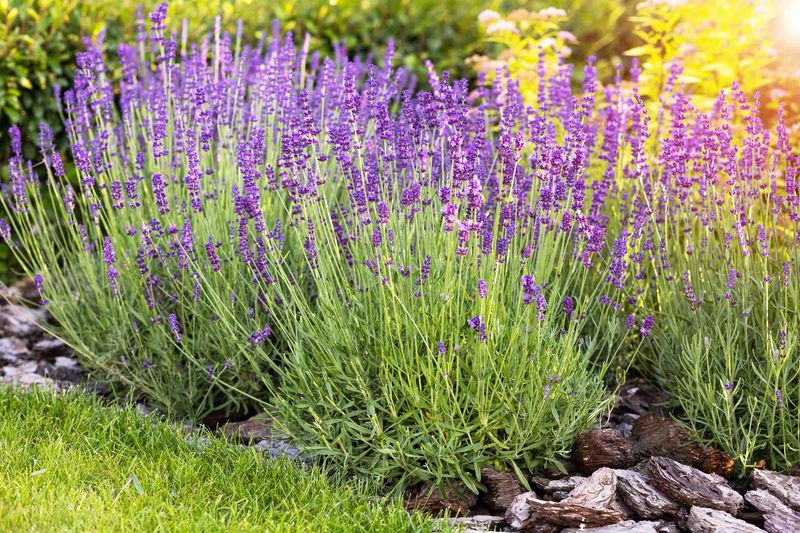
Slow-draining soil is one of the most common reasons lavender struggles in Ohio gardens.
Clay-heavy soils hold water well after rain, which many perennials appreciate, but lavender roots prefer to dry out between waterings rather than sitting in consistently moist ground.
During July, when rain events can be frequent and humidity keeps the surface from drying quickly, poor drainage can quietly stress the root system over several weeks.
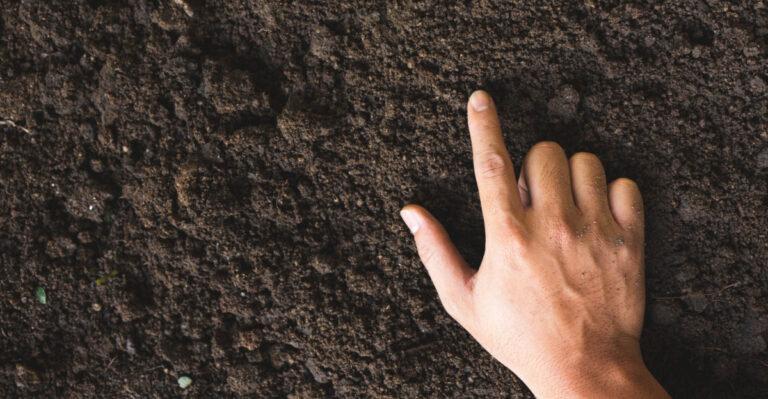
A quick way to check your drainage is to dig a small hole near the plant, fill it with water, and watch how fast it soaks in. If water is still sitting there after an hour, the soil is likely too dense for lavender.
Mixing coarse sand, pea gravel, or fine grit into the planting area can help open up the soil structure and improve drainage over time.
Raised beds are a popular solution for Ohio lavender growers because they allow complete control over soil composition. A mix that leans toward sandy or gritty rather than rich and loamy suits lavender far better in humid climates.
Containers with drainage holes are another option for gardeners who want to sidestep Ohio’s challenging native soil entirely. Getting the drainage right is one of the most foundational steps in keeping lavender healthy through a humid summer.
6. Give Lavender Full Sun
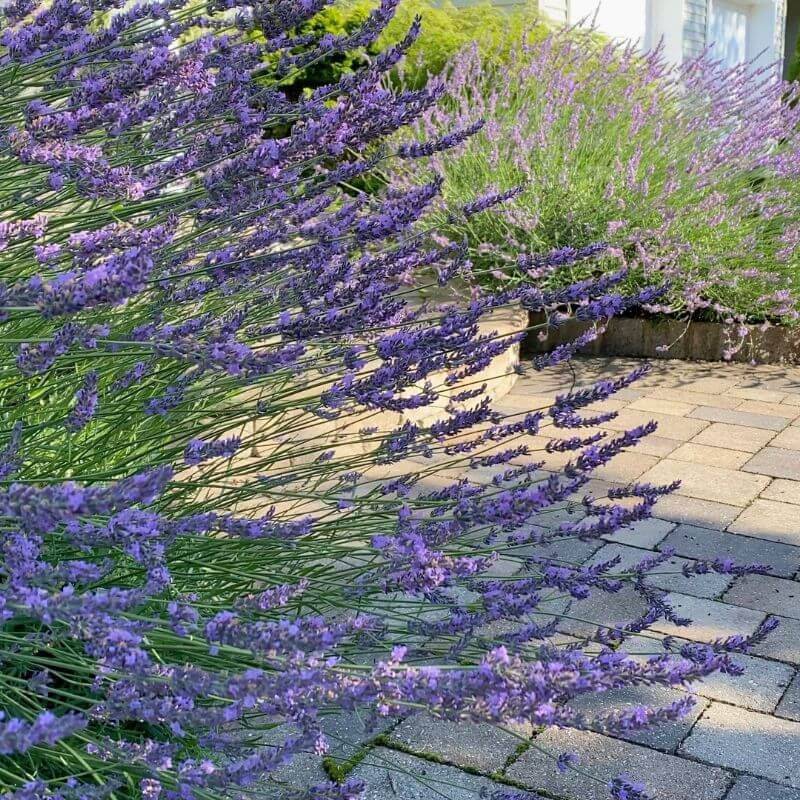
Silvery lavender foliage catching afternoon light is one of the most satisfying sights in an Ohio herb garden, and that picture only happens when the plant is getting enough direct sun.
Lavender needs a generous amount of full sun each day, and in Ohio’s humid July climate, that sun exposure does more than just support growth.
It also helps the foliage and soil surface dry out faster after rain or morning dew, which reduces the amount of time moisture lingers around the plant.
Spots that receive partial shade or shifting shadows from nearby trees may feel like reasonable compromises, but lavender tends to show the strain over time.
Plants in shadier locations often grow more loosely, produce fewer flowers, and seem to struggle more with humid conditions than those in open, sunny borders.
The reduced sun also means slower drying after wet weather, which compounds the challenges summers already present.
When choosing or evaluating a planting spot, look for somewhere that gets uninterrupted sun through most of the day, particularly during the morning hours when dew is burning off.
South or west-facing borders and raised beds along sunny walkways tend to be reliable choices in Ohio residential gardens.
Even a modest improvement in sun exposure can noticeably strengthen how a lavender plant handles July’s heat and humidity.
7. Trim Spent Flower Stems Lightly
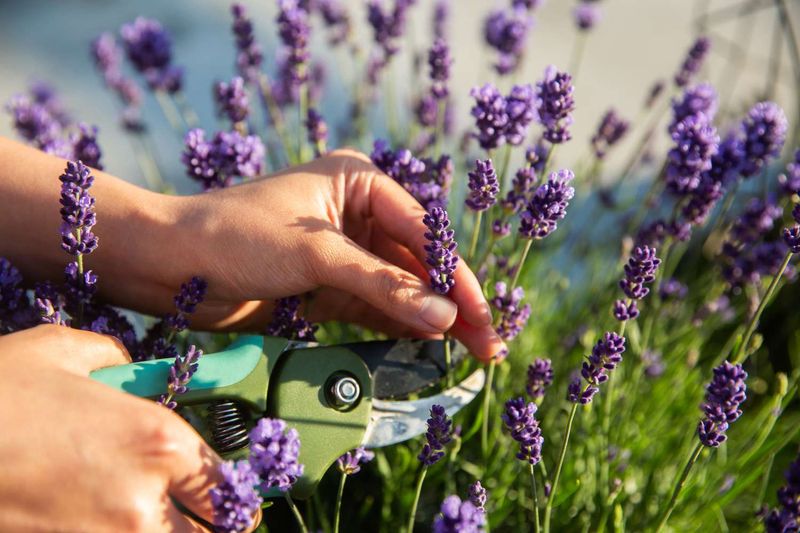
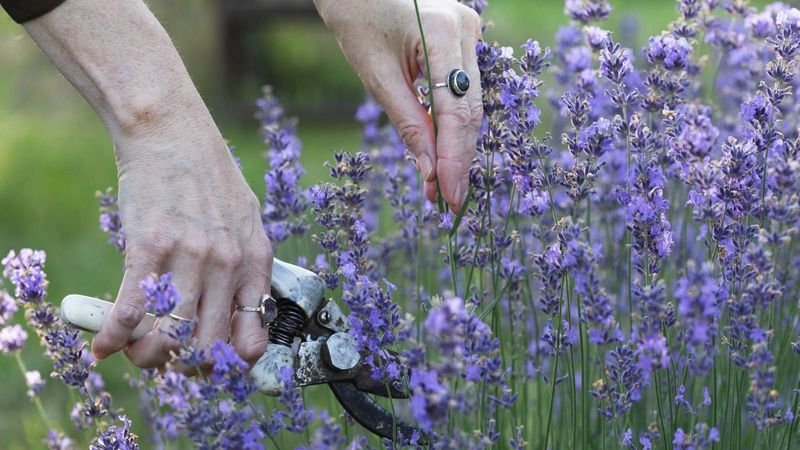
Once lavender flowers begin to fade and dry out in early to midsummer, those spent spikes do more than just look untidy. They can trap moisture, block airflow, and create small pockets of damp, decaying material around the upper stems of the plant.
In Ohio’s humid July air, that kind of trapped dampness is worth addressing sooner rather than later.
A light trim of the spent flower stems, cutting just below the faded flower heads and into the upper portion of the green foliage, helps open up the plant and lets air move through more freely. The key word here is light.
July is not the time for a heavy structural prune, which is better suited to early spring or early fall in Ohio. Removing too much green growth in midsummer heat can stress the plant unnecessarily.
Gardeners sometimes skip this step because the dried flower heads still look decorative, and that is a fair choice.
But if your lavender is already showing signs of stress in the form of gray or brown patches near the center, clearing out those spent stems is a simple way to reduce one source of trapped moisture.
Keep the cuts clean and avoid going too deep into the woody base, and your plant should respond well through the rest of the season.
8. Skip Extra Fertilizer In July
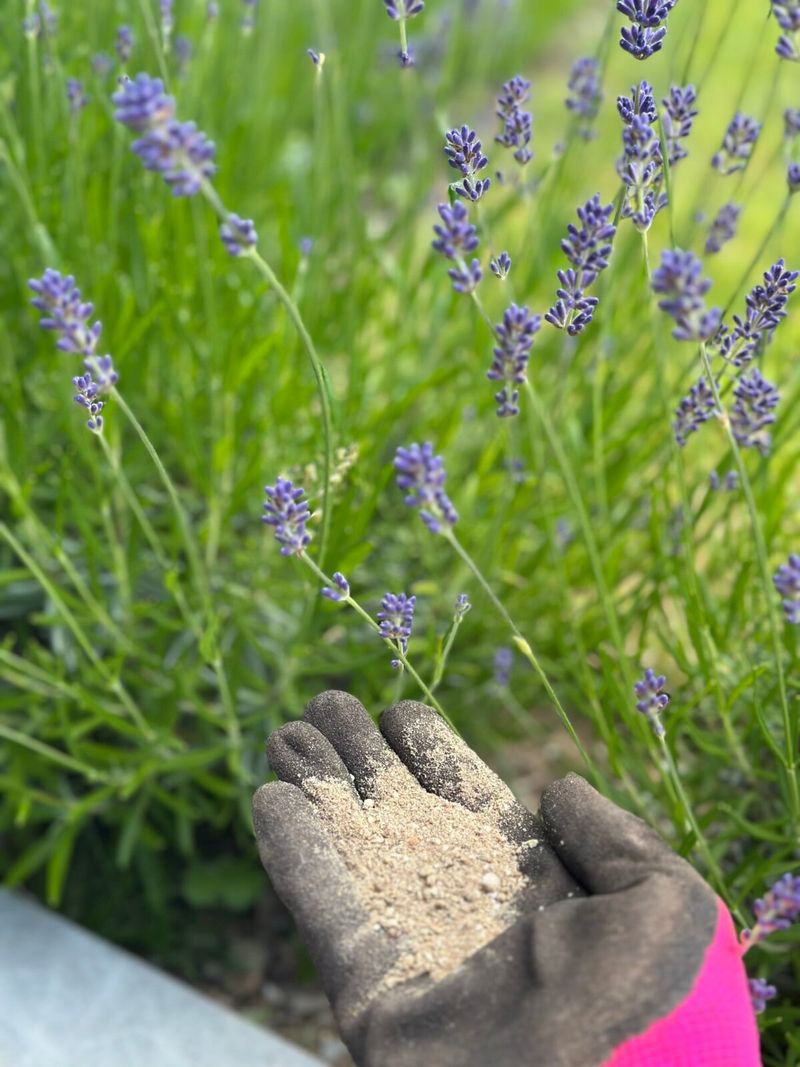
It can be tempting to reach for fertilizer when a plant looks stressed during summer, but with lavender, extra feeding in July usually does more harm than good.
Lavender is naturally adapted to lean, low-nutrient soils, and pushing new growth with fertilizer during the hottest, most humid stretch of the Ohio summer puts the plant in a difficult position.
Lush, fast-growing foliage produced by fertilizer tends to be softer and more vulnerable to humidity-related problems than the tighter, drier growth lavender puts out on its own.
New growth encouraged by midsummer fertilizing is also less likely to harden off properly before fall arrives, which can affect how well the plant handles Ohio winters.
Lavender that has been pushed to grow quickly in July may look fuller for a few weeks, but that extra softness can work against the plant when conditions are already challenging.
If your lavender soil is genuinely depleted, a light application of a low-nitrogen amendment in early spring is a more appropriate time to address it.
During July, the best approach is to leave the feeding schedule alone and focus instead on airflow, drainage, sun exposure, and keeping the foliage dry.
Those factors do far more to support Ohio lavender through humid summer weather than any fertilizer application will.
9. Watch For Damp, Shaded Spots
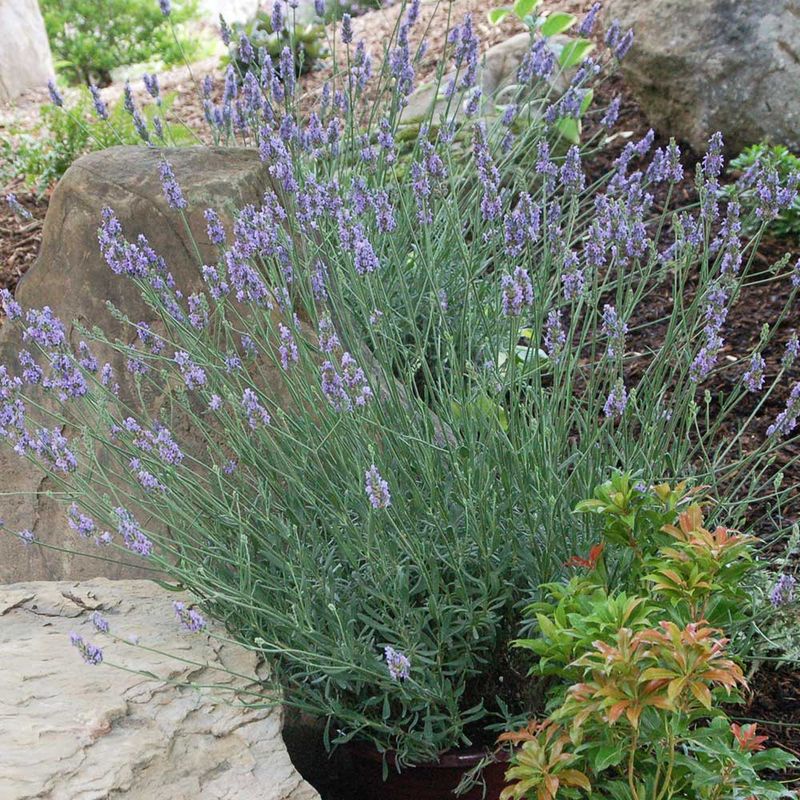
Not every spot in an Ohio garden that looks suitable in spring stays that way by July. Trees that were bare in April cast full shade by midsummer.
Neighboring perennials that were small in May can grow tall enough to block sun and trap moisture around lavender by the time July humidity peaks.
A planting spot that seemed sunny and open earlier in the season may have quietly become shadier and damper without the gardener noticing the gradual shift.
Checking your lavender’s actual sun and moisture conditions in July, rather than relying on how the spot looked at planting time, is a worthwhile habit.
Walk through your garden on a humid morning and notice which areas stay damp longest, where air feels still, and where shadows fall during the key midday and afternoon hours.
Lavender in those spots will likely show more stress than plants in genuinely open, sunny positions.
If a plant is in a location that has become too shaded or damp over time, moving it to a better spot in early fall is a reasonable option for Ohio gardeners.
In the meantime, trimming back nearby plants, improving drainage where possible, and keeping the crown clear can offer some relief.
Catching these problem spots early in July gives you more time to respond before the humidity of late summer settles in fully.