Native Georgia Ground Covers That Need Less Water Than Traditional Lawns
A lush green yard sounds great until you realize how much time, water, and upkeep it takes to keep it that way. Many homeowners reach a point where they wonder if there is an easier option that still looks beautiful.
The answer is often much simpler than replacing everything with gravel or giving up on greenery altogether.
Ground covers are becoming more popular because they solve several common landscaping problems at once. They spread across bare soil, help fill difficult spaces, and often need far less attention than a traditional lawn.
The best part is that many of them continue looking attractive without demanding constant watering.
For homeowners in Georgia, native ground covers offer another advantage. They are naturally adapted to local conditions and often thrive with much less water than turfgrass.
Choosing the right plants can help create a landscape that stays attractive while asking much less from you throughout the growing season.
1. Moss Phlox Spreads With Very Little Water
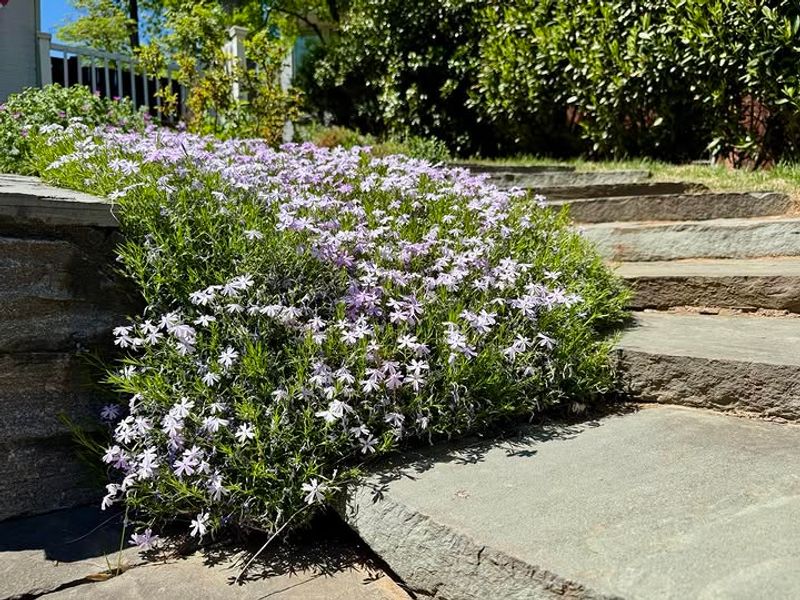
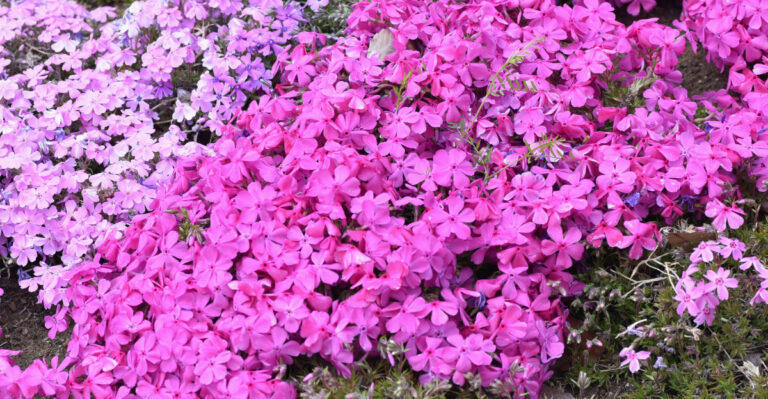
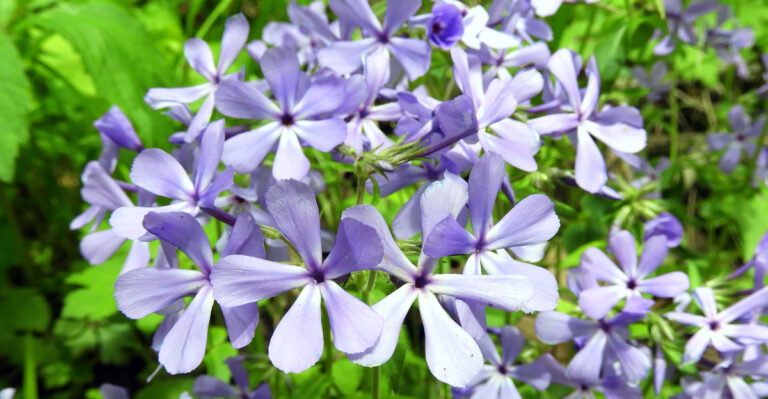
Moss Phlox puts on a show every spring without asking for much in return. Clusters of tiny pink, purple, or white flowers cover the plant so completely that the foliage nearly disappears beneath them.
It blooms in early spring when most other ground covers are just waking up.
Native to rocky slopes and open woodlands in the eastern United States, Moss Phlox handles dry, sandy, or poor soil better than most plants. Once established, it rarely needs supplemental watering outside of a serious drought.
Roots go deep quickly, which helps the plant pull moisture from deeper soil layers.
Plant it in full sun for the best flower coverage. It spreads steadily by creeping stems that root where they touch the ground.
A single plant can grow into a two-foot-wide mat within a couple of seasons.
Moss Phlox works well along slopes, rock gardens, or sunny borders where grass struggles to grow. It stays low, usually reaching only about six inches tall, so it never needs mowing.
Trim it lightly after blooming to keep the shape tidy and encourage fresh growth. Deer tend to avoid it, which is a bonus in suburban and rural yards alike.
Pair it with other low-water natives to create a colorful, low-maintenance planting that holds soil and looks polished all season long.
2. Green And Gold Thrives In Partial Shade
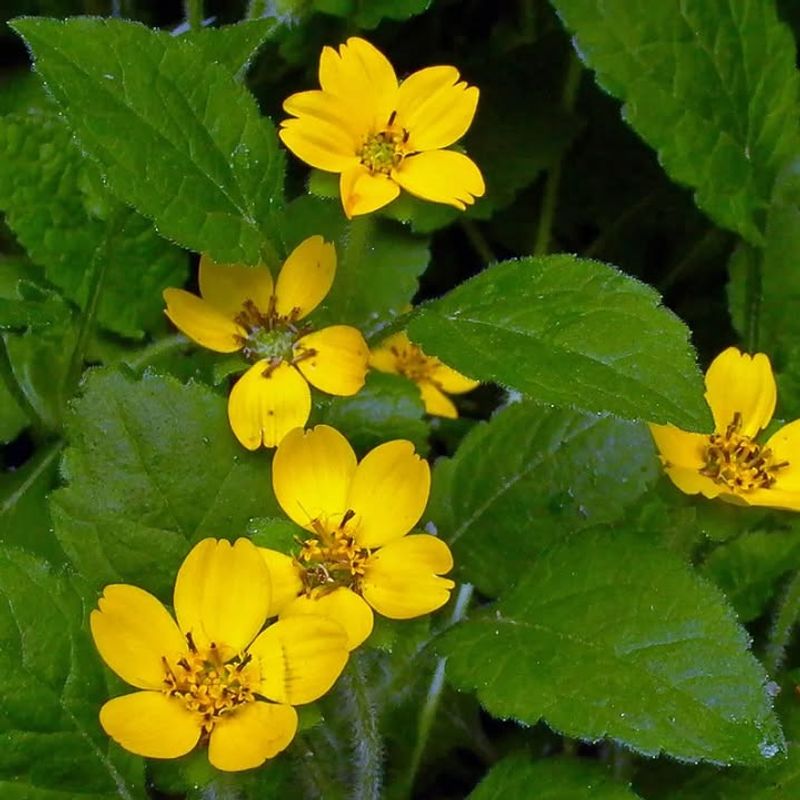
Shady spots under trees are notoriously hard to fill with anything useful. Green and Gold steps up where grass gives up and most ornamentals struggle.
Its cheerful yellow flowers pop against dark green foliage, creating a bright contrast even in low-light areas.
Chrysogonum virginianum is its botanical name, and it grows natively across the southeastern United States, including Georgia. It tolerates dry shade better than almost any other flowering ground cover in the region.
Established plants can go weeks without rain and still look presentable.
Expect plants to reach about six to twelve inches tall. Spread depends on the variety, but most fill in steadily over two to three growing seasons.
Blooms appear from spring through early summer, and some plants rebloom lightly in fall when temperatures drop.
Your Georgia Garden Changes Every Week. Your Plan Should Too.
Gardening in Georgia changes quickly throughout the season. Every Friday you’ll receive a simple weekly plan showing exactly what to plant, prune, fertilize, harvest, and protect so you never miss the right timing.
Water new plants regularly for the first season to help roots settle in. After that, rainfall usually handles the rest during normal years.
Soil drainage matters more than soil richness, so avoid soggy spots where water pools after rain.
Green and Gold pairs well with ferns, native ginger, and other shade plants. It holds soil on gentle slopes and works beautifully as a border edging under large trees.
Divide clumps every few years to keep plants vigorous and to expand coverage into new areas. Minimal maintenance makes it a practical favorite for shaded landscapes.
3. Allegheny Spurge Forms A Dense Carpet
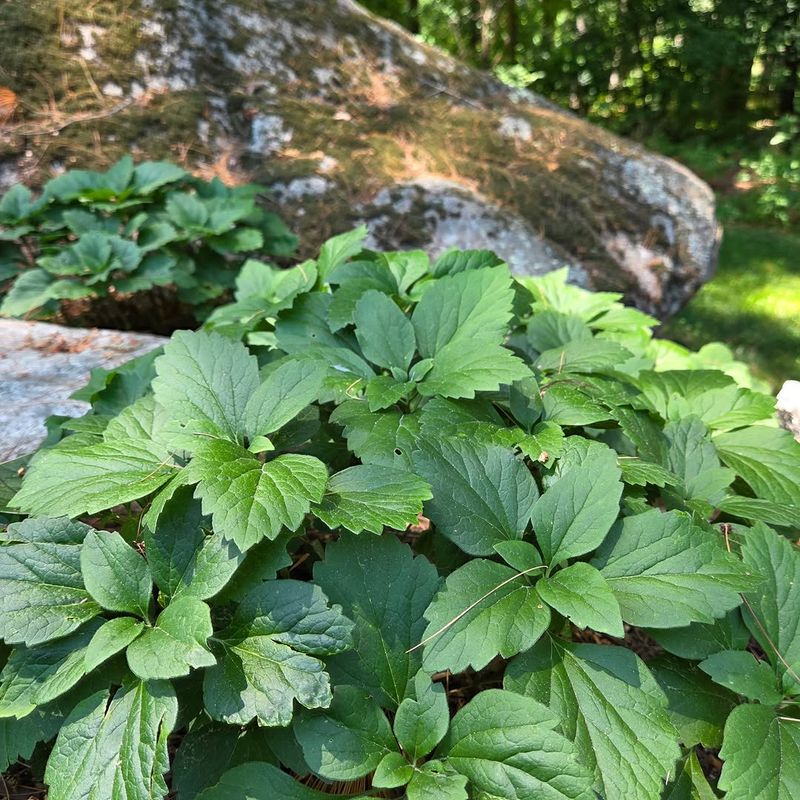
Walk into any mature woodland in the Appalachian foothills and you might spot Allegheny Spurge spreading quietly across the forest floor. Pachysandra procumbens is a true native, unlike its Japanese cousin that dominates many suburban yards.
The difference matters more than most people realize.
Native Pachysandra has mottled, silvery-green leaves that are wider and more textured than the imported version. Small white flower spikes emerge in early spring before the leaves fully unfurl, adding quiet seasonal interest.
Once those flowers fade, the foliage takes over and stays attractive through most of the year.
Dry shade is where this plant really earns its place. It grows slowly compared to aggressive spreaders, but that patience pays off with a dense, weed-suppressing mat that rarely needs attention.
Established plants handle drought without visible stress in most seasons.
Plant divisions or plugs in fall or early spring for best results. Space them about a foot apart and keep them watered through the first summer.
After that, regular rainfall is usually enough unless conditions get unusually dry.
Allegheny Spurge works especially well under oaks, hickories, and other large canopy trees where root competition makes growing anything else difficult. It stays under twelve inches tall and spreads by underground stems.
Leaf litter from overhead trees actually helps by keeping roots cool and retaining moisture. Skip the mulch in areas with heavy leaf fall, since the plant manages fine on its own.
4. Partridge Berry Stays Green Year Round
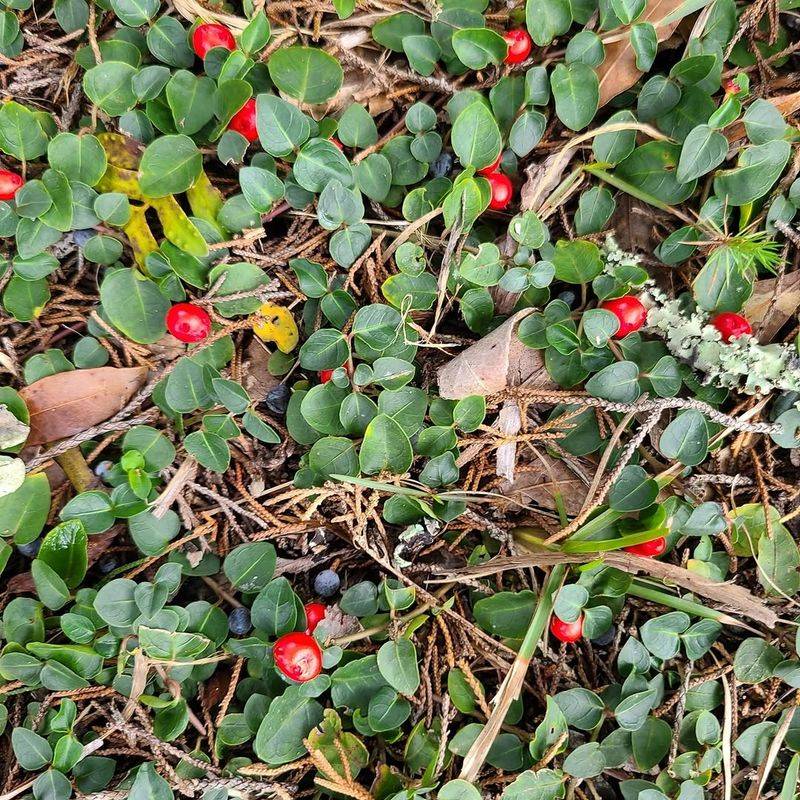
Bright red berries sitting on dark green leaves in the middle of winter is a sight that stops most gardeners in their tracks. Partridge Berry delivers that kind of quiet drama without any fuss.
It stays evergreen through cold snaps that flatten most other ground covers flat.
Mitchella repens grows natively across eastern North America, thriving in moist to moderately dry woodland soil. Pairs of tiny white flowers appear in late spring, and each pair fuses to form a single red berry by fall.
Birds eat those berries, so planting it near a window gives you some unexpected wildlife watching.
Growth is slow but reliable. Stems creep along the soil surface, rooting at nodes as they go.
A single plant might spread a foot or two per season once it settles in, which makes it ideal for filling in around tree roots and rocks without overwhelming neighboring plants.
Shade is non-negotiable for Partridge Berry. Full sun scorches the leaves quickly, especially in summer heat.
Moist, acidic soil with good organic matter gives it the best start, though established plants handle occasional dry spells reasonably well.
Water consistently during the first growing season. After roots establish, natural rainfall handles most of its needs in average years.
Pair it with native ferns and mosses for a layered woodland floor effect. It rarely needs pruning, never needs mowing, and adds genuine four-season interest to shaded spots that are otherwise difficult to plant.
5. Wild Ginger Covers Shady Areas Slowly
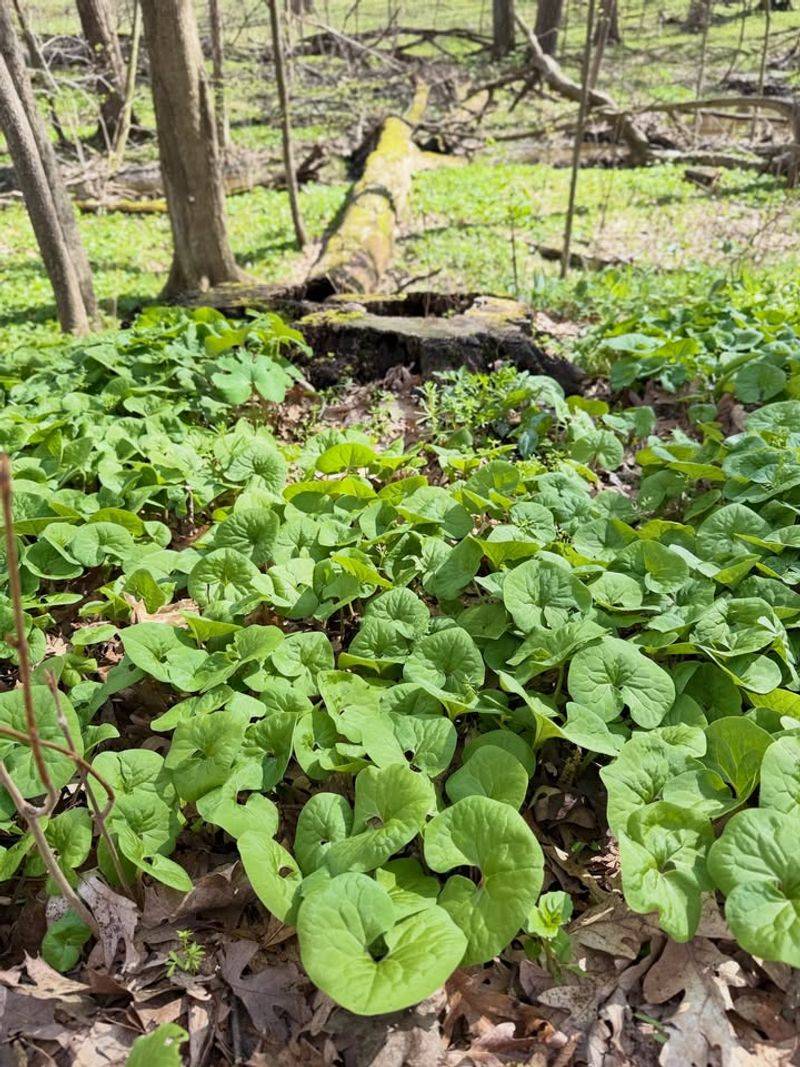
Bold, heart-shaped leaves that carpet the ground under trees, Wild Ginger has a look that feels lush and tropical without needing tropical-level water.
Asarum canadense grows across eastern North America, adapting well to the clay-heavy soils found throughout much of the Southeast. It moves slowly, but what it covers stays covered for a long time.
Flowers hide beneath the leaves in early spring. Small, brownish-purple blooms sit right at soil level, pollinated mostly by ground-crawling insects rather than bees.
Most people never notice the flowers, but they lead to small seed capsules that help the plant spread naturally over time.
Leaf size varies depending on moisture and light. Shadier spots with consistent moisture produce the largest, most dramatic foliage.
Drier locations produce smaller leaves, but the plant still performs respectably once roots are established.
Water transplants regularly for the first full season. Skipping irrigation too early leads to slow establishment and sparse coverage.
After year one, average rainfall usually keeps plants healthy without any supplemental watering in typical conditions.
Wild Ginger pairs naturally with Allegheny Spurge, native ferns, and trilliums for a layered woodland planting. It holds slopes gently and prevents erosion under tree canopies where nothing else wants to grow.
Slugs occasionally nibble the leaves, but damage is rarely severe enough to matter. Avoid planting in spots with standing water, since consistently wet roots can cause problems over time.
6. Frogfruit Needs Less Water Than Grass
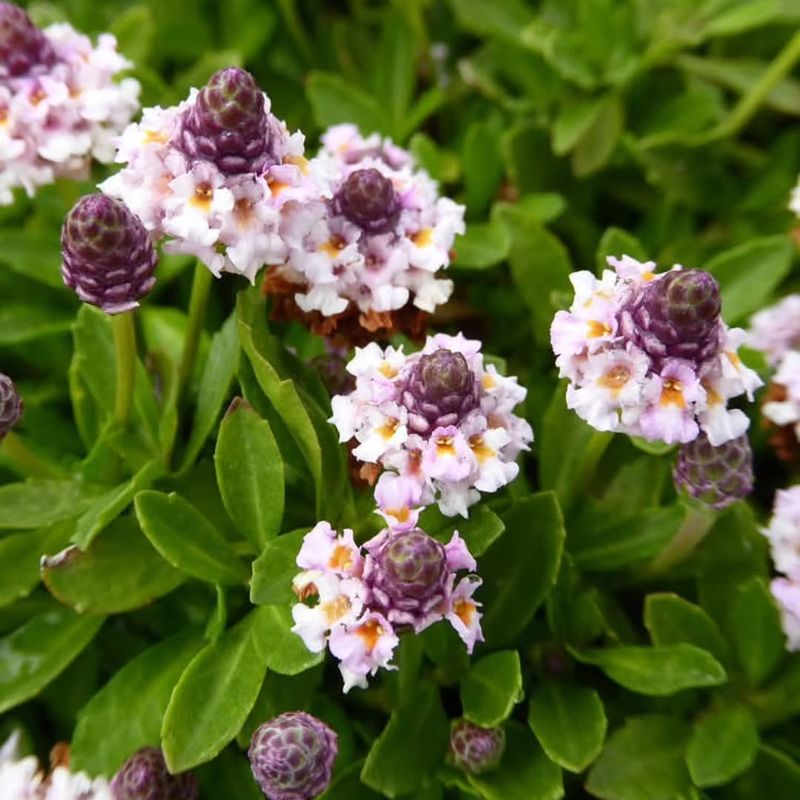
Grass demands constant watering, mowing, and feeding just to stay average. Frogfruit asks for almost none of that and still keeps the ground covered.
Phyla nodiflora is a tough, mat-forming native that handles heat, drought, and foot traffic better than most people expect from something so delicate-looking.
Tiny white and lavender flowers bloom from late spring through fall, making it a consistent nectar source for butterflies and small native bees.
It grows only two to three inches tall, so it blends into lawn areas or works as a standalone ground cover in open, sunny spots.
Frogfruit spreads by creeping stems that root wherever they contact soil. Coverage builds quickly in warm weather, and a small planting can fill a surprising amount of space within a single growing season.
It handles light foot traffic without much visible damage.
Full sun is where it performs best. Partial shade slows growth and reduces flowering, though the plant survives.
Soil type matters less than drainage, so sandy, loamy, or even compacted soils work as long as water does not pool for extended periods.
Established plants rarely need watering outside of drought conditions. During a serious dry stretch, a deep soak every couple of weeks keeps it going without the daily attention that grass demands.
Frogfruit works especially well in rain gardens, along sidewalk edges, or as a grass replacement in sunny yards where water conservation is a priority.
7. Poverty Oatgrass Handles Dry Conditions
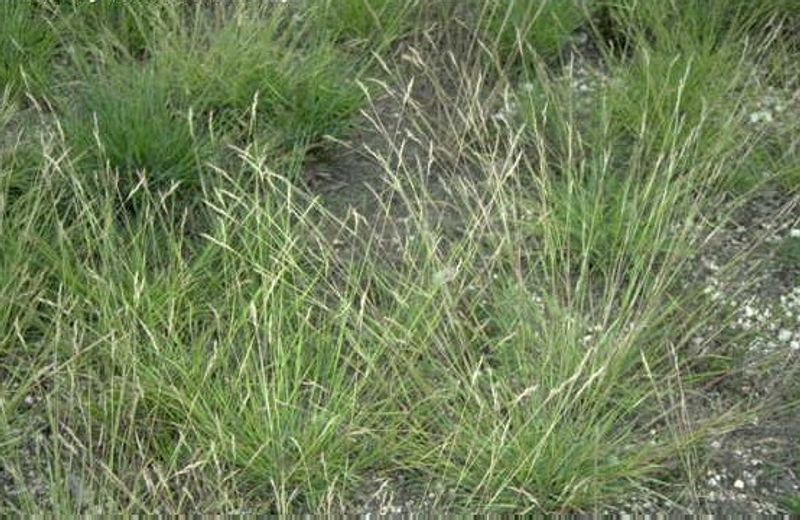
Sandy, dry, nutrient-poor soil is where Poverty Oatgrass actually thrives. Most plants struggle in those conditions, but Danthonia spicata was built for exactly that kind of punishment.
Its name sounds discouraging, but its performance in tough spots is genuinely impressive.
Slender, curling blades form low, dense clumps that rarely exceed a foot in height. Seed heads appear in late spring and summer, adding a fine, airy texture to dry slopes and open areas.
Foliage turns a warm tan color in winter, giving it subtle seasonal interest even when growth slows.
It spreads slowly by seed and by short rhizomes, filling in gradually without becoming invasive. Patience is required, but the result is a stable, low-maintenance planting that holds dry soil against erosion without needing irrigation once established.
Plant plugs or seeds in fall for best germination and establishment. Avoid fertilizing, since rich soil actually reduces the plant’s drought tolerance and encourages weedy competition.
Lean soil is the secret to keeping Poverty Oatgrass at its toughest.
Full sun to light shade suits it well. It tolerates more shade than many native grasses, which expands where it can be used across a property.
Mow or cut back in late winter before new growth starts to keep clumps tidy and productive.
Pair it with other dry-adapted natives like Moss Phlox or native wildflowers for a low-water planting that looks intentional and well-designed rather than neglected.
8. Barren Strawberry Spreads Without Heavy Watering
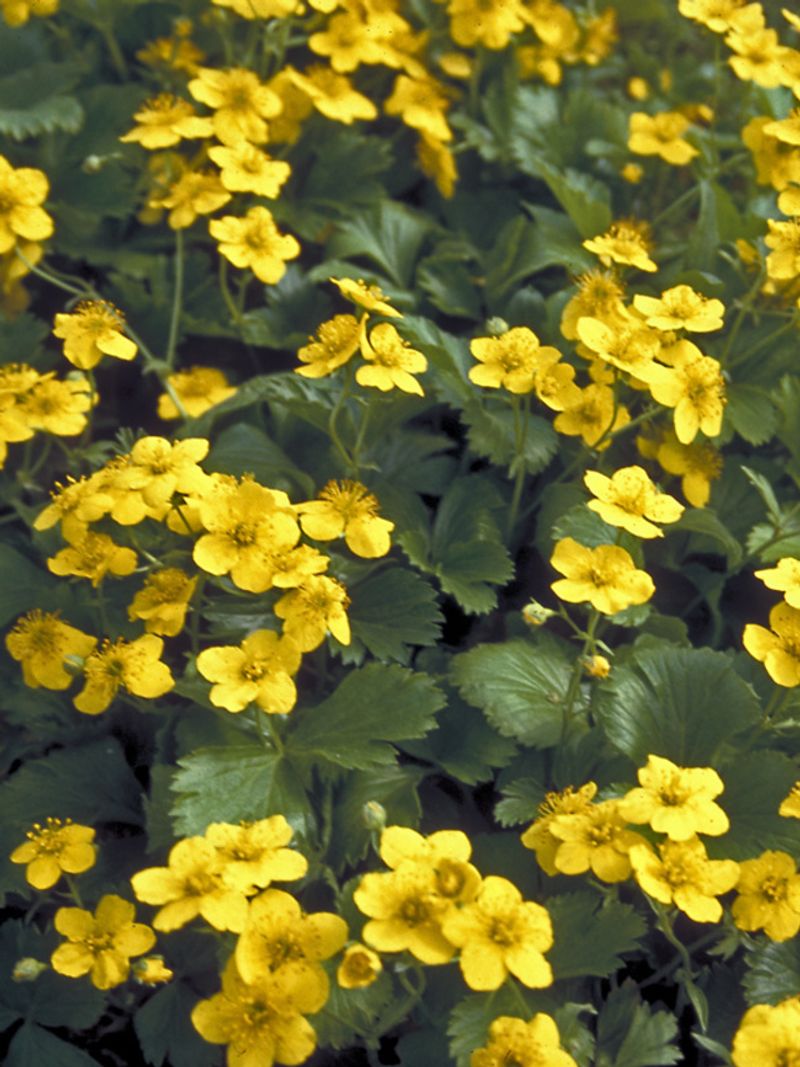
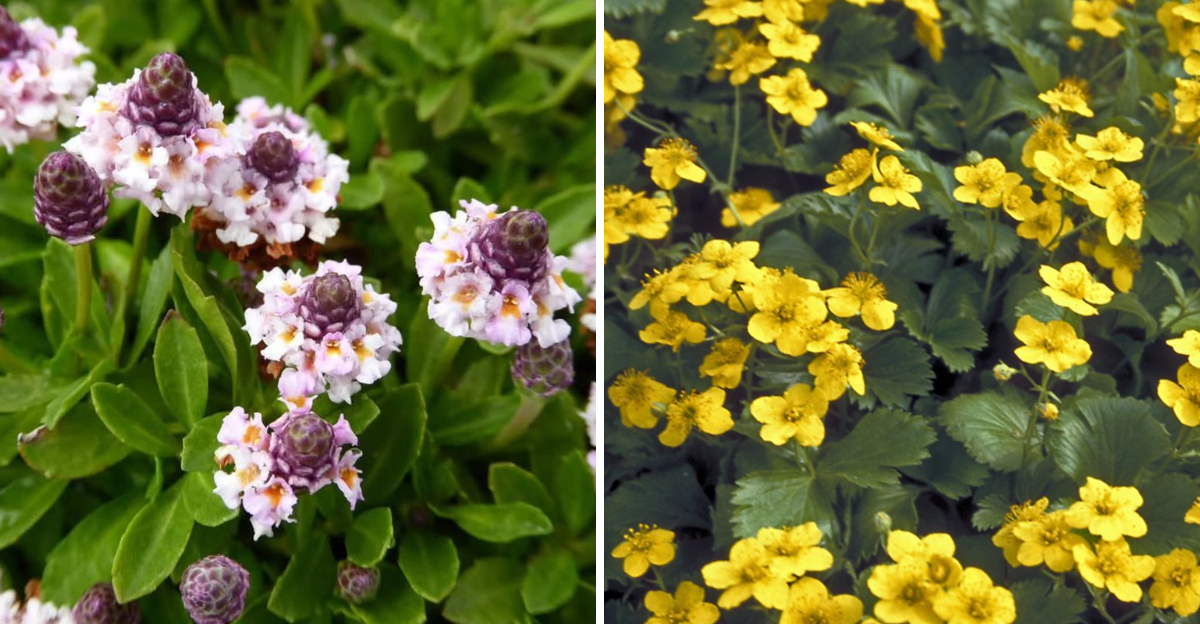
At first glance, Barren Strawberry looks like it should produce fruit. The leaves are nearly identical to a wild strawberry, and the small yellow flowers add to the confusion.
No edible berries appear, but what it lacks in fruit it more than makes up for in ground-covering ability.
Waldsteinia fragarioides is native to eastern North America and adapts well to the varied conditions found across much of the Southeast. It grows in partial to full shade, tolerates dry soil once established, and stays semi-evergreen through mild winters.
Foliage often turns bronze-red in cold months, adding unexpected fall and winter color.
Spread happens through stolons, similar to how strawberries multiply. New plants root from runners, gradually filling in open spaces without aggressive takeover.
Coverage builds steadily over two to three seasons, eventually forming a dense, weed-suppressing mat that requires almost no maintenance.
Water new plantings regularly through the first growing season. After roots establish, supplemental watering is rarely needed except during extended dry periods.
Soil drainage is more important than soil richness, so avoid heavy clay that stays wet after rain.
Barren Strawberry works well under deciduous trees, along shaded walkways, or as a border edging in mixed native plantings. It pairs naturally with Wild Ginger and ferns for a layered shade garden effect.
No mowing needed, no fertilizing required, and deer tend to leave it alone. For low-effort coverage in difficult shaded spots, few natives match its reliability.