Common Mistakes Michigan Gardeners Make When Planting Hostas Too Close To Tree Roots
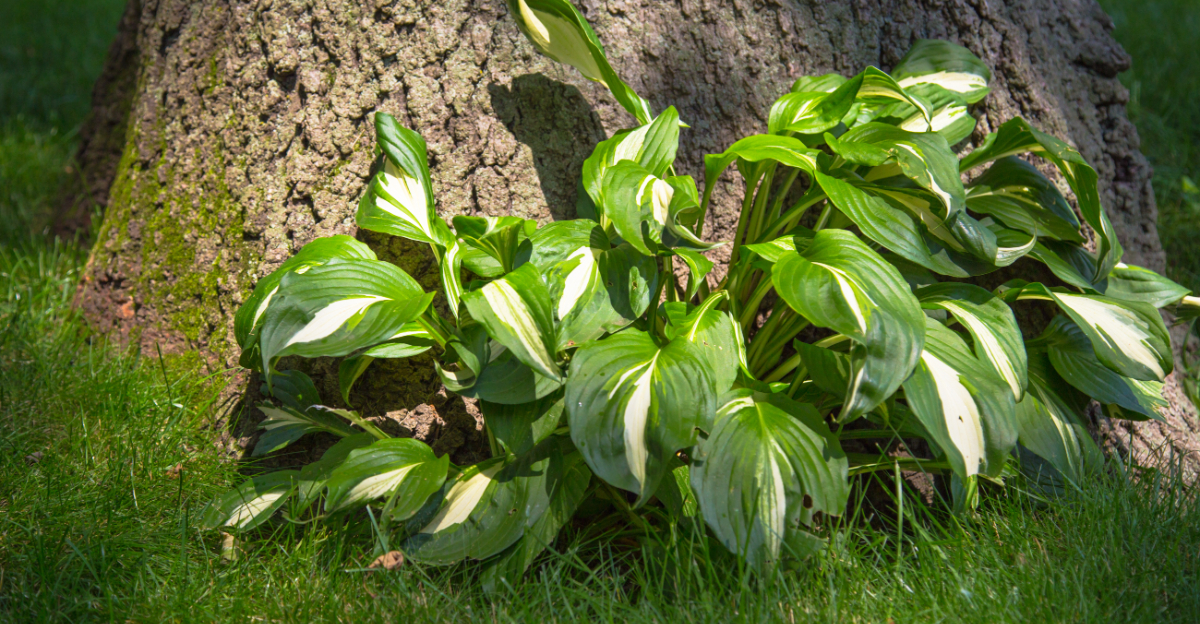
Hostas and trees seem like a natural pairing in Michigan shade gardens, and in the right situation they absolutely are.
The problem starts when hostas go in too close to an established tree without accounting for what is already happening underground in that space.
Mature tree roots compete aggressively for moisture and nutrients in ways that are invisible at planting time but become very obvious within a season or two as hostas start declining despite receiving reasonable care.
Several specific mistakes show up repeatedly when Michigan gardeners attempt this combination, and most of them are made before the first hosta ever goes in the ground.
Getting the placement and preparation right from the start changes the outcome entirely.
1. Planting Hostas Right Against The Tree Trunk
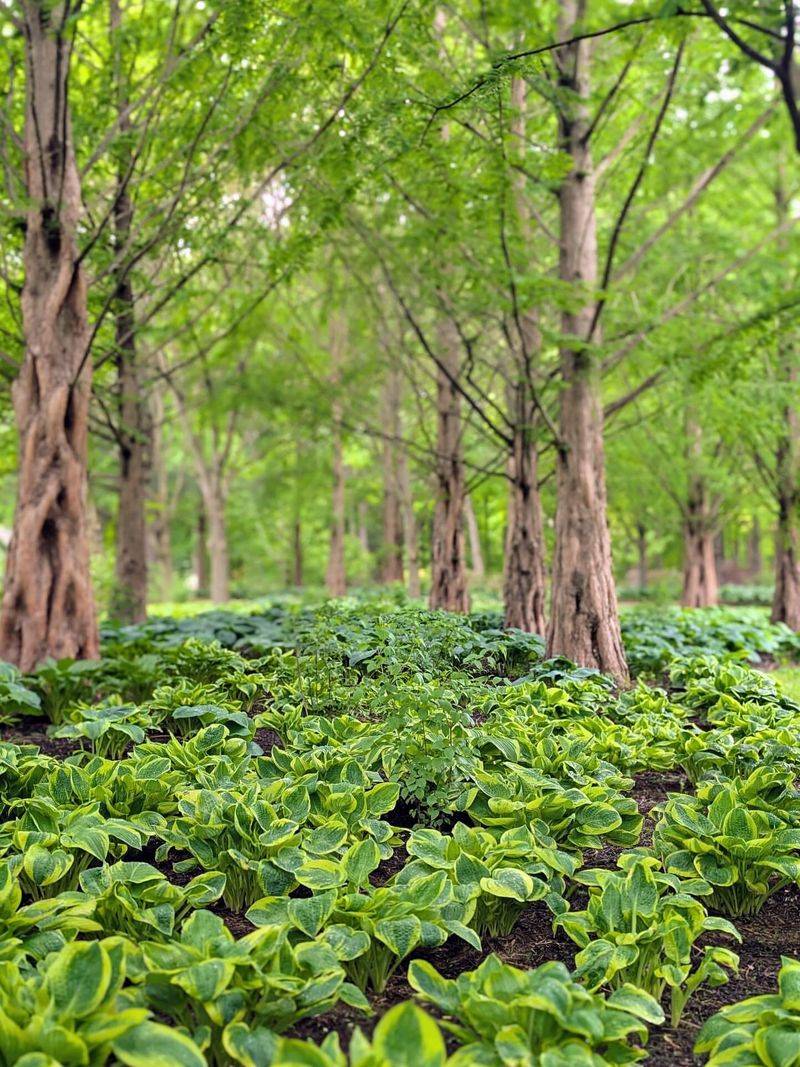
Crowding a hosta right up against a tree trunk might seem like a smart use of space, but it creates more problems than it solves. The area directly at the base of a tree is one of the most competitive spots in any garden.
Bark, surface roots, and heavy shade all come together to make it a tough environment for a young hosta trying to get established.
Every tree has what gardeners call a root flare, which is the widening area where the trunk meets the soil. That zone needs to stay open and visible.
When hostas are planted too close, they can trap moisture against the bark and create conditions that stress the tree over time.
Hostas also need a little breathing room to spread their roots and settle in. A spot just a foot or two away from the trunk can make a big difference.
Moving the planting zone outward gives the hosta access to better light filtering, slightly looser soil, and less competition from the tree’s thickest roots. It also makes watering and cleanup much easier as the season goes on.
Give both the tree and the hosta their own space, and both will reward you for it.
2. Digging Too Deep Around Tree Roots
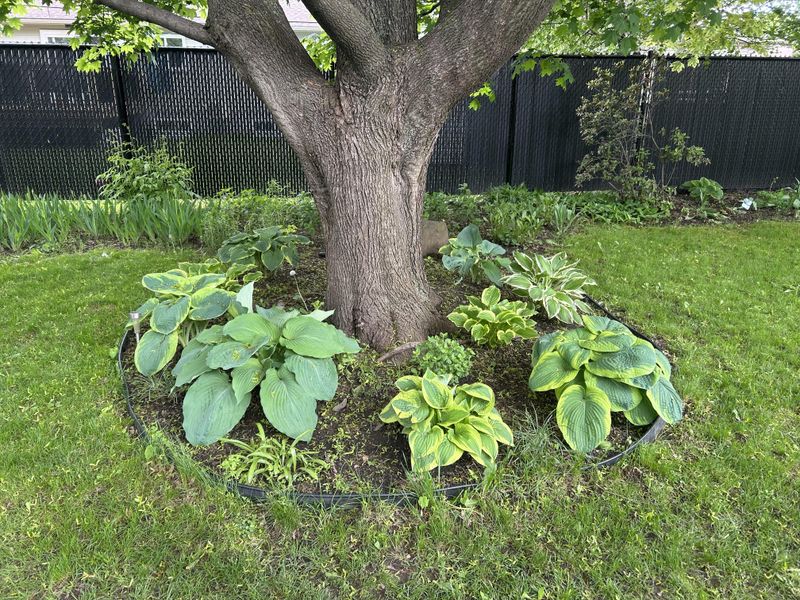
Grabbing a shovel and digging a deep hole under an established tree feels like the natural first step, but it can cause real damage fast.
Most tree feeder roots, the ones responsible for pulling up water and nutrients, grow surprisingly close to the soil surface.
A single deep dig can cut through dozens of them without you even realizing it.
Michigan gardeners often underestimate how shallow and widespread tree root systems can be. Maples, in particular, are well known for sending roots outward just inches below the surface.
When those roots get sliced or disturbed, the tree has to spend energy recovering instead of supporting healthy growth above ground.
A smarter approach is to work with what is already there. Use a hand trowel instead of a full-sized shovel, and aim for shallow planting pockets between existing roots rather than forcing a large hole.
Smaller hosta divisions settle in much better than big root balls in these tight spots. You can also loosen a small area gently and add a thin layer of quality compost to give the hosta a little boost without going deep.
Your Michigan Garden Changes Every Week. Your Plan Should Too.
Gardening in Michigan changes quickly throughout the season. Every Friday you’ll receive a simple weekly plan showing exactly what to plant, prune, fertilize, harvest, and protect so you never miss the right timing.
Patience and a lighter touch go a long way when you are planting near established trees.
3. Ignoring Dry Shade Competition
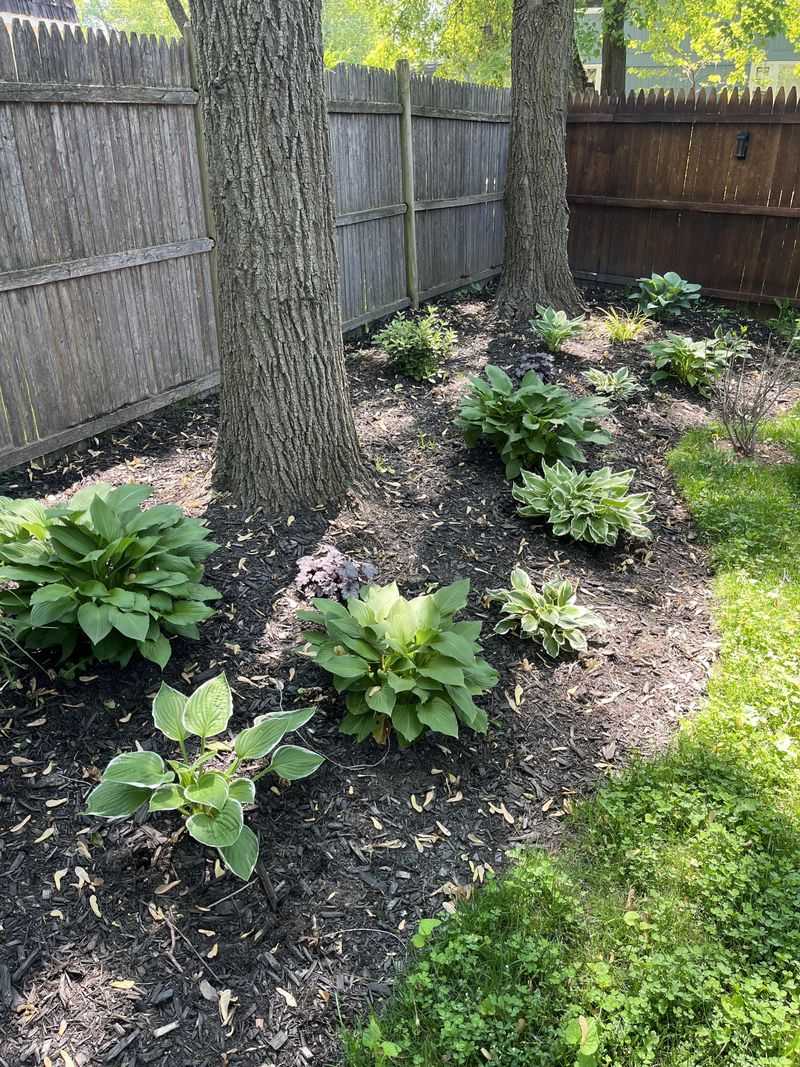
Shade sounds like the perfect solution for hostas, but shade under a tree is a very different thing from shade in an open garden bed. The real challenge is not the lack of sunlight.
It is the lack of water. Tree roots are incredibly efficient at pulling moisture out of the surrounding soil, often leaving very little behind for anything else growing nearby.
Michigan summers can get surprisingly dry, especially in July and August. Under a dense canopy, rainfall may not even reach the ground evenly.
Add in the water-hungry roots of shallow-rooted trees like silver maples or Norway spruce, and you have a spot that can go from moist to bone dry in just a few days after a rain.
Hostas planted in dry shade often show signs of stress that look like shade damage but are actually caused by moisture loss. Leaf edges may turn brown and crispy, and growth can slow down noticeably.
Checking the soil regularly by pressing a finger an inch or two into the ground is one of the easiest ways to catch the problem early.
Watering deeply and consistently during dry stretches, rather than waiting for visible stress, helps hostas compete in these tough spots. A light mulch layer also helps hold moisture in the soil between waterings.
4. Forgetting First Season Watering
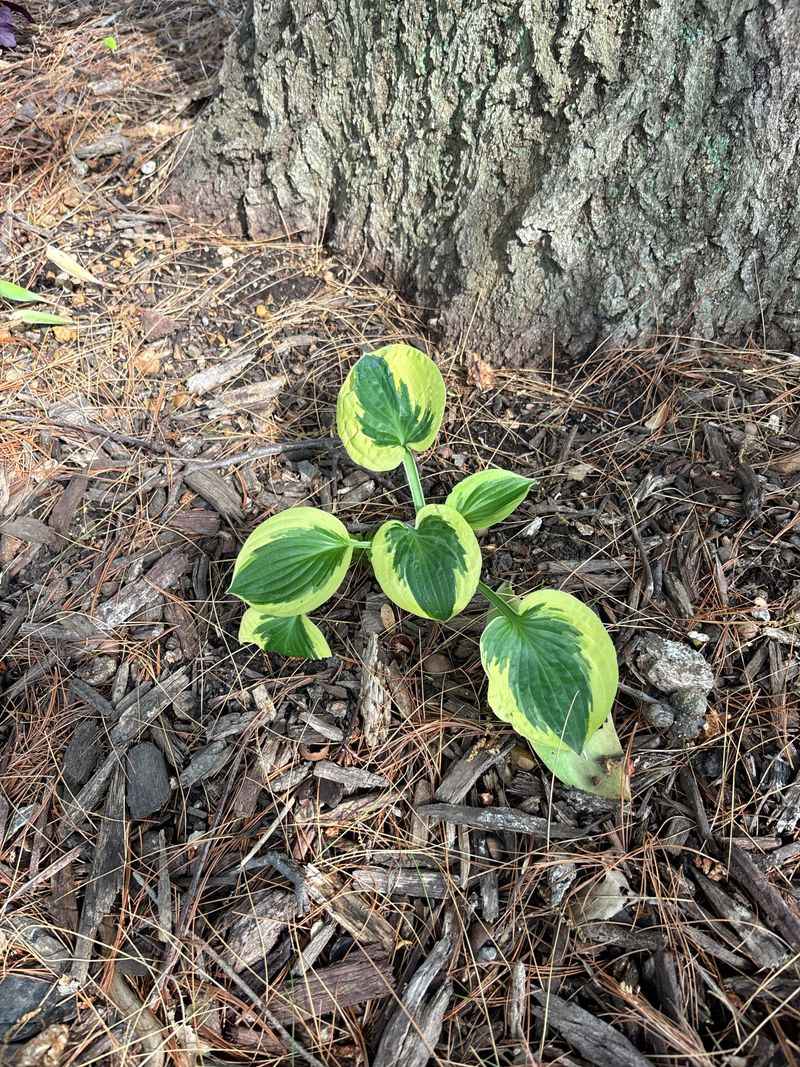
There is a common assumption that shade plants can mostly take care of themselves once they are in the ground. Hostas do eventually become fairly tough once established, but that first season is a completely different story.
A newly planted hosta has a small root system that has not yet spread out to find its own water supply.
When that hosta is sitting near tree roots, the competition for moisture starts immediately. The tree has a massive, well-established root network pulling water from a wide area.
A tiny hosta division planted nearby is simply outmatched in those early weeks. Without steady watering from the gardener, the new plant can struggle to put down roots and may barely grow at all during its first summer.
Watering deeply two or three times a week during dry spells in that first season makes a noticeable difference. The goal is to keep the soil consistently moist a few inches down, not just damp on the surface.
A slow, thorough soak is far more effective than a quick splash with the hose. Setting a reminder to check the soil every couple of days takes the guesswork out of it.
Once the hosta has had a full season to spread its roots, it will be much better equipped to handle a little competition on its own.
5. Adding Too Much Soil Over Tree Roots
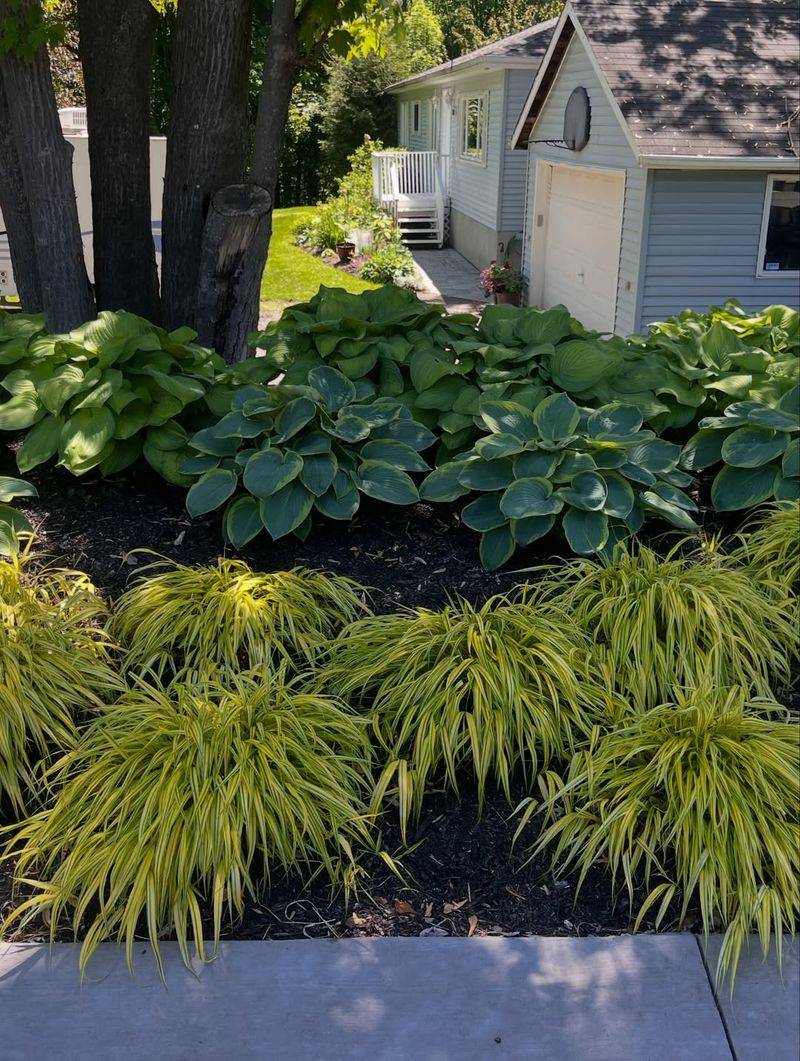
When tree roots make planting feel impossible, the tempting fix is to just dump a layer of fresh soil on top and start planting from there.
It seems harmless enough, but adding even a few inches of soil over an established root system can create real stress for the tree.
Roots need oxygen just as much as they need water, and burying them under heavy new soil cuts off that air supply.
Some Michigan gardeners add four to six inches of new topsoil hoping it will create a smooth, workable planting bed. In reality, that added weight and density can suffocate roots that were functioning perfectly well just below the surface.
Over time, this kind of soil addition can weaken the tree’s ability to anchor itself and take up nutrients normally.
A better approach is to work with the existing soil level rather than raising it. Use shallow planting pockets between roots, tuck in small hosta divisions, and top everything with a thin layer of mulch to help retain moisture.
If the ground feels too compacted to plant, a little compost worked lightly into the top inch or two can help without causing harm.
Keeping the soil level close to its natural grade protects both the tree and gives the hostas a fair start without creating problems down the road.
6. Using Thick Mulch Against Hosta Crowns
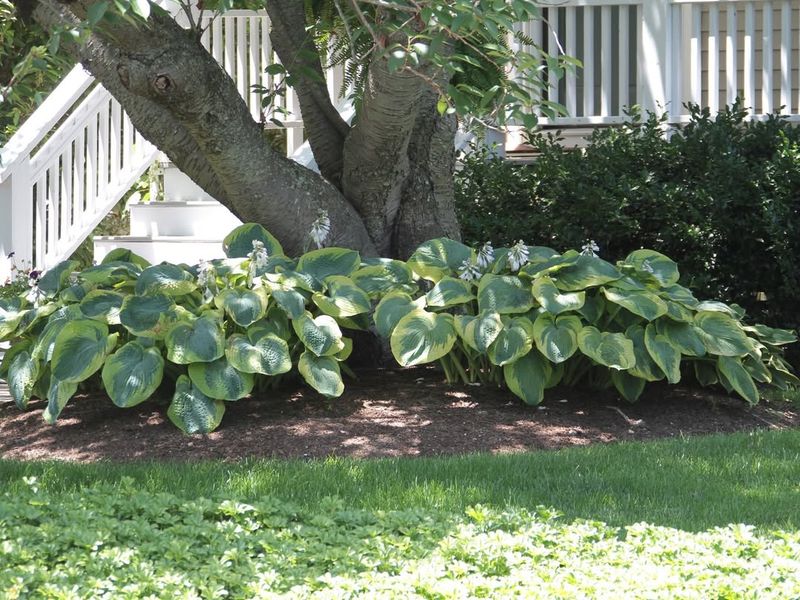
Mulch is genuinely one of the best tools a Michigan gardener has, especially under trees where soil dries out fast. It holds moisture, moderates soil temperature, and keeps weeds from taking over.
The problem shows up when well-meaning gardeners pile it on too thick or push it right up against the hosta crown and tree bark.
A hosta crown is the central growing point where all the new shoots emerge each spring. When mulch sits directly on top of it or packs around it tightly, moisture gets trapped and air circulation drops.
That combination can lead to soft, rotting crowns that never push out healthy growth. It is one of those mistakes that is easy to miss until the damage is already done.
The same issue applies to the tree trunk. Mulch piled against bark, sometimes called a mulch volcano, holds moisture against the wood and invites problems over time.
The fix is simple and easy to remember: keep mulch about two to three inches deep across the planting area, pull it back a few inches from the hosta crown, and leave a clear gap around the tree trunk.
A light, open mulch layer does everything you want it to do without creating new headaches. Less really is more when it comes to mulching around hostas and trees.
7. Choosing Huge Hosta Varieties For Root-Crowded Spots
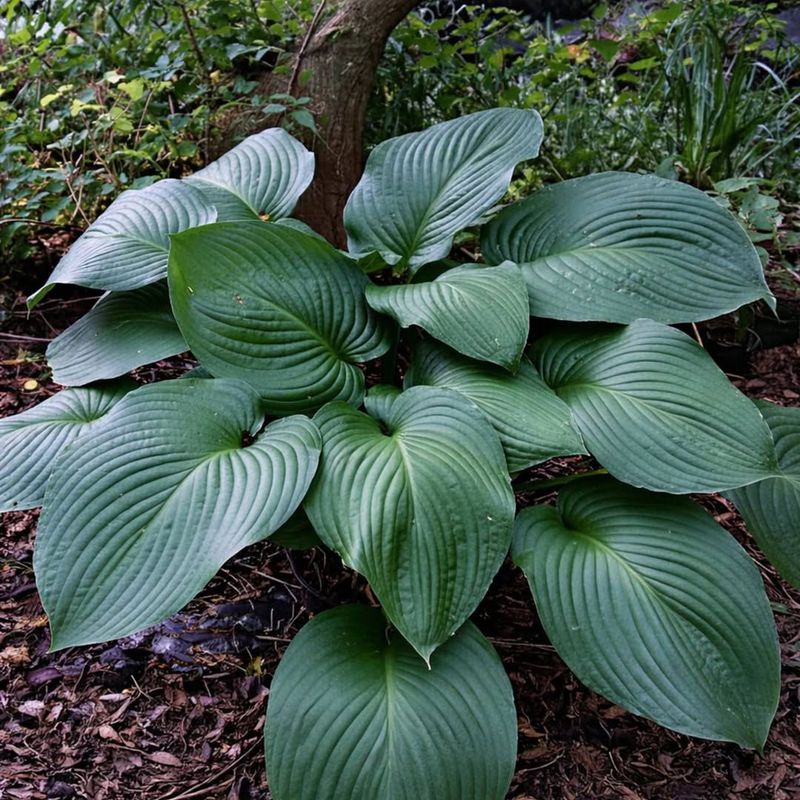
Big hostas are stunning in the right spot. Varieties like Sum and Substance or Empress Wu can grow several feet wide and create a dramatic statement in the garden.
But planting one of these giants right beside a tree with a dense root system is setting it up for a tough time from the start.
Large hostas need more water, more nutrients, and more physical space than their smaller cousins. In a root-crowded area where moisture runs low and competition is high, a big variety will often underperform badly.
The leaves may come out smaller than expected, the plant may spread slowly, and the whole clump can look tired and stressed by midsummer.
Smaller hosta varieties or compact divisions tend to handle these challenging spots much better.
They need less water to stay comfortable, their root systems are easier to tuck into tight spaces between tree roots, and they settle in faster during that critical first season.
Varieties like Blue Mouse Ears, Pandora’s Box, or small green-leafed types are excellent candidates for dry shade situations.
Matching the plant size to the actual conditions of the spot, rather than choosing based on looks alone, is one of the most practical decisions a gardener can make.
The right-sized hosta in the right spot will always outperform a showstopper planted somewhere it cannot truly thrive.
8. Expecting Tree Root Areas To Stay Evenly Moist
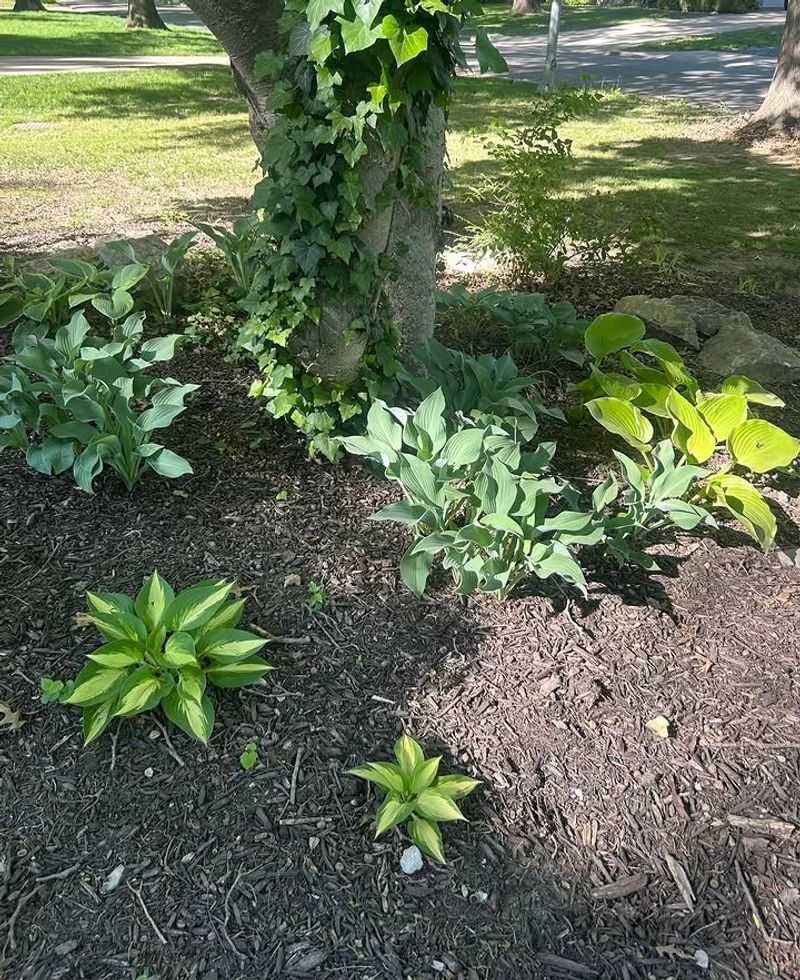
One of the most surprising things about gardening under trees is how unevenly the soil can dry out. From a distance, a shaded garden bed looks cool and protected.
Up close, though, the reality is often patches of very dry soil sitting right next to areas that hold a little more moisture, with no predictable pattern from one week to the next.
Dense tree canopies act almost like an umbrella during light rain events. Water hits the leaves and runs down the branches to the outer edge of the canopy rather than soaking into the ground directly under the tree.
This means the soil near the trunk can stay dry even after a decent rainfall, while spots at the edge of the canopy get more water.
Tree roots add to the problem by pulling moisture from wherever they can reach, which is often the exact area where hostas are planted.
Assuming that shade equals moisture is one of the most common misjudgments in the garden. Pressing a finger into the soil every few days gives a much more accurate picture than guessing by how the weather has been.
Hostas planted under trees often need supplemental watering even during weeks that feel rainy. Setting up a simple soaker hose in the area can make consistent watering much easier to manage through the dry Michigan summer months.
9. Planting Too Close Without Future Access
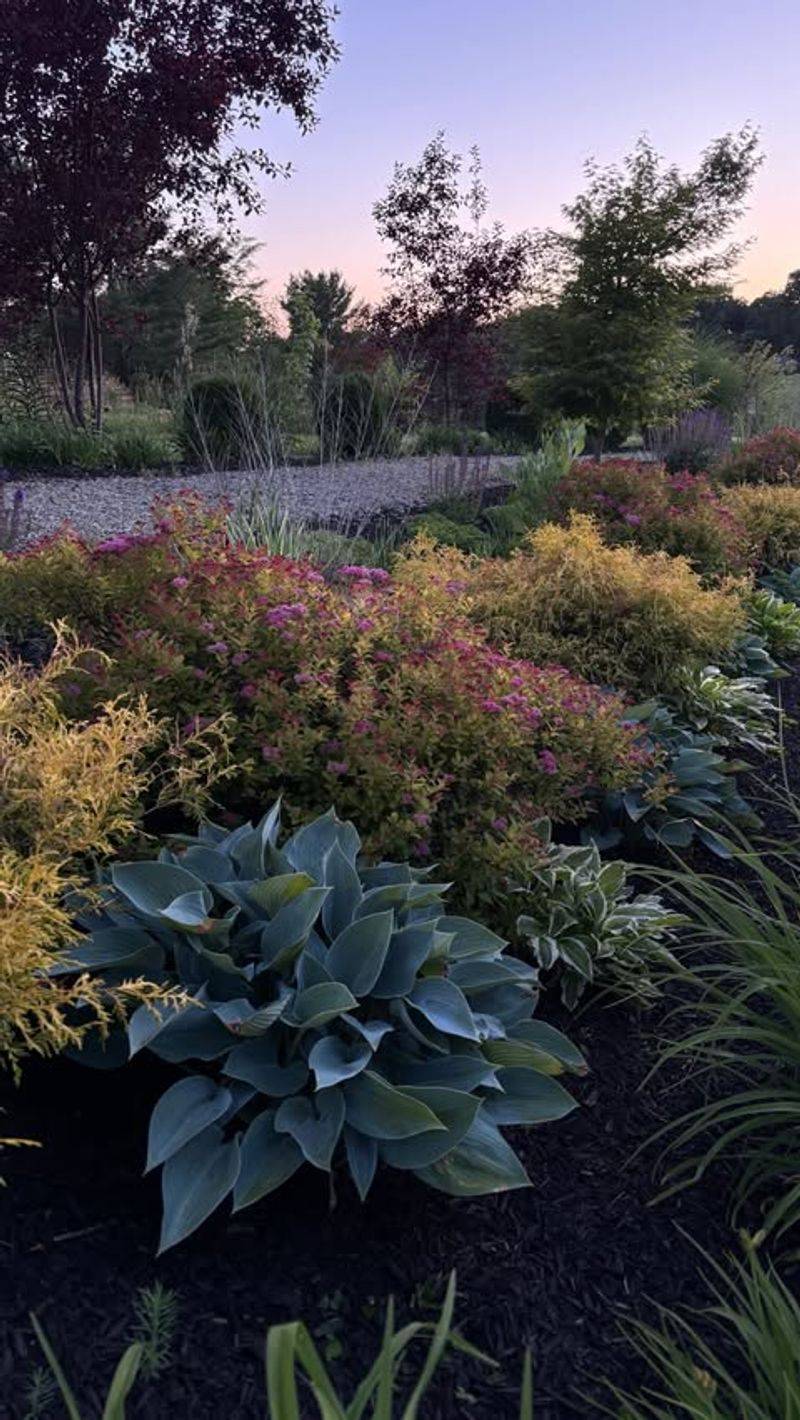
Planting day always looks tidy and manageable. Everything fits, there is space between the plants, and the garden looks exactly the way you pictured it.
Fast forward two or three seasons, and the story can look very different. Hostas spread steadily every year, tree roots keep pushing outward, and a spot that once felt roomy can become nearly impossible to work in.
Access matters more than most gardeners think when they are choosing planting spots. Hostas need to be watered, weeded, divided every few years, and cleared of old leaves in spring.
When they are wedged tightly between tree roots with no clear path to reach them, all of those routine tasks become awkward chores. A cramped planting also makes it harder to spot early signs of stress before they become bigger problems.
Planning for growth from the beginning saves a lot of frustration later. Leaving a little more space than feels necessary on planting day gives both the hostas and the tree roots room to expand naturally.
A simple stepping stone or two placed nearby can preserve a path for easy access as the garden fills in.
Thinking ahead about how the planting will look and function in year three or four, not just year one, leads to a garden bed that stays manageable and enjoyable for many seasons to come.
10. Blaming The Hosta Before Checking The Site
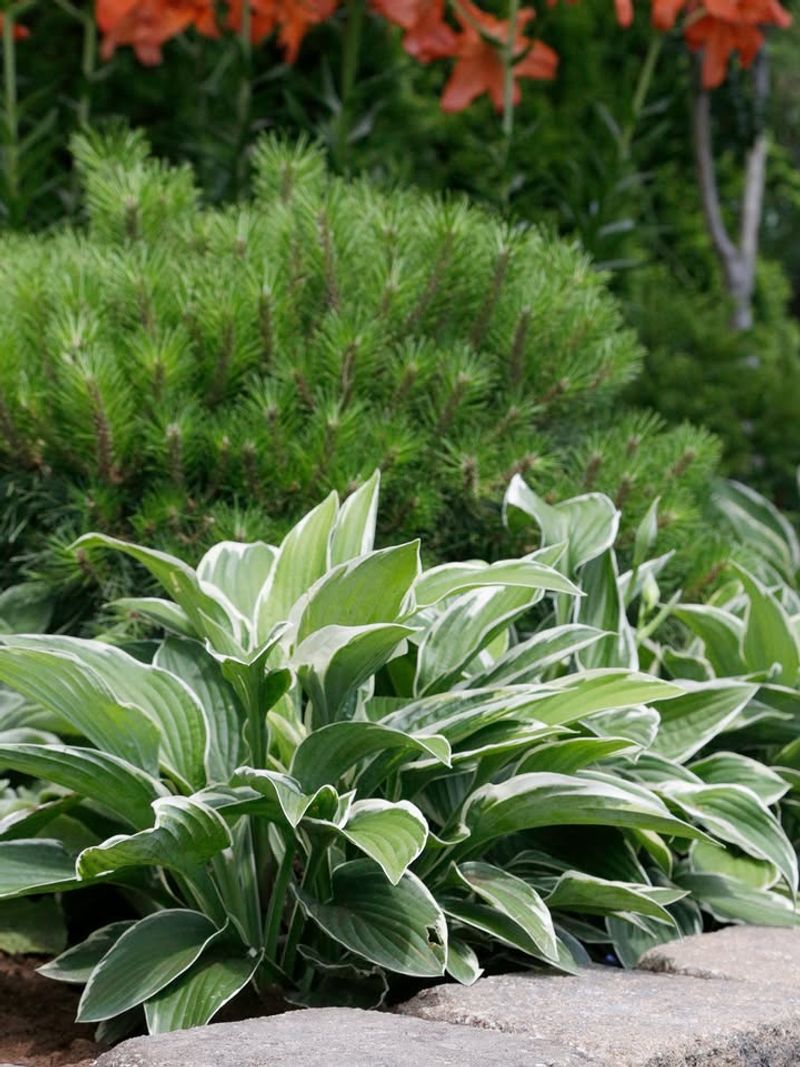
When a hosta looks off, the first instinct is often to blame the plant itself. Maybe it is the wrong variety, or the color is not right, or it just does not seem to be performing.
Before pulling it out and starting over, though, it is worth taking a closer look at the spot itself. The hosta is usually responding to its environment, not failing on its own.
Yellowing leaves, unusually small growth, or a clump that barely expands from one year to the next are common signs of a site problem rather than a plant problem.
Root competition, consistently dry soil, compacted ground, or a spot that gets almost no light at all can each cause these symptoms.
Sometimes it is a combination of several factors working against the plant at once, which makes it easy to misread what is really going on.
Before giving up on a struggling hosta, check the soil moisture by hand, look at how much light actually reaches the spot throughout the day, and consider whether the plant had enough water during its first season to get properly established.
Improving moisture with consistent watering, pulling back any heavy mulch from the crown, and adding a little compost around the edges can turn things around faster than expected.
Choosing a better-matched spot nearby and moving the plant with care is always a smarter move than replacing it with something new and running into the same issues all over again.