This Is The Invasive Grass Destroying Texas Native Wildflower Meadows From The Inside Out
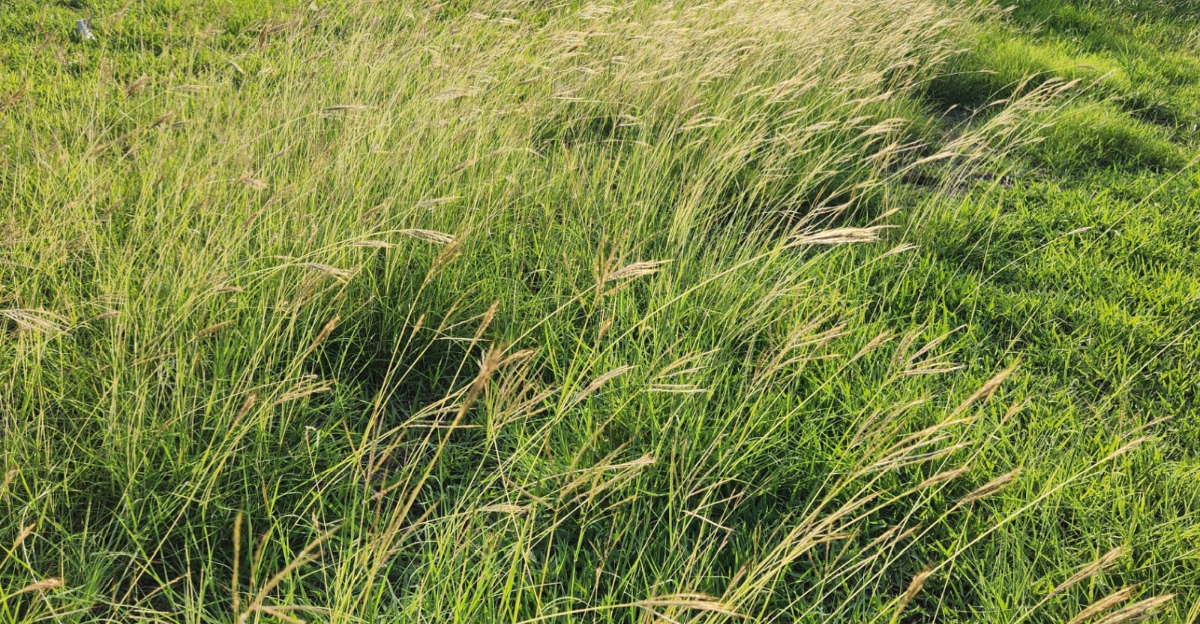
Texas wildflower meadows are some of the most beautiful and ecologically valuable landscapes in the entire state, and something is quietly working against them.
King Ranch Bluestem, a non-native invasive grass, has been spreading across Texas roadsides, prairies, pasture edges, and restored grassland plantings for decades, and it is not doing so quietly anymore.
This grass forms dense, thick stands that crowd out the native wildflowers and grasses that give Texas meadows their character and ecological value.
The frustrating part is that it spreads gradually and can look deceptively similar to native grasses, so many people do not realize how much ground has already been lost until the plant diversity is seriously reduced.
Managing it takes consistent effort over time, but understanding exactly how this grass operates is the most important first step toward protecting what is left.
1. King Ranch Bluestem Spreads Quietly Through Meadows
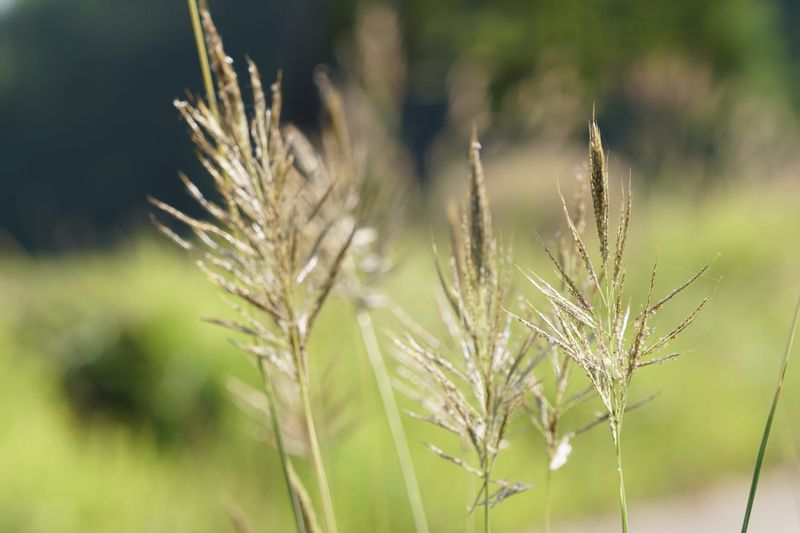
A meadow that once held a colorful mix of wildflowers can slowly start to look more like a single-grass field without any obvious dramatic event. King Ranch Bluestem moves in gradually, sending out seeds that travel easily on wind, clothing, and animal fur.
In Texas, this grass has spread widely across roadsides, open fields, sunny slopes, and restored prairie sites over many decades.
The spread often begins along fence lines or disturbed edges before moving inward. Each plant produces a large number of seeds per season, and those seeds germinate readily in warm Texas soils.
Over time, small patches grow into large stands that start replacing the diverse mix of plants that once filled the space.
Because the change happens slowly, many landowners and gardeners do not realize what is happening until the native wildflowers have already thinned out significantly.
Monitoring a meadow regularly, especially after a dry season or after any soil disturbance, helps catch the early signs of King Ranch Bluestem moving in.
Early action tends to give native plants a much better chance of holding their ground than waiting until the grass has fully established itself across a wide area.
2. Dense Growth Crowds Out Native Wildflowers
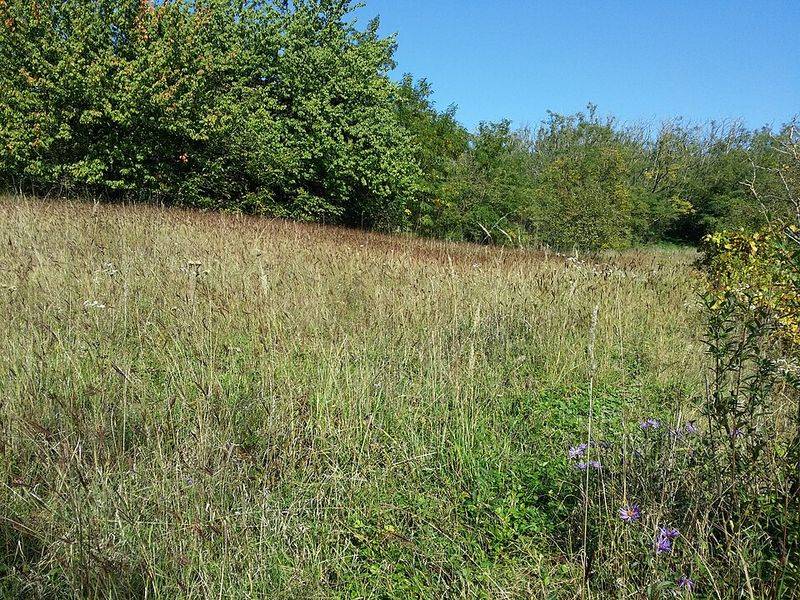
Walking through a patch of King Ranch Bluestem feels different from walking through a healthy native meadow.
The stems grow thick and close together, forming a heavy mat of vegetation that shades the soil below and leaves very little open ground for other plants to use.
In Texas native wildflower meadows, that open ground matters enormously.
Native wildflowers like bluebonnets, Indian paintbrush, and black-eyed Susans need sunlight to reach the soil surface in order to sprout and grow.
When King Ranch Bluestem fills in densely, it blocks that sunlight and physically occupies the space that wildflower seedlings need.
The result is a gradual disappearance of the blooms that Texas meadows are known for.
The dense growth also traps litter and old stems at the base of the plant, which adds another layer of material that wildflower seeds have to push through.
Your Texas Garden Changes Every Week. Your Plan Should Too.
Gardening in Texas changes quickly throughout the season. Every Friday you’ll receive a simple weekly plan showing exactly what to plant, prune, fertilize, harvest, and protect so you never miss the right timing.
Even seeds that land in a patch of King Ranch Bluestem may fail to establish because conditions at the soil surface are simply too shaded and crowded.
Thinning the grass through targeted management can help open up those spaces and give wildflowers a realistic opportunity to recover and return to the meadow.
3. Monocultures Replace Diverse Prairie Plants
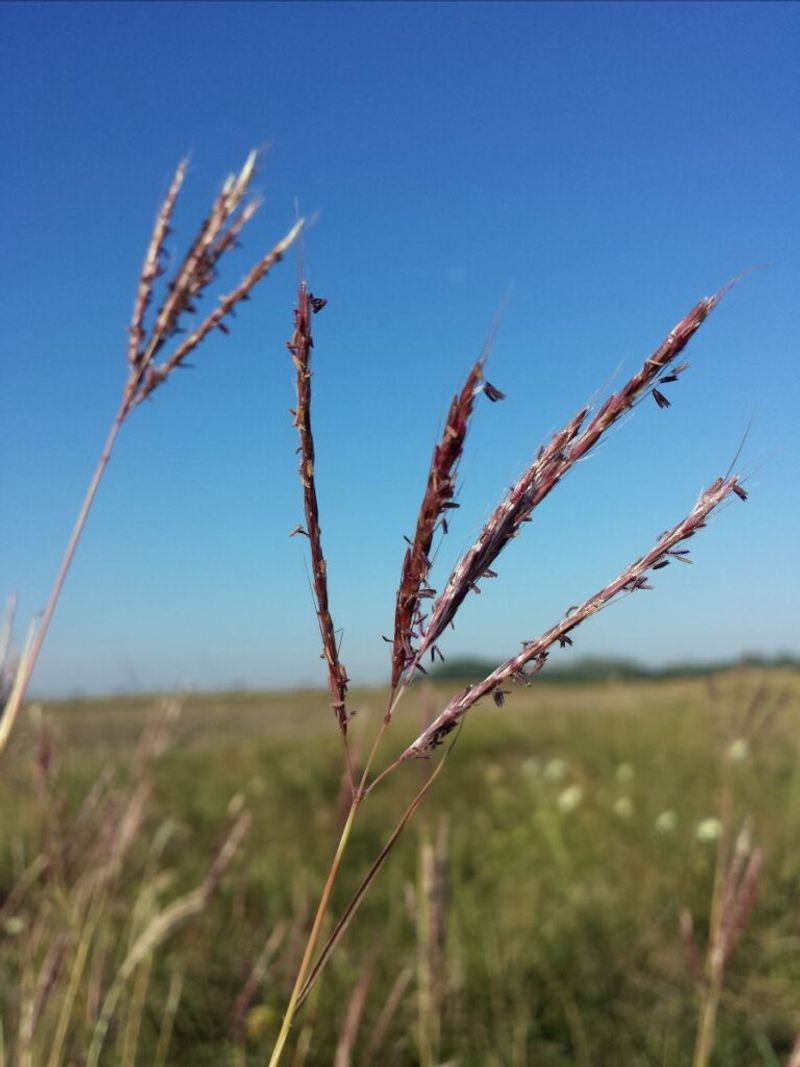
One of the most visible signs that King Ranch Bluestem has taken hold is when a formerly diverse meadow or prairie starts looking like one solid, uniform grass stand.
That uniformity is a monoculture, and it represents a significant loss of ecological value for Texas landscapes.
Native prairies and wildflower meadows typically support dozens of plant species growing together, and that variety supports pollinators, birds, and other wildlife.
When King Ranch Bluestem dominates, that web of diversity begins to unravel. Fewer plant species means fewer food sources and fewer habitat types for the insects and animals that depend on a healthy Texas prairie.
Monarch butterflies, native bees, and grassland birds all benefit from the mix of plants that invasive grasses can displace over time.
Restoring diversity after a monoculture has formed takes real patience and consistent effort. Simply removing the invasive grass is only the first step.
Native seeds or transplants often need to be reintroduced, and follow-up management is usually necessary to prevent the invasive grass from coming right back.
Texas landowners who have worked through this process often describe it as a multi-year commitment rather than a single-season project, but the results for native plant recovery can be genuinely rewarding.
4. Native Grasses Struggle To Compete
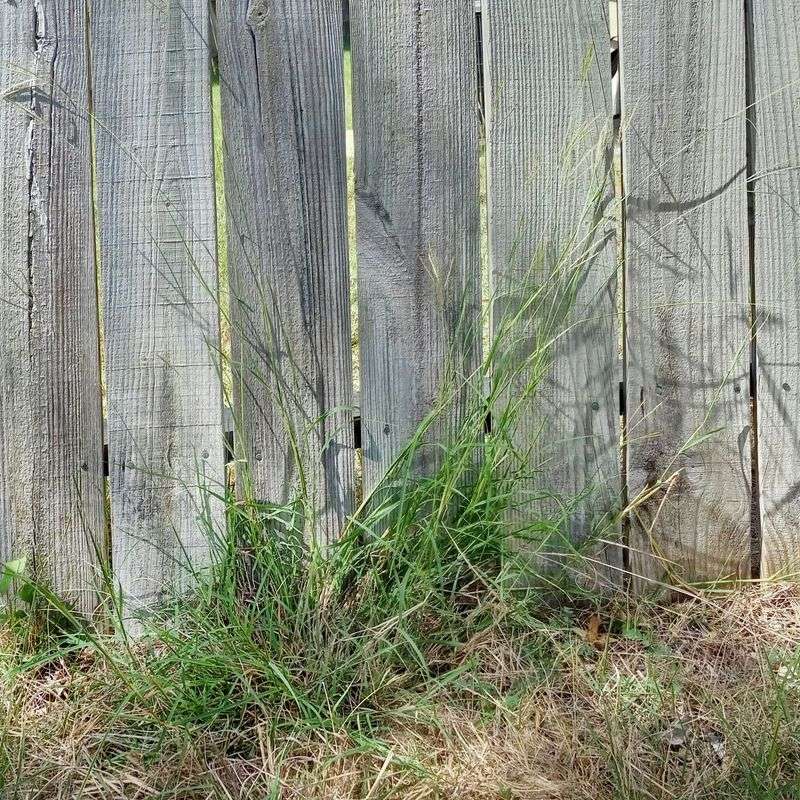
Little bluestem, sideoats grama, and other native Texas grasses are well adapted to the heat, drought, and thin soils of the Texas landscape, but that adaptation does not always protect them from aggressive competition.
King Ranch Bluestem grows vigorously and can establish quickly in disturbed or open soil, often getting a head start on native grasses that need more time to develop their root systems.
Once King Ranch Bluestem fills in, native grasses can struggle to find the light, moisture, and soil space they need.
In a healthy, undisturbed native grassland, established native grasses can sometimes hold their own because their root systems are deep and their canopy is already in place.
But in a restored planting, a recently seeded meadow, or a site recovering from drought, the balance tips more easily toward the invasive grass.
Watching for thinning patches of native grass is a useful early warning sign in Texas meadow plantings. Those gaps often indicate where King Ranch Bluestem is beginning to move in.
Addressing those thin spots before the invasive grass fully takes over gives the native grass community a much better chance of recovering and filling back in without requiring a complete replanting effort across the whole site.
5. Wildflower Seeds Get Less Room To Sprout
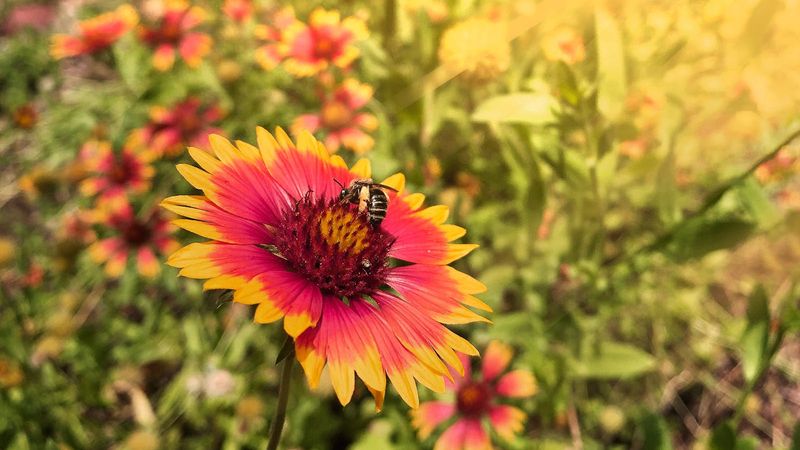
Scattered across a healthy Texas meadow in fall or early spring, wildflower seeds need a few basic things to get started: bare or lightly covered soil, warmth, moisture, and sunlight.
King Ranch Bluestem can interfere with nearly all of those requirements at once, which is part of what makes it so challenging for wildflower meadow restoration in Texas.
The thick thatch layer that builds up at the base of King Ranch Bluestem stands acts like a physical barrier. Wildflower seeds that land on top of that thatch often cannot reach the soil at all, and without soil contact, germination rates drop significantly.
Even seeds that do reach the soil may find themselves too shaded by the surrounding grass to grow into healthy seedlings.
Timing matters a great deal when seeding into areas where invasive grass is present. Reducing the density of King Ranch Bluestem before broadcasting wildflower seeds gives those seeds a much more realistic chance of establishing.
Some restoration practitioners also lightly scratch or rake the soil surface before seeding to improve seed-to-soil contact.
These small preparation steps can make a noticeable difference in how many wildflower seedlings successfully emerge and begin contributing to the recovering meadow community.
6. Mowing Alone Usually Is Not Enough
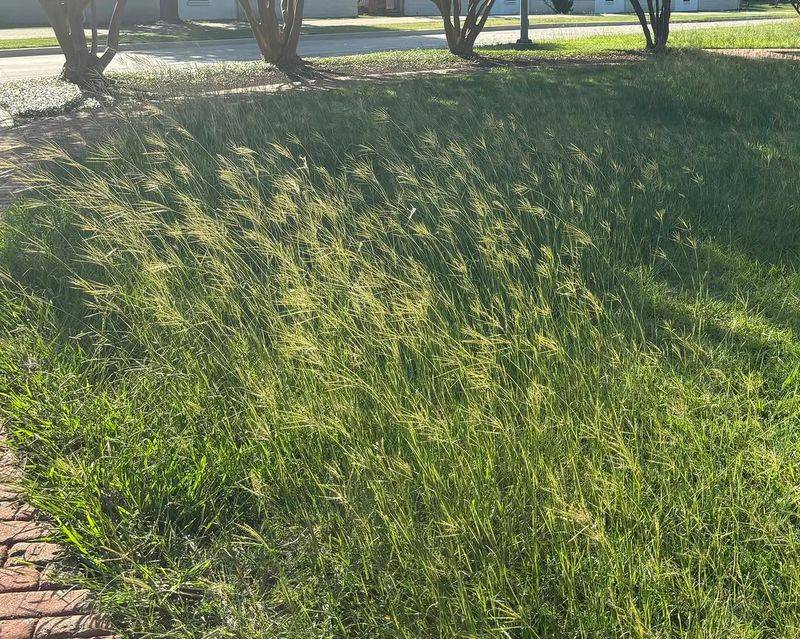
Mowing a field covered in King Ranch Bluestem can feel like progress, and in some situations it does help slow the grass down temporarily.
But for most Texas landowners and restoration practitioners, mowing alone tends to provide only short-term relief rather than lasting control.
The grass regrows from its base quickly after cutting, often bouncing back before native plants have a chance to fill in the space.
The timing and height of mowing do matter. Mowing before King Ranch Bluestem sets seed can reduce the number of new seeds added to the soil each season, which gradually reduces future pressure.
But even well-timed mowing rarely eliminates established plants on its own, and the root system remains intact and ready to send up new growth.
Most successful Texas meadow management plans that address King Ranch Bluestem combine mowing with other tools such as targeted herbicide application, prescribed fire where appropriate, or manual removal in smaller areas.
Using multiple approaches over multiple seasons tends to produce more meaningful results than relying on any single method.
Texas landowners who go into the process expecting a multi-year commitment often find the experience more manageable than those who hope for a quick, one-season solution to an established invasive grass problem.
7. Disturbed Soil Can Help It Move In
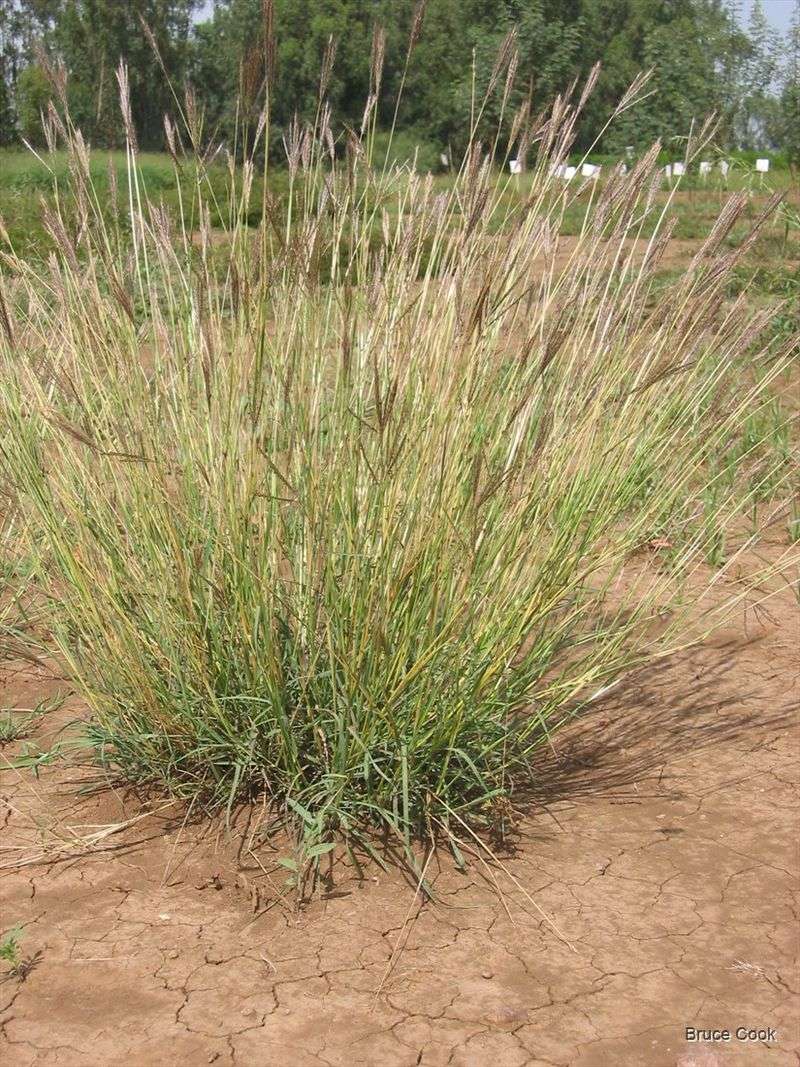
Fresh bare soil along a Texas roadside, fence line, or recently graded construction site is one of the most reliable entry points for King Ranch Bluestem.
Disturbed ground gives the grass exactly the conditions it prefers: exposed soil with reduced competition, plenty of sunlight, and space for seeds to land and take hold.
In Texas, road construction, pipeline corridors, and land clearing projects regularly create these kinds of opportunities.
Once established in a disturbed area, King Ranch Bluestem can spread outward into adjacent native meadows, prairies, and restorations.
Seeds move on wind and on equipment, making it easy for the grass to jump from a disturbed edge into a nearby planting that is still getting established.
Watching the edges of a restoration site is especially important in the first few years after planting.
Reducing bare soil exposure after any disturbance is one practical way to limit how easily King Ranch Bluestem gets started. Seeding disturbed areas quickly with native grasses and wildflowers can help fill in the space before the invasive grass arrives.
While this does not guarantee that King Ranch Bluestem will stay out, it does reduce the window of opportunity that bare, open Texas soil provides to this fast-establishing invasive grass.
8. Kleberg Bluestem Can Look Very Similar
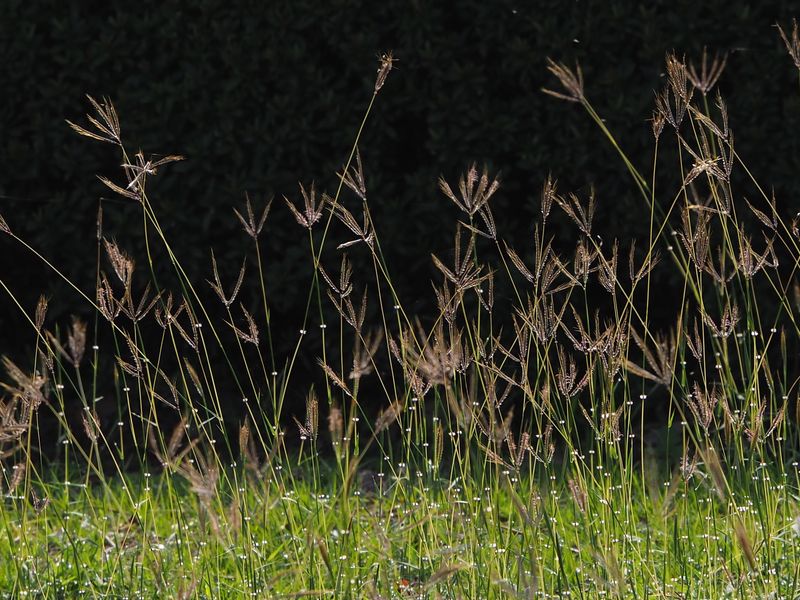
Anyone who has spent time trying to identify invasive bluestem grasses in Texas knows how genuinely confusing the lookalikes can be.
Kleberg Bluestem is a close relative of King Ranch Bluestem, and in the field the two can be difficult to tell apart without careful observation of their seed heads, growth habits, and stem characteristics.
Both are non-native grasses that can spread aggressively in Texas landscapes.
Getting the identification right matters because management decisions can vary depending on which species is present and how it is behaving on a particular site.
Both grasses form dense stands and can crowd out native plants, but knowing exactly what you are dealing with helps when consulting with Texas extension specialists or native plant experts about the best approach for a specific location.
Looking closely at the seed head structure is one of the most reliable ways to start distinguishing between the two.
Kleberg Bluestem tends to have a distinctly different seed head shape compared to King Ranch Bluestem, though the differences can be subtle to an untrained eye.
Taking photos, collecting samples, and reaching out to local Texas native plant or extension resources for help with identification is always a reasonable step before committing to a management plan on a larger restoration site.
9. Repeated Management Gives Natives A Better Chance
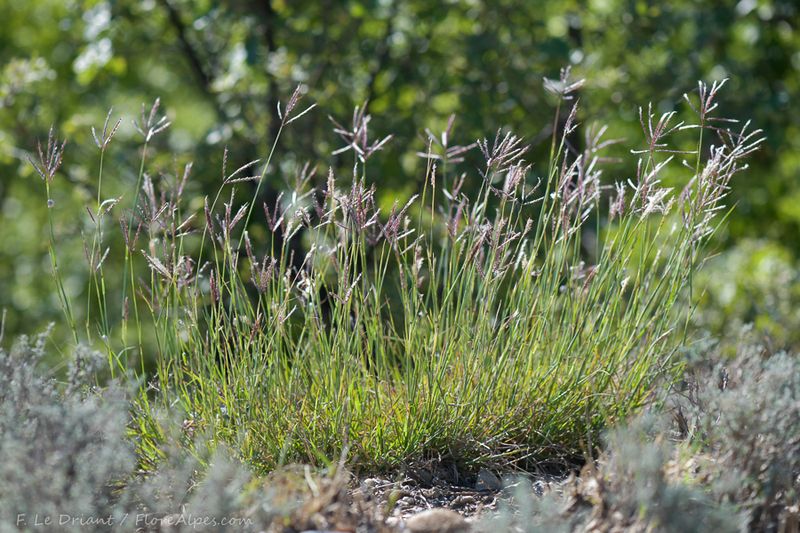
Restoring a Texas wildflower meadow that has been taken over by King Ranch Bluestem is rarely a one-season project. The grass has a persistent seed bank, a strong root system, and the ability to regrow quickly after removal.
Landowners and restoration practitioners who approach the process with a long-term mindset tend to see the most encouraging results over time.
Returning to a site season after season, monitoring for regrowth, addressing new seedlings before they mature, and reseeding native plants into recovering areas are all part of a realistic Texas meadow management strategy.
Each season of consistent effort chips away at the invasive grass population while giving native wildflowers and grasses more room and resources to re-establish themselves.
Celebrating small wins along the way helps keep the process rewarding.
Noticing a patch of bluebonnets returning, spotting a native bee on a recovering wildflower, or watching a formerly uniform grass stand slowly regain plant variety are all signs that the work is making a difference.
Texas native meadows are resilient when given consistent support, and that resilience becomes more visible with each season of dedicated management.
The ecological value they provide to pollinators, wildlife, and the broader landscape makes that ongoing commitment genuinely worthwhile for anyone who cares about the native plants that belong here.