Ohio Plants That Attract Both Goldfinches And Fireflies To The Same Yard
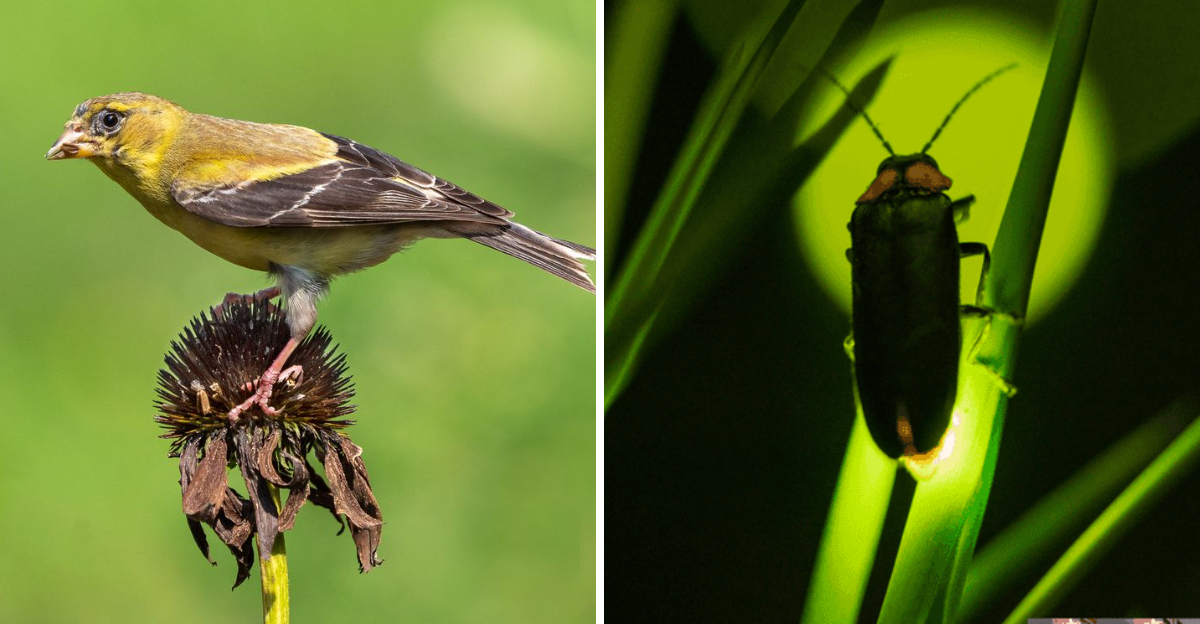
Goldfinches and fireflies do not seem like they belong in the same conversation. One is a daytime showoff in bright yellow, impossible to miss at the feeder.
The other works the dark edges of the yard after sunset, blinking in a language most people never fully decode. Two completely different creatures.
Two completely different moments in the day. The plants that support both turn out to have more overlap than anyone expects.
A yard built around the right Ohio natives creates conditions that goldfinches find worth visiting and fireflies find worth returning to. Often in the same corner of the same garden.
Same plants, same structure, same soil conditions both species have depended on in Ohio landscapes for a very long time. Designing for one tends to bring in the other.
Knowing which plants sit at the center of that overlap is where this gets interesting.
1. Let Purple Coneflower Feed The Goldfinches After Dark
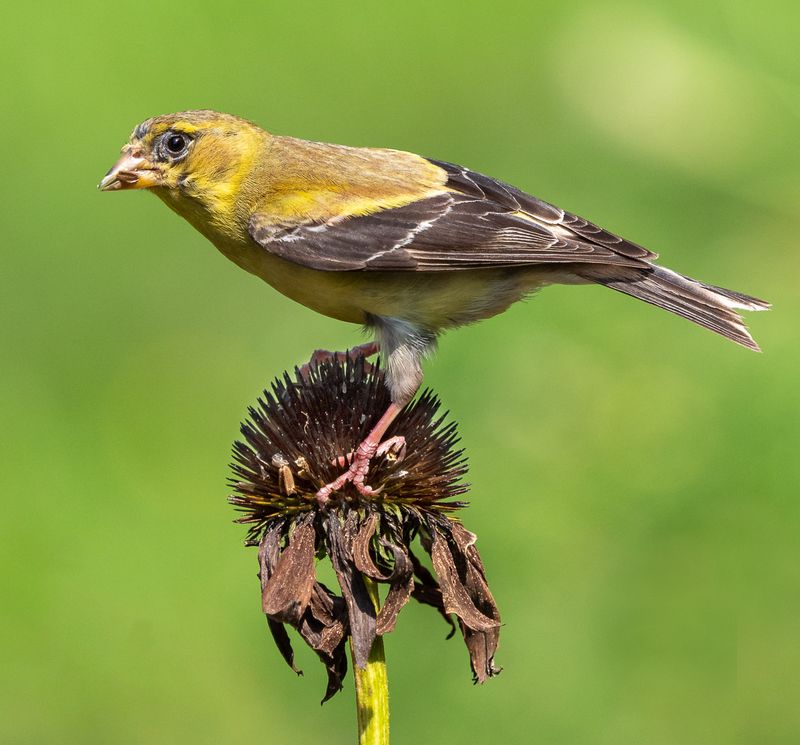
Few sights in a summer garden beat watching a goldfinch hang sideways off a dried coneflower cone, picking out seeds one by one.
Purple coneflower, known botanically as Echinacea purpurea, is a native perennial that OSU Extension lists as well-suited to Ohio gardens.
Cornell Lab of Ornithology confirms that American goldfinches regularly feed on coneflower seeds and similar daisy-type native plants. That happens when seed heads are left standing through late summer and fall.
The trick is simple: resist the urge to trim. Leaving those spiky brown cones standing through the season gives goldfinches a reliable food source right in your yard.
Coneflower does not directly feed fireflies the way it feeds birds, but it fits naturally into a low-disturbance native planting. Plant coneflower in groups and let the bed stay a little wilder at the edges.
That creates the kind of quieter habitat where fireflies may find better cover nearby.
Keep some leaf litter under and around the planting rather than raking everything bare. Avoid applying broad-spectrum insecticides near the bed, since those products can harm the insects that both birds and fireflies depend on.
Coneflower grows well in full sun and tolerates average Ohio soils. Planting it in clusters rather than scattered singles gives goldfinches more to work with and makes the bed look fuller and more natural through the season.
2. Plant Black Eyed Susan For Seeds And Summer Glow
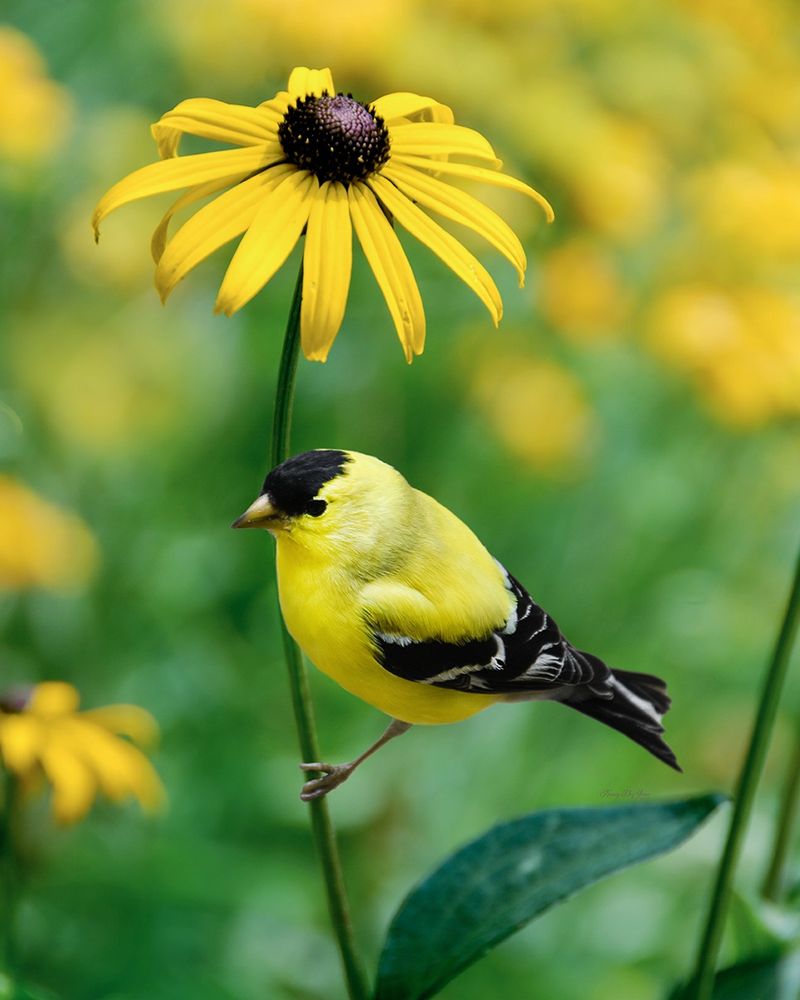
Walk past a patch of black-eyed Susans on a warm July evening and you understand why this plant earns a spot in almost every native garden list.
Rudbeckia hirta is a tough, adaptable wildflower that blooms from early summer into fall across much of the Buckeye State.
OSU PlantFacts notes that black-eyed Susan thrives in full sun and tolerates a range of soil types, making it easy to grow in most local yards.
Goldfinches may visit the dried seed heads of daisy-type native plants, including black-eyed Susan, when seeds ripen and other food sources thin out. However, wildlife visits always depend on season, surrounding habitat, and what else is available nearby.
Your Ohio Garden Changes Every Week. Your Plan Should Too.
Gardening in Ohio changes quickly throughout the season. Every Friday you’ll receive a simple weekly plan showing exactly what to plant, prune, fertilize, harvest, and protect so you never miss the right timing.
The “summer glow” in this plant’s section title is really about the mood it brings to a garden, not a promise that it makes fireflies appear on cue.
The firefly connection here is about planting style. When you grow black-eyed Susan in a fuller bed with less frequent mowing at the edges, you reduce soil disturbance and create a softer transition zone.
Fireflies often benefit from those kinds of layered, less-cleaned areas. Leave some stems standing after bloom rather than cutting everything back immediately.
Avoid applying pesticides unnecessarily around the bed. Those two habits, letting stems stand and skipping chemicals, can quietly make the surrounding habitat more welcoming to insects overall.
3. Use Native Sunflowers To Build A Backyard Buffet
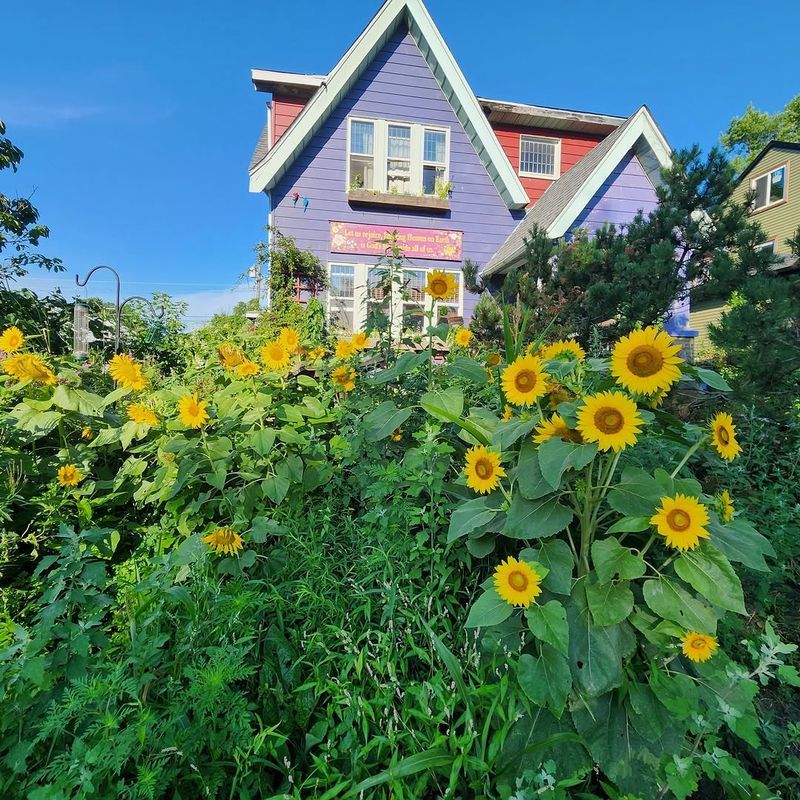
There is something generous about a sunflower. The seeds ripen in abundance, the stalks stand tall, and the whole plant seems built for sharing.
Native sunflower species, such as Helianthus annuus and perennial types like Helianthus mollis, can provide strong seed value for birds when seeds fully ripen.
Cornell Lab of Ornithology confirms that American goldfinches are seed-eating specialists and will readily use sunflower seeds.
That makes native sunflowers a practical choice for bird-friendly yards.
Choosing native or regionally appropriate species matters more than picking any sunflower off a shelf. Some ornamental or non-native types may produce fewer viable seeds or spread aggressively.
OSU Extension recommends selecting plants suited to local conditions and avoiding species that could become invasive in Ohio’s natural areas.
Planting sunflowers near unmowed edges, rain garden margins, or layered native beds can increase their value to the broader yard ecosystem.
Fireflies do not use sunflower seeds, but the habitat around a well-planted sunflower bed can support them. Taller plants create shade and moisture variation at ground level.
Soft, undisturbed soil near the base gives firefly larvae better conditions for development. Avoiding insecticides around the sunflower patch protects the beetles and other invertebrates that make up the food web fireflies depend on.
Let some stalks stand through late fall rather than clearing everything at once, which preserves both seed resources for birds and cover for ground-level insects.
4. Add Asters For Late Seeds And Firefly Cover
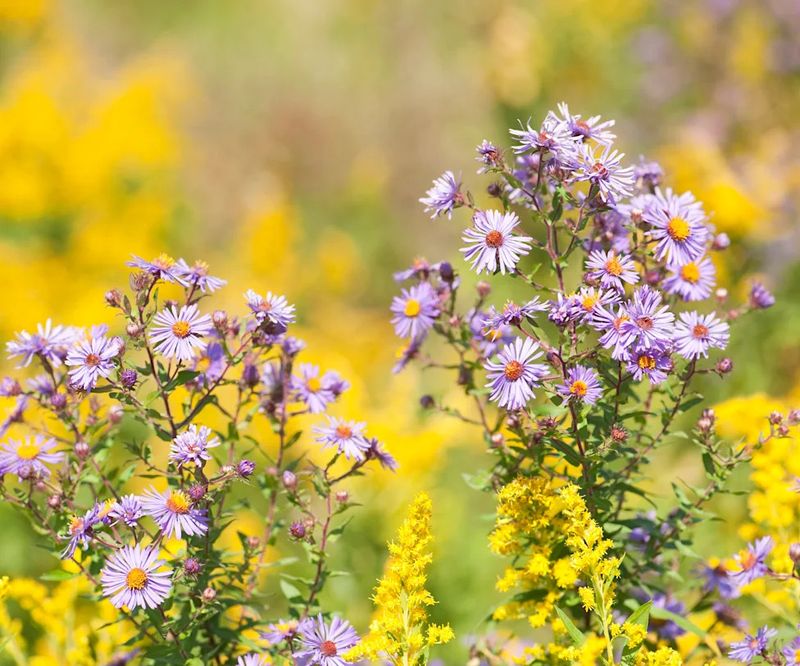
By the time most summer flowers have finished, native asters are just hitting their stride. Species like Symphyotrichum novae-angliae (New England aster) and Symphyotrichum oblongifolium (aromatic aster) bloom late.
They carry flowers from late summer into October across much of this state. That late-season timing is part of what makes them so useful in a wildlife-friendly yard.
Asters can help extend the wildlife season when other flowers fade. Goldfinches may benefit from late seed sources in mixed native plantings, though asters are not always their top choice compared to coneflower or sunflower.
The value here is more about keeping the yard active and layered deep into autumn. OSU Extension notes that native asters support a wide range of insects, which in turn can support insect-eating birds and the broader food web.
For fireflies, the connection is habitat rather than a direct food link. Asters planted in groups with stems left standing through fall create a less-disturbed, layered edge.
Keeping some leaf litter under nearby shrubs or grasses near the aster planting adds the kind of ground-level cover that firefly larvae use during development. Firefly larvae are predatory and need moist, undisturbed soil.
Planting asters in a way that avoids heavy foot traffic and reduces soil compaction near the bed can quietly improve those conditions. Skip the fall cleanup in that area when you can, and let the stems stand until late winter at the earliest.
5. Grow Goldenrod Where Birds And Beetles Benefit
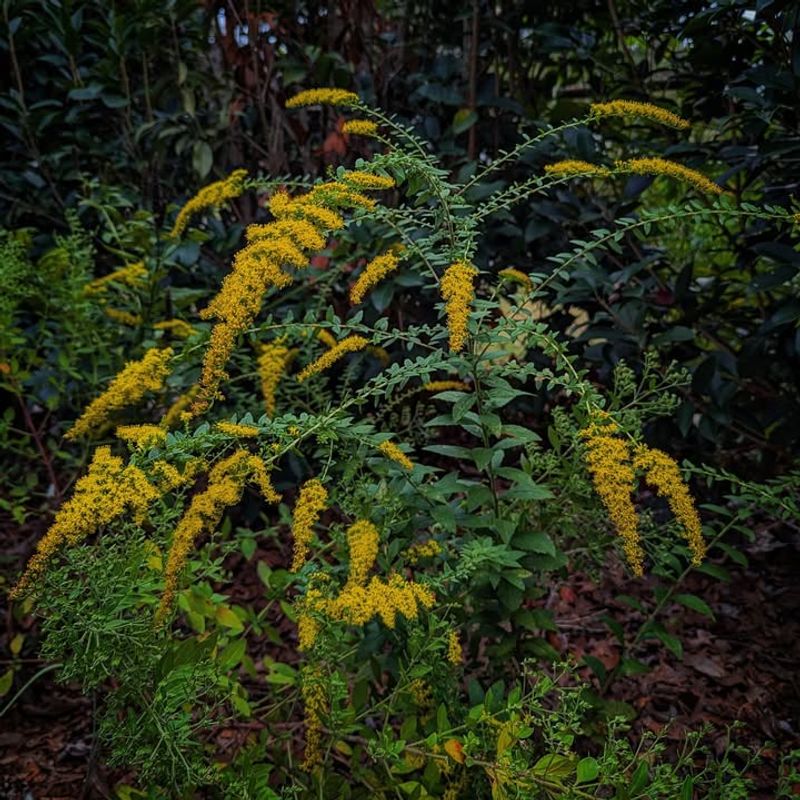
Goldenrod has a reputation problem it does not deserve. Many people blame it for fall allergies.
University extension sources, including resources from Penn State Extension and OSU, clarify that goldenrod pollen is heavy and insect-carried, not windborne. The real allergy culprit blooming at the same time is ragweed.
Once you clear goldenrod’s name, it becomes much easier to appreciate what it actually offers a wildlife yard.
Native goldenrod species, including Solidago canadensis and Solidago speciosa, support an impressive number of insects in late summer and fall. OSU Extension describes goldenrod as one of the most ecologically valuable native plant groups in the region.
Fireflies are beetles in the family Lampyridae, and goldenrod flowers are not their direct food source. Goldenrod still fits perfectly into insect-rich, less-manicured planting that supports beetle diversity and ground-level habitat health.
Seed-eating birds, including goldfinches, may visit goldenrod seed heads as they mature, though goldenrod is not their primary food plant. The bigger benefit is what goldenrod does for the surrounding ecosystem.
Choosing garden-appropriate goldenrod species rather than the most aggressive spreaders is smart planning.
Giving plants room to naturalize in a back corner, along a fence line, or near a rain garden margin creates a wilder zone with fewer pesticides and better insect cover.
That kind of space, quieter and less disturbed, is exactly where fireflies tend to do better at night.
6. Leave Joe Pye Weed Standing For A Wilder Edge
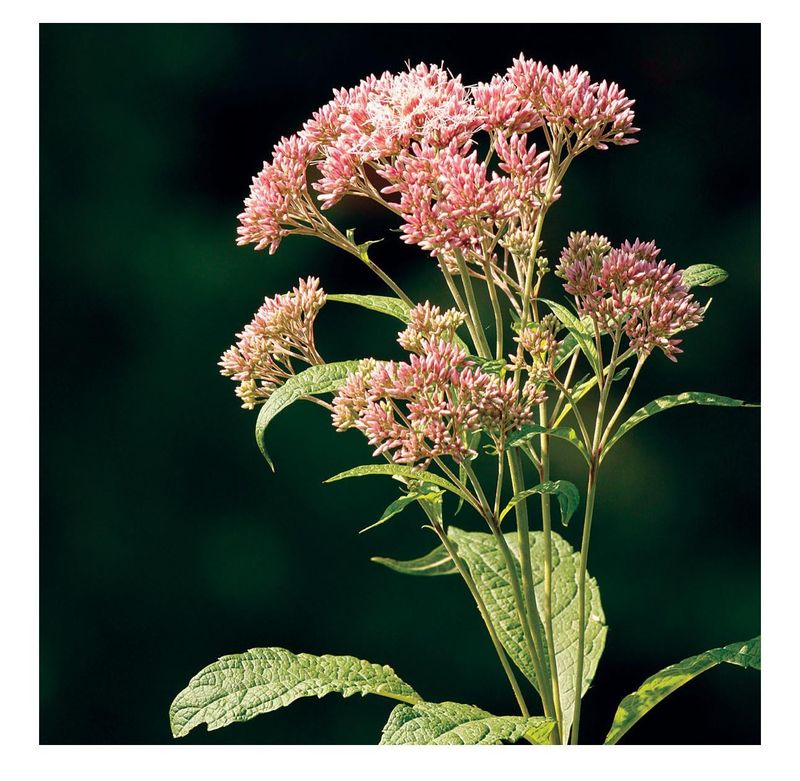
Some plants earn their place in a yard just by standing tall and making space feel lush. Joe Pye weed, in the genus Eutrochium, can reach six to eight feet in moist, partly shaded spots.
It brings a bold, naturalistic presence that smaller perennials simply cannot match. OSU Extension notes that native Eutrochium species perform well in Ohio gardens and support a wide range of pollinators and insects when in bloom.
Goldfinches are not the top reason to plant Joe Pye weed. Seed value is modest compared to coneflower or sunflower, and bird visits to this plant are not heavily documented in reputable sources.
The stronger case for this plant in a dual-purpose yard is what it does for the habitat structure. Tall, moisture-friendly plantings create layered conditions at multiple heights, which supports insect diversity.
That insect diversity matters for fireflies, which depend on healthy, undisturbed ground-level habitat and a food web with plenty of invertebrates.
Place Joe Pye weed where it has room to grow without crowding smaller plants. Moist areas near a rain garden, a low spot in the yard, or the shadier edge of a planting bed all work well.
Avoid cutting everything to the ground too early in the fall. Leaving the tall stems standing through winter provides seed and cover for various creatures and keeps the wilder edge intact.
Reducing pesticide use near this planting protects the insects that make the whole habitat function.
7. Tuck Switchgrass Around The Glow Zone
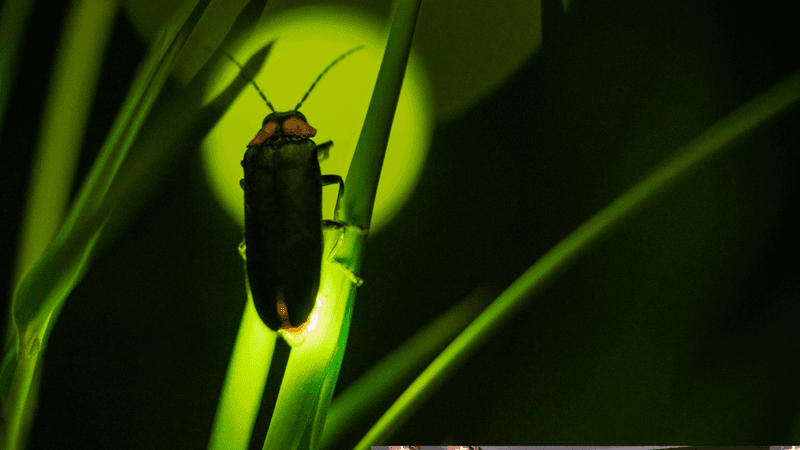
Evening light does something beautiful to a clump of switchgrass. The airy seed heads catch the last of the afternoon glow, and the whole plant seems to shimmer at dusk.
Panicum virgatum is a native warm-season grass. OSU Extension and the Ohio Department of Natural Resources both recognize it as a valuable component of native plantings across this state.
It handles a range of soil types and moisture levels, making it adaptable to many yard situations.
Switchgrass is not a goldfinch magnet the way coneflower or sunflower can be. Some seed-eating birds may use grass seeds, but this plant’s strongest contribution is structural.
Tucking switchgrass around the edges of flower beds, near rain gardens, or along less-mowed corners creates a layered yard with shelter at multiple levels. That layering matters more for fireflies than any single plant species does.
Fireflies need moist, undisturbed soil, leaf litter, and darker conditions at night. Switchgrass clumps help create those quieter micro-habitats at ground level.
University extension sources advise pairing native grasses with native forbs to build more complete habitat. Planting switchgrass near coneflower, asters, or goldenrod creates a fuller, more connected planting that supports a wider range of insects.
Keep nighttime lighting low near the grass edges if you want to encourage fireflies, since artificial light disrupts their signaling behavior. Reducing mowing frequency near the switchgrass border lets the soil stay softer and less disturbed.
That benefits both firefly larvae and the overall ground-level insect community.
8. Build The Magic With Milkweed And Leaf Litter
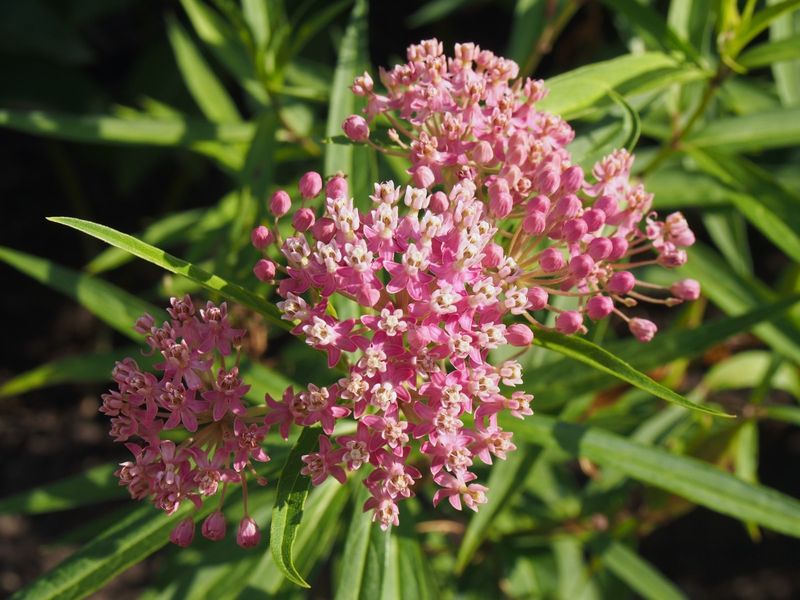
A yard that feeds birds by day and protects glow by night does not happen by accident. It is built through thoughtful choices, and milkweed is one of the most meaningful ones you can make.
Native milkweed species include Asclepias tuberosa (butterfly weed) and Asclepias syriaca (common milkweed).
OSU Extension and the Ohio Department of Natural Resources recognize them as critical monarch host plants and important nectar sources for native insects.
Milkweed is not a top seed plant for goldfinches, though goldfinches have been observed using milkweed fluff as nesting material, according to Cornell Lab of Ornithology.
Its real power in this kind of yard is what it adds to the insect community and the overall planting structure.
A yard rich in native insects supports the food web that both birds and fireflies depend on. Milkweed fits into that web in a meaningful way.
The firefly piece comes down to what surrounds the milkweed. Leaving some leaves under shrubs and along garden edges rather than bagging everything in fall gives firefly larvae the moist, sheltered ground they need to develop.
Avoiding broad-spectrum insecticides near the planting protects beetles, including fireflies, from chemical harm. Keeping nighttime lighting minimal near the garden edge lets firefly signals carry clearly through the dark.
Plant milkweed in connected patches rather than isolated clumps, and let the whole yard work together as one living, layered habitat.