Here’s Why Asparagus Takes Patience But Pays Off For North Carolina Gardeners
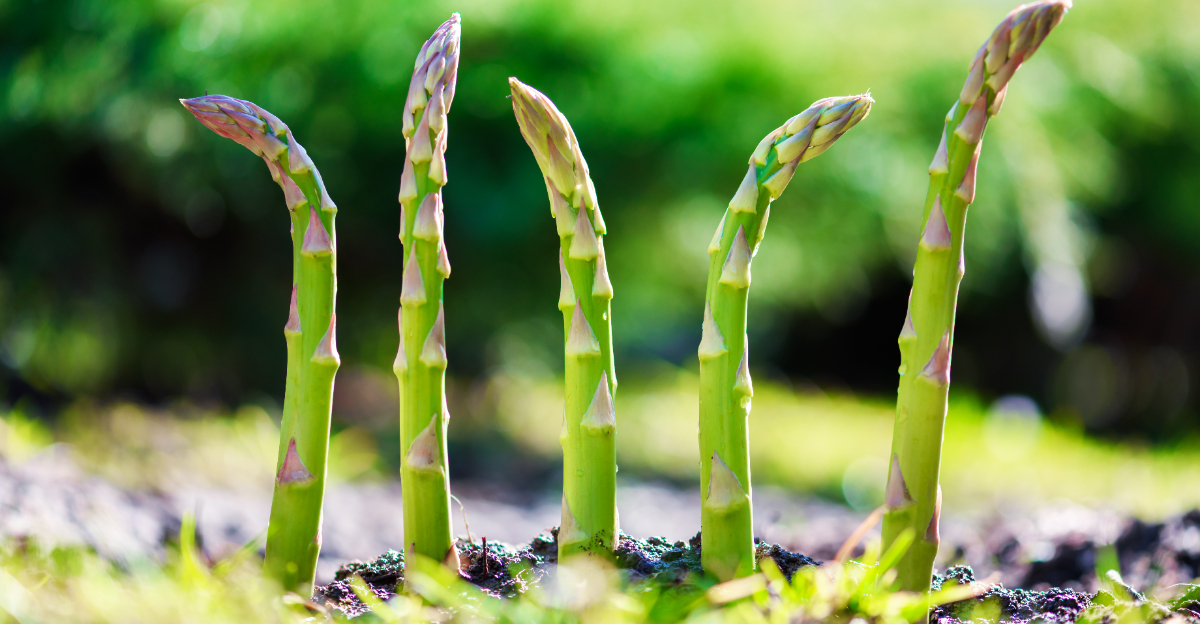
Asparagus asks for something that goes against every instinct most vegetable gardeners have. It asks to be left alone and trusted before it delivers anything in return.
The first season produces nothing harvestable. The second, very little.
By the third year, the early spring harvest far surpasses anything in a grocery store, making the wait feel like the best trade a North Carolina gardener could make.
An established asparagus bed in this state produces reliably for twenty years or more with minimal ongoing effort.
Very few garden investments pay that kind of return on a single decision made once and maintained simply.
1. Slow Establishment Phase
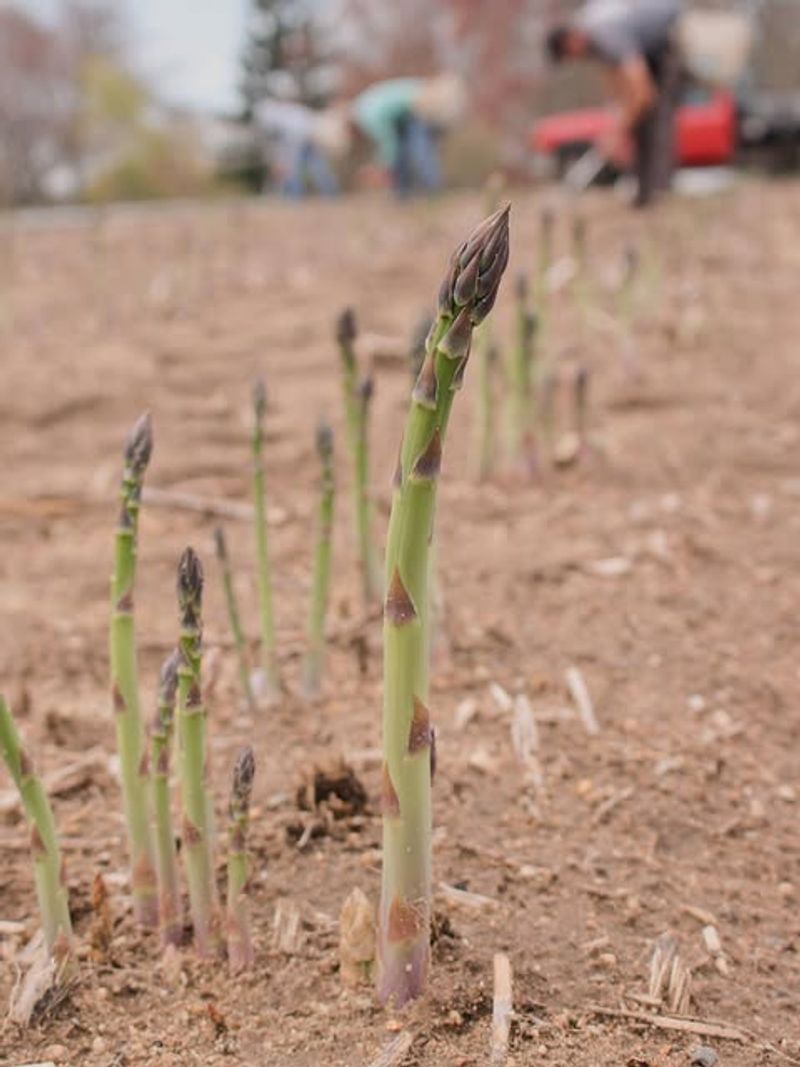
Most gardeners expect quick results, but asparagus works differently from the ground up. When you plant asparagus crowns in North Carolina, the first two to three years are all about building a powerful root system underground.
You will not see many harvestable spears during this time, and that is completely normal. Think of it like building a house. You spend months on the foundation before the walls go up.
Asparagus roots spread wide and deep, and that underground network is exactly what powers decades of spring harvests later on.
For North Carolina gardeners, site selection matters a lot during this phase. Choose a spot with full sun and good air circulation, away from large trees that compete for nutrients.
Plant crowns about six to eight inches deep in loose, prepared soil, spacing them twelve to eighteen inches apart in rows.
Raised beds work especially well in areas with heavy clay soil, which is common across the Piedmont region. Adding compost before planting gives those young crowns the nutrition they need to settle in strong.
Resist the urge to harvest anything in year one, and only take a few spears in year two at most.
Trusting the process here makes all the difference. Gardeners who skip this step often end up with weak, unproductive beds that never reach their full potential.
2. Requires Deep, Well-Drained Soil
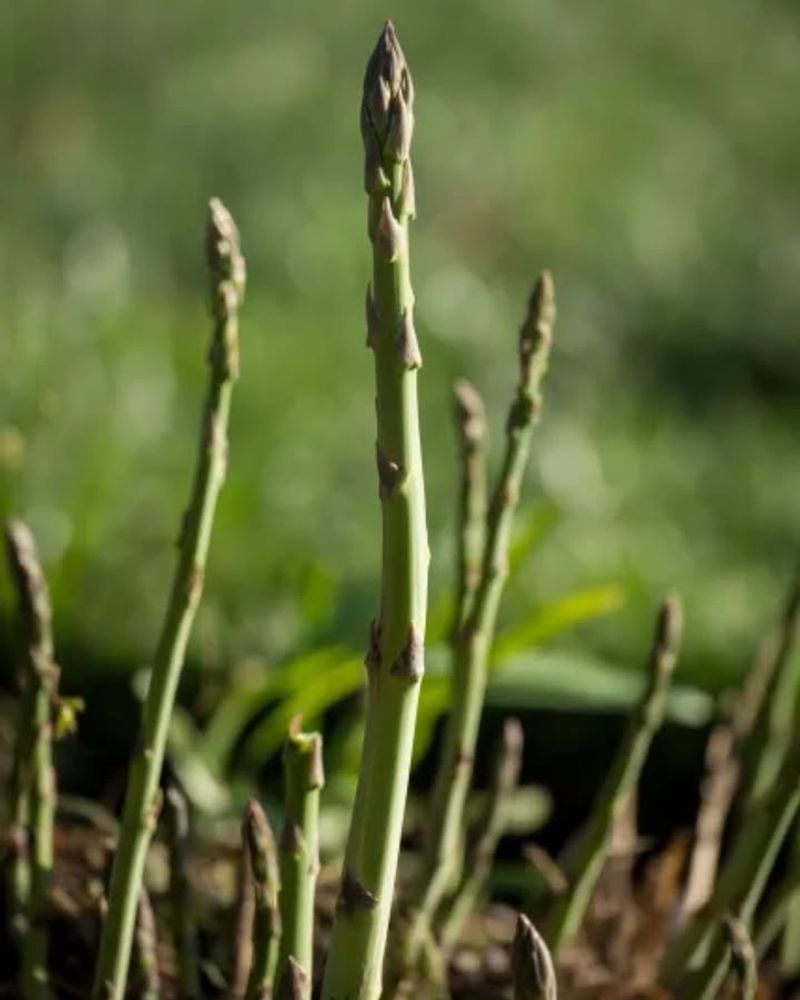
Asparagus roots grow surprisingly deep, sometimes reaching two feet or more into the ground. That means the quality of your soil is not just helpful, it is absolutely essential for long-term success.
Heavy clay or waterlogged beds are the biggest reasons asparagus struggles in many North Carolina gardens.
Clay soils are common in the Piedmont and parts of the Coastal Plain, and they tend to hold too much moisture around the crowns. Sitting in soggy ground weakens the roots over time and makes the plants far less productive.
Well-drained soil lets oxygen reach the roots, which keeps the crowns healthy and active.
Before planting, loosen the soil at least twelve to fifteen inches deep and work in generous amounts of compost or aged manure. This improves both drainage and fertility in one step.
Raised beds are a smart option for gardeners dealing with stubborn clay, since you can fill them with a custom mix of topsoil and compost.
A soil pH between 6.5 and 7.0 is ideal for asparagus. Many North Carolina soils tend to run slightly acidic, so adding lime before planting is often a good idea.
Your North Carolina Garden Changes Every Week. Your Plan Should Too.
Gardening in North Carolina changes quickly throughout the season. Every Friday you’ll receive a simple weekly plan showing exactly what to plant, prune, fertilize, harvest, and protect so you never miss the right timing.
Getting a simple soil test through your local NC Cooperative Extension office gives you a clear picture of what your garden actually needs before you put crowns in the ground.
3. Mulching Supports Early Growth
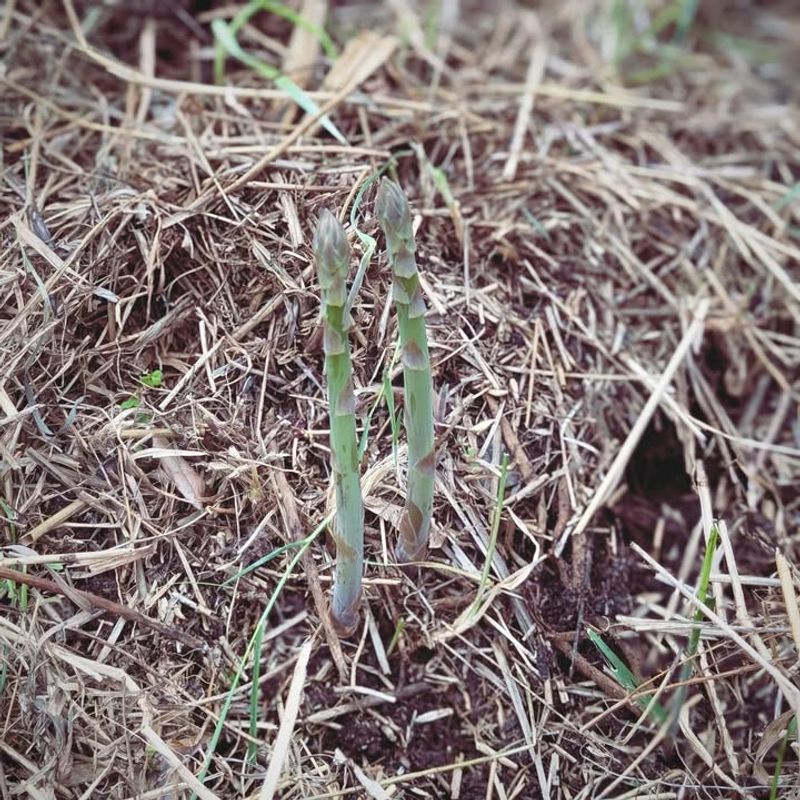
One of the smartest things you can do for a young asparagus bed is cover it with a generous layer of organic mulch.
Straw, wood chips, or shredded leaves all work beautifully and make a noticeable difference in how well the crowns establish during those first critical years. Mulch does three important jobs at once.
It holds moisture in the soil so the young roots stay consistently hydrated, it blocks weed seeds from sprouting and competing for nutrients, and it keeps soil temperatures stable during North Carolina’s unpredictable spring and fall weather swings.
Apply a layer about three to four inches thick around the base of the plants, keeping mulch slightly away from the emerging spears to prevent rot. Refresh the mulch each spring after harvest season ends and again in late fall before winter arrives.
This simple habit keeps the bed in great shape year after year.
Organic mulches also break down slowly over time, adding nutrients back into the soil as they decompose. That means you are feeding your asparagus while protecting it at the same time.
Straw is particularly popular among North Carolina gardeners because it is affordable, easy to find at local feed stores, and breaks down at a manageable rate without matting down too heavily.
Starting this habit early in the establishment phase sets a strong foundation for the productive years ahead.
4. Patience Prevents Overharvesting
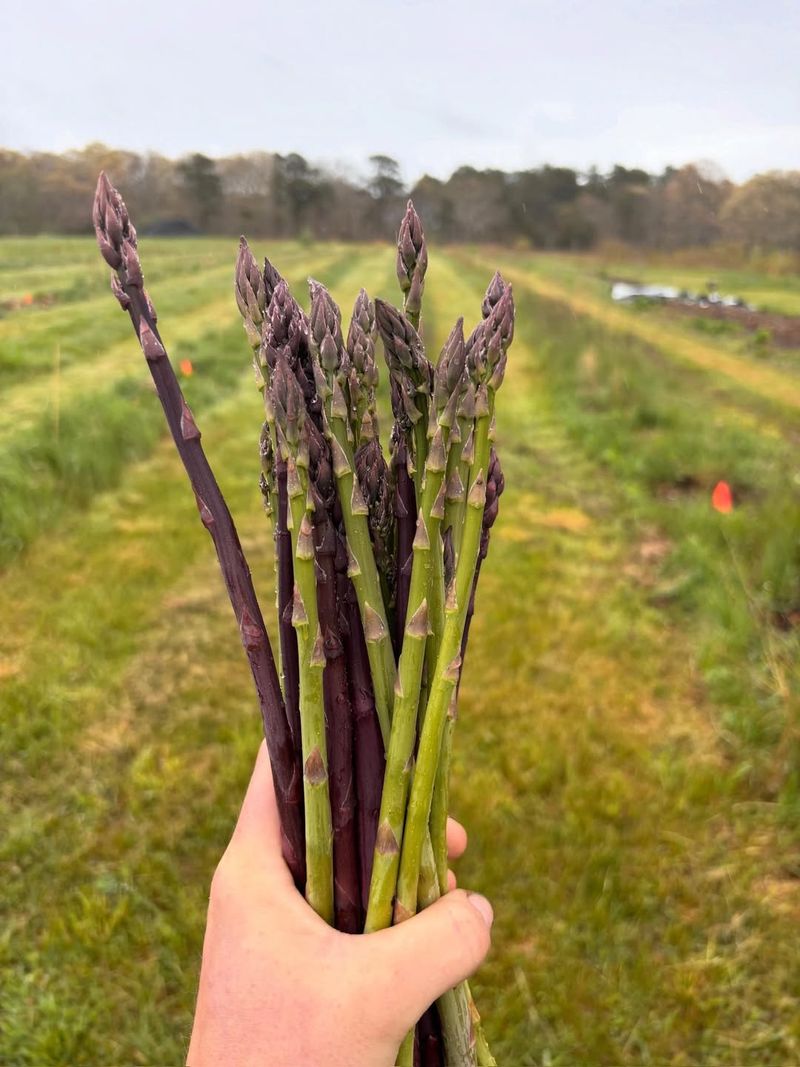
Harvesting asparagus too soon is one of the most common mistakes new gardeners make. When those first tender spears push through the soil, the temptation to cut them is almost impossible to resist.
But pulling too many spears in the early years seriously weakens the plant’s root system and reduces how productive the bed becomes later on.
Here is why it matters so much. Each spear that you allow to grow into tall, feathery fern foliage is actually feeding energy back down into the roots.
The ferns capture sunlight and send carbohydrates underground, building up the reserves the crown needs to produce abundantly in future seasons.
In year one, skip harvesting entirely. In year two, you can take a few spears for about two weeks, but stop there.
By year three, the bed is usually strong enough to handle a four to six week harvest window. This gradual approach feels slow, but it pays off with a far more productive and long-lasting bed.
North Carolina gardeners who practice this kind of restraint consistently report thicker, more vigorous spears and longer harvest seasons compared to those who rushed the process.
Think of it as an investment strategy where the more you let the plant build strength early, the bigger the returns you collect every spring for the next twenty years.
5. Gradual Harvest Yields Abundant Returns
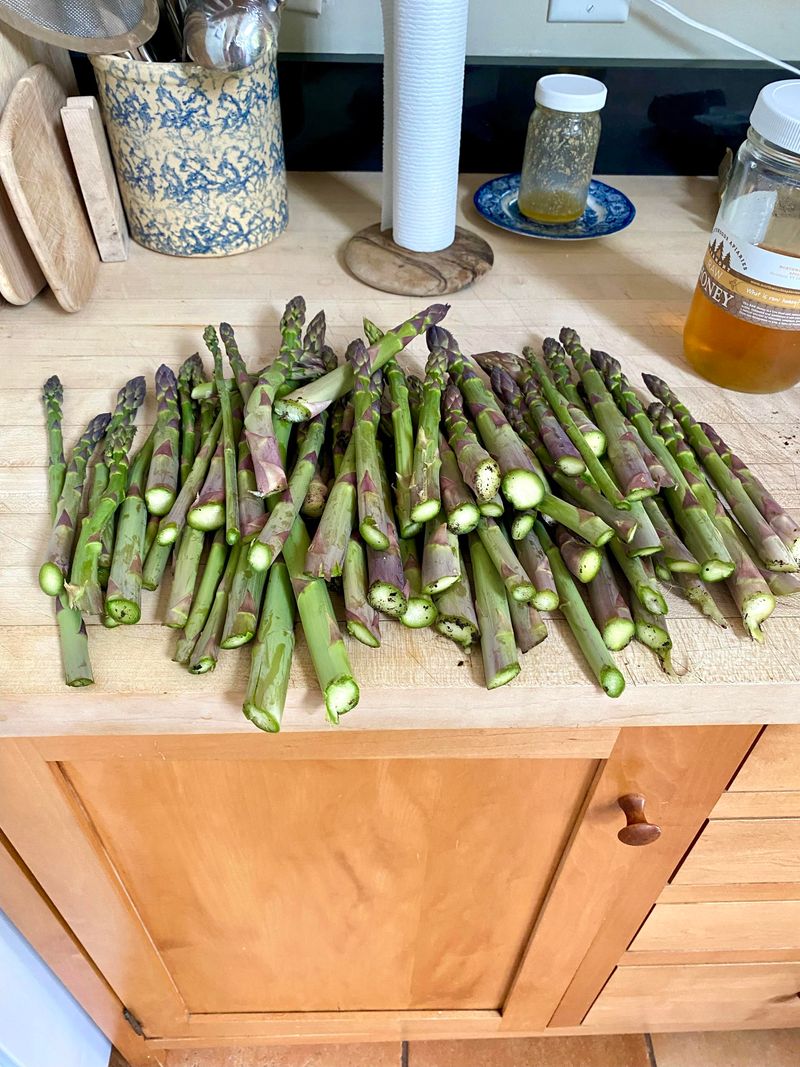
After three years of patience, something wonderful happens in a North Carolina asparagus bed. Spring arrives, the soil warms up, and thick, beautiful spears start pushing through the ground at a pace that surprises even experienced gardeners.
The wait is suddenly and completely worth it. In a well-established bed, a single asparagus plant can produce roughly half a pound of spears per season.
Multiply that across a twenty-foot row of plants and you are looking at a meaningful harvest every spring without replanting anything.
North Carolina’s mild spring temperatures are actually quite favorable for asparagus, giving gardeners a harvest window that typically runs from late March through early May depending on location and elevation.
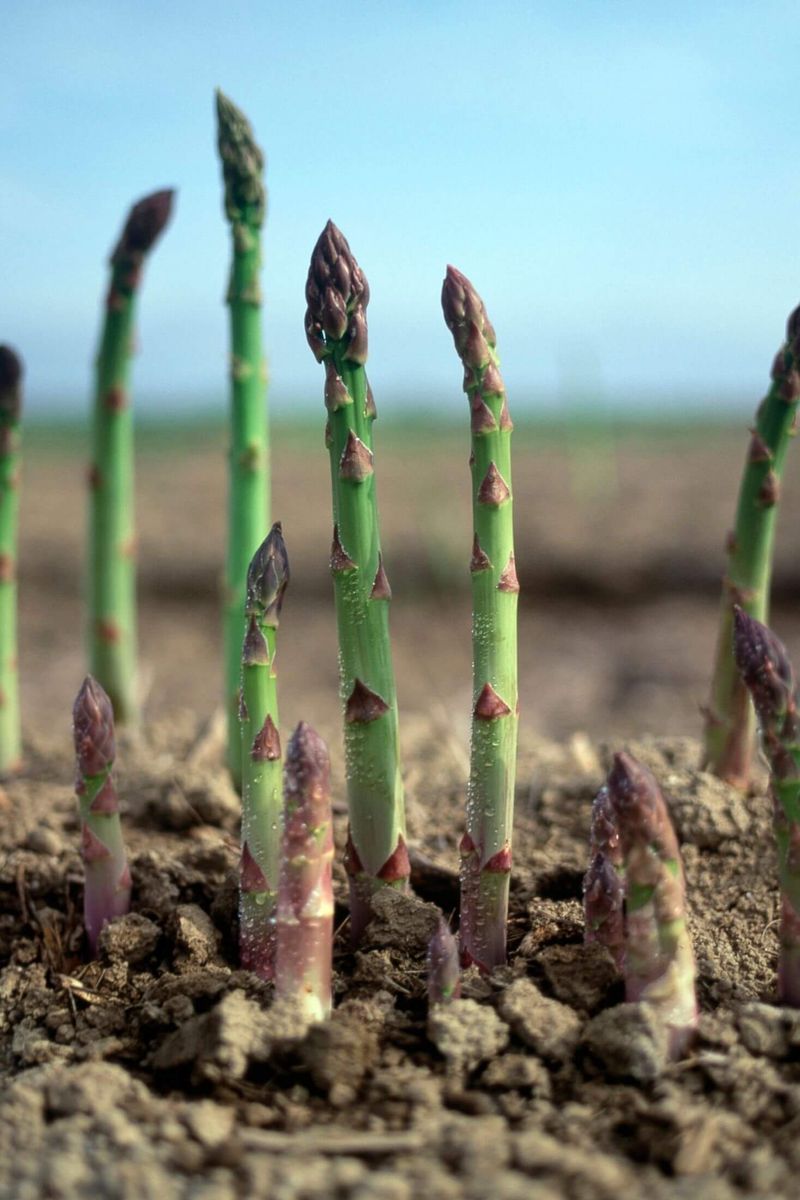
Harvest spears when they reach about six to eight inches tall and before the tips begin to open into ferns. Snap or cut them at ground level every day or two during peak season because the plants produce quickly once they get going.
Consistent harvesting actually encourages more spears to emerge, keeping the bed productive throughout the season.
Year four and beyond often bring the most exciting results as the root system reaches full maturity. Many North Carolina gardeners describe this phase as getting fresh produce almost effortlessly, since the plants handle most of the work themselves.
A little compost in spring and consistent water during dry spells is usually all it takes to keep the harvest strong and reliable each year.
6. Supports Pollinators
Most gardeners think of asparagus purely as a food crop, but allowing some spears to mature into their tall, feathery fern stage turns the bed into a surprisingly active habitat.
Those delicate ferns produce tiny yellow-green flowers that attract bees, butterflies, and other beneficial insects looking for nectar throughout the summer.
Leaving a portion of your asparagus patch to grow freely each season creates a balance between harvesting for your kitchen and giving back to the garden ecosystem.
Pollinators that visit asparagus flowers often stick around and visit nearby vegetable plants too, which can improve yields across your entire garden. That is a win you do not even have to plan for.
Later in the season, the flowers develop into small red berries that birds find irresistible. Songbirds and other backyard visitors pick at these berries throughout fall, adding life and movement to the garden even after the harvest season has ended.
It is one of those quiet benefits that makes an asparagus patch feel like more than just a vegetable bed.
North Carolina is home to a rich variety of native pollinators, including several species of native bees that are especially active in spring and early summer.
Planting asparagus in or near a pollinator-friendly garden gives these insects a reliable food source right when they need it most.
The ecological value of a mature asparagus bed goes well beyond what ends up on your dinner plate.
7. Winter Protection
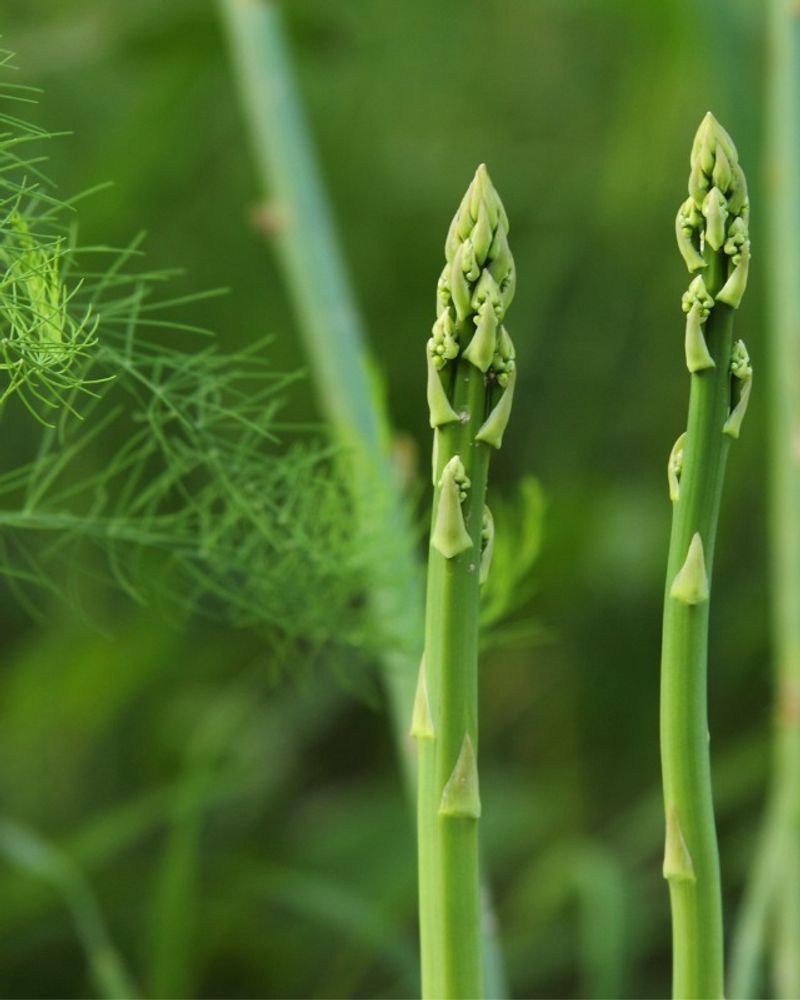
Winter in North Carolina can be unpredictable. Some years bring mild temperatures and barely a frost, while others bring cold snaps that push well below freezing for days at a time.
Asparagus crowns are fairly cold-hardy, but giving them a little extra protection during winter goes a long way toward keeping them healthy and productive.
Once the fern foliage turns yellow and begins to dry out in late fall, cut it back to about two inches above the soil surface.
This is also the perfect time to lay down a fresh layer of straw or shredded leaves, about three to four inches thick, directly over the crowns.
This insulating layer buffers against sudden temperature drops and prevents frost heaving, which happens when soil repeatedly freezes and thaws and can shift crowns out of position.
Frost heaving is a real concern in the North Carolina Piedmont and mountain regions where winter temperatures fluctuate more dramatically.
A consistent mulch layer keeps soil temperatures more stable and reduces the risk of crowns being pushed upward and exposed to harsh air.
Pull the mulch back slightly in early spring as the soil warms to let the first spears emerge freely.
This simple winterizing routine takes less than an hour and protects years of investment in your asparagus bed. Gardeners who skip this step sometimes notice fewer spears the following spring, particularly after a harsh winter.
A small effort in November makes a meaningful difference come March.
8. Low-Maintenance Once Established
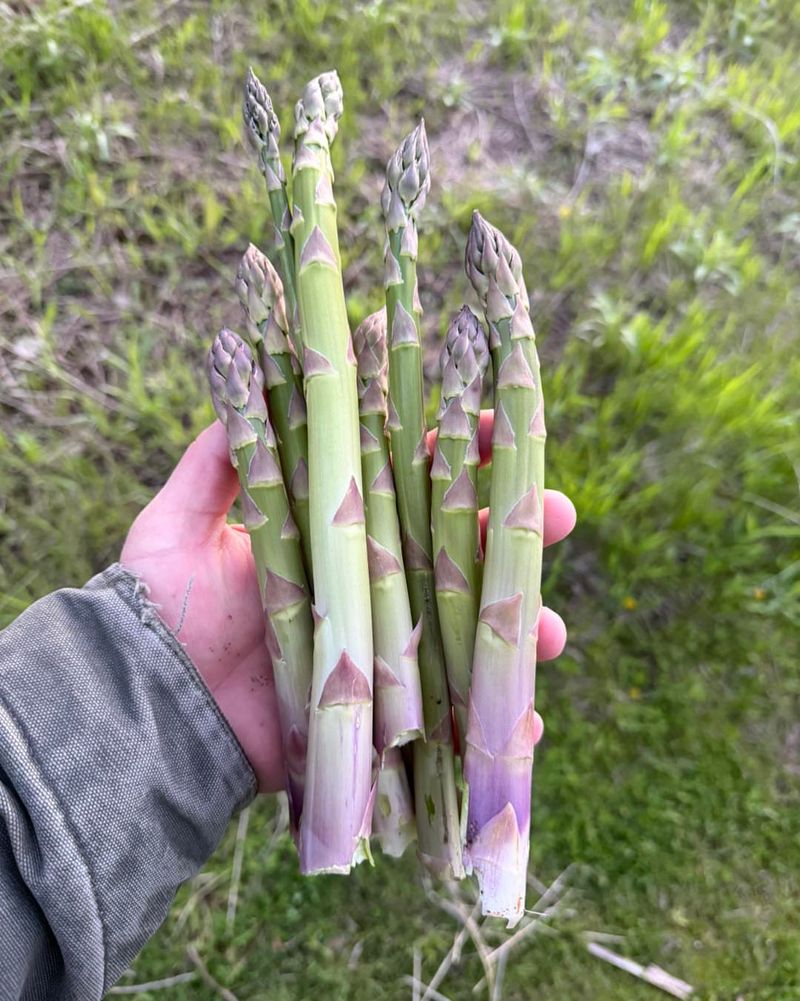
Few vegetables in the home garden offer the kind of low-effort reward that a mature asparagus bed delivers. Once the plants pass that three-year establishment phase, the amount of work required drops dramatically.
For busy North Carolina gardeners, that kind of reliability is genuinely valuable.
Weeding is the main ongoing task, and even that becomes easier as the bed matures. Dense fern growth naturally shades out many weeds during summer, reducing how often you need to get in there and pull.
A fresh layer of mulch each spring handles most of the rest, keeping weed pressure low without much effort on your part.
Fertilizing once a year in early spring with a balanced vegetable fertilizer or a side dressing of compost keeps the bed producing strong spears season after season. Asparagus is not a heavy feeder, so you do not need to overthink this step.
A light application of 10-10-10 fertilizer or well-aged compost right before the spears emerge is typically all the nutrition the plants need.
Pest monitoring is worth doing occasionally, mainly watching for asparagus beetles, which are the most common pest in garden beds. Handpicking beetles and their eggs in spring keeps populations manageable without needing sprays or chemicals.
Overall, the maintenance calendar for a mature asparagus bed is refreshingly short compared to most other vegetables, making it a genuinely smart long-term addition to any North Carolina garden.
9. Long-Term Productivity
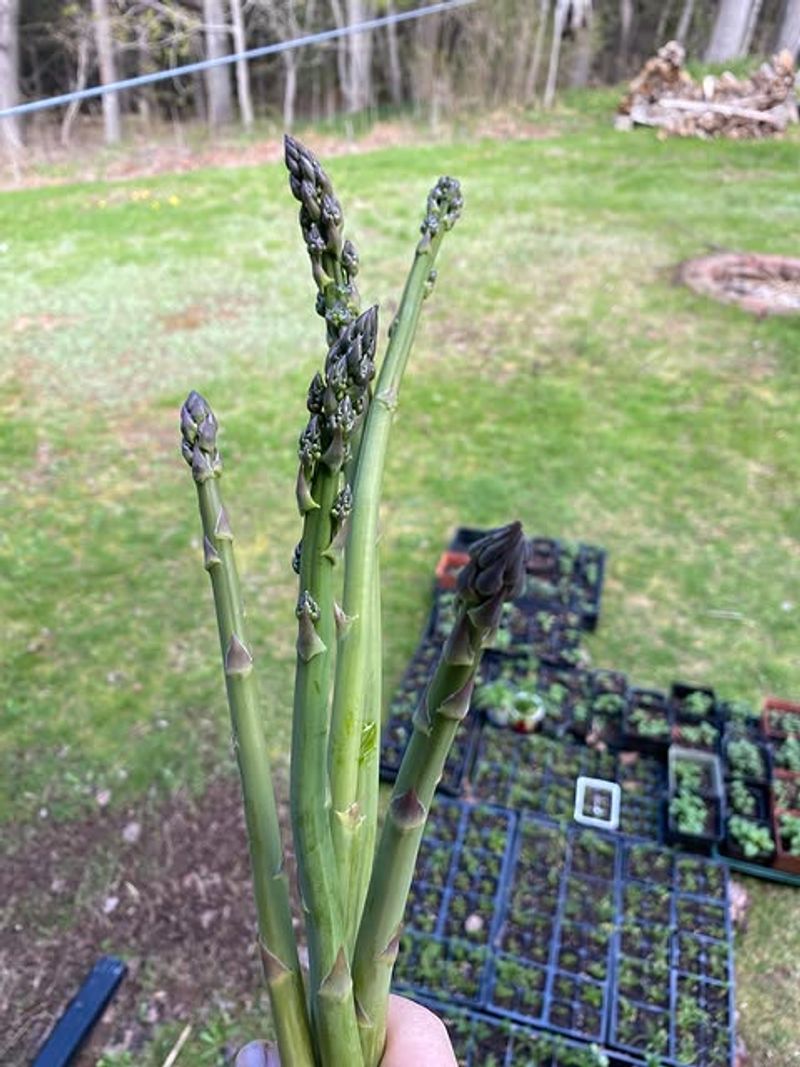
Here is the number that makes every asparagus gardener smile: a well-cared-for bed can produce reliably for fifteen to twenty years or more.
That kind of longevity is almost unheard of in the vegetable garden, where most crops need to be replanted every single season. Asparagus is genuinely in a category of its own.
North Carolina’s climate is well-suited for long-term asparagus production. The state gets enough winter chill to satisfy the plant’s dormancy requirements, while the warm springs encourage vigorous spear growth right when you want it.
Gardeners in the Piedmont and mountain regions tend to see especially strong performance because the cooler spring temperatures slow bolting and extend the harvest window.
Over the years, a mature asparagus bed actually improves as the root system expands and deepens. Spears often get thicker and more numerous as the plants reach full maturity around years five through seven.
Many long-time North Carolina gardeners describe their asparagus patch as the most productive square footage in their entire garden.
When you break down the math, the return on investment is remarkable. You plant once, put in a few years of care, and then collect fresh spring asparagus every year for potentially two decades.
That is hundreds of harvests from a single planting. For anyone serious about home food production in North Carolina, asparagus is not just a vegetable. It is a long-term garden asset that keeps on giving spring after spring.