The Flowering Tennessee Herb That Doubles As A Light Blue Ground Cover
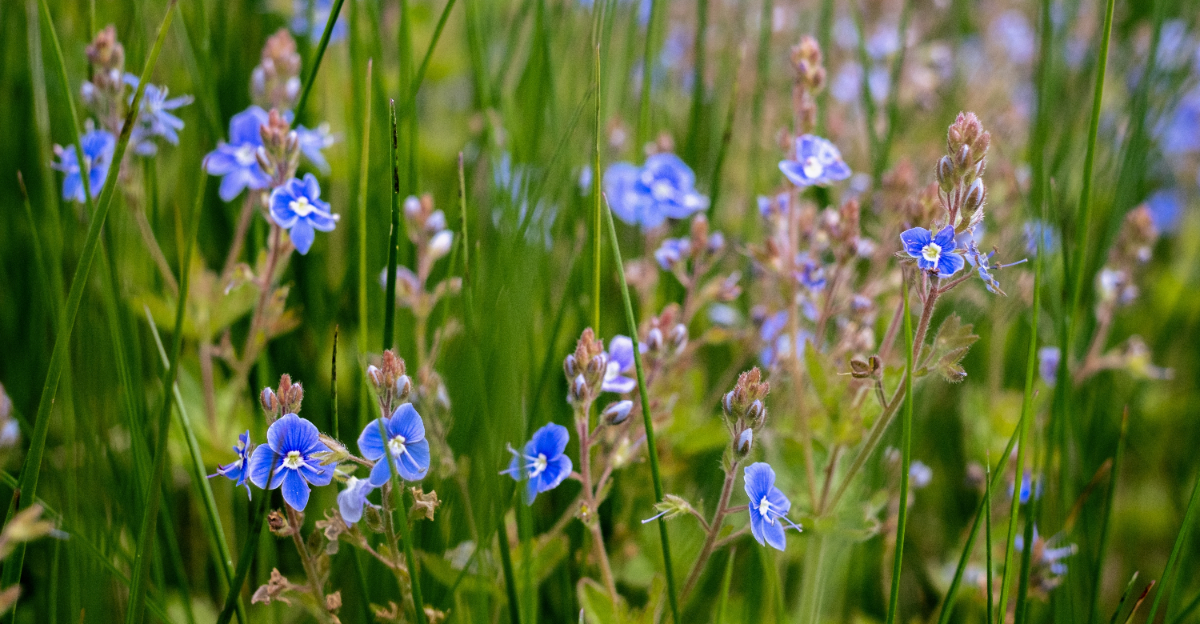
Walk any wooded trail in Tennessee during late spring and you might miss it entirely, unless you know where to look. Pressed flat against the forest floor, this low-growing herb spreads in dense mats beneath taller plants, patient and unbothered by foot traffic.
Then, almost without warning, it sends up short flowering stems dotted with tiny blue-violet blossoms, each one striped faintly with darker veins like a miniature compass rose.
Hikers who pause to look closer often find themselves surprised. What looks like a humble groundcover has a long, quiet history tucked into folk medicine, old herbal remedies, and cottage gardens across two continents.
It survives where showier plants struggle, tolerating shade, poor soil, and the occasional trampling. Its unassuming appearance hides a much longer story, one worth knowing before you walk past it again.
1. A Groundcover With A Secret
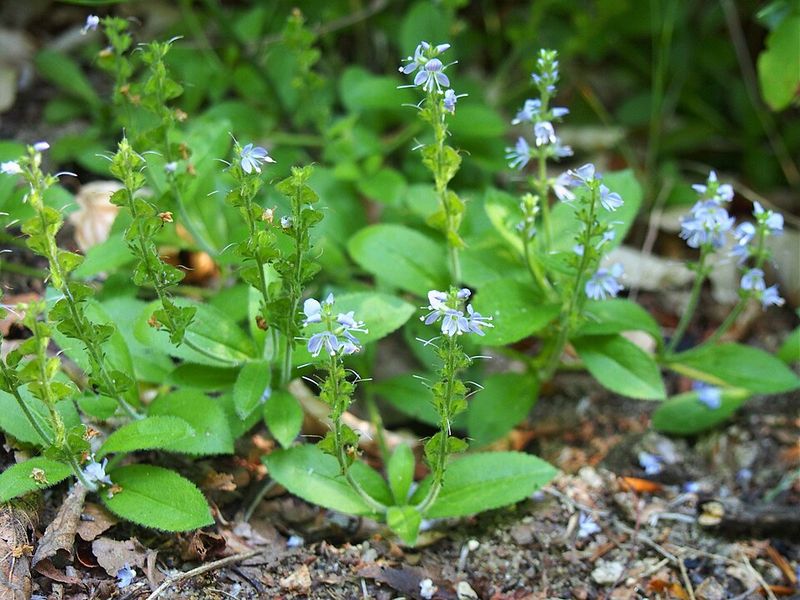
Most people walk right past it without a second glance. Veronica officinalis, the flowering Tennessee herb that doubles as a light blue ground cover, looks almost too modest to be special.
But crouch down near a shaded hillside and you will see something stunning. Tiny, four-petaled flowers in soft lavender-blue rise above a dense mat of fuzzy green leaves.
This plant spreads by creeping stems that root wherever they touch soil. That habit makes it a natural ground cover, filling gaps under trees where grass refuses to grow.
Gardeners call plants like this workhorses. They solve problems on their own, without demanding much attention or care.
Speedwell earns that nickname fast. It smothers weeds, stabilizes bare soil, and adds color during spring and early summer when other plants are still waking up.
The blooms are small but plentiful, creating a hazy blue mist across the ground when the plant is in full flower. Standing back and looking at a large patch feels a little like seeing fog settle over a meadow.
What makes this herb truly surprising is its dual identity. By day it acts like a tough, no-fuss ground cover. But its roots go deep into herbal tradition, where healers once prized it for its medicinal qualities.
Few plants manage to be both practical and historically rich at the same time. Veronica officinalis pulls it off effortlessly, making it one of Tennessee’s most underappreciated native treasures.
2. A Long History As A Medicinal Herb
Healers in medieval Europe knew this plant well. Long before pharmacies existed, Veronica officinalis was stocked in apothecary gardens across the continent.
Herbalists used it to treat coughs, skin irritations, and digestive complaints. Its bitter, slightly astringent taste was seen as a sign of medicinal power in traditional plant medicine.
The name speedwell itself carries old meaning. Some historians believe it referred to the plant’s supposed ability to speed up recovery from illness.
Others think the name came from how quickly the flowers fall off the stem when picked. Either way, the name stuck for centuries across England and Northern Europe.
Your Tennessee Garden Changes Every Week. Your Plan Should Too.
Gardening in Tennessee changes quickly throughout the season. Every Friday you’ll receive a simple weekly plan showing exactly what to plant, prune, fertilize, harvest, and protect so you never miss the right timing.
Nicholas Culpeper, a famous 17th-century English herbalist, wrote about speedwell with genuine enthusiasm. He recommended it for kidney problems, skin conditions, and respiratory ailments.
When European settlers arrived in North America, they brought seeds of familiar herbs with them. Veronica officinalis likely made the journey in seed pouches or garden collections.
Over time, the plant naturalized across the eastern United States, including Tennessee. It adapted easily to the region’s humid forests and rocky slopes.
Today, modern herbalists still reference speedwell in discussions about traditional remedies. Scientific research on its active compounds is limited, but the plant contains tannins and iridoid glycosides that may support its historical reputation.
No one should replace a doctor with a plant, of course. But knowing this herb carried real cultural weight for centuries makes spotting it on a trail feel like finding a living piece of history.
3. Why Veronica Officinalis Thrives As A Ground Cover In Tennessee
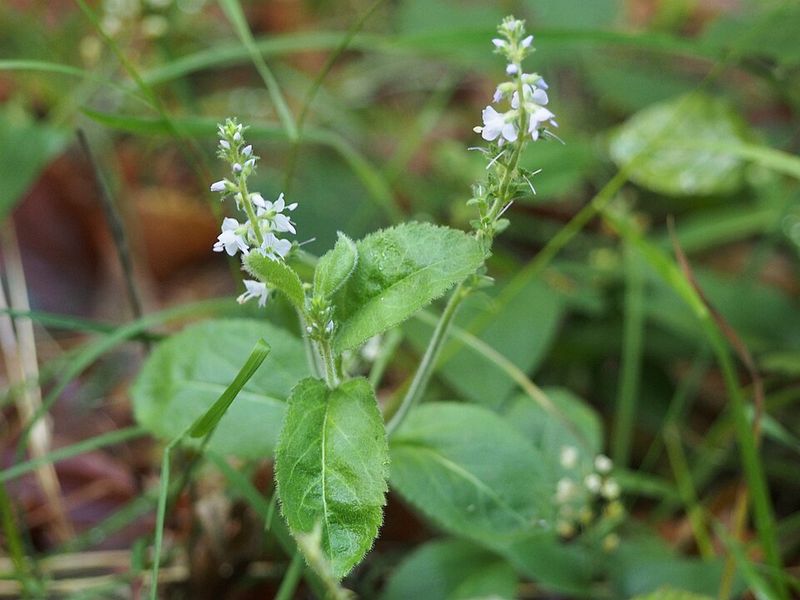
Tennessee’s landscape practically rolls out the welcome mat for this herb. The state’s mix of humid summers, mild winters, and rich forest soils mirrors the European conditions where Veronica officinalis first evolved.
Shaded slopes and woodland edges are where this plant feels most at home. It tolerates drought better than most ground covers and handles clay-heavy Tennessee soil without complaining.
The creeping stems are the real secret to its success. Each node along the stem can root into the ground, letting the plant spread outward in every direction without needing seeds to multiply.
That spreading habit means one small transplant can cover several square feet within a single growing season. For gardeners battling erosion on a slope, that kind of coverage is genuinely useful.
The plant also handles foot traffic better than expected. It bounces back after light walking, making it practical along garden path edges or between stepping stones.
Tennessee’s USDA hardiness zones range from 6a to 8a, and Veronica officinalis is comfortable across most of them.
Deer tend to avoid it, which is a major bonus for anyone gardening near wooded areas. Rabbits occasionally nibble the edges, but rarely cause serious damage.
The light blue ground cover aspect becomes most dramatic in May and June. Whole hillsides can take on a soft blue hue when the plant blooms in mass, creating a scene that feels almost surreal in the best possible way.
4. How To Identify It In The Wild
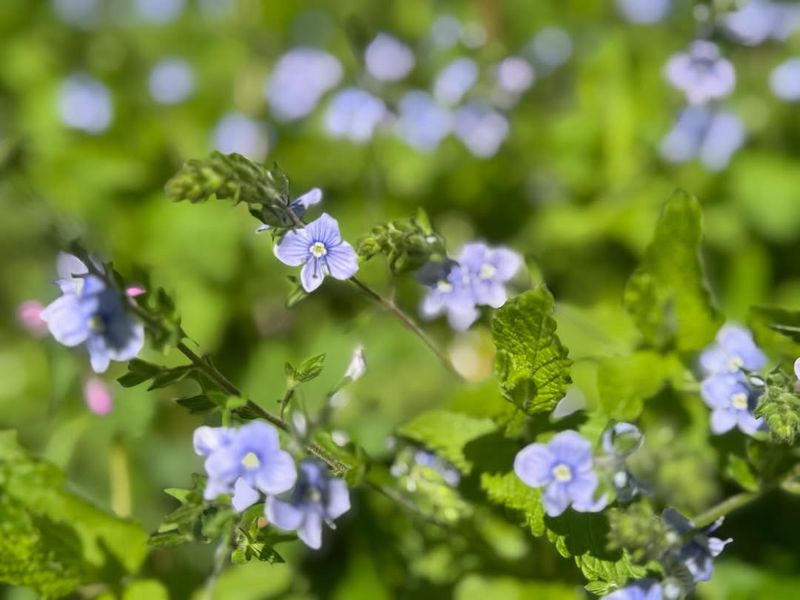
Spotting Veronica officinalis for the first time feels like cracking a small code. Once you know what to look for, you will start seeing it everywhere on Tennessee trails.
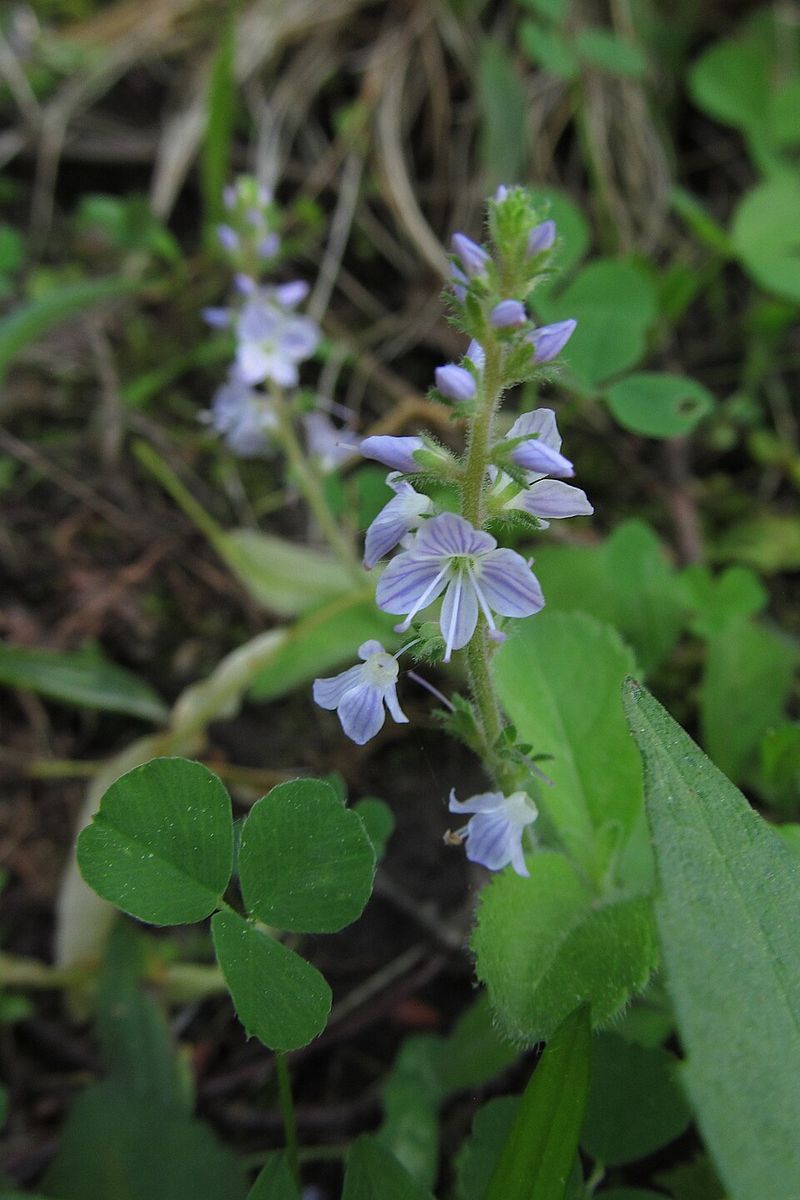
Start with the leaves. They are oval, roughly one to two inches long, and covered in fine hairs that give them a slightly fuzzy texture. The edges are gently toothed, not sharply serrated.
The stems sprawl along the ground before turning upward near the tips. That low, creeping posture is one of the most reliable visual clues you can use in the field.
When the plant blooms, look for slender upright spikes covered in tiny flowers. Each flower has four petals, with the top petal slightly larger than the others.
The color ranges from pale lavender to soft sky blue, sometimes with faint purple veining. Up close, the flowers look almost like miniature orchids, which makes finding a patch genuinely exciting.
Blooming season in Tennessee typically runs from late April through June. After that, the flowers drop and small heart-shaped seed capsules form along the spike.
Habitat is another helpful clue. Look along shaded roadsides, forest edges, and open woodland floors. The plant avoids standing water and deep shade, preferring spots with filtered light.
Rubbing a leaf gently releases a faint, slightly bitter scent. That smell is subtle but distinctive, and experienced foragers often use it as a final confirmation before making a positive identification.
Keeping a wildflower field guide in your pack helps enormously when you are learning this flowering Tennessee herb for the first time.
5. Growing And Caring For It At Home
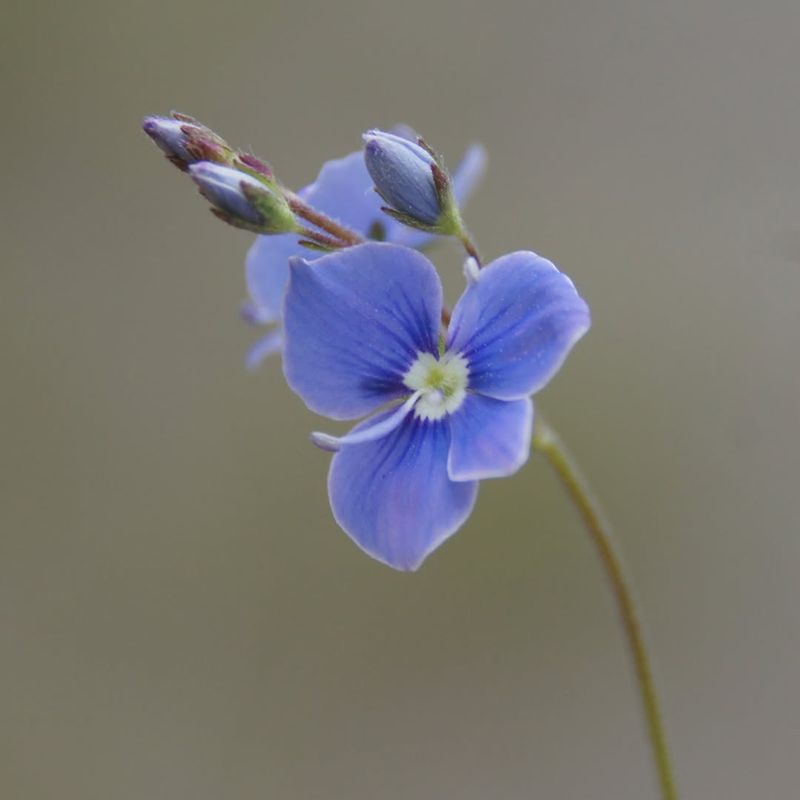
Bringing this herb into your yard is easier than most gardening projects. Veronica officinalis is not picky, and it rewards low-maintenance gardeners generously.
Start with a spot that gets partial shade or dappled morning sun. Full afternoon sun in Tennessee summers can stress the plant and cause the leaves to yellow at the edges.
Soil prep is minimal. Loosen the ground about six inches deep and mix in a little compost if your soil is very compacted. Good drainage matters more than rich fertility.
Plant transplants or rooted stem cuttings about eight to twelve inches apart. Within a few weeks, the stems will begin spreading outward and rooting on their own.
Watering needs are low once the plant is established. During the first month, water every few days to help roots settle in. After that, rainfall handles most of the work in a typical Tennessee season.
Fertilizing is rarely necessary. A light top-dressing of compost in early spring gives the plant a gentle boost without pushing excessive leafy growth at the expense of flowers.
Trimming back the stems after blooming keeps the mat tidy and encourages fresh growth. Use garden shears and cut back about one-third of the stem length.
Pests are almost never a serious issue. The plant’s slightly bitter chemistry deters most insects, and fungal problems are rare when air circulation is adequate.
Growing this flowering Tennessee herb at home means you get beauty, history, and a weed-suppressing ground cover all wrapped into one surprisingly tough little plant.
6. Common Look-Alikes To Watch For
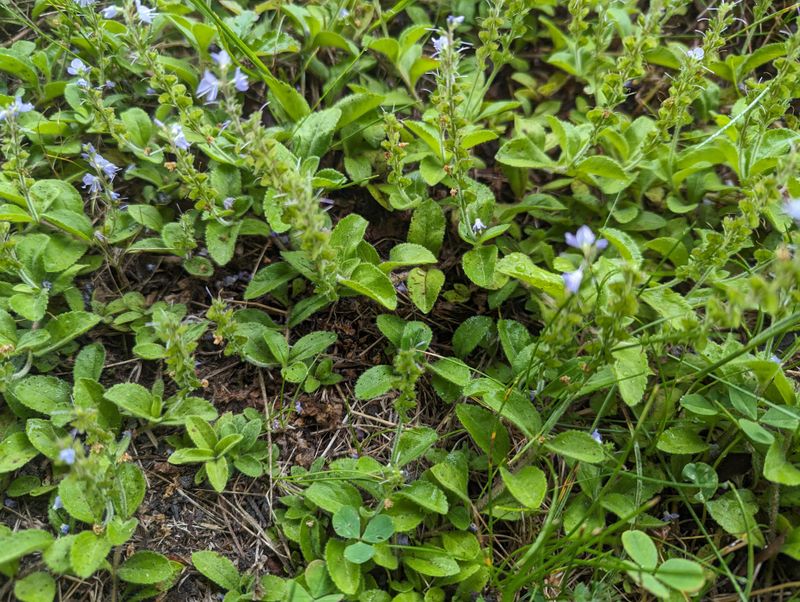
Nature loves a good copy, and Veronica officinalis has a few convincing ones. Knowing the differences keeps you from misidentifying what you find in the field or at the nursery.
Veronica chamaedrys, called germander speedwell, is the most common mix-up. Its flowers are a brighter, more vivid blue, and its stems have two distinct rows of hairs rather than all-around fuzz.
The leaf shape is also slightly different. Germander speedwell leaves are broader and shorter-stalked compared to the narrower, longer-petioled leaves of Veronica officinalis.
Creeping thyme is another plant that sometimes gets confused with this herb at a glance. Both spread low across the ground and produce small flowers, but thyme leaves are much smaller and release a strong herbal scent when crushed.
Ajuga reptans, commonly called bugleweed, is a popular garden ground cover that can look similar in low light. Bugleweed has darker, glossier leaves and produces deep purple flower spikes rather than the pale blue of speedwell.
Mazus reptans is sometimes sold as a blue-flowering ground cover too. Its flowers are larger and more distinctly two-lipped, making a side-by-side comparison fairly easy once you know what to check.
The safest approach when foraging or buying plants is to confirm the botanical name. Common names shift by region, and what one person calls speedwell may refer to a completely different species nearby.
Trusting the Latin name Veronica officinalis keeps you anchored to the right plant, whether you are shopping at a garden center or exploring a Tennessee woodland trail.