The Ohio Native Tree That Supports More Caterpillar Species Than Any Other
Most Ohio gardeners think about caterpillars as a problem. Something eating the leaves, something to pick off, something the spray is supposed to handle.
That instinct makes sense in a vegetable bed. In a wildlife garden it misses something fundamental about how the whole system actually works.
Caterpillars are the engine. Birds need them, especially during nesting season, in quantities that berry bushes and feeders cannot come close to replacing.
A yard without enough caterpillar habitat is a yard that songbirds pass through rather than raise young in. One Ohio native tree supports more caterpillar species than almost any other plant in the entire region.
Not by a small margin. By a significant one that researchers have documented and wildlife gardeners have quietly built their plant choices around for years.
Plant one and the ripple effect through the rest of the yard’s food web shows up faster than most people expect.
1. Crown Native Oaks As The Caterpillar Champions
Picture a single tree quietly feeding hundreds of caterpillars while a pair of chickadees scouts every branch for food. That is exactly what a native oak can do, and research backs it up.
Doug Tallamy’s keystone plant work, widely shared by the National Wildlife Federation, identifies native oaks as major caterpillar-supporting trees. They support more butterfly and moth caterpillar species than any other native plant group commonly studied.
Oaks belong to the Quercus genus, and many native species within that group play this role. OSU Extension notes that native trees generally provide far more wildlife value than non-native ornamental species.
Caterpillars are not a sign of a sick tree. They are a sign of a healthy food web.
Nesting birds, especially chickadees and warblers, depend heavily on caterpillars to feed their young during spring and early summer.
Before removing an oak from a yard, check whether it is a native species. Identifying existing oaks before any cutting saves irreplaceable habitat.
Homeowners with space for a long-term shade tree should strongly consider a native oak species. Results vary based on tree age, nearby habitat, and pesticide use, but the potential wildlife value is genuinely hard to match.
2. Plant White Oak For A Living Bird Buffet
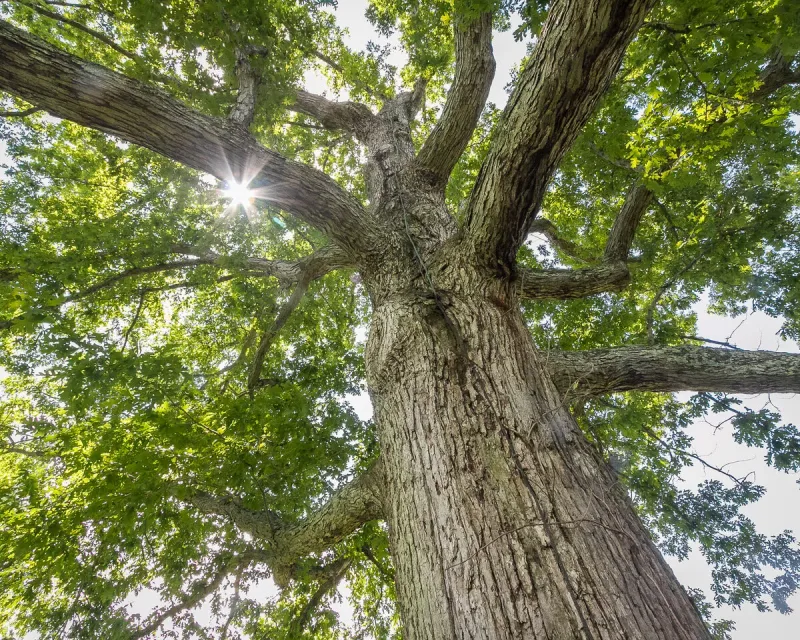
Watching a white oak grow is like watching a neighborhood slowly come alive with wildlife. Quercus alba is a native oak species found across Ohio, and OSU Extension recognizes it as a high-value native tree for yards with enough room.
White oak leaves support caterpillars from many moth and butterfly species, and its acorns are a crucial fall food source for deer, squirrels, turkeys, and many birds.
Connecting caterpillars to birds is not a stretch here. Research from Tallamy’s lab shows that a yard with high caterpillar diversity gives nesting birds a much better chance of successfully raising young.
White oak contributes to that chain directly. The tree does take time, but the investment pays off across decades.
Practical planning matters before planting. White oak can reach 60 to 80 feet tall with a wide canopy spread, so it needs open space away from buildings, driveways, and overhead utility lines.
Your Ohio Garden Changes Every Week. Your Plan Should Too.
Gardening in Ohio changes quickly throughout the season. Every Friday you’ll receive a simple weekly plan showing exactly what to plant, prune, fertilize, harvest, and protect so you never miss the right timing.
University extension guidance recommends checking soil drainage and avoiding low-lying spots that stay wet for long periods. Young trees benefit from deep watering during dry spells in the first two to three growing seasons.
White oak is a legacy tree, not a quick fix, but few plantings offer more long-term wildlife value.
3. Let Bur Oak Feed More Than Acorns
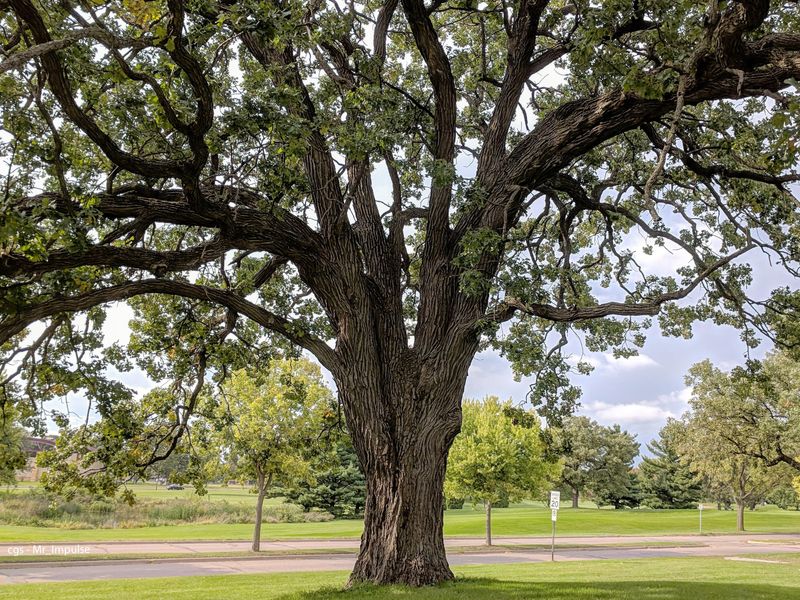
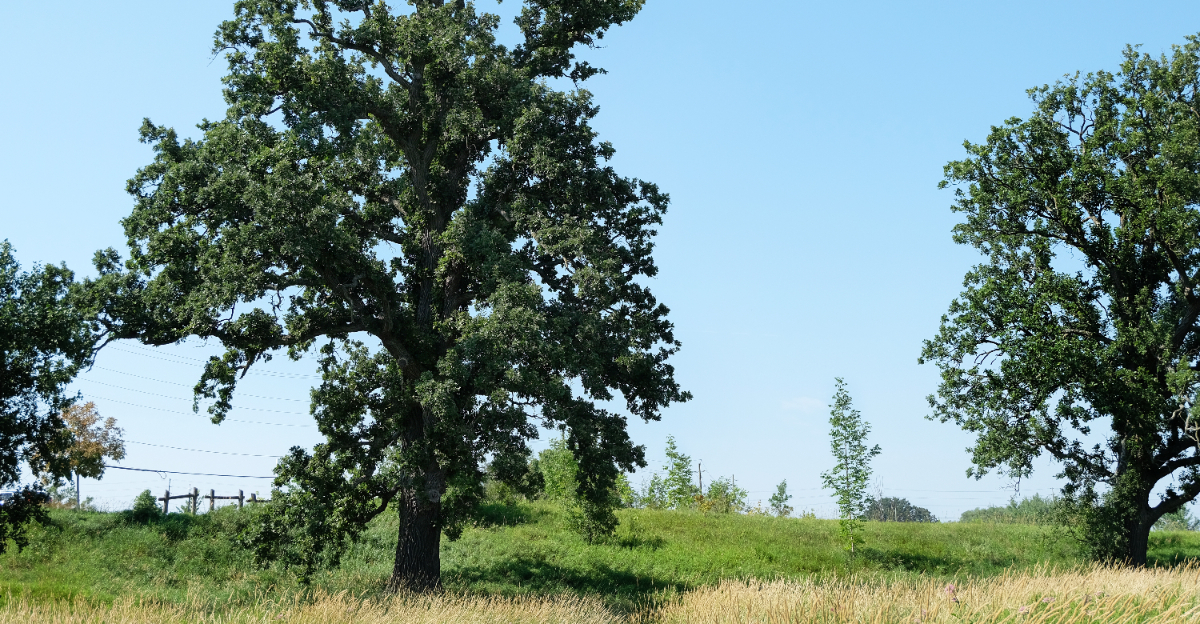
Few trees look as ancient and grounded as a bur oak standing alone in an open field. Quercus macrocarpa is native to much of the Midwest, including many parts of the Buckeye State.
The Ohio Department of Natural Resources notes its presence across a range of habitats. Most people know bur oak for its oversized, fringed acorn caps, but the leaves deserve equal attention.
Those leaves support caterpillars from numerous moth and butterfly species, quietly feeding the local food web all season long.
Bur oak earns a reputation for toughness. It tolerates a wider range of soil conditions than some other oaks and handles periods of heat and drought reasonably well once established.
That resilience makes it a practical choice for open yards and larger properties where other oaks might struggle.
Size is a real consideration. Bur oak can grow 60 to 80 feet tall or more over time, with a broad canopy spread.
Gardeners should check mature height, spread, soil needs, and potential conflicts with overhead utilities before planting. Mulching around the base and watering young trees during the first few summers helps with establishment.
Bur oak is part of the wider native oak powerhouse, not a single-species champion by itself, but a genuinely strong addition to any property with enough space.
4. Choose Swamp White Oak For Tough Yards
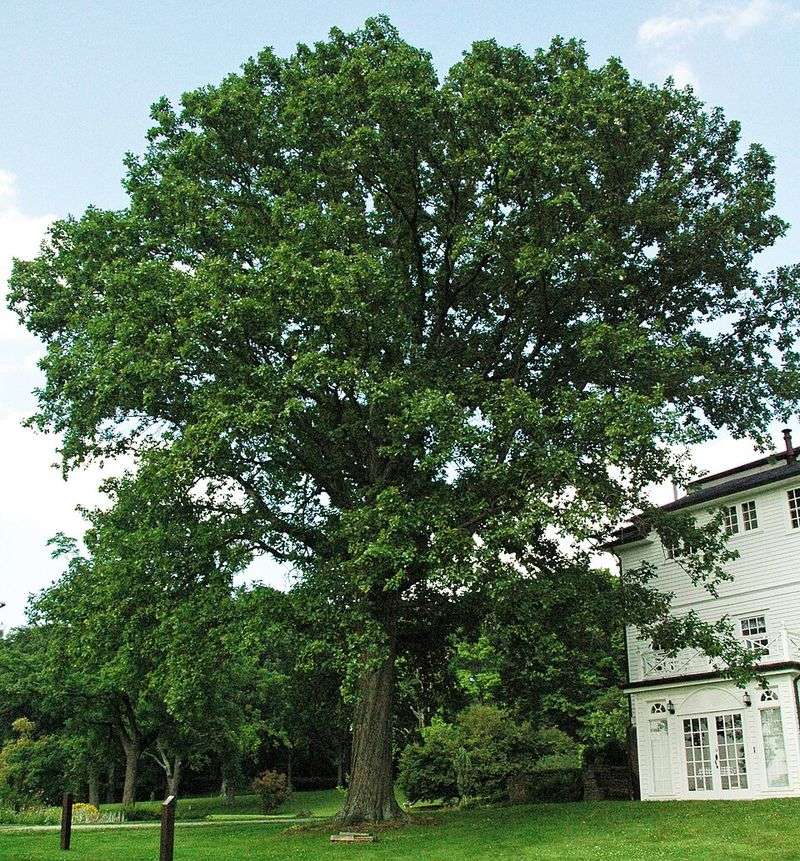
Not every yard has perfect drainage, and that is where swamp white oak steps in as a practical native option.
Quercus bicolor is an Ohio native oak species recognized by OSU Extension as tolerating heavier soils and sites with periodic moisture better than some other oaks.
Homeowners with clay-heavy soil or a low spot that collects water after rain often struggle to find trees that actually thrive. Swamp white oak fits that niche reasonably well when planted correctly.
Its wildlife value follows the same pattern as other native oaks. The leaves support caterpillars from a variety of moth and butterfly species, and the acorns feed birds and mammals in fall.
Connecting a difficult yard spot to a productive wildlife habitat is a satisfying outcome for any homeowner willing to think long-term.
A few care points matter here. Swamp white oak does not mean the tree will survive in standing water year-round.
OSU Extension guidance recommends checking that drainage is adequate for tree establishment, even on wetter sites. Planting depth is important too.
Setting the root flare at or slightly above grade prevents crown rot over time. Give the tree enough horizontal space because it can spread 50 to 60 feet wide at maturity.
Water young trees during dry summer stretches, and avoid unnecessary pesticide applications near the root zone. Patience and proper placement make all the difference.
5. See Red Oak As A Backyard Food Web Engine
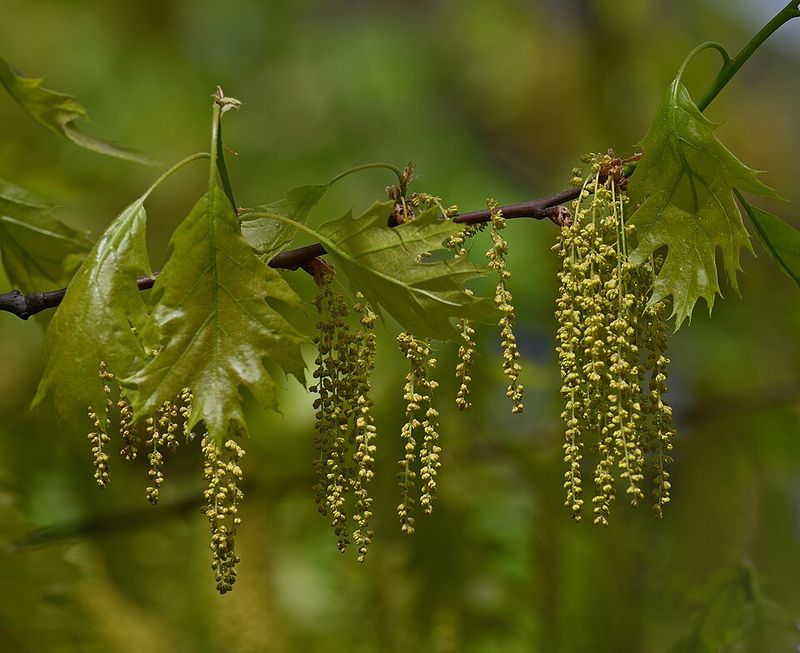
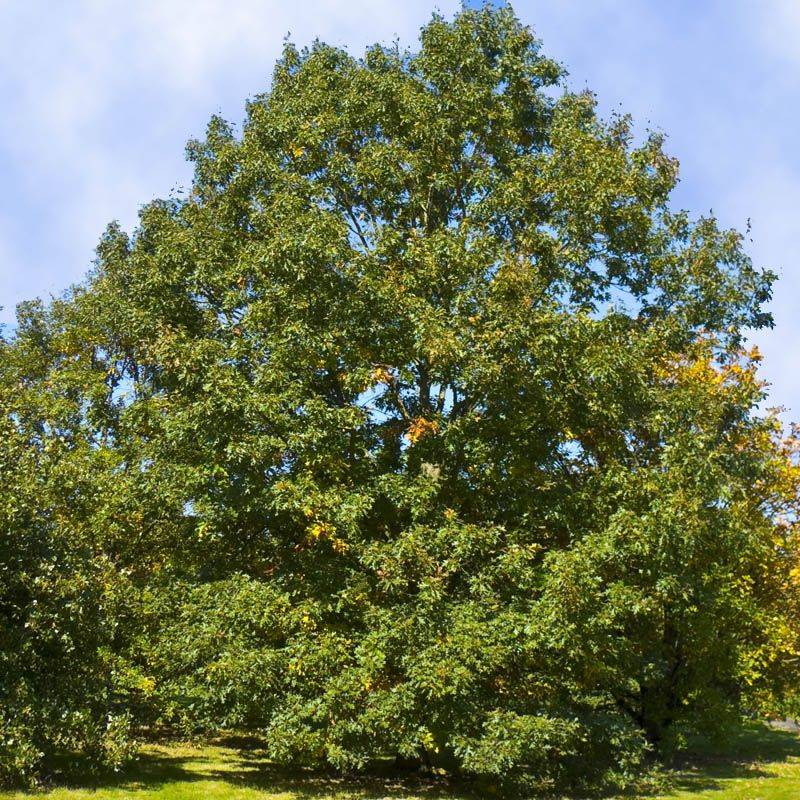
A yard with a red oak in it is never really quiet, even when nothing seems to be moving. Northern red oak, Quercus rubra, is one of the most widely distributed native oaks across Ohio, and its ecological role goes well beyond shade.
The leaves feed caterpillars from a broad range of moth and butterfly species throughout spring and summer. Those caterpillars become the protein that nesting birds, especially during the critical weeks when chicks hatch, absolutely depend on.
Red oak acorns ripen on a two-year cycle, which means a mature tree produces a reliable crop that supports deer, squirrels, blue jays, wild turkeys, and wood ducks. The bark and branches also shelter insects, cavity-nesting birds, and small mammals over time.
One tree, managed well, can anchor a meaningful backyard food web.
Practical care makes a real difference. Plant red oak in a sunny location with enough space for its canopy to spread 40 to 60 feet at maturity.
Protect young trunks from mower and string trimmer damage, which can create entry points for disease. University extension guidance recommends mulching a few inches deep around the base, keeping mulch away from the trunk itself.
Avoid broad pesticide sprays near the tree, since caterpillars are part of the system you are trying to support, not a problem to eliminate.
6. Keep Leaf Litter Where Caterpillars Can Finish Growing
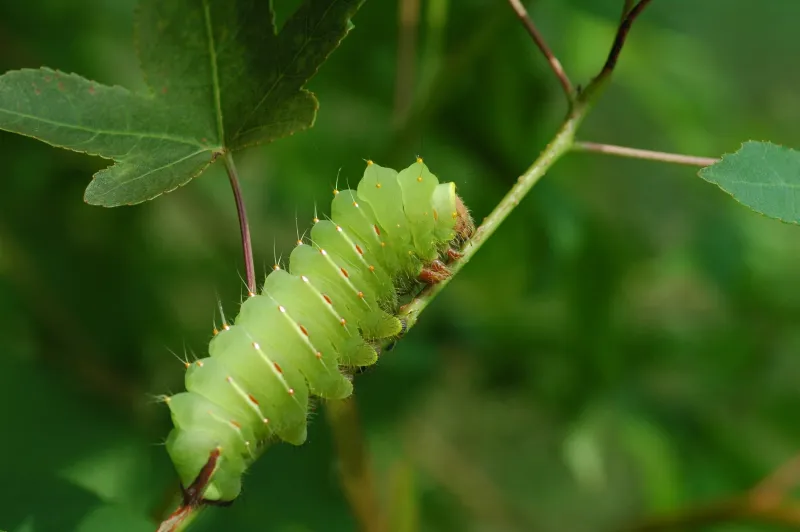
Raking every last leaf off the yard feels tidy, but it removes something that many caterpillars genuinely need to complete their life cycle. Many moth species spend part of their development in leaf litter, soil, or sheltered ground layers beneath trees.
The National Wildlife Federation and numerous extension sources explain that fallen leaves under oaks are not just debris. They are habitat.
Removing them entirely can reduce the number of adult moths and butterflies that emerge the following spring.
The practical approach is not to let the whole yard go wild. Strategic leaf management makes more sense.
Leaving a natural layer of leaves under the oak canopy gives caterpillars and other beneficial insects the cover they need. This works especially well in garden beds or along the back of the property.
Using fallen oak leaves as natural mulch in planting beds is a low-effort way to add habitat while keeping other areas neat.
Homeowners can create clear paths and tidy lawn edges while still protecting the ground layer under trees. Avoid blowing all leaves into the street or bagging them for removal if a better spot exists on the property.
Keep leaf piles away from areas where drainage could be blocked or where safety around walkways and driveways matters. A thoughtful balance between a maintained yard and a functioning habitat is entirely achievable with a little planning.
7. Skip The Lawn Ring Under Your Oak
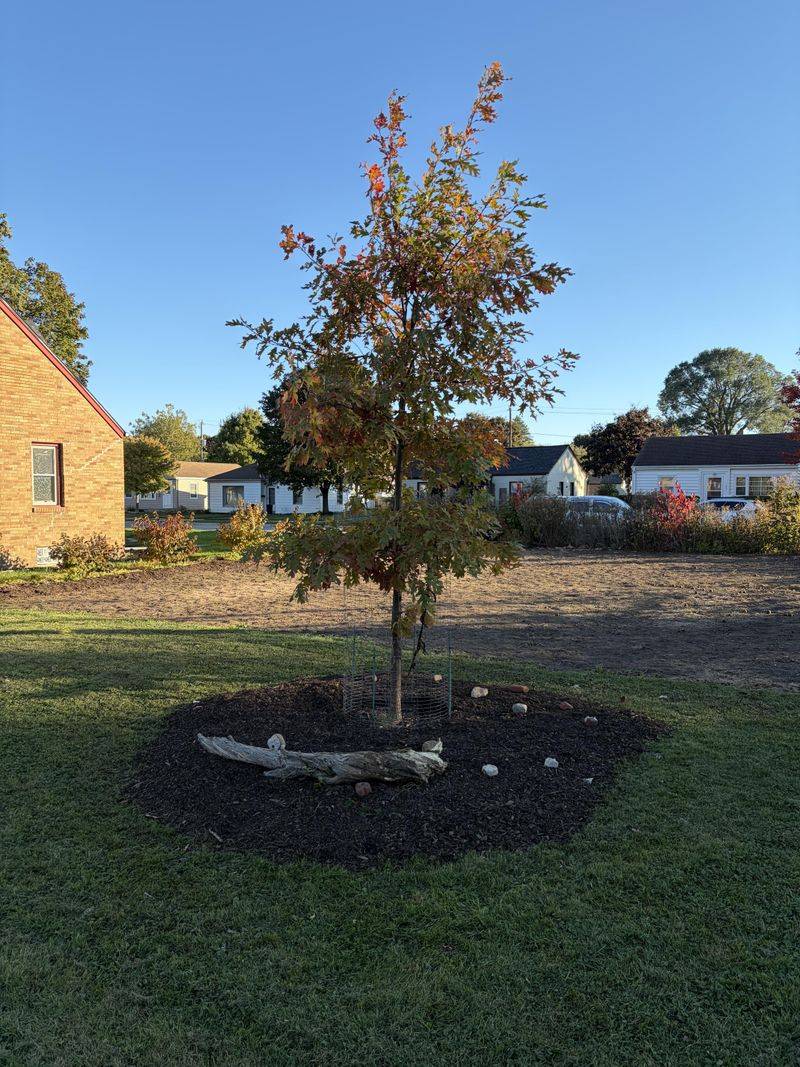
Close-mown turf growing right up to an oak trunk looks neat, but it does very little for the wildlife the tree is trying to support. Turfgrass under large trees competes for water and nutrients.
A mowed lawn provides almost no caterpillar habitat compared with a softer ground layer of leaves, native sedges, or shade-tolerant native plants.
Arboriculture guidance consistently notes that keeping grass away from tree trunks also reduces mechanical damage from mowers and string trimmers.
Replacing the lawn ring with a natural mulch zone or a planting bed of native shade plants is one of the more practical upgrades a homeowner can make. Fallen oak leaves that land in that zone can stay in place, adding to the habitat layer naturally.
Native sedges, wild ginger, or native ferns can fill in the space while tolerating the dry shade that mature oaks often create beneath their canopies.
A few rules protect the tree during this process. Avoid piling deep mulch against the trunk, since that traps moisture and can cause rot over time.
University extension guidance recommends keeping mulch a few inches away from the base and no deeper than two to four inches overall. Do not dig aggressively under established roots when adding plants, since root damage stresses mature trees.
A thoughtful planting zone under the canopy catches leaves, supports caterpillars, and makes the oak’s ecological role much more effective.
8. Turn One Tree Into A Whole Wildlife Nursery
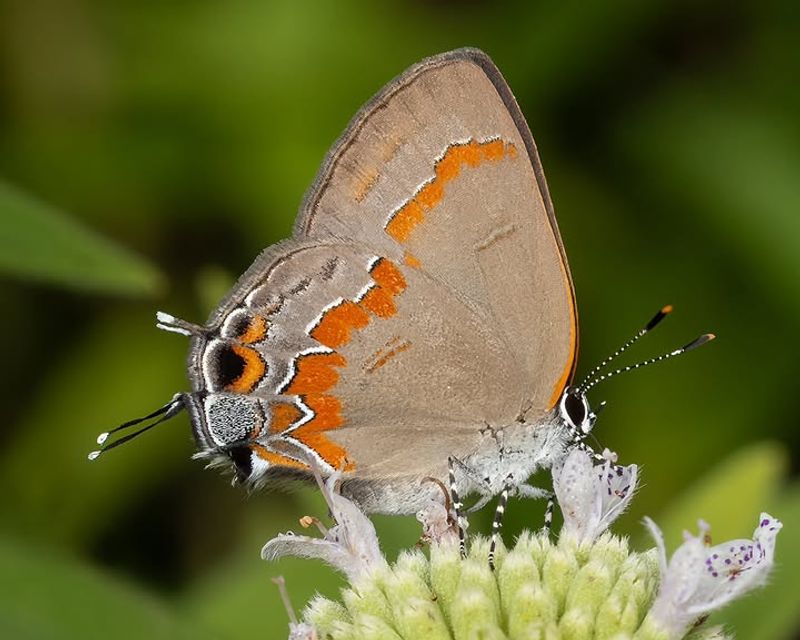
A single native oak, well cared for and surrounded by supportive planting, can quietly become the center of a living backyard nursery. Caterpillars feed on the leaves.
Birds hunt the caterpillars to feed their young. Acorns draw mammals and ground-feeding birds in fall.
Bark crevices shelter insects through winter. The food web that one oak anchors is genuinely impressive, but it builds over time, not overnight.
Supporting that web means making a few thoughtful choices around the tree. Adding native shrubs like serviceberry or native viburnums nearby gives birds more foraging and nesting options.
Native perennials under the canopy extend the bloom season for pollinators and add another layer of insect diversity.
Reducing or eliminating broad pesticide use in the area keeps the caterpillar population intact, since that is the foundation the whole food web rests on.
Protecting existing native oaks is just as important as planting new ones. A mature oak that has stood for decades already supports far more life than a newly planted sapling.
If space allows, adding a young native oak now means building habitat for the next generation of wildlife and people alike. The National Wildlife Federation describes keystone plants like native oaks as essential anchors for backyard ecosystems.
A native oak is not just a tree. It is the beginning of a living nursery that grows more valuable with every passing year.