Keep These 13 Plants Away From Your Blueberries Before They Quietly Undo All Your Effort
Blueberries reward the gardeners who get their growing conditions exactly right and punish everyone else with weak production and plants that never quite reach their potential.
Most growers focus on soil pH, variety selection, and watering when troubleshooting poor performance, and those factors matter enormously.
What rarely gets examined is what is growing immediately around the blueberry bushes and what those neighboring plants are doing to the soil chemistry, moisture availability, and root environment that blueberries depend on so specifically.
These plants show up repeatedly in struggling blueberry plantings, and removing them consistently produces noticeable improvement in plant vigor and fruit production.
Some of them are common garden favorites that nobody would suspect of causing any harm at all.
1. Rhododendron
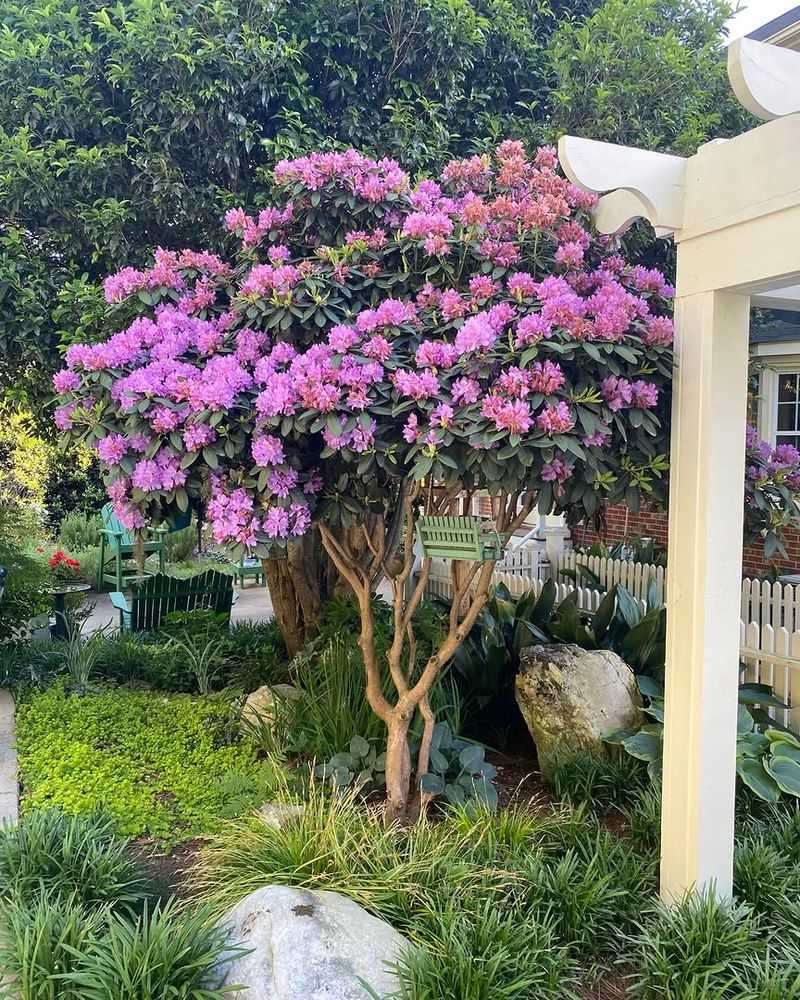
Rhododendrons are stunning shrubs, and it might feel natural to pair them with blueberries since both love acidic soil.
The problem is that this shared preference actually puts them in direct competition.
When two plants want the same nutrients from the same type of soil, one of them usually loses out, and with blueberries being the smaller, less aggressive plant, they tend to be the ones that suffer.
The root systems of rhododendrons spread wide and shallow, covering a lot of ground and soaking up moisture before blueberry roots even get a chance.
On top of that, their thick, waxy leaves create a dense canopy that blocks sunlight, which blueberries need for at least six to eight hours each day to produce a strong crop.
Rhododendrons can grow quite large, sometimes reaching ten feet tall or more, which only makes the shading problem worse over time.
Gardeners in North Carolina should keep rhododendrons at least ten to fifteen feet away from blueberry beds.
If you already have them planted closer, consider adding a root barrier or pruning regularly to reduce competition.
Your blueberries will reward you with far better fruit production when they have their own space to thrive without fighting for resources.
2. Azalea
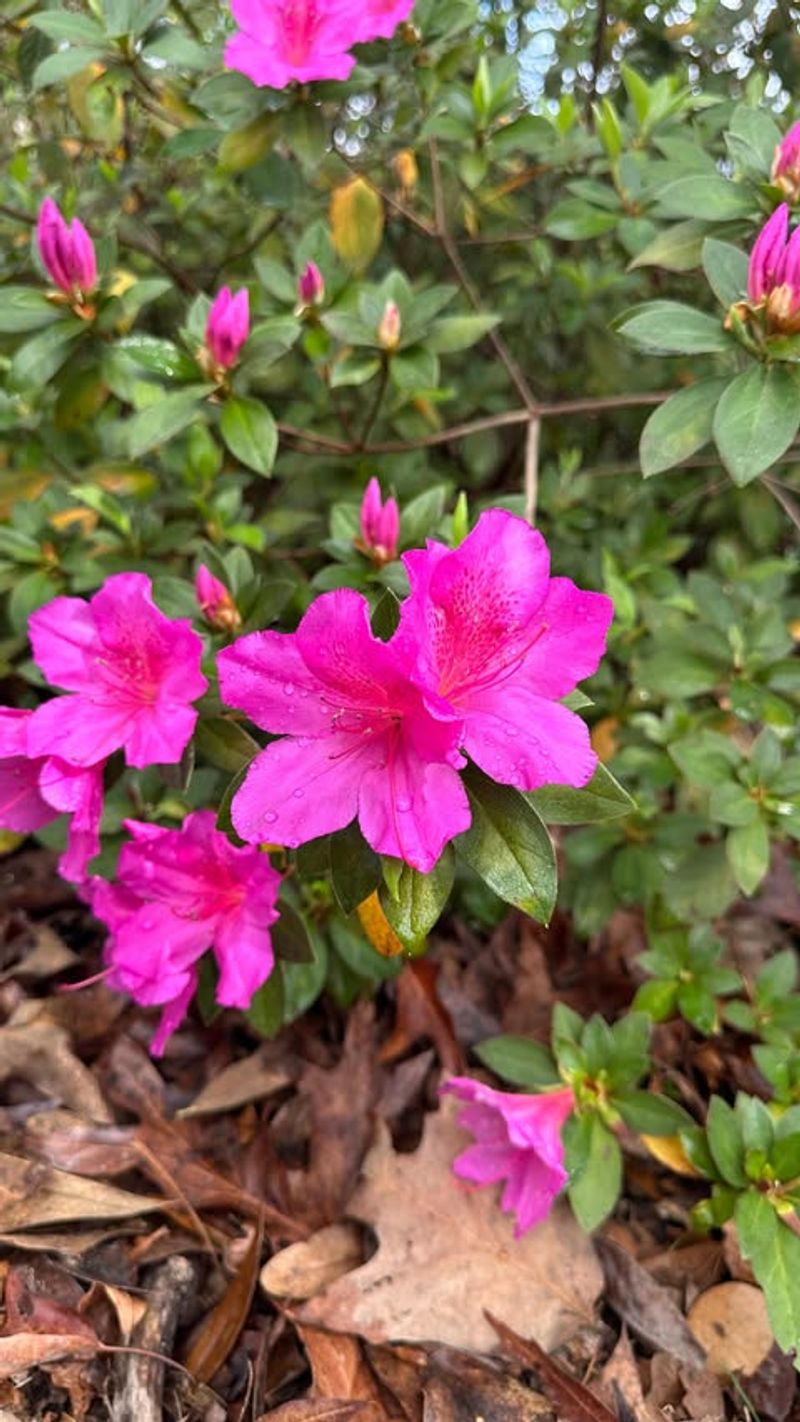
Azaleas are one of the most beloved flowering shrubs in Southern gardens, and their gorgeous blooms make them hard to resist.
However, placing them too close to your blueberry patch creates a quiet but serious problem.
Like rhododendrons, azaleas belong to the same plant family and share nearly identical soil and nutrient preferences, which means they compete fiercely for the same resources underground.
Blueberries need consistent moisture and a steady supply of nutrients like iron, manganese, and nitrogen from acidic soil.
Azaleas, with their vigorous root systems, can pull these resources away faster than blueberries can absorb them.
The result is often stunted blueberry growth, fewer blossoms, and a noticeably smaller harvest, even when you fertilize regularly.
The dense branching habit of azaleas also reduces airflow around nearby plants, which can increase the risk of fungal issues on your blueberry bushes.
In North Carolina, where humidity is already high during growing season, poor air circulation is something you really want to avoid.
A safe planting distance of at least eight to ten feet gives both plants room to grow without interfering with each other.
Your North Carolina Garden Changes Every Week. Your Plan Should Too.
Gardening in North Carolina changes quickly throughout the season. Every Friday you’ll receive a simple weekly plan showing exactly what to plant, prune, fertilize, harvest, and protect so you never miss the right timing.
If space is limited, use raised beds or physical root barriers to keep your blueberries protected and well-supplied with everything they need to produce abundantly.
3. Pine Trees
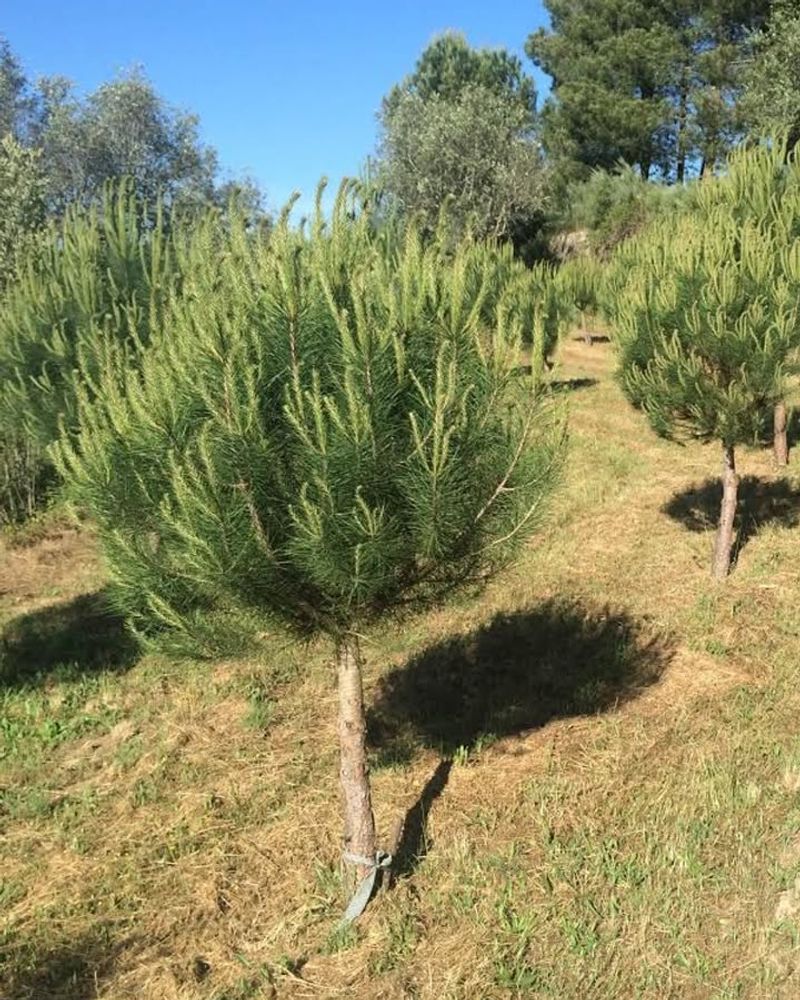
Pine trees have a reputation for making soil more acidic, which might sound like a good thing for blueberries.
The catch is that pine needles lower pH gradually and inconsistently, and the dense shade created by mature pines is far more harmful than any minor soil benefit.
Blueberries need sunlight, and a pine canopy blocks a significant portion of it throughout the growing season.
Beyond shade, pine trees develop thick, wide-spreading root systems that compete directly with blueberry roots for water and nutrients.
During dry summer months in North Carolina, this competition can stress blueberry plants enough to reduce flowering and fruit set significantly.
Pine roots are also known for releasing certain compounds into the soil that may interfere with the growth of nearby plants.
The buildup of pine needle litter on the ground creates another challenge.
While a light layer can serve as mulch, a heavy accumulation compacts over time and can block water from reaching blueberry roots effectively.
Managing this litter around your blueberry beds becomes an ongoing chore if pines are planted too close.
A buffer of at least fifteen to twenty feet between pine trees and blueberry bushes is a practical starting point.
For existing pines that are already nearby, regular raking and trimming lower branches to let more light through can help reduce some of the negative effects on your berry plants.
4. Japanese Maple
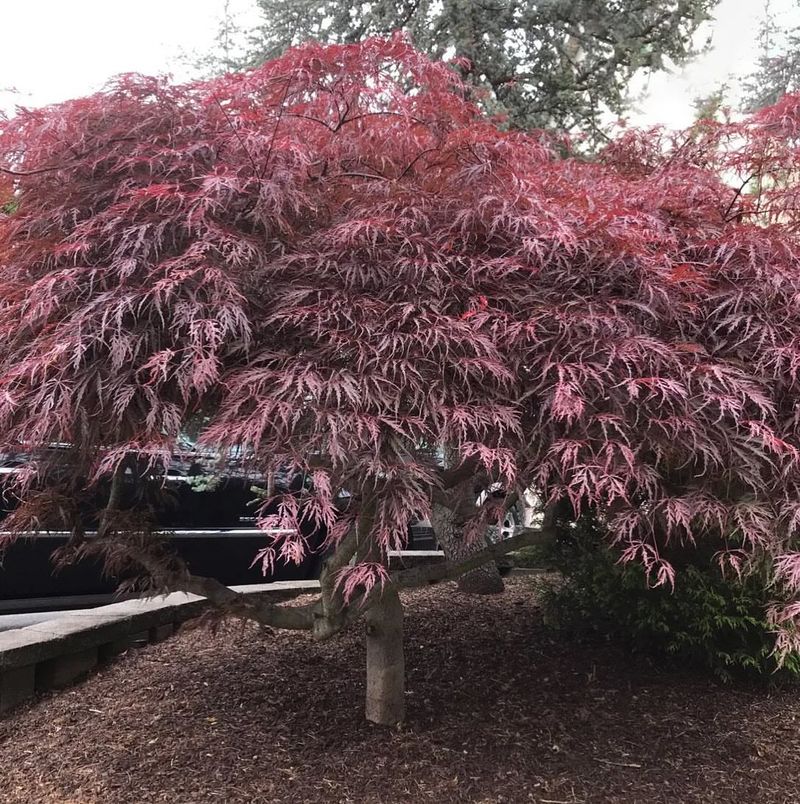
Japanese maples are absolutely stunning ornamental trees, and many gardeners understandably want them featured prominently in their landscape.
Their delicate, lacy foliage and striking colors make them a popular choice.
The issue arises when they are planted too close to blueberry bushes, because even though Japanese maples stay relatively small compared to oaks or pines, they still create meaningful competition for water and light.
During the warmer months, a Japanese maple leafs out fully and can cast enough shade to limit the sunlight your blueberries receive, especially in the morning hours when light is most valuable for fruit development.
Their root systems, while not as aggressive as bamboo or oak, still spread and absorb moisture from the surrounding soil.
In a dry summer, that shared moisture demand can noticeably stress your blueberry plants. Japanese maples also prefer moist, well-drained, slightly acidic soil, which is essentially the same environment blueberries thrive in.
Planting them side by side sets up an ongoing competition that your blueberries are unlikely to win.
Keeping Japanese maples at least eight to twelve feet away from your blueberry beds is a smart move.
Positioning them on the north or east side of your garden ensures their shade falls away from the berry plants rather than over them.
With thoughtful placement, you can enjoy both plants without sacrificing your fruit harvest.
5. Boxwood
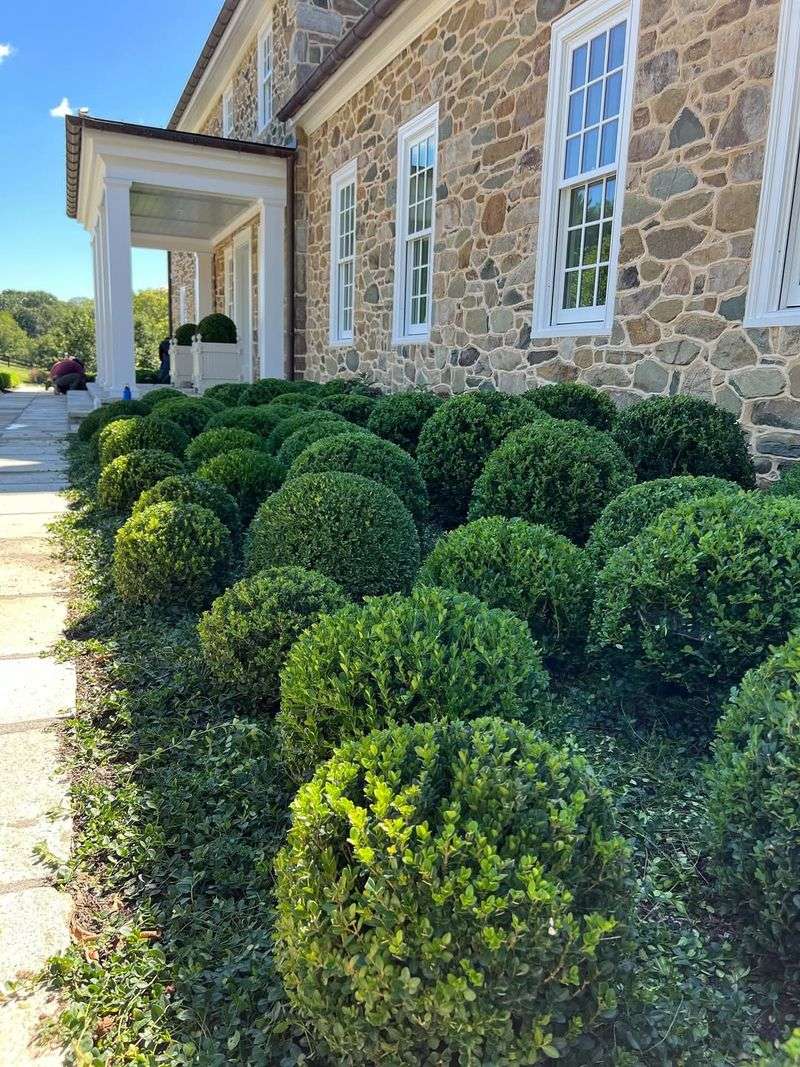
Boxwoods are a staple in formal garden designs, and their neat, tidy appearance makes them popular for hedges and borders.
However, placing them near blueberry bushes introduces a set of problems that are easy to overlook at first.
Their dense, compact growth blocks airflow around neighboring plants, and in humid climates like North Carolina, poor air circulation is a recipe for fungal trouble.
Blueberries are already somewhat susceptible to fungal diseases like mummy berry and botrytis blight.
When boxwoods crowd nearby and reduce the movement of air around the berry plants, moisture lingers on leaves and stems longer than it should, creating ideal conditions for these diseases to take hold.
Once a fungal problem starts, it can spread quickly and affect your entire planting. Boxwoods also compete for light, particularly when grown as a hedge that gradually rises in height over the years.
Their shallow root systems extend outward and can overlap with blueberry roots, pulling away water and nutrients from the surrounding soil.
Pests like spider mites and scale insects that commonly affect boxwoods can also migrate to nearby blueberry plants.
Maintaining at least six to eight feet of space between boxwood plantings and your blueberry beds helps reduce these risks.
Regular pruning to keep boxwoods from growing too tall near your berries is also a worthwhile habit to build into your seasonal garden routine.
6. Holly
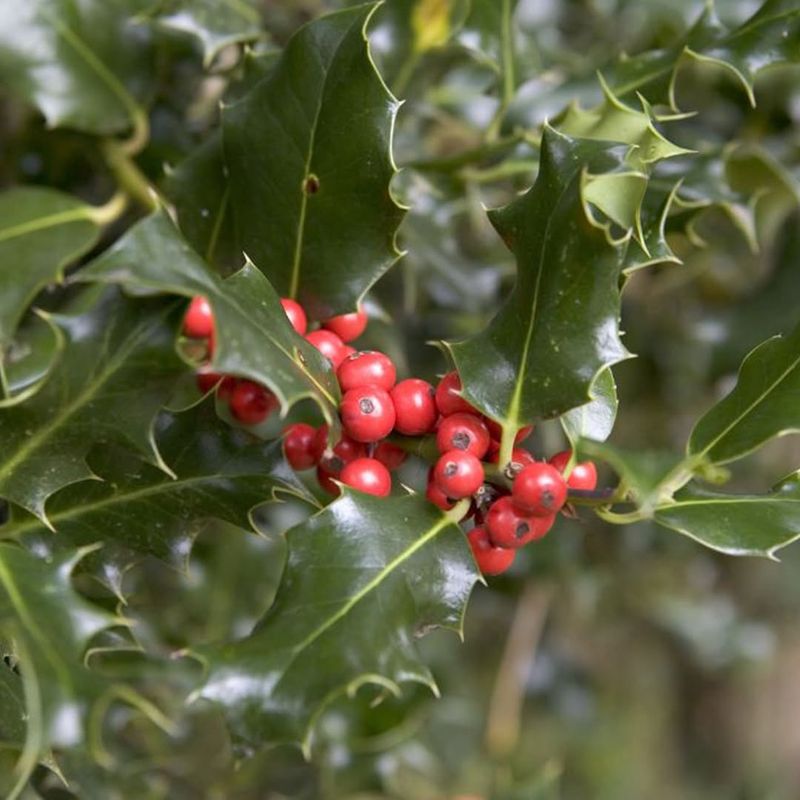
Holly shrubs are a familiar sight in North Carolina gardens, valued for their glossy green leaves and cheerful red berries.
What many gardeners do not realize is that holly plants have a surprisingly aggressive root system that spreads wide and competes effectively for soil moisture and nutrients.
When planted near blueberries, they can quietly outpace the berry plants underground without any visible signs until your harvest starts to shrink.
The dense foliage of larger holly varieties also creates significant shade, especially when the shrubs mature and fill in completely.
Blueberries planted on the shaded side of a holly can lose hours of valuable sunlight each day, which directly impacts flower bud development and fruit production.
Reduced light over multiple seasons leads to progressively weaker plants that produce fewer and smaller berries. Another concern is the increased risk of fungal disease.
Holly shrubs trap humidity beneath their canopy, and that moist, still air environment can encourage fungal spores to spread to nearby plants.
In North Carolina’s warm, humid summers, this is a particularly real risk for blueberry growers.
Keeping holly shrubs at least ten feet away from your blueberry beds is a reasonable guideline.
If you have established hollies nearby, pruning them to open up the canopy and improve airflow can help reduce some of the negative impact on your berry plants during the growing season.
7. Bamboo
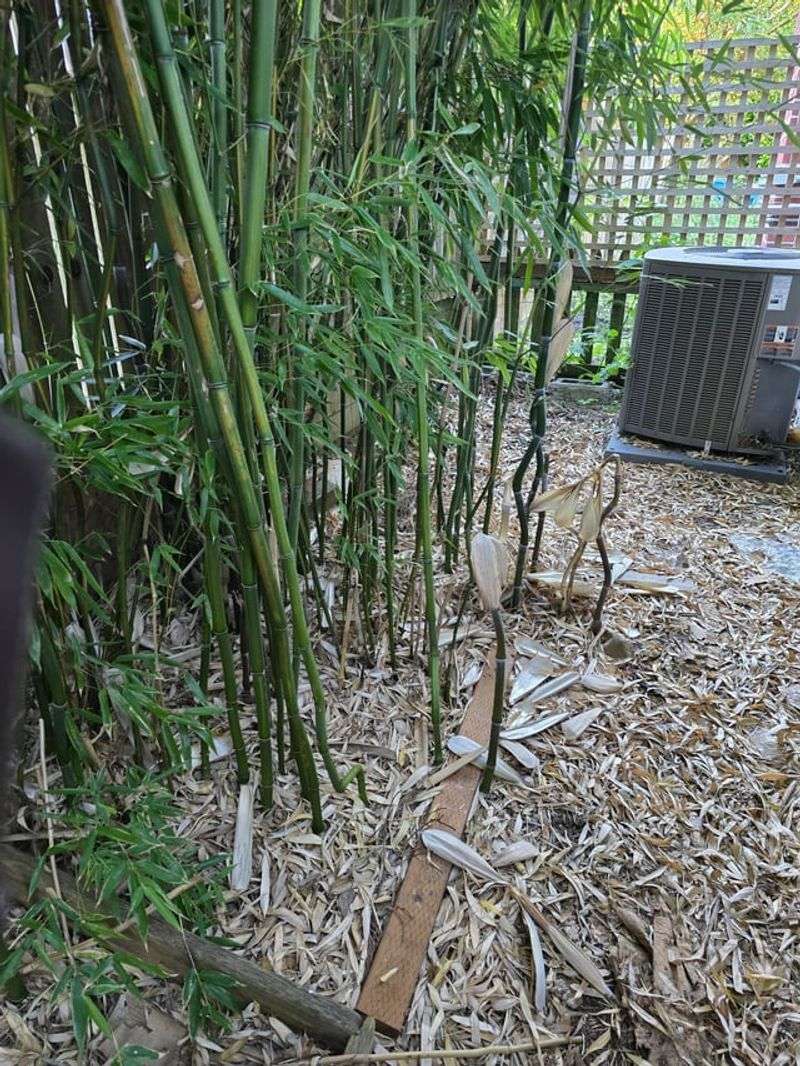
Few plants in the garden world spread as aggressively as running bamboo.
What starts as an attractive screen or accent planting can quickly become an invasive nightmare, sending underground rhizomes in every direction at a speed that surprises even experienced gardeners.
If running bamboo is anywhere near your blueberry patch, it is only a matter of time before it starts encroaching on that space.
Bamboo rhizomes can travel ten feet or more in a single growing season, and they push through soil with remarkable force, displacing the roots of whatever plants happen to be in their path.
Blueberry roots, which tend to be shallow and spread outward rather than deep, are especially vulnerable to this kind of root competition.
Once bamboo rhizomes invade a blueberry bed, removing them without disturbing the berry plants is extremely difficult.
The tall canes of bamboo also create substantial shade, and their dense leaf canopy reduces sunlight reaching nearby plants significantly.
Even clumping bamboo varieties, while less aggressive, can still compete for water and nutrients if planted within five feet of blueberry bushes.
For running bamboo, a safe distance of at least twenty to thirty feet is strongly recommended.
Installing a root barrier made from thick high-density polyethylene at least thirty inches deep is an effective containment strategy if you want bamboo and blueberries in the same general garden area.
8. Daylilies
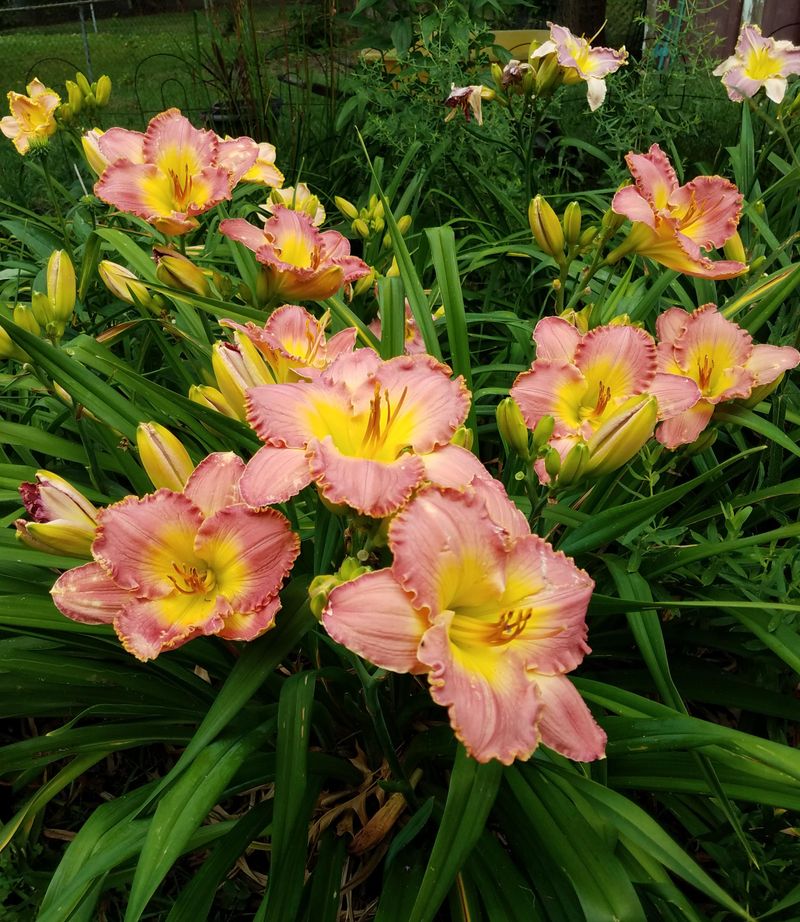
Daylilies are cheerful, low-maintenance perennials that many gardeners rely on to fill in borders and garden beds with minimal effort.
Their vibrant blooms and easy-going nature make them a go-to choice for busy homeowners.
But park them too close to your blueberry bushes, and you will start noticing the berry plants struggling without an obvious reason.
Daylilies spread steadily each year, sending out new fans of foliage that gradually take over more and more ground.
In just a few seasons, a small clump can expand into a dense mass that crowds out neighboring plants.
Blueberry roots, which need consistent access to nutrients and moisture in their immediate zone, get squeezed out as daylily roots fill the surrounding soil.
The foliage of daylilies is also surprisingly tall and leafy, especially in peak summer growth.
When planted on the sunny side of blueberry bushes, their leaves can block morning light and reduce the total hours of sun your berries receive.
Blueberries that are shaded during early morning hours often show reduced flowering and smaller fruit clusters.
Keeping daylilies at least four to five feet away from blueberry plants is a practical minimum.
Better yet, use them as a border plant along the far edges of your garden where they can spread freely without interfering with your berry production.
Dividing clumps every two to three years also helps keep them from expanding too aggressively.
9. Hostas
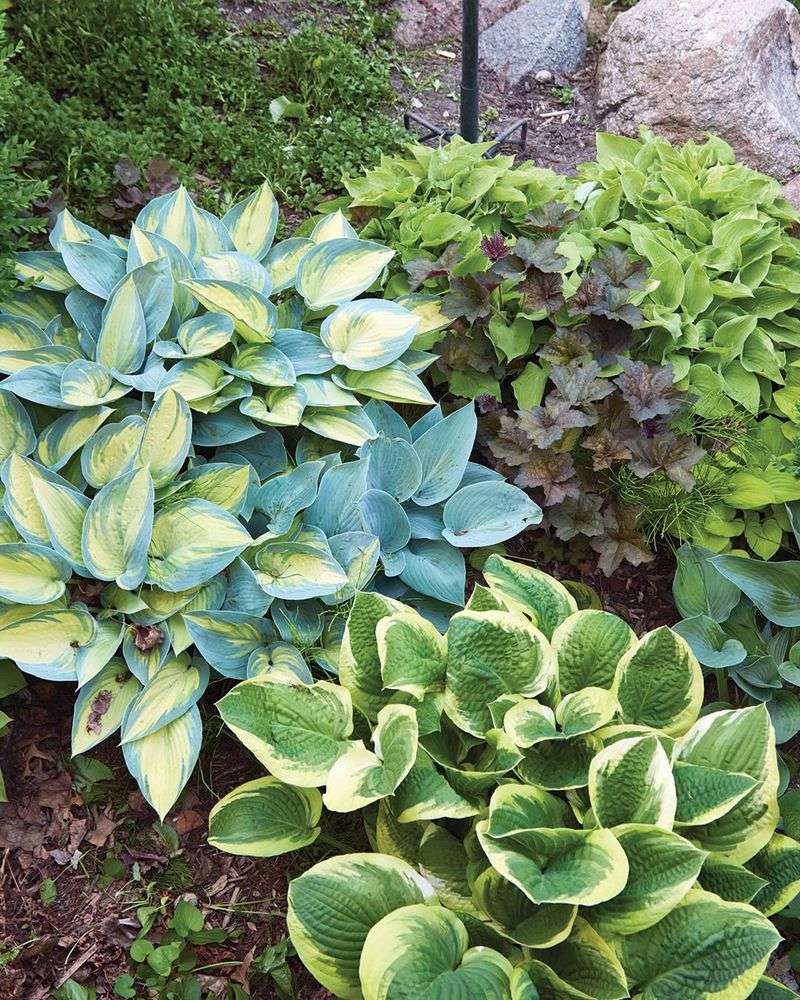
Hostas are a shade garden favorite, celebrated for their bold, architectural foliage and easy care.
They look gorgeous under trees and along shaded pathways, but putting them near blueberry plants introduces a couple of problems worth taking seriously.
The biggest issue is their enormous leaves, which can drape over and shade young blueberry plants, cutting off the light they need during critical growth periods.
Young blueberry plants are particularly sensitive to shading in their first few years.
When hostas grow nearby and their large leaves expand outward, they can easily overshadow smaller berry plants and slow their establishment significantly.
Even mature blueberry bushes can be affected if hostas are planted densely enough to reduce airflow and sunlight around the base of the shrubs. Slugs are another real concern.
Hostas are well-known for attracting slug populations, and once slugs establish themselves in the moist, sheltered environment beneath hosta leaves, they do not stay put.
They move to nearby plants, including blueberries, and feed on tender new growth, young leaves, and even developing fruit.
Managing a slug problem in a mixed planting is far more challenging than simply keeping hostas at a safe distance.
A spacing of at least five to six feet between hostas and blueberry plants reduces both the shading problem and the likelihood of slug migration.
Using copper tape or diatomaceous earth around blueberry beds also helps if hostas are already nearby.
10. Dogwood Trees
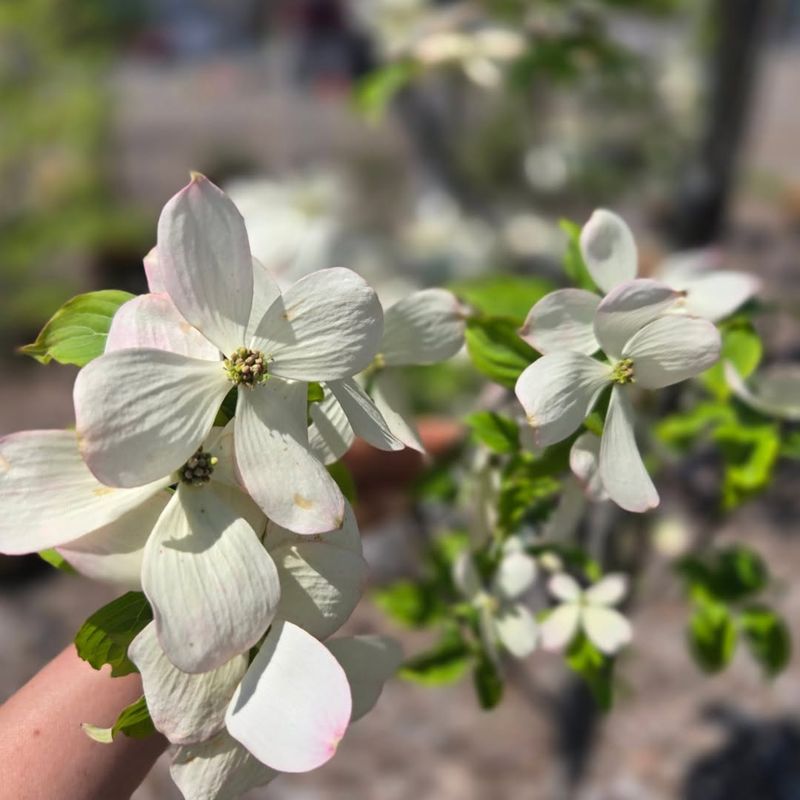
Dogwood trees are one of the most iconic flowering trees in North Carolina, and their spring blossoms are genuinely breathtaking.
Homeowners often want them front and center in their landscape, which sometimes means they end up near the vegetable or fruit garden.
When a dogwood grows close to blueberry bushes, the competition for soil moisture becomes a significant issue, especially during dry spells.
Dogwoods have fibrous, wide-spreading root systems that are highly efficient at absorbing water from the surrounding soil.
Blueberries share a similar root zone depth, which means both plants are reaching into the same layer of soil for moisture at the same time.
During a dry summer in North Carolina, this competition can stress your blueberry plants enough to reduce flowering and significantly lower fruit set for that season.
The dappled shade that dogwoods create is less severe than what oaks or pines produce, but it is still enough to limit blueberry productivity, particularly if the tree is positioned to the south or west of your berry patch.
Dogwoods also prefer moist, well-drained, slightly acidic soil, putting them in direct competition with blueberries for the same ideal growing conditions.
Planting dogwoods at least fifteen feet away from blueberry beds is a smart precaution.
Positioning them to the north of your garden allows you to enjoy their beauty without their canopy interfering with your berry plants’ sun exposure.
11. Hydrangea
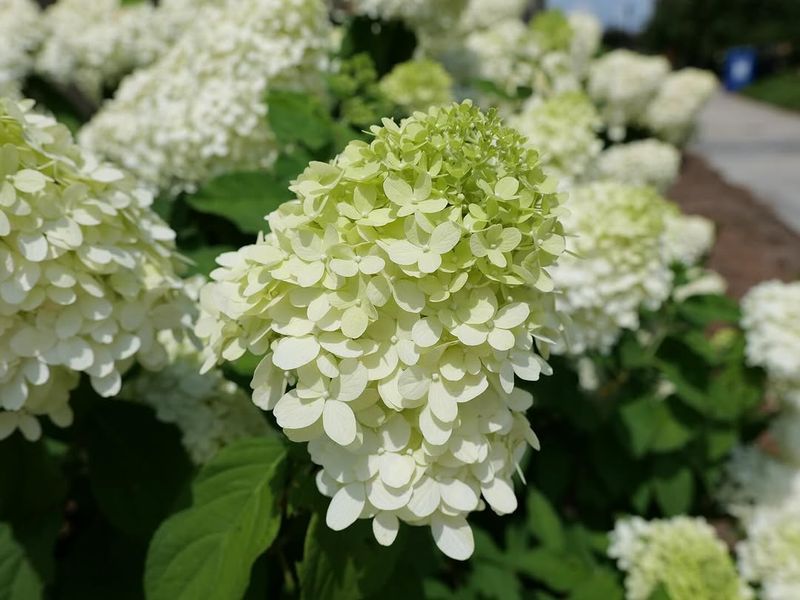
Hydrangeas bring incredible color and volume to a garden, and their large, showy flower heads make them one of the most popular shrubs in the South. The problem is that hydrangeas are thirsty plants.
They demand a consistent and generous water supply to maintain their lush foliage and big blooms, and when they grow near blueberries, both plants end up fighting for the same moisture in the soil.
During hot, dry summers in North Carolina, water stress hits blueberry plants hard. Reduced moisture leads to smaller fruit, premature fruit drop, and weakened plants that are more vulnerable to pest pressure.
When a nearby hydrangea is drawing heavily from the same water supply, the stress on your blueberries compounds quickly.
Even with regular irrigation, keeping up with the combined water demand of both plants in a shared root zone is challenging.
Hydrangeas also develop dense, spreading root systems that can overtake the soil around blueberry roots, reducing their access to nutrients over time.
Their large leaves create shade that can limit sunlight reaching nearby berry plants, particularly in the afternoon hours.
Keeping hydrangeas at least eight to ten feet away from blueberry beds is a reasonable guideline.
If you want both in your garden, consider placing hydrangeas in a separate bed with their own dedicated irrigation zone so they do not compete with your blueberries for water or nutrients throughout the season.
12. Sweetgum
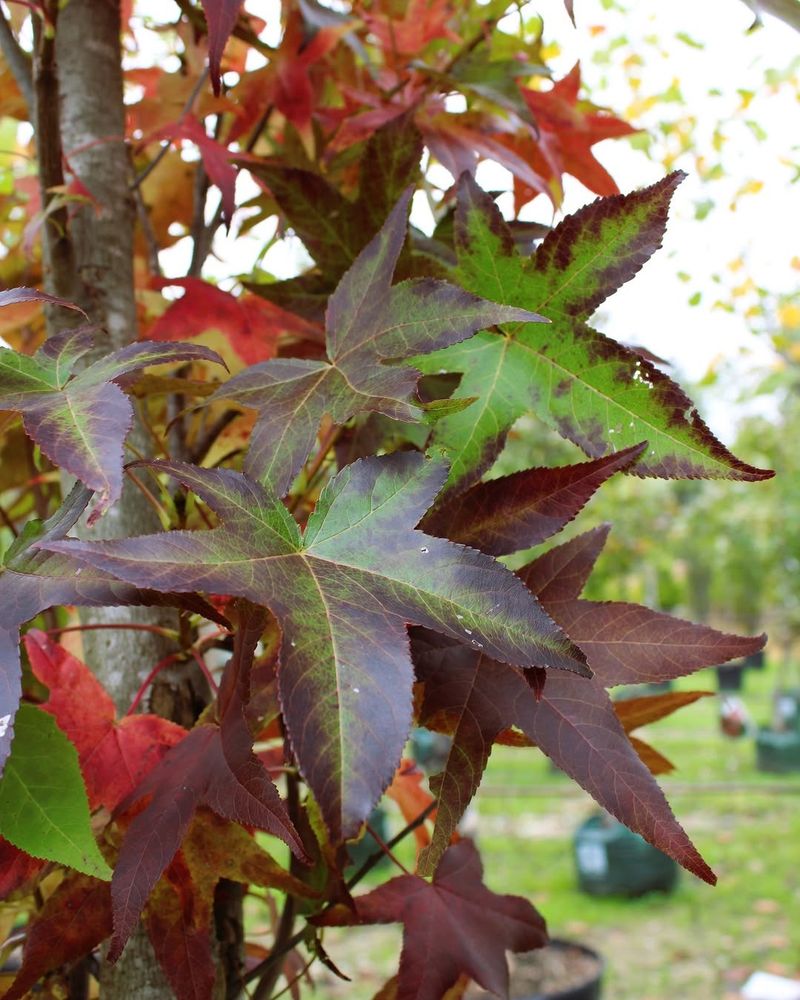
Sweetgum trees are a common sight across North Carolina, recognizable by their star-shaped leaves and the spiky seed balls they drop by the hundreds.
While they offer beautiful fall color, having one near your blueberry patch creates a whole set of problems that go beyond just picking up those prickly seed balls every autumn.
Sweetgum trees grow large and fast, and their canopy expands quickly enough to shade a significant portion of your garden within just a few years. The root system of a sweetgum is extensive and aggressive.
These roots spread far beyond the drip line of the tree, competing with nearby plants for water and soil nutrients over a wide area.
Blueberry bushes planted within that root zone often show signs of stress, including slower growth, fewer flowers, and reduced fruit production, without any obvious cause until you consider what is happening underground.
Sweetgum leaves also break down slowly after they fall, and a heavy accumulation can create a dense layer that affects soil conditions around nearby plants.
The decomposing leaves can alter moisture levels and temporarily tie up nitrogen in the soil as they break down.
Keeping blueberry beds at least twenty to twenty-five feet away from established sweetgum trees is a wise move.
If relocation is not possible, consistent mulching with wood chips and regular fertilization can help offset some of the nutrient competition your blueberries face.
13. Magnolia
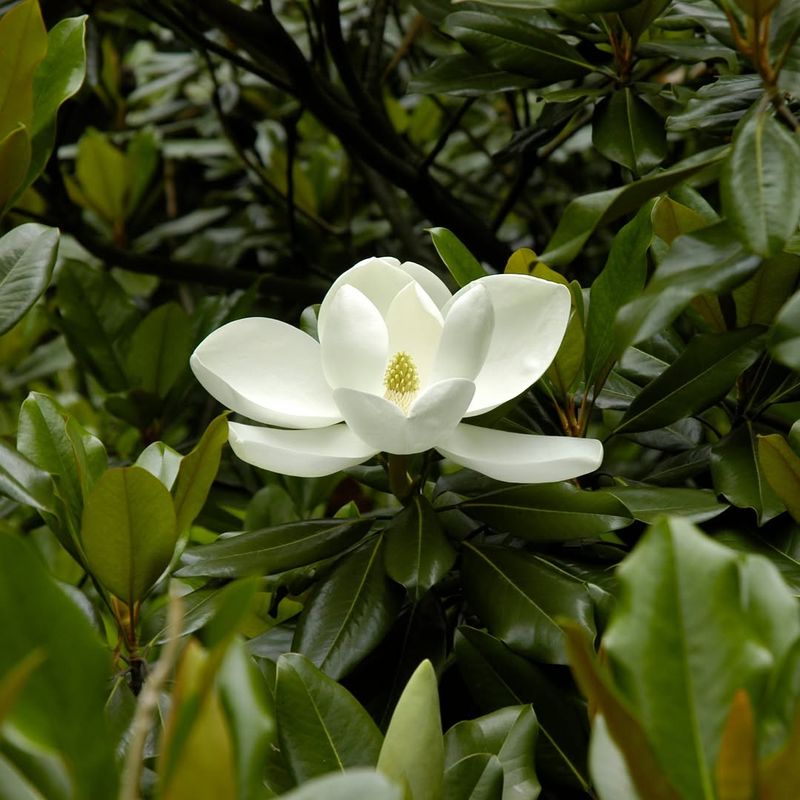
Southern magnolias are iconic trees in North Carolina, and their creamy white blooms and glossy evergreen leaves give any landscape a stately, timeless feel.
However, planting one anywhere near your blueberry garden is a decision you might regret once the tree matures.
Magnolias develop enormous canopies that cast deep, consistent shade over a wide area, and blueberries simply cannot produce well without abundant direct sunlight.
The shade problem with magnolias is compounded by the fact that they are evergreen, meaning they block light year-round rather than just during summer.
Even in late winter and early spring when blueberry buds are beginning to swell and develop, a nearby magnolia is already cutting off sunlight.
This can delay or reduce early season growth and affect how many flowers your blueberry bushes set each year.
Magnolias also have large, leathery leaves that decompose very slowly, building up into a thick mat on the ground that can smother smaller plants and disrupt the soil environment around your blueberry roots.
Their water needs are substantial, and in periods of drought, they compete aggressively with neighboring plants for moisture.
A planting distance of at least twenty-five to thirty feet between magnolias and blueberry beds is strongly advisable.
For gardeners with an established magnolia already nearby, relocating blueberry bushes to a sunnier, more open part of the yard is often the most practical and effective long-term solution.