Do These 8 Things To North Carolina Lantana In July For Blooms Into October
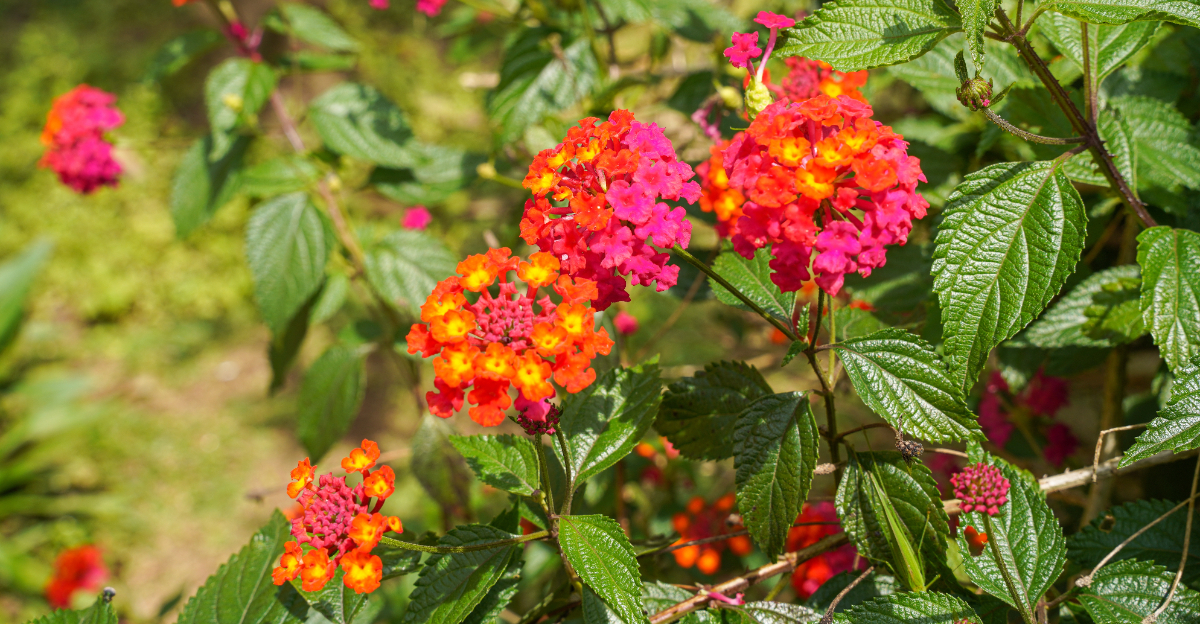
Your lantana looked amazing in June, but now it is slowing down, getting leggy, and dropping fewer flowers by the week.
Sound familiar?
Luckily, a few simple moves made in July can completely change the game for North Carolina gardeners, and none of them take more than fifteen minutes from start to finish.
A light trim at just the right moment, a deep watering, and a few small adjustments to how you manage the plant through the rest of summer can push your lantana into a second wind of color that lasts all the way through October.
That is weeks of brilliant blooms you would otherwise miss entirely.
Lantana is tough, sun-loving, and built for warm climates, but it does need a little help to stay at its best once midsummer heat settles in and the first flush of blooms starts to thin out.
The good news is that the help it needs costs you nothing but a pair of clean pruning shears, a garden hose, and about ten minutes in the garden.
North Carolina summers are long, and your lantana can fill every week of that season with color if you give it the right nudge at exactly the right time.
1. Give Lantana A Light July Shear
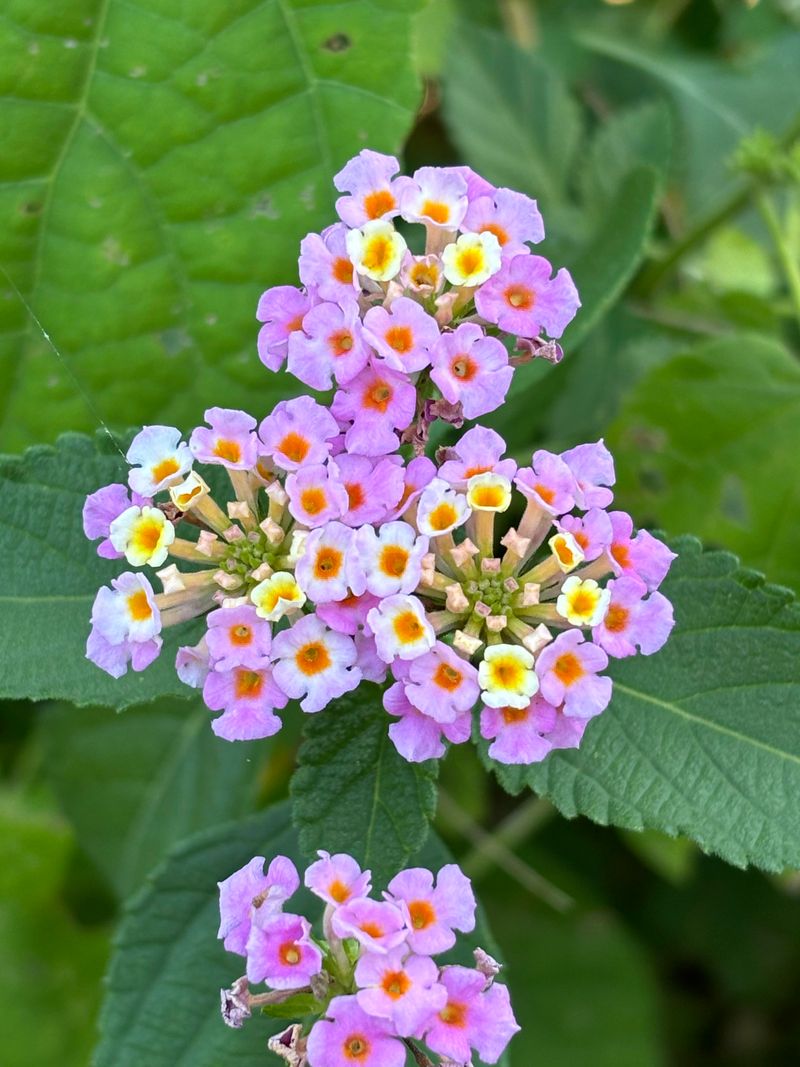
Timing is everything in the garden, and July is the sweet spot for lantana in North Carolina.
By midsummer, lantana plants often get long and straggly. The stems stretch out, the blooms thin out, and the whole plant can start to look tired even though it still has months of potential growing season left ahead of it.
A light shear in early to mid-July gives the plant a reset it badly needs.
Cut back about one-third of the plant’s overall length. No more than that. You are not trying to reshape the whole plant from scratch.
You are simply encouraging fresh new growth to push from the base and mid-stems where new flower buds will form.
North Carolina summers are long, warm, and humid, which actually works in your favor after a July trim.
The heat pushes the plant to regrow fast. Within two to three weeks of trimming, you will see fresh green shoots appearing all over the plant.
Those shoots carry the flower buds that will open through August, September, and right into October.
Lantana is a bloom machine once you give it room to run.
Shear it lightly in July, step back, and watch it show off for the rest of the season. That is the one July move every North Carolina lantana grower should have in their back pocket.
2. Cut Above Fresh Leaf Growth
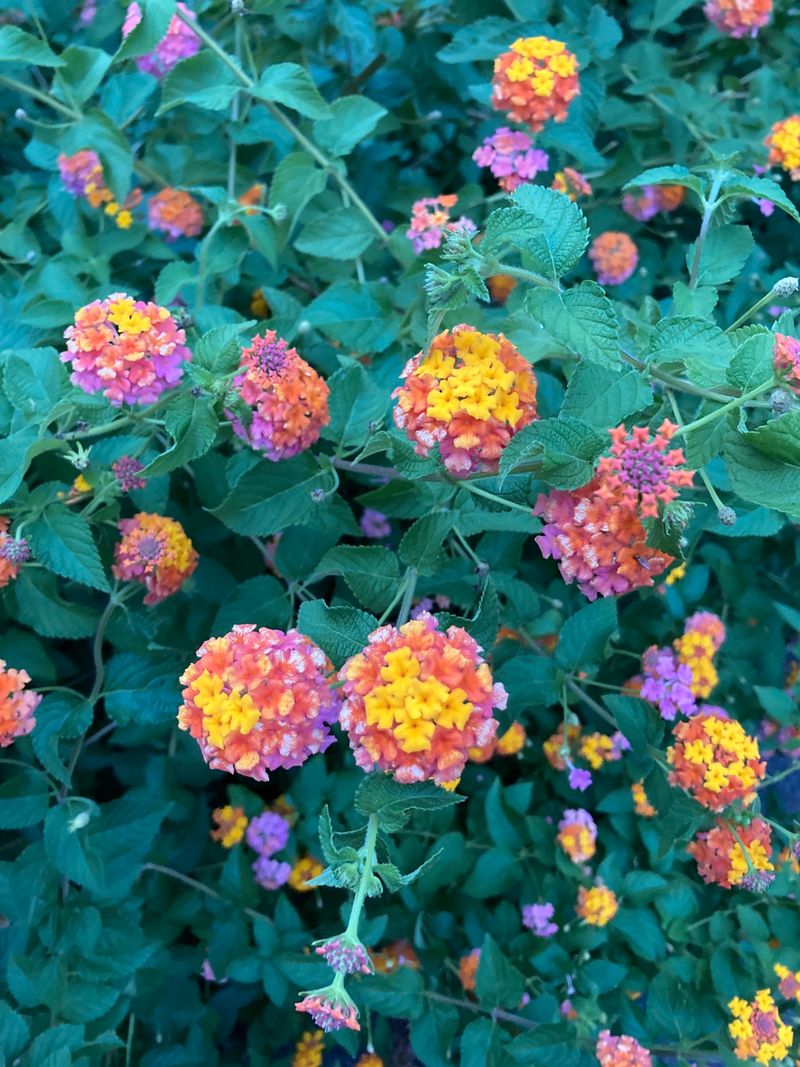
Where you place your cut matters just as much as how much you remove.
Cutting at the right point on each stem is what determines whether the plant regrows cleanly and quickly or struggles to push new growth after the trim. The goal is always to cut just above a set of healthy, actively growing leaves.
Look for a spot on the stem where you can see fresh green leaf pairs below the cut point.
Your North Carolina Garden Changes Every Week. Your Plan Should Too.
Gardening in North Carolina changes quickly throughout the season. Every Friday you’ll receive a simple weekly plan showing exactly what to plant, prune, fertilize, harvest, and protect so you never miss the right timing.
When you cut just above those leaves, the nodes at the base of each leaf pair activate and push out new stems.
Those new stems are what carry your next flush of flowers. Cutting above bare, leafless sections of stem often results in that stub simply going brown and stalling rather than branching out into new growth.
This is a detail that separates a satisfying trim from one that leaves you wondering why the plant is not responding.
Take a few seconds before each cut to look at the stem and find that fresh leaf pair. It makes the whole recovery process faster and more predictable.
Use clean, sharp bypass pruners rather than scissors or dull blades.
A clean cut closes faster and puts less stress on the plant during North Carolina’s hot, humid summer conditions.
Wipe your blades with rubbing alcohol between plants if you are trimming more than one, especially if any plant shows signs of disease.
3. Remove Spent Flower Clusters
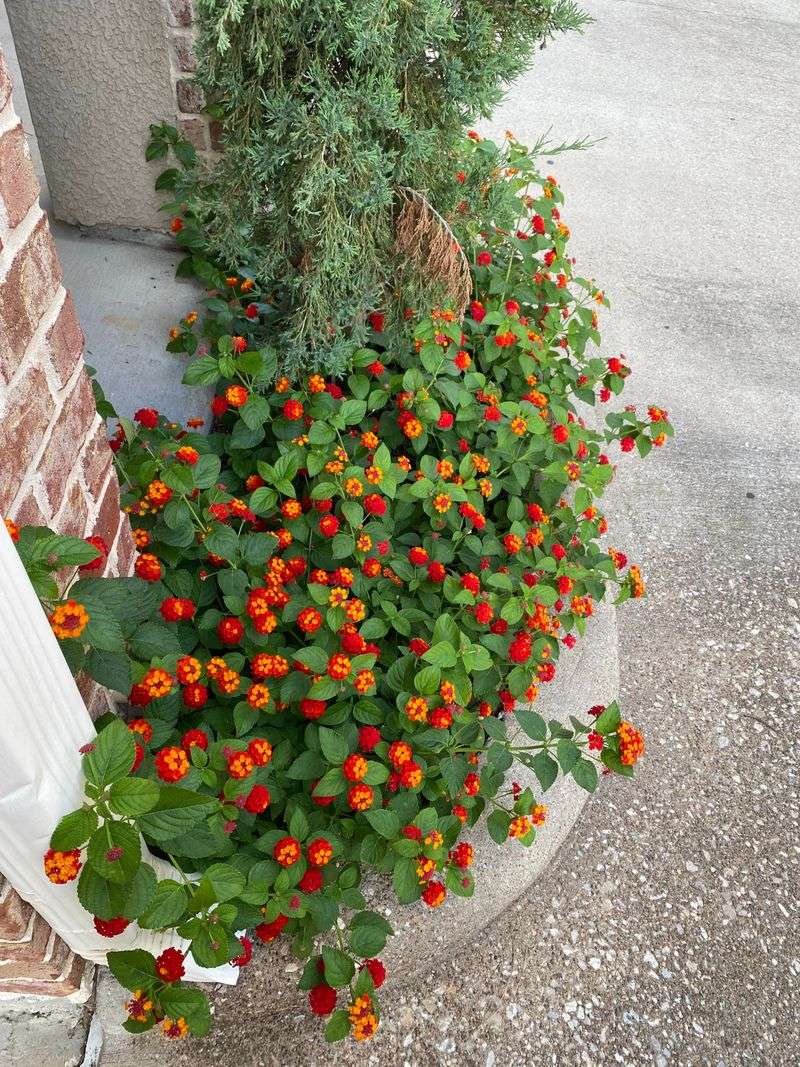
Old flower clusters are one of the quiet reasons your lantana is underperforming by midsummer.
Spent flowers that linger on the plant signal it to shift energy toward seed production rather than pushing out new blooms. Removing those old clusters redirects that energy back into vegetative growth and fresh flower bud development.
Walk around your lantana and look for clusters that have gone from colorful to dull, papery, or greenish-seed-berry stage.
Those are the ones to remove. You do not need to be precious about it. Snap them off with your fingers or clip them with pruners just below the old cluster. Either method works fine for routine deadheading.
In North Carolina’s heat, lantana can cycle through blooms quickly, which means deadheading is most effective when done consistently throughout the season rather than all at once.
A quick pass every seven to ten days during summer keeps the plant in active bloom mode rather than letting it periodically stall out.
Combined with the July shear, consistent deadheading turns a plant that blooms in two or three waves into one that blooms almost continuously from July through October.
That kind of sustained color is what separates a good lantana planting from a great one, and it requires almost no effort once you build the habit of checking the plant during your regular garden walk.
4. Shape Without Scalping The Plant
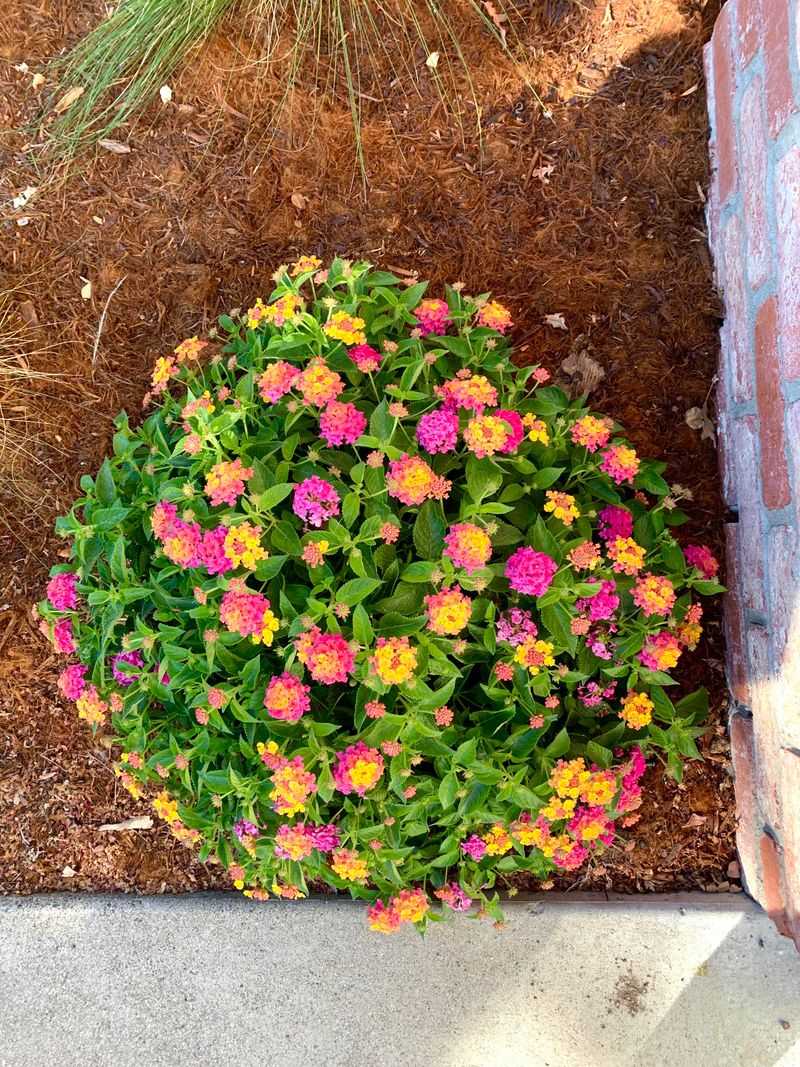
There is a meaningful difference between a light shear and a hard cutback, and getting that distinction wrong can cost you weeks of blooms.
A light shear removes about one-third of the plant’s length and maintains a full, rounded silhouette.
A hard cutback removes most of the plant and leaves stubby stems that take far longer to recover and may not produce significant blooms until late in the season.
In North Carolina’s midsummer heat, a heavily cut lantana can struggle to recover before the window for fall blooms starts to close.
The plant directs enormous energy into rebuilding basic structure before it ever thinks about flowering again. Cut too hard and you may not see meaningful bloom again until September at the earliest.
Keep the overall shape of the plant in mind as you trim.
Step back periodically and look at the whole plant rather than focusing on individual stems. You want a plant that looks tidied and refreshed at the end of the process, not bare or skeletal.
The foliage should still be full enough that the plant looks presentable even before new growth starts coming in.
Lantana has a naturally mounding habit that does not need much encouragement to look attractive.
Work with that natural shape rather than trying to impose something geometric or formal on it. A few well-placed cuts following the plant’s own silhouette produce better results than trying to force a specific form.
5. Water Deeply After Trimming
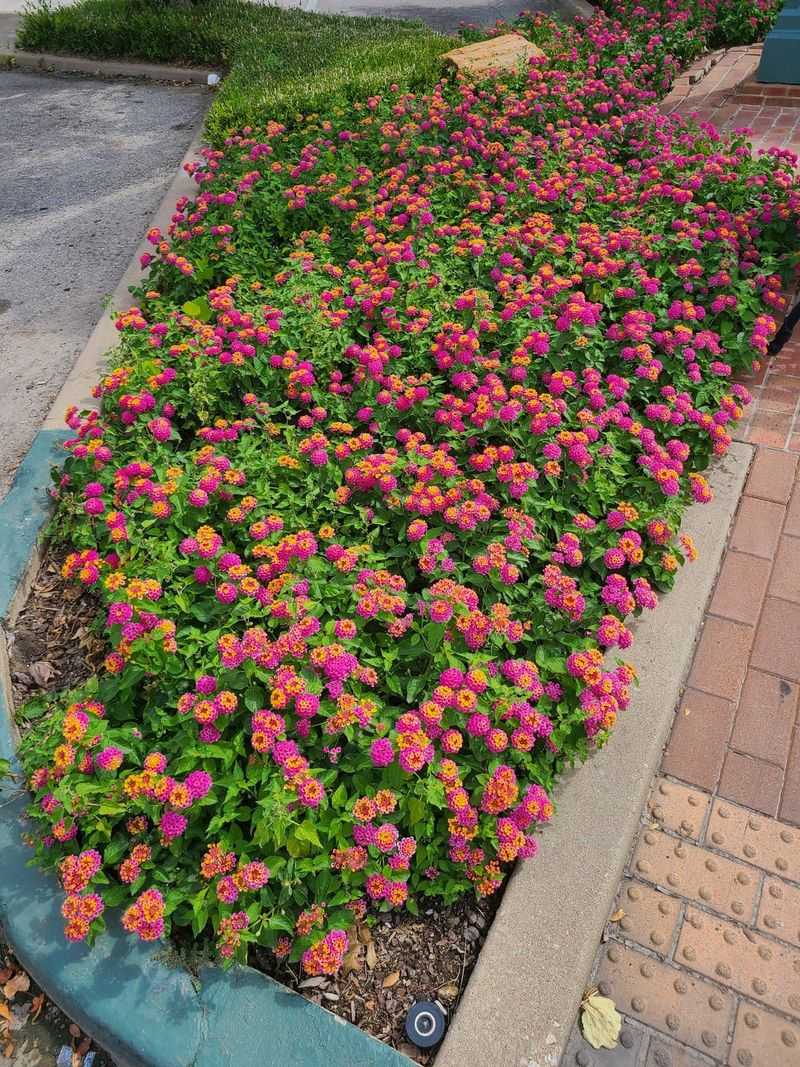
Cutting into any plant creates immediate stress, and lantana is no exception.
A deep watering right after you trim gives the root system what it needs to push new growth quickly and recover from the trim before North Carolina’s summer heat adds additional pressure to the process.
Deep watering means getting moisture down into the root zone, not just wetting the surface.
Aim for a slow, sustained soak that reaches six to eight inches into the soil. A soaker hose left at the base of the plant for thirty to forty minutes works well.
A slow trickle from a watering can directed at the soil around the base is another option that delivers water exactly where the roots can use it.
Avoid overhead watering after trimming if possible.
Fresh cut stems and new growth are more susceptible to fungal issues, and North Carolina’s summer humidity already creates conditions that favor those problems.
Getting the foliage wet adds unnecessary moisture to stems that are already working hard to heal and regrow.
After the initial post-trim watering, adjust your routine based on conditions.
Lantana is drought-tolerant once established, but during the active regrowth period following a July shear, consistent soil moisture speeds up recovery.
Check the soil every few days and water when the top two inches feel dry. Once new growth is visibly pushing out across the plant, you can return to a more relaxed watering schedule.
6. Feed Lightly If Growth Slows
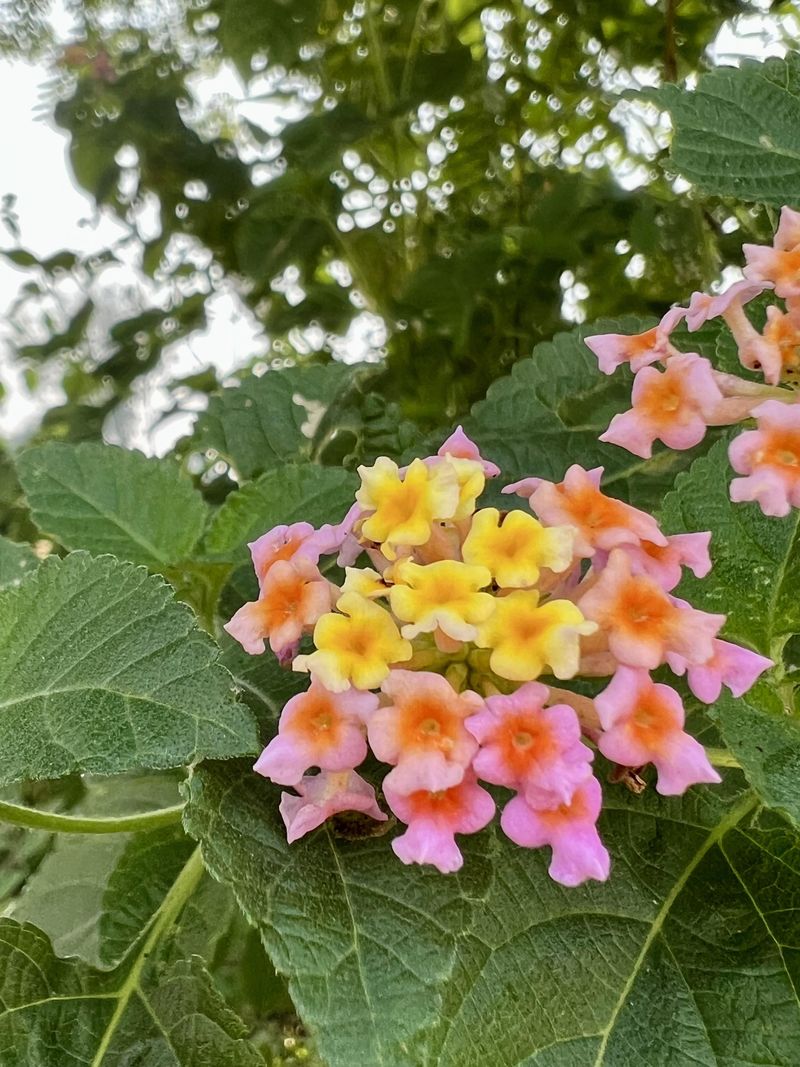
Lantana is not a heavy feeder, and that is worth keeping in mind before you reach for the fertilizer bag after your July trim.
In most North Carolina garden soils, established lantana has everything it needs to push a strong second flush of growth without any supplemental feeding.
Overfeeding, particularly with high-nitrogen products, can actually push the plant toward lush foliage at the expense of flowers.
If two to three weeks after your July shear you are seeing good green growth but very few flower buds forming, a light application of a balanced, slow-release fertilizer can help nudge the plant toward blooming.
Look for something with roughly equal numbers across the three main nutrients, such as a 10-10-10 formulation, and apply at half the recommended rate. A little goes a long way with lantana.
Avoid fertilizing late in the season after mid-September.
Pushing new growth as temperatures begin to drop in North Carolina means the plant directs energy into soft, tender stems that will not harden off properly before cooler nights arrive. That soft new growth is more vulnerable to cold damage.
The best fertilizer strategy with lantana is light-handed and timed to the plant’s growth cycle.
Feed early enough that the nutrients support flowering rather than just green growth, and stop early enough that the plant can wind down naturally as fall approaches.
7. Keep Sun Exposure Strong
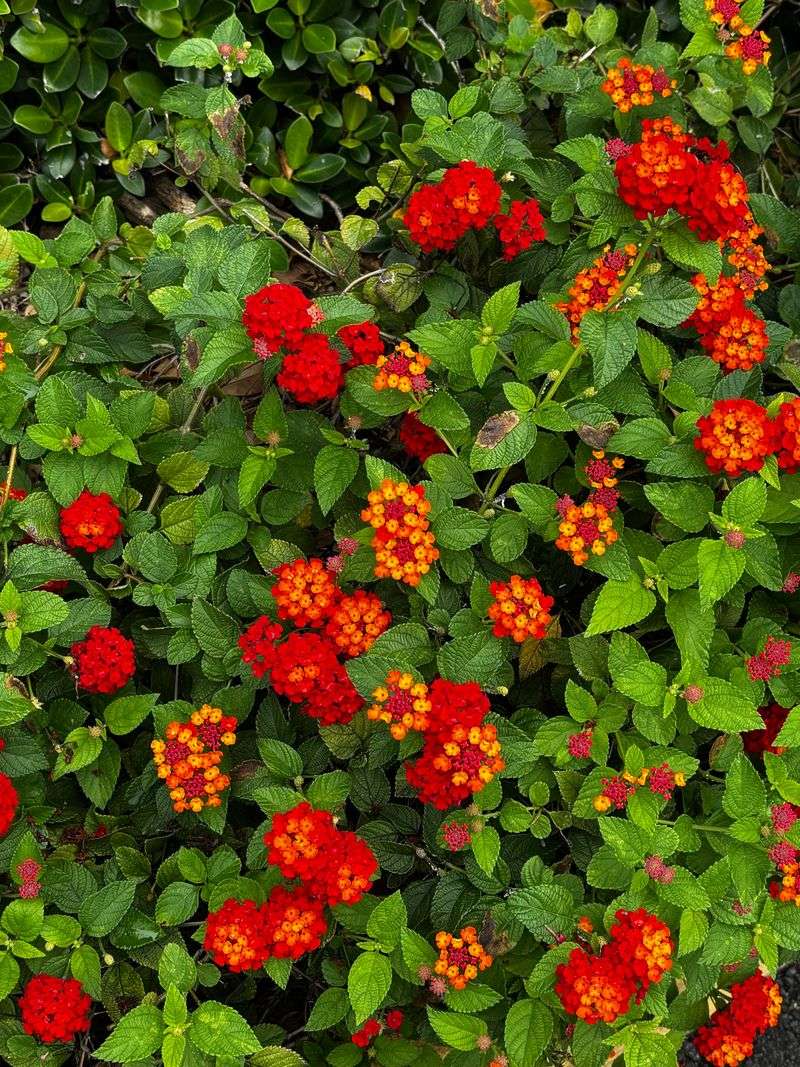
Lantana is a full-sun plant, and there is no way around that requirement if you want consistent bloom production through the summer and into fall.
North Carolina summers are intense, and lantana thrives in that intensity.
Plants that receive fewer than six hours of direct sun each day produce noticeably fewer flowers, stretch toward available light, and respond poorly to the July shear because they lack the photosynthetic energy to push vigorous new growth quickly.
If your lantana is in a spot that gets morning sun but significant afternoon shade, now is a good time to honestly assess whether the location is working.
A plant that bloomed reasonably well in June may struggle more noticeably by July as deciduous trees fill in and nearby structures cast longer afternoon shadows than they did in early spring.
Container lantana has an advantage here because pots can be moved.
If your potted lantana is looking pale, stretchy, or reluctant to bloom, try moving it to a sunnier position for a week and see how it responds. The difference in bloom production between a shaded and a full-sun position can be dramatic.
For in-ground plants, selective pruning of nearby shrubs or trees to open up more light may be worth considering if bloom production is consistently disappointing.
Full sun is the single most important environmental factor for lantana performance in North Carolina. Every other care decision builds on that foundation.
8. Repeat Small Touch Ups Through Fall
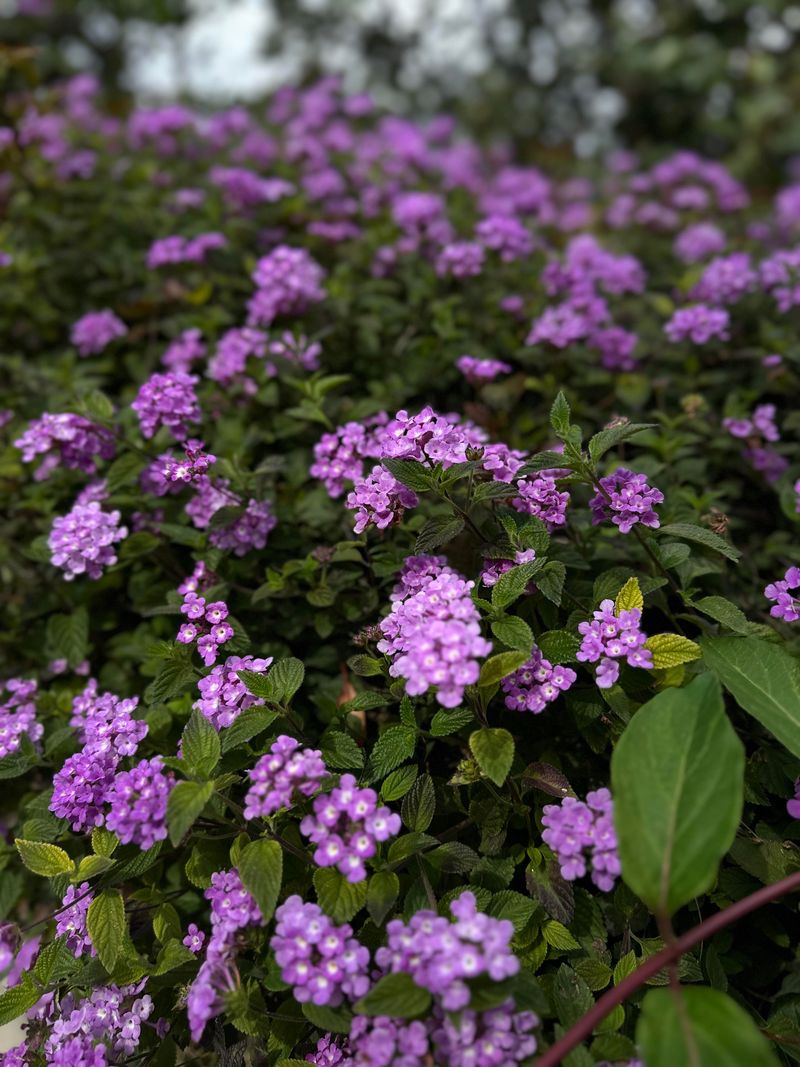
The July shear is the biggest intervention your lantana needs, but it is not the last one.
Small, regular touch-ups through August, September, and into October keep the plant in active bloom mode rather than letting it cycle in and out of productive growth between neglected periods.
Every two to three weeks after your July shear, walk around the plant with your pruners and look for stems that have finished their bloom cycle and are starting to stretch without producing new buds.
A light tip trim on those stems, cutting back just two to three inches above a healthy leaf pair, is enough to trigger another round of branching and bud set.
The cuts take a few seconds each and add up to meaningful results over the course of the season.
Deadhead consistently during these touch-up sessions as well.
Removing spent clusters at the same time you do your light tip trimming combines two quick tasks into one efficient pass through the plant.
By the time October arrives in North Carolina, a well-maintained lantana will still be producing fresh color while most other summer annuals have long since faded.
The commitment is minimal but the payoff is real.
A lantana that gets the July shear followed by consistent light maintenance through fall is one of the most reliable and rewarding plants in the North Carolina summer garden, and that is a reputation it has fully earned over many seasons.