How To Help Backyard Birds Survive Pennsylvania Heat Waves
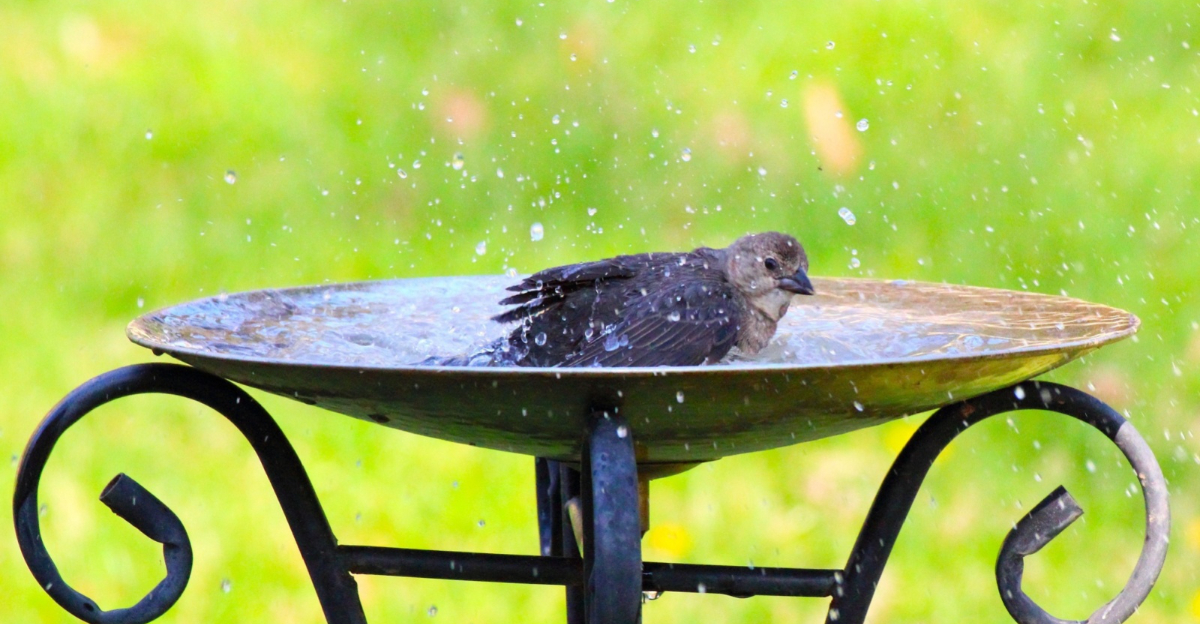
Pennsylvania summers have a flair for the dramatic, and when a heat wave rolls in and temperatures push well into the 90s, it is not just gardeners feeling the pressure.
Backyard birds are out there dealing with it too, and they do not exactly have a lot of options when natural water sources dry up and shaded spots get harder to find.
Robins, sparrows, songbirds, and other local species rely heavily on their environment for cooling, and a thoughtfully set up backyard can offer real support during the hottest stretches of the season.
The good news is that making your outdoor space more bird-friendly in summer heat does not require a major project or a big budget.
A few simple, practical steps can turn your Pennsylvania yard into a genuinely welcoming spot when birds need it most.
1. Provide Fresh Shallow Water
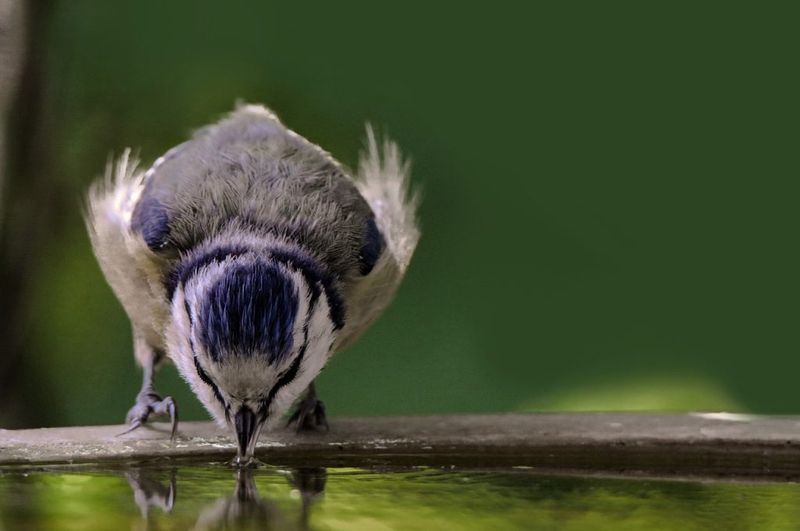
On a sweltering Pennsylvania afternoon, a robin hopping toward a shallow birdbath is one of the most satisfying sights a backyard gardener can witness.
Water is arguably the single most valuable resource you can offer birds during a heat wave, and the depth of that water matters more than many people realize.
Birds are not strong swimmers, and a dish that is too deep can feel unsafe or difficult to use.
Aim for a water dish or birdbath that is no deeper than about one to two inches at the center. Shallow water allows small birds like sparrows, finches, and warblers to wade in comfortably without feeling overwhelmed.
A wide, gently sloping basin works well because birds can choose how far in they wade based on their size and comfort level.
Placing the water source close to ground level or on a low pedestal can attract a broader range of birds, including species that prefer drinking near the ground. You do not need an expensive setup to make this work.
A simple ceramic or plastic dish set near a garden bed can be just as effective as a decorative birdbath.
During Pennsylvania heat waves, even a pie plate or a shallow plant saucer filled with clean water can draw in birds that are searching for relief on a hot day.
Refreshing the water daily helps keep it appealing and safe for visiting birds.
2. Place Birdbaths In Shade During Hot Weather
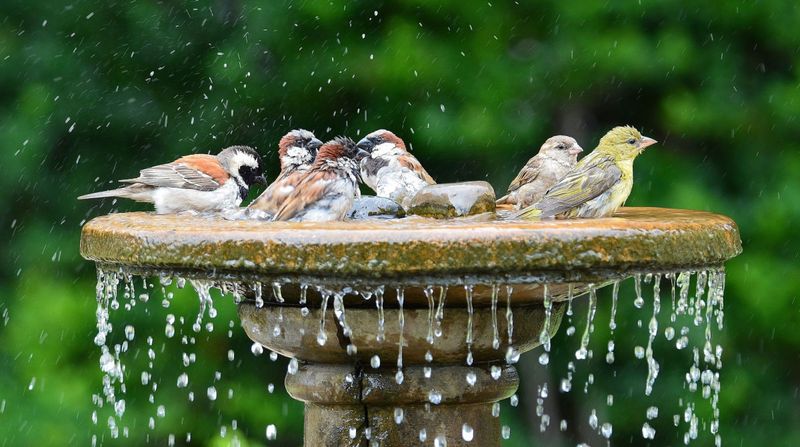
Sparrows scanning a sun-baked patio on a July afternoon in Pennsylvania often skip right past a birdbath sitting in full sun, and there is a practical reason for that.
Water sitting in direct sunlight heats up quickly, sometimes becoming uncomfortably warm within just a few hours on a hot day.
Birds that are already stressed by the heat may avoid water that feels too warm or that has developed a greenish tint from algae growth.
Moving your birdbath into a shaded spot is one of the easiest adjustments you can make during a heat wave.
A spot under a tree canopy, beside a shrub border, or along the north or east side of your house can keep the water several degrees cooler than a fully exposed location.
Your Pennsylvania Garden Changes Every Week. Your Plan Should Too.
Gardening in Pennsylvania changes quickly throughout the season. Every Friday you’ll receive a simple weekly plan showing exactly what to plant, prune, fertilize, harvest, and protect so you never miss the right timing.
Cooler water stays fresher longer and is generally more inviting for birds looking to drink or bathe.
Shade placement also benefits you as a caretaker because water in shaded areas tends to require less frequent refilling and stays cleaner between changes.
If your yard has limited shade, a large potted plant or a garden umbrella positioned nearby can help reduce direct sun exposure on the birdbath.
Pennsylvania gardens with mature trees have a natural advantage here, but even newer plantings can provide enough dappled shade to make a meaningful difference for birds during the hottest parts of a summer afternoon.
3. Keep Water Clean And Refilled Often
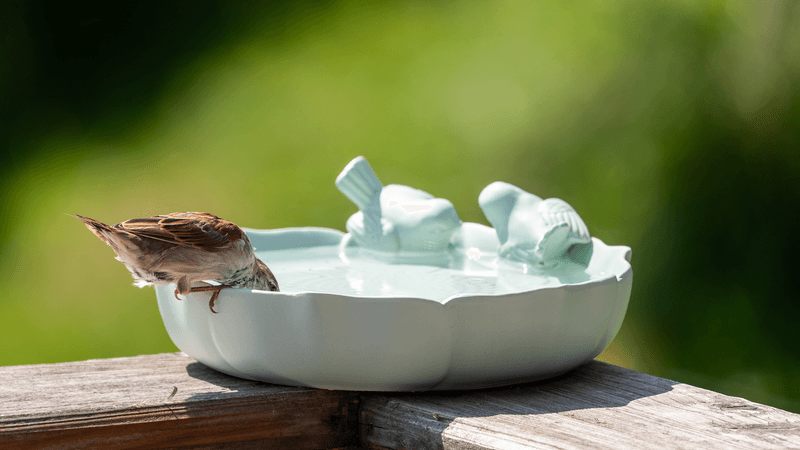
Water warming quickly in a shallow dish is only part of the challenge during a Pennsylvania heat wave. Birdbaths can accumulate algae, bird droppings, feathers, and debris within just a day or two, especially in warm weather.
Dirty water is far less appealing to birds and can carry bacteria that make a yard less healthy for visiting wildlife.
Getting into the habit of rinsing and refilling your birdbath every one to two days during hot weather is one of the most helpful things you can do. Use a scrub brush and plain water to remove any slippery algae buildup from the basin.
Avoid using soap or harsh cleaning chemicals near birdbaths unless you rinse very thoroughly afterward, since residues can be harmful to birds.
A small amount of white vinegar diluted in water is a commonly recommended cleaning option for birdbaths because it can help reduce algae without leaving dangerous residues, as long as the basin is rinsed well before refilling.
During Pennsylvania summers, heat and sunlight speed up the growth of algae and bacteria in standing water, so more frequent cleaning is often needed in July and August than in cooler months.
Keeping a cleaning brush and a nearby hose connection makes the task quick and easy. Fresh, clean water encourages birds to return regularly, which turns your yard into a reliable summer resource for local species.
4. Add Stones Or Branches For Safe Footing
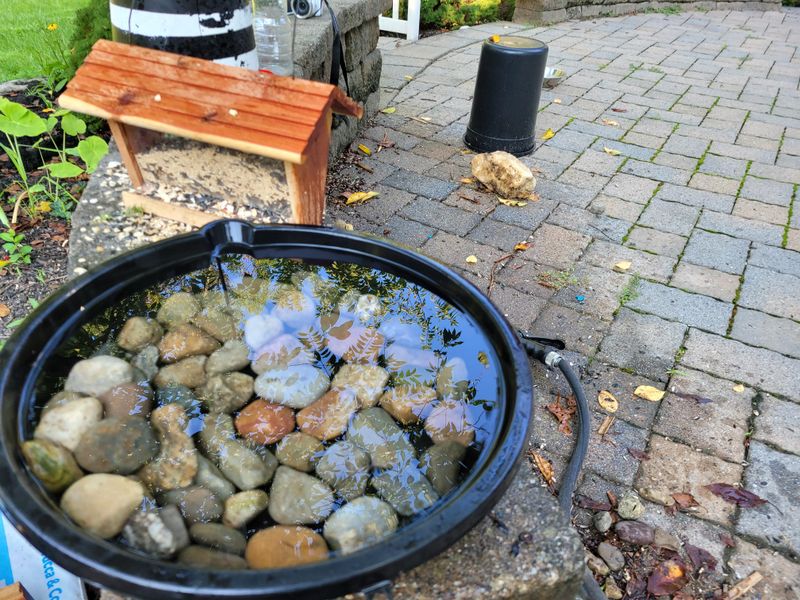
A smooth ceramic basin filled with water looks appealing from a distance, but for a small bird trying to get a grip, the slippery bottom can feel more like a hazard than a haven.
Adding a few flat stones or a short branch to your birdbath gives birds something solid to stand on while they drink or splash around.
This small addition can make your water feature noticeably more welcoming for a wider range of visiting species.
Choose stones that sit just at or slightly above the waterline so birds can perch comfortably without being submerged.
River rocks, flat slate pieces, or smooth pebbles all work well and can often be found at garden centers or collected from a dry stream bed.
A short, sturdy stick or a piece of driftwood laid across the basin can serve the same purpose, especially for smaller songbirds that prefer a narrow perch.
During Pennsylvania heat waves, birds may visit birdbaths more frequently and in larger numbers than during cooler weather. Having multiple perching spots inside the basin allows more than one bird to use the water at a time without crowding.
This is especially useful if you notice several species competing for the same space on hot afternoons.
Safe footing also encourages birds to linger long enough to bathe properly, which helps them regulate their body temperature more effectively during periods of intense summer heat in Pennsylvania.
5. Create Shade With Native Trees And Shrubs
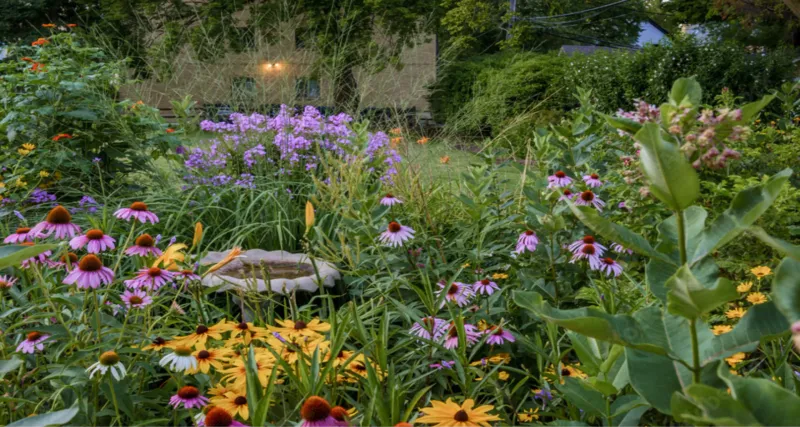
Long, hot Pennsylvania afternoons can make an open yard feel inhospitable to birds that need a cool, shaded place to rest between feeding and drinking.
Native trees and shrubs do something a birdbath or feeder simply cannot replicate: they create layered habitat that offers shade, cover, insects, berries, and resting perches all at once.
A yard with even a few well-placed native plantings becomes dramatically more supportive for local birds during a heat wave.
Native oaks, serviceberries, dogwoods, and viburnums are among the plants commonly recommended for Pennsylvania yards because they support local insects, provide berries during summer and fall, and offer dense branching that birds use for shelter.
Shrub borders along fence lines or garden edges are particularly valuable because they give birds a protected corridor to move through without being exposed in the open.
Planting native species does take some planning and patience, since trees and shrubs need time to establish and grow.
However, even younger plantings can begin providing shade and cover within a few seasons.
If your yard currently lacks shade, fast-growing native shrubs like elderberry or buttonbush can fill in gaps relatively quickly while larger trees mature. During heat waves, birds instinctively seek out the coolest, most sheltered spots available.
A Pennsylvania yard with native trees and shrubs casting afternoon shade gives local species exactly the kind of layered refuge that helps them get through the hottest days of summer more comfortably.
6. Offer Moving Water When Possible
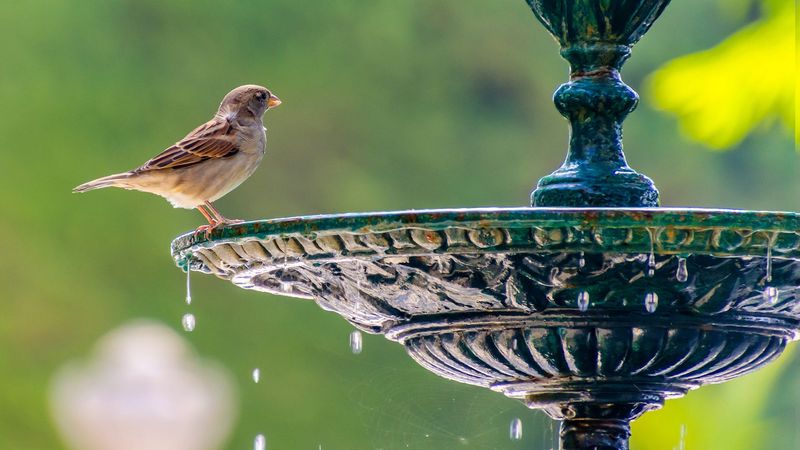
Something almost magical happens when you add a dripper or small fountain to a backyard birdbath during a Pennsylvania summer.
The sound of moving water carries farther than still water, and birds seem to find it irresistible, often flying in from several yards away just to investigate.
During a heat wave, when natural water sources may be limited, that auditory cue can draw in species you might not otherwise see visiting your yard.
Moving water also stays slightly cooler and tends to stay cleaner longer than completely still water because the constant circulation reduces the speed at which algae and bacteria build up.
Simple battery-powered or solar-powered drippers and misters are widely available and easy to add to an existing birdbath without any plumbing work.
A small solar fountain that runs during daylight hours can be an especially low-maintenance option for Pennsylvania gardeners who want to offer moving water without high energy costs.
Misters are particularly appealing during extreme heat because birds will sometimes fly through the fine spray to cool off without fully landing in a basin.
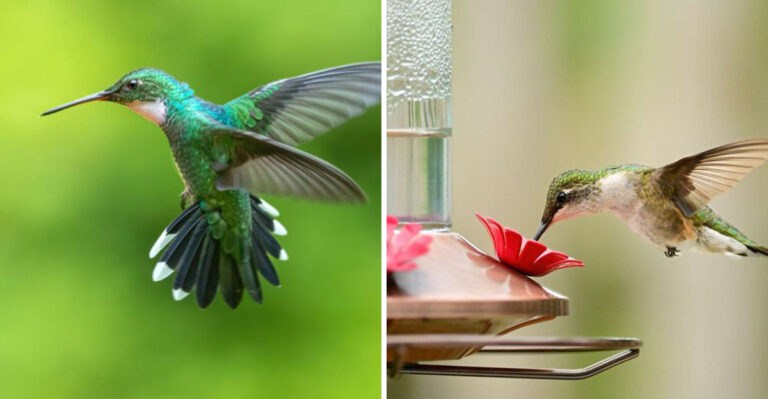
Hummingbirds, warblers, and other smaller species are often attracted to misters in ways they are not drawn to still birdbaths.
If you choose a dripper or fountain, make sure the flow rate is gentle enough to keep the water level stable and avoid splashing the birdbath completely empty on a hot afternoon.
Checking the setup daily during heat waves helps keep everything running smoothly.
7. Keep Feeders Clean If You Feed Birds
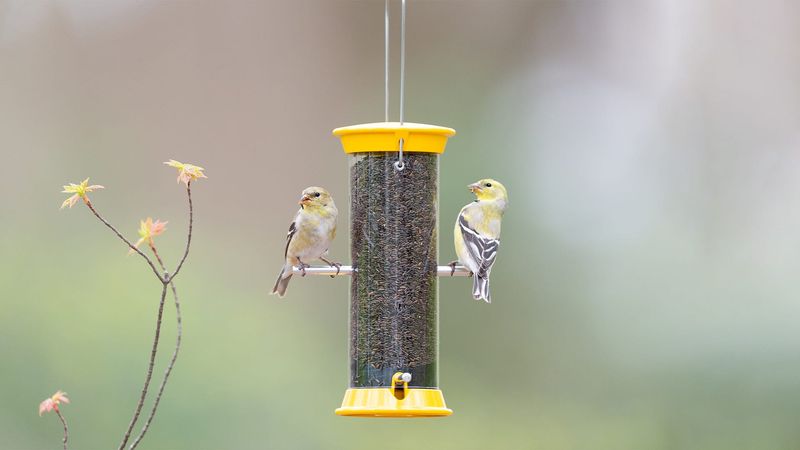
Humid Pennsylvania summers create conditions where bird feeders can become problematic if they are not maintained carefully.
Seed that gets wet from rain or morning dew can clump together and develop mold within just a day or two, especially inside tube feeders where air circulation is limited.
Birds that eat spoiled seed may experience digestive issues, making regular feeder cleaning more important during hot, humid weather than at any other time of year.
During a heat wave, it is worth checking your feeders every couple of days rather than waiting for them to empty completely. Discard any seed that looks clumped, wet, or discolored, and wipe down the feeding ports and perches with a damp cloth.
A more thorough cleaning with a diluted bleach solution followed by thorough rinsing and complete drying is recommended periodically throughout the summer season.
Some backyard birding enthusiasts actually reduce or pause seed feeding during the hottest parts of summer because birds have access to abundant natural food sources like insects, berries, and seeds at this time of year.
Scaling back on feeders during a heat wave is a perfectly reasonable choice and reduces the risk of offering spoiled food.
If you do continue feeding, offering smaller quantities of fresh seed more frequently is a smarter approach than keeping feeders packed full during Pennsylvania’s hottest and most humid summer weeks.
Nyjer and sunflower seeds tend to hold up better than mixed seed blends in warm conditions.
8. Reduce Yard Stress With Safer Cover And Less Disturbance
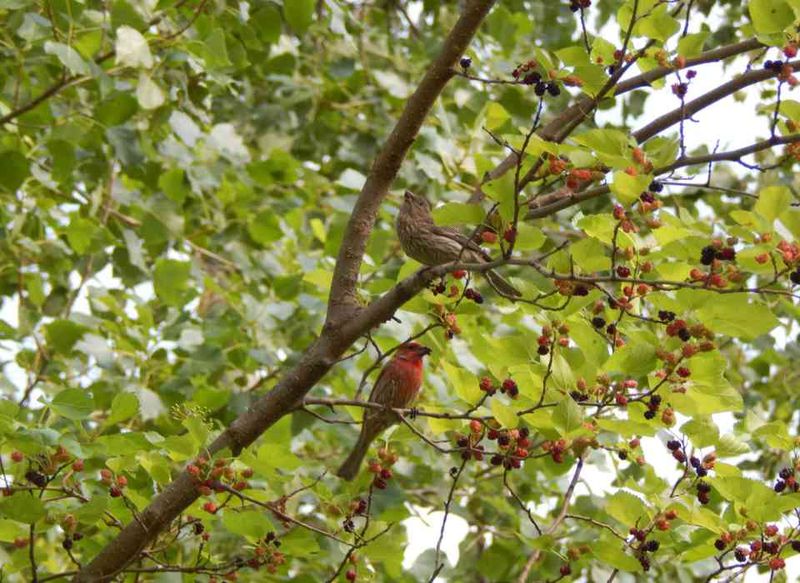
The way a Pennsylvania yard feels on a long, hot afternoon goes beyond temperature.
Birds are sensitive to disturbance, and a yard with frequent foot traffic, loud activity, or free-roaming pets can push birds away from the very water and shade resources you have worked to provide.
During heat waves, when birds are already under pressure, minimizing unnecessary disturbance can help make your outdoor space feel safer and more inviting.
Dense shrub borders, low hedges, and native plantings near birdbaths or feeders give birds a quick escape route if they feel threatened. When birds have nearby cover to retreat to, they tend to visit water and food sources more confidently and stay longer.
Cats are one of the most significant sources of yard disturbance for ground-feeding and low-perching birds, so keeping cats indoors during peak bird activity times is a meaningful step for Pennsylvania homeowners who want to support local wildlife.
Positioning birdbaths and water features within a few feet of shrubs or a brush pile gives birds a sense of security without placing them so close to dense cover that predators could hide nearby undetected.
Morning hours, before the heat peaks, are often the busiest time for bird activity in Pennsylvania yards during summer.
Trying to limit loud activity, lawn equipment use, and heavy foot traffic during those early hours can help birds make the most of the cooler part of the day before temperatures climb into uncomfortable territory during a heat wave.