Florida Homeowners Are Replacing Front Lawns With This Florida-Friendly Groundcover
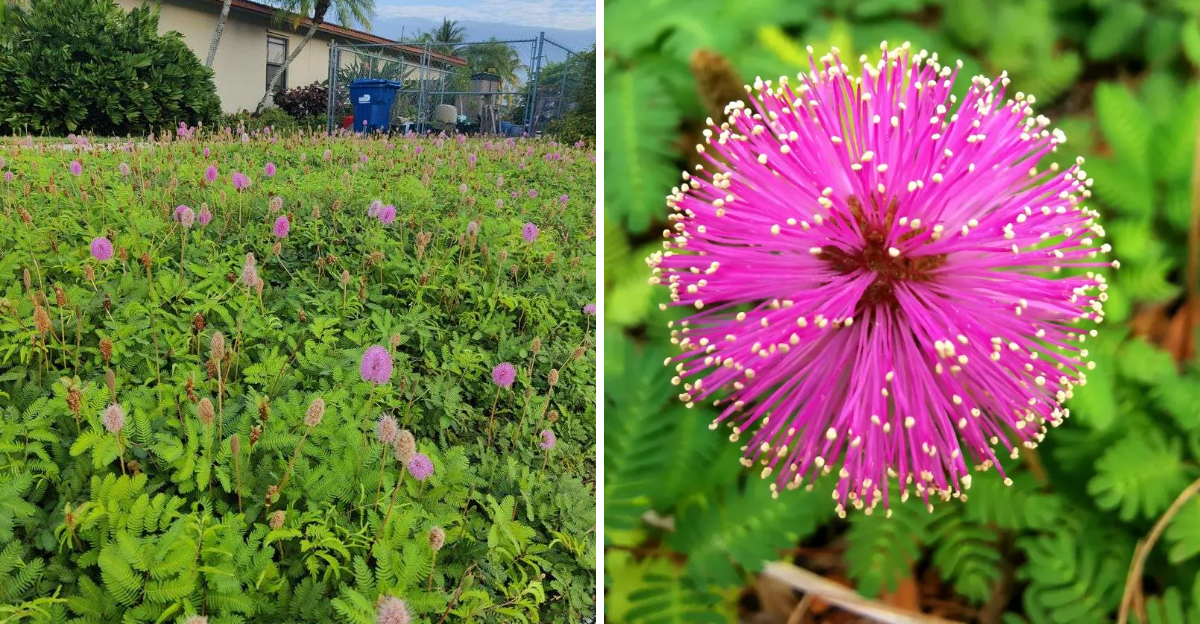
Homeowners across the state are swapping out thirsty, high-maintenance turf grass for a low-growing, pink-flowered native plant that practically takes care of itself.
The change is happening street by street, neighborhood by neighborhood, and the results are hard to ignore.
Yards that used to look like every other yard on the block suddenly have texture, color, and a kind of natural warmth that a flat green lawn never quite managed to deliver.
The plant behind all of this is changing the way Floridians think about what a front yard is supposed to look like and how much work it should require.
It blooms for months. It handles drought. It welcomes pollinators. It spreads without being asked.
And it does all of this while staying low enough that most homeowners barely need to mow at all.
If you have been looking for a smarter, prettier, and more sustainable option for your front yard, this might be exactly what you have been waiting for.
Meet The Sunshine Mimosa
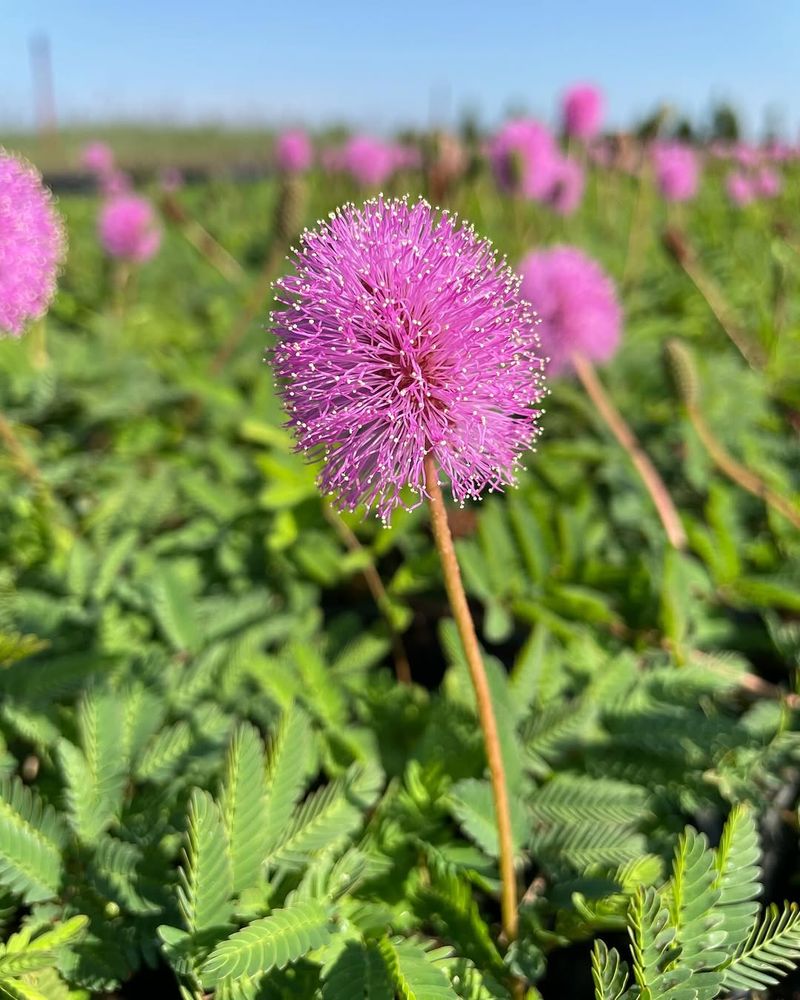
A plant that stays low to the ground, blooms with cheerful pink flowers, tolerates Florida heat, and asks almost nothing from you in return sounds too good to be true.
It is not.
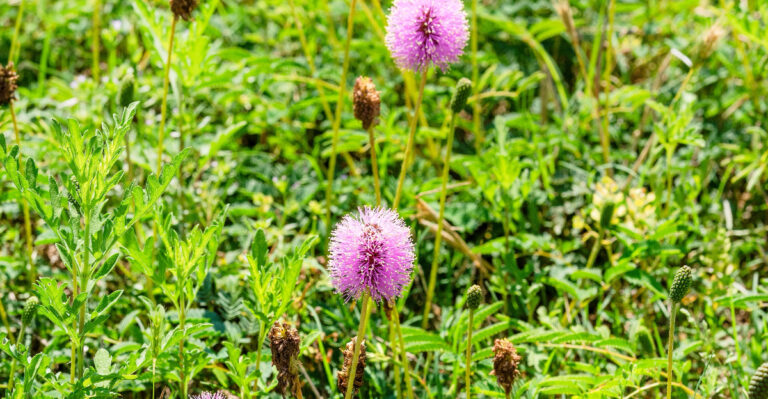
Sunshine mimosa, known by its scientific name Mimosa strigillosa, is a native Florida groundcover that has been quietly winning over homeowners who are tired of babying traditional turf grass.
Sunshine mimosa grows in a dense, spreading mat that rarely gets taller than six inches.
It roots along its stems as it spreads, which means it fills in bare patches naturally without much help from you. UF IFAS Extension recommends it as a Florida-Friendly Landscaping plant because it thrives in full sun to partial shade and handles drought conditions once it is established.
Unlike many ornamental plants, Sunshine mimosa is not a fussy prima donna.
It grows well in sandy soils, which are incredibly common across Florida. It does not need fertilizer to look great, and it rarely demands extra watering after its roots settle in during the first season.
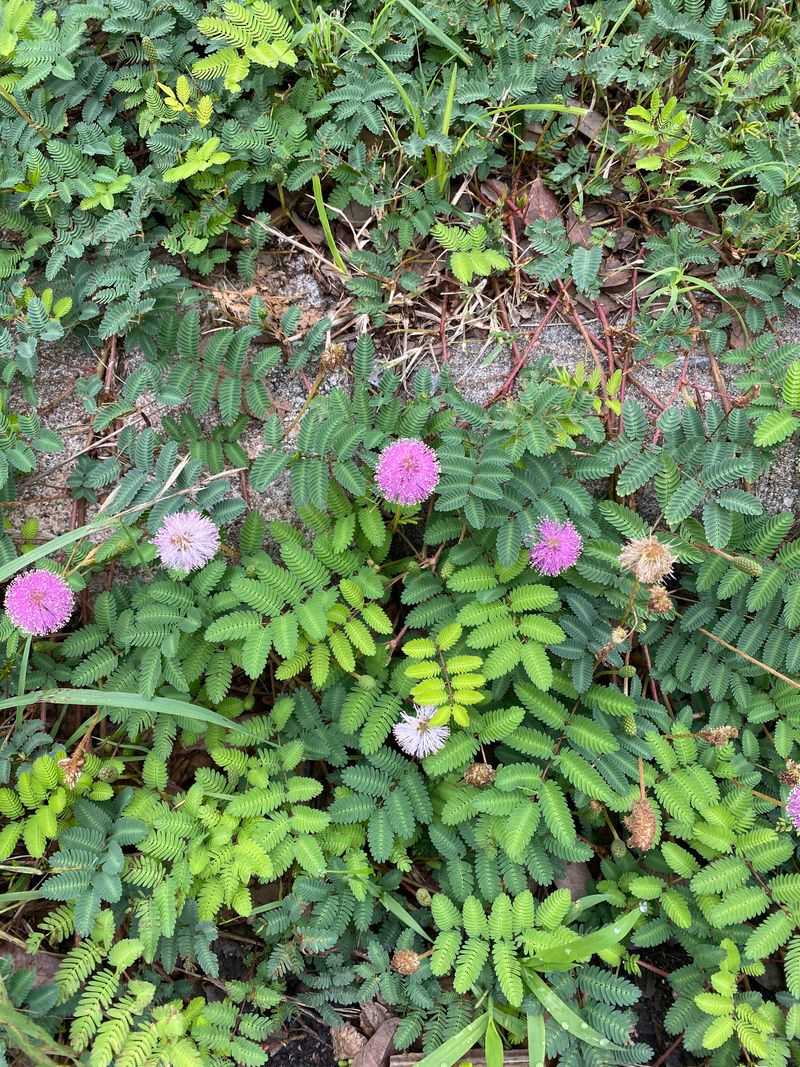
One detail that surprises many people: touch the leaves and they fold closed, then slowly reopen.
Kids and adults alike find this reaction fascinating. That touchable quality makes Sunshine mimosa a genuine conversation starter in any front yard.
If you are searching for a smart, native groundcover that checks every important box for Florida landscapes, Sunshine mimosa is an excellent place to start.
Pink Puff Flowers Add Curb Appeal
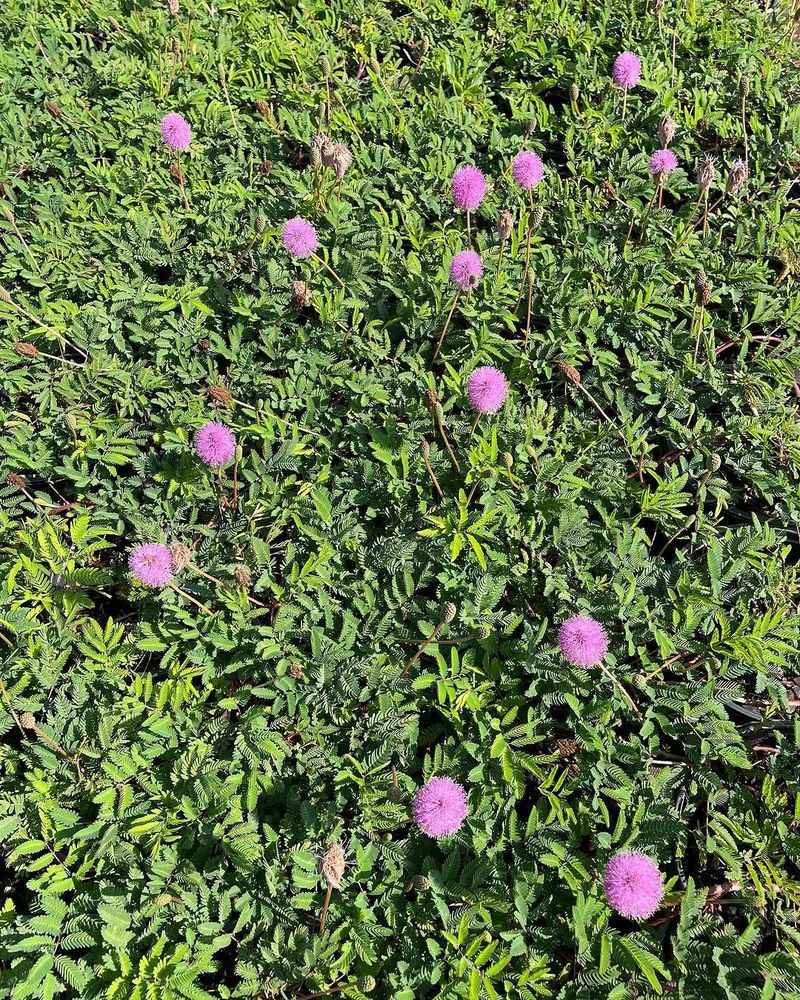
Few things catch the eye of a passing neighbor quite like a yard full of soft, rosy pink puffball blooms swaying gently in a warm Florida breeze.
Sunshine mimosa earns its spot in the front yard largely because of those flowers.
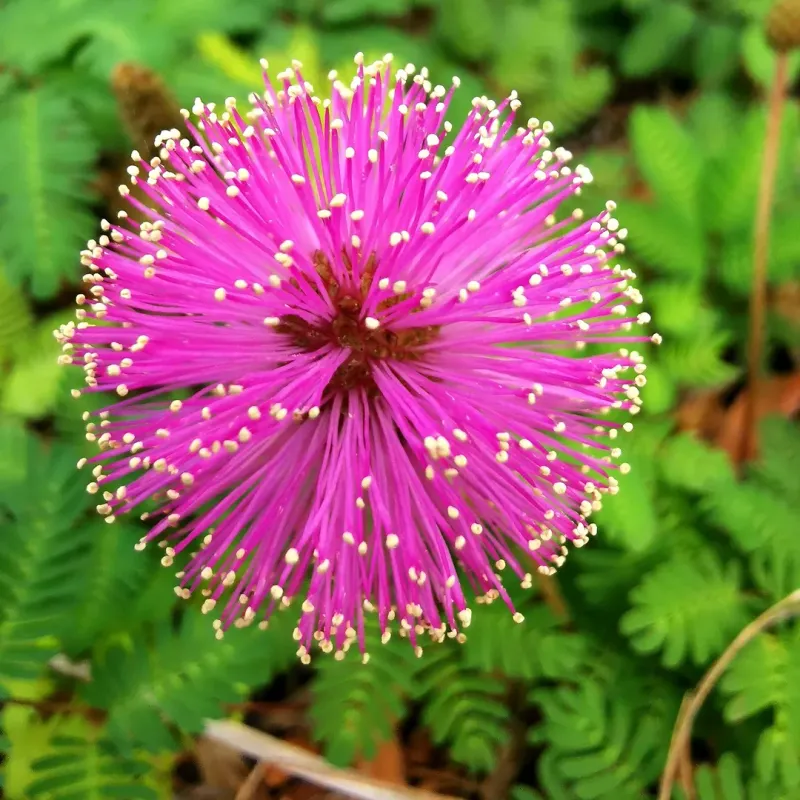
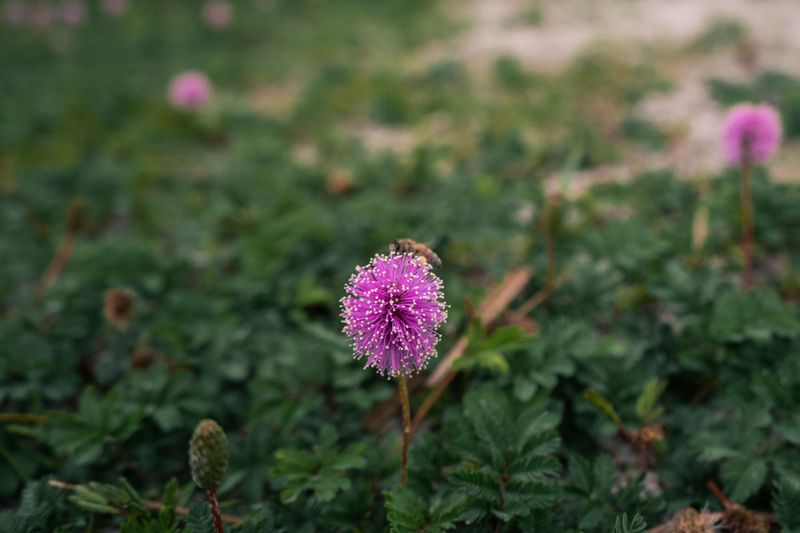
They are small, round, and delightfully fluffy, looking almost like tiny pink fireworks frozen in time.
Blooming typically happens from spring through fall, which means your front yard enjoys months of color without any extra effort from you.
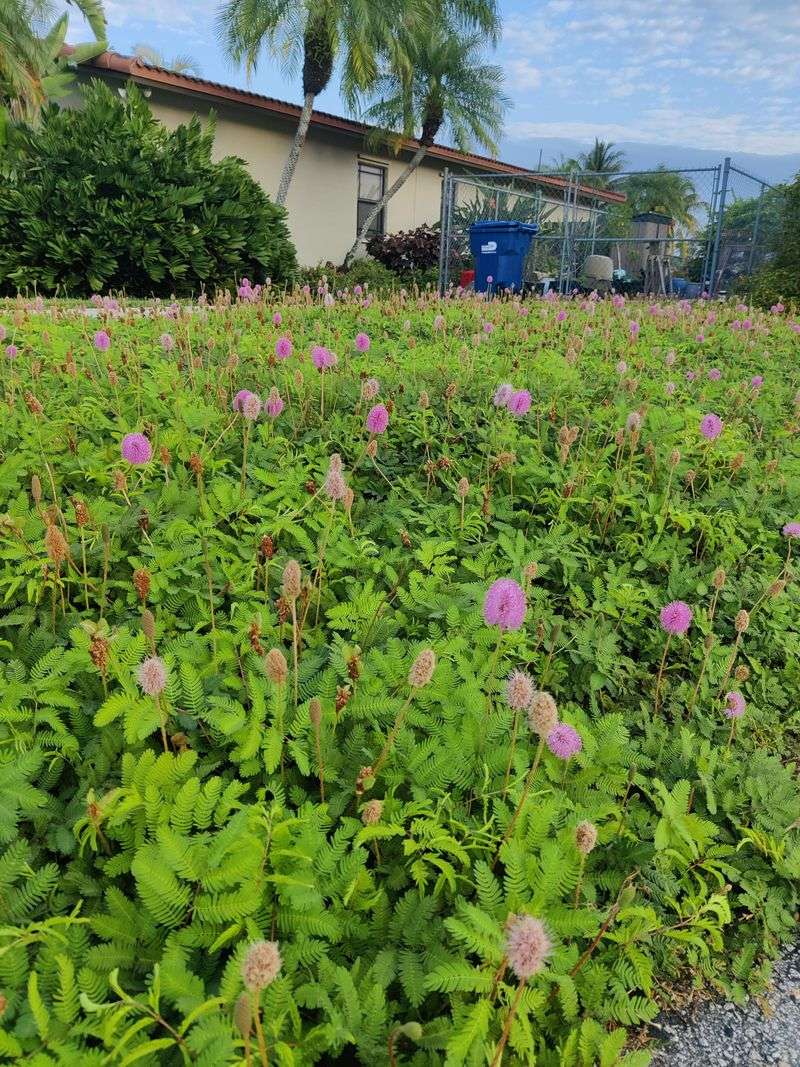
The flowers sit just above the low-growing green mat, creating a two-toned look that is clean, natural, and genuinely attractive.
Your Florida Garden Changes Every Week. Your Plan Should Too.
Gardening in Florida changes quickly throughout the season. Every Friday you’ll receive a simple weekly plan showing exactly what to plant, prune, fertilize, harvest, and protect so you never miss the right timing.
Many homeowners say the blooms give their yards a softer, more welcoming appearance compared to a flat, uniform stretch of turf grass.
From a curb appeal standpoint, that matters more than people realize.
A front yard with visual texture and seasonal color tends to look more intentional and cared for, even when maintenance is minimal. Visitors notice it. Passersby slow down to look.
Sunshine mimosa fits naturally into a variety of design styles.
Pair it with ornamental grasses, native wildflowers, or simple stone edging and the result looks polished and purposeful.
The pink blooms complement both warm and cool exterior paint colors, making this groundcover surprisingly versatile for front yard design.
Your lawn does not need to be boring to be low maintenance. Sometimes a little pink goes a very long way.
Low Growth Reduces Mowing Needs
Here is something worth thinking about: the average American spends between 70 and 150 hours per year mowing their lawn.
In Florida, where the growing season stretches nearly year-round, that number can climb even higher.
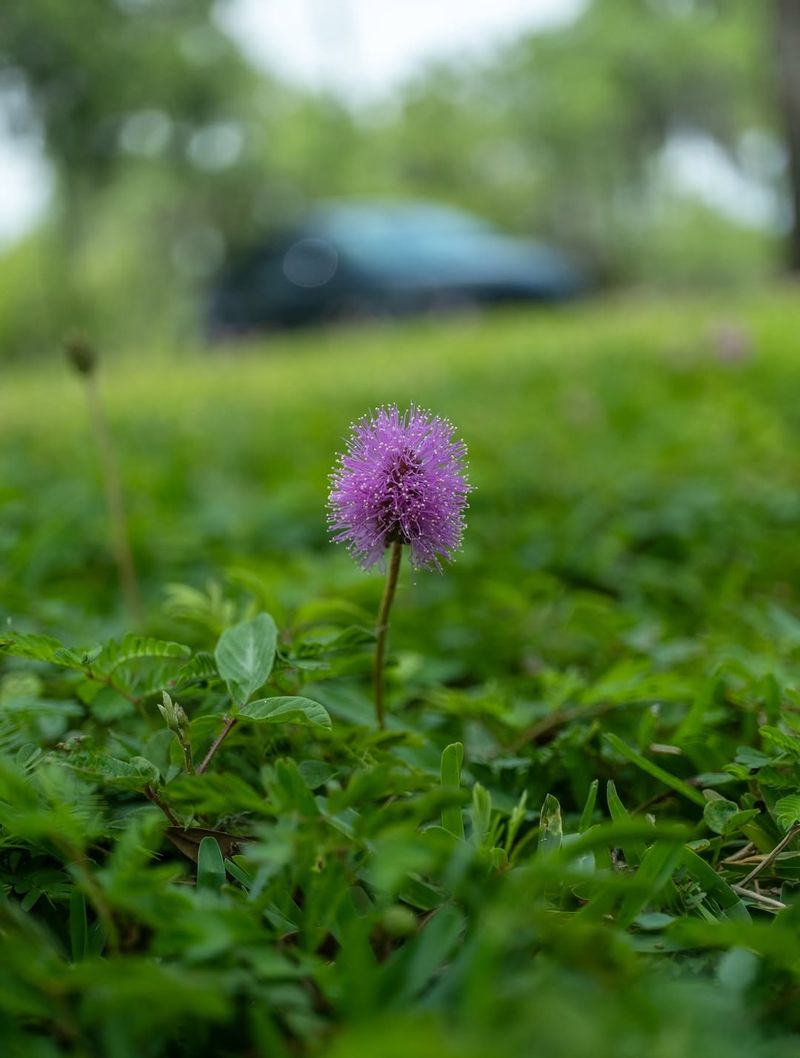
Sunshine mimosa offers a genuinely appealing alternative to that grind. Because this groundcover stays naturally low, typically under six inches tall, it rarely needs mowing.
Sunshine mimosa can be mowed occasionally to keep it tidy or to manage any areas where it edges toward sidewalks and driveways. But for most homeowners, the mower simply stays in the garage far more often than it used to.
That reduction in mowing adds up quickly.
Less mowing means less fuel burned, less noise in the neighborhood, and less wear on your equipment. It also means fewer hours of weekend work in the Florida sun, which anyone who has pushed a mower in August heat will deeply appreciate.
Sunshine mimosa also requires no regular dethatching or aerating the way traditional turf grass often does.
Its spreading stems and shallow root system keep the soil surface covered without building up the thick thatch layer that makes turf maintenance so demanding over time.
The result is a front yard that looks cared for and intentional without demanding constant attention.
For busy households, retirees, and anyone who simply wants their weekends back, this groundcover is a genuinely practical swap worth making sooner rather than later.
Native Roots Fit Florida Heat
Florida is not a gentle place for plants that were not built for it.
Summer temperatures regularly top 90 degrees, sandy soils drain quickly, and afternoon thunderstorms can be followed by weeks of dry weather.
Plants that cannot handle those swings tend to struggle, turn brown, and require constant intervention to survive.
Sunshine mimosa was born for exactly these conditions.
As a Florida native, it evolved alongside the state’s climate, soils, and seasonal patterns. Its root system is adapted to sandy, well-drained soils that would stress many non-native groundcovers.
Once established, usually within one growing season, it handles drought with quiet confidence.
Sunshine mimosa is suitable for full sun to partial shade, which covers a wide range of front yard situations across Florida.
Whether your yard gets blasted by afternoon sun or enjoys some relief from a nearby tree canopy, this plant can find its footing. That flexibility makes it practical for neighborhoods across Central, North, and South Florida.
Planting native species is one of the core principles of Florida-Friendly Landscaping.
Native plants support local ecosystems, reduce the need for irrigation, and generally perform better in Florida conditions than plants imported from other climates.
Right plant, right place is the guiding idea, and Sunshine mimosa fits that idea almost perfectly for sunny Florida front yards where turf grass has always felt like more trouble than it is worth.
Pollinators Find The Small Blooms
Bees do not care how trendy your landscaping is.
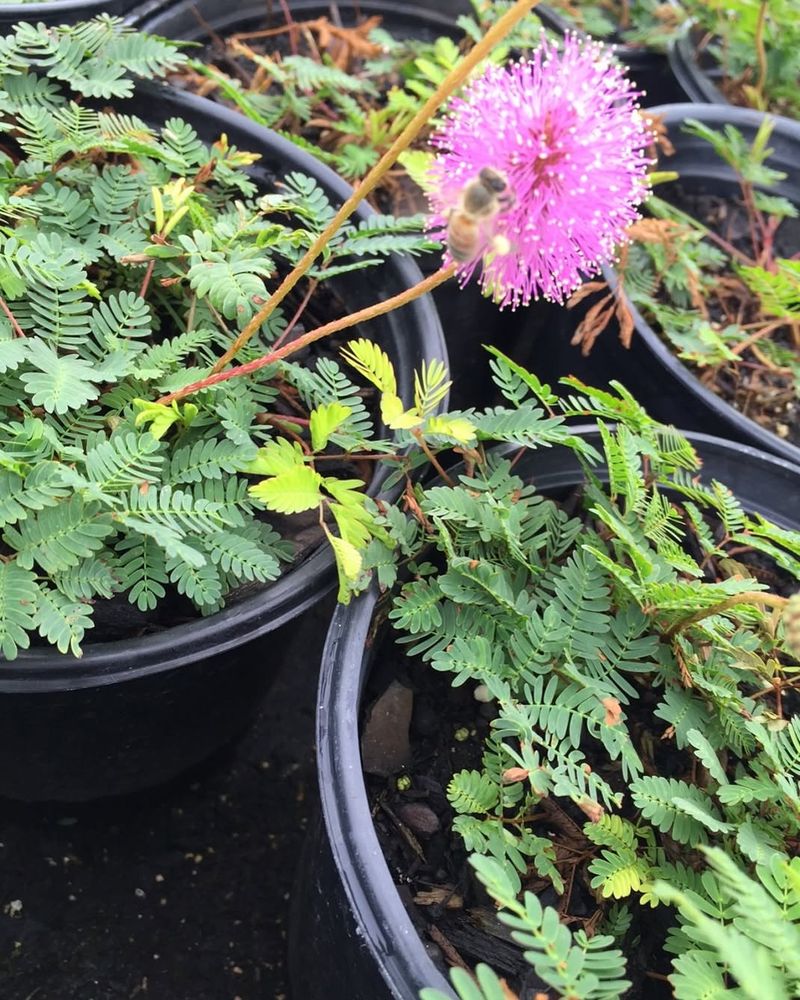
They care about one thing: finding flowers that offer pollen and nectar. Sunshine mimosa delivers both, and pollinators have clearly gotten the memo.
Watch a patch of blooming Sunshine mimosa on a warm morning and you will likely spot bumblebees, small native bees, and even the occasional butterfly making regular visits.
This matters beyond just the charm of watching bees work.
Native bee populations across Florida and the broader United States have faced serious pressure in recent decades from habitat loss and the spread of monoculture landscapes.
A front yard covered in Sunshine mimosa instead of turf grass becomes a small but meaningful habitat patch. Every yard that supports pollinators contributes to a larger network of food and shelter for these essential insects.
Sunshine mimosa is highlighted as a plant that supports native pollinators, making it a natural fit for homeowners interested in Florida-Friendly Landscaping principles.
The blooms are small but productive, and because flowering continues from spring through fall, pollinators have a reliable food source across many months.
Swapping turf for a pollinator-friendly groundcover is one of the most impactful changes a homeowner can make without spending a fortune or hiring a landscape crew.
Your front yard becomes more than just a green space. It becomes a working piece of the local ecosystem.
That is a pretty remarkable return on a relatively simple landscaping decision, and your neighborhood bees will thank you in their own buzzing way.
Spreading Stems Cover Bare Soil
Bare soil in a Florida yard is basically an open invitation for weeds.
It is also vulnerable to erosion during the heavy rain events that roll through the state regularly from summer through early fall.
Sunshine mimosa addresses both of those problems in a way that feels almost effortless once the plant gets going.
The plant spreads by sending out long stems that creep along the soil surface.
As those stems travel, they put down roots at intervals, anchoring the plant and gradually filling in open areas.
The result is a dense, interlocking mat that shades out weeds and holds soil in place even during heavy downpours.
That erosion control function is a genuine benefit for Florida homeowners dealing with sloped yards or areas prone to washout.
Coverage happens at a reasonable pace. Sunshine mimosa is not a slow, reluctant spreader, but it is also not an aggressive invader that takes over everything.
It fills its space steadily and predictably, which makes it easier to manage than some groundcovers that spread too fast for comfort.
For homeowners dealing with patchy turf, bare spots near tree roots, or areas where grass simply refuses to grow, Sunshine mimosa offers a practical solution.
Plant it, water it through its first season, and let it do the work.
The mat it forms is thick enough to suppress most weeds without herbicides, which is a meaningful benefit for anyone trying to reduce chemical use in their front yard landscape.
Edging Keeps It Looking Neat
A groundcover that wanders into the sidewalk or driveway can start looking messy fast.
The good news is that Sunshine mimosa responds very well to edging, and keeping it tidy is far less work than maintaining traditional turf borders.
A simple manual edger or string trimmer used along sidewalks, driveways, and garden bed borders keeps Sunshine mimosa looking sharp and intentional.
Defining clear edges when using groundcovers as turf alternatives is important because clean borders signal to neighbors and passersby that the yard is landscaped on purpose rather than simply neglected.
That distinction matters for curb appeal and neighborhood harmony alike.
Edging Sunshine mimosa does not need to happen every week the way turf grass edges often do.
Depending on how fast the plant is spreading in your specific yard conditions, a monthly trim along hard surfaces is usually enough to keep things looking polished.
That is a significant time saving compared to the weekly edging routine that traditional lawns often demand.
Edging is the frame around a painting. The Sunshine mimosa mat is the art, and a clean, defined border is what makes the whole picture look finished and professional.
Even a simple metal or plastic landscape edging strip installed along bed borders can dramatically improve the appearance of a Sunshine mimosa front yard.
A little structure goes a long way toward making a naturalistic groundcover look like a deliberate, well-designed landscape choice rather than a happy accident.
HOA-Friendly Design Needs Clean Borders
Homeowners associations can be a source of real stress when you want to try something different in your front yard.
Before swapping out turf for Sunshine mimosa, checking your HOA rules and local municipal guidelines is a smart first step.
Rules vary widely, and some communities have specific requirements about groundcover height, plant types, or the percentage of the front yard that can be planted with non-turf species.
Florida law does provide some protections for homeowners who use Florida-Friendly Landscaping plants and practices, but those protections have limits and conditions.
Consulting your HOA documents and, if needed, speaking with a community association manager can save you from unexpected headaches down the road.
Being informed before you plant is always a wise approach.
The encouraging reality is that a well-designed Sunshine mimosa front yard can look polished and neighborhood-friendly when it is installed thoughtfully.
Clean borders, defined bed edges, and a clear separation between the groundcover and hard surfaces like sidewalks and driveways make the yard look intentional and maintained.
Consider adding a low border of native ornamental plants or simple stone edging to frame the Sunshine mimosa bed.
That structured design language communicates that the yard is landscaped with care rather than simply left to grow wild.
Many HOA boards respond positively to groundcover designs that look tidy and well-considered.
A little planning upfront turns a bold landscaping swap into a front yard that the whole neighborhood can appreciate and admire.