The One Thing You Must Do To Ohio Roses In July For Blooms Through September
Ohio roses in July are putting on a show, and most gardeners are happy to watch without doing much else. The blooms are coming, the plant looks strong, and intervention feels unnecessary when everything appears to be working.
That hands-off approach is exactly what cuts the September display short. There is one specific task Ohio roses need in July that most gardeners either skip or do at the wrong time.
Not a complicated intervention. Not a product to buy.
Just a targeted move done at the right moment that keeps the plant producing rather than slowing down. Most rose advice clusters around spring and fall.
July sits in the middle of that conversation without getting much attention. That is why so many Ohio rose growers spend August looking at a plant with more capacity than it is showing.
One task this month changes what September looks like.
1. Trim Spent Blooms Before Roses Waste Their Energy
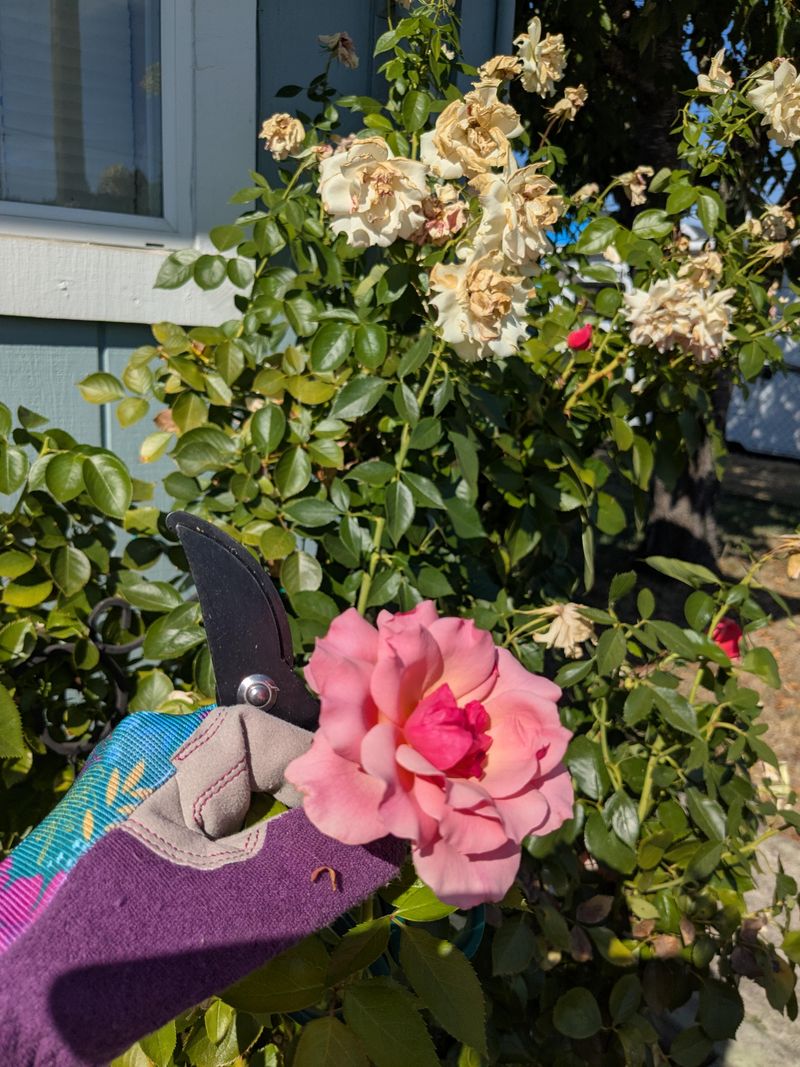
A faded rose bloom is not just an eyesore. It is a signal that the plant is about to shift its energy away from flowering and toward producing a rose hip, which is essentially a seed pod.
For repeat-blooming roses, that shift can slow or delay the next flush of flowers. Trimming spent blooms, commonly called deadheading, interrupts that process and helps redirect the plant’s energy toward new buds instead.
The key word here is trim, not prune hard. July is not the time to reshape or cut back the entire plant.
The goal is simply to remove faded flowers before they start forming hips. Using clean, sharp pruners makes the job easier and reduces the risk of tearing the stem.
Dull blades can crush tissue and invite problems.
OSU Extension and university rose-care guidance consistently support deadheading as a useful practice for repeat-blooming varieties. It does not guarantee flowers through September, but it can meaningfully help.
Weather, rose variety, watering, and soil health all play a role too. Make a habit of walking your garden every few days in July and trimming anything that looks faded.
That small effort adds up over the course of the season.
2. Cut Back To A Strong Leaf For Faster Reblooming
Knowing where to make the cut matters almost as much as making the cut at all. Simply snapping off the flower head at the neck is better than nothing.
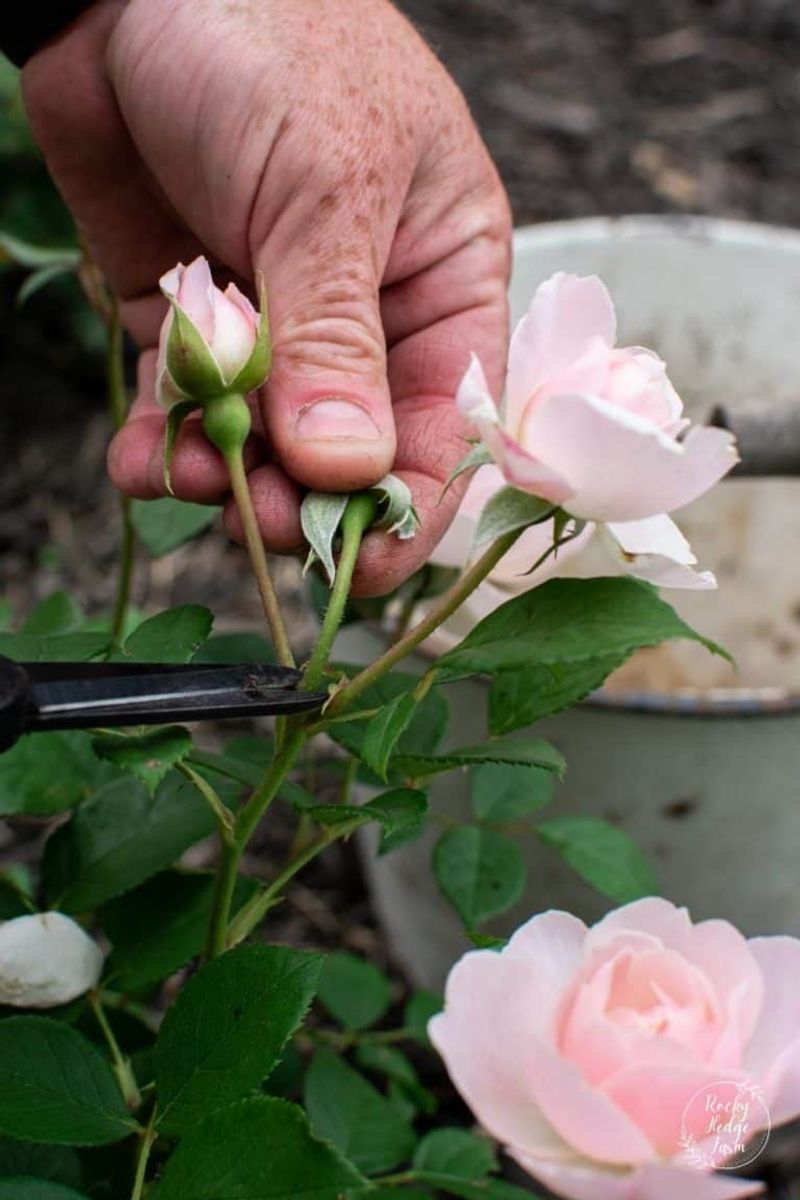
Cutting down to a healthy leaf set can help the plant send out a sturdier new stem with a better chance of producing a bloom.
Rose-care guidance from university extension sources generally suggests cutting to a leaf with five leaflets, ideally one that faces outward from the center of the plant.
That outward-facing direction encourages the new stem to grow away from the middle, which improves airflow and gives the plant a more open shape over time.
Avoid cutting to tiny, weak-looking stems that are unlikely to support new growth.
The cut itself should be clean and made at a slight angle if your source guidance supports it. The angle matters less than the cleanliness and sharpness of the tool.
Your Ohio Garden Changes Every Week. Your Plan Should Too.
Gardening in Ohio changes quickly throughout the season. Every Friday you’ll receive a simple weekly plan showing exactly what to plant, prune, fertilize, harvest, and protect so you never miss the right timing.
Ragged cuts from dull blades can stress the stem and create entry points for disease. For beginner gardeners, the main takeaway is simple.
Cut below the faded bloom to a point where the plant looks healthy and strong, and avoid removing more material than necessary.
3. Remove Faded Flowers Before Rose Hips Start Forming
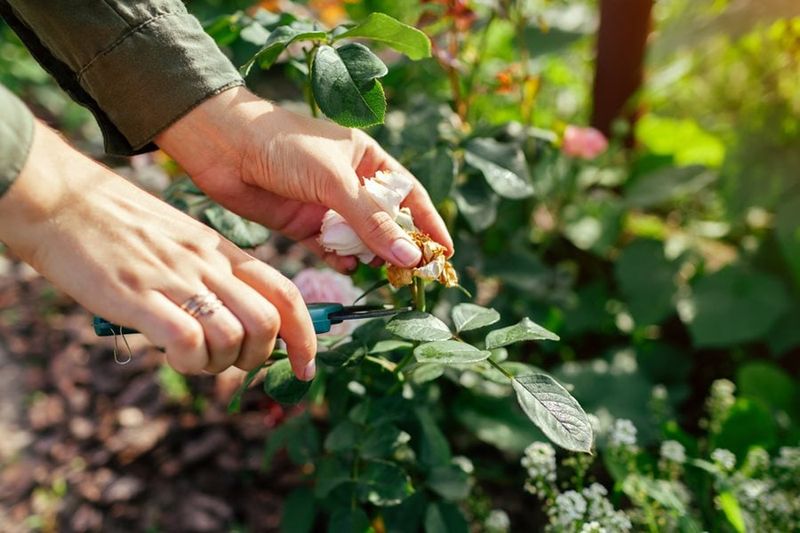
Timing is everything when it comes to getting the most from a repeat-blooming rose in summer. Once a spent flower begins swelling at the base and shifting toward hip formation, some repeat bloomers may slow their push toward the next flush.
Catching the bloom before that process starts is the sweet spot for trimming.
Rose hips are not bad. They are beautiful in fall, valuable to wildlife, and rich in vitamin C.
Some gardeners intentionally leave blooms to form hips in late summer as the season winds down. But during active bloom season in July, gardeners who want repeat flowers usually benefit from removing spent blooms before hips develop.
The goal determines the choice: flowers now or hips later.
Checking plants every few days in July is a practical habit, especially after a strong bloom cycle or a stretch of heavy rain. Blooms can fade quickly in heat, and a few days of inattention can mean the plant has already started its shift.
Extension guidance from university horticulture programs supports regular monitoring during the bloom season as a simple, effective strategy.
Keep a small basket or bag nearby when you walk the garden so removed blooms and petals do not sit on the soil below the plant.
4. Keep July Trimming Light Clean And Purposeful
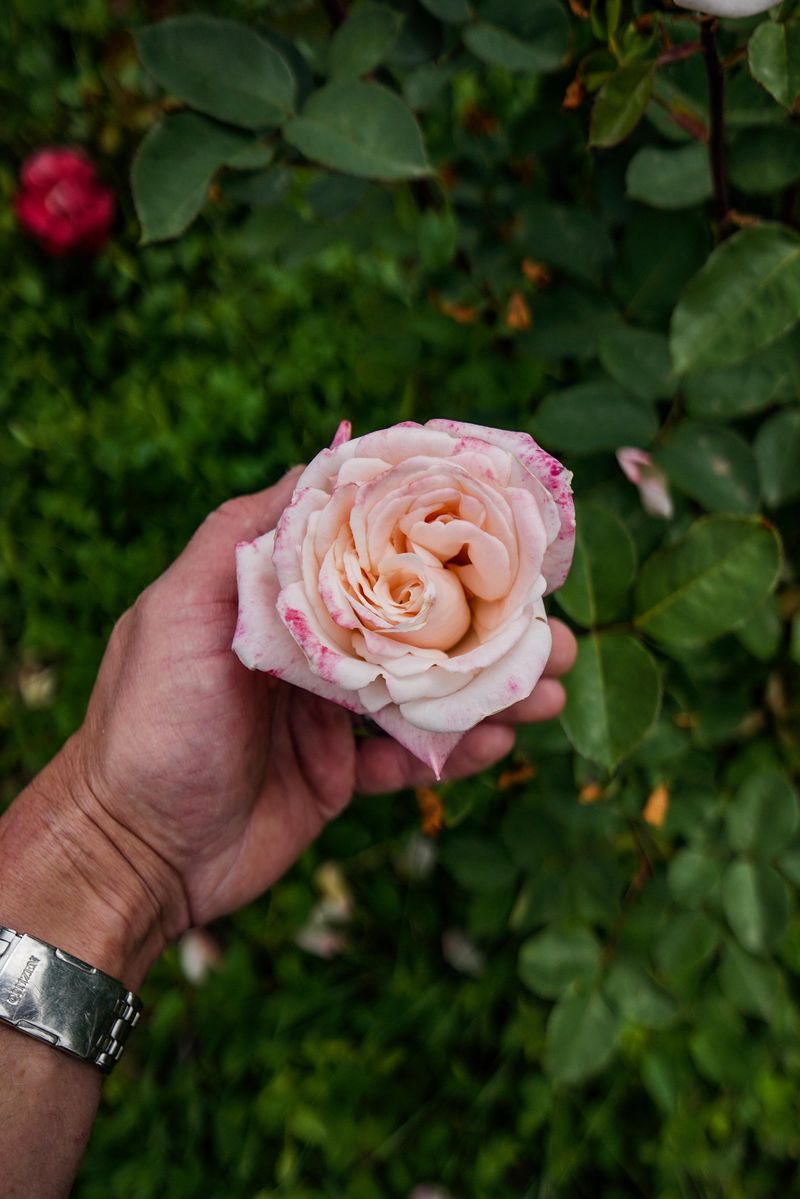
There is a big difference between trimming spent blooms and hard pruning the entire rose plant. July is not the time for major reshaping.
Cutting back large amounts of healthy cane in midsummer can stress the plant during already-challenging heat. It may also push out tender new growth that is vulnerable to both heat and disease.
Light, purposeful trimming means removing faded flowers, snipping off any withered or damaged tips, and addressing problem growth only when there is a clear reason to do so.
A diseased stem, a broken cane, or a branch rubbing against another one may need attention.
But healthy canes producing good foliage should be left alone. The plant needs that green material to feed itself through summer.
Clean tools are non-negotiable for this kind of work. Wiping pruner blades with a diluted bleach solution or rubbing alcohol between plants is a smart step, especially if you spot any disease.
University extension guidance supports tool sanitation as a way to reduce the spread of pathogens in the garden. Keep cuts purposeful, keep the plant’s structure intact, and resist the urge to over-trim just because the bush looks a little wild.
Steady, light attention through July beats one aggressive session by a wide margin.
5. Water Deeply So New Buds Do Not Stall
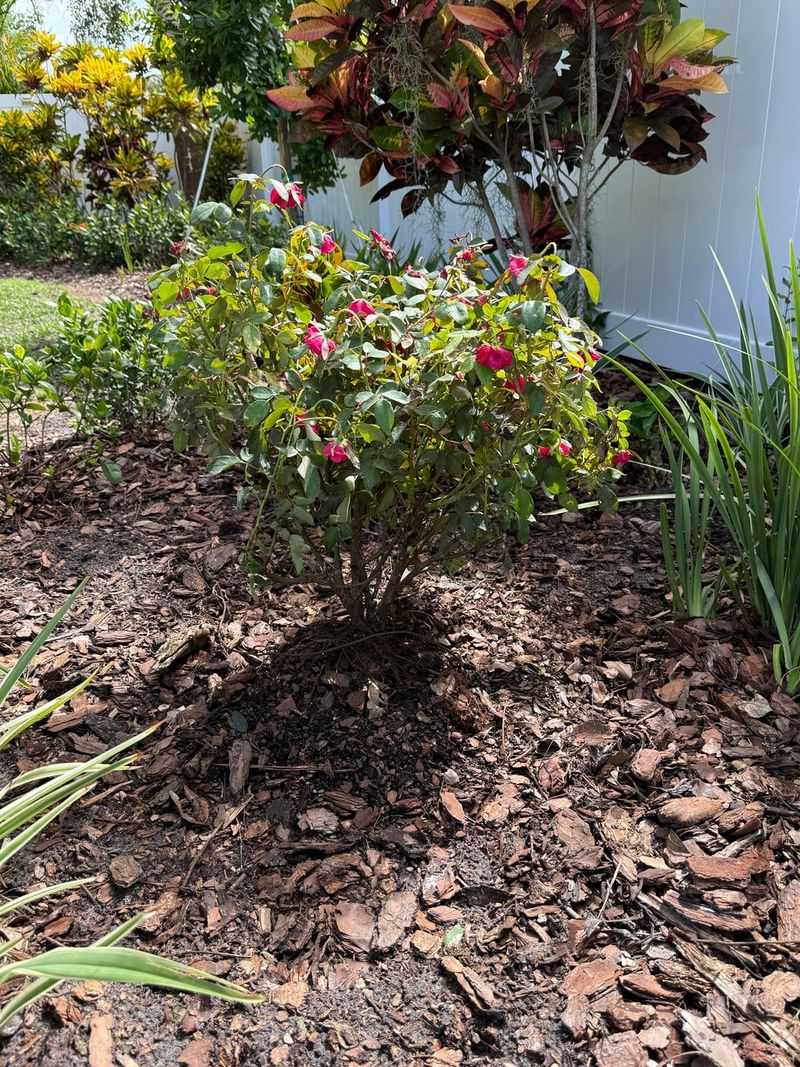
Trimming spent blooms can help point a repeat bloomer toward its next flush, but the plant still needs fuel to get there. Water is that fuel.
Roses pushing new buds in July can stall quickly when the soil dries out, especially during heat stretches that are common across Ohio in midsummer.
Deep, infrequent watering works better than frequent shallow sprinkles. Shallow watering encourages roots to stay near the surface, where they are more exposed to heat and drought stress.
Watering deeply, ideally at the base of the plant rather than overhead, helps roots grow deeper and find more stable moisture.
OSU Extension guidance supports watering roses at the base to reduce the amount of time foliage stays wet, which can contribute to disease pressure in humid conditions.
Mulching around the base of the plant is one of the most effective ways to keep soil moisture from evaporating too quickly. A two-to-three inch layer of organic mulch, kept a few inches away from the main cane, can make a meaningful difference during dry spells.
Watering earlier in the day is generally preferred so the plant has moisture available during the hottest hours. Trimming alone cannot carry a thirsty rose through a hot Ohio July.
6. Watch Black Spot While You Snip And Shape
Every time you walk the garden with pruners in hand, you have a chance to check the plant’s health.
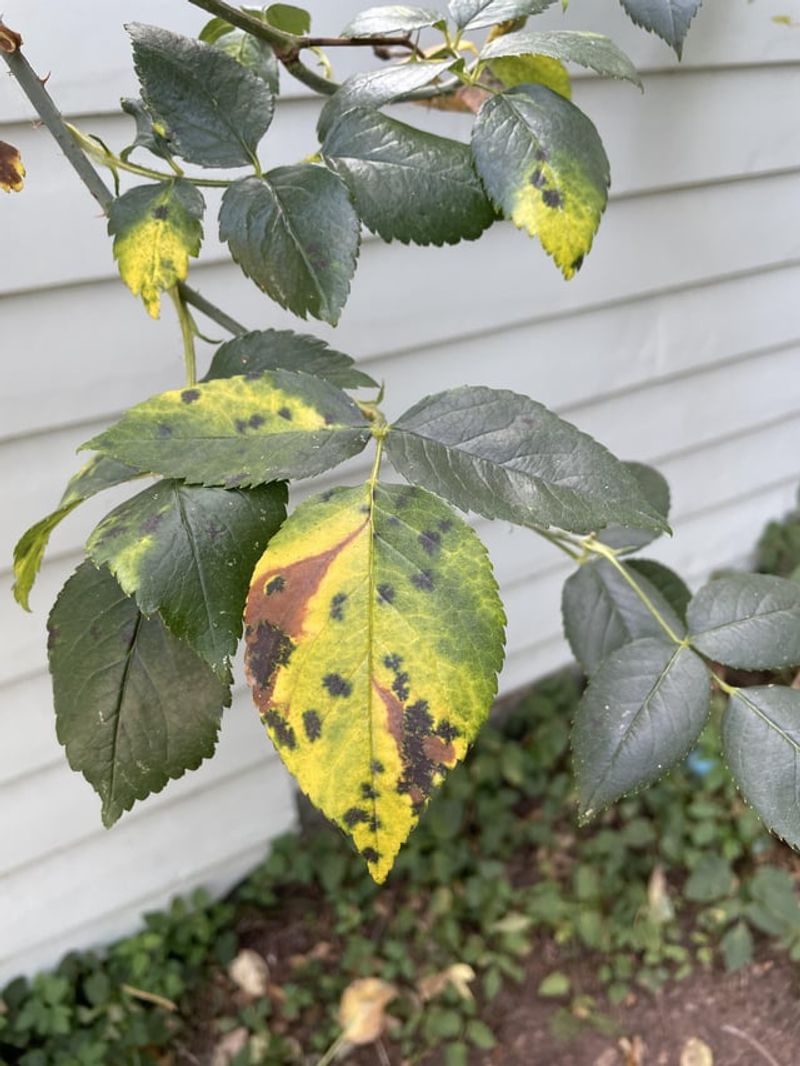
July’s humidity creates favorable conditions for fungal diseases, and black spot is one of the most common problems rose growers across this state deal with each summer.
It shows up as dark circular spots on leaves, often surrounded by yellowing tissue.
University extension sources, including OSU Extension, identify black spot as a significant rose disease in Ohio. Removing badly affected leaves from the plant and picking up fallen diseased leaves from the soil can help reduce the spread of spores.
Do not compost diseased material. Toss it in the trash instead.
Improving airflow by avoiding overcrowding and trimming dense interior growth when needed can also help the plant stay healthier through the season.
Avoiding overhead watering when possible is another practical step, since wet foliage in humid weather creates ideal conditions for fungal growth.
Sanitizing your pruner blades after cutting through diseased tissue is important to avoid spreading pathogens to healthy parts of the plant.
You do not need to turn trimming time into a full disease audit. A quick visual scan of the foliage while you work can catch problems early, when they are easier to manage.
7. Feed Carefully Without Pushing Tender Late Growth
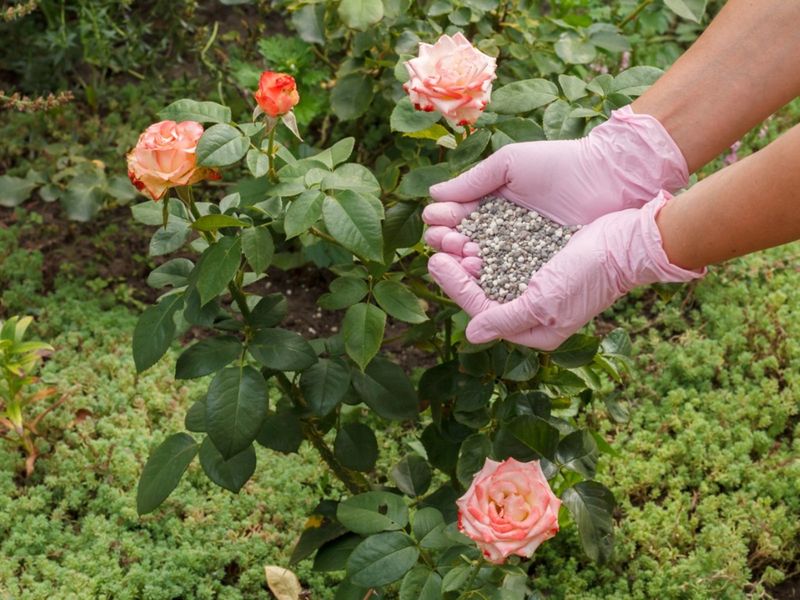
Fertilizer is not a substitute for trimming, watering, or disease management. It is one piece of a larger puzzle, and in July, it requires a careful hand.
Repeat-blooming roses do use nutrients to support new growth and flowering. Heavy feeding at the wrong time can push out soft, tender growth that struggles in heat or becomes a target for insects and disease.
University extension guidance and rose-care horticulture sources generally suggest following soil-test recommendations or product label directions. That is better than applying fertilizer on a guessing schedule.
If a soil test shows your garden has adequate nutrients, adding more fertilizer may do more harm than good. Hot weather can also affect how plants absorb and use nutrients, so timing matters.
A light, balanced feeding in early July, following label guidance, may support roses pushing toward their next bloom cycle. But this should complement your trimming and watering routine, not replace it.
Avoid heavy nitrogen applications that push excessive leafy growth at the expense of flowers. And avoid fertilizing a plant that is already stressed from drought or disease.
Fixing the stress first is the better move. The article’s main action remains trimming spent blooms, and fertilizer works best when the rest of the plant’s needs are already being met.
8. Stop Trimming Near September To Help Roses Rest
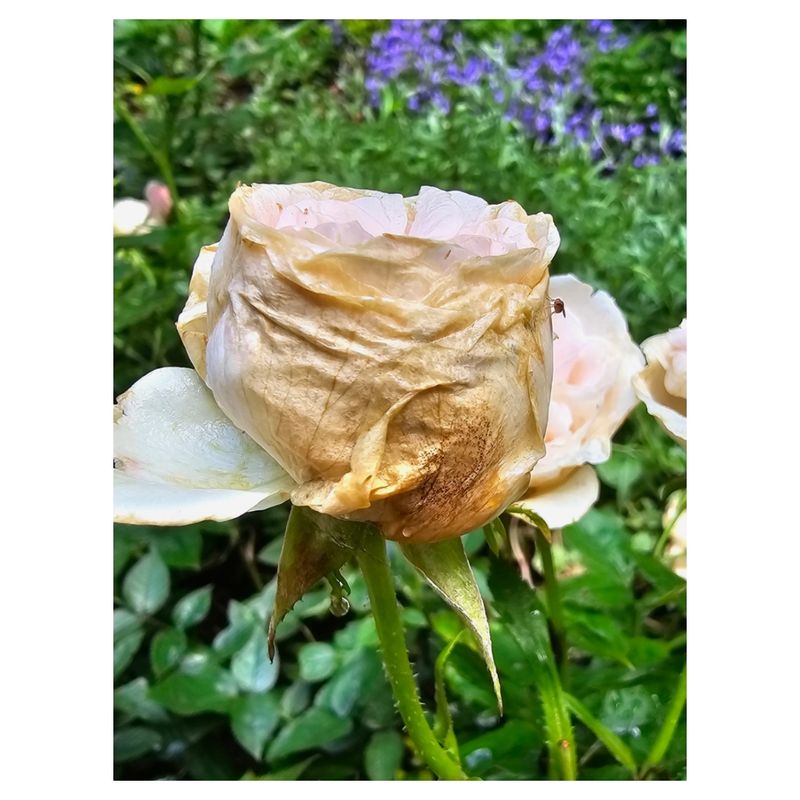
All good habits need an endpoint, and trimming spent blooms is no exception. As summer shifts toward fall, the goal changes.
Roses that have been repeat-blooming through July and August need to begin preparing for dormancy before cold weather arrives. Encouraging too much new growth too late in the season can leave tender stems vulnerable when temperatures drop.
OSU Extension and university horticulture guidance generally advise easing off hard trimming as late summer approaches. That usually means late August into early September, depending on your local conditions and rose type.
Allowing some spent blooms to remain signals the plant to slow its growth cycle and begin the natural process of hardening off for winter. In the northern regions of the state, this transition may need to happen a bit earlier than in southern areas.
Basic sanitation should continue. Picking up fallen leaves, removing obviously diseased material, and keeping the garden tidy are still worthwhile.
But the push-for-more-blooms mindset gives way to a support-the-plant mindset. The simple July habit of trimming faded flowers gives repeat-blooming roses their best opportunity to flower through summer.
It works best when done consistently and stopped at the right time. Knowing when to start, when to keep going, and when to stop is what separates good rose care from great rose care.