The Native Georgia Flowers That Practically Take Care Of Themselves
Some plants seem to reward every bit of attention they receive. Others quietly thrive without asking for much at all.
That is welcome news for gardeners who want a beautiful landscape but do not have endless hours to spend watering, pruning, and solving one problem after another.
Finding plants that can handle themselves makes gardening feel much more enjoyable.
Native flowers have a natural advantage because they are already adapted to local growing conditions. They know how to handle the weather, the soil, and the changing seasons without needing constant care.
That is one reason they continue growing in popularity with gardeners who want dependable color and less maintenance.
Georgia offers an impressive selection of native flowers that fit this description. Once they become established, many of them do most of the work on their own while keeping the garden colorful through the growing season.
1. Purple Coneflower Handles Heat With Ease
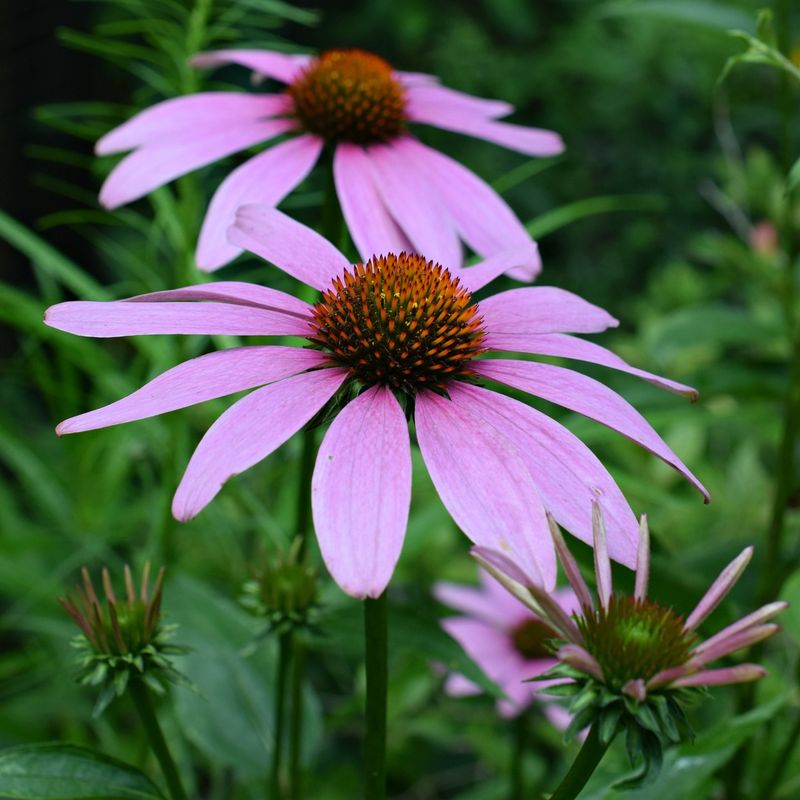
Few flowers look as bold and cheerful as purple coneflower standing tall in the middle of summer heat. Native across much of the eastern United States, it grows especially well in Georgia yards and meadows.
Once established, it rarely needs watering.
Echinacea purpurea, its scientific name, produces daisy-like blooms with raised orange centers. Bees absolutely love it.
Butterflies do too. Plant it in full sun and well-drained soil, and watch it perform all summer long without much help from you.
Skip fertilizing it. Too much fertilizer makes the stems flop over.
Lean soil actually encourages stronger, more upright growth. That is one of the quirks that makes this plant so easy to manage.
Deadheading is optional. If you leave the seed heads standing, goldfinches will visit all fall and winter to feed on them.
That is a free wildlife show right in your backyard.
Purple coneflower spreads slowly by seed and by root division. Clumps get bigger each year.
You can divide them every few years and share extras with neighbors. Hardy, reliable, and genuinely low-effort, this flower earns its spot in any low-maintenance garden.
You might even notice new seedlings popping up nearby if you leave a few seed heads in place.
Those volunteers are easy to move or share, making it simple to fill more of your garden without buying additional plants.
Year after year, purple coneflower keeps returning with very little attention, proving that dependable summer color does not have to come with high maintenance.
2. Black Eyed Susan Blooms For Weeks
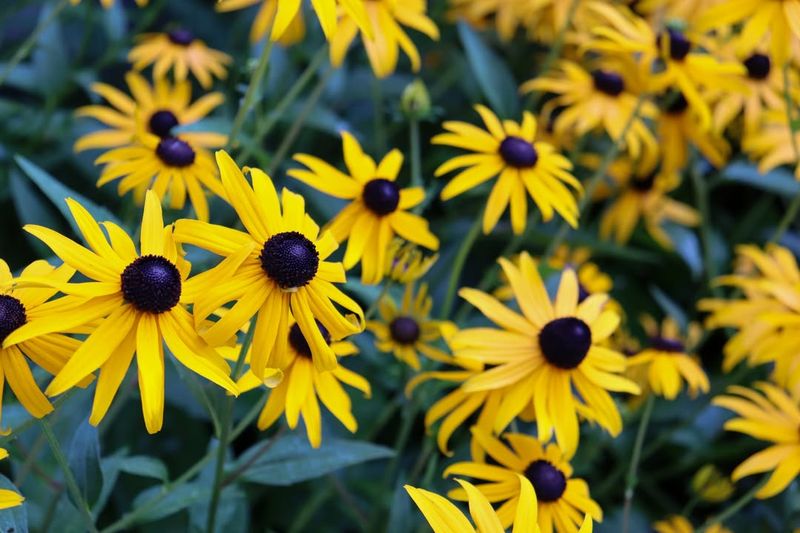
Bright yellow petals surrounding a dark chocolate-brown center make Black-Eyed Susan one of the most recognizable wildflowers in the region. It pops up in roadside ditches, open meadows, and home gardens alike.
Rudbeckia hirta is its proper name, and it earns every bit of its popularity.
Blooming from early summer through fall, this plant keeps going long after other flowers have faded. Weeks of color without deadheading, watering schedules, or special soil prep.
Just plant it in a sunny spot and step back.
Sandy or clay soil works fine. Average rainfall is usually enough once roots are established.
Your Georgia Garden Changes Every Week. Your Plan Should Too.
Gardening in Georgia changes quickly throughout the season. Every Friday you’ll receive a simple weekly plan showing exactly what to plant, prune, fertilize, harvest, and protect so you never miss the right timing.
Drought spells may slow blooming slightly, but the plant bounces back quickly once moisture returns.
Pollinators swarm these flowers. Native bees, honeybees, and several butterfly species all visit regularly.
Leaving the seed heads in place through winter also feeds sparrows and finches during cold months.
Black-Eyed Susan reseeds freely. Expect new plants to pop up each spring near the original clumps.
Thin them if the patch gets too crowded, or just let them naturalize into a wild, cheerful mass of yellow. Either approach works well.
For a plant that gives so much while asking for so little, it is hard to beat.
As the seasons pass, the clumps become even more impressive with very little effort on your part.
It is the kind of dependable native flower that keeps your garden colorful while supporting local wildlife year after year.
3. Butterfly Weed Thrives In Dry Soil
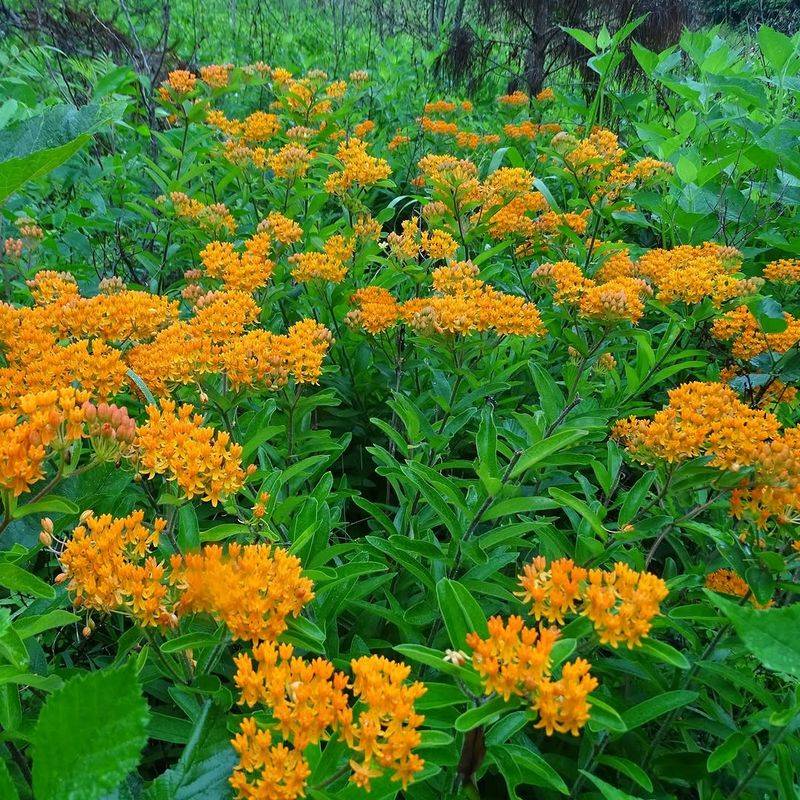
Sandy, dry, rocky soil that defeats most garden plants is exactly where butterfly weed feels most at home. Asclepias tuberosa is practically built for neglect.
Water it too much and you will actually cause problems. Leave it alone and it rewards you with stunning orange blooms every summer.
Monarch butterflies depend on milkweed species for reproduction. Butterfly weed is a native milkweed, making it one of the most ecologically important plants you can grow.
Planting it supports monarch populations that have declined significantly in recent decades.
Unlike common milkweed, this species does not spread aggressively by runners. It stays in a tidy clump.
That makes it much easier to manage in a typical garden bed without worrying about it taking over.
Roots go very deep. Transplanting established plants is difficult, so choose the planting location carefully from the start.
Once it settles in, it comes back reliably each spring, sometimes even stronger than the year before.
Full sun is non-negotiable. Partial shade reduces blooming significantly and weakens the plant over time.
Pair it with native grasses or other drought-tolerant wildflowers for a planting that looks intentional and needs almost zero upkeep. Few native flowers offer this level of beauty with this little effort.
Bright orange blooms also attract a wide variety of native bees and other pollinators throughout the summer.
Once established, butterfly weed can thrive for many years with little more than sunshine and well-drained soil.
4. Blue Mistflower Spreads Into Colorful Patches
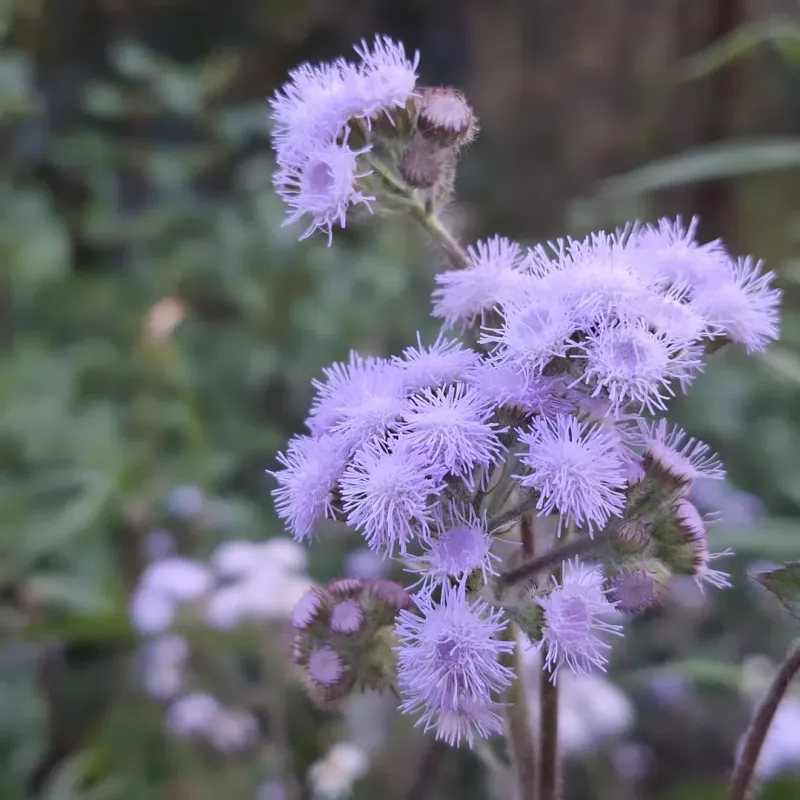
Late summer can feel like a floral desert in many yards, but blue mistflower refuses to quit when other plants are winding down. Conoclinium coelestinum bursts into clouds of blue-purple blooms right when the garden needs color most.
Its timing alone makes it worth growing.
Mistflower spreads by underground runners. Patches expand steadily each year, filling gaps in garden beds or naturalized areas.
In moist, partly shaded spots it can spread quickly, so plant it where spreading is welcome or where you can manage the edges.
Butterflies flock to it in fall. Skippers, monarchs, and painted ladies all use it as a late-season nectar source before colder weather arrives.
Few native plants provide as much wildlife value during that late-season window.
Average soil suits it just fine. Dry shade is harder for this plant, but moist or average garden soil keeps it thriving.
It handles both sun and part shade without major complaints.
Cutting it back in spring before new growth emerges keeps patches tidy and encourages fresh, compact growth. Without occasional trimming, it can get leggy.
Still, even untrimmed patches bloom reliably. Blue mistflower is a dependable workhorse for fall color across the Southeast, and it multiplies into beautiful sweeps of color with almost no help from the gardener.
5. Coreopsis Keeps Blooming With Little Care
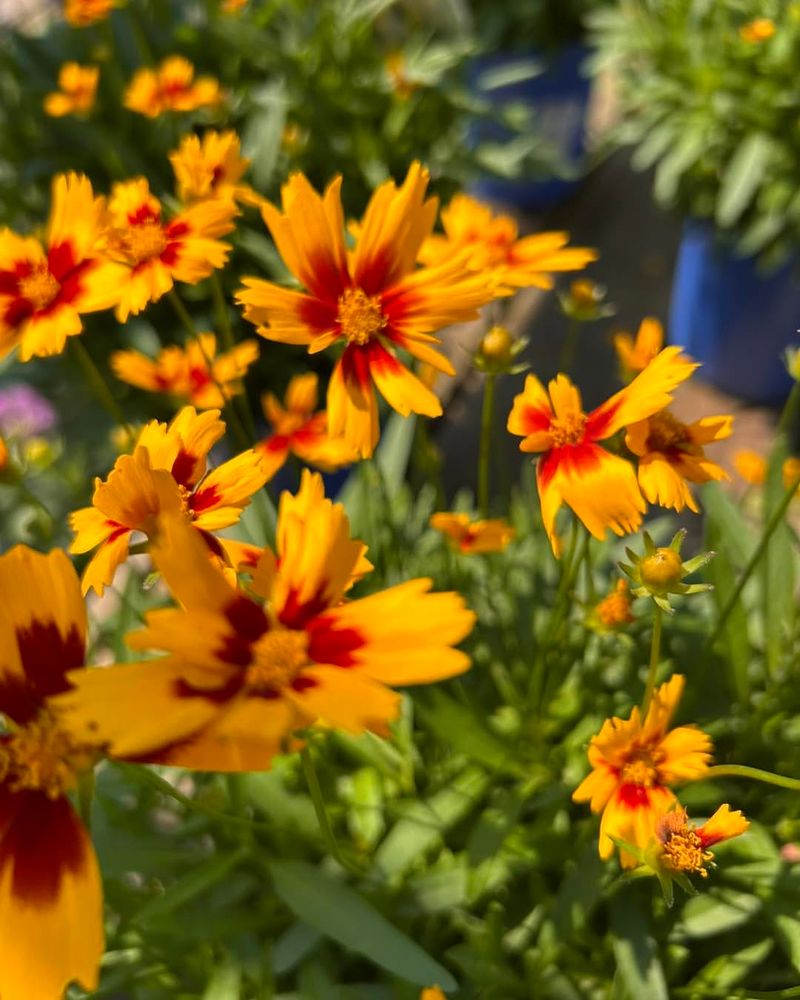
Georgia even named coreopsis its official state wildflower, and for good reason. Golden yellow blooms cover this plant from late spring through summer.
Cut it back lightly after the first big flush and it comes back swinging with a second round of flowers.
Several native coreopsis species grow well across the Southeast. Coreopsis lanceolata and Coreopsis tinctoria are both excellent choices for home gardens.
Both handle heat, humidity, and occasional drought without losing their charm.
Full sun is where coreopsis shines brightest. Shade causes stretched, weak stems and fewer blooms.
Plant it along borders, in meadow plantings, or in containers for reliable color through the hottest months of the year.
Soil drainage matters more than soil richness. Soggy roots cause real problems.
Sandy or loamy, well-drained soil keeps plants healthy and blooming strong season after season.
Reseeding is one of coreopsis’s best habits. Plants scatter seeds generously, and new seedlings fill in bare spots naturally.
Over time, a single plant can become a cheerful colony without you doing much at all. Thin seedlings if the patch gets dense, or let them naturalize freely.
Either way, the result is a low-effort blanket of yellow that looks like a lot more work than it actually is.
Pollinators visit the blooms throughout the season, adding even more life and movement to your garden.
With so little maintenance required, coreopsis is an easy choice if you want dependable summer color year after year.
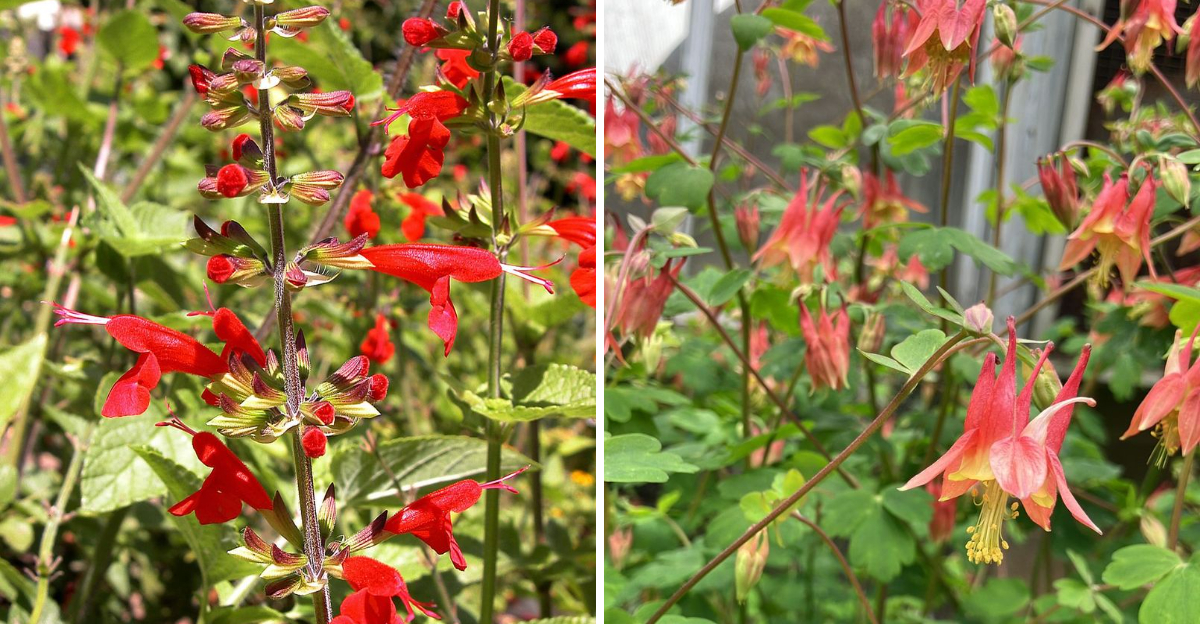
6. Scarlet Sage Attracts Hummingbirds And Pollinators
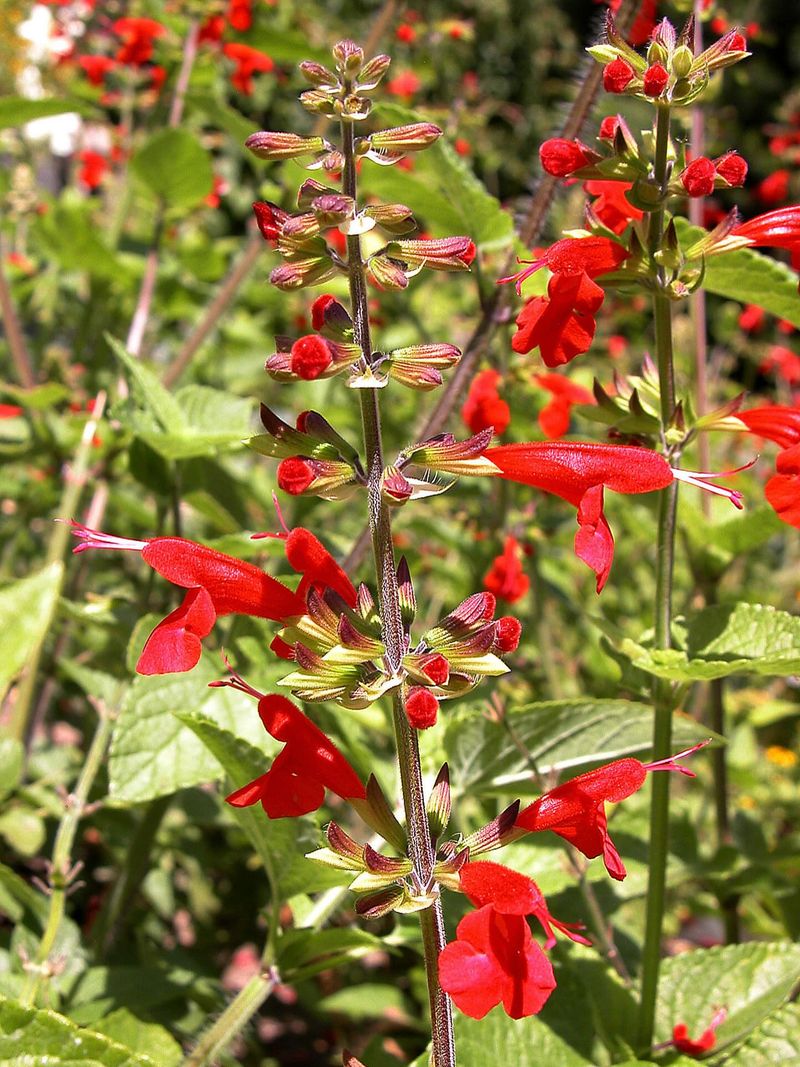
Ruby-throated hummingbirds cannot resist scarlet sage. Plant it near a window and you will have a front-row seat to one of the most entertaining wildlife shows a garden can offer.
Salvia coccinea produces tall spikes of fire-red blooms that hummingbirds visit repeatedly throughout the day.
Native to the Southeast, this salvia reseeds so freely that many gardeners treat it as a reliable self-sustaining annual. Even if individual plants fade by late fall, seedlings appear the following spring without any help.
Some years it feels almost perennial in warmer parts of the region.
Bees and butterflies are regular visitors too. The tubular flowers provide nectar that many short-tongued insects cannot access, but long-tongued bumblebees manage just fine.
Ecological value stacks up quickly with this plant.
Full sun to light shade works well. Average to dry soil suits it better than rich, moist conditions.
Overly fertile soil produces lush foliage but fewer blooms, which is the opposite of what most gardeners want.
Spacing plants about twelve to eighteen inches apart allows good airflow, which reduces any fungal issues during humid summers. Water new transplants until established, then step back.
Once rooted in, scarlet sage handles Southern summers with confidence. Its low demands and high visual payoff make it an easy recommendation for any pollinator-friendly garden.
7. Blazing Star Tolerates Summer Heat Well
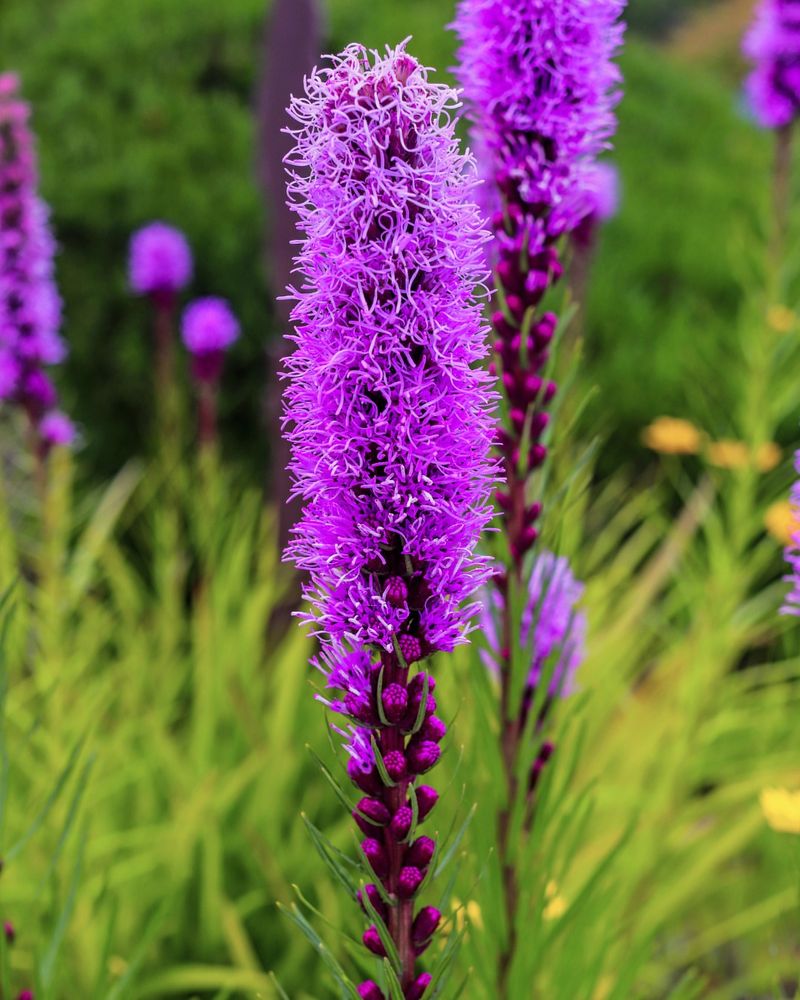
Blazing star opens its purple flower spikes from the top down, which is the opposite of most flowering plants. That quirky trait makes it stand out immediately in any garden.
Liatris spicata is the most common species, and it grows naturally across much of the Southeast including Georgia.
Summer heat does not slow this plant down. Extended dry stretches might reduce bloom size slightly, but established plants push through with minimal fuss.
They grow from corms, which are underground storage structures that hold moisture and energy reserves.
Monarchs and swallowtails visit blazing star heavily during bloom season. Hummingbirds stop by as well.
After blooming, the seed heads attract goldfinches and other small birds through fall and into winter.
Plant it in full sun with well-drained soil. Wet soil during winter dormancy is the main thing to avoid.
Raised beds or sloped ground naturally solves that issue for most home gardeners.
Clumps expand slowly over time. Dividing them every three or four years keeps plants vigorous and gives you extra divisions to spread around the yard.
Blazing star pairs beautifully with black-eyed susan and coneflower for a classic native meadow look. Maintenance mostly means cutting old stalks down in late winter before new growth emerges.
That is genuinely all it asks for.
8. Eastern Columbine Returns Year After Year
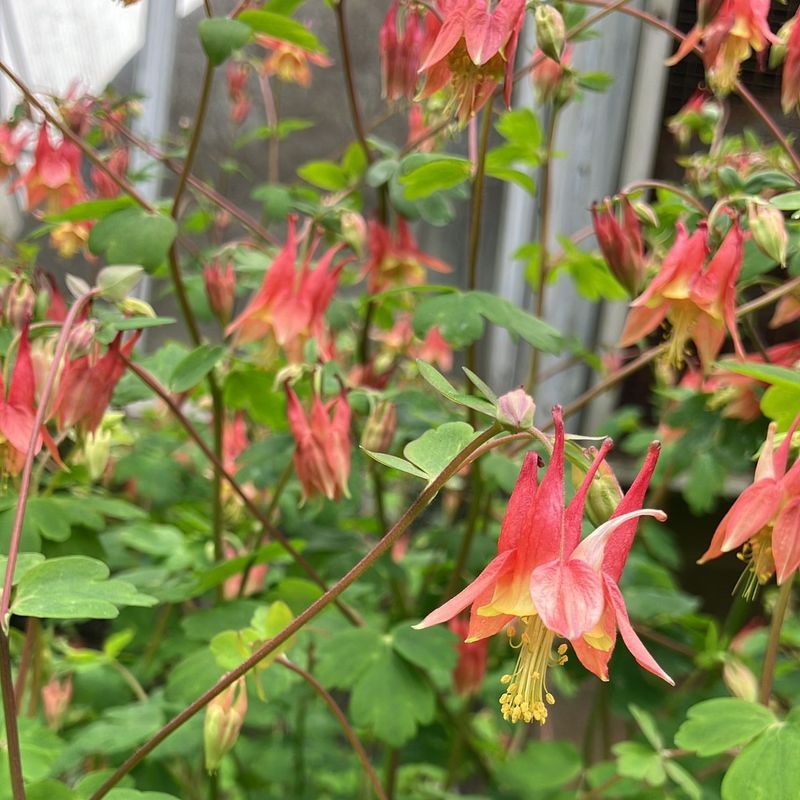
Hummingbirds arrive early in spring, and eastern columbine is ready for them. Aquilegia canadensis produces nodding red and yellow blooms right when ruby-throats are passing through on their northward migration.
The timing between plant and bird is almost perfectly matched.
Woodland edges and partly shaded spots suit this plant well. Unlike most native wildflowers that want full sun, eastern columbine actually prefers dappled light and is one of the better options for shadier garden spots.
Soil does not need to be rich. Rocky, lean, or average soil suits it fine.
Good drainage matters most. In heavy clay that stays wet, roots can struggle, so amend planting areas or choose naturally well-drained spots.
Plants bloom in spring and then go partially dormant as summer heat builds. That is completely normal behavior.
Other plants filling in around them help cover the gap left by fading foliage.
Eastern columbine reseeds generously. Seedlings pop up in nearby spots, especially in cracks between stones or at the base of shrubs.
Over time, a small planting can naturalize into a loose, charming colony that requires almost nothing from you. Established plants return reliably each spring from the same root crown.
For a shaded garden area that needs early-season color and wildlife value, eastern columbine is one of the easiest choices available.