What Georgia Gardeners Should Do With Raspberries After The Summer Harvest
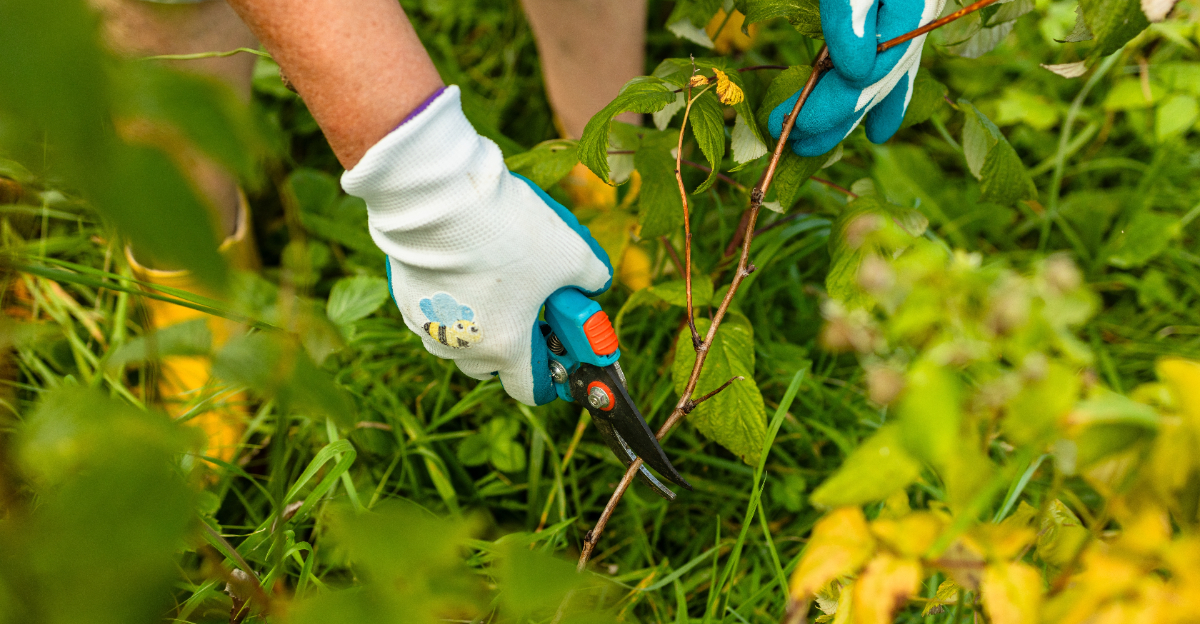
Finishing the last bowl of summer raspberries does not mean your plants are finished for the year. What you do next can shape how well they perform when another growing season arrives.
Those canes have already spent months putting energy into leaves, fruit, and growth. Now they need the right kind of attention rather than being forgotten behind the garden.
Georgia’s long growing season can make this transition especially important. Your raspberry patch may still look busy even though the main harvest has ended.
Resist the urge to treat every cane exactly the same. Different growth can play very different roles in what happens next.
Some simple choices now can help your patch stay manageable and productive.
Before reaching for your pruners, learn what your raspberries actually need after harvest.
1. Remove Canes That Finished Producing Fruit
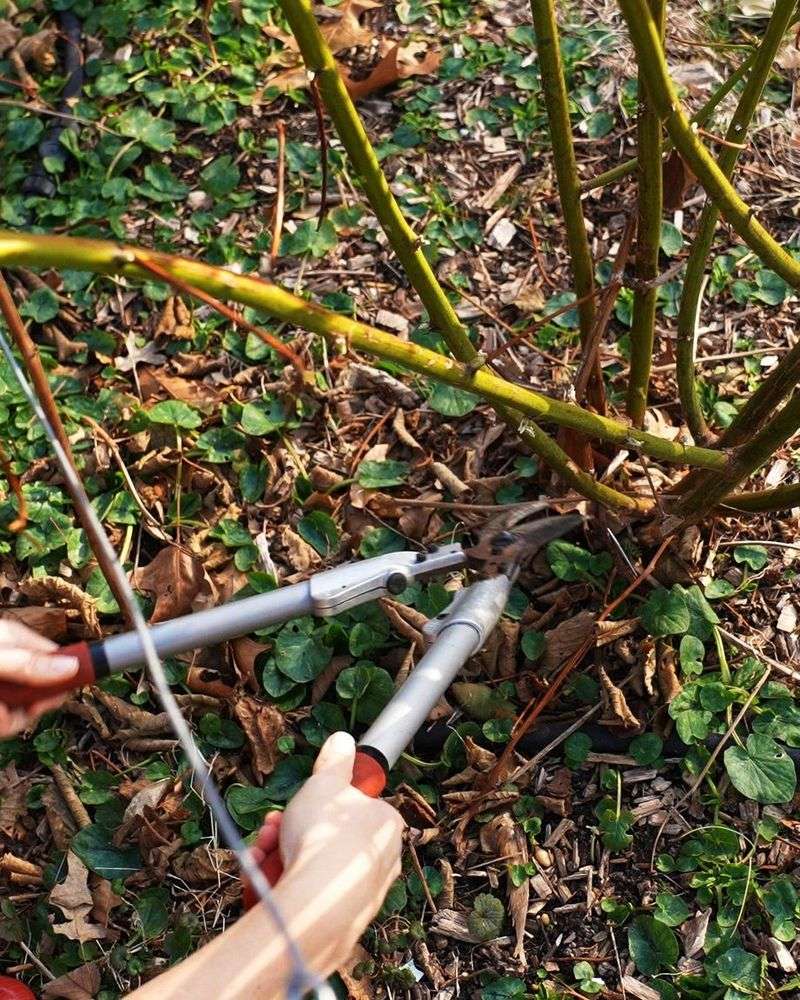
Old canes do not fruit twice. Once a floricane finishes producing, its job is done, and leaving it standing only creates problems for the rest of the patch.
Spent canes tend to become entry points for fungal issues and insects. Cutting them out at ground level removes that risk before it spreads to your healthy growth.
Use clean, sharp pruning shears. A clean cut heals faster and reduces stress on nearby canes.
Dull blades can crush the stem rather than cut it cleanly.
Work your way through the patch row by row. Pull the cut canes out rather than letting them fall in place.
Leaving old plant material on the soil can invite problems later.
Bag the spent canes or move them away from the garden area. Composting is possible if the material shows no signs of disease, but when in doubt, discard them instead.
Floricanes are typically darker, woodier, and more brittle than new growth. Once you can tell the difference, moving through the patch becomes much faster and easier.
Removing spent canes also opens up the row, letting light and air reach the young canes that will carry next year’s fruit. It is a small task with a noticeable payoff.
You will also have a much clearer view of the crown, making it easier to spot weak or damaged growth that may need attention.
2. Leave Healthy New Canes For Next Year
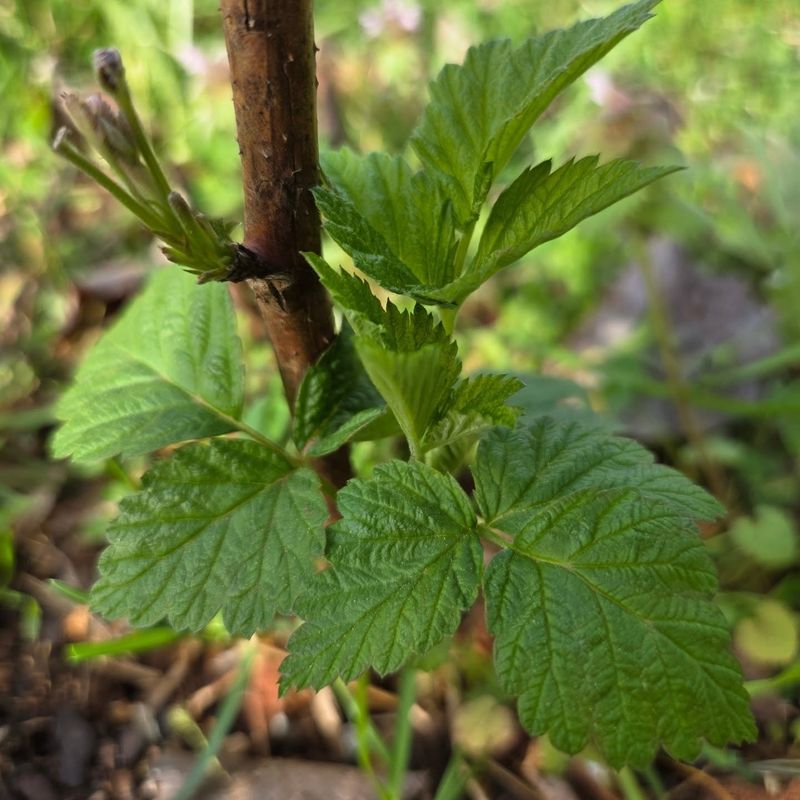
Not every cane in the patch should come out. Green, upright primocanes are the ones that will produce fruit next season, so protecting them matters a lot.
New canes are usually lighter green, more flexible, and smoother than older wood. Once you spot them, flag or mark a few if needed so you do not accidentally cut them during cleanup.
Aim to keep around four to six strong canes per plant, depending on spacing and variety. Keeping too many leads to crowding, which reduces airflow and can make disease pressure worse.
Select canes that stand upright without leaning heavily. Canes that are spindly or growing at odd angles may not support a full crop next summer.
Choosing the strongest ones now pays off later.
Tie retained canes loosely to a trellis or support wire. This keeps them from flopping over during fall storms or heavy rain, which is common across many parts of the Southeast.
Your Georgia Garden Changes Every Week. Your Plan Should Too.
Gardening in Georgia changes quickly throughout the season. Every Friday you’ll receive a simple weekly plan showing exactly what to plant, prune, fertilize, harvest, and protect so you never miss the right timing.
Avoid tying too tightly. Canes need a little room to swell slightly as they mature through fall and winter.
Overly tight ties can damage the bark over time.
Taking a few minutes to sort through new versus old growth makes the whole process more intentional. Healthy canes left in good shape now will reward you with a solid harvest next summer.
3. Keep New Canes From Spreading Too Far
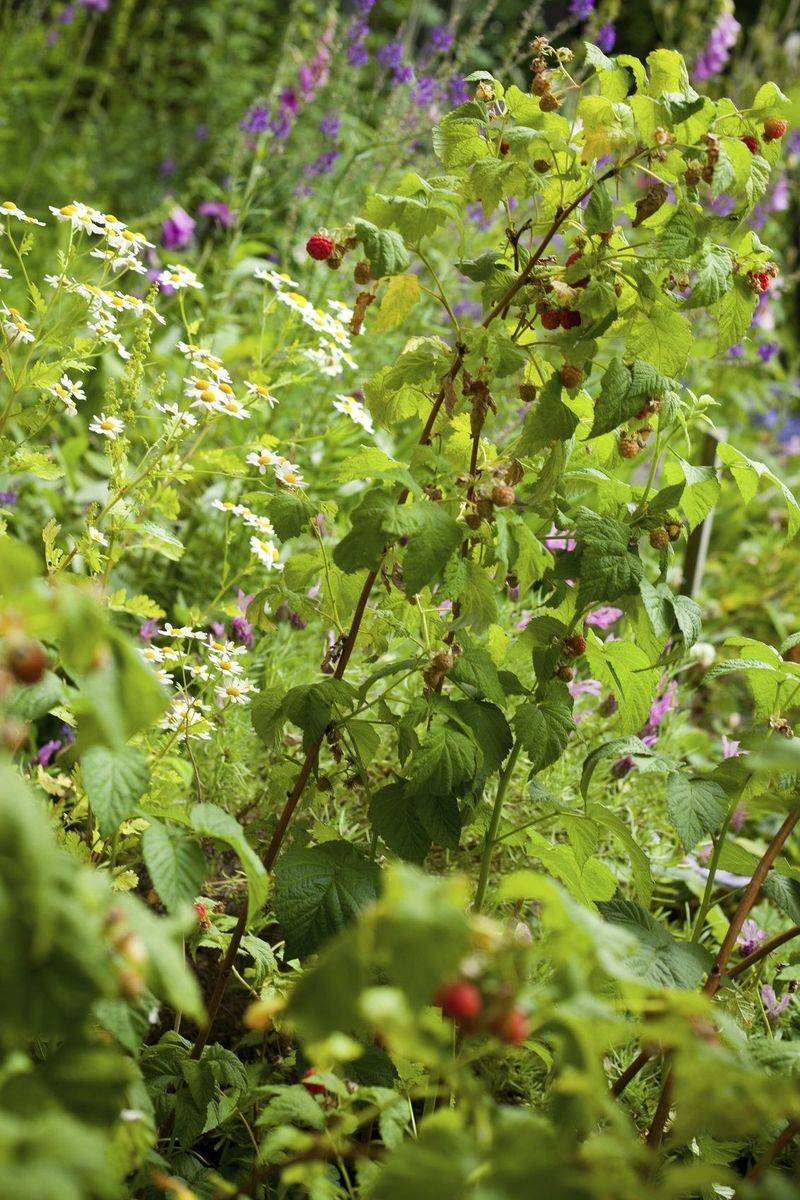
Raspberries spread. That is simply what they do, and without some management, a tidy row can turn into a wide, tangled mess within a season or two.
Suckers grow from the roots and pop up well outside the original planting row. Left unchecked, they compete with established canes for nutrients and water.
Removing them early is much easier than digging out an overgrown patch later.
Use a sharp spade to cut suckers off at soil level. Pulling them by hand often leaves root fragments behind, which just sprout again.
A clean cut with a tool is more effective.
Keeping the row width to around 12 to 18 inches helps maintain good airflow and makes harvesting easier next season. Wider rows tend to stay wetter longer, which can encourage fungal problems in humid climates.
Check around the edges of your patch every few weeks during late summer and early fall. Suckers can appear quickly, especially after rain when soil conditions favor rapid root growth.
Some gardeners install a root barrier along the edges of the row to slow lateral spreading. It is not a perfect solution, but it can reduce how often you need to manage new sucker growth.
Staying on top of spreading takes less effort when you catch it early. A small amount of regular attention prevents a much bigger job down the road.
4. Remove Diseased Canes From The Raspberry Patch
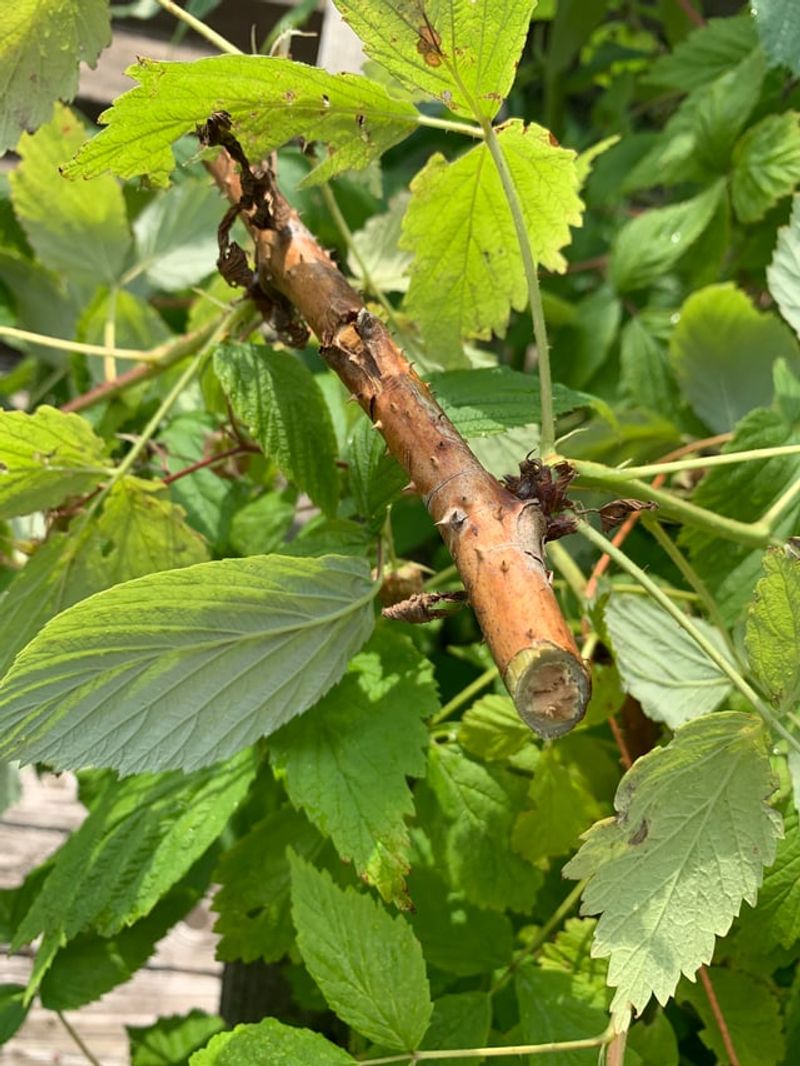
Spotted, streaked, or sunken lesions on canes are a warning sign. Leaving diseased material in the patch gives problems a head start on next year’s crop.
Common cane diseases in humid regions include cane blight and spur blight. Both can cause significant damage if left unmanaged.
Identifying them early makes removal more effective.
Look for dark purplish or brown discoloration on the cane bark. Lesions that circle the cane are especially concerning since they can cut off water and nutrient flow to everything above.
Cut affected canes well below the visible damage. Cutting right at the lesion edge is not enough because the problem often extends further than it looks on the surface.
Clean your pruning tools between cuts. Wiping the blades with a disinfecting solution helps reduce the chance of spreading pathogens from one cane to another as you work.
Do not compost diseased canes. Bag them and put them in the trash or burn them if local ordinances allow.
Composting diseased plant material can allow pathogens to survive and return to your soil.
After cleanup, inspect the remaining canes one more time. A second pass often reveals spots missed during the first round.
Taking time now protects the investment you made in building a productive raspberry patch.
Keep an eye on the patch during the following weeks, since symptoms that were difficult to notice during cleanup may become easier to recognize later.
5. Clear Weeds To Improve Air Circulation
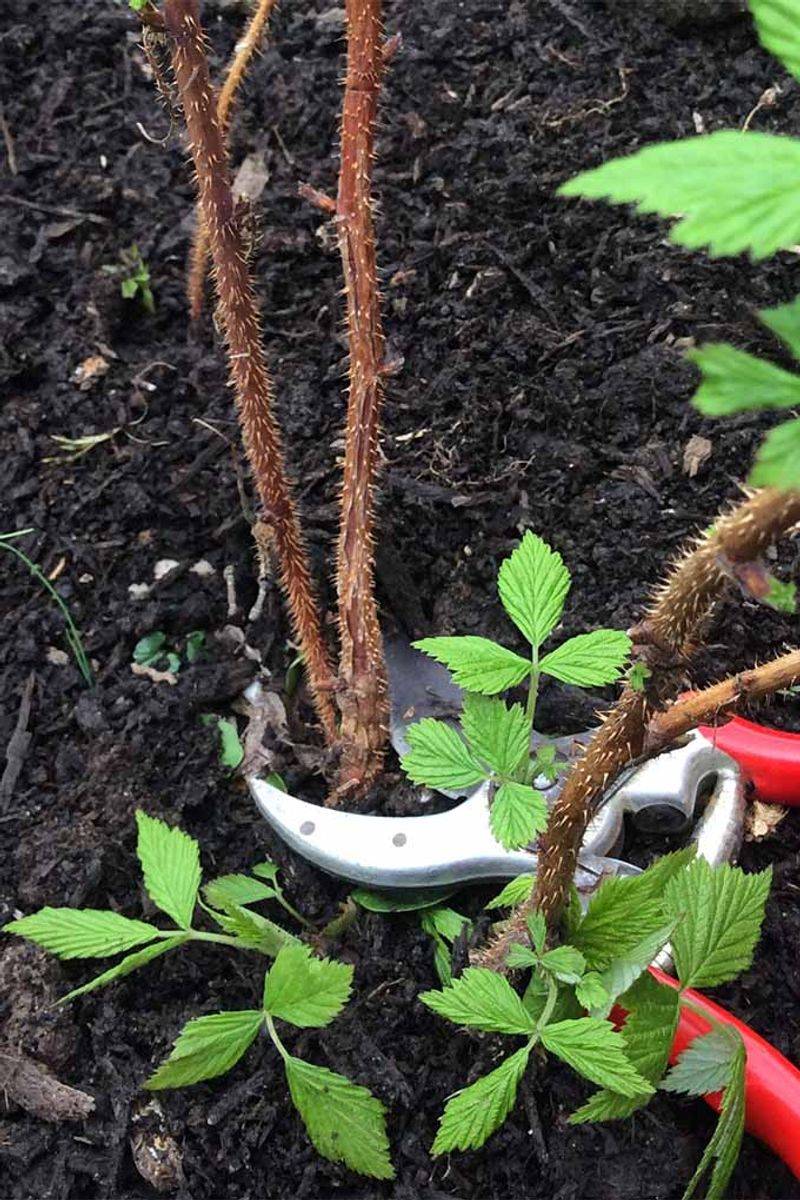
Weeds after harvest are easy to ignore, but letting them build up creates real trouble. Dense weed growth holds moisture against canes and cuts off the airflow the patch needs to stay healthy.
Hand-pulling is often the safest method near raspberry roots. Hoes and cultivating tools work well between rows, but working too close to the base of canes risks damaging shallow feeder roots.
Focus on clearing weeds that have gone to seed. Pulling them before seeds drop helps reduce how many weeds you will face next spring.
Even a partial effort now makes a noticeable difference.
Grasses that creep in from the edges are particularly stubborn. They spread through underground runners and can be hard to remove once established.
Getting them out while the patch is open and accessible is the best approach.
After weeding, rake the area lightly to loosen the soil surface and remove any debris that has built up around the canes. A cleaner patch is easier to assess and manage going forward.
Good airflow between canes reduces the chance of fungal problems taking hold during Georgia’s warm, humid fall weather. Crowded, weedy patches tend to stay wet longer after rain.
Spending an hour or two on weed control after harvest is one of those tasks that pays back more than it costs. A clean patch is a healthier patch going into the cooler months.
6. Water The Plants During Dry Weather
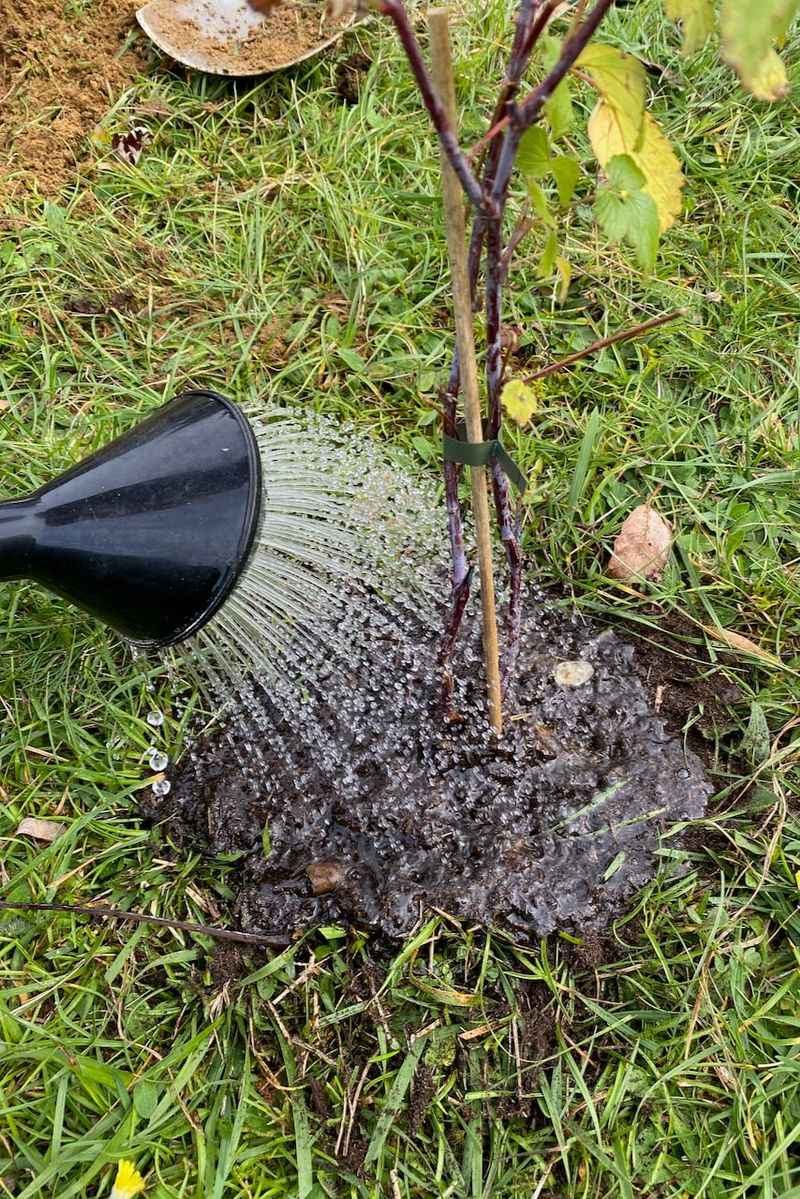
Harvest season ending does not mean the plants stop needing water. Raspberry roots stay active well into fall, and dry spells after summer can stress canes that are still developing.
Georgia summers and early falls can bring stretches of low rainfall. When rain is scarce for more than a week or two, supplemental watering helps the plant recover from the demands of fruiting season.
Water deeply but not too often. Shallow, frequent watering encourages surface roots that are more vulnerable to heat and drought.
Deeper watering pushes roots further down where moisture stays more stable.
Drip irrigation is a solid option for raspberry rows. It delivers water directly to the root zone and keeps foliage dry, which reduces the chance of moisture-related leaf and cane issues.
Morning watering is generally better than evening. Moisture that sits on plants overnight in warm weather can create conditions where fungal problems are more likely to develop.
Check soil moisture before watering. Push a finger a few inches into the soil near the base of a cane.
If the soil feels dry at that depth, the plants likely need water.
Avoid overwatering just as much as underwatering. Soggy soil can cause root problems that are harder to fix than drought stress.
Consistent, moderate moisture is the goal through the fall months.
Steady moisture also helps the plants prepare for cooler weather, supporting stronger growth before they enter winter dormancy.
7. Keep Mulch Around The Raspberry Plants
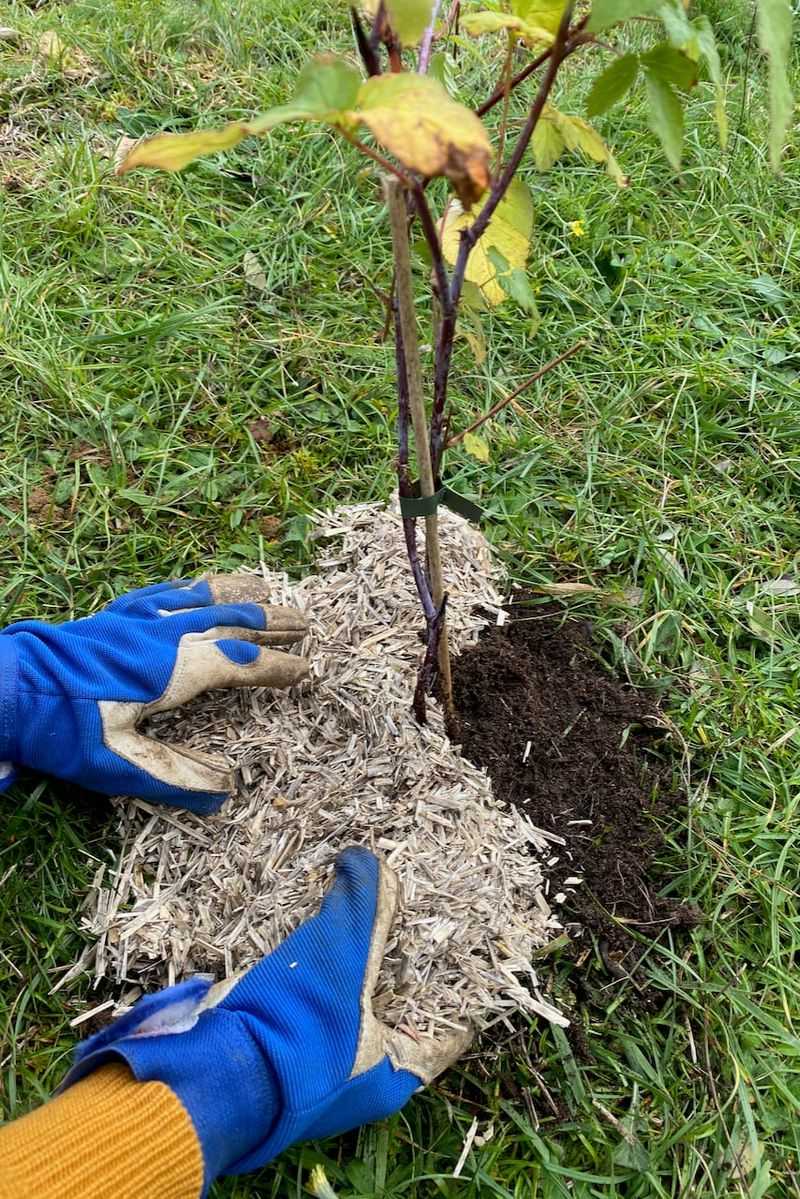
Mulch does a lot of quiet work in the raspberry patch. It holds soil moisture, moderates temperature swings, and slows weed growth all at the same time.
After the summer harvest, check how much mulch is still in place. It breaks down over the season and may need to be refreshed.
A layer of two to three inches is generally adequate for most conditions.
Wood chips, straw, and pine needles all work reasonably well as mulch options. Each has its own pros and cons depending on what is available locally and what your soil needs.
Keep mulch pulled back slightly from the base of each cane. Mulch packed against the cane can hold excess moisture against the bark, which sometimes leads to rot or disease problems at the crown.
Fresh mulch also helps protect roots during temperature drops in late fall and winter. In northern Georgia, temperatures can dip low enough to stress roots that are exposed without adequate coverage.
Avoid using grass clippings that have been treated with herbicides. Those chemicals can carry over into the soil and potentially affect plant health over time.
Refreshing the mulch layer after harvest is a straightforward task that takes less than an hour in most home gardens. The benefits it provides through fall and into the next growing season make it well worth the effort.
8. Save Major Pruning For The Right Season
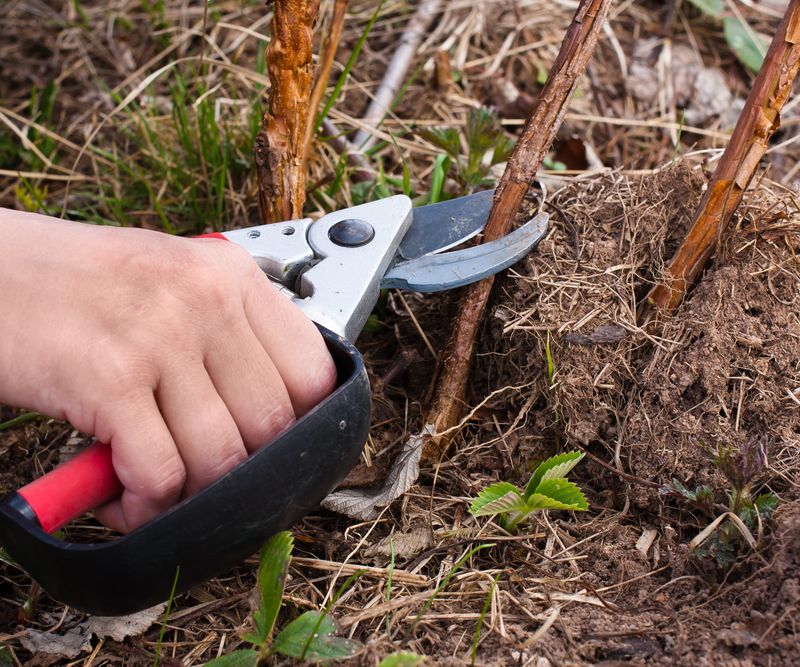
Post-harvest cleanup and full pruning are two different things. Removing spent canes now is necessary, but heavy shaping and thinning are better saved for late winter before new growth starts.
Pruning too aggressively in late summer or early fall can stimulate new tender growth. That soft new growth is vulnerable to cold damage if temperatures drop before it has time to harden off.
Waiting until late winter, around February or early March in most parts of Georgia, gives you a much clearer picture of which canes made it through the cold months in good shape.
Canes that look marginal in fall may surprise you by late winter. Some bounce back better than expected after a period of dormancy.
Pruning too early means potentially removing canes that would have produced well.
Use the fall and winter period to assess your trellis system. Check that wires are tight, posts are stable, and ties are in good condition.
Repairs are much easier to make before the growing season picks back up.
Planning ahead during the off-season also gives you time to think about variety selection, row spacing, and whether the current setup is working well for your specific garden conditions.
Patience with timing is part of good raspberry management. Doing the right task at the right time tends to produce better results than rushing through the calendar without a clear plan.