Spent Blooms Worth Removing In Your Georgia Garden Before Summer Peaks
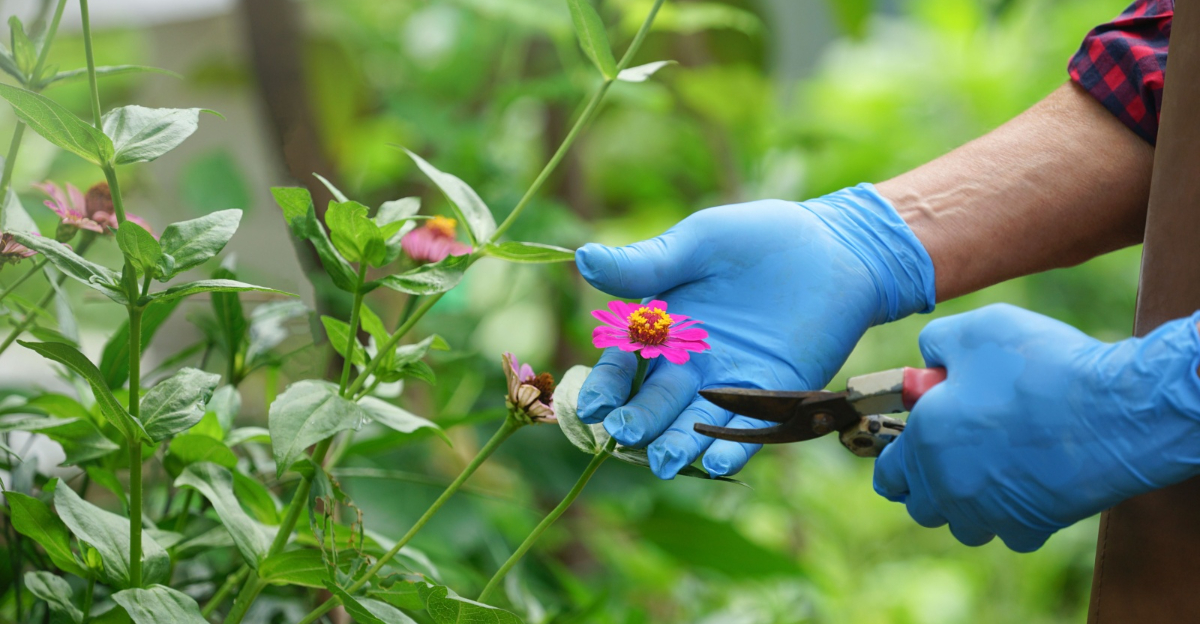
There’s a certain point in late spring when a Georgia garden starts looking like it needs a little reset. The bold early blooms are fading, spent flower heads are piling up, and the beds that looked so good a few weeks ago are starting to feel a bit tired.
That’s actually a really good sign that it’s time to deadhead, and if you haven’t tried it before, it’s about as simple as gardening gets.
Removing those finished blooms can nudge certain plants into producing a fresh round of flowers, while giving others a cleaner, more polished look that carries the garden through summer.
Knowing which plants respond with more color and which ones just need a light cleanup makes the whole process faster and a lot more satisfying.
1. Coreopsis Keeps Color Going With Deadheading
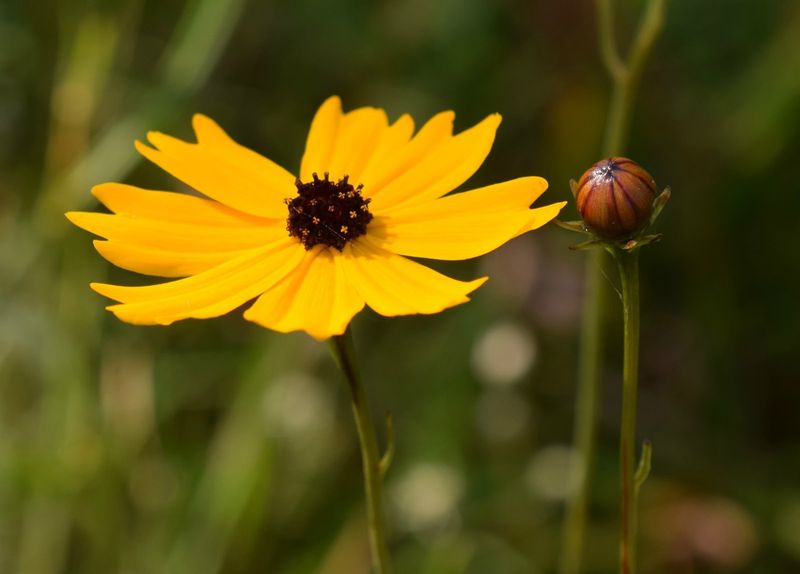
Sunny yellow coreopsis is one of those flowers that practically lights up a Georgia border from late spring into summer. When the first flush of blooms begins to fade, the spent flower heads turn dry and brown, giving the plant a slightly ragged appearance.
Pinching or snipping those tired blooms off regularly can encourage the plant to redirect its energy toward producing new flower buds rather than setting seed.
Coreopsis thrives in Georgia’s heat and handles full sun well, making it a popular choice for pollinator gardens and residential landscapes alike. Deadheading is fairly simple with this plant.
You can use your fingers to pinch off individual spent blooms or use small garden scissors to clip the stem back just above a healthy leaf node. Either approach works well and keeps the plant looking tidy.
During hot summers, coreopsis may slow its blooming naturally, but regular deadheading in late spring and early summer can help extend the colorful display.
Pairing deadheading with occasional deep watering during dry spells gives the plant the best chance of staying healthy.
Gardeners who keep up with spent bloom removal may notice a noticeably fuller and more colorful plant through the season compared to ones left untrimmed.
2. Zinnias Bloom Better With Spent Flowers Removed
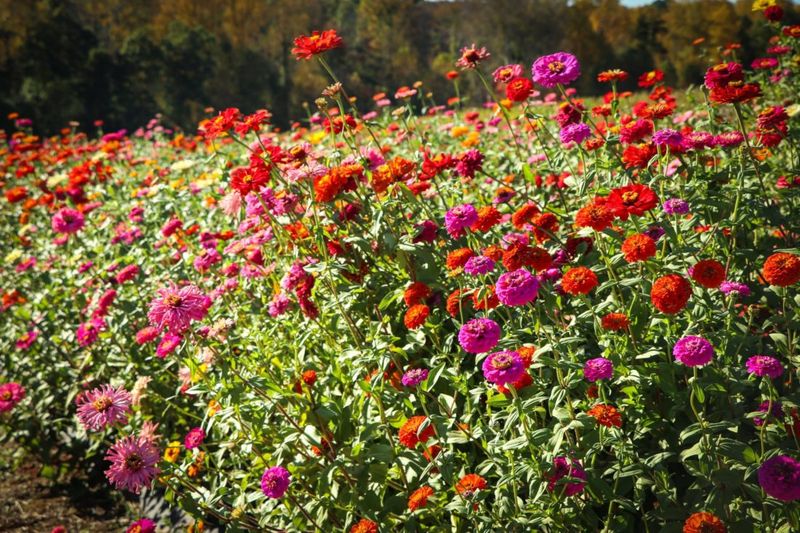
Few annuals bring as much color to a Georgia flower bed as zinnias, and they are known for responding enthusiastically when spent blooms get removed.
Once a zinnia flower head starts to dry out and lose its vibrant color, it signals to the plant that seed production is underway.
Removing those fading heads before seeds fully develop can prompt the plant to produce more flowers instead.
Zinnias are warm-season annuals that love Georgia’s long, hot summers, and they tend to grow quickly once established. Deadheading is straightforward with zinnias.
Simply cut the stem back to just above the nearest set of healthy leaves or a visible side bud. This keeps the plant from looking leggy and encourages a bushier, more productive shape over time.
One thing gardeners may notice is that zinnias left without deadheading can start to look top-heavy and messy as summer progresses.
Your Georgia Garden Changes Every Week. Your Plan Should Too.
Gardening in Georgia changes quickly throughout the season. Every Friday you’ll receive a simple weekly plan showing exactly what to plant, prune, fertilize, harvest, and protect so you never miss the right timing.
Regular removal of spent blooms also helps improve air circulation around the foliage, which can reduce the chance of powdery mildew forming during humid summers.
Watering at the base of the plant rather than overhead also supports healthier growth. Consistent deadheading combined with good watering habits gives zinnias the best opportunity to keep producing cheerful color through the warmest months.
3. Petunias Refresh Nicely After A Light Trim
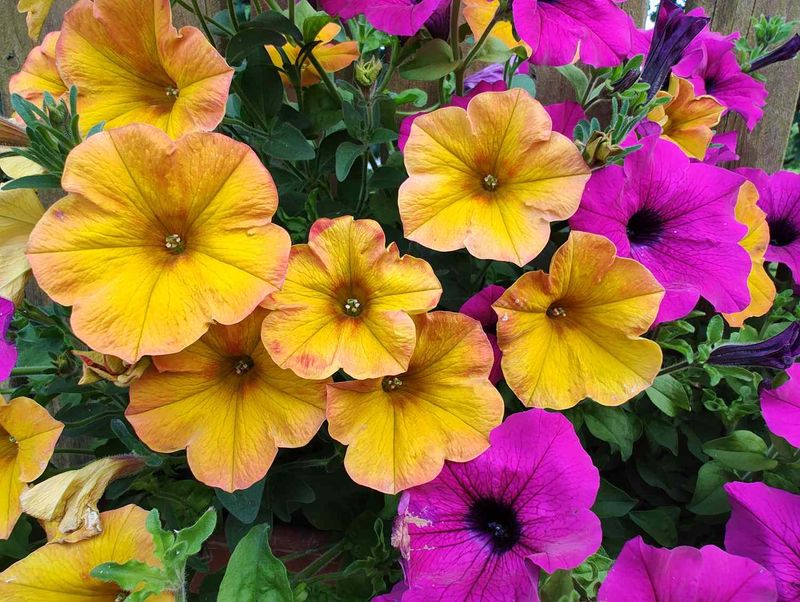
By late spring, petunias that started the season looking full and lush can begin to stretch out and look a little tired. The stems get longer, the blooms become sparse, and some flowers fade to a papery, washed-out version of their original color.
A light trim combined with removing spent blooms can refresh the plant and encourage a new round of flowering before summer fully arrives.
Petunias are popular in Georgia containers, window boxes, and garden borders because they offer a wide range of colors and hold up reasonably well in the heat.
When deadheading petunias, it helps to remove the entire spent flower along with the small seed pod that forms behind it.
Leaving the seed pod behind can slow the plant’s motivation to rebloom, so pulling the whole thing off gives better results.
Some gardeners also find that cutting back petunia stems by about one-third every few weeks keeps the plant from becoming too leggy.
This is sometimes called a shearing trim rather than traditional deadheading, but both approaches serve a similar purpose of encouraging fresh growth.
After trimming, giving petunias a light feeding with a balanced fertilizer can support new bud development. Consistent care through late spring sets petunias up for a stronger summer display in Georgia landscapes.
4. Marigolds Stay Tidier With Regular Deadheading
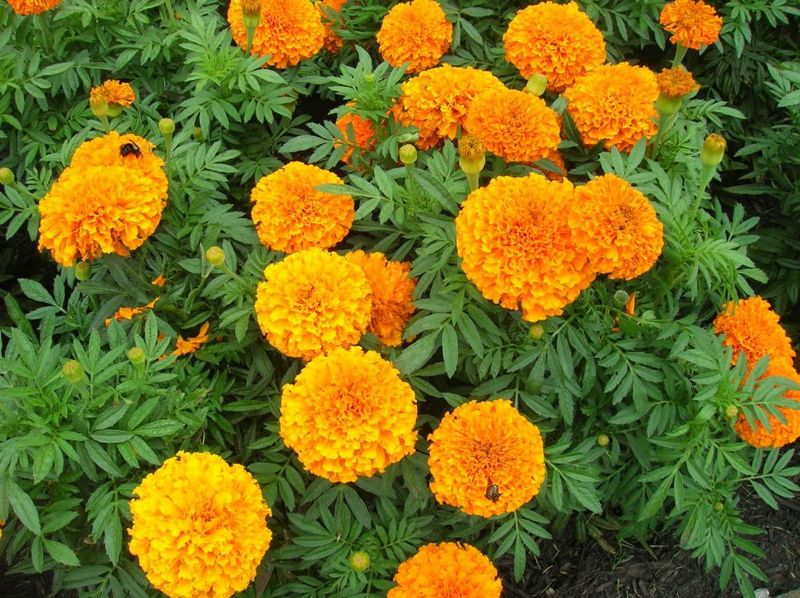
Marigolds are one of the most dependable annuals in Georgia gardens, showing up in borders, vegetable garden edges, and containers from spring through fall.
As summer approaches, the earlier blooms begin to fade and dry out, forming brown, papery heads that can make the plant look less attractive if left in place.
Regular deadheading keeps marigolds looking neat and can help the plant continue producing fresh flowers.
Removing spent marigold blooms is easy and satisfying work. You can pinch the faded flower head off with your fingers by gripping the base of the bloom and pulling it away cleanly, or use garden scissors if the stem feels too firm to snap.
Either way, removing the bloom before it fully dries and drops seeds keeps the plant’s energy focused on new growth rather than seed production.
Georgia summers can be tough on marigolds, especially during extended heat waves, but deadheading combined with consistent watering helps them hold up reasonably well.
French marigolds, which are smaller and more compact, tend to produce new blooms quickly after spent ones are removed.
African marigolds, which grow taller, also respond well but may need a bit more time between bloom cycles.
Gardeners who check their marigolds a couple of times each week and remove spent heads as they appear will likely enjoy a tidier, more colorful display through the season.
5. Daylilies Look Cleaner After Blooms Fade
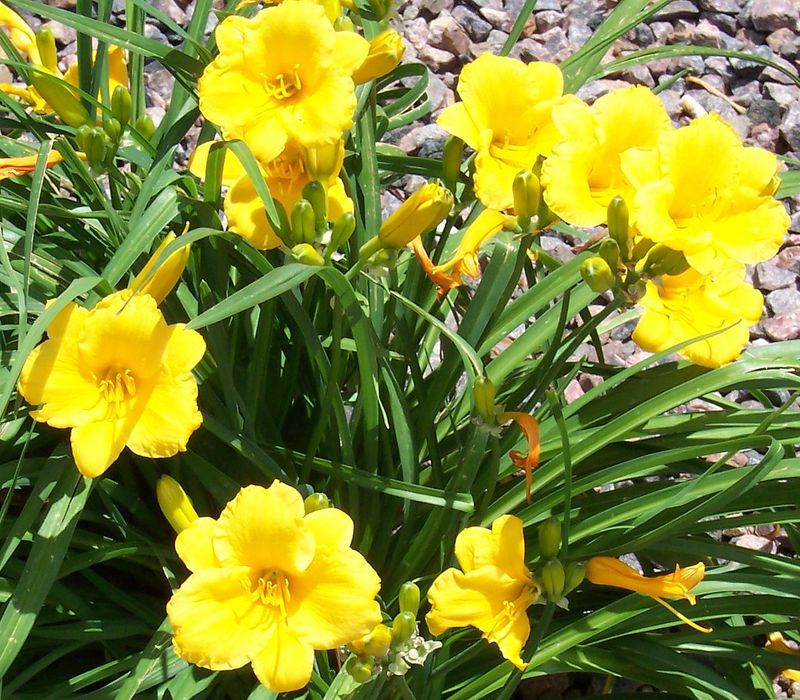
Daylilies are a staple in Georgia landscapes, and for good reason. They handle the heat well, come in a wide range of colors, and spread reliably over time.
Each individual daylily flower lasts only one day before it begins to wilt and fold, which is where the plant gets its name. While this fading is natural, leaving spent blooms on the stalk can make the plant look messy as summer approaches.
Deadheading daylilies is less about encouraging reblooming in the traditional sense and more about keeping the plant looking clean and attractive.
To remove a spent bloom, simply snap or snip the wilted flower off the scape, which is the tall stem that holds the buds.
Once all the buds on a scape have opened and finished, cutting the entire scape down to the base of the foliage helps the plant look tidier and keeps the garden bed from appearing overgrown.
Some daylily varieties grown in Georgia are repeat bloomers, meaning they may send up new scapes later in the season after the first flush finishes. Removing spent scapes promptly can support that process for those varieties.
Keeping the foliage healthy through regular watering during dry spells also helps the plant stay strong.
Georgia gardeners who take a few minutes each day to snap off faded blooms will notice a noticeably neater flower bed throughout the early summer period.
6. Perennial Salvia Benefits From Faded Spike Removal
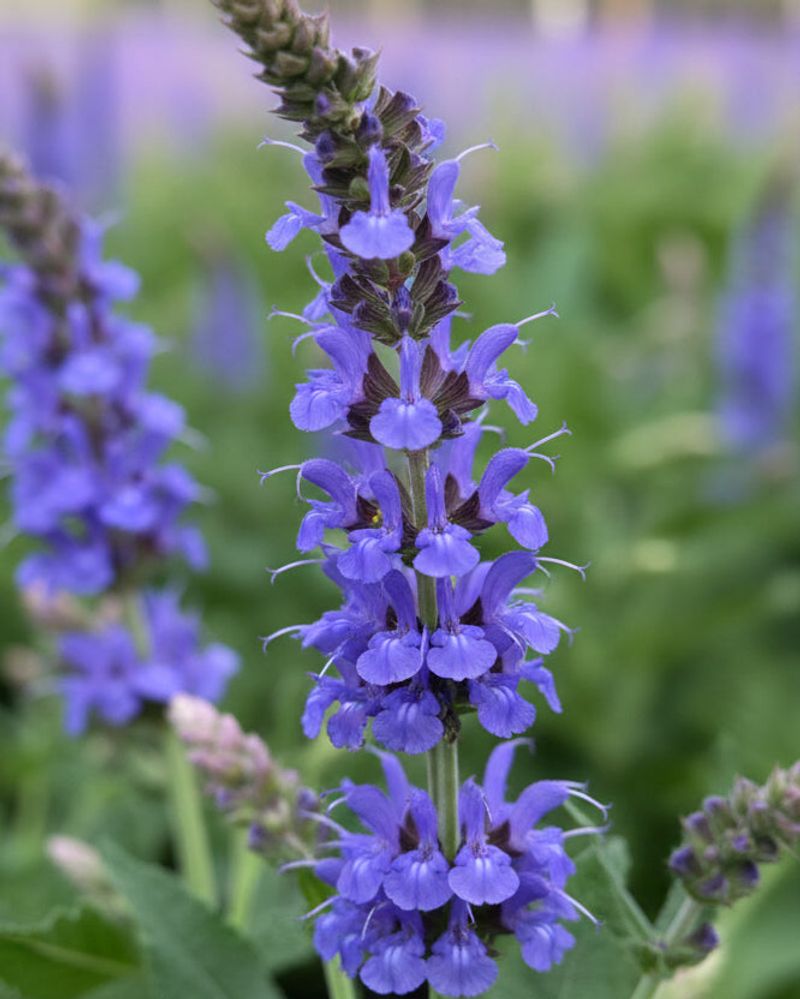
Perennial salvia brings tall, elegant spikes of purple or blue color to Georgia gardens in spring, and it attracts pollinators like bees and butterflies in impressive numbers.
As the initial bloom spikes begin to fade and turn brown, the plant can start to look a bit worn before summer even fully arrives.
Removing those tired spikes encourages the plant to push out new growth from the base and may support a second round of blooming later in the season.
Cutting back faded salvia spikes is straightforward. Use clean garden shears to trim the spent spikes down to just above a set of healthy leaves or a visible lateral branch.
Avoid cutting all the way back to bare stems if possible, since leaving some healthy foliage in place helps the plant recover more quickly. After trimming, a light application of balanced fertilizer and consistent watering can support new growth.
Georgia gardeners who grow perennial salvia in full-sun borders or pollinator gardens often find that cutting back after the first bloom flush keeps the plant looking fresh and well-maintained heading into summer.
The foliage itself tends to stay attractive even between bloom cycles, so the plant continues to contribute to the garden’s appearance.
Salvia varieties suited to Georgia’s climate handle the heat reasonably well, and keeping up with deadheading and light trimming helps them remain a productive, attractive part of the summer landscape.
7. Gaillardia Stays Neater With Spent Blooms Removed
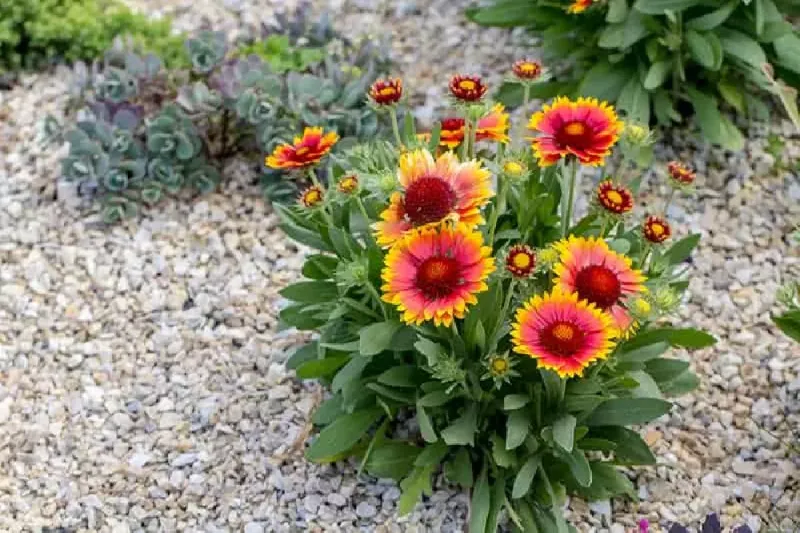
Gaillardia, often called blanket flower, brings warm red, orange, and yellow tones to Georgia gardens, and it handles heat and dry conditions reasonably well once established.
The flowers are bold, cheerful, and easy to spot in sunny borders, but once they finish blooming, the spent heads dry into small, round, bristly structures that can make the plant look a little messy.
Removing those faded heads regularly keeps gaillardia looking more polished and may support additional flowering instead of letting the plant shift energy into seed production.
Deadheading gaillardia is easy to work into a regular garden routine. Snip the spent flower stem back to just above a healthy leaf or visible branching point rather than pulling the head off by hand, which can tug at the stem or leave ragged growth behind.
Removing faded blooms as they appear, instead of waiting for several to pile up, helps the plant keep a cleaner shape and gives the bed a fresher look.
Gaillardia is well suited to sunny Georgia garden areas with good drainage. It is also attractive to pollinators, so keeping the plant healthy and blooming can benefit the broader garden.
During especially hot or dry stretches, gaillardia may slow its bloom production for a while, but regular deadheading paired with occasional deep watering can help support a stronger rebound.
Gardeners who stay consistent with spent bloom removal through late spring often end up with a tidier, more colorful plant heading into peak summer.
8. Shasta Daisy Looks Fresher After Flower Cleanup
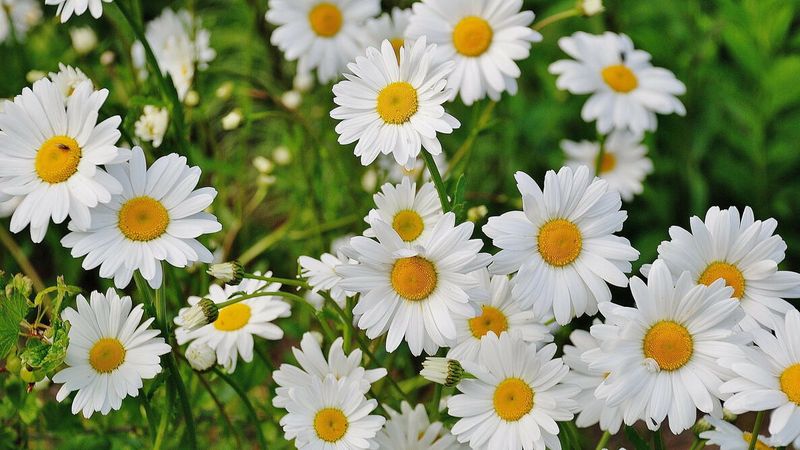
Shasta daisies are a classic presence in Georgia cottage gardens and perennial borders, producing cheerful white flowers with bright yellow centers that bloom from late spring into early summer.
Once those blooms begin to fade, the petals wilt and the centers darken, giving the plant a noticeably tired appearance.
Removing spent flower heads before they fully dry and drop seeds can help the plant maintain a cleaner look and may support some additional blooming.
To deadhead Shasta daisies, cut the spent flower stem back to just above a healthy leaf or a branching side stem rather than leaving a bare stub. Clean cuts with sharp garden shears help reduce the chance of stem damage or disease entry.
If a large number of blooms have faded at once, a more thorough cutback of the entire plant by about one-third can refresh the foliage and encourage new bud development.
Gardeners who grow Shasta daisies in borders or cottage-style beds often appreciate how responsive the plant can be to regular deadheading.
The foliage stays green and attractive even between bloom flushes, keeping the garden bed looking well-tended.
Shasta daisies prefer well-drained soil and full sun, which is easy to find in many Georgia yards. Watering consistently during dry summer spells supports healthy regrowth after cleanup.
Keeping up with spent flower removal through early summer gives Shasta daisies the best chance of looking fresh as the season moves forward.