How To Mow A Florida Lawn In July Without Making The Heat Stress Worse
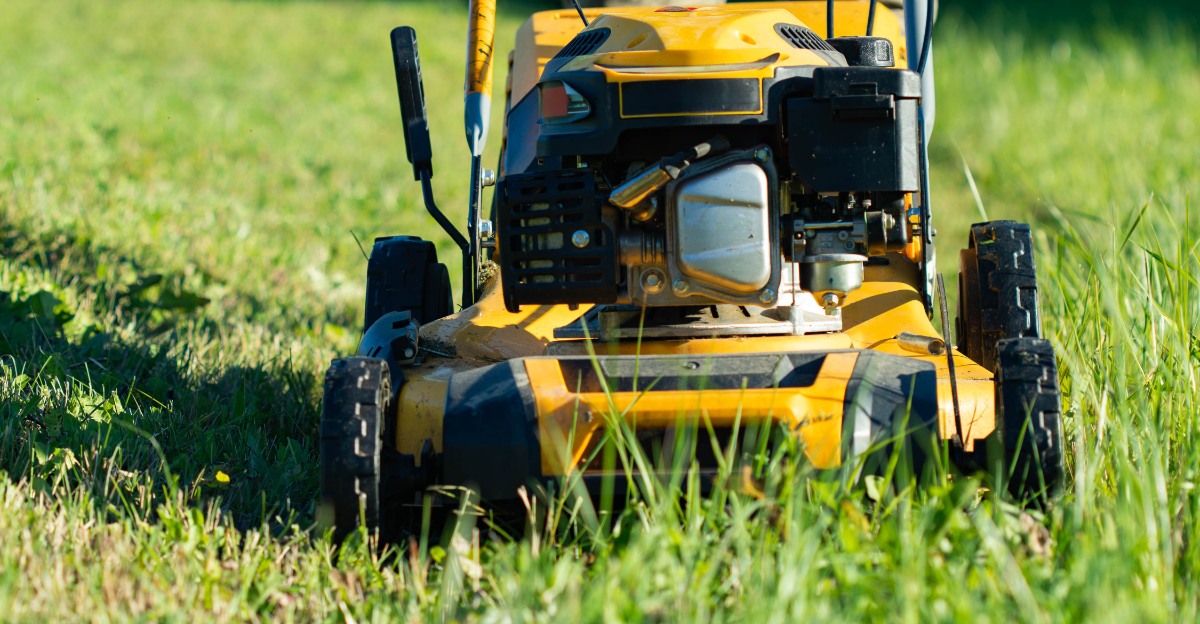
Mowing in Florida July feels straightforward until the lawn starts showing consequences nobody expected. Brown streaks where the mower passed, stressed grass that does not bounce back, a yard that looked decent before the cut and rough for a week afterward.
Most homeowners blame the heat and move on without questioning the one variable they actually controlled.
The mower. The height. The timing. The frequency.
Every one of those decisions lands differently in July than it does in April, and Florida lawns feel that difference immediately.
July heat stress and mowing damage look almost identical on grass. That overlap is exactly why so many Florida homeowners keep making the same mistake every summer without connecting it to what they did on mowing day.
A few adjustments to how and when the lawn gets cut in July change that outcome completely. None of them are complicated.
The timing is just everything.
1. Stop Scalping Grass In July Heat
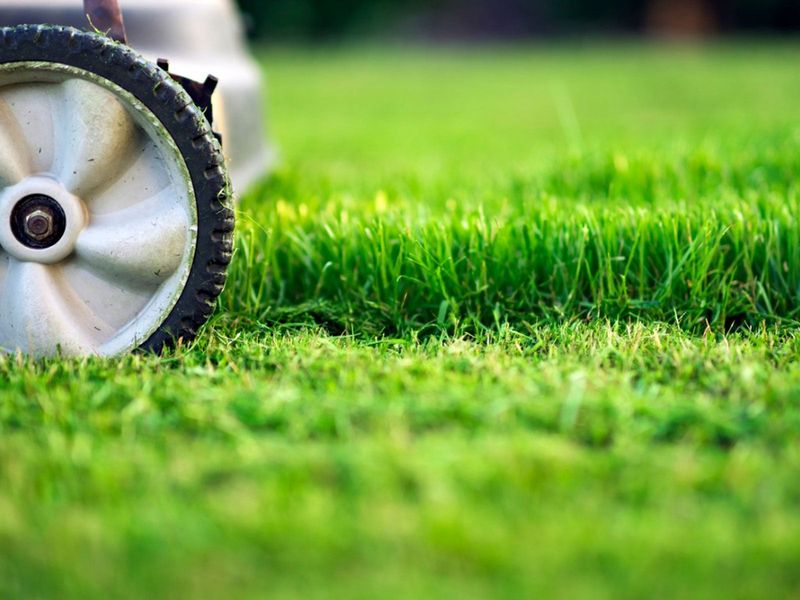
Picture this: you lower the mower deck all the way down, figuring a super-short cut will mean fewer mowing sessions this week. A few days later, the lawn looks thin, pale, and almost bare in spots.
That is scalping, and it is one of the most common July mowing mistakes in warm-season lawns across the Sunshine State.
Scalping removes too much of the leaf blade in one pass. When that happens, the grass loses the green tissue it needs to make energy through photosynthesis.
The exposed soil heats up faster, roots lose their shade buffer, and the turf becomes much weaker going into the hottest part of summer.
Stolons, the above-ground runners that spread warm-season grasses like St. Augustinegrass, can get exposed and dried out when the mower goes too low. Weeds also move in quickly when turf thins out.
According to UF/IFAS guidance, mowing height should match the specific grass type in your yard. Setting the mower for convenience rather than turf health almost always backfires.
The mower deck height is the first thing to check before you ever pull the starter cord in July.
2. Raise The Mower Before Stress Shows
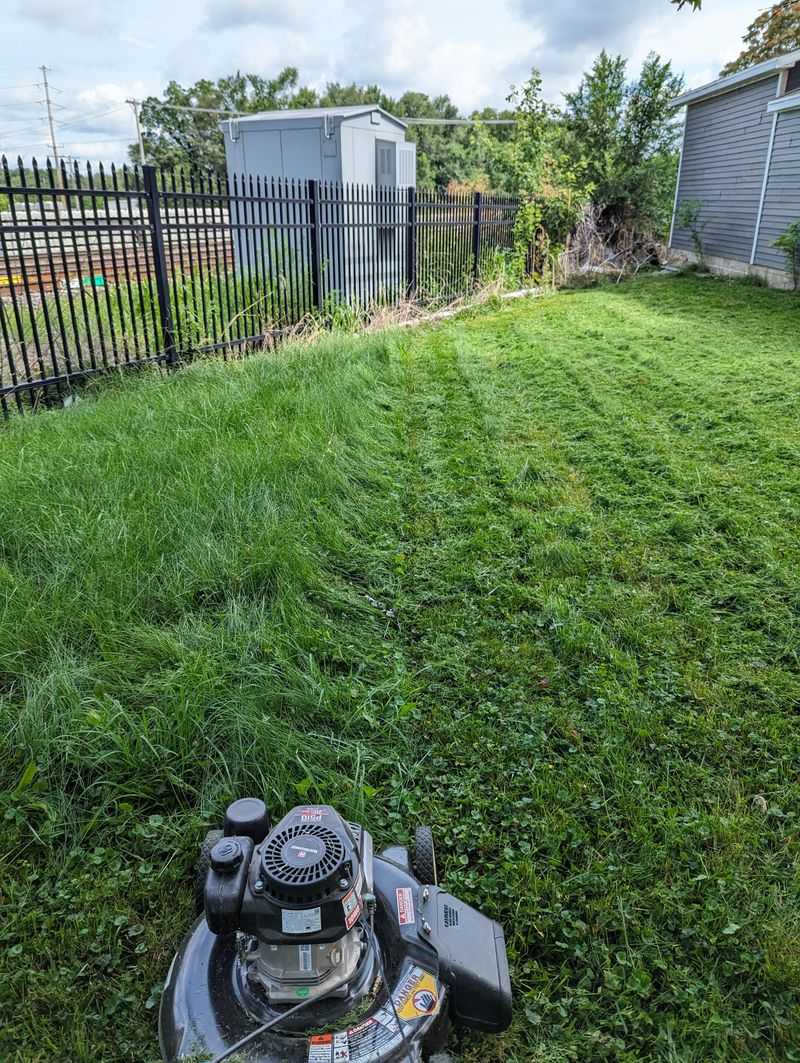
One of the smartest moves you can make in July is raising the mower deck before the lawn starts to look tired. Most Florida homeowners wait until the grass turns thin or develops a grayish tint before making any changes, but by then the stress has already taken hold.
Mowing at the higher end of the recommended range for your grass type gives the turf real advantages during summer. Taller blades shade the soil beneath them, which helps keep ground temperatures lower and slows moisture evaporation.
Roots tend to grow deeper when the grass above them is allowed to stay a bit taller, and deeper roots reach more water during dry spells between storms.
Turf density also improves with proper mowing height. A denser lawn naturally crowds out weeds and handles pest pressure better than a thin one.
UF/IFAS and your local county extension office both publish recommended mowing heights for common warm-season grasses.
Your Florida Garden Changes Every Week. Your Plan Should Too.
Gardening in Florida changes quickly throughout the season. Every Friday you’ll receive a simple weekly plan showing exactly what to plant, prune, fertilize, harvest, and protect so you never miss the right timing.
St. Augustinegrass, for example, is typically maintained between 3.5 and 4 inches in summer, while Bahiagrass does well around 3 to 4 inches.
Check the guidance for your specific turf type and raise that deck now, before damage becomes obvious.
3. Cut Only One Third At A Time
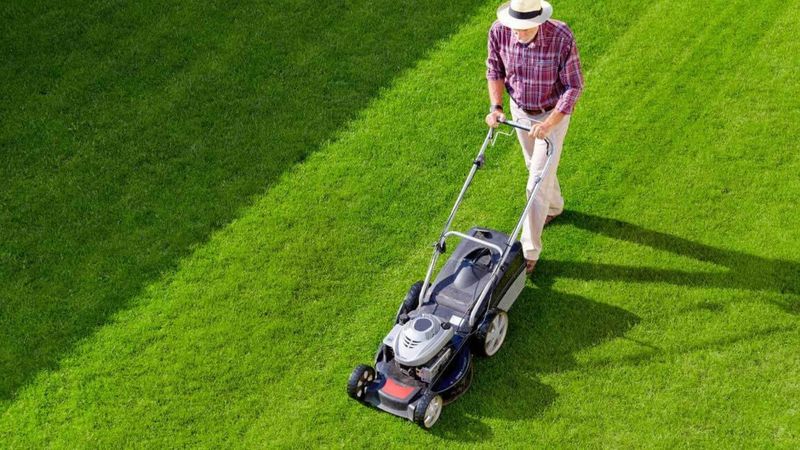
Summer rain in this state can push grass growth into overdrive almost overnight. You skip one weekend and suddenly the lawn is several inches taller than it should be.
The temptation is to drop the mower to its lowest setting and get it back under control in one pass. That is exactly when the one-third rule matters most.
The one-third rule is straightforward: never remove more than one-third of the total grass blade height in a single mowing session. Cutting off too much at once shocks the plant and forces it to redirect energy away from roots.
It can also leave behind heavy clumps of clippings that smother the turf underneath. The result is more stress layered on top of heat that is already pushing the lawn to its limits.
If the lawn has gotten too tall, bring it down gradually over two or three mowing sessions spaced a few days apart. Each pass removes a little more until you reach the correct height for your grass type.
It takes a bit more time upfront, but the turf stays healthier and recovers far more easily. Mowing frequency may need to increase slightly during July growth spurts, and that is perfectly normal for warm-season lawns.
4. Mow When The Lawn Is Dry
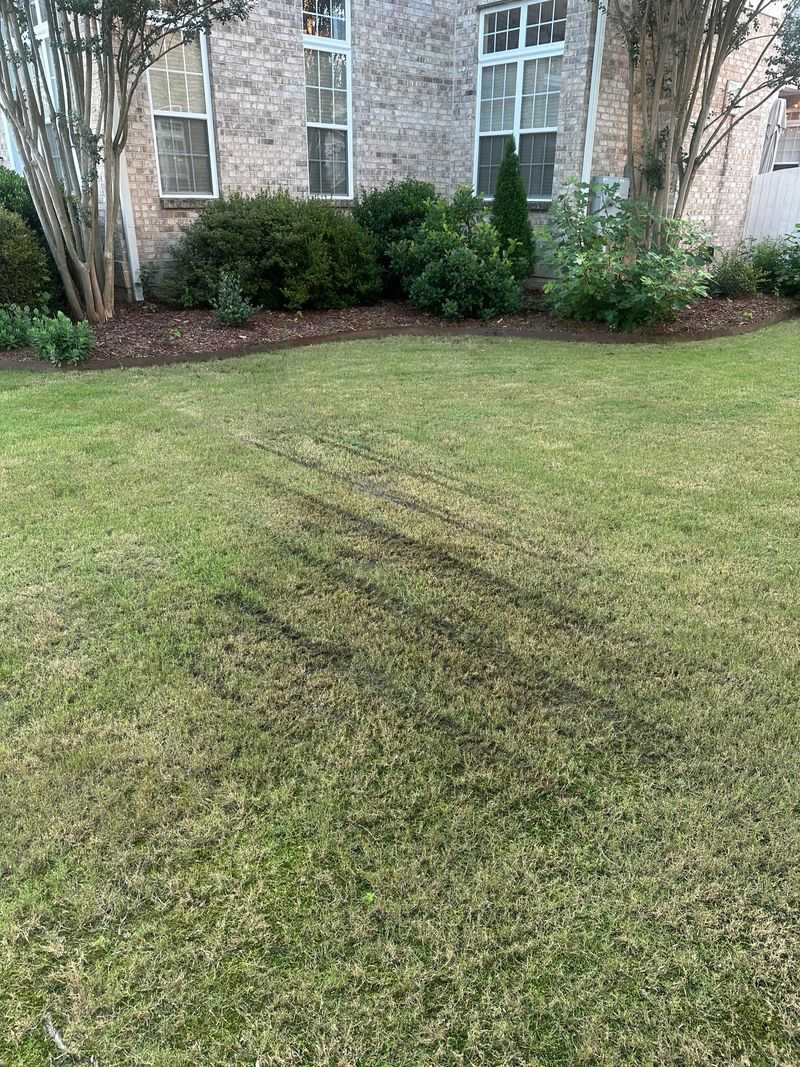
July afternoons in Florida bring storms that can soak a lawn in minutes. Mowing wet grass right after one of those storms creates a whole list of problems that most homeowners do not expect until they see the results.
Wet grass blades clump together as they pass through the mower deck. Those clumps fall onto the lawn in thick mats, blocking sunlight and air from reaching the turf below.
The cut itself is also uneven because wet blades bend instead of standing upright for a clean slice.
Mower wheels can leave ruts and compaction marks in saturated soil, and humid conditions after mowing create an environment where fungal disease spreads more easily.
Whenever possible, wait until the grass blades are dry before mowing. Morning dew usually burns off a few hours after sunrise, and that window before the afternoon heat peaks is often the best time to mow in July.
Mowing in the early morning or late afternoon is generally better than working through midday heat, both for the lawn and for the person pushing the mower. Safety always comes first.
If the ground is still soggy and storms are returning, it is completely reasonable to wait another day.
5. Sharpen Blades Before They Tear Turf
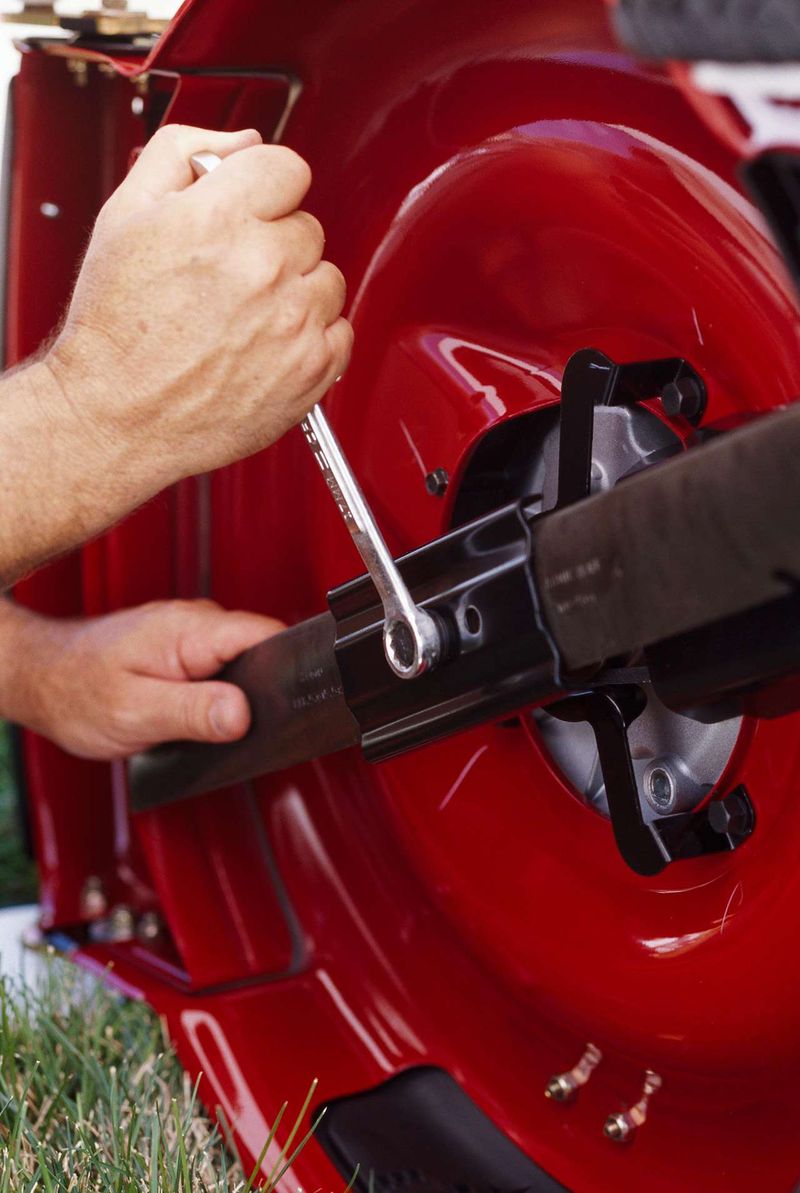
Run your finger lightly along a few grass tips after mowing. If the blades look shredded, frayed, or have brownish edges within a day or two of cutting, the mower blade is likely dull.
A sharp blade slices cleanly through grass. A dull one tears and rips, leaving ragged wounds that dry out and turn brown faster than a clean cut would.
Those torn tips are not just a cosmetic problem. Open, jagged grass tissue loses moisture more quickly and creates entry points for fungal pathogens that thrive in Florida’s humid summer conditions.
The lawn can develop a brownish haze across the top that homeowners sometimes mistake for drought stress or disease. The real issue may simply be a blade that needs sharpening.
Sandy soil, which is common across much of this state, dulls mower blades faster than other soil types. Frequent summer mowing speeds up that wear even more.
Blades should be inspected regularly and sharpened every 20 to 25 hours of mowing time, or sooner if the cuts look rough. If you are not comfortable removing and sharpening the blade yourself, most small engine shops can handle it quickly and affordably.
A sharp blade is one of the simplest ways to reduce turf stress all summer long.
6. Leave Clippings When They Are Small
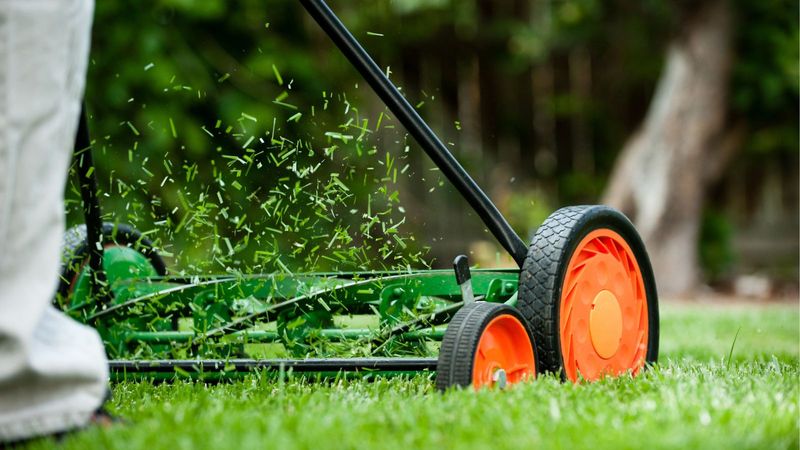
Grass clippings have a bit of a bad reputation among homeowners, but most of that reputation is undeserved. When mowing is done correctly and clippings are short, leaving them on the lawn is actually beneficial.
They break down quickly, return nitrogen and other nutrients to the soil, and reduce the need for supplemental fertilizer applications.
Clippings do not normally cause thatch buildup. Thatch is made up of stems, roots, and other fibrous plant material that breaks down slowly.
Short clippings are mostly water and decompose within days under summer heat and humidity. The concern with clippings usually comes when mowing is delayed too long, leaving behind thick chunks that pile up on the turf surface and block air and light.
If the lawn got away from you and the clippings are heavy and clumped, raking or blowing them off the turf is the right call. The same applies if the grass was diseased before mowing, since spreading infected clippings can worsen the problem.
For normal, on-schedule summer mowing, the clippings can stay right where they fall. Bagging every mowing session as a default habit removes free organic matter the lawn could use and sends it to the landfill unnecessarily.
7. Skip Mowing During Drought Stress
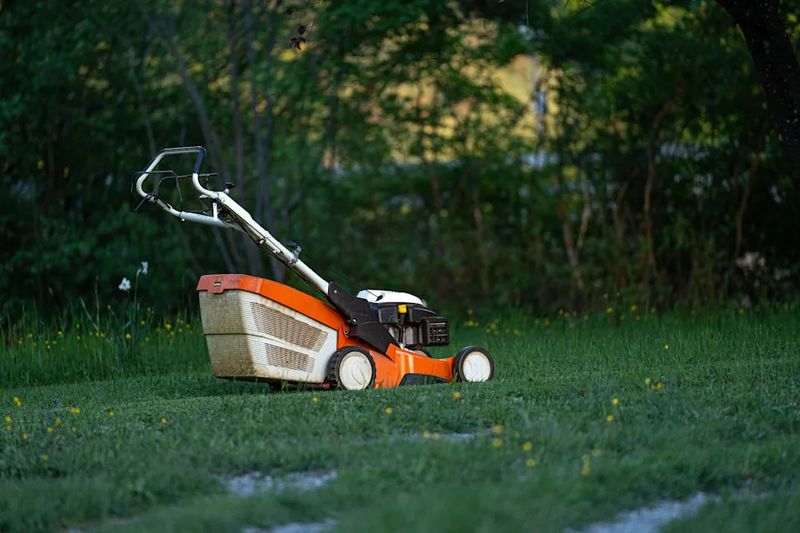
Some Florida homeowners mow every Saturday morning no matter what, rain or shine, wet or dry. That fixed schedule works fine during mild weather, but it can backfire badly when the lawn is already under severe drought or heat stress in July.
Stressed grass shows a few clear warning signs. The blades fold inward lengthwise instead of staying flat.
The color shifts from green toward a bluish-gray tone. Footprints that would normally spring back stay pressed into the turf for several minutes.
Soil below the surface feels bone dry. When a lawn looks and acts this way, mowing it removes leaf area the grass desperately needs for photosynthesis and recovery.
Cutting stressed turf also pushes more moisture out through the open wound at each blade tip, accelerating the problem. The better move is to check whether your lawn is receiving the right amount of water.
Local irrigation rules and water restrictions vary by county and municipality across the state. Once moisture conditions improve and the turf begins to recover, resume regular mowing at the correct height.
Skipping one or two mowing sessions during a heat event is not neglect. It is smart, practical lawn care that gives the grass a real chance to bounce back.
8. Let Taller Grass Protect The Roots
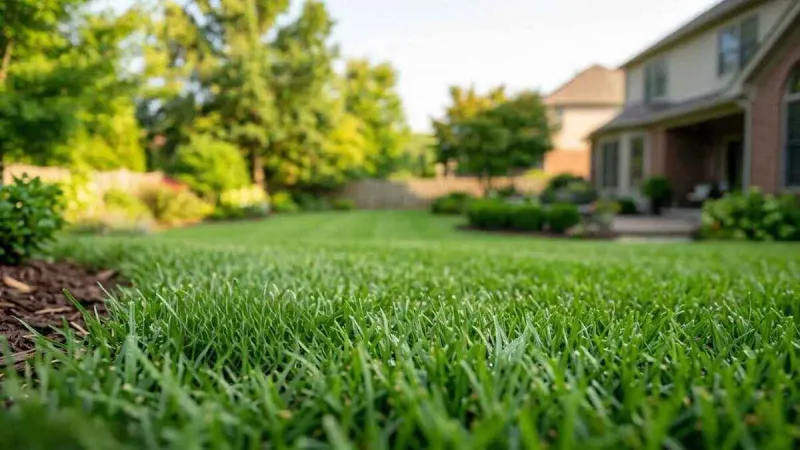
Taller grass and neglected grass are not the same thing. Keeping your lawn at the higher end of its recommended mowing range is an active choice, not a sign that you have given up on it.
During July, that extra height works like a natural shield for everything happening below the soil surface.
Longer leaf blades cast shade on the ground beneath them. That shade lowers soil surface temperatures, slows water evaporation, and creates a slightly cooler environment for the root system.
Roots that stay cooler and more consistently moist tend to grow deeper and stronger over time. A deeper root system makes the lawn more resilient during dry stretches between summer storms and less vulnerable to surface-level heat damage.
Taller turf crowds out weeds more effectively than short-cut grass. That reduces the need for herbicide applications during a season when the lawn is already under pressure.
Pair proper mowing height with smart irrigation timing, careful fertilizer use within recommended seasonal windows, and regular checks for pests and disease.
Mowing for lawn health rather than just for appearance is the mindset shift that makes the biggest difference in July.
Keep the blades sharp, follow the one-third rule, mow when conditions allow, and let the grass do what it does best: protect itself.