7 Creative Ways To Reuse Old Flower Pots In Pennsylvania
Old flower pots have a funny way of piling up. One cracks a little, another loses its matching saucer, and before long you have a small collection sitting in the garage, shed, or corner of the yard.
In Pennsylvania gardens, where every season brings a new round of planting projects, those extra pots can be more useful than they look. Instead of tossing them aside, you can turn them into something creative, practical, and surprisingly charming.
An old flower pot does not have to keep doing the same job forever. It can become garden decor, a home for herbs, a bird-friendly feature, or even a simple way to organize tools and supplies.
Some ideas add personality to your outdoor space, while others help solve everyday gardening problems without costing much at all.
That is what makes reusing old pots so satisfying. You get to save money, reduce waste, and give your garden a more personal touch at the same time.
With a little imagination, those forgotten containers can become some of the most interesting pieces in your Pennsylvania yard.
1. Plant Labels
You might be surprised at how something as simple as an old flower pot can become one of the most useful things in your garden. Mini pots and broken terracotta pieces make fantastic plant labels, and they are way more charming than plain plastic tags.
If you garden anywhere in Pennsylvania, from the rolling hills of Chester County to the backyard plots of Harrisburg, this idea fits right in with the local love of practical, rustic style.
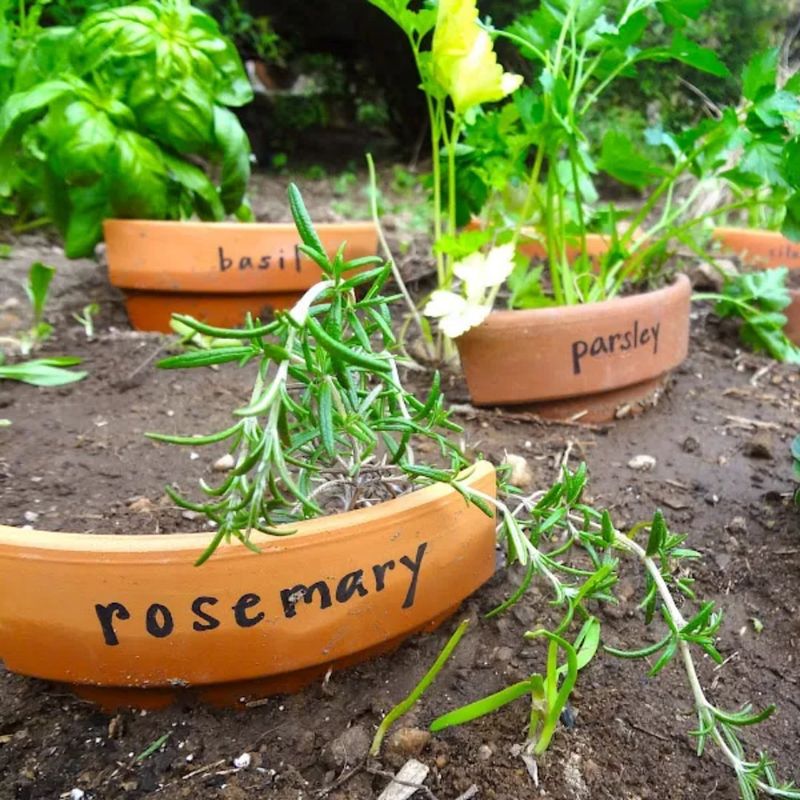
To make plant labels from small pots, grab a permanent marker and write the plant name on the outside of the pot. Then flip it upside down and push it onto a wooden stake or bamboo rod.
You can stick it right into the soil near your plants. It looks neat, it holds up well in rain and wind, and it gives your garden a charming, handcrafted feel that store-bought labels just cannot match.
Broken terracotta pieces work just as well. Write the plant name on the smooth side of the shard and tuck it into the soil near the base of the plant.
It blends in naturally with the garden and adds a rustic touch. You can even paint the pieces with bright colors to make them easier to spot.
This is a great project to do with kids, too. Pennsylvania summers are perfect for spending time outdoors, and making plant labels together is a fun and easy activity. It teaches children about plants while giving those old pots a second life.
2. Garden Art
Old flower pots stacked and painted into fun garden sculptures can completely transform the look of your outdoor space. This is one of those projects that lets your creativity run wild, and the results are always one of a kind.
Gardeners across Pennsylvania have been turning their unused pots into eye-catching art pieces that neighbors stop to admire.
To get started, gather a few pots in different sizes. Stack them using strong twine, wire, or a wooden dowel through the center to hold everything in place.
Your Pennsylvania Garden Changes Every Week. Your Plan Should Too.
Gardening in Pennsylvania changes quickly throughout the season. Every Friday you’ll receive a simple weekly plan showing exactly what to plant, prune, fertilize, harvest, and protect so you never miss the right timing.
Once your structure is stable, use acrylic paint to add faces, patterns, animals, or whatever design makes you smile. Finish it off with a weatherproof sealant so it can handle Pennsylvania’s rainy springs and chilly fall temperatures without fading or cracking.
You can make garden gnomes, owls, frogs, or even abstract towers of color. The possibilities are truly endless.
Smaller pots can be painted and hung on a fence as decorative wall art. Larger pots can become bold statement pieces near your front door or along a garden path.
What makes this idea so special is that no two pieces ever look exactly alike. Your garden art becomes a reflection of your own personality.
Kids absolutely love this project too, making it a wonderful weekend activity for Pennsylvania families.
Using what you already have instead of buying new decorations is not only budget-friendly but also a small and meaningful way to reduce waste in your community.
3. Bird Bath
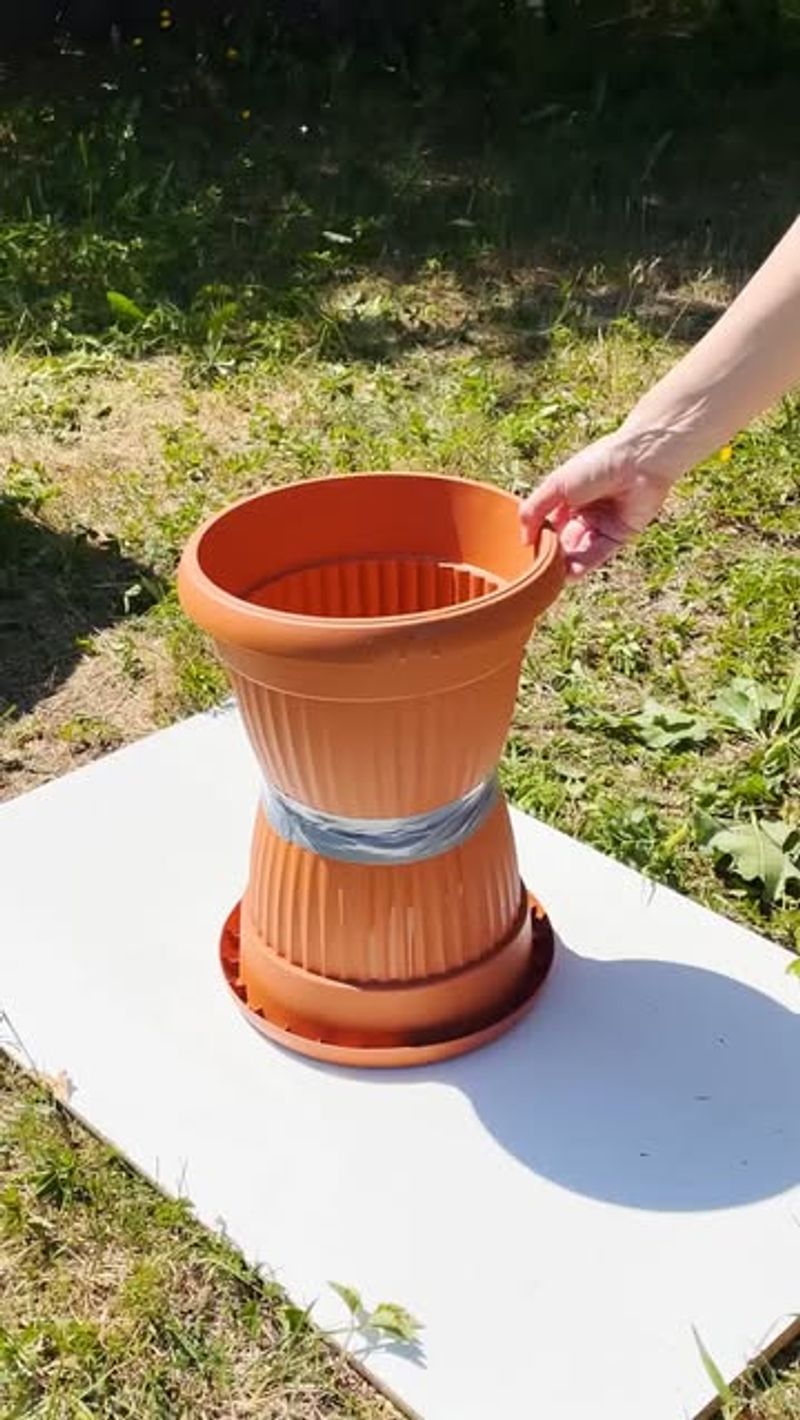
Picture a warm Pennsylvania morning, birds singing in the trees, and a beautiful handmade bird bath sitting in the middle of your garden. That image is totally achievable with nothing more than an old flower pot and its matching saucer.
This is one of the simplest and most rewarding ways to repurpose a pot you no longer use for planting.
Flip the pot upside down so it acts as a sturdy base. Place the saucer right on top and fill it with clean, fresh water.
That is really all it takes to create a functional bird bath. Birds need fresh water for drinking and bathing, especially during Pennsylvania’s hot and humid summers.
Having a water source in your yard will bring in robins, sparrows, cardinals, and many other beautiful local birds.
You can jazz up the look by painting the pot in bright colors or earthy tones to match your garden style. Add some small stones or pebbles inside the saucer to give birds a safe place to stand while they splash around.
Changing the water every couple of days keeps it clean and prevents mosquitoes from breeding. This project costs almost nothing and takes less than an hour to set up.
Whether you live in a suburban neighborhood in Bucks County or on a rural property in the Pocono Mountains, a homemade bird bath like this adds life, movement, and natural beauty to your outdoor space. It is a small gesture that makes a big difference for local wildlife.
4. Wreath
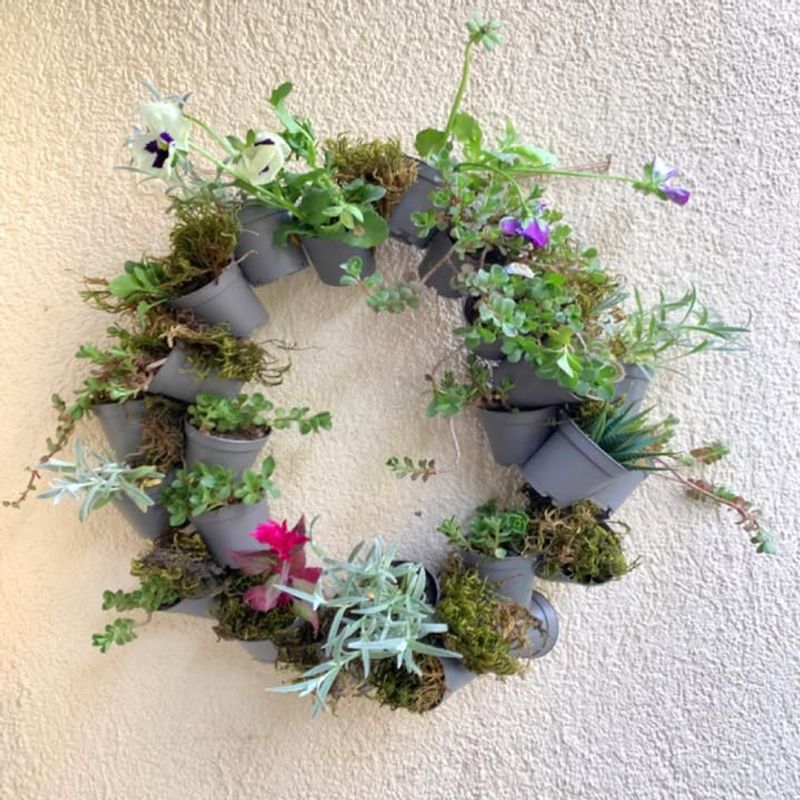
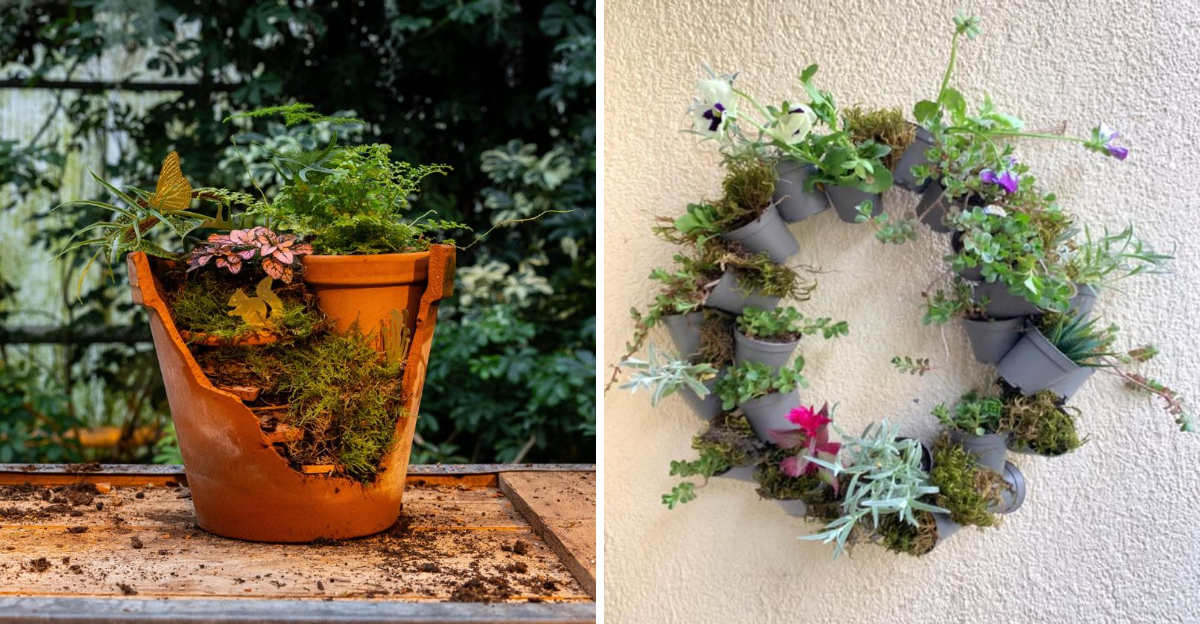
Most people think of metal frames and fake greenery when they picture a wreath, but old flower pots can actually be turned into some of the most unique and eye-catching wreaths you have ever seen.
Pennsylvania homeowners love adding seasonal touches to their front doors, and a pot wreath fits right in with that tradition.
To make one, you will need a sturdy wire or wooden wreath frame, several small pots, and some strong craft wire or zip ties. Attach the pots around the frame in a circular pattern, either all facing the same direction or alternating for a more dynamic look.
Once they are all secured, paint them in colors that match the season. Think burnt oranges and deep reds for fall, pastels for spring, or classic greens and whites for the winter holidays.
You can tuck in dried flowers, pinecones, ribbon, or small ornaments between the pots to fill in gaps and add texture. Real or artificial moss also works beautifully and gives the wreath a natural, earthy feel that suits Pennsylvania’s woodland landscapes perfectly.
Hang your finished wreath on the front door, above the fireplace, or on a garden fence. It holds up well outdoors as long as you seal the painted pots with a weatherproof finish.
Friends and family will definitely ask where you bought it, and you will get to say you made it yourself. That kind of satisfaction is hard to beat, especially when the whole project cost you almost nothing at all.
5. Mini Pond
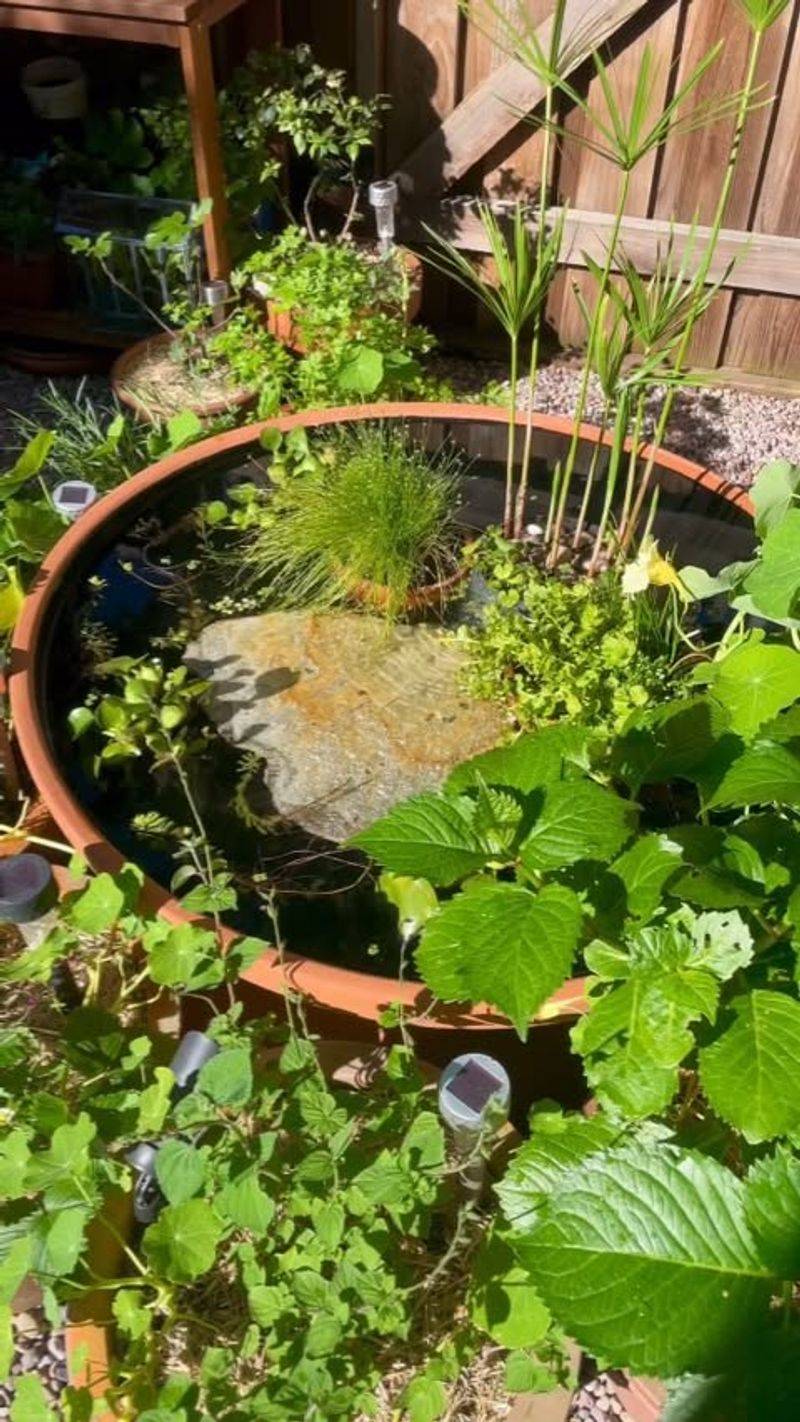
You do not need a huge yard or an expensive landscaping budget to enjoy a backyard pond. A large old flower pot can become a stunning mini pond that adds the peaceful sound of water and a touch of nature to any outdoor space.
Pennsylvanians who love to relax on their patios will especially appreciate this idea. Start by choosing a large pot without drainage holes, or seal the existing hole with waterproof silicone or a rubber stopper. Let it cure completely before adding water.
Once it is sealed and ready, fill it with clean water and add a few aquatic plants like water lilies, water hyacinth, or dwarf cattails. These plants not only look beautiful but also help keep the water balanced and clear.
You can add a small solar-powered water pump to create gentle movement, which keeps the water fresh and adds a soothing trickle of sound. Small decorative stones or pebbles along the bottom of the pot complete the look and give it a polished, intentional feel.
Mini ponds like this attract all kinds of wildlife. Frogs, dragonflies, and birds will visit regularly, making your backyard feel like a little nature sanctuary.
In Pennsylvania, where the natural environment is rich and diverse, having a small water feature encourages local species to stop by.
Place your mini pond in a spot that gets partial shade to keep the water from overheating in summer and to reduce algae growth throughout the warmer months of the year.
6. Bird Feeder
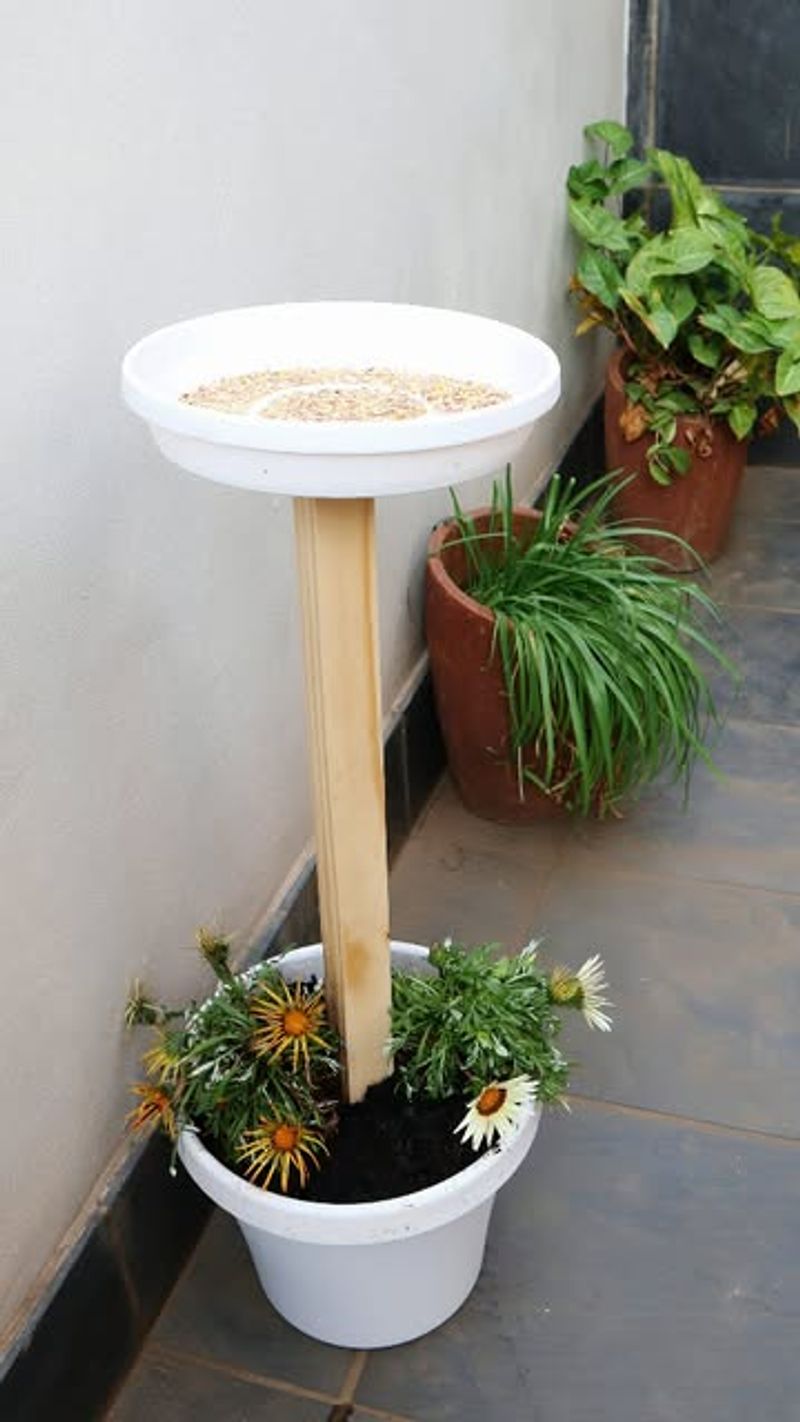
Did you know that Pennsylvania is home to over 400 species of birds? That makes it one of the best states in the country for birdwatching, and a homemade bird feeder made from an old flower pot is a wonderful way to bring more of those species right to your backyard.
It is an easy and rewarding project that even beginners can pull off in under an hour. A shallow saucer or small pot works perfectly as a simple open feeder. Set it on a flat surface, a fence post, or mount it on a wooden stand at a comfortable height.
Fill it with birdseed, sunflower seeds, or mealworms and watch the visitors arrive. Robins, bluebirds, chickadees, and finches are just a few of the birds you might spot, depending on where in Pennsylvania you live.
For a slightly more advanced version, attach a small pot on top of a larger one using waterproof adhesive or a threaded rod. The larger pot can act as a seed tray while the smaller one holds extra seed or even a suet cake.
Paint the outside with bright, cheerful colors to make it stand out in your garden and attract birds from a distance.
Place the feeder near a window so you can enjoy watching the birds from inside your home. Keep it clean and refill it regularly, especially during fall migration and early spring when birds need extra fuel.
It is a small act of kindness that makes your Pennsylvania yard a welcoming stop for local and migrating birds alike.
7. Toad House
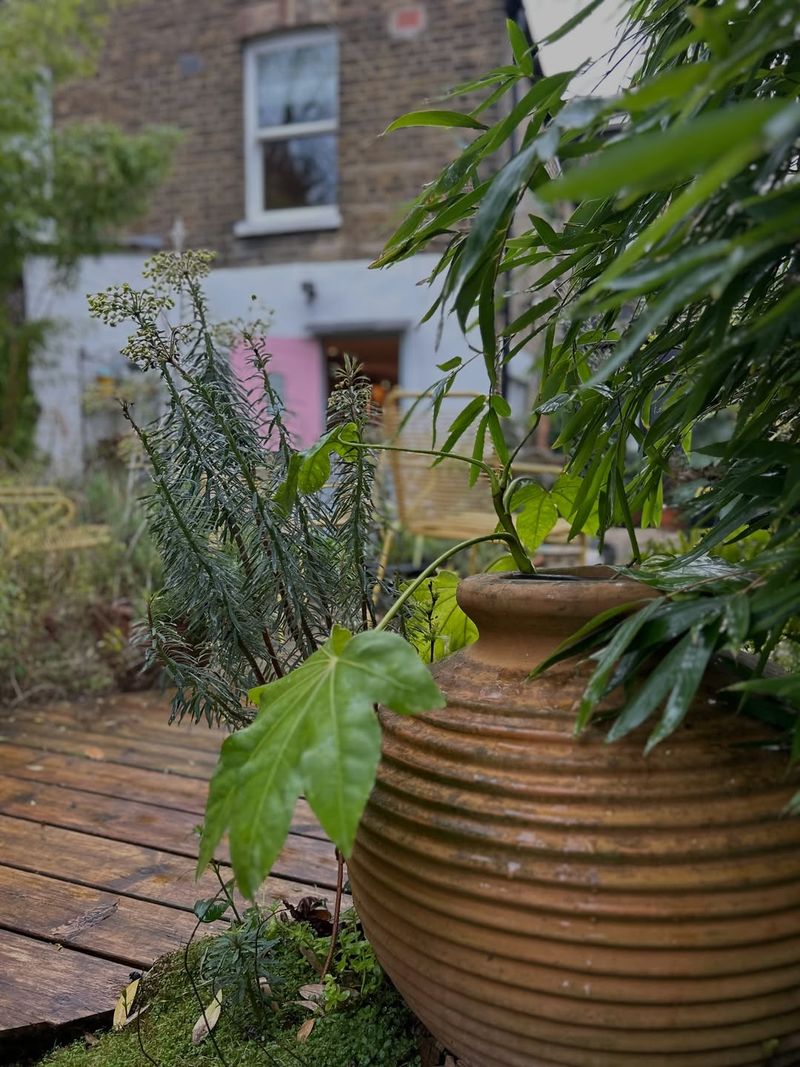
Toads are some of the most helpful creatures you can have in a Pennsylvania garden. A single toad can eat hundreds of slugs, beetles, and other garden pests every single week.
So instead of spending money on pesticides, why not invite a toad to move in? An old flower pot is all you need to build the perfect toad house.
Find a small to medium-sized pot and lay it on its side in a cool, shady corner of your garden. Partially bury one edge in the soil so it feels stable and secure.
Toads love damp, sheltered spots, so look for a location near a water source, under a shrub, or beside a garden wall. The pot creates a cozy little den where a toad can rest during the day and venture out at night to hunt for insects.
You can make the toad house even more inviting by placing some damp leaves or moss inside. A shallow dish of water nearby is also a great idea, since toads absorb moisture through their skin and need access to water to stay healthy.
Avoid using any chemical sprays or fertilizers near the toad house, as these can be harmful to the toads that take up residence there.
Pennsylvania gardens, with their rich soil and natural surroundings, are ideal habitats for toads. Building a toad house is a fun project for kids and adults alike.
It costs nothing, takes only minutes to set up, and brings a helpful little garden ally right to your doorstep in the most charming way possible.