8 Oregon Native Berries You Can Grow At Home That Taste Better Than Many Farmers Market Finds
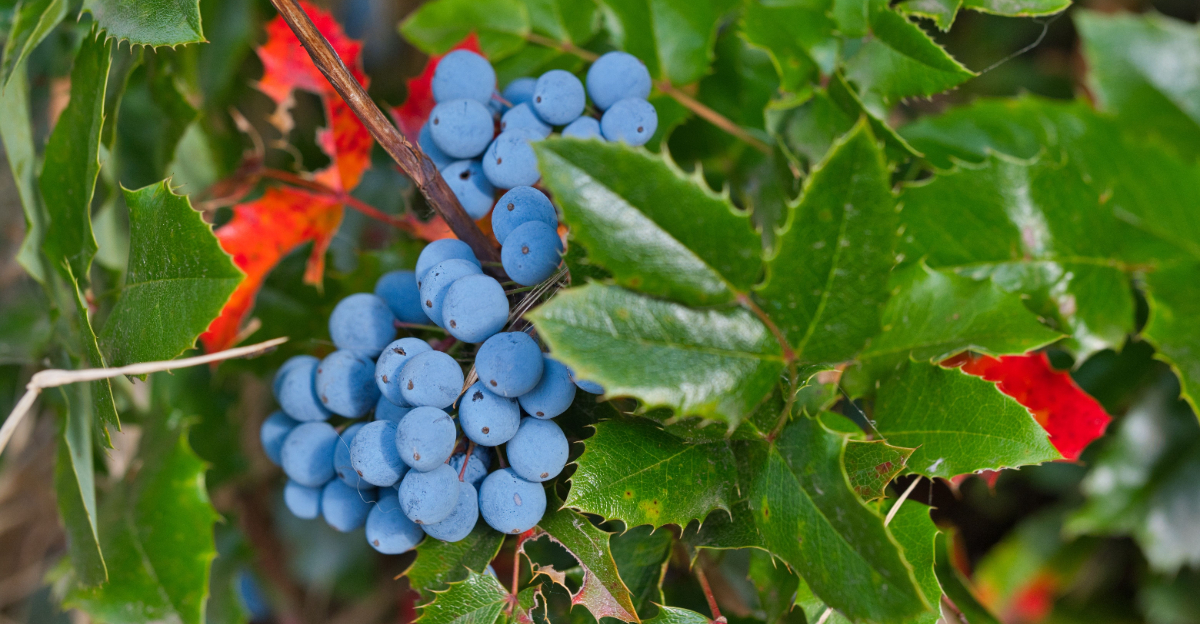
The most flavorful berries you ever taste might already be growing wild in Oregon, just waiting for you to bring them home.
Many people walk right past these plants without a second glance, never knowing they are missing out on fruit that puts store-bought options to shame.
The berries that show up at farmers markets and grocery stores are selected for shelf life and uniform appearance, not for the kind of flavor that makes you stop mid-bite and reconsider everything you thought you knew about fruit.
Oregon is packed with native berry plants that thrive in backyards, shady corners, wet spots, and sunny edges without demanding much in return.
Some of them are genuinely low-maintenance. Some produce fruit that wildlife competes with you for. A few of them bloom so beautifully in spring that you would plant them even if the berries were terrible, which they are not.
However, before you start foraging or growing any unfamiliar berry, always confirm plant identification and which parts are safe to eat through a trusted local source such as your county extension office or a certified naturalist.
Not every berry that looks edible actually is.
1. Evergreen Huckleberry Brings Glossy Flavor
Forget everything you thought you knew about huckleberries.
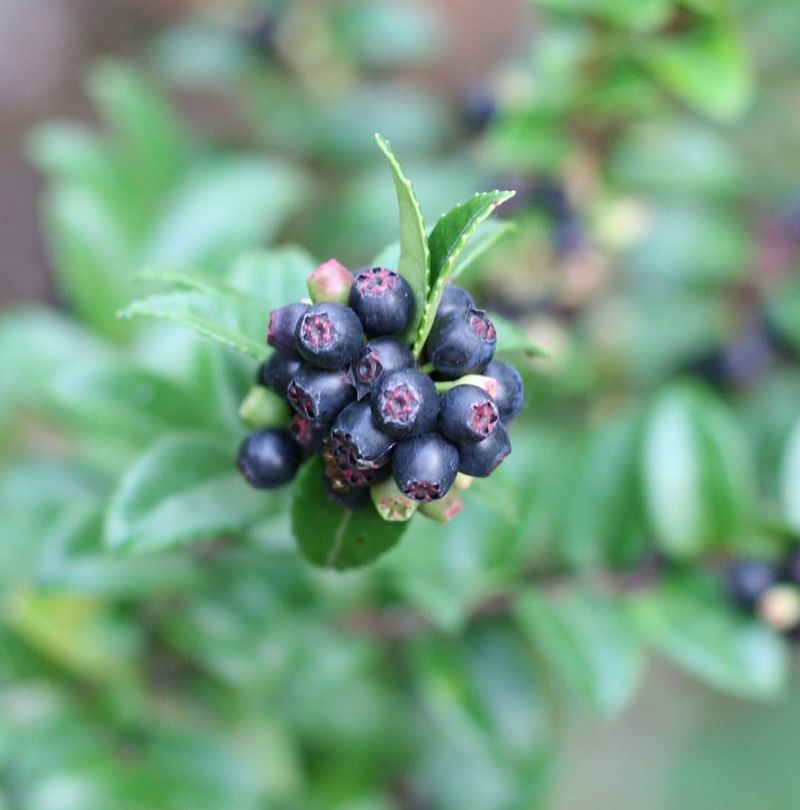
Evergreen huckleberry is a standout Oregon native shrub that produces clusters of small, deep purple to nearly black berries with a rich, sweet-tart flavor that leaves store-bought blueberries in the dust.
The berries ripen in late summer through fall and cling to the branches long enough for you to actually plan your harvest.
This plant is a natural fit for coastal and mild-climate Oregon gardens.
It handles part shade beautifully, making it perfect for spots under trees or along the north side of a fence. The glossy, leathery leaves stay green all year, so you get visual interest even when the fruit is gone.
Evergreen huckleberry prefers well-drained, slightly acidic soil and grows slowly but steadily to about four to eight feet tall.
It rarely needs much pruning and tends to stay tidy on its own. Birds love the berries too, so plant more than one if you want a serious harvest for yourself.
Use the berries fresh, in jams, in muffins, or blended into smoothies.
The flavor is complex and earthy, nothing like the mild taste you get from most commercially grown berries. Once you try homegrown evergreen huckleberries, the farmers market version will never quite measure up again.
2. Red Huckleberry Fits Woodland Edges
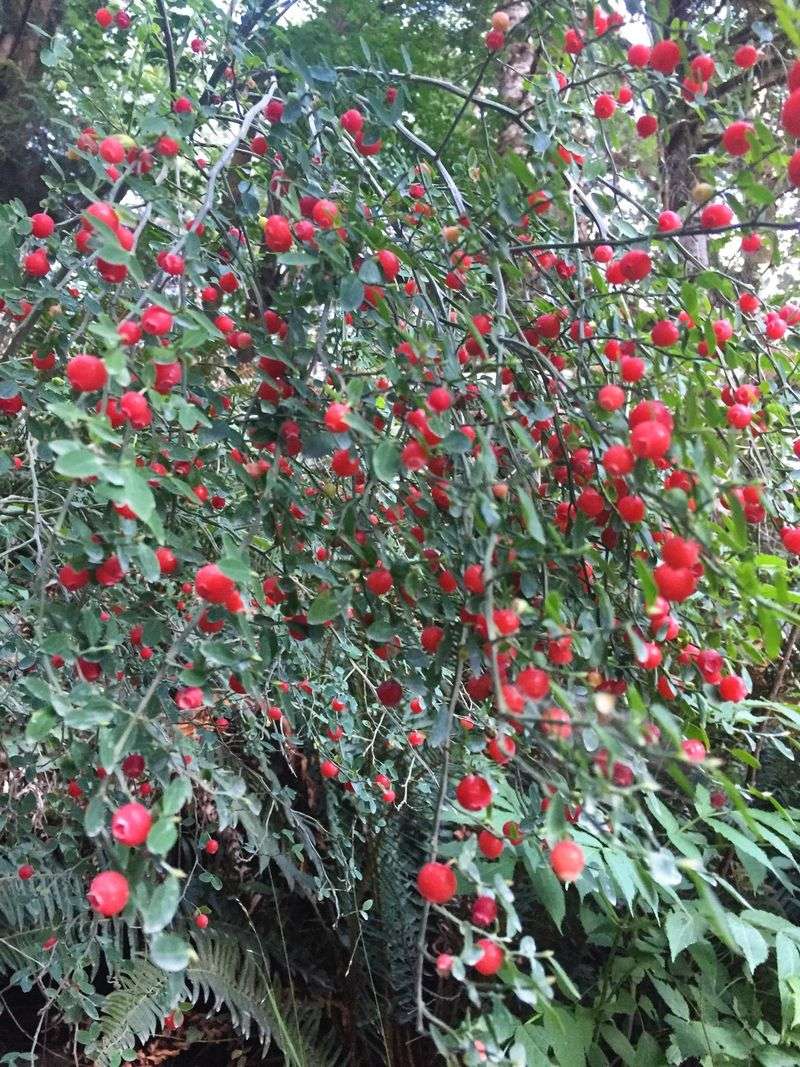
Tart, jewel-bright, and a little wild at heart, red huckleberry is the berry that feels like it belongs in a Pacific Northwest fairy tale.
The small, translucent red berries dangle from slender green stems and practically glow when sunlight hits them. They ripen in midsummer and carry a sharp, tangy punch that wakes up your taste buds in the best possible way.
Red huckleberry is a shade lover through and through.
It thrives on woodland edges throughout Oregon, often sprouting naturally from the tops of old rotting stumps, which is one of its most charming quirks.
Your Oregon Garden Changes Every Week. Your Plan Should Too.
Gardening in Oregon changes quickly throughout the season. Every Friday you’ll receive a simple weekly plan showing exactly what to plant, prune, fertilize, harvest, and protect so you never miss the right timing.
If you have a partly shaded backyard with acidic soil and some organic matter in the ground, this plant will feel right at home.
It can reach six to twelve feet tall over time, forming an airy, elegant shrub.
The tart flavor makes red huckleberries ideal for jams, syrups, and pies where you want some brightness to balance out sweetness. Wildlife, especially birds, goes absolutely wild for them too.
Plant red huckleberry near native ferns or salal for a layered woodland look that also feeds local wildlife.
Once established, it needs very little care and rewards patient Oregon gardeners with years of gorgeous, tangy fruit.
3. Thimbleberry Gives Soft Summer Fruit
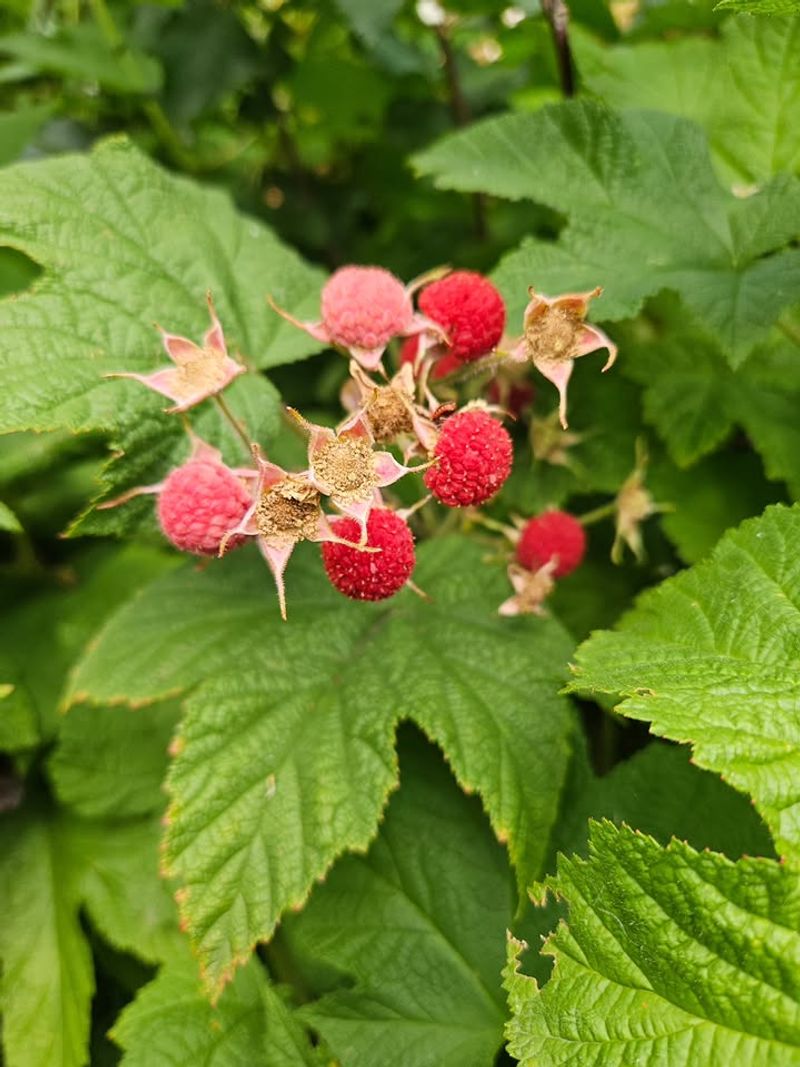
Soft, velvety, and almost too delicate to survive the trip from bush to mouth, thimbleberry is the fruit that rewards the patient and the present.
Unlike raspberries, thimbleberries do not travel well at all, which is exactly why you almost never see them at an Oregon farmers market. The only way to enjoy them at peak ripeness is to grow them yourself or find them fresh on the trail.
The berries are bright red, shaped like a shallow cap, and have a mild, sweet flavor with a slight tartness underneath.
They ripen in midsummer and practically fall off the cane when they are ready. The large, maple-shaped leaves are soft to the touch and give the plant a lush, almost tropical feel even in a Pacific Northwest garden.
Thimbleberry grows naturally along moist woodland edges, stream banks, and disturbed areas throughout Oregon.
It spreads by underground runners, so give it space or use a root barrier if your garden is small. It tolerates part shade well and loves rich, moist soil.
Beyond the fruit, thimbleberry offers real wildlife value.
Pollinators visit the white flowers in spring, and birds flock to the ripe berries in summer. A patch of thimbleberry in a corner of your Oregon yard pulls double duty as both food source and habitat, and it looks stunning doing it.
4. Salmonberry Loves Damp Corners
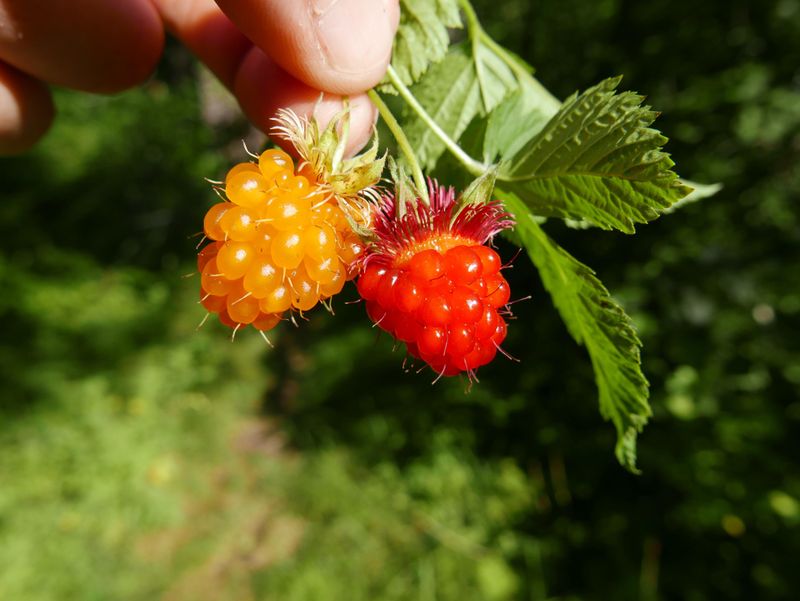
Most garden plants run away from soggy soil. Salmonberry runs straight toward it.
This native Pacific Northwest shrub is one of the few edible plants that actually thrives in wet, shady corners that most Oregon gardeners do not know what to do with.
If you have a spot near a downspout, a low-lying area, or a shaded damp edge, salmonberry is your answer.
The berries range from golden yellow to deep orange to red, depending on the plant and the ripeness.
They look like golden raspberries and taste mild, slightly sweet, and a touch watery, which makes them refreshing eaten straight off the cane on a warm Oregon day.
Paired with other fruits in jam or mixed into a smoothie, salmonberry adds a unique Pacific Northwest character that nothing else replicates.
Salmonberry blooms early in spring with bright pink to magenta flowers, making it one of the first native plants to feed hummingbirds each year.
The canes can grow quite tall, sometimes reaching ten feet or more, so plan for a bold, vertical presence in your garden.
Plant it where erosion is a concern, along slopes or near water features, since the roots hold soil well.
Established plants need almost no care and provide food for birds, mammals, and pollinators across multiple Oregon seasons.
5. Serviceberry Adds Flowers And Fruit
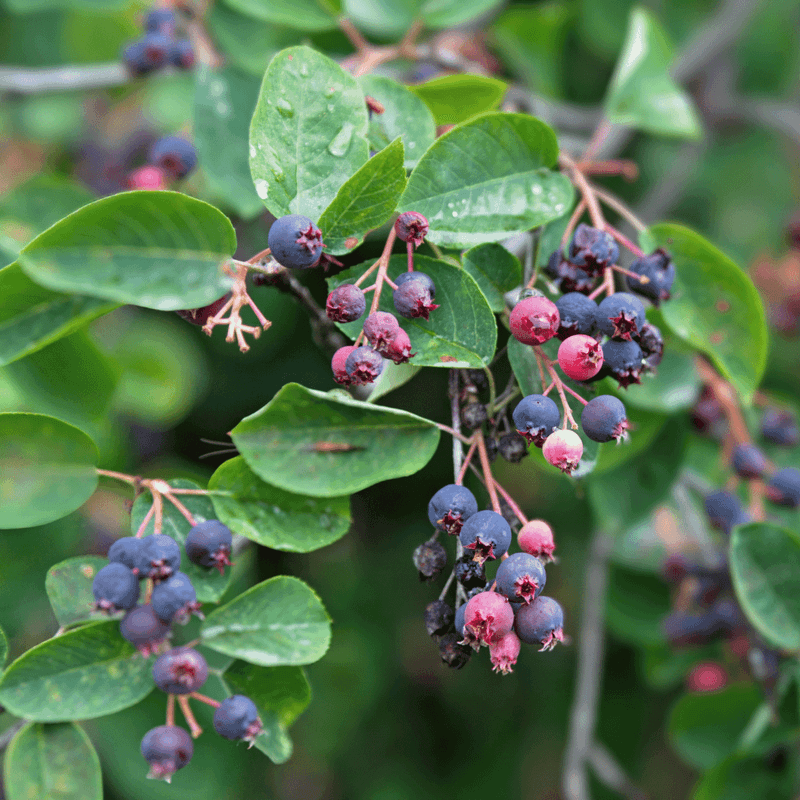
Spring arrives early in an Oregon garden with serviceberry.
Before most other plants have even thought about waking up, serviceberry bursts into clouds of white blossoms that cover every branch.
The display lasts a couple of weeks and draws pollinators from across the neighborhood. Then, just when the flowers fade, you start watching for the berries.
Serviceberry fruit looks like a small blueberry but tastes more complex, with a hint of almond from the seeds and a sweet, mild flesh that works beautifully in pies, jams, pancakes, and muffins.
The berries ripen in early to midsummer and tend to disappear fast, partly because birds absolutely adore them. Plant multiple shrubs if a full harvest for your kitchen is the goal.
In Oregon, the native western serviceberry grows as a large shrub or small tree, often reaching eight to twenty feet tall depending on conditions.
It adapts well to a range of soil types and tolerates both sun and part shade. Fall color adds another season of interest, with leaves turning orange, gold, and red before they drop.
Serviceberry earns its place in the Oregon garden through every single season.
It offers spring flowers, summer fruit, fall color, and attractive branch structure in winter. Few native plants work this hard year-round, and if you only have room for one small tree or large shrub, serviceberry makes a very strong argument for itself.
6. Oregon Grape Offers Tart Blue Berries
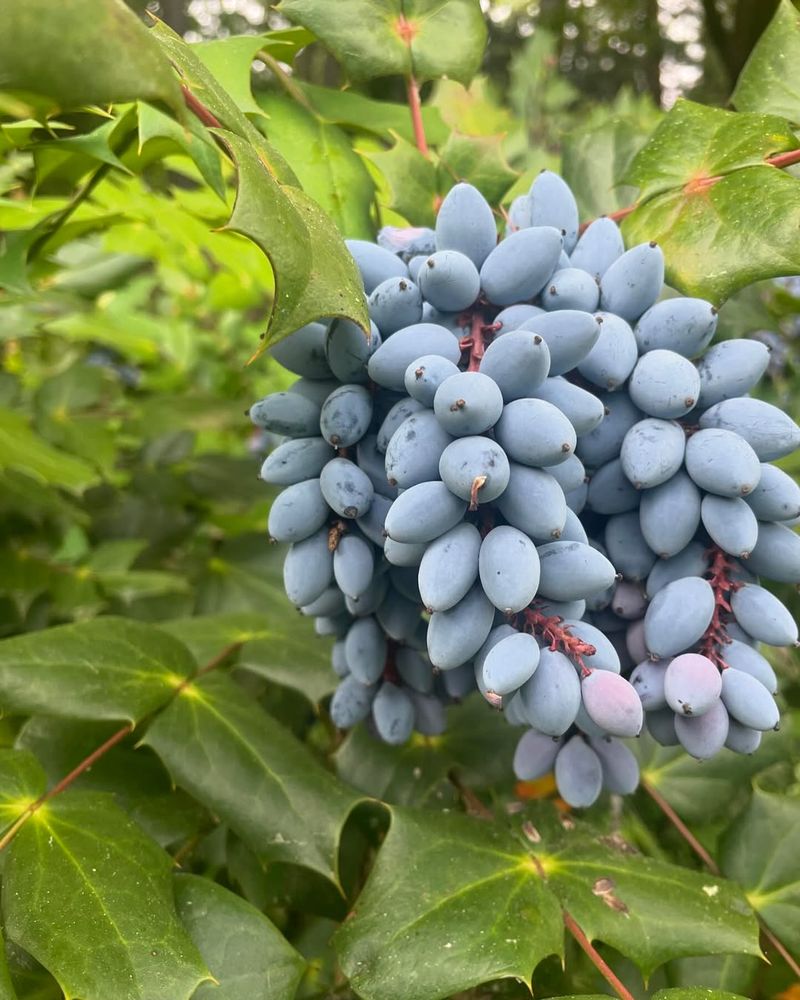
Oregon grape is literally the state flower of Oregon, which means it has some serious home-turf credibility.
This tough, evergreen native shrub produces clusters of dusty blue-purple berries that look gorgeous against its spiky, holly-like leaves.
The berries are intensely tart, not the kind you pop by the handful, but the kind that turns into extraordinary jelly, syrup, or wine with a little help from sugar.
The plant itself is remarkably resilient.
Oregon grape handles drought, shade, poor soil, and neglect better than almost any other native shrub in the state.
It grows in low-growing forms like Mahonia nervosa, which stays under two feet tall and works as a groundcover, and taller forms like Mahonia aquifolium, which can reach six feet or more. Both produce edible fruit.
The tart berries are rich in antioxidants and have a long history of use among Indigenous peoples of the Pacific Northwest.
Today, homemade Oregon grape jelly is a beloved regional tradition that many Oregon families still carry on.
Plant Oregon grape in a spot with decent drainage and some shade, though it tolerates full sun in cooler coastal Oregon areas.
The yellow spring flowers attract native bees, and the berries feed birds into fall. Once established, this plant basically takes care of itself, making it one of the easiest native edibles to add to any Oregon landscape.
7. Blackcap Raspberry Rewards Sunny Edges
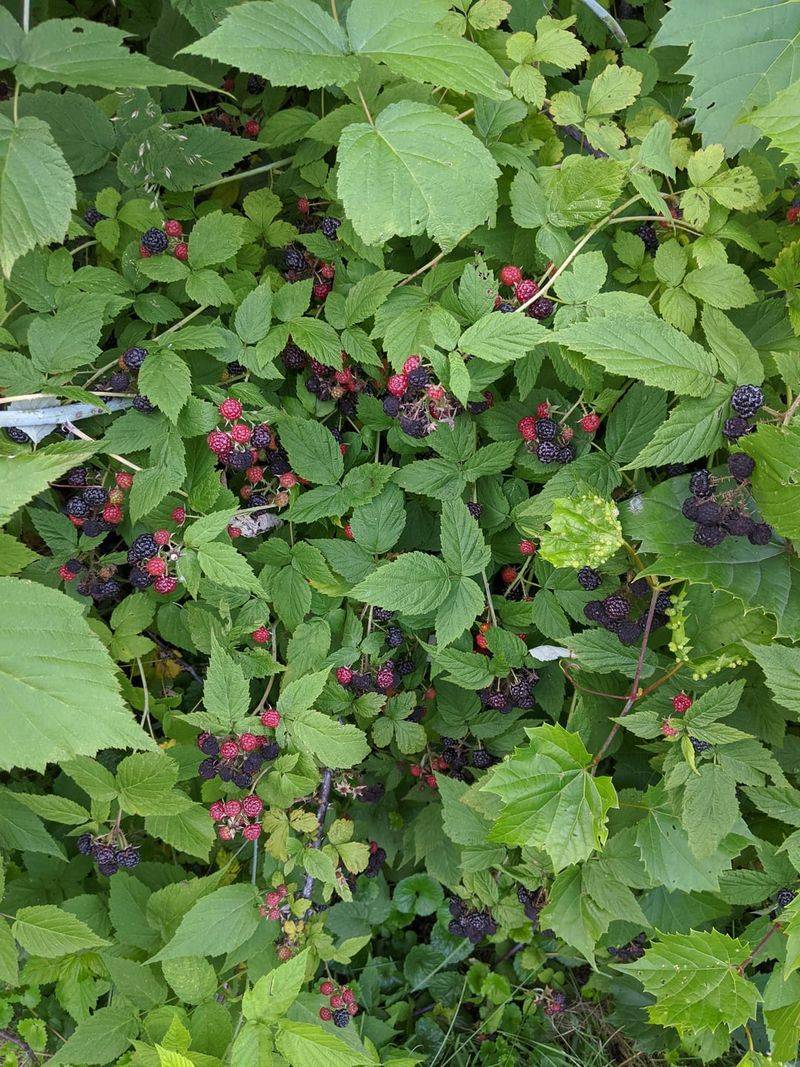
Bold, deeply flavored, and just a little bit wild, blackcap raspberry is the native berry that makes red raspberries look ordinary.
The fruit ripens to a deep purple-black color and delivers a rich, complex flavor that is sweeter and more intense than most cultivated raspberries.
One handful off the cane on a hot Oregon July afternoon and you will understand why people who know about blackcaps guard their patches fiercely.
Blackcap raspberry grows naturally along sunny woodland edges, roadsides, and disturbed areas throughout Oregon.
It forms arching canes covered in a bluish-white waxy coating that gives them an almost ghostly look in winter.
The thorns are real and they mean business, so wear long sleeves at harvest time and plant this one away from high-traffic areas.
Sunny to partly sunny spots with well-drained soil suit blackcaps best.
The canes fruit in their second year, so patience pays off. After fruiting, cut those canes to the ground and let new ones take over. The cycle keeps the patch productive and manageable.
Birds, small mammals, and pollinators all benefit from a blackcap patch.
For Oregon gardeners who want serious flavor in a native plant, blackcap raspberry delivers at every level. Just respect the thorns and it will respect you right back with an annual harvest worth bragging about.
8. Wild Strawberry Covers Low Ground
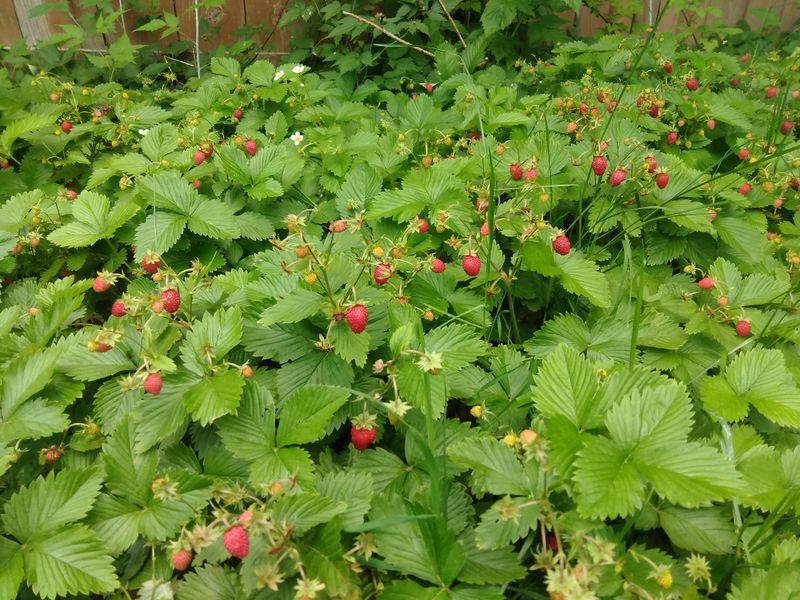
Nothing smells quite like a wild strawberry warmed by the afternoon Oregon sun.
The fruit is tiny, sometimes no bigger than your thumbnail, but the flavor is so concentrated and sweet that one berry delivers more strawberry punch than a whole grocery store carton of the cultivated kind.
Wild strawberry is the underdog of the berry world, and it is well past time it got the recognition it deserves.
Oregon’s native wild strawberry spreads by runners to form a low, dense groundcover that works beautifully in sunny to partly shaded spots.
It stays under six inches tall and fills in gaps between stepping stones, along path edges, and under open shrubs. The small white flowers bloom in spring and attract native bees, then give way to the tiny fruit in early summer.
Wild strawberry tolerates a range of Oregon soil conditions but does best with decent drainage and moderate moisture.
It is far less fussy than cultivated strawberry varieties and does not require the same level of soil amendment or fertilization.
The fruit can be eaten fresh, stirred into yogurt, made into jam, or dried for later use.
Birds enjoy the fruit too, so a large patch ensures enough for everyone. Wild strawberry is proof that the best things sometimes come in the smallest, most unassuming packages growing right in your own Oregon backyard.