Why Tree Planting And After-Care Protect Your Investment In Indiana
Every tree you plant in Indiana starts a bet against time. The first two years decide everything.
Roots either dig deep enough to make it through August droughts, or they stay shallow and give up the moment a January cold snap hits.
Indiana’s weather doesn’t do gentle transitions. It swings from soggy spring clay to bone-dry summer heat, and a young tree caught unprepared won’t just struggle.
It’ll fade quietly, often without warning signs until it’s too late.
That’s the part most homeowners miss. Planting gets the attention, the photos, the sense of accomplishment.
Aftercare gets ignored. Then a $200 sapling turns into a stump grinding bill nobody budgeted for.
Mulching, watering schedules, pruning cuts made at the wrong angle, all of it either builds a tree that outlives you or wears one down within three seasons.
If you want your yard to actually pay off in shade, value, and curb appeal, the real work starts after the shovel goes back in the shed.
1. Ensures Roots Establish In Indiana’s Clay Soils
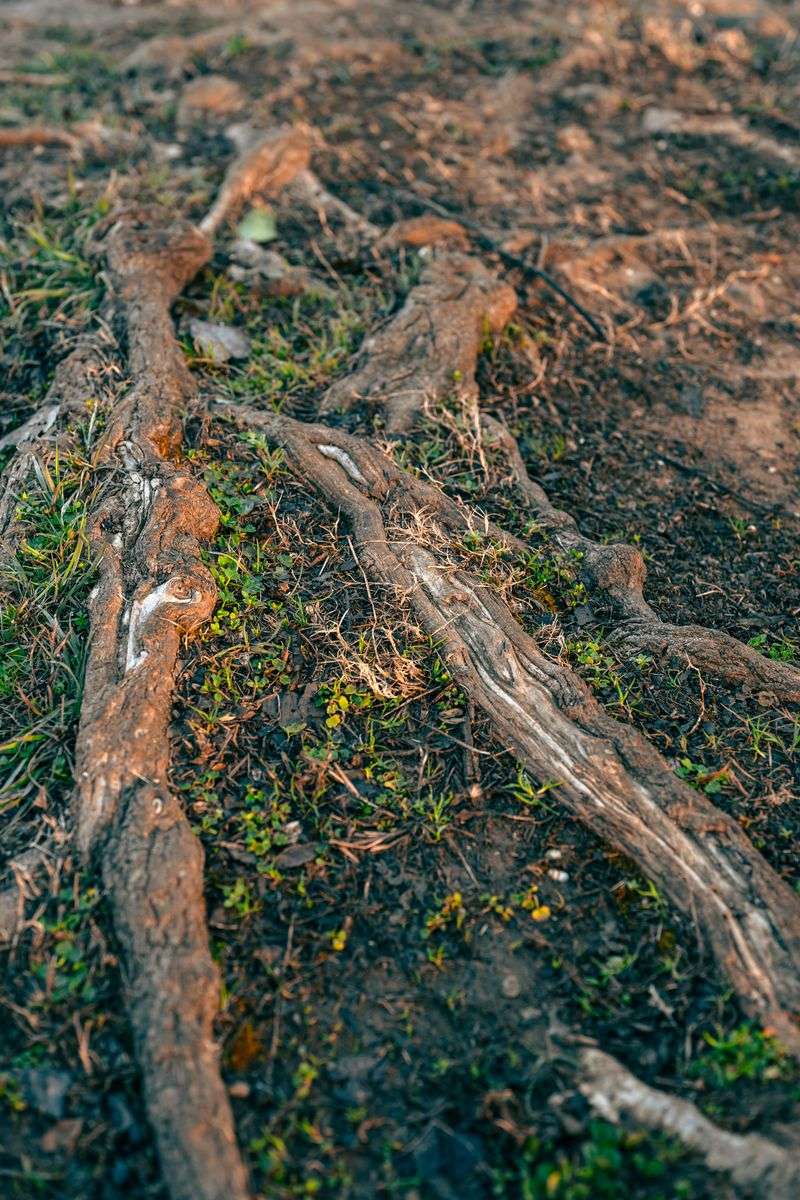
Clay soil is sneaky. It looks rich and dark, but it holds water like a bathtub and suffocates roots that need air to grow.
Indiana’s heavy clay is one of the biggest reasons newly planted trees struggle in their first two years. The soil compacts tightly, leaving little room for roots to spread outward and anchor the tree properly.
Smart after-care changes that equation fast. Mixing organic compost into the planting hole loosens the structure. This improves drainage so roots can actually breathe and push outward.
Mulching around the base, about two to three inches deep, keeps moisture levels steady. That consistency signals to the root system that conditions are safe enough to expand.
Watering deeply but less frequently encourages roots to chase moisture downward rather than staying shallow and weak. Shallow roots make trees unstable and vulnerable to drought stress later on.
Regular soil checks during the first growing season help you catch compaction problems early. A simple garden fork used carefully near the drip line can aerate the soil without damaging tender new roots.
Tree planting and after-care protect your investment by giving roots the right environment.
That foundation lets them thrive in challenging Indiana ground. A well-established root system is the foundation everything else depends on.
2. Prevents Transplant Shock In Extreme Weather
Transplant shock is the silent saboteur of new trees. A perfectly healthy sapling can look wilted, yellow, and half-gone just weeks after planting, and most homeowners have no idea why.
Indiana’s weather swings are legendary. Temperatures can jump from freezing nights to blazing afternoons within the same week, and that whiplash hits transplanted trees especially hard.
When a tree is moved, it loses a significant portion of its root mass. That loss means it cannot pull enough water to keep up with the demands of its leaves and branches during hot or windy days.
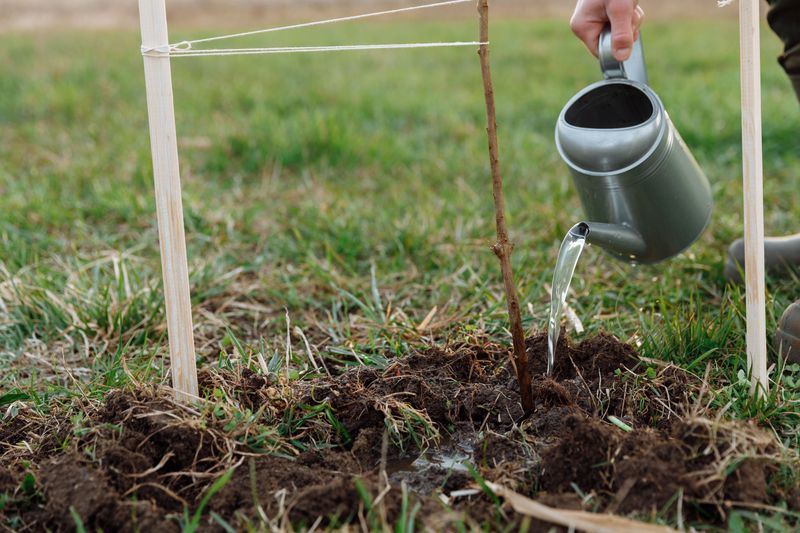
Consistent watering during the first two growing seasons is the single most effective way to reduce shock. Slow, deep watering at the base twice a week gives roots time to absorb moisture without drowning in pooled water.
Your Indiana Garden Changes Every Week. Your Plan Should Too.
Gardening in Indiana changes quickly throughout the season. Every Friday you’ll receive a simple weekly plan showing exactly what to plant, prune, fertilize, harvest, and protect so you never miss the right timing.
Anti-desiccant sprays applied to evergreens in late fall protect foliage from drying out during cold, windy Indiana winters. This simple step can mean the difference between a thriving tree and a struggling one come spring.
Staking young trees correctly also reduces stress. A loosely tied stake keeps the trunk stable without restricting natural movement, which actually strengthens the wood over time.
Protecting against transplant shock is a core reason why tree planting and after-care protect your investment. A tree that makes it through its first two seasons has a strong chance of thriving for generations.
3. Reduces Girdling Roots That Strangle Trees
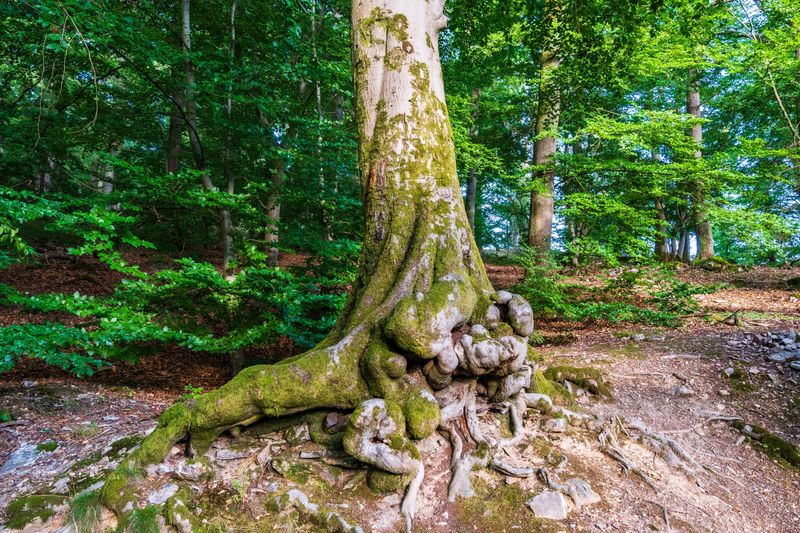
Girdling roots are one of the most overlooked threats to long-term tree health. They grow in a circular pattern around the trunk instead of spreading outward, slowly choking off the flow of water and nutrients.
The problem often starts at the nursery. Trees grown too long in containers develop roots that circle the pot’s edges.
If those roots are not corrected at planting, they continue that same circular growth underground.
At first, nothing looks wrong. The tree leafs out normally and grows steadily for several years, giving no outward sign of trouble brewing beneath the surface.
Symptoms like a leaning trunk, thinning canopy, or bark that looks pinched at the base tend to show up late.
By then, significant damage has already been done. Catching girdling roots early requires a quick inspection at planting time.
Before placing a tree in its hole, gently untangle or cut any roots that are already circling. A clean cut with sharp pruners removes the problem before it has a chance to escalate.
Annual root collar inspections after planting take only minutes. Simply brush back the mulch and look at the base of the trunk to check that no roots are beginning to wrap inward.
Addressing this issue is a key reason why tree planting and after-care protect your investment over the long haul. A healthy root system means a tree that stands strong for decades without costly intervention.
4. Protects Young Trees From Frost And Drought

Young trees are not tough yet. Their bark is thin, their root systems are shallow, and their ability to regulate internal moisture is still developing.
That combination makes them easy targets for frost and drought alike. Indiana winters can bring sudden hard freezes that crack bark and damage the cambium layer.
That’s the living tissue just beneath the surface that carries nutrients up and down the tree. Wrapping trunks with tree guards or burlap before the first hard freeze protects that fragile layer from temperature swings.
It also prevents sunscald, a condition where winter sun warms the bark during the day and rapid nighttime cooling causes it to split.
Summer drought is an equally serious threat. A newly planted tree may look fine on the surface while its roots are quietly running out of moisture reserves during a dry stretch.
Drip irrigation systems or soaker hoses placed around the root zone deliver water slowly and directly where it is needed most.
This method wastes far less water than overhead sprinklers and reduces the risk of fungal issues on foliage.
Applying a fresh layer of organic mulch each spring insulates the soil against summer heat and slows evaporation dramatically. A two-inch layer can noticeably slow soil moisture loss during peak heat months.
Giving young trees this seasonal protection matters. It’s exactly why tree planting and after-care protect your investment through every weather challenge Indiana throws their way.
5. Saves Money On Removal And Replacement
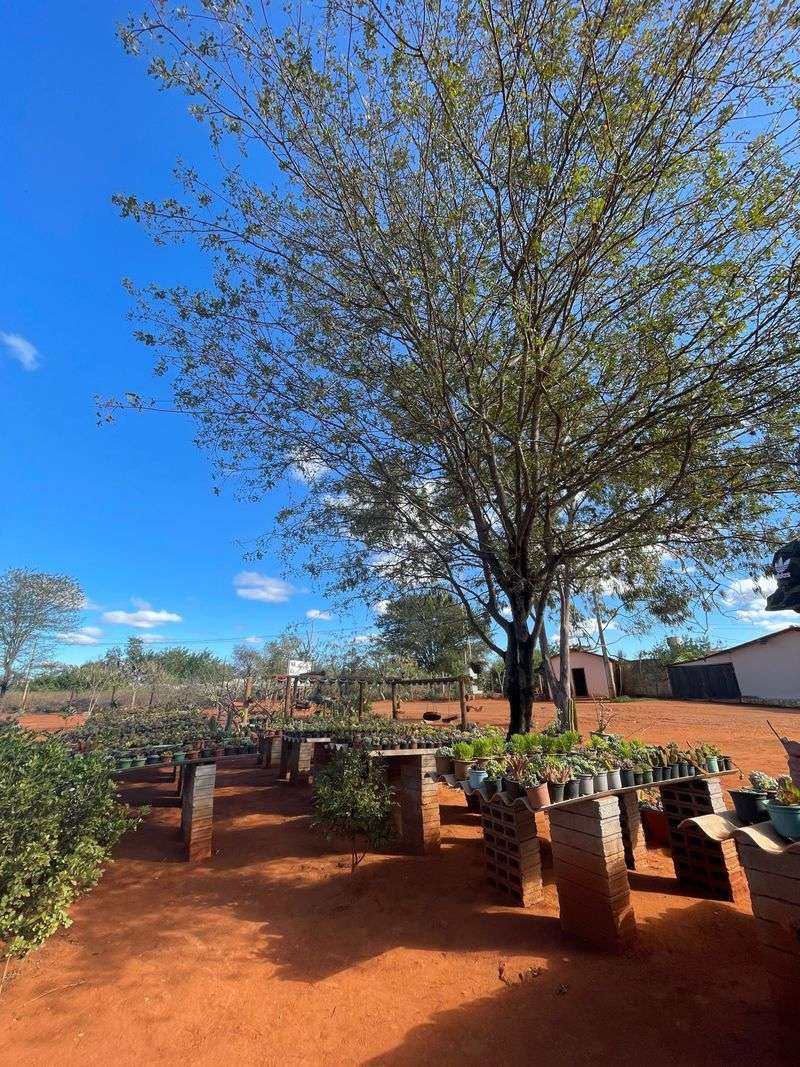
Nobody budgets for emergency tree removal. Yet across Indiana, homeowners spend thousands every year hauling out trees that could have been saved with basic seasonal care.
The average cost to remove a large tree ranges from $800 to over $2,500 depending on size, location, and complexity. Add stump grinding, cleanup, and a replacement sapling, and that number climbs fast.
Preventive care costs a fraction of that. A bag of mulch, a soaker hose, and an annual pruning session might run you $100 to $200 per year. That small cost dramatically reduces the odds of losing a tree prematurely.
Proper pruning is especially powerful. Removing weak or crossing branches while a tree is young prevents structural problems down the road.
Left unchecked, those problems lead to splits, breakage, and eventual failure in storms or heavy snow loads.
Fertilizing at the right time also matters. A slow-release fertilizer applied in early spring gives trees the nutrients they need to build strong wood. It also helps them resist pest pressure throughout the growing season.
Catching disease early is another financial lifesaver. A certified arborist can spot early signs of fungal infection or pest damage during a routine visit. Early treatment costs far less than dealing with a fully infected tree.
Consistent tree planting and after-care protect your investment by keeping removal bills off your radar entirely.
Healthy trees do not just hold on, they pay you back in beauty, shade, and property value for years to come.
6. Boosts Property Value With Healthy Trees

Curb appeal is not just about fresh paint and flower beds. Mature, healthy trees are one of the highest-return features a property can have, and buyers notice them immediately.
Studies suggest that well-placed trees can increase a property’s value by 10 to 15 percent. The USDA Forest Service puts the figure at around 10 percent for healthy, mature trees.
In a competitive Indiana housing market, that is a meaningful edge when it comes time to sell. Trees also reduce energy costs, which adds indirect financial value.
A strategically placed shade tree on the west or south side of a home can lower summer cooling bills. It shades the roof and walls during the hottest hours of the day.
Buyers associate mature trees with established, well-maintained neighborhoods. A yard with strong, healthy canopy signals that the homeowner cares about long-term upkeep, which builds buyer confidence across the board.
The key word is healthy. A yard full of stressed, misshapen, or pest-damaged trees actually lowers perceived value and raises buyer concerns about future costs.
After-care practices like proper pruning, mulching, and seasonal fertilizing keep trees looking their best year after year.
A tree that is cared for correctly grows into a striking landscape feature rather than a liability. Investing in tree planting and after-care protects your investment.
You are building equity in your property one growing season at a time. Few landscaping decisions offer this kind of compounding return.
7. Supports Local Wildlife And Pollinators

Planting the right tree is like opening a neighborhood diner for wildlife. Within a single season, birds, bees, and butterflies begin visiting, nesting, and feeding in ways that ripple through the entire local ecosystem.
Native Indiana trees like redbud, serviceberry, and black cherry are especially valuable. They evolved alongside local insects and wildlife, so they offer food and shelter that non-native species simply cannot match.
Pollinators depend on blooming trees in early spring when few other food sources are available.
A single serviceberry tree in bloom can feed a large number of native bees during a critical window before wildflowers emerge.
After-care practices play a big role here too. Avoiding broad-spectrum pesticide sprays near your trees protects the beneficial insects that pollinate your garden.
It also protects the songbirds that nest in the canopy above and rely on those insects for food.
Leaving some leaf litter around the base of trees provides overwintering habitat for moths, beetles, and ground-nesting bees.
This small act of restraint has an outsized positive effect on biodiversity in your yard. Proper pruning also creates habitat opportunities.
Bare branch stubs left at a safe length provide nesting cavities for woodpeckers and small songbirds. These birds often cannot find natural cavities in younger, heavily manicured landscapes.
Caring for your trees with wildlife in mind makes your yard a living system rather than just a lawn.
Tree planting and after-care protect your investment in nature as much as they protect the trees themselves.
8. Strengthens Storm Resilience Against Wind And Ice
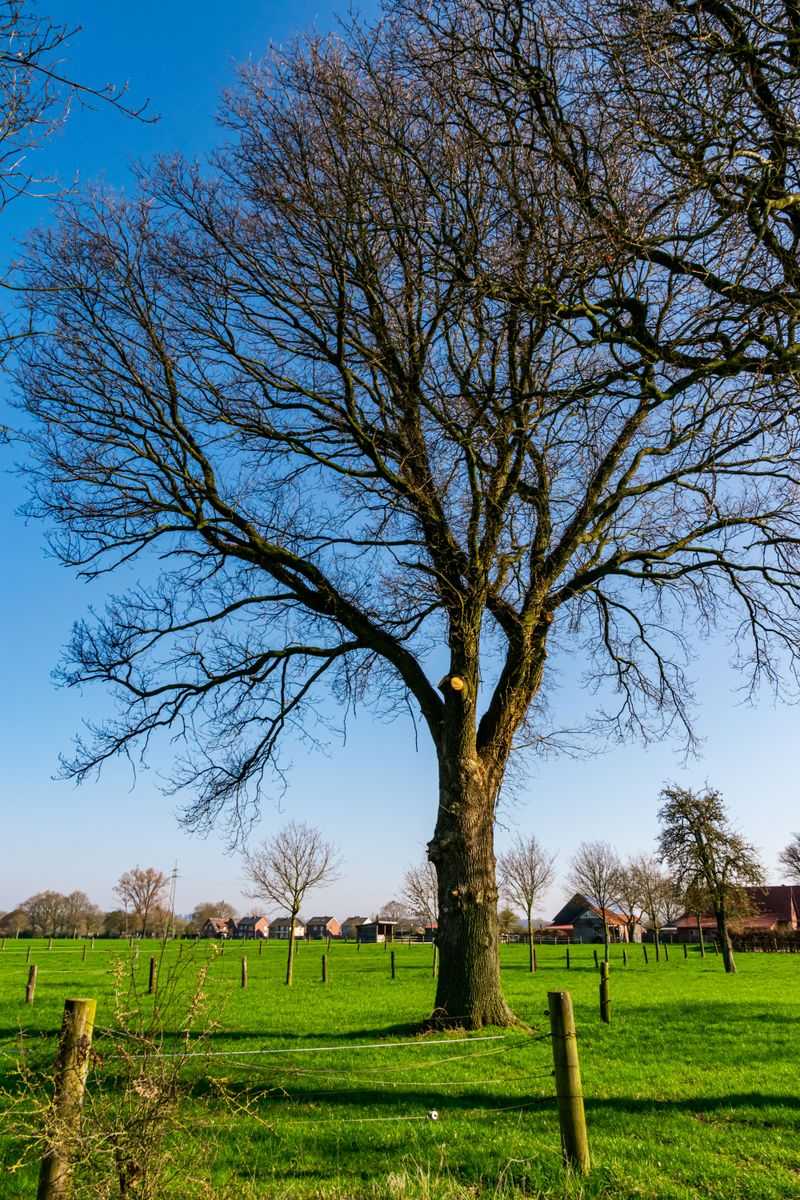
Indiana storms are not gentle. Spring tornadoes, summer derechos, and winter ice events all test the structural integrity of every tree on your property.
Weakly structured trees fail fast under that pressure. The good news is that proper pruning significantly improves how a tree handles wind and ice loads.
Removing co-dominant leaders, crossing branches, and weak wood reduces the weight and wind resistance that cause failures during storms.
Co-dominant leaders are two main trunks growing at a narrow angle to each other. That tight union creates a weak point.
Under heavy ice or sustained wind, it can split apart and cause catastrophic damage to whatever is below.
Structural pruning done during the first five to ten years of a tree’s life shapes the canopy in ways that resist breakage naturally.
It is far easier to correct structure early than to manage a failing mature tree later. Cabling and bracing are additional tools for trees with existing structural concerns.
A certified arborist can install flexible cables between major limbs to redistribute load and reduce the risk of splitting during severe weather.
Root health matters for storm resilience too. A tree with a deep, well-spread root system holds the ground far better than one with shallow, compacted roots.
Shallow roots simply cannot anchor against strong lateral wind forces. Every pruning session and watering routine you complete is a direct investment in storm preparedness.
Tree planting and after-care protect your investment by ensuring your trees stand when the next big Indiana storm rolls through.