10 June Compost Ingredients Indiana Gardeners Swear By For Richer Fall Soil
Every June, I catch myself sneaking coffee grounds out to the compost pile before my husband even finishes his cup. He thinks I’m impatient.
I think I’m strategic. Here’s the thing nobody tells you about Indiana summers: they’re secretly compost season.
Everyone’s out there babying their tomatoes and wrestling with weeds, but the real magic? It’s happening in that humble pile in the corner of your yard.
Those grass clippings you’re bagging up? Gold.
The cardboard from your Amazon boxes? Gold.
Spent flowers, veggie scraps, eggshells? You guessed it.
Last summer, I filled my compost bin faithfully from June through August. By October, I had the darkest, crumbliest, most gorgeous soil of my gardening life. Start piling now, Indiana gardeners.
Your fall garden beds will absolutely show off for it.
1. Grass Clippings
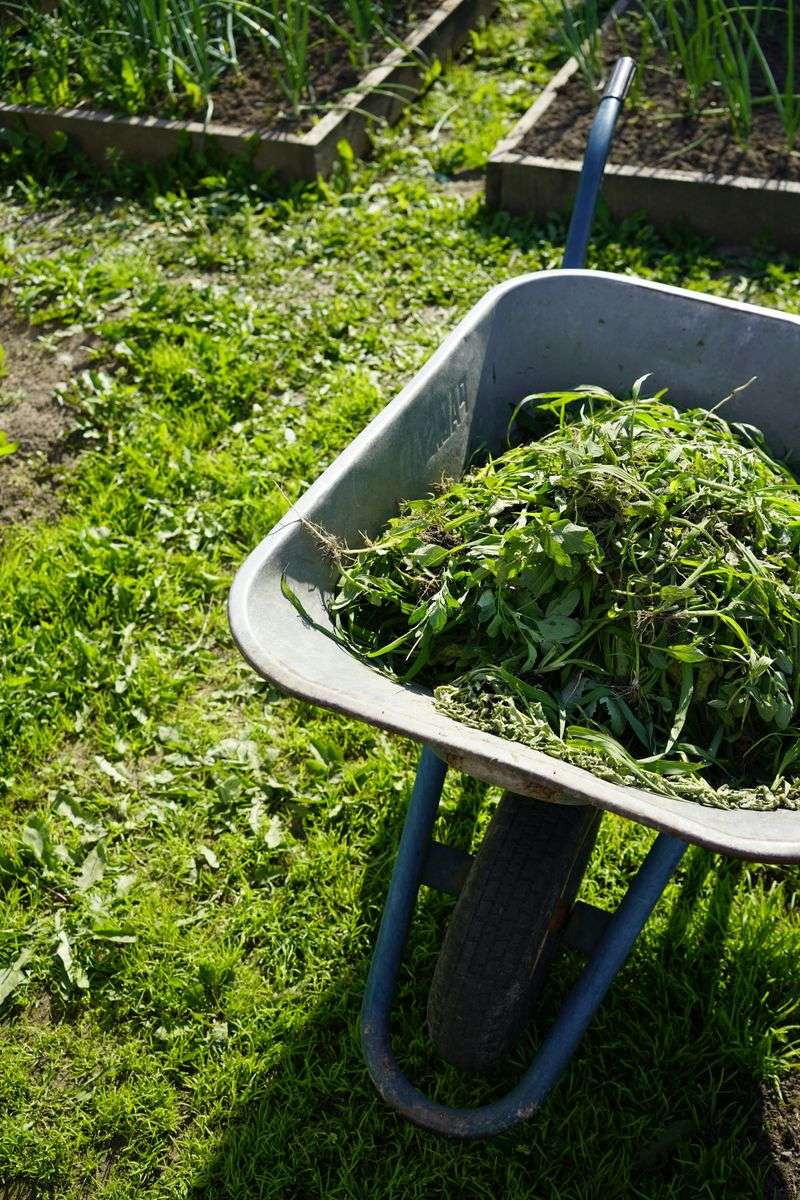
Toss fresh grass clippings into your compost pile and watch that thing wake up within a few days. Right after mowing, those bright green blades are loaded with nitrogen, which heats up your pile and speeds up the whole breakdown process.
June is peak mowing season, so you have a steady supply hitting your yard every single week.
Thin layers work best here. Dump too many clippings in one thick clump and they turn into a slimy, smelly mat that slows everything down.
Spread them in shallow layers and mix them with dry brown materials like leaves or cardboard to keep airflow moving through the pile.
One big lawn mow can generate enough clippings to seriously boost your pile. Skip the bag attachment on your mower for a week or two and collect every bit.
Avoid clippings from lawns treated with herbicides, since those chemicals can linger and harm your garden plants later. Clean clippings from an untreated yard are a free, renewable resource you already have.
Your fall soil will be richer, looser, and more alive because of what you add right now in June.
2. Vegetable And Fruit Scraps
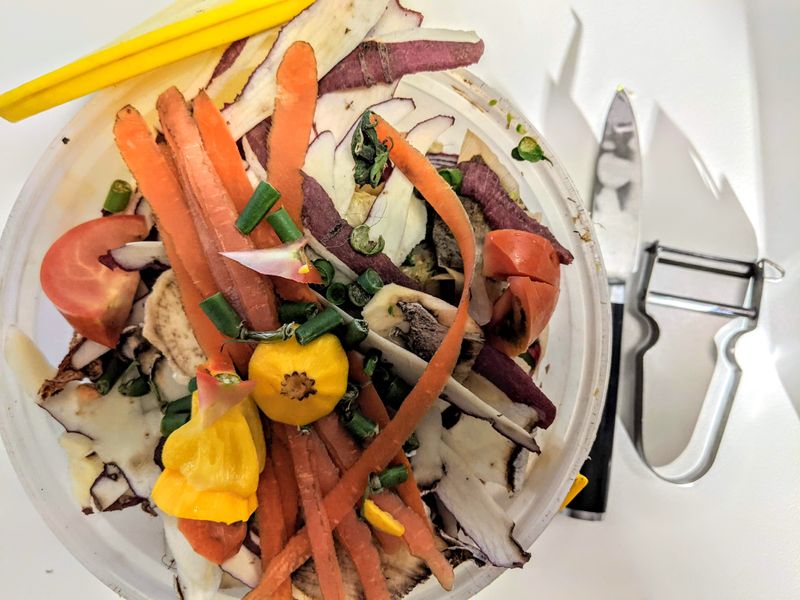
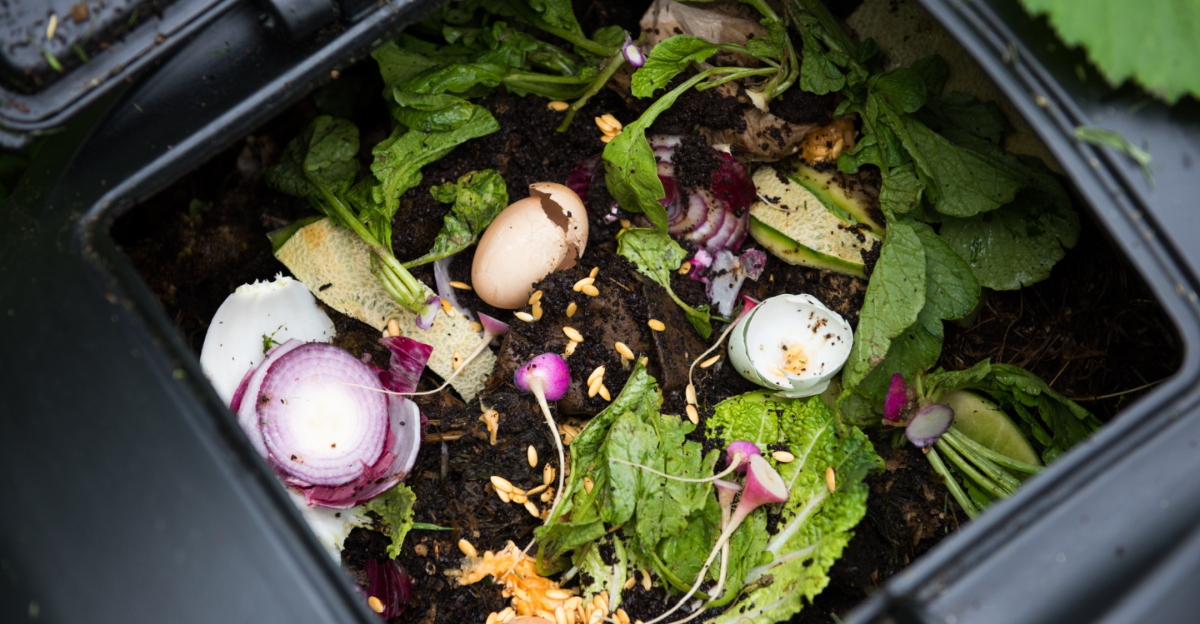
Your kitchen counter is basically a compost factory running all day long. Carrot peels, strawberry tops, melon rinds, and wilted lettuce all break down quickly and pump your pile full of potassium, phosphorus, and trace minerals your fall garden soil craves.
June is prime time because summer cooking means more fresh produce and more scraps.
Keep a small lidded container near your sink to collect scraps as you prep meals. Empty it into the compost bin every day or two so nothing gets funky indoors.
Chop or tear larger pieces into smaller bits to help them decompose faster once they hit the pile.
Avoid adding meat, dairy, or oily foods since those attract pests and create bad odors. Stick to plant-based scraps and you will have zero problems.
Citrus peels are fine in small amounts but use them sparingly since they break down slowly. Banana peels, on the other hand, are among the fastest-decomposing scraps you can add.
Every meal you cook this June is an opportunity to feed your future fall garden beds with exactly what they need to produce bigger, healthier harvests.
Your Indiana Garden Changes Every Week. Your Plan Should Too.
Gardening in Indiana changes quickly throughout the season. Every Friday you’ll receive a simple weekly plan showing exactly what to plant, prune, fertilize, harvest, and protect so you never miss the right timing.
3. Coffee Grounds
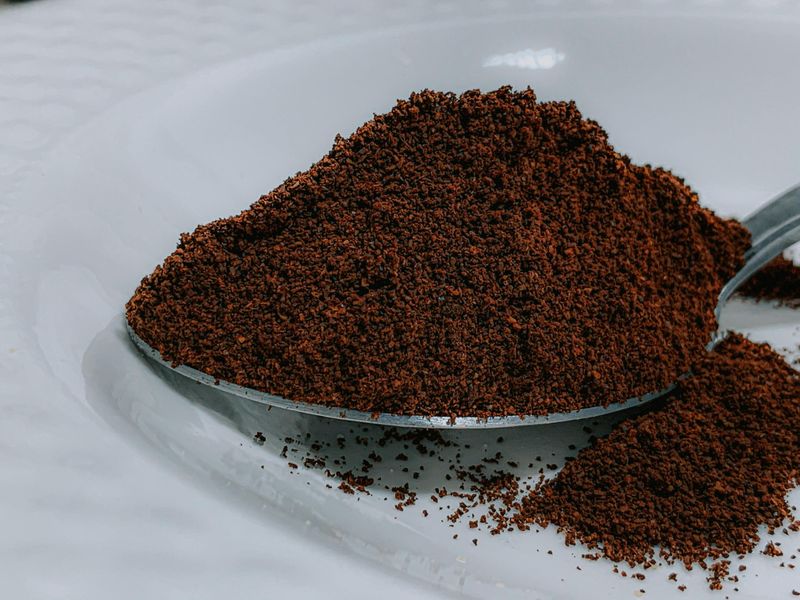
Most people pour used coffee grounds straight down the drain without a second thought. That habit is quietly wasting one of the best free compost boosters available in any home.
Grounds are rich in nitrogen, break down fast, and attract earthworms like crazy, which is exactly what you want happening in your fall soil.
Collect grounds from your morning brew every single day throughout June. If you want to supercharge your pile even faster, ask your local coffee shop for their used grounds.
Many shops bag them up for free because they need to get rid of them anyway.
Sprinkle grounds in thin layers rather than dumping a huge clump all at once. Too much in one spot can create a dense, water-resistant barrier that slows airflow.
Mix them in with leaves, shredded paper, or other brown materials to keep the pile balanced. Paper coffee filters can go in too, which saves a little extra waste.
Worms absolutely love grounds, and more worms mean better aeration and faster decomposition.
By fall, that wormy, ground-enriched compost brings your garden beds something store-bought fertilizer simply cannot bottle. Real biological complexity, real natural vitality, all built from your morning coffee.
4. Pulled Weeds Before They Seed
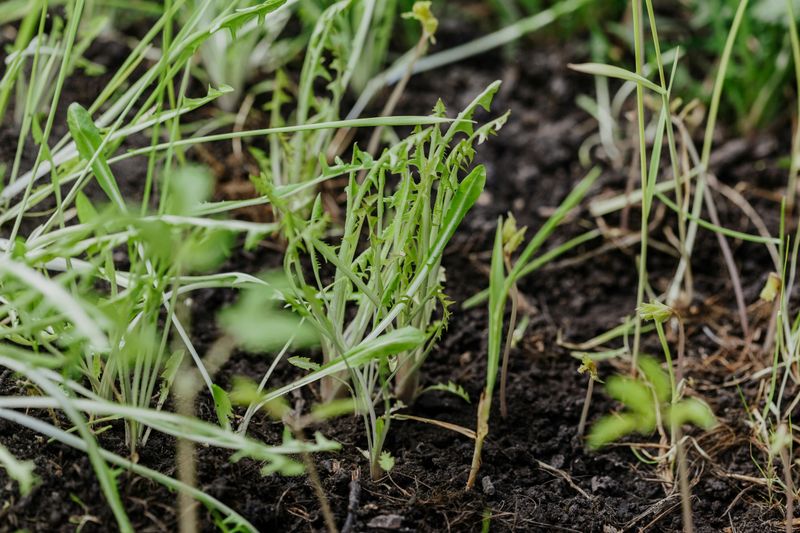
Weeds pulled before they drop seeds are a composting win hiding in plain sight. Fresh, green, non-seeded weeds are nitrogen-rich and break down quickly, adding real value to your pile.
The key phrase there is before they seed, because tossing in weeds with mature seeds is basically planting a weed garden inside your compost.
June is the perfect window for this strategy. Most common Indiana June weeds like crabgrass, purslane, and pigweed are still young and actively growing but have not yet set seed.
Pull them early in the morning when the soil is moist and roots come out clean. Shake off excess dirt and toss the whole plant into your pile.
Avoid composting weeds that spread through their roots, like bindweed or quackgrass, since root fragments can survive and sprout again later. Stick to annual weeds that are clearly still in their vegetative stage and you will be fine.
Pile them in loose handfuls mixed with dry materials. Weeding your beds anyway is a must in June, so you might as well put those pulled plants to work.
That extra effort now translates directly into richer, more balanced soil when autumn planting season rolls around.
5. Fresh Garden Trimmings
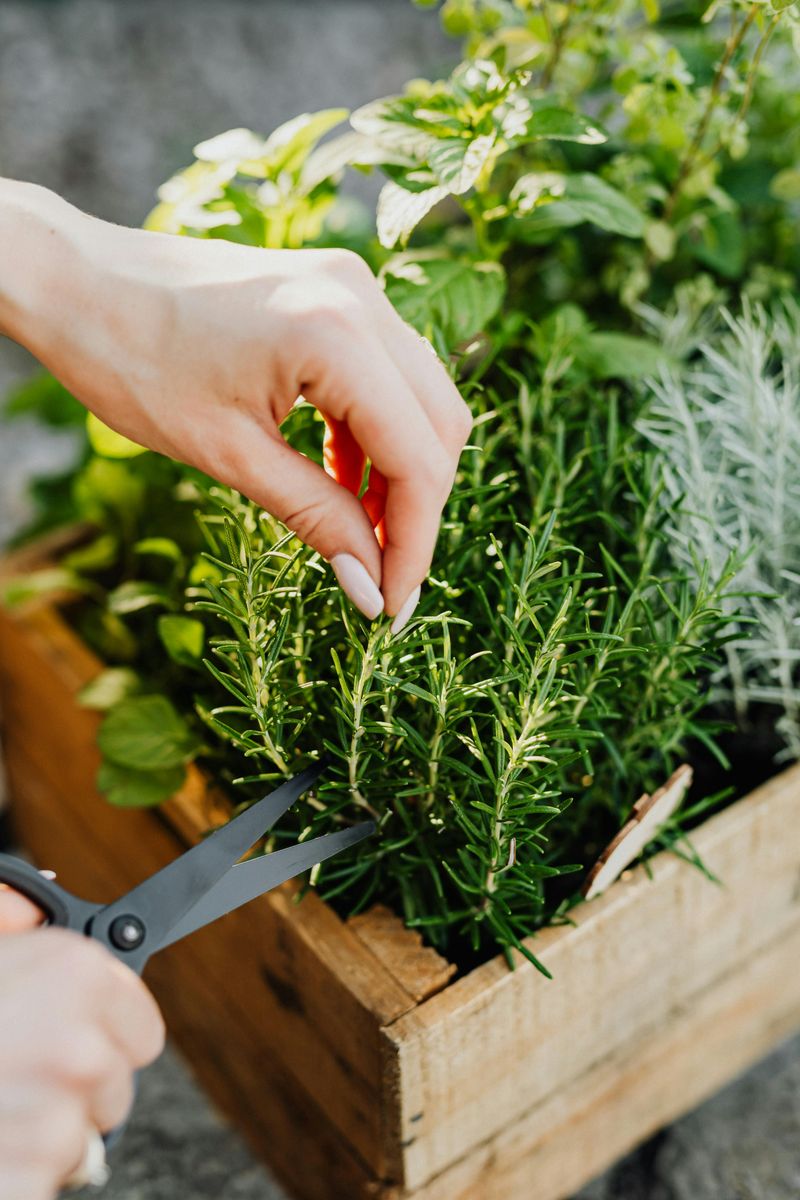
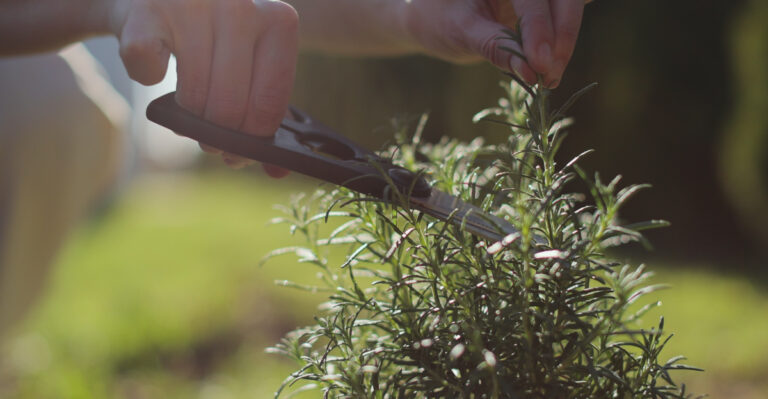
June pruning fills your compost bin fast with tomato suckers, herb trimmings, and perennial cuttings. That soft, leafy growth is loaded with moisture and nitrogen, making it one of the most active ingredients you can add to a compost pile during summer.
Do not let a single trimming go to waste.
Herb trimmings like basil, mint, and parsley are especially valuable because they are nitrogen-rich and break down faster than tougher plant material. Tomato and pepper suckers, bean vines, and zucchini leaves all work beautifully too.
Chop longer stems into shorter pieces to speed things up.
Balance fresh trimmings with dry brown materials at roughly a two-to-one ratio by volume. Too much green at once tips the moisture balance and creates a soggy, slow pile.
Keep a bin of shredded paper or dry leaves nearby so you can layer as you add. Garden trimmings are happening constantly through June, which means you have a daily opportunity to feed your pile.
That consistent input builds the microbial activity needed to produce dark, crumbly compost ready for your fall garden beds.
6. Eggshells
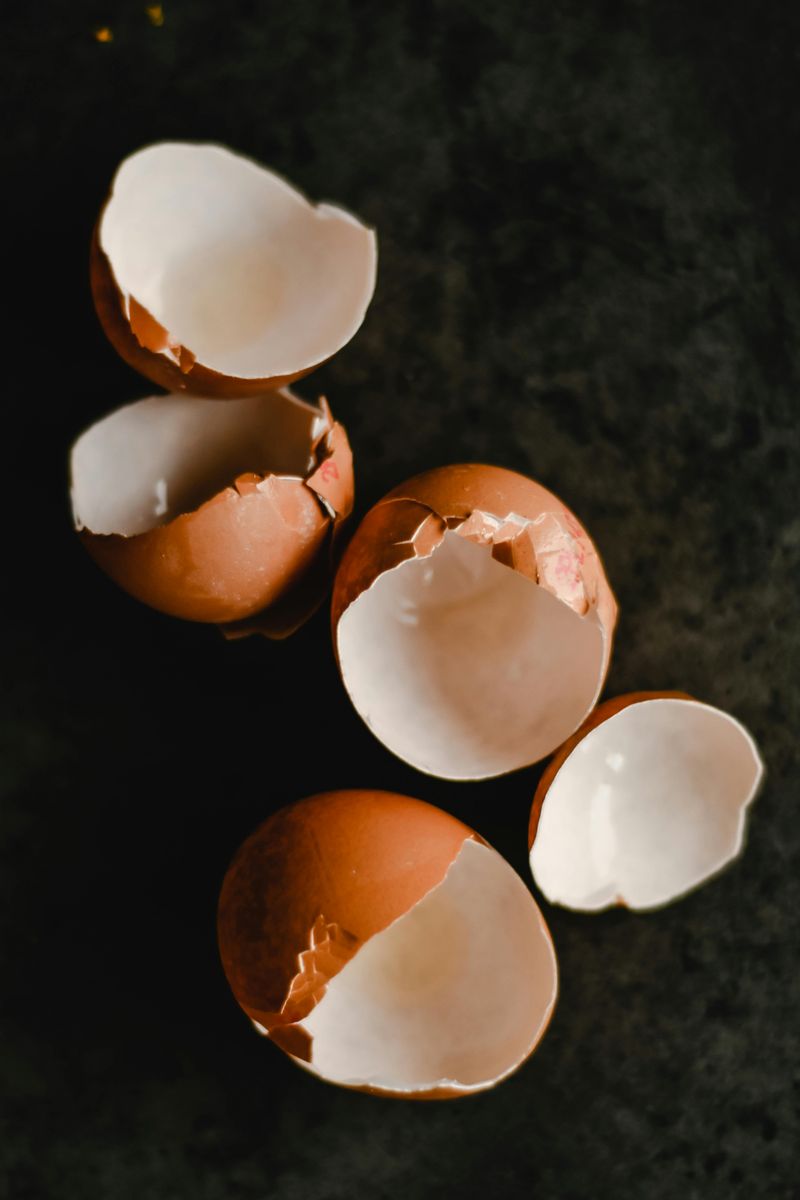
Those eggshells you’re about to toss? Your compost pile actually wants them badly.
Crushed shells add calcium to your compost. Strong calcium levels help plants build sturdy cell walls, which means fewer blossom end rot problems on tomatoes and peppers come fall.
Rinse shells quickly before adding them so they do not attract fruit flies or other pests to your pile. Let them dry on the counter for a day, then crush them as finely as you can with your hands or a rolling pin.
Smaller pieces break down faster and release minerals more efficiently into the finished compost.
Shells decompose slowly compared to food scraps, so the finer the crush, the better your results will be by fall. Some gardeners run dry shells through a blender to get a near-powder consistency that mixes seamlessly into the pile.
Save every shell from breakfast all June long and you will be surprised how much calcium you can accumulate. That mineral boost quietly improves soil structure and wakes up beneficial microbes.
Your fall crops will feel it all the way to harvest.
7. Spent Flower Heads
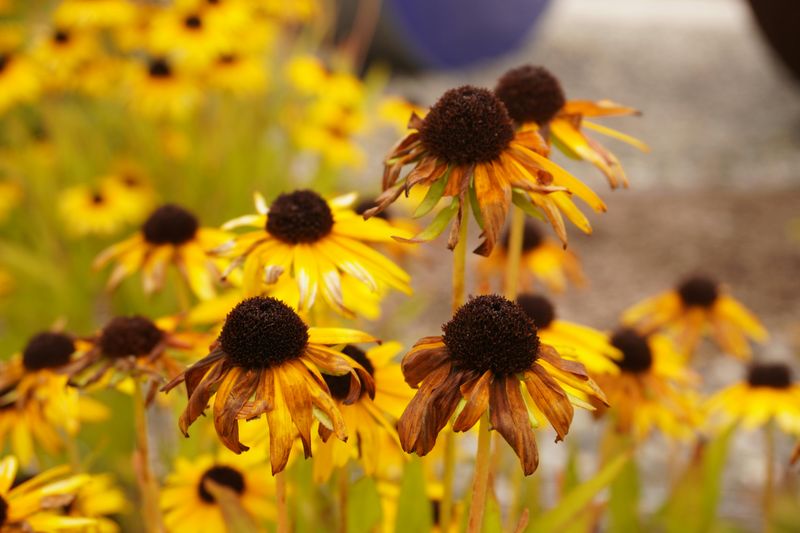
Clip those faded flowers in June and watch your garden bloom like crazy all summer. What most gardeners do not realize is that those spent flower heads are also perfect compost material.
Soft petals and fleshy flower bases break down quickly, adding organic matter and a surprising range of trace nutrients to your pile.
Flowers like peonies, roses, and daylilies drop heavy, moisture-rich heads that heat up a compost pile nicely.
Avoid adding any flower heads that show signs of disease or fungal infection since those pathogens can survive in compost that does not reach high enough internal temperatures.
Healthy spent blooms only.
Toss them in loose and mix them with drier materials to prevent clumping. Spent flower heads from annuals like zinnias and marigolds are especially useful because they are soft, quick to break down, and absolutely loaded with organic compounds.
Collect them during daily deadheading sessions and your pile will grow steadily through summer. By fall, that finished compost will support everything from earthworms to beneficial fungi.
Your soil will feel alive in the best possible way.
8. Shredded Cardboard And Paper
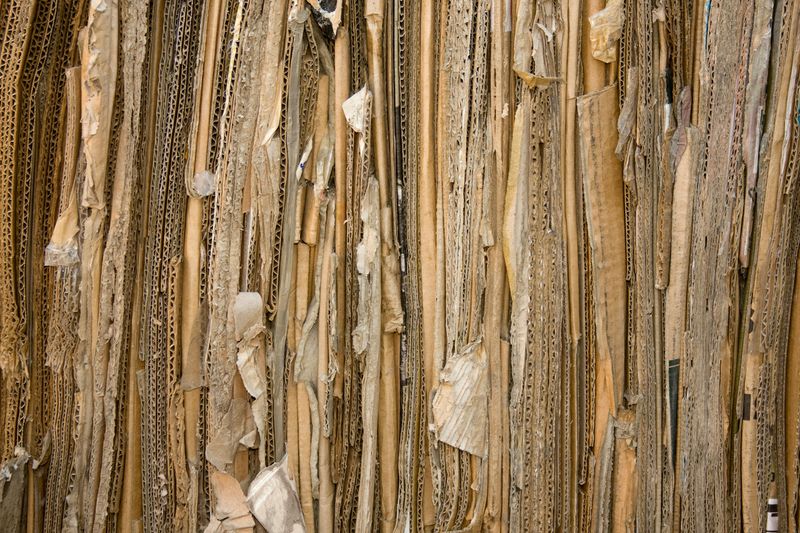
Brown materials are the unsung heroes of a well-balanced compost pile. Shredded cardboard and paper provide the carbon that balances out all the nitrogen-rich green stuff you add in June.
Without enough brown material, your pile gets wet, dense, and starts to smell like something went wrong.
Break down cardboard boxes into flat pieces and tear or shred them into strips roughly the size of your hand. Remove any tape or staples first.
Plain newspaper and uncoated paper bags shred easily and break down within weeks when layered properly. Avoid glossy paper or heavily printed cardboard since those inks and coatings can introduce unwanted chemicals.
Amazon boxes, cereal boxes, toilet paper rolls, and paper grocery bags are all fair game. June tends to be a busy shopping and cooking month, so cardboard accumulates fast.
Keep a stack near your compost bin and add a layer every time you drop in a batch of kitchen scraps or garden greens. That layering habit is what separates a productive, sweet-smelling pile from a neglected, soggy mess.
Think of shredded cardboard as the backbone your compost pile quietly depends on. Come fall, that solid foundation will show up in every shovelful of rich, dark soil.
9. Straw And Hay
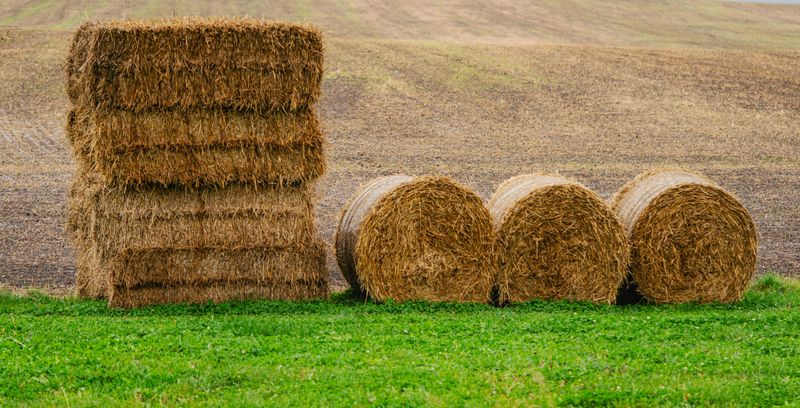
Straw might not be flashy, but experienced gardeners keep coming back to it for one simple reason: it works. It is light, airy, and packed with carbon, making it an ideal material for opening up a dense pile and keeping oxygen flowing through.
Good airflow means faster decomposition and hotter internal temperatures that neutralize weed seeds and pathogens.
Look for straw bales at local farm supply stores or farmers markets across Indiana during June. Straw is the dry stem of grain crops like wheat or oats, while hay includes seed heads and grasses.
For composting purposes, straw is the better choice since hay can introduce unwanted seeds into your pile and eventually your garden beds.
Fluff the straw before adding it rather than dropping in thick, compressed clumps. Loose straw mixes evenly with wet green materials and creates pockets of air that microbes thrive in.
It also absorbs excess moisture during rainy June weeks, preventing your pile from becoming waterlogged. A small bale goes a long way and lasts the whole summer.
That one structural boost helps your pile process everything faster. The reward by fall is heavy Indiana clay transformed into something light, workable, and genuinely alive.
10. Crushed Dry Leaves From Last Fall
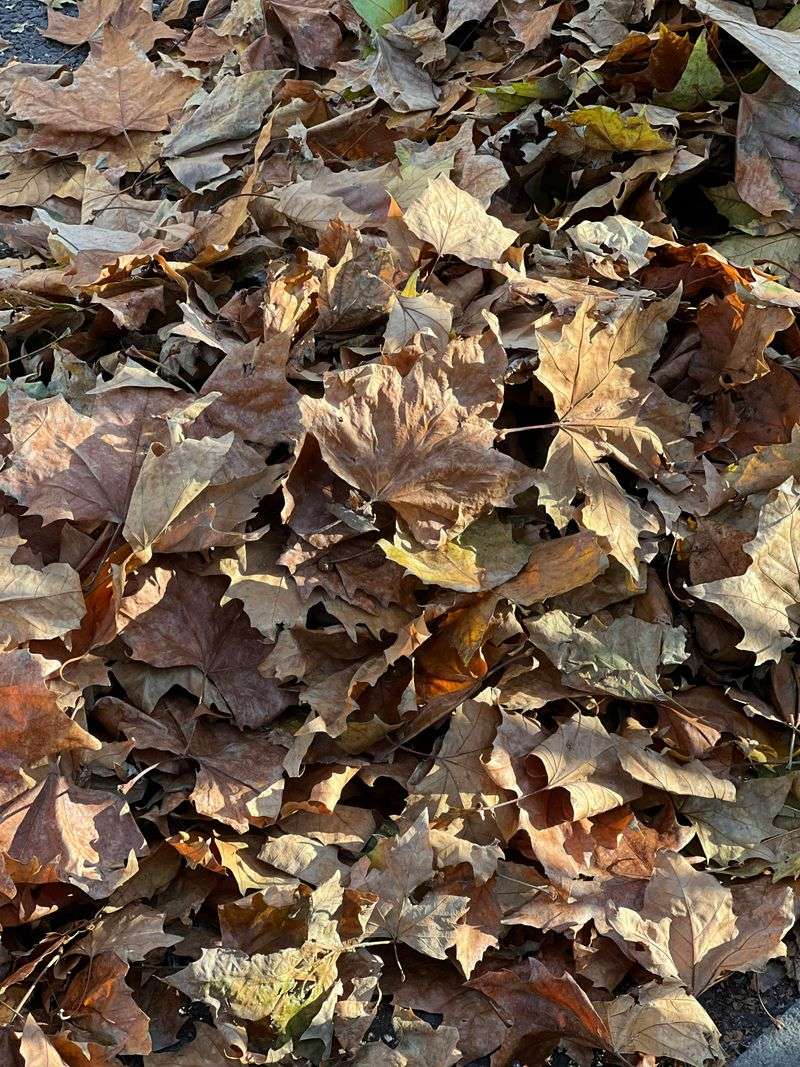
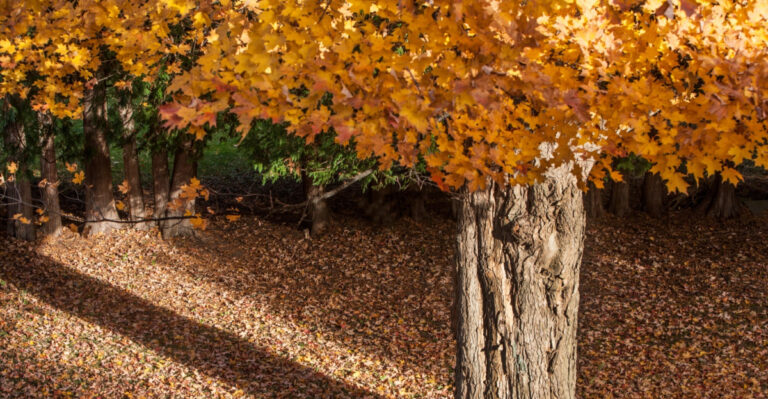
Those bags of autumn leaves sitting in your garage? They’re basically compost gold just waiting to happen.
Those crispy, crumbled leaves are loaded with carbon and provide the exact structural balance your summer pile needs to handle all the juicy green material you are throwing at it. Pull those bags out of the garage and put them to work right now.
Crush the leaves as finely as possible before adding them. Whole leaves can mat together and block airflow, but crushed or shredded leaves mix beautifully into the pile and decompose steadily over several weeks.
Run over a pile of them with a lawn mower if you want to get them extra fine in a hurry.
Alternate layers of crushed leaves with your kitchen scraps, grass clippings, and garden trimmings throughout June. That layering pattern keeps the pile balanced, aerated, and working efficiently all summer long.
Leaves are free, they are already sitting in bags you collected months ago, and they make your pile dramatically more productive. This is one of the best June compost ingredients Indiana gardeners can use to build genuinely rich fall soil.
By September, that leaf-balanced compost will be the dark, earthy foundation your autumn garden beds have been waiting for all year.