How Kentucky Gardeners Can Reduce Summer Planting Stress On Seedlings
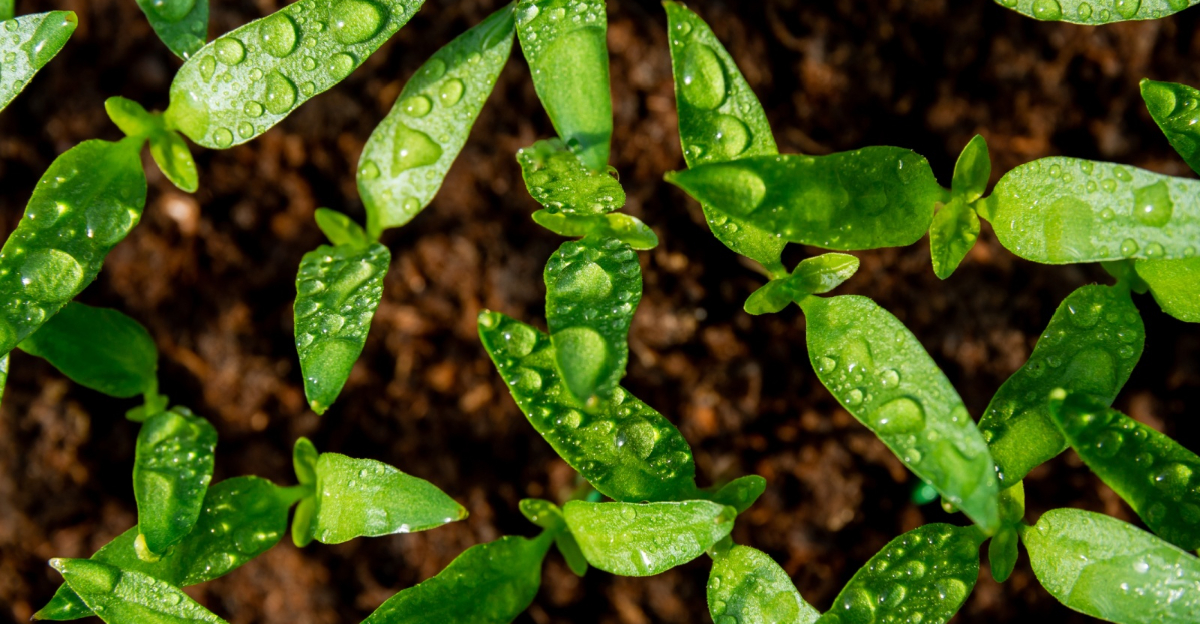
Kentucky summers don’t ease in. One week you’re planting in gentle spring light, and the next you’re facing ninety-degree afternoons that scorch anything not yet rooted in.
A young seedling has no patience for that kind of shock. Leaves curl, stems droop, and within an hour you’re wondering if the plant will make it to sunset.
This is the reality every Kentucky gardener faces once June arrives, and it’s exactly why summer transplant stress deserves real attention, not an afterthought. Skip the guesswork and your garden pays for it in wilted leaves and stunted growth.
Nail the basics, though, and your seedlings shrug off the heat like they were built for it. No greenhouse required, no expensive gear needed.
Just smarter timing, a bit of foresight, and a few field-tested habits that seasoned growers rely on every year. Tomatoes, peppers, basil, whatever you’re planting, these tricks will carry your seedlings through the toughest stretch of summer.
1. Water Transplants Deeply Right Before And After Planting
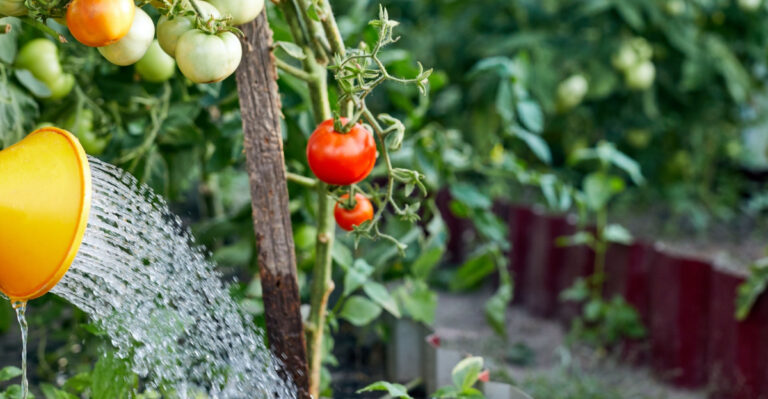
Dry roots turn a hot summer afternoon into a steep uphill climb for any seedling. Before you even pull a plant from its container, soak the soil around it until water runs freely from the bottom.
This step loads the root zone with moisture, giving the plant a buffer against the shock of being moved. A well-hydrated seedling bounces back faster than one that was already stressed before it left the pot.
Once your seedling is in the ground, water it again right away. Do not wait until the next morning, hoping the plant will sort itself out overnight.
Watering immediately after planting helps settle the soil around the roots and eliminates air pockets that can cause roots to dry out. Those tiny gaps might seem harmless, but they cut off contact between roots and moist soil.
Use a slow, gentle stream rather than a hard blast. A strong flow can wash away soil and expose the root ball, undoing all the careful work you just did.
Aim to wet the soil at least six to eight inches deep. Shallow watering encourages roots to stay near the surface, where heat and evaporation do the most damage.
Reducing summer planting stress on seedlings starts with water, and this first deep drink sets the tone for everything that follows. A seedling that starts hydrated has a fighting chance against even Kentucky’s most punishing summer afternoons.
2. Plant During Cooler Parts Of The Day Like Evening
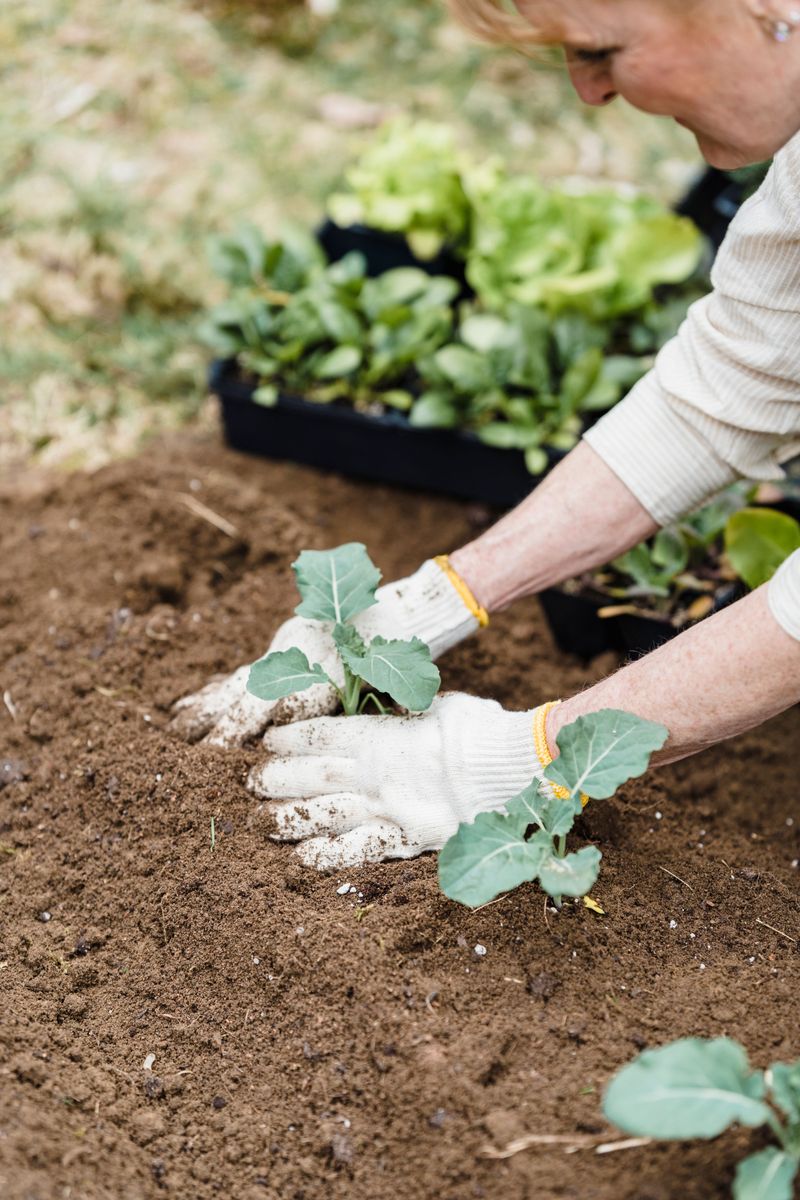
Midday planting in a Kentucky summer sets seedlings up to wilt before they even get a chance to root in. The sun is unforgiving from about 10 a.m. to 3 p.m.
Soil temperatures during that window can climb fast enough to stress tender roots before they’ve had a chance to settle.
Evening works in your favor when it comes to transplanting. Temperatures drop, the sun softens, and your seedlings get a full night to adjust before facing the next day’s heat.
Your Kentucky Garden Changes Every Week. Your Plan Should Too.
Gardening in Kentucky changes quickly throughout the season. Every Friday you’ll receive a simple weekly plan showing exactly what to plant, prune, fertilize, harvest, and protect so you never miss the right timing.
Early morning is another solid option if evenings do not work for your schedule. The air is cooler, the soil has had all night to release stored heat, and there is often a little dew to help things along.
Planting at the right time of day gives roots hours to spread and drink before stress kicks in. That head start can mean the difference between a plant that thrives and one that sulks for two weeks.
Picture moving into a new house during a heatwave versus a cool evening. Seedlings feel that same difference.
The same logic applies to your seedlings. They need a moment to settle without being blasted by heat from every direction.
Even a shift of just two or three hours can dramatically change how a transplant performs. Make evening planting a habit, and you will notice your seedlings standing tall the very next morning with noticeably less wilting and leaf curl.
3. Harden Off Seedlings For A Week Before Transplanting
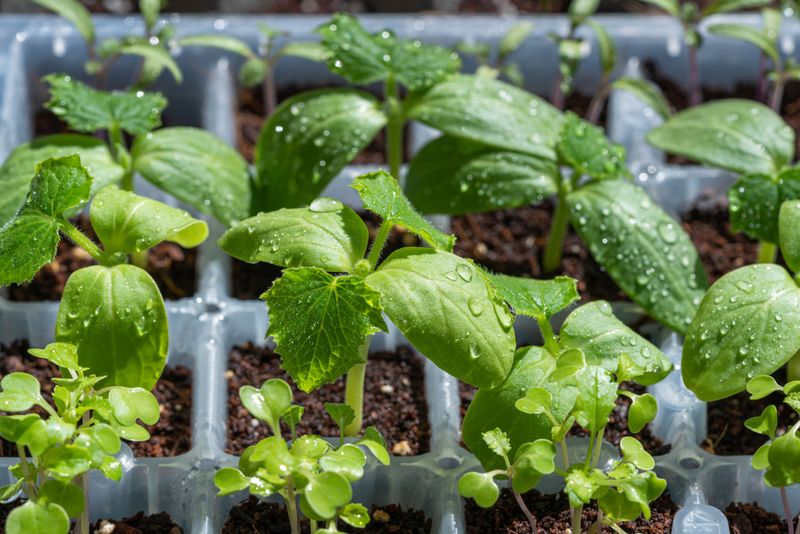
Jumping from a cozy indoor environment to the full force of a Kentucky summer is a rough transition for any seedling.
Hardening off is the process of slowly introducing your plants to outdoor conditions before transplanting them for good.
Start by setting seedlings outside in a shaded, sheltered spot for just one to two hours on the first day. Each day after that, add another hour and gradually move them into brighter, more exposed conditions.
By the end of a week, your plants should be spending most of the day outside without showing signs of stress.
Their leaves will be tougher, their stems sturdier, and their root systems more prepared for life in open soil.
Skipping this step is one of the most common mistakes new gardeners make. A seedling that goes straight from a windowsill to full sun can develop scorched leaves, slowed growth, or even collapse entirely.
The science behind hardening off is straightforward. Plants grown indoors have softer cell walls and less protective coating on their leaves than those raised outdoors.
Outdoor exposure triggers changes at the cellular level, making plants physically tougher. It works like a conditioning phase, preparing the plant for what’s ahead.
A week of gradual outdoor exposure is one of the most effective ways to reduce summer planting stress on seedlings.
Put in the time before transplanting, and your seedlings will establish quickly instead of limping through their first week.
4. Provide Temporary Shade Using Cloth Or Umbrellas
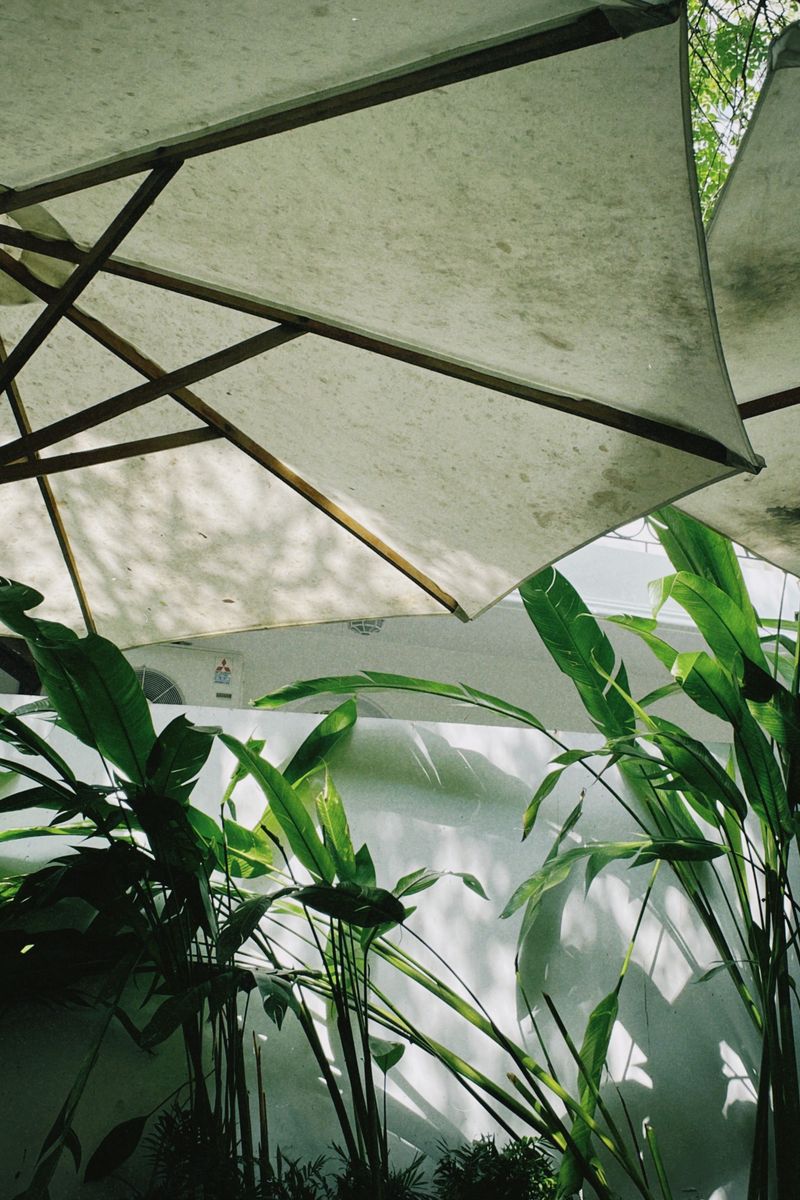
Even the toughest transplants need a break from direct sun right after planting. Temporary shade is one of the fastest ways to cut stress and help new seedlings settle into their new home.
Shade cloth is the most popular option among experienced gardeners. It comes in different densities, and a 30 to 40 percent shade cloth works well for most vegetables during the first week after transplanting.
Garden umbrellas, old bedsheets, or even cardboard propped at an angle can also work in a pinch. The goal is to block the harshest midday rays without cutting off air circulation entirely.
Without some shade, the soil surface heats up fast and pulls moisture away from roots before the plant can absorb it. Shaded soil stays cooler and holds water longer, which is exactly what a new transplant needs.
Set up your shade structure before you plant, so the bed is already cooler when the seedling goes in. Waiting until the plant is already wilting means you are reacting instead of preventing.
Remove the shade gradually after five to seven days, starting by uncovering plants in the morning and late afternoon. Full sun exposure should come only after the plant shows strong new growth.
Temporary shading feels like an extra step, but it pays off in a big way. Seedlings protected from harsh sun during that first week establish roots faster and need far less rescue watering afterward.
5. Handle Root Balls Gently To Avoid Breaking Fine Roots
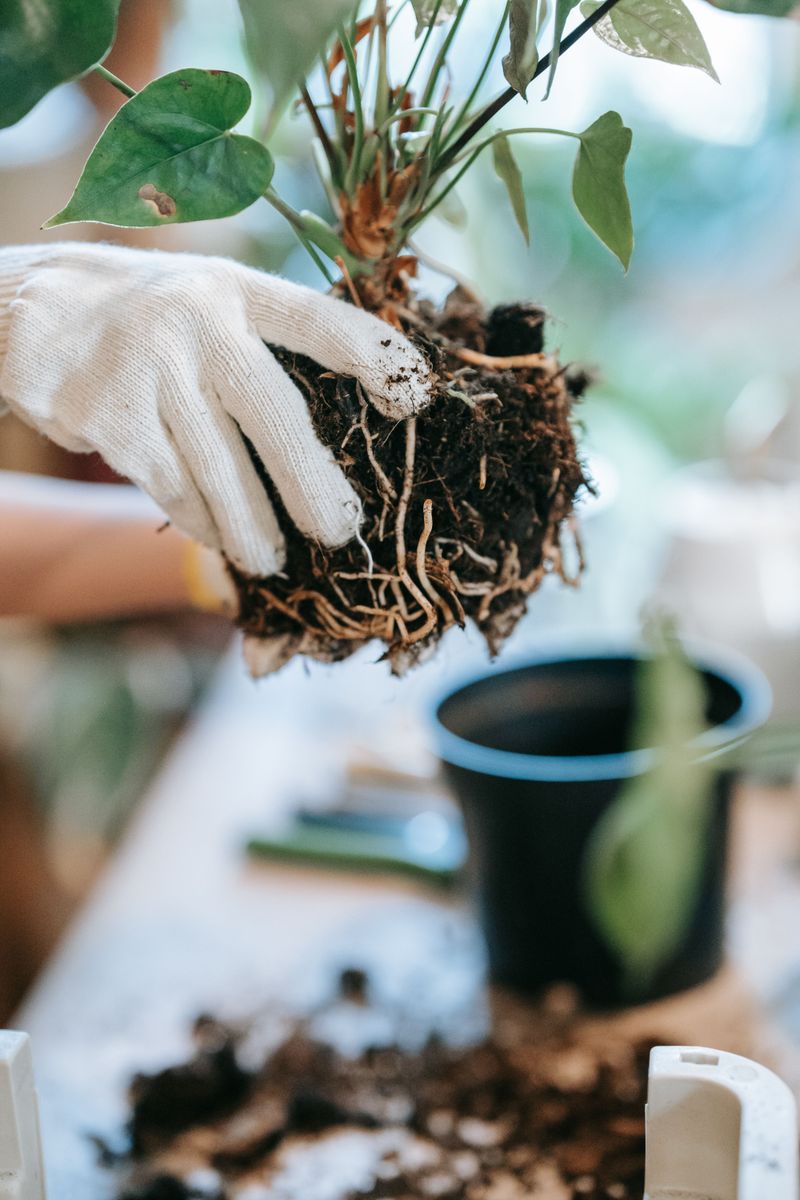
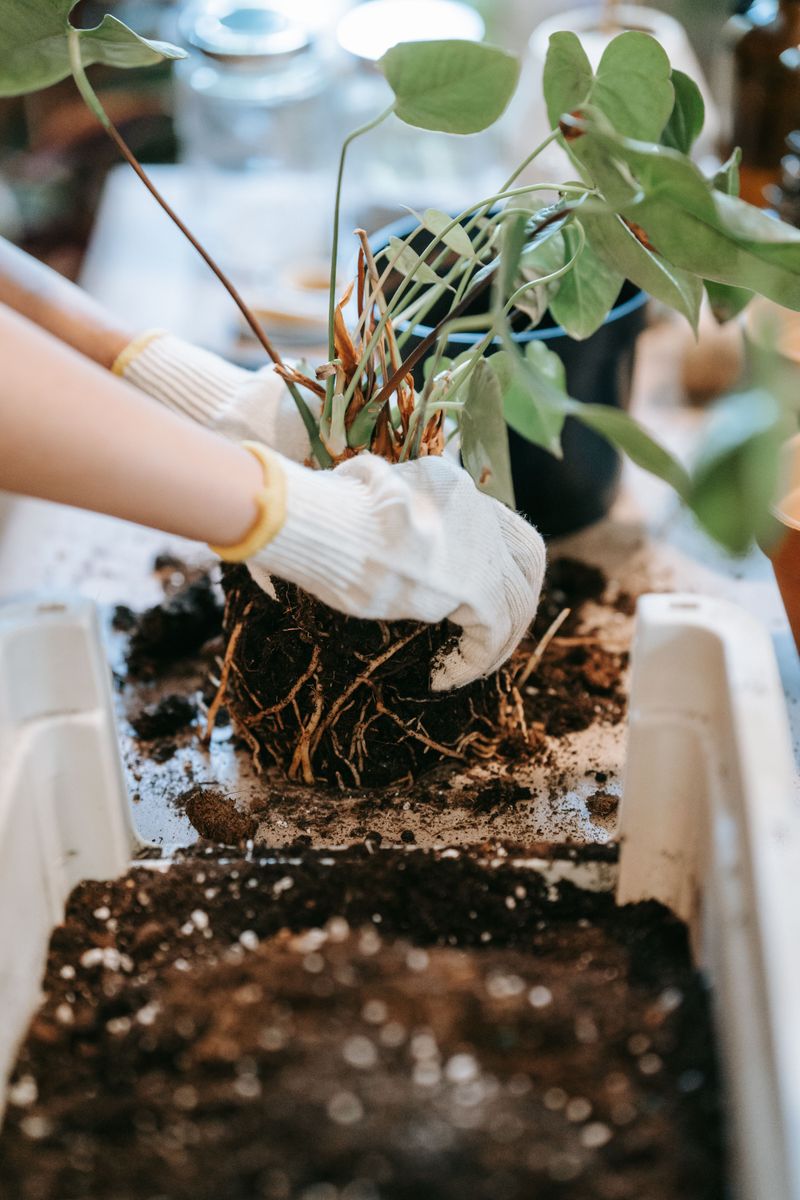
Those tiny white threads clinging to the outside of a root ball are not decoration. Fine feeder roots are the main way a plant drinks water and absorbs nutrients, and breaking them during transplanting can set a seedling back by days or even weeks.
Always squeeze the sides of a plastic pot gently before pulling out a seedling. This loosens the root ball from the container walls without tearing roots away from the soil mass.
Tip the pot upside down and let the plant slide into your hand rather than yanking it out by the stem. The stem is not a handle, and pulling on it puts pressure on the most fragile parts of the plant.
If roots are circling the bottom of the pot, loosen them gently with your fingers before planting. Circling roots that stay coiled will struggle to spread outward into new soil.
Work quickly once the plant is out of its container. Exposed roots dry out in minutes on a hot day, and every second counts when temperatures are high.
Plant at the same depth the seedling was growing in its pot. Burying the stem too deep or leaving roots exposed at the surface are both problems that slow establishment.
Treating root balls with care is a small habit that delivers big results. Seedlings whose roots stay intact after transplanting begin feeding and growing almost immediately, skipping the sluggish recovery phase entirely.
6. Apply Mulch Around The Base To Retain Soil Moisture
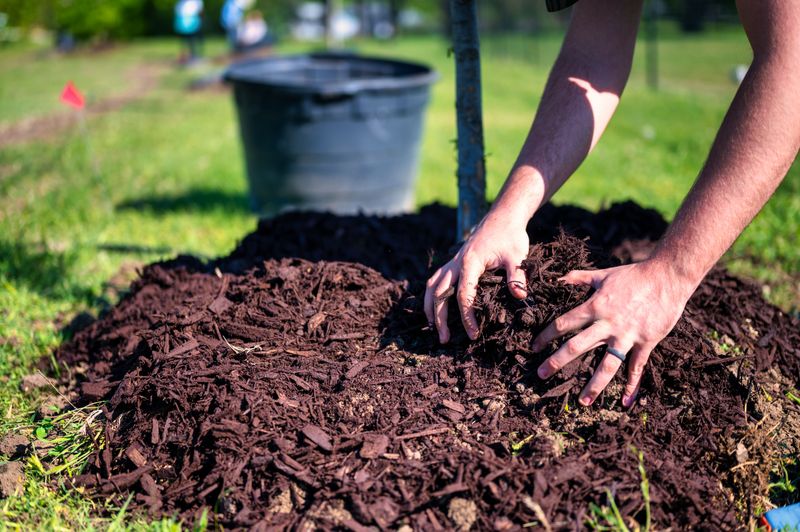
Bare soil in a Kentucky summer bakes fast. Soil temperatures without cover can climb high enough to damage shallow roots and cause moisture to evaporate before plants can use it.
Mulch traps cooler temperatures in the soil and holds onto the moisture your seedlings need most. A two to three inch layer around each plant significantly reduces evaporation, keeping the root zone moist for longer between waterings.
Straw is one of the most popular mulch choices for vegetable gardens because it is lightweight, affordable, and easy to spread. Wood chips, shredded leaves, and grass clippings also work well depending on what you have available.
Keep mulch a few inches away from the base of each stem. Piling it directly against the stem traps moisture against the plant and can lead to rot or fungal problems.
Beyond moisture retention, mulch also suppresses weeds that compete with seedlings for water and nutrients. Fewer weeds mean less work and more resources going directly to your plants.
Apply mulch right after planting while the soil is still moist from your initial watering. Locking that moisture in from the start gives seedlings the best possible foundation.
Mulching is one of the simplest and most rewarding steps in reducing summer planting stress on seedlings. A few minutes of spreading straw or wood chips can spare you hours of extra watering and rescue work throughout the hottest months of the season.
7. Reduce Leaf Surface By Trimming Larger Plants Slightly
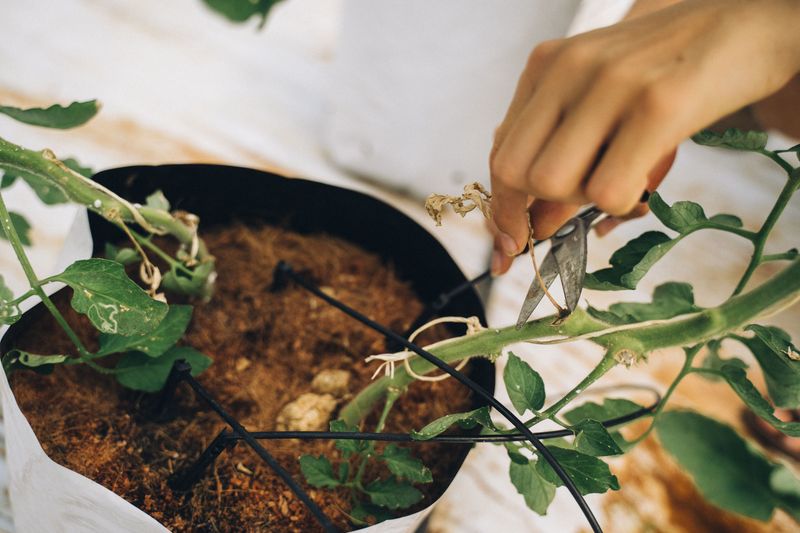
Big, leafy plants look impressive, but all those leaves demand a lot of water. When a large seedling gets transplanted, its roots are suddenly working overtime to supply moisture to every single leaf at once.
Trimming a few of the larger, older leaves before transplanting reduces that demand. With fewer leaves to support, the plant can focus its energy on growing new roots instead of struggling to keep foliage hydrated.
This technique works especially well for tomatoes, peppers, and eggplants, which tend to grow large and leafy before going into the ground. Remove the bottom leaves first, since those are often the least efficient at photosynthesis anyway.
Use clean, sharp scissors or pruning snips to make neat cuts. Ragged tears leave larger wounds that take longer to heal and can invite disease in hot, humid conditions.
Do not go overboard. Removing more than about a quarter of the plant’s foliage at once can create its own kind of stress.
The goal is a modest reduction, not a dramatic haircut. Take off just enough to ease the water demand without robbing the plant of its ability to make energy from sunlight.
This small act of pruning before transplanting can make a real difference during the toughest weeks of summer. A leaner plant settles in faster, then fills back out once its roots take hold.
8. Monitor And Water Consistently For The First Two Weeks
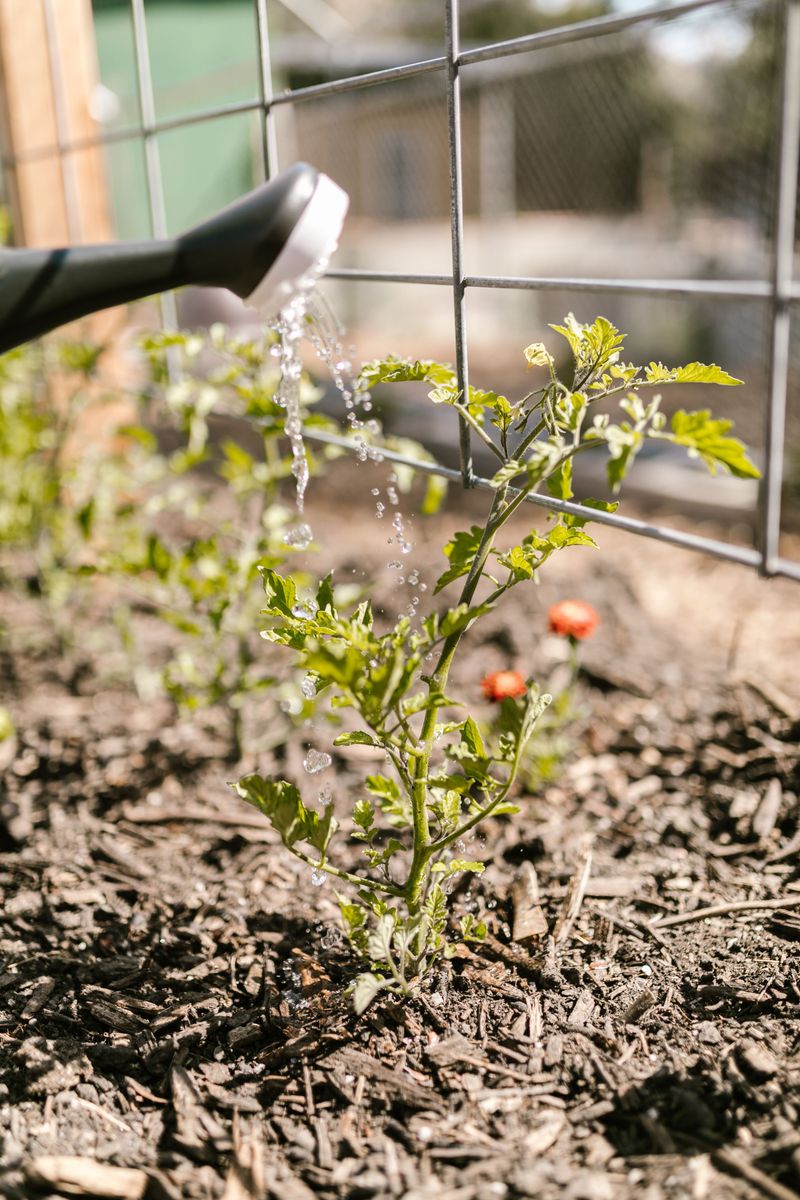
The first two weeks after transplanting are the most critical stretch in a seedling’s life. Roots are still exploring new soil, and any gap in moisture during this period can set growth back significantly.
Check soil moisture every single day, not just when plants look wilted. By the time a seedling shows visible stress, the damage has already been building for hours.
Push your finger about an inch into the soil near the base of each plant. If the soil feels dry at that depth, it is time to water, regardless of what the sky looks like.
Morning watering is ideal because it gives foliage time to dry before evening, reducing the risk of fungal issues. Evening watering works too, but avoid splashing water on leaves when nighttime humidity is already high.
Deep watering every two to three days is usually more effective than a light sprinkle every day. Deep moisture encourages roots to grow downward, where soil stays cooler and more consistently moist.
Watch for signs of recovery, like new leaf growth, upright stems, and firm soil around the base. These signals tell you the root system is establishing and the plant is moving past the stress phase.
Consistent monitoring is the final piece in reducing summer planting stress on seedlings. Stay attentive through those first fourteen days, and the reward is a garden full of strong, confident plants ready to carry you all the way to harvest.