This Texas Native Grass Is The Best Thing You Can Plant Around A Backyard Play Area For Fire Ant Control
If your kids play in the backyard, fire ants are probably one of your biggest worries.
Those red mounds can pop up fast, especially in warm, sunny Texas yards. One wrong step and the situation goes from a good afternoon outside to a very bad one in seconds.
Most families treat the mounds when they find them and hope for the best. A smarter approach starts with what you plant before the ants even arrive.
Buffalograss, a tough Texas native, is quietly becoming one of the best choices for families who want a safer, more manageable play zone.
It does not magically remove fire ants on its own, but it creates conditions that make spotting and treating mounds significantly easier.
This low-growing, drought-tough grass pairs well with expert bait timing strategies recommended by Texas A&M AgriLife Extension.
The result is a yard that works with you rather than against you.
Seven steps explain exactly how buffalograss can become your best backyard ally against fire ant trouble, and the first one starts with understanding what makes this grass so different from everything else at the garden center.
Start With Buffalograss
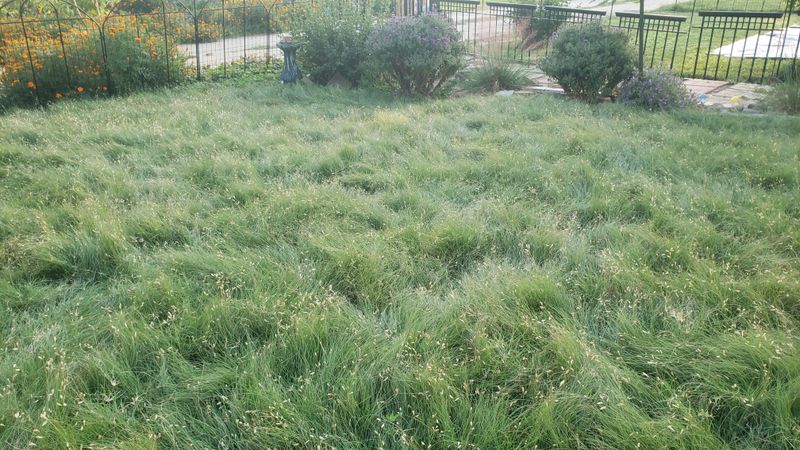
Not every grass earns the title of Texas native, but buffalograss does, and it wears that badge with pride.
This short, fine-textured turf has grown across Texas prairies for thousands of years. It thrives in full sun, tolerates heat, and stays low without much fuss. For families with backyard play areas, that combination is a real win.
Buffalograss typically grows to just three to five inches tall on its own.
That means less mowing and more time watching your kids play. It spreads through stolons and forms a dense, soft carpet that feels good underfoot. It is not a shade lover, so plant it where sunlight hits all day long.
One thing that makes buffalograss stand out is its drought tolerance.
It needs far less water than St. Augustine or Bermuda grass, which matters for fire ant management in ways that become clear as you read further. Less water means drier soil conditions that are less appealing to foraging ant colonies.
Plugs or sod are the easiest ways to establish it.
Spring planting gives roots the best head start. Give it one solid season to settle in, and this tough native grass will start paying off in ways that go well beyond just looking good.
Fire Ants Struggle Where This Grass Thrives
Fire ants are picky, but in a predictable way.
Once you understand what they look for, you can start making smarter choices about your yard. These ants strongly prefer open, sunny ground with loose, moist soil.
Disturbed areas like recently dug garden beds, bare patches, and high-traffic zones are prime real estate for new mounds.
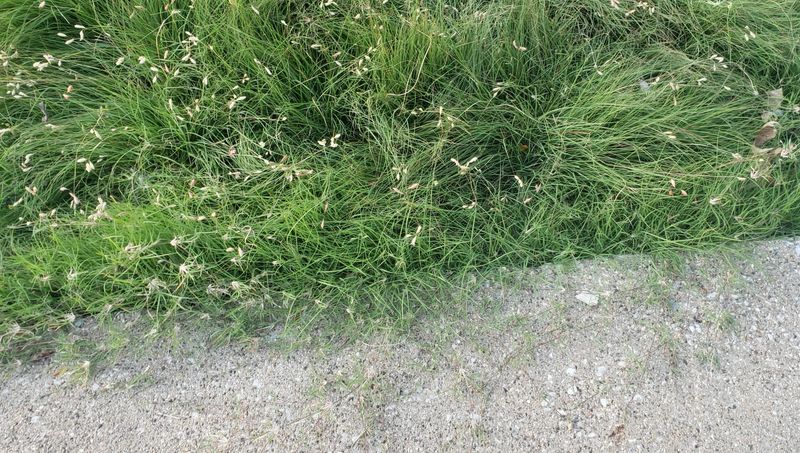
They are not big fans of dense, established turf.
When grass roots fill the soil and reduce open gaps, it becomes harder for colonies to move in and set up shop. That is one reason a well-established buffalograss lawn can make your yard less inviting to new mound activity near the play area.
Your Texas Garden Changes Every Week. Your Plan Should Too.
Gardening in Texas changes quickly throughout the season. Every Friday you’ll receive a simple weekly plan showing exactly what to plant, prune, fertilize, harvest, and protect so you never miss the right timing.
Mounds also tend to appear after rain or irrigation because moisture softens the soil and makes tunneling easier.
Knowing this helps you plan your inspection schedule. Right after a good rain is the best time to walk the yard and look for fresh mounds before your kids head outside.
Sunny edges, disturbed corners, and areas near sprinkler heads are common hot spots.
Grass that is low, dense, and consistently healthy makes those hot spots easier to spot fast. Think of knowing fire ant behavior as your first line of defense. The grass just makes the job more manageable from there.
Less Water Means Less Of What Fire Ants Prefer
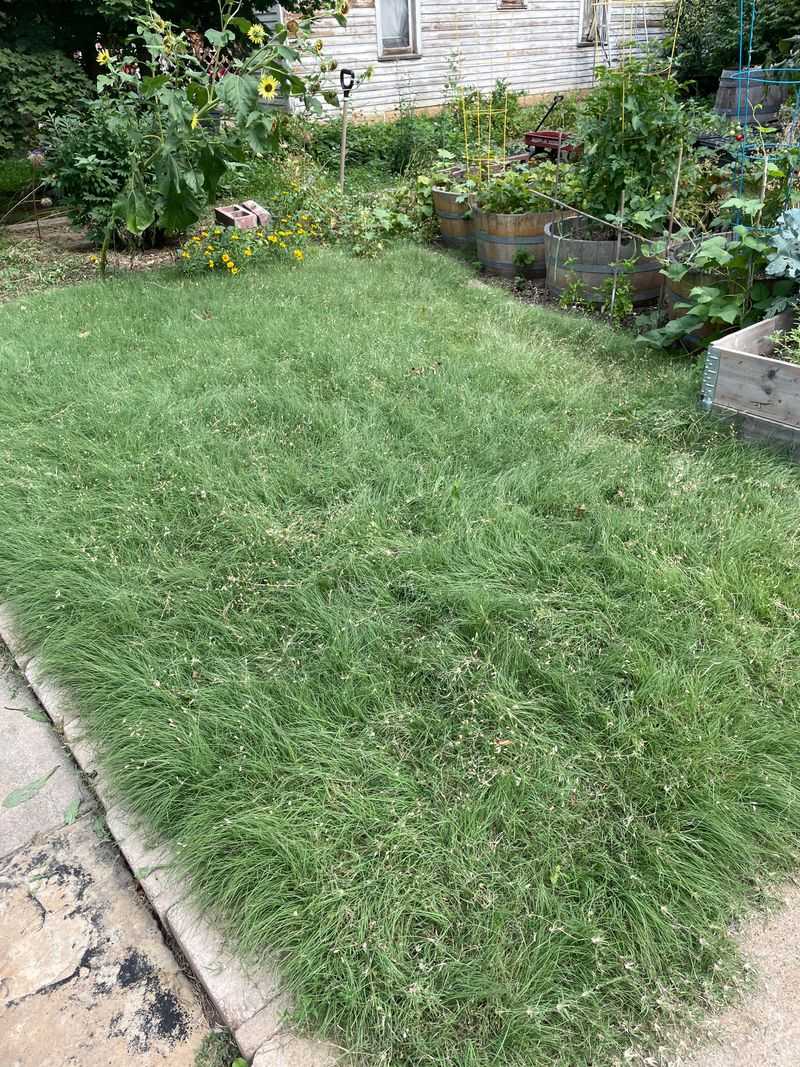
Watering your lawn feels like good yard care, but too much moisture near a play area can quietly invite more fire ant activity.
Constantly wet or soggy soil is exactly the kind of environment where fire ant colonies thrive. Cutting back on irrigation is one of the simplest and most overlooked steps families can take.
Buffalograss makes this easier because it genuinely needs less water than most common Texas lawn grasses.
Once established, it can survive on rainfall alone during most of the growing season. That natural drought tolerance lets you pull back the sprinkler schedule without guilt or a patchy, sad-looking yard.
If you do irrigate, water deeply but infrequently.
This encourages grass roots to grow deeper into the soil rather than staying shallow. Deep roots support a denser turf, and denser turf means fewer bare spots where ants can move in easily.
Shallow, frequent watering does the opposite and keeps the surface consistently moist.
Check your sprinkler zones and make sure none of them are pointed directly at the main play area or running more than necessary.
A soil moisture meter costs very little and can help you stop watering by habit and start watering by need. Small changes in your irrigation routine can make a noticeable difference over a full Texas season.
Low Growth Makes Mound Spotting Fast And Easy
Spotting a fire ant mound early is one of the most important things a parent can do.
A mound found on Monday is a lot easier to handle than one found by a bare foot on Saturday. Short turf makes early detection genuinely practical, and that is where buffalograss earns extra points.
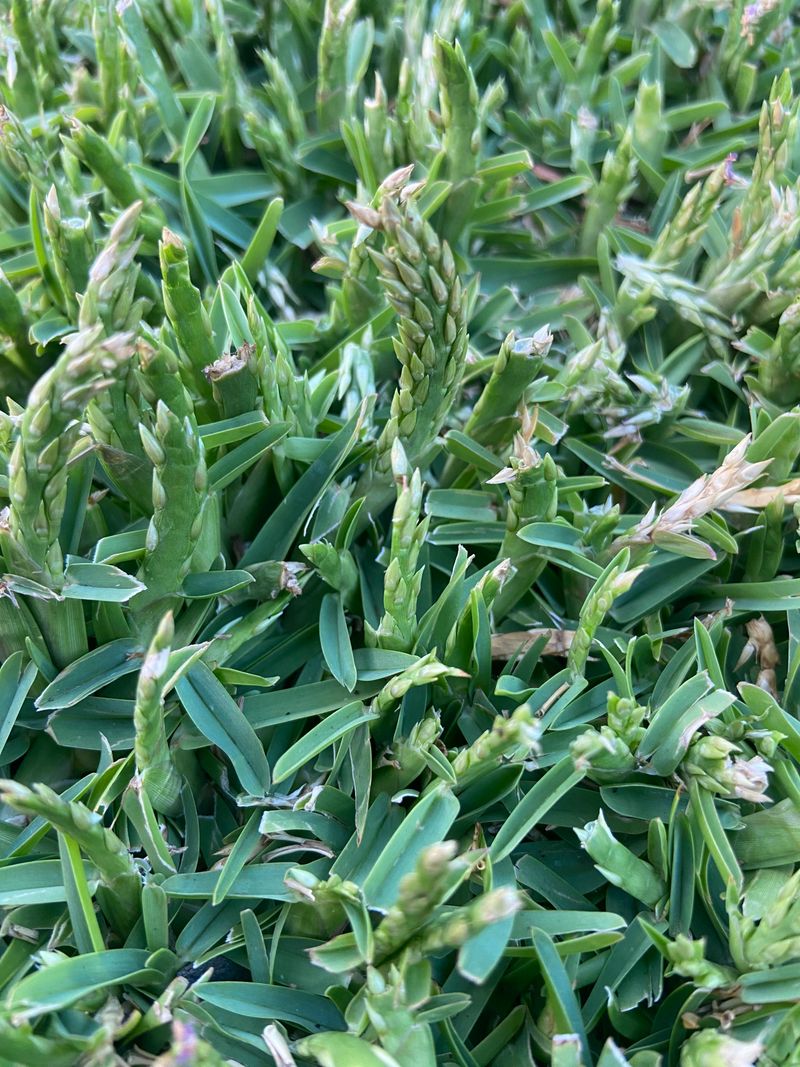
Because buffalograss stays naturally low, mounds stand out against the surface.
There is no tall, thick thatch to hide a fresh dome of loose soil. When you walk the yard before the kids go out to play, a quick scan is all it takes.
Taller, denser grasses can camouflage new mounds until they grow large enough to be a real hazard.
Mowing height matters too.
Keep buffalograss trimmed to a consistent height of two to three inches during active season. A well-kept lawn surface gives you a clear, even background that makes anything out of the ordinary easy to notice.
Make yard inspection a short daily habit rather than a weekly chore.
Early morning or late afternoon are good times, when ants tend to be more active near the surface. Short turf is basically a built-in early warning system, and buffalograss makes that system work without any extra effort on your part.
Dense Coverage Closes The Bare Soil Fire Ants Need
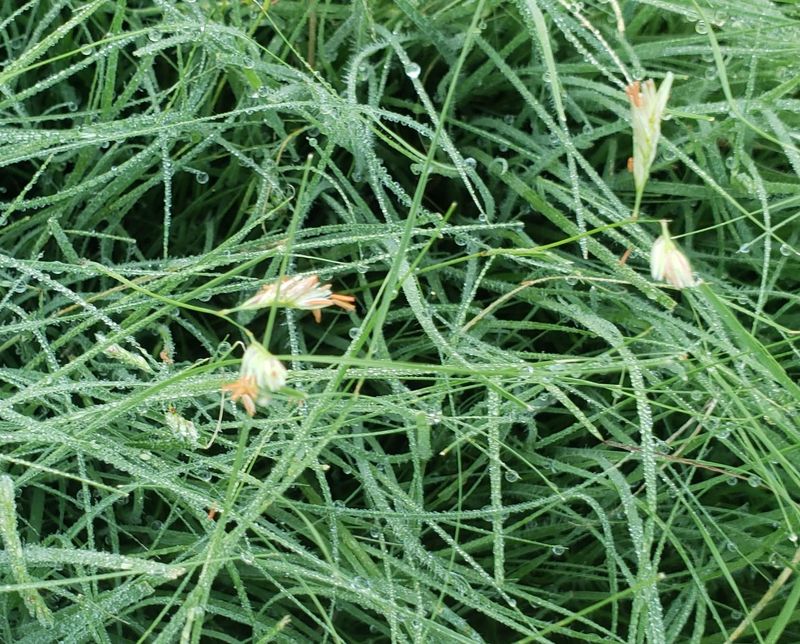
Bare soil is an open invitation.
Fire ant colonies scout for exposed ground because it is easy to excavate, easy to warm up in the sun, and easy to claim before competing plants or grass can move in.
Reducing bare patches in your yard is one of the most practical things you can do to make the area less attractive to new mound activity.
Buffalograss spreads through above-ground runners called stolons.
These runners creep across the soil surface and fill gaps over time, creating a tight, even mat of coverage. That mat is exactly what you want around a play area. It crowds out the open soil that fire ants love to move into after disturbance or rain events.
If you notice thin spots in your buffalograss lawn, do not wait for them to fill in on their own.
Add plugs or patch with sod to restore density quickly. Thin spots near high-traffic zones, like the area under a swing or at the base of a slide, are especially important to monitor and repair.
Dense grass raises the effort required for a colony to establish a new mound.
Pair that with regular inspection and proper treatment when needed, and you have a yard setup that actively works against easy mound formation throughout the Texas growing season.
Sunny Edges Stay Open And Visible After Rain
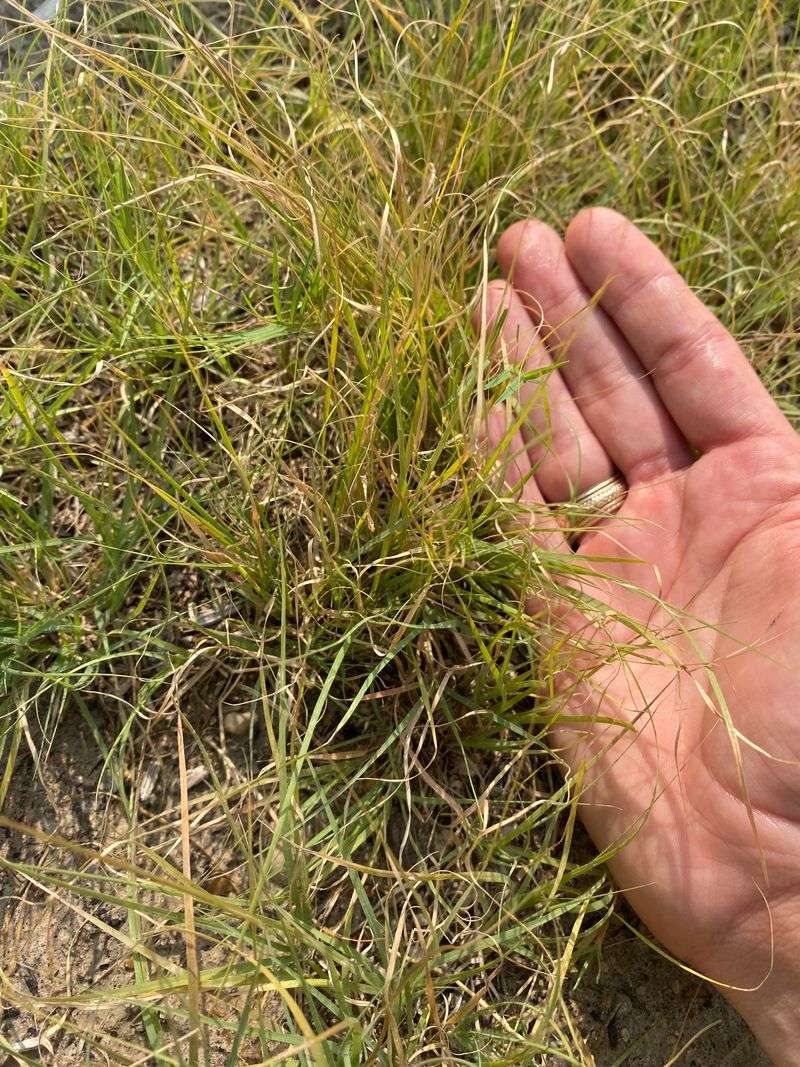
Rain brings life to the yard, but it also brings fire ant activity closer to the surface.
After a good storm, colonies shift and adjust. Workers repair tunnels, and scouts move out to check new territory. That post-rain window is one of the best times to catch a new mound before it grows large.
Sunny edges are the most common spots to check.
The fence line, the border between the lawn and a garden bed, and the area along a sidewalk or driveway are warm, exposed zones that heat up quickly after rain and attract ant activity.
Buffalograss helps here by keeping those edges low and visible, so a quick walk-through gives you a clear picture fast.
Make it a habit to do a perimeter check within a day or two after any significant rainfall.
You do not need tools or gear for this step. Just a short walk with your eyes open is enough. Look for freshly disturbed soil or small dome-shaped mounds that were not there before the rain.
Early mounds are small and much easier to treat effectively.
Checking sunny edges right after storms puts you ahead of the problem instead of reacting to it.
Buffalograss keeps those edges open and inspectable year-round, which means your post-rain routine stays quick, simple, and actually useful.
Buffalograss Works Best Alongside AgriLife Bait Timing
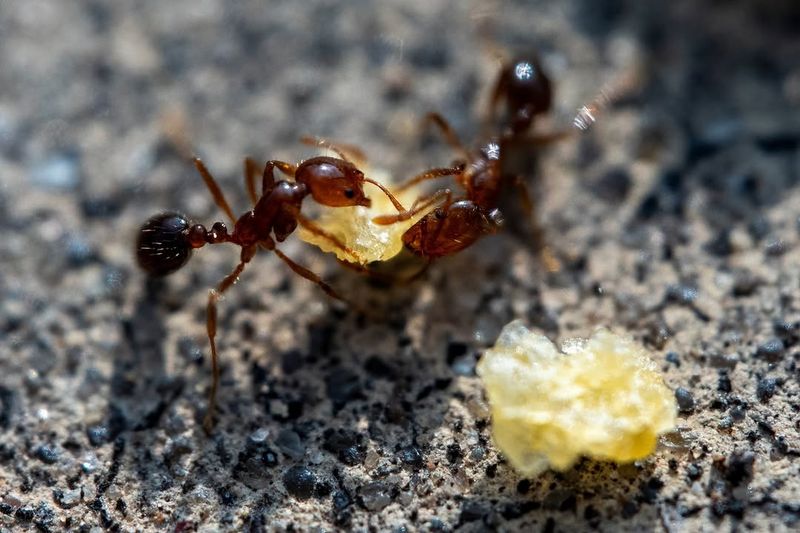
Buffalograss sets the stage, but bait is the main act when it comes to actual fire ant management.
Texas A&M AgriLife Extension recommends a two-step approach that starts with broadcast bait applied across the entire yard, followed by individual mound treatments for active colonies.
Timing that bait correctly is the key to getting real results.
Fire ants forage most actively when soil temperatures are between 70 and 90 degrees Fahrenheit.
In Texas, that means spring and fall are your best treatment windows. Summer heat slows foraging, and bait left on the surface during extreme heat can break down before ants carry it back to the colony.
Applying bait when conditions are right makes every application count more.
Buffalograss supports this process in a practical way.
Its low, open surface allows bait granules to reach the soil easily without getting trapped in thick thatch. Ants can find and carry the bait back to the mound without obstacles.
That is a small but real advantage over thicker, denser turf types.
Always use fresh bait and check the label for proper application rates. Stale bait loses effectiveness quickly. Store unused bait in a cool, dry place and replace it each season.
Buffalograss plus properly timed bait is not a magic combination, but it is a smart one that gives you a yard far less likely to catch you off guard on a busy Texas weekend afternoon.