The White Texas Native Wildflower That Blooms Only In Fall
Have you ever noticed a white flowering plant blooming in a Texas landscape in fall when almost everything else around it has stopped?
It doesn’t look like it belongs to the same season. While surrounding vegetation fades and dries out, this native wildflower opens its blooms with a freshness that seems almost defiant given the timing.
Most Texans have walked past it without knowing its name. This native wildflower blooms exclusively in fall, producing clusters of white flowers at precisely the moment the landscape needs them most.
Pollinators find it reliably. Gardeners who know it look forward to it every year.
Its bloom window is brief, but once you know what to look for, it becomes one of the most anticipated sights of the entire Texas fall season.
The Fall-Blooming Texas Native
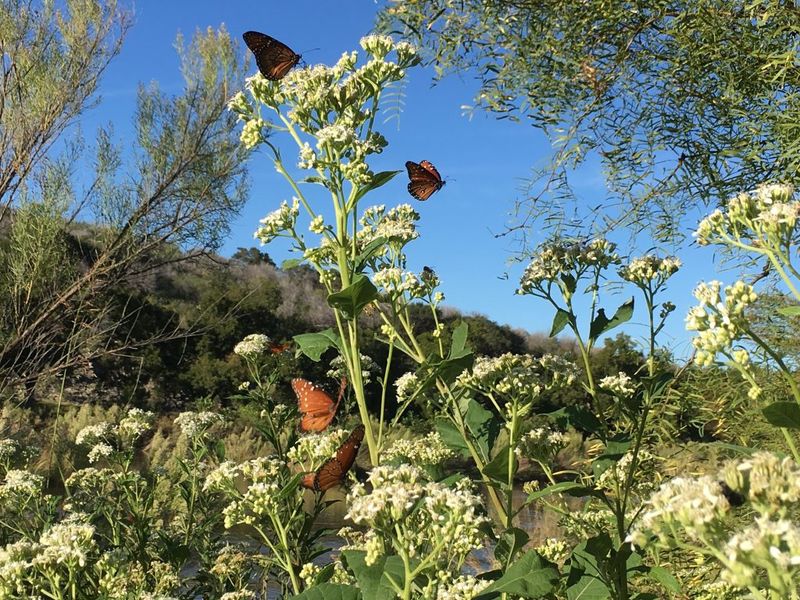
Walk along a shady Texas creek in October, and you might spot a tall plant glowing white under the trees.
That plant is probably frostweed, one of the most dependable fall wildflowers in the state. Its scientific name is Verbesina virginica, and it belongs to the huge sunflower family.
Frostweed is a perennial, which means it comes back year after year from the same roots. You can find it growing wild across much of Texas, from the Hill Country to East Texas.
It also grows in other southeastern states, such as Louisiana, Oklahoma, Arkansas, and Florida.
Most of the time, frostweed likes to hang out in shady places. Look for it along woodland edges, in creek bottoms, and under tall oak and pecan trees. It often shows up in large patches, so one plant usually means many more nearby.
People have given this plant several nicknames over the years. Some folks call it white crownbeard, while others call it iceplant or Indian tobacco.
The stems have thin, leafy ‘wings’ running down their sides, which makes the plant easy to identify even before it flowers.
So why does frostweed matter so much? Late in the year, many gardens start to look tired and brown. Frostweed steps in right then, adding fresh color and food for wildlife when both are hard to find.
If you want to see it in the wild, try a state park with shady trails in September or October. McKinney Falls, Pedernales Falls, and many city greenbelts are great places to start. Bring a camera, because a big patch in full bloom is a lovely sight.
Flat-Topped Clusters Of White Flowers
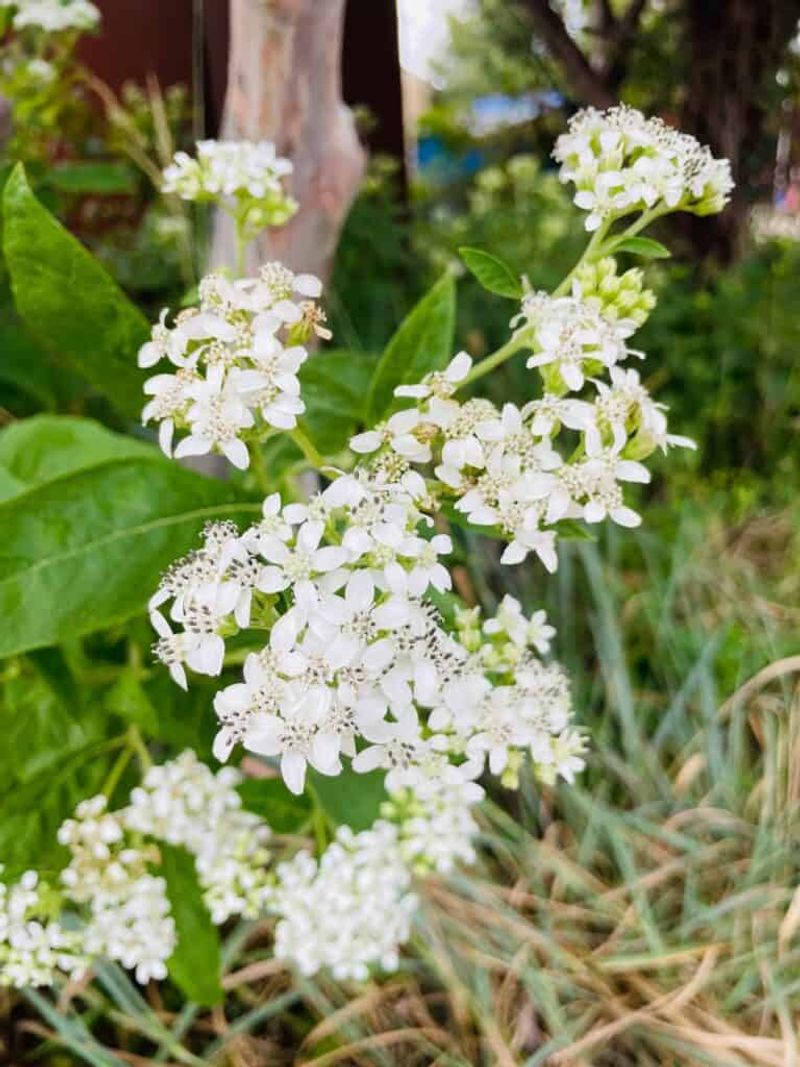
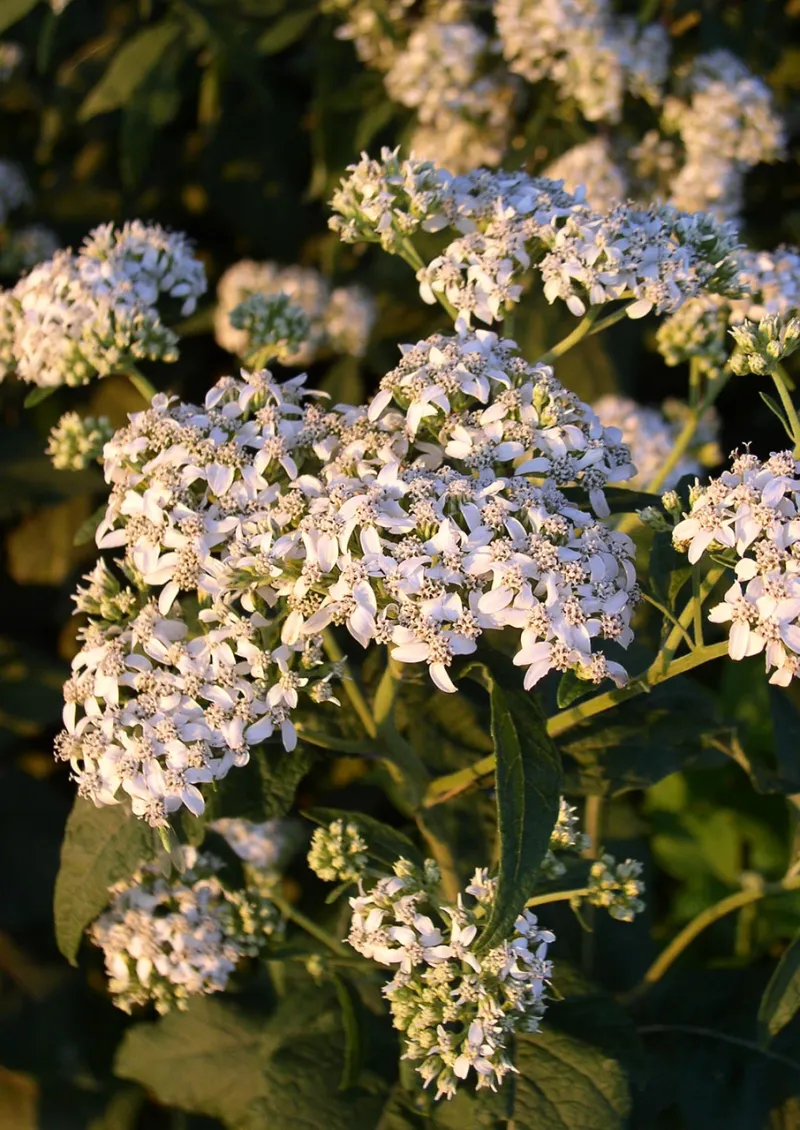
Each cluster is made of many small blooms packed together into a wide, flat top.
From a distance, the clusters look like fluffy white plates balanced on tall stalks. Get closer, and you will notice that each little flower has a few uneven petals that seem slightly messy. That loose, ragged look is part of its charm.
A single cluster can be three to six inches across. Since one plant often has several stems, a healthy patch can hold dozens of these white tops at once. The effect is bright and cheerful, especially in shady spots where light is limited.
Your Texas Garden Changes Every Week. Your Plan Should Too.
Gardening in Texas changes quickly throughout the season. Every Friday you’ll receive a simple weekly plan showing exactly what to plant, prune, fertilize, harvest, and protect so you never miss the right timing.
Timing is where frostweed really shines. Blooms usually start in late summer, around August, and keep going through October or even November. By then, most spring and summer wildflowers have already finished their show.
The leaves add to the look, too. They are large, rough, and shaped a bit like a spearhead, with a deep green color that makes the white flowers pop. Rub one gently, and you will feel a texture a little like fine sandpaper.
Want to enjoy the flowers even more? Try planting frostweed near a window or along a path you use often.
You will get a front-row seat to the bloom season, plus a chance to watch all the busy insects that visit.
After the flowers fade, small dry seeds form in the same spot. Birds sometimes snack on them during winter, so the plant keeps giving long after its petals fall.
The “Frost Flowers” Behind Its Name
Imagine stepping outside on a freezing winter morning and finding delicate ribbons of ice curling out of plant stems.
It looks like someone crafted tiny sculptures overnight. Welcome to one of nature’s coolest tricks, and the reason frostweed has its name.
Here is how it works. After the first hard freeze, the upper part of the plant is finished for the year, but the roots are still active and pushing sap upward. When that sap reaches the cold air, it freezes and splits the stem open near the base.
As more water squeezes through the cracks, it freezes in thin layers. Those layers bend and fold into swirls, ruffles, and ribbons that look like white petals. People call these shapes frost flowers or ice flowers.
No two frost flowers look exactly alike. Some look like cotton candy, while others resemble folded paper or a curled seashell. They are usually only a few inches tall, so you have to look closely near the ground.
Frost flowers are fragile, so they melt fast once the sun warms them. If you want to see them, head out early in the morning, right after a night when temperatures drop well below freezing. Shady spots give you a little more time before they disappear.
The same stem can sometimes make frost flowers more than once. Each freeze may bring a new display, though the stems eventually dry out and stop producing ice.
Try a fun family project this winter. Mark where your frostweed grows, check the weather forecast, and plan a sunrise walk after a cold night. Snap photos to compare the shapes, and you might start a yearly tradition.
A Vital Nectar Source For Migrating Monarchs
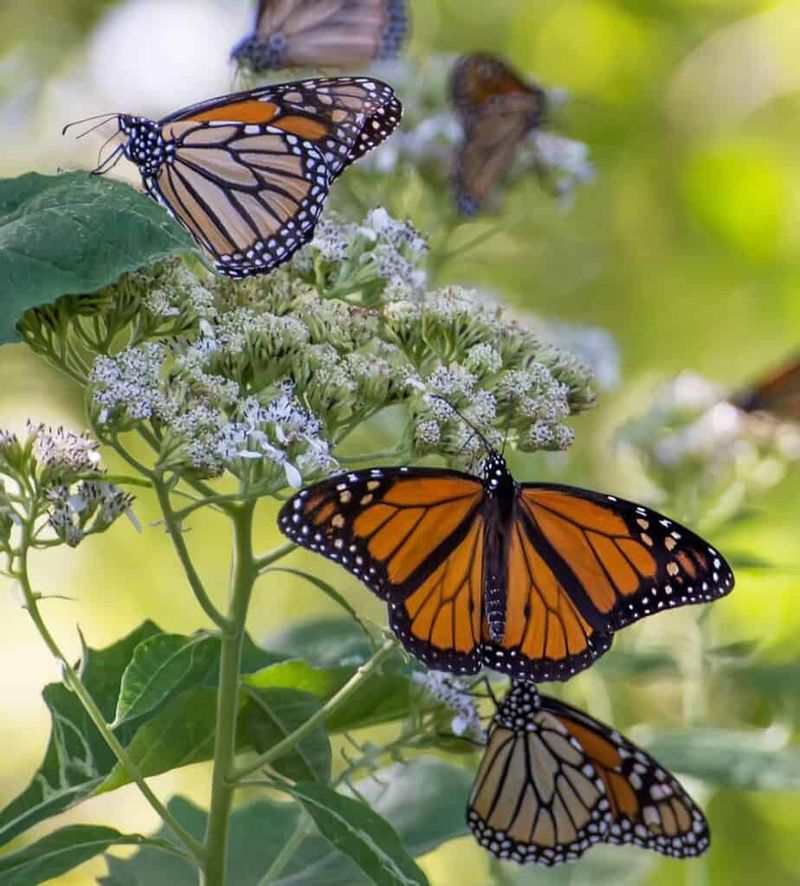
Every fall, millions of monarch butterflies fly thousands of miles from Canada and the northern United States to the mountains of central Mexico.
Texas sits in the middle of that path. For these orange travelers, the Lone Star State works like a giant rest stop.
A long trip needs lots of fuel. Monarchs sip flower nectar to build up fat that carries them through the journey and the long winter ahead. Without enough blooms along the way, the butterflies struggle to finish the trip.
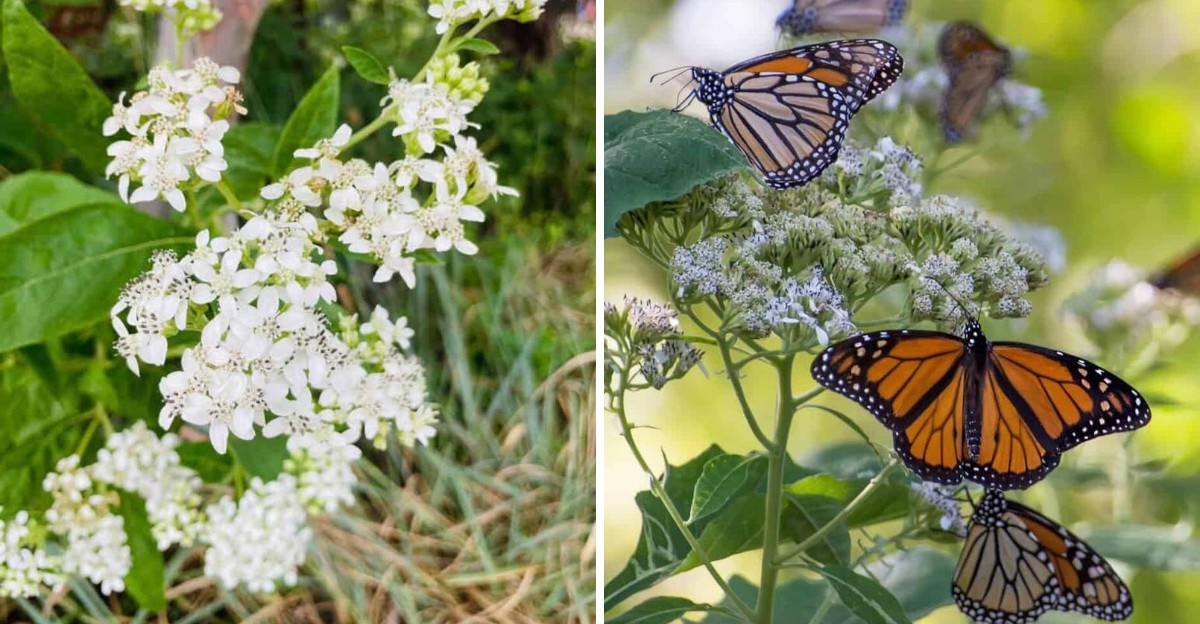
Frostweed opens its flowers at just the right moment. Its peak bloom lines up with the main wave of monarchs crossing Texas in October. Watch a big patch on a sunny afternoon, and you may see dozens of butterflies resting and feeding at once.
Monarchs are not the only guests, either. Honeybees, native bees, wasps, flies, and many other butterflies, like queens and skippers, crowd onto the flat flower tops. The wide clusters make a handy landing pad for insects of all sizes.
Gardeners can make a real difference here. Planting frostweed, along with fall bloomers such as goldenrod and Gregg’s mistflower, creates a buffet for hungry pollinators.
Try to skip pesticides near these plants, since chemicals can harm the very insects you want to help.
Fun fact: the monarchs that make the fall trip are a special ‘super generation.’ They can live up to eight or nine months, while summer monarchs usually last only a few weeks.
Ready to go a step further? You can register your yard as a Monarch Waystation through a group called Monarch Watch. It is a simple way to show neighbors how one garden can support an amazing journey.
Easy To Grow In Shady Spots
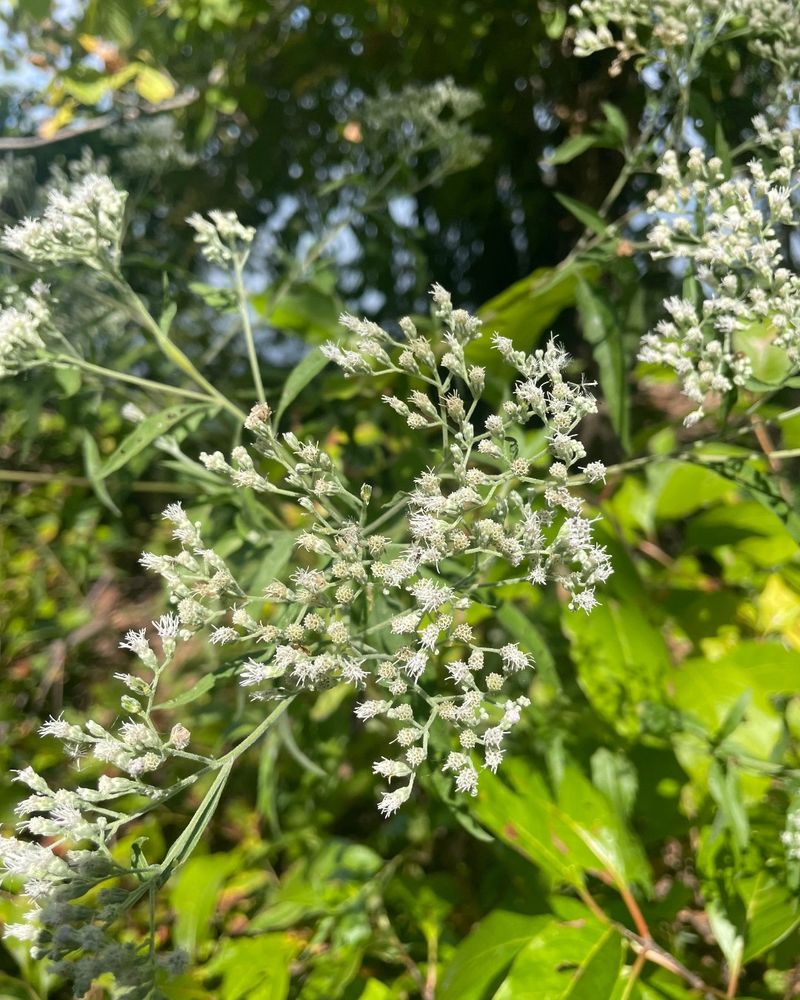
Got a gloomy corner under a big tree where nothing seems to grow? Frostweed might be the answer you have been hunting for.
Plenty of plants sulk in the dry shade beneath oaks and cedar elms, but this tough native handles it with ease.
Part shade is its happy place. A spot with morning sun and afternoon shade works beautifully, though it can also handle fuller sun if it gets some extra water. In deep shade, it still grows, but it may bloom a little less.
Soil is rarely a problem. Frostweed grows in clay, loam, sandy soil, and even the rocky limestone found across Central Texas. Good drainage helps, but it can also handle spots that stay a bit moist after rain.
Getting started is simple. You can buy small plants from native plant nurseries, or collect seeds in late fall and scatter them on bare soil. Seeds planted in fall often sprout the next spring after a chilly winter.
Water new plants about once a week during their first summer. After that, frostweed usually gets by on normal rainfall, even through Texas heat waves.
The large leaves may droop on hot afternoons, but they bounce back once evening cools things down.
Pests and diseases seldom cause trouble. Deer also tend to leave it alone, which is great news for folks in the Hill Country. You rarely need fertilizer, since rich soil can make the stems floppy.
Once frost arrives and the stems turn brown, you can cut them back in late winter. Better yet, leave a few standing so you can enjoy the frost flowers and give insects a place to shelter.
Where It Fits In Your Landscape
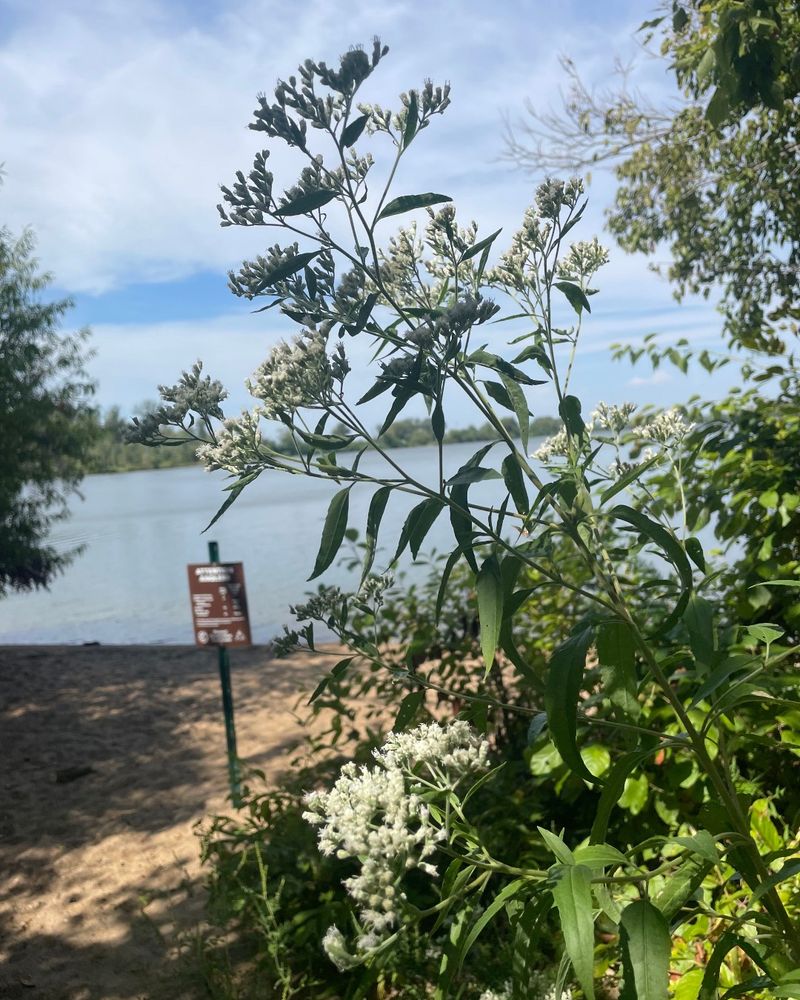
Think of frostweed as the tall friend who stands in the back row of a group photo. Reaching 3 to 6 feet high, it works best behind shorter plants where it will not block the view. Its height gives a garden a sense of layers and depth.
Woodland gardens are a natural fit. Pair it with other shade lovers like inland sea oats, Turk’s cap, and American beautyberry for a wild, easygoing look.
The white blooms mix nicely with the red of Turk’s cap and the purple berries of beautyberry in fall.
Wildlife areas are another smart choice. If you have a back fence line, a creek edge, or an unused corner of the yard, frostweed can fill it quickly. Butterflies, bees, and birds will thank you for the extra food and cover.
One word of caution, though. Frostweed spreads by seed and by underground roots, so a small patch can grow larger each year. That is great in open spaces, but it can crowd out neighbors in a small, tidy bed.
Keeping it in check is not hard. Pull extra seedlings in spring while they are small and easy to remove. You can also dig up clumps every couple of years and share them with friends who want their own patch.
Cutting off flower heads before seeds form is another trick. It cuts down on new seedlings, though you will give up some winter bird food.
Some gardeners plant frostweed in large containers to control its spread. Choose a pot at least 15 gallons so the roots have room.
With a little planning, this fall favorite can become the star of your autumn garden year after year.