The Trees Most At Risk From Spotted Lanternflies In Virginia This July
Virginia’s backyards are under quiet siege. Spotted lanternflies have crossed state lines, and they’re not picky eaters. These inch-long invaders pierce bark and stems, draining sap until entire branches go weak.
What they leave behind is worse than the damage itself: a sticky film of honeydew that coats leaves, patios, and anything parked underneath.
Sooty mold follows close behind, turning healthy green canopies black and brittle. Some trees fight back and survive the assault. Others weaken season after season until they simply give up.
The insects have favorites, and Virginia happens to grow plenty of them. One tree species draws lanternflies like nothing else in the state. Several others rank close behind, each one a target if it’s growing in your yard right now.
1. Tree Of Heaven
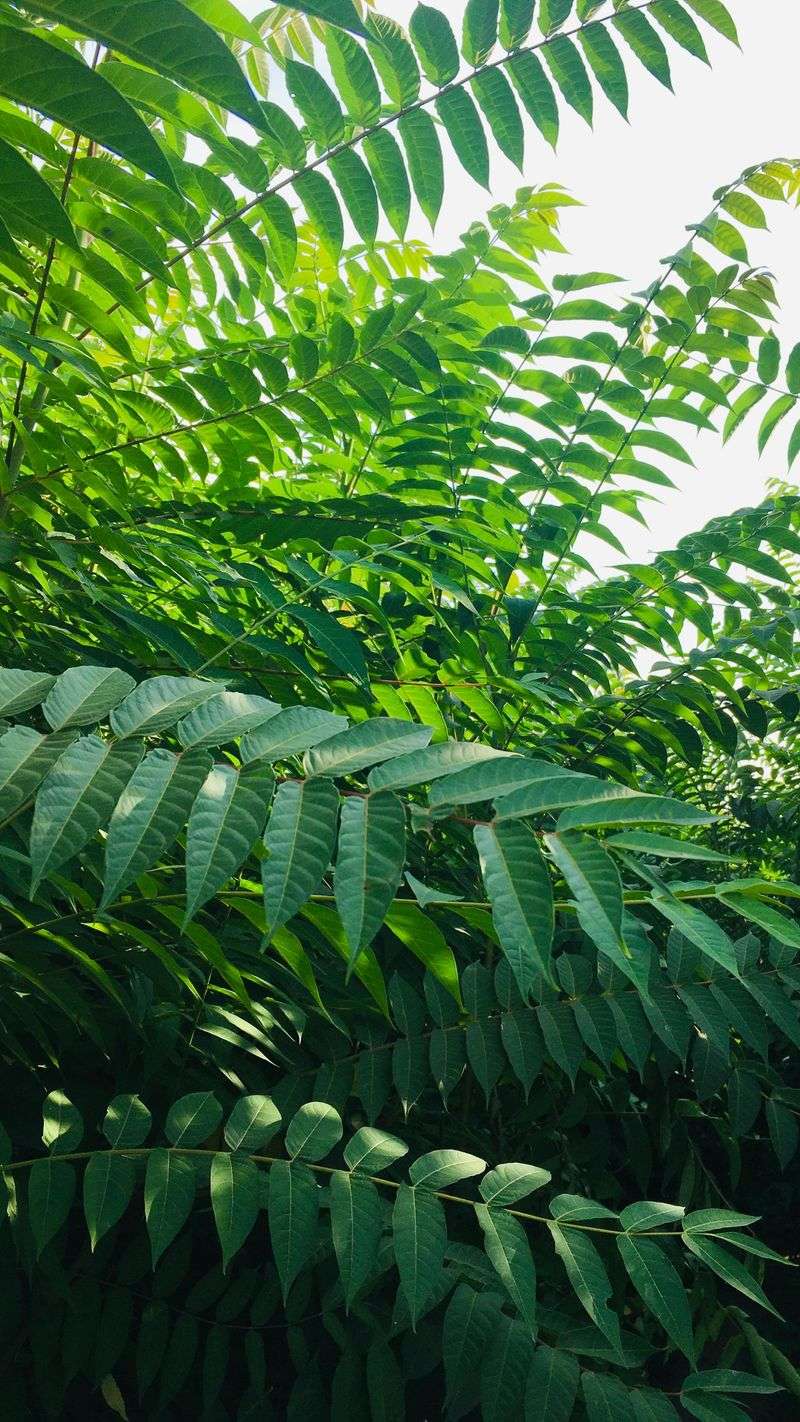
The Tree of Heaven was invited to America as an ornamental shade tree, and it took the invitation a little too seriously. This invasive tree is actually the number one host plant for spotted lanternflies, acting like a fast-food restaurant that never closes.
Spotted lanternflies are obsessed with Tree of Heaven. They flock to it in enormous groups, feeding on its bark and leaving behind trails of sticky honeydew.
That honeydew then grows black sooty mold, which coats leaves and surfaces nearby. It looks awful and coats everything it touches.
The tricky part is that Tree of Heaven grows throughout much of Virginia. You find it along roadsides, in empty lots, and even popping up in backyards.
Identifying this tree is easier once you know what to look for. Its compound leaves can stretch over a foot long, lined with several pointed leaflets. Crush one between your fingers, and a sharp, unpleasant odor gives it away instantly.
Because lanternflies love it so much, experts often use this tree as a trap crop. They apply pesticide to it specifically to reduce lanternfly populations nearby.
If you have one on your property, do not ignore it this July. Check the trunk and branches regularly for egg masses, nymphs, or adult insects.
Scrape off any egg masses you find into a bag with isopropyl solution. Report large infestations to your local agricultural extension office right away.
Controlling lanternflies on Tree of Heaven can protect the healthier, more valuable trees growing close by. Think of it as stopping the problem at its source before it spreads further.
2. Grapevines
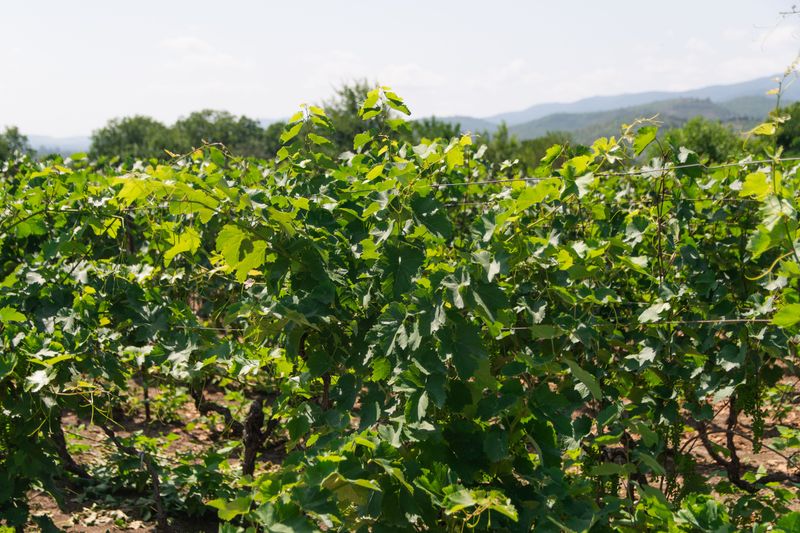
Virginia’s grape growers have a serious new enemy, and it travels on wings. Spotted lanternflies absolutely love grapevines, and the damage they cause to vineyards can be devastating for farmers and backyard growers alike.
These insects feed by piercing the vine and sucking out the plant’s sugary sap. That constant feeding weakens the vine and reduces its ability to produce healthy fruit.
Grapes that do form may be smaller, less flavorful, or completely ruined by the time harvest comes around. For Virginia’s growing grape industry, that is a major financial hit.
Home gardeners with backyard grapevines face the same frustrating problem. You spend all season tending your vines, only to watch insects drain the life from them in July.
Your Virginia Garden Changes Every Week. Your Plan Should Too.
Gardening in Virginia changes quickly throughout the season. Every Friday you’ll receive a simple weekly plan showing exactly what to plant, prune, fertilize, harvest, and protect so you never miss the right timing.
The honeydew lanternflies leave behind also attracts wasps and bees in large numbers. That makes working around your vines unpleasant and frustrating.
Black sooty mold grows on the honeydew coating, blocking sunlight from reaching the leaves. Without enough light, the plant cannot photosynthesize properly and begins to decline.
Sticky bands placed around vine posts can trap lanternflies before they climb up to feed. Just make sure to use wildlife-safe traps so you do not accidentally catch birds or small animals.
Check your grapevines every few days throughout July, especially in the early morning when the insects are slower. Catching an infestation early is the best way to protect your harvest this season.
3. Maple
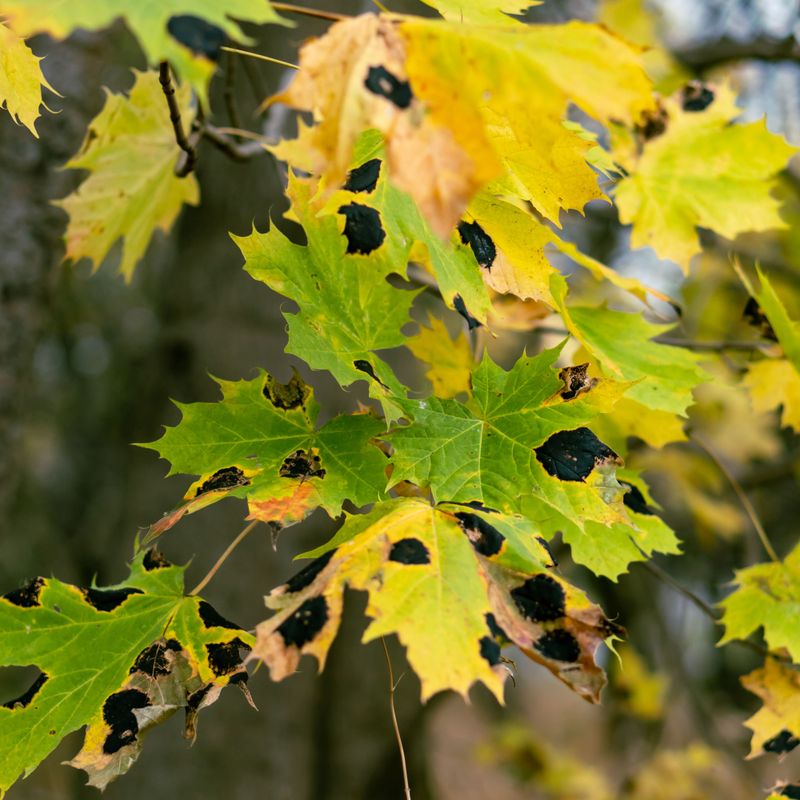
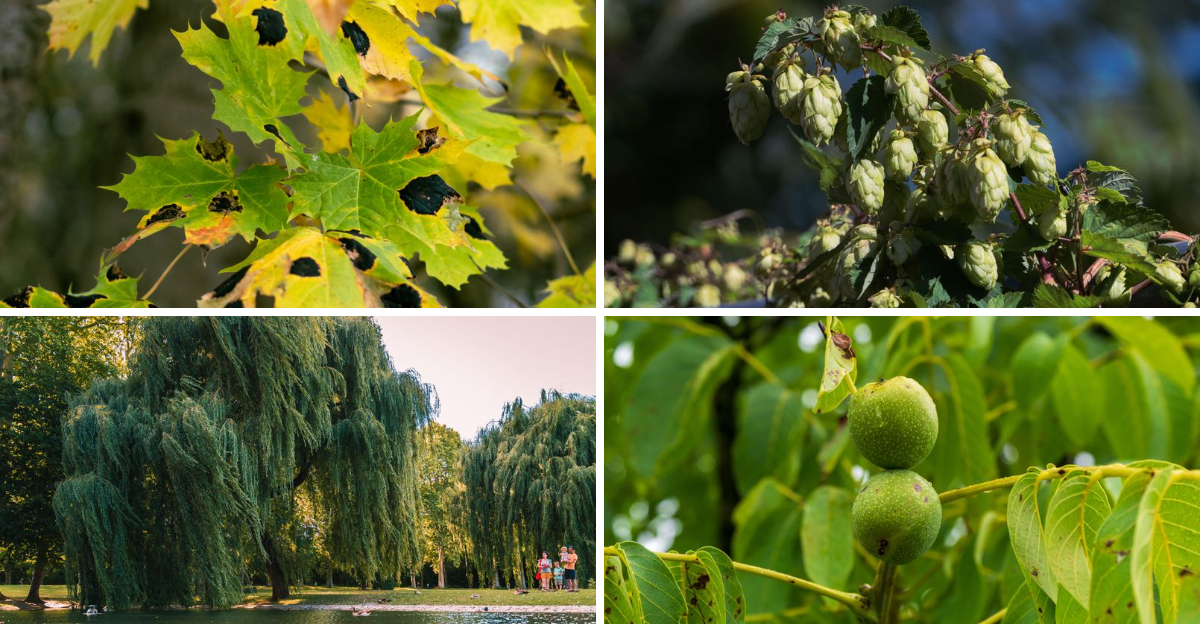
Maples are one of the most beloved shade trees in American yards, and unfortunately, spotted lanternflies have noticed. These pests target several maple species, feeding heavily on the bark and causing visible stress to the tree.
You might first notice a wet, oozing patch on the trunk where sap is seeping out. That is often a sign that insects have been feeding there repeatedly over several days.
Red maples and silver maples seem to attract lanternflies more than other varieties. If you have either of these in your yard, keep a close eye on them all month long.
Large infestations can cause leaf wilting, weakened branches, and a general decline in the tree’s health. A stressed maple is also more vulnerable to other pests and diseases moving in afterward.
Younger maples are especially at risk because they have not built up the same trunk thickness and sap reserves as older trees. A few seasons of heavy feeding can seriously set back a young tree’s growth.
One smart move is to place a sticky band around the trunk in early July. This traps lanternflies as they climb up to feed and gives you a visual count of how bad the problem is.
Remove egg masses from the bark whenever you spot them, and dispose of them properly in a sealed bag. Your maple has been shading your yard for years, and it deserves a little protection in return.
4. Black Walnut
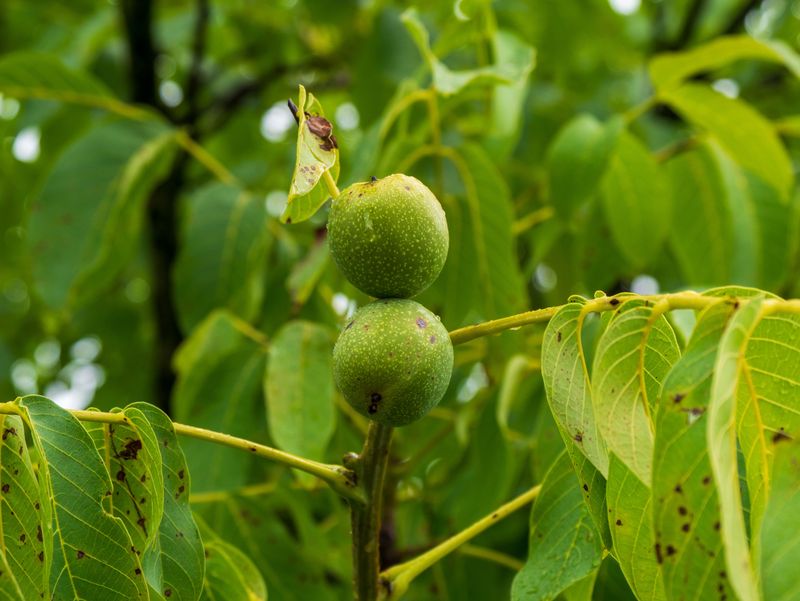
Black walnut trees are already tough to grow around because they produce a chemical that suppresses nearby plants. Now they have another problem to deal with, and this one flies in from outside.
Spotted lanternflies have been documented feeding on black walnut trees across the Mid-Atlantic region. While the walnut is not their absolute favorite, it is still very much on their menu.
These trees provide valuable wildlife habitat and produce nuts that many animals depend on. Heavy feeding pressure from lanternflies can reduce nut production and weaken branches over time.
What makes black walnut especially concerning is how long it takes to grow one. These are slow-maturing trees, and losing a mature specimen to years of pest stress is a real setback.
Homeowners who have invested decades in growing black walnuts should start monitoring now. Walk around the base of the tree and look for the distinctive egg masses, which look like dried gray mud smeared on the bark.
Scrape those masses off with a plastic card and drop them into a bag of hand sanitizer or isopropyl solution. That simple step eliminates a whole future generation of lanternflies before they even hatch.
If adult insects are already present, consider contacting a licensed arborist or pest control professional. Protecting a mature black walnut is worth the effort, because replacing one takes a lifetime.
5. Fruit Trees
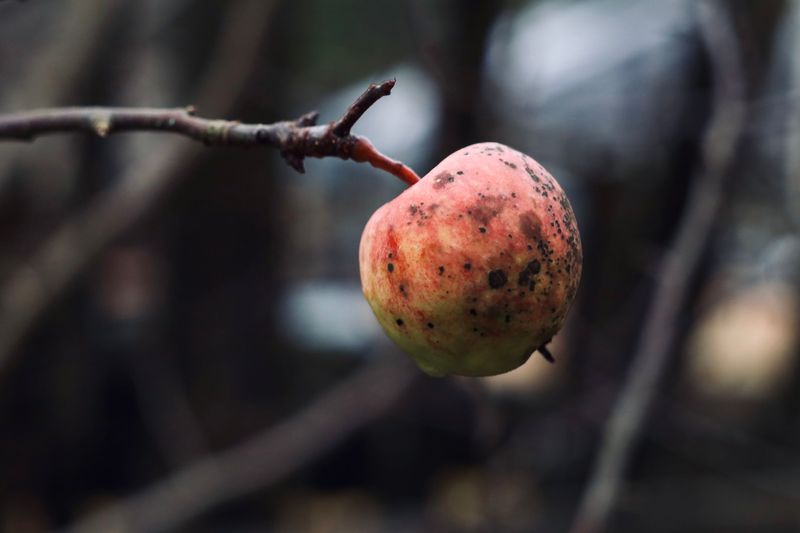
Imagine stepping outside to check on your apple tree in July, only to find it crawling with spotted lanternflies. That scenario is becoming more common for Virginia homeowners and farmers each summer.
Fruit trees including apple, peach, plum, and cherry are all targeted by these pests. The feeding damage weakens the tree and can dramatically reduce the quality and quantity of your harvest.
Peach trees are also frequently targeted during the summer feeding season. Lanternflies cluster on young branches and suck out sap that the tree needs to ripen its fruit properly.
Beyond the feeding itself, the honeydew residue creates a second wave of problems. It coats the fruit surface, making it sticky and attracting other insects like hornets and ants.
Sooty mold then grows on the honeydew, turning fruit dark and unappetizing. Even if the fruit is technically edible underneath, most people will not want to eat it.
Netting is one of the most effective physical barriers you can use around smaller fruit trees. It keeps the insects from landing on the branches without requiring any chemical treatment at all.
Checking the undersides of leaves and along the bark regularly will help you catch problems early. Early action means less damage, more fruit, and a healthier tree heading into fall.
Your fruit trees work hard all season to produce something delicious, so give them the defense they need this July against spotted lanternflies.
6. Hops
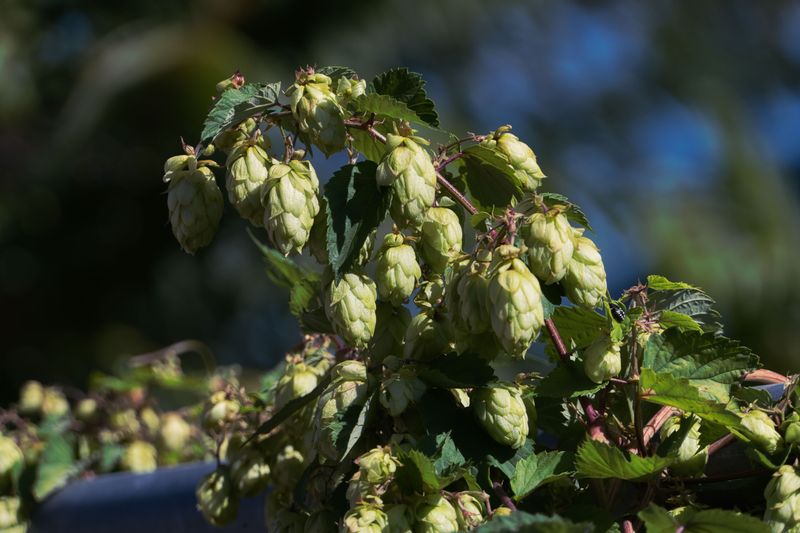
Gardeners in Virginia might not think of hops as a tree, but this climbing plant is just as vulnerable to spotted lanternflies as any woody species. Hops farms and backyard growers have both reported serious feeding pressure during summer months.
Hops grow fast and tall, climbing up tall trellises to reach sunlight. That vertical growth habit actually makes them easy targets because lanternflies love to climb upward to feed.
The insects pierce the soft stems and leaves of the hops plant, draining the sap and weakening the growth. Damaged hops produce fewer cones, which are the part of the plant growers rely on most.
For small growers who cultivate hops commercially, a bad lanternfly season can mean a disappointing harvest. That translates directly into a smaller yield and a hit to their investment.
Home growers who tend hops as a hobby face the same frustration. You spend months training those vines up the trellis, only to watch insects tear through them in a few weeks.
Physical removal by hand is one option for smaller plantings. Knock the insects into a bucket of soapy water during the early morning when they are sluggish and easier to catch.
Insecticidal soap sprays are also effective and relatively safe for the surrounding garden environment. Apply them in the evening to avoid harming pollinators that visit during the day.
Spotted lanternflies on hops are a growing concern, so stay alert this July.
7. Willow

Few trees are as graceful as a weeping willow swaying beside a pond on a warm July afternoon. Sadly, spotted lanternflies have a soft spot for willows, making these elegant trees a prime target this summer.
Willows have thin, moisture-rich bark that makes feeding easy for the insects. They often cluster in large numbers near the base of the trunk or along lower branches.
Because willows usually grow near water, the honeydew dripping from infested trees can fall into ponds or streams. That sugary residue can affect water quality and attract unwanted insects near your outdoor spaces.
Willow trees also tend to grow quickly, which some people think makes them resilient. But fast growth does not mean they can handle repeated sap loss without suffering long-term consequences.
Repeated feeding across multiple seasons weakens even the most vigorous willow. Branches may begin to droop more than usual, leaves may yellow early, and new growth may slow significantly.
Checking a willow for lanternfly activity is straightforward because the trees are often accessible at ground level. Walk around the base and look for the grayish egg masses stuck to the bark or even on nearby rocks and fencing.
Scrape those egg masses off carefully and dispose of them in a sealed container. Keeping your willow healthy means protecting the whole peaceful corner of your yard it anchors so beautifully.
8. Sycamore
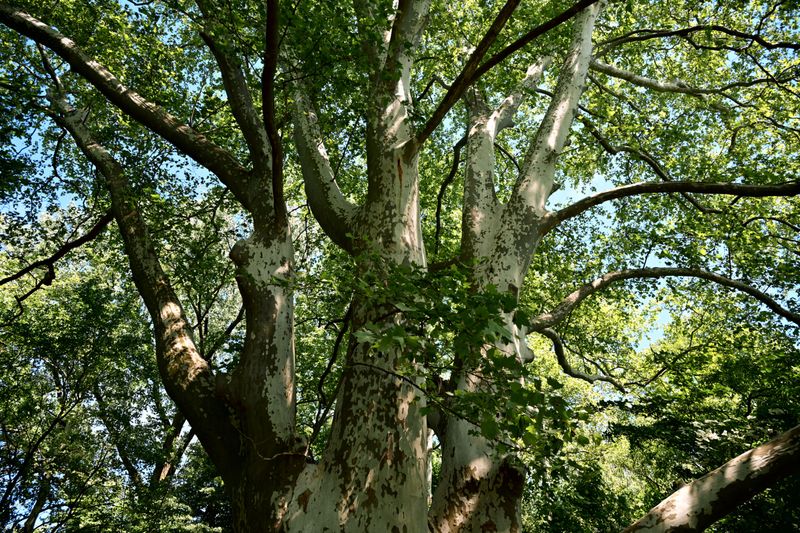
Sycamores are the giants of Virginia’s riverbanks and neighborhoods, with their bold white and gray patchwork bark making them impossible to miss. These impressive trees are also squarely on the spotted lanternfly radar this July.
Research has documented sycamores as a common host for spotted lanternflies during their adult feeding stage. That means July through September is when these trees face the most pressure.
The sheer size of a mature sycamore makes it hard to treat the entire tree with sprays or bands. Focus your monitoring efforts on the lower trunk, which is where most feeding activity tends to concentrate.
Look for the telltale signs of infestation: egg masses on the bark, clusters of insects, and the shiny wet patches left by honeydew. Any of those signs means action is needed quickly.
Sycamores growing near rivers or wooded areas face higher risk because lanternfly populations are often denser in those zones. Urban trees surrounded by pavement may see slightly lower pressure, but they are not immune.
One practical step is to call your local cooperative extension service to report any large sightings. They track population data and can advise on the best treatment options for your specific situation.
Protecting sycamores matters beyond your own yard, because these trees shelter birds, clean the air, and cool entire neighborhoods. Spotted lanternflies are a real threat, but informed homeowners make all the difference this season.