Native Trees New Jersey Gardeners Are Planting Instead Of Banned Bradford Pears
Bradford Pears ruled New Jersey yards for decades. Then in 2026, the state signed a law phasing out their sale for good, and few gardeners shed a tear. Existing trees can stay, but nurseries will stop selling them in the years ahead.
Underneath those pretty spring blooms was a tree with a nasty reputation. Weak branches snapped in every storm, invasive seedlings crowded out native plants, and local pollinators barely got a meal from those flowers.
So what fills the gap? New Jersey gardeners are turning to trees that were always meant to grow here. These natives shrug off storms, feed birds and bees all season, and skip the overpowering “fishy” bloom smell Bradford Pears are famous for.
The result is a landscape that finally works with New Jersey’s ecosystem instead of against it. Some of these replacements even outshine the Bradford Pear in the looks department. Ready to find the right one for your yard?
1. Serviceberry
Spring arrives early when you have a Serviceberry in your yard. This native gem bursts into white blooms weeks before most trees even think about waking up.
Gardeners replacing banned Bradford Pears are discovering that Serviceberry delivers everything they loved, without the downsides. The flowers are just as showy, and the tree stays in its lane without spreading aggressively.
Serviceberry, also called Juneberry or Shadbush, grows well across New Jersey in both sunny spots and partial shade. It tops out around 15 to 25 feet, making it a great fit for average-sized suburban lots.
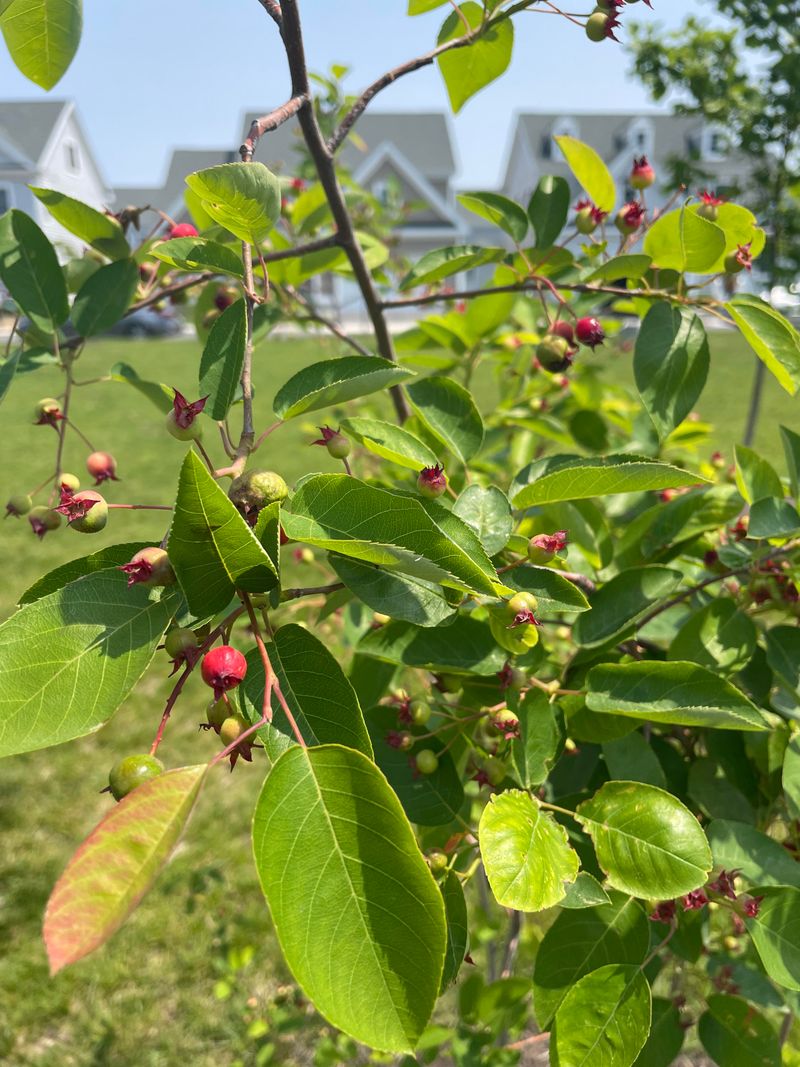
By early summer, small reddish-purple berries appear and birds go absolutely wild for them. Robins, cedar waxwings, and catbirds treat your tree like a five-star buffet.
If you get to the berries first, you can actually eat them too. They taste like a cross between a blueberry and an almond, and they make excellent pies and jams.
Fall color is another bonus nobody talks about enough. Leaves turn brilliant shades of orange, red, and gold before dropping cleanly in autumn.
Serviceberry handles New Jersey winters without fuss and tolerates clay-heavy soils better than many ornamental trees. It also supports over 100 species of native caterpillars, which means more songbirds in your yard.
Planting one near a patio or window gives you a front-row seat to the wildlife show. Once established, it needs minimal watering and almost no maintenance at all.
2. Eastern Redbud
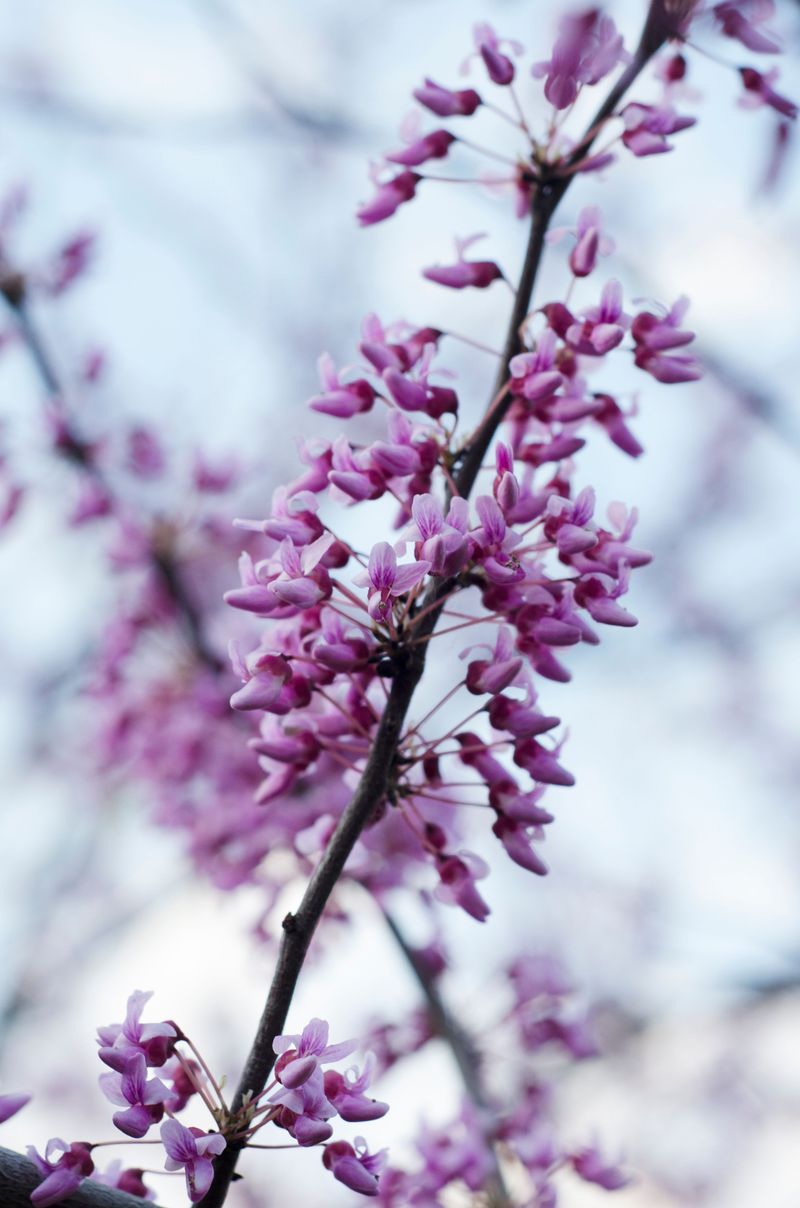
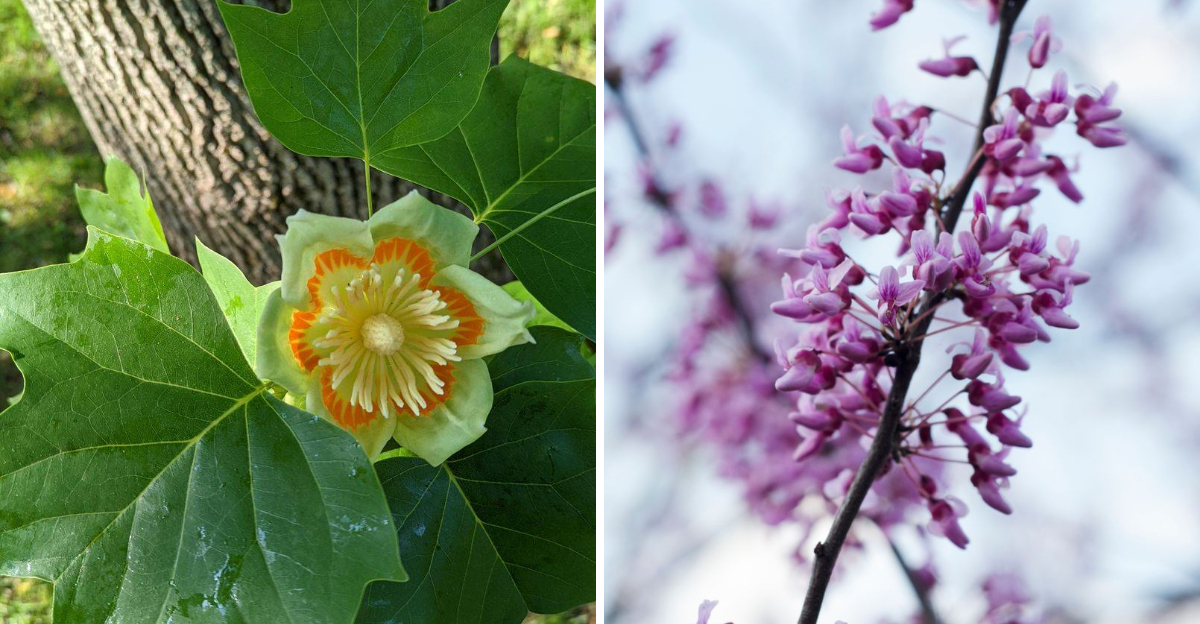
Few trees stop traffic quite like an Eastern Redbud in bloom. The branches explode with magenta-pink flowers before a single leaf appears, creating a jaw-dropping spring display.
This native tree is one of the top picks for New Jersey gardeners trading in their Bradford Pears. It brings bold color to the landscape without any of the invasive baggage.
Eastern Redbud grows relatively fast for a native tree, putting on about 7 to 10 feet of height over its first five to six years. The heart-shaped leaves that follow the blooms are genuinely beautiful and stay attractive all summer long.
One of the coolest quirks about this tree is that flowers grow directly on the bark of older branches and even the trunk. Botanists call this cauliflory, and it gives the tree a magical, otherworldly look.
Your New Jersey Garden Changes Every Week. Your Plan Should Too.
Gardening in New Jersey changes quickly throughout the season. Every Friday you’ll receive a simple weekly plan showing exactly what to plant, prune, fertilize, harvest, and protect so you never miss the right timing.
Pollinators go crazy for Redbud blossoms in early spring when not much else is blooming. Bumblebees and native mason bees rely on these early flowers to fuel up after a long winter.
The tree thrives in full sun to partial shade and adapts well to most New Jersey soil types. It handles urban conditions better than many natives, making it a solid pick for street-side planting.
Fall brings another surprise, with leaves turning clear yellow before they drop. The seed pods that hang on through winter add subtle visual interest to a bare landscape.
Plant it where you can see it from inside your home and enjoy the show every single spring.
3. Flowering Dogwood
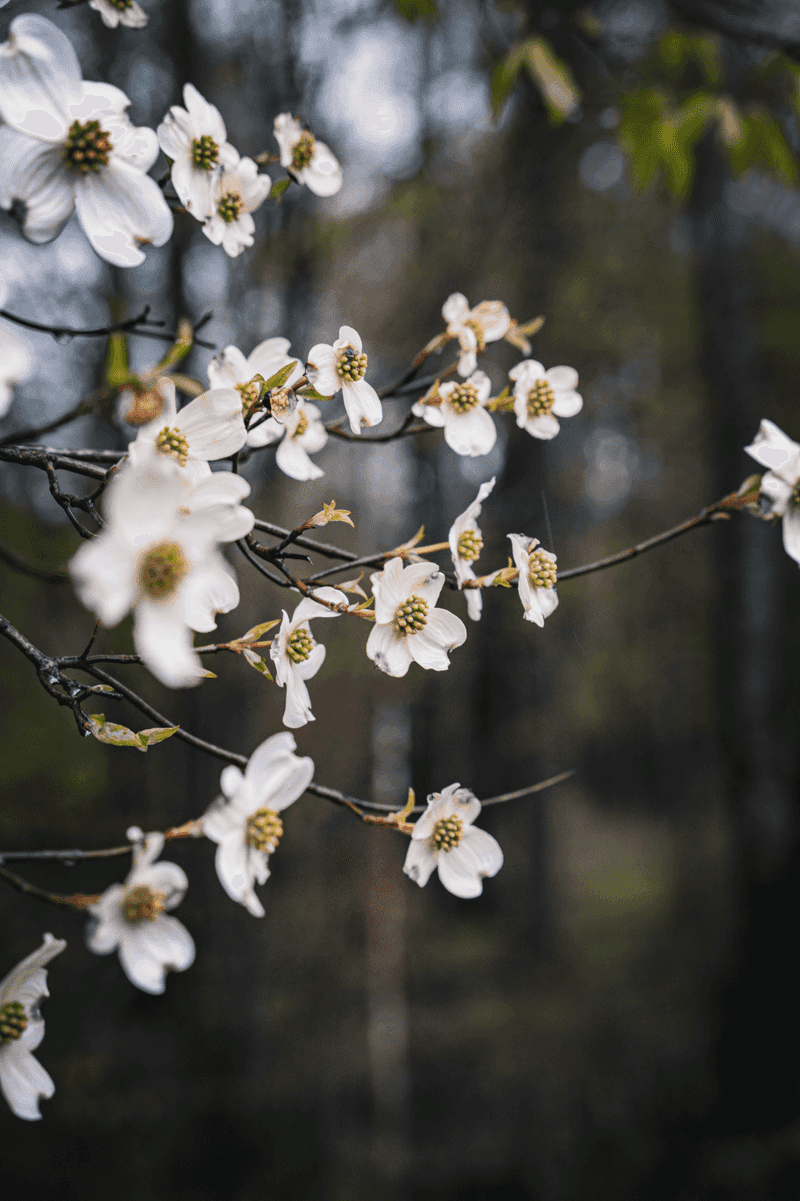
Flowering Dogwood is basically New Jersey’s sweetheart tree, and for good reason. It has been lighting up woodland edges and backyard gardens here for thousands of years.
When Bradford Pear fans ask for something equally showy, Flowering Dogwood is almost always the first suggestion. The large white or pink bracts look like flowers but are actually modified leaves surrounding tiny true blooms.
This native tree grows slowly to about 15 to 25 feet, forming a wide, layered canopy with horizontal branches. That distinctive branching pattern looks beautiful even in winter when all the leaves are gone.
Native trees new jersey gardeners prize most tend to offer something for every season, and Dogwood delivers exactly that. Spring brings those iconic blooms, summer offers rich green foliage, fall blazes red and purple, and winter features bright red berries.
Those red berries are incredibly important for migrating birds passing through the region. More than 30 bird species eat Dogwood fruit, including wood thrushes, bluebirds, and wild turkeys.
Flowering Dogwood prefers partial shade and well-drained, slightly acidic soil. It struggles in hot, dry, exposed spots, so planting it under a taller tree canopy gives it the best chance to thrive.
One thing to watch for is Dogwood anthracnose, a fungal issue that affects trees in shady, humid spots with poor air circulation. Choosing a spot with some morning sun and good airflow goes a long way toward keeping your tree healthy.
A well-placed Dogwood near a patio creates a layered, naturalistic look that feels intentional and polished. It is one of those trees that makes your whole yard look like it was designed by a professional.
4. Sweetbay Magnolia
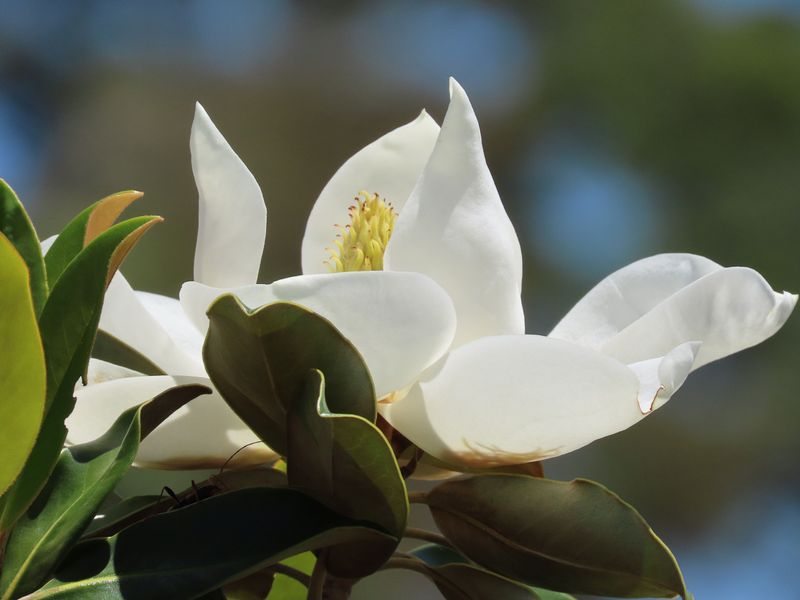
Close your eyes and imagine a warm June evening with the scent of vanilla and lemon drifting through your yard. That is exactly what Sweetbay Magnolia brings to your outdoor space.
Gardeners who loved the ornamental appeal of Bradford Pears will find a worthy upgrade in this native magnolia. It blooms in late spring and often continues producing flowers sporadically all the way through summer.
Sweetbay Magnolia grows 10 to 20 feet tall in most New Jersey landscapes, though it can reach 35 feet in ideal conditions. The creamy white flowers are about two to three inches across and sweetly fragrant.
Unlike many magnolias that demand perfect drainage, Sweetbay actually tolerates wet and boggy soils. If your yard has a low spot that stays damp, this tree will not just survive there, it will absolutely thrive.
The glossy, semi-evergreen leaves add year-round interest in southern parts of the state. In northern New Jersey, the tree drops its leaves in winter but holds onto them longer than most deciduous species.
Birds and small mammals rely on the bright red seeds that appear in fall inside cone-like structures. Eastern towhees and red-eyed vireos are among the species that snack on these nutritious seeds.
Sweetbay Magnolia supports several specialist moth species, including the Sweetbay Silkmoth, which is one of North America’s most stunning large moths. Planting this tree means potentially hosting a creature that looks like it belongs in a rainforest.
It grows well in full sun or partial shade and rarely needs pruning. For low-maintenance beauty with serious sensory payoff, few native trees come close to matching this one.
5. Red Maple
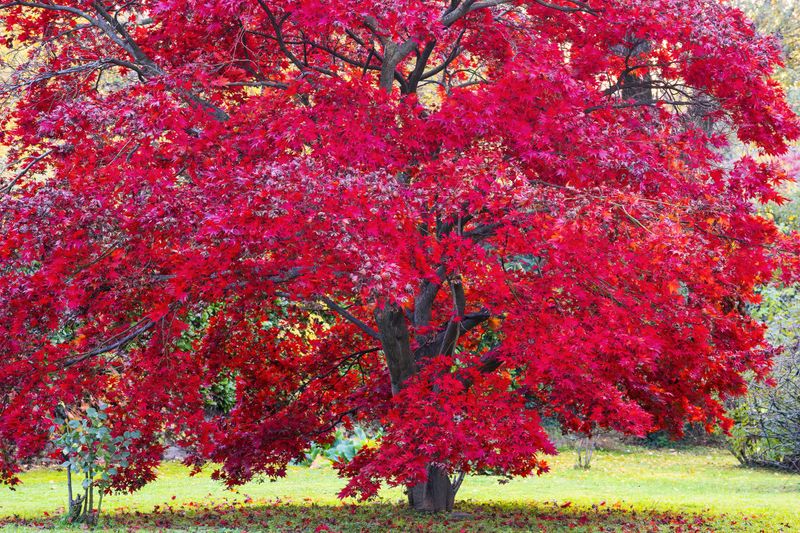
Red Maple earns its name three times over across a single calendar year. The red flower clusters appear in late winter, red samaras follow in spring, and blazing crimson leaves close out the season in fall.
Among native trees New Jersey gardeners are choosing post-Bradford Pear ban, Red Maple stands out for its sheer adaptability. It grows in wet lowlands, dry uplands, and pretty much everything in between.
This is one of the most common trees in eastern North America, which tells you something about how tough and reliable it is. Red Maple grows fast, often adding two feet of height per year under good conditions.
At maturity it can reach 40 to 70 feet tall, so it is not a tree for tiny yards. Give it space and it rewards you with serious shade and a fall color show that neighbors will stop to photograph.
Wildlife benefits are off the charts with this species. Red Maple supports over 285 species of native caterpillars, making it one of the top ecological powerhouses you can plant.
The early spring flowers are a critical food source for honeybees and native bees emerging from winter dormancy. Planting one is essentially setting up a free feeding station for pollinators at the most vulnerable time of year.
Red Maple tolerates compacted soil, seasonal flooding, and urban pollution better than most trees its size. That resilience makes it a smart pick for challenging spots where other trees might struggle.
Fall color varies by individual tree, so buy one in autumn when the leaves are turning to guarantee you get a showstopper. A great Red Maple in peak color is something you will never get tired of seeing.
6. Tulip Tree
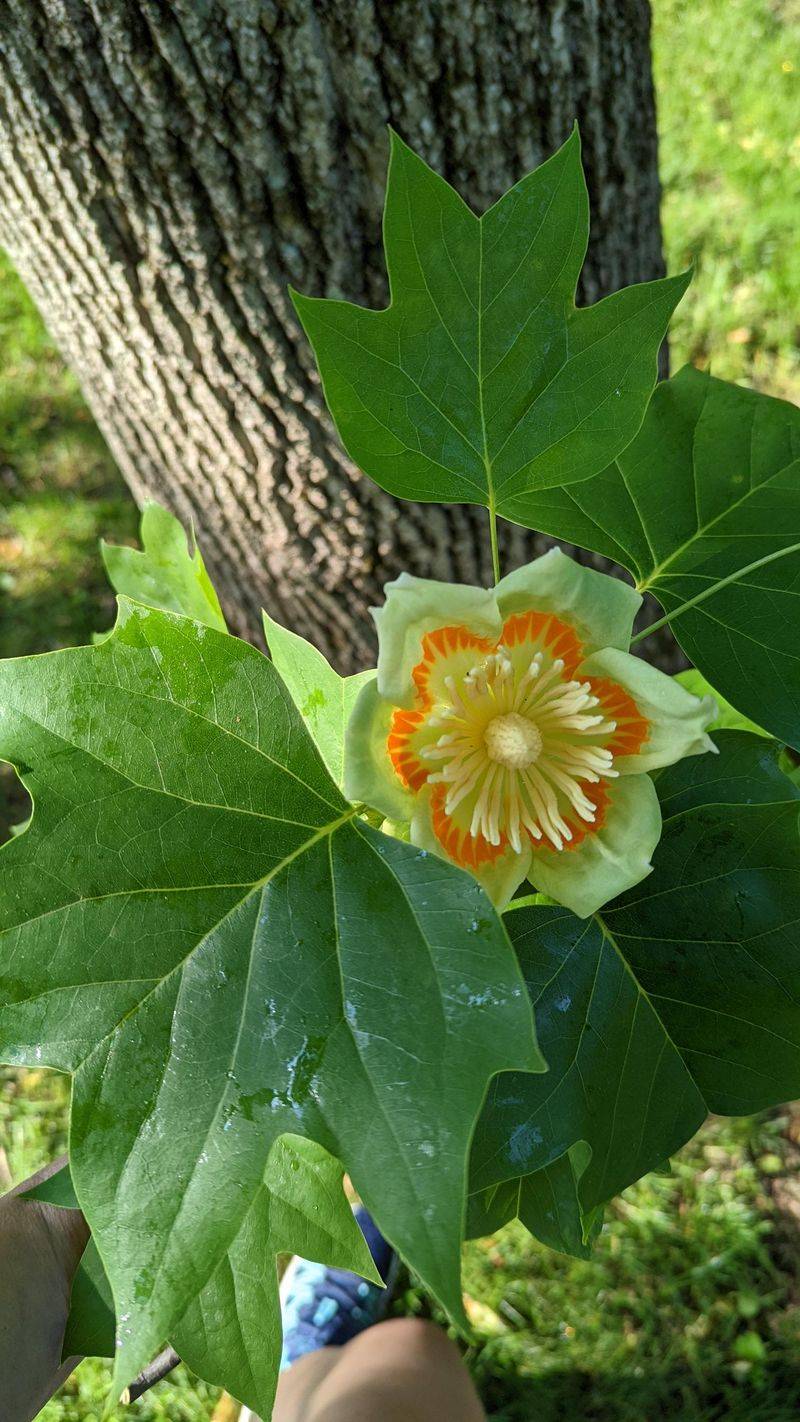
Tulip Tree is the gentle giant of the native tree world, and it plays the role with effortless style. It is the tallest native hardwood in North America, capable of reaching 90 feet or more at full maturity.
Gardeners who want a true statement tree after removing Bradford Pears should look straight up and dream big. Tulip Tree grows fast, often two to three feet per year, and fills a landscape with impressive presence in just a decade.
The flowers are genuinely spectacular, though you might need binoculars to appreciate them fully. They bloom near the top of the canopy in late spring, each one about two inches across with yellow petals and a bright orange center band.
Hummingbirds absolutely love those flowers and visit them repeatedly throughout the blooming period. The deep cup of each blossom collects nectar like a tiny well, giving hummingbirds an easy and abundant meal.
Tulip Tree prefers deep, moist, well-drained soil and full sun exposure. It does not love being crowded, so give it a wide open spot where its roots can spread without competition.
The fall foliage turns a clear, bright yellow that glows against a blue October sky. It is not the fiery red of a Sugar Maple, but the clean golden tone has its own kind of quiet elegance.
Tulip Tree is the state tree of Indiana and Tennessee, but it belongs just as much to New Jersey’s landscape history. Indigenous communities used the straight trunks to build dugout canoes for centuries before European settlement.
Once established, this tree is remarkably self-sufficient and resistant to most pests. Plant it and step back, because it will take care of the rest on its own.
7. American Plum
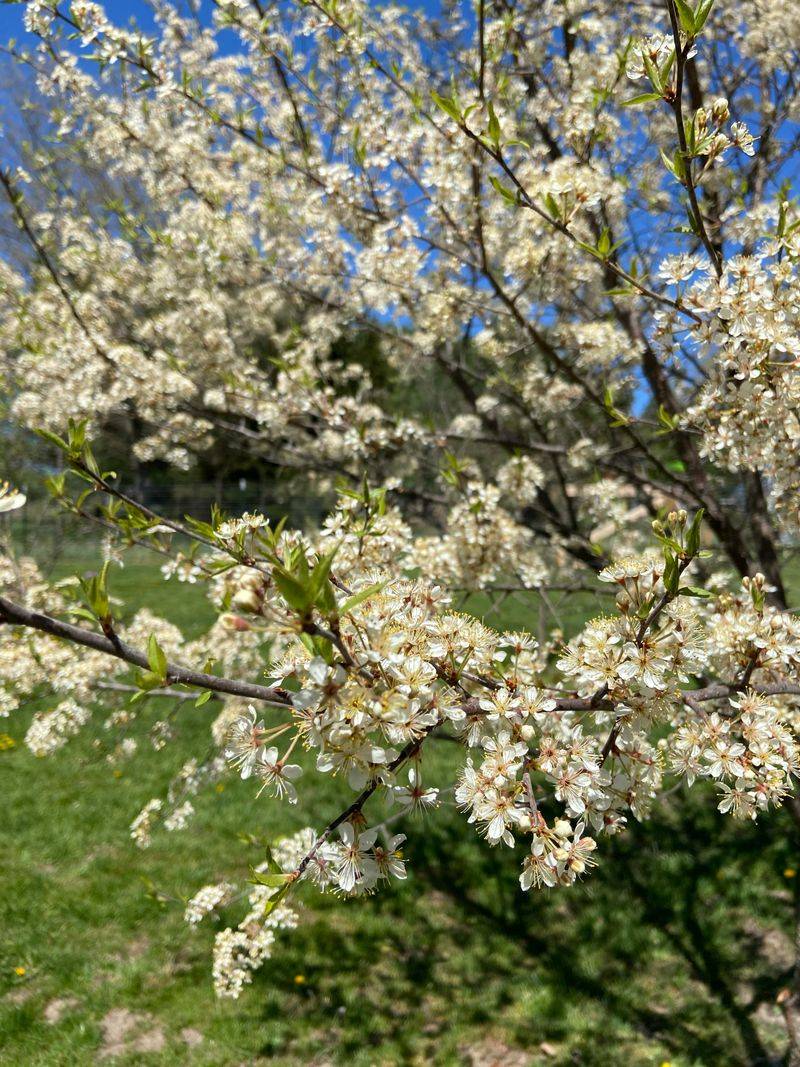
American Plum is the scrappy underdog of native trees, and once you plant one, you will wonder why it took you so long. It blooms in a frothy cloud of white flowers every spring before the leaves arrive, putting on a show that rivals anything in the nursery catalog.
For gardeners replacing Bradford Pears with something useful and beautiful, American Plum checks both boxes with authority. It grows 15 to 25 feet tall with a rounded, shrubby form that fits smaller yards without dominating the space.
The real magic happens in late summer when the small, tart plums ripen to red and yellow. You can eat them fresh, cook them into jam, or just leave them for the wildlife that will descend on your tree like it is an all-you-can-eat festival.
White-tailed deer, raccoons, foxes, and dozens of bird species feed on American Plum fruit across the season. The dense, thorny branches also provide excellent nesting cover for songbirds seeking protection from predators.
American Plum is one of the earliest-blooming native trees, which makes it a lifeline for early pollinators. Native bees, butterflies, and even some early-emerging beetles depend on those white blossoms for food before much else is available.
The tree handles poor soils, drought, and exposed conditions better than most ornamentals. It spreads slowly by root suckers, forming a small thicket over time that functions as excellent wildlife habitat.
Choosing native trees new jersey gardeners can feel proud of means picking plants that give back to the ecosystem. American Plum feeds your family, feeds the wildlife, and asks for almost nothing in return, and that is a deal worth making.