How To Revive Heat-Damaged Ohio Lawn Before It Gets Worse
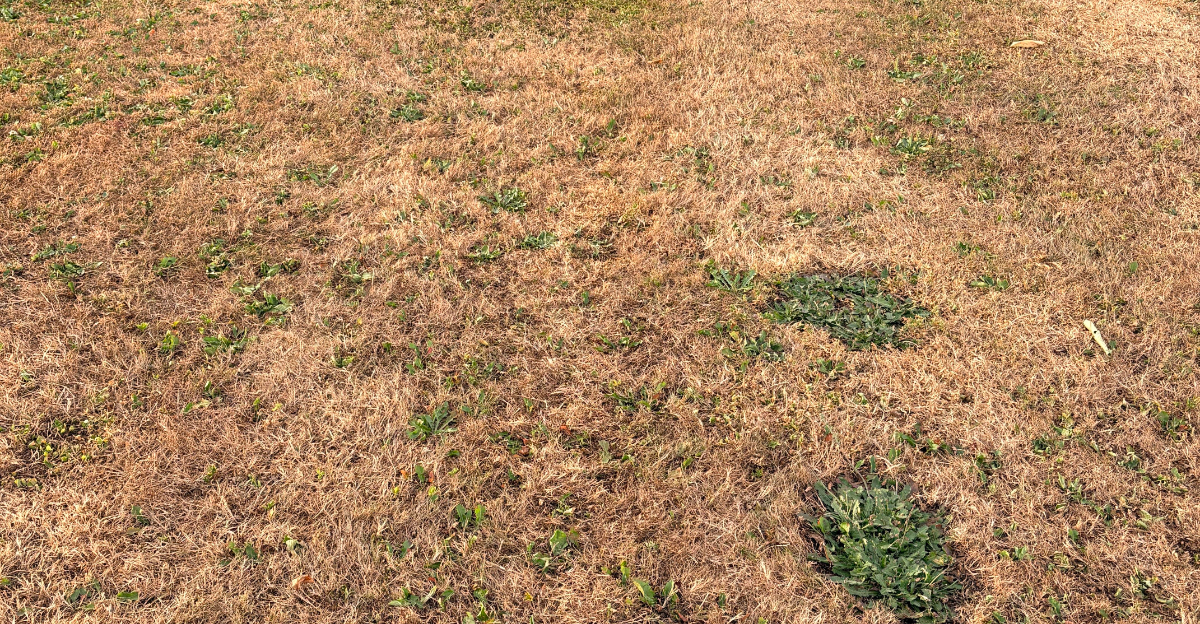
An Ohio lawn in heat stress looks bad and feels urgent. Brown patches, crispy edges, that dry and brittle texture underfoot that makes every step feel like a small defeat.
The instinct is to soak it immediately and hope for the best. That instinct is what turns a recoverable situation into a longer problem.
Heat damaged Ohio lawn responds to specific care in a specific order, and the steps that feel most logical in a moment of panic tend to be the wrong ones.
Too much water too fast, fertilizer applied to a stressed root system, mowing at the wrong height while the grass is already struggling.
Each one compounds what the heat started. The window between early heat stress and serious setback is shorter than most Ohio homeowners expect.
What happens in that window determines whether recovery is a matter of weeks or the rest of the season.
1. Check Whether Brown Grass Is Dormant Or Done
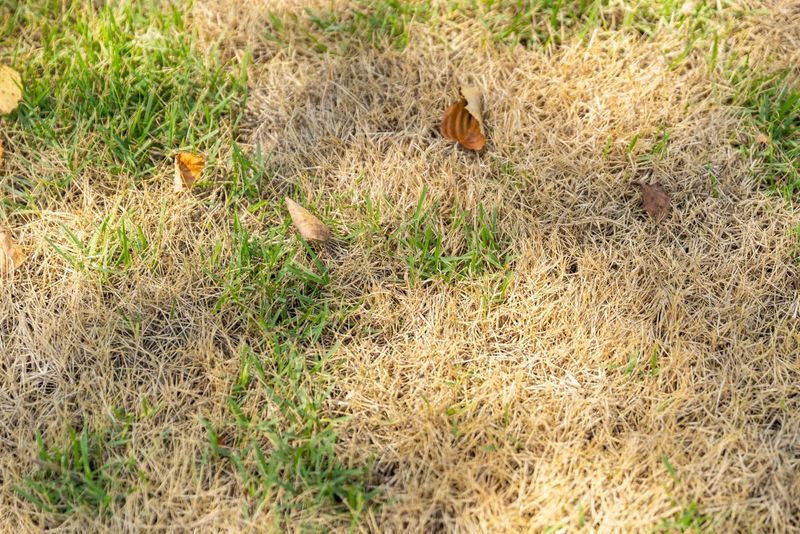
That crunch underfoot is one of the most confusing sounds in Ohio lawn care. Brown grass is not automatically withered grass, and understanding that difference is the most important thing you can do before taking any other action.
Cool-season grasses like tall fescue and Kentucky bluegrass can shut down leaf growth and turn brown during heat and drought as a protective survival response. OSU Extension notes that this dormancy is a normal adaptation, not a sign of failure.
To check whether your turf is dormant or truly gone, look closely at the base of a few grass plants. If you see any hint of green at the crown, right where the blade meets the soil, the plant is likely still alive.
Dormant grass also tends to hold its roots firmly in the ground. If a blade tugs out easily with no resistance, that area may have withered or suffered grub damage.
Compare shaded spots to full-sun areas. Shaded zones often stay greener longer because the soil stays cooler and holds moisture better.
Irregular patches that look completely different from nearby areas can point to pests, disease, soil compaction, or uneven watering. A good rain or a deep irrigation cycle will often help dormant grass show signs of recovery within a week or two.
If nothing greens up after adequate moisture returns, the damage may be more serious than dormancy.
2. Stop Mowing Until Growth Actually Returns
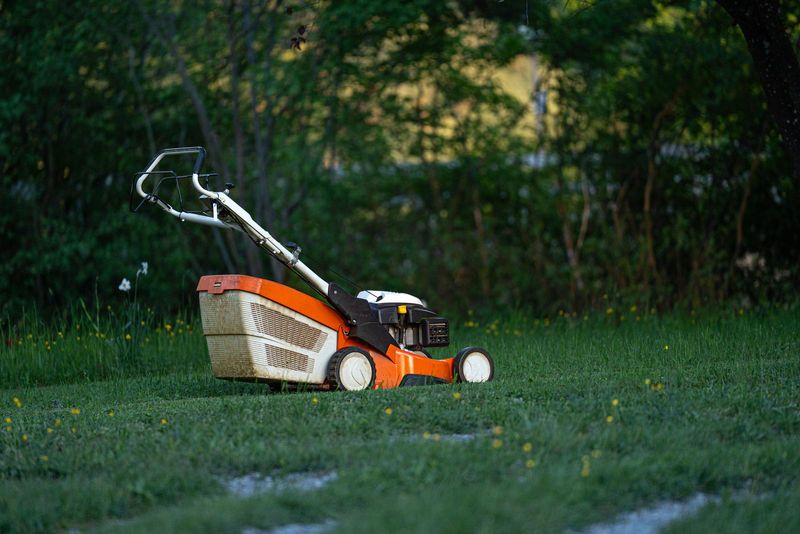
Pushing a mower across a lawn that has stopped growing is one of the most common mistakes during a summer dry spell. When turf goes dormant or enters severe heat stress, the blades are already fragile and the crowns are working hard just to stay alive.
Running a mower over that stressed surface adds mechanical injury on top of heat and drought pressure. Turfgrass experts advise holding off on mowing until you can see that the grass is actively growing again.
Watch for signs of resumed growth before you start the mower back up. New green tips, a slight increase in blade height, or a generally less crunchy texture after rain or irrigation are good signals.
Your Ohio Garden Changes Every Week. Your Plan Should Too.
Gardening in Ohio changes quickly throughout the season. Every Friday you’ll receive a simple weekly plan showing exactly what to plant, prune, fertilize, harvest, and protect so you never miss the right timing.
Once growth returns, mow carefully and never remove more than one-third of the blade length in a single pass. That guideline, widely supported by university extension guidance, helps the plant keep enough leaf area to support recovery.
Sharp mower blades matter more than ever after a dry stretch. Dull blades tear grass rather than cut it cleanly, leaving ragged edges that lose moisture faster and invite disease.
Avoid mowing during the hottest part of the day, especially when afternoon temperatures are climbing. Early morning mowing, after any dew has dried, puts less stress on already-tired turf.
Skipping mowing temporarily is not neglect. It is a smart, low-cost way to reduce one more source of stress while your lawn finds its footing again.
3. Water Deeply Enough To Keep Roots Alive
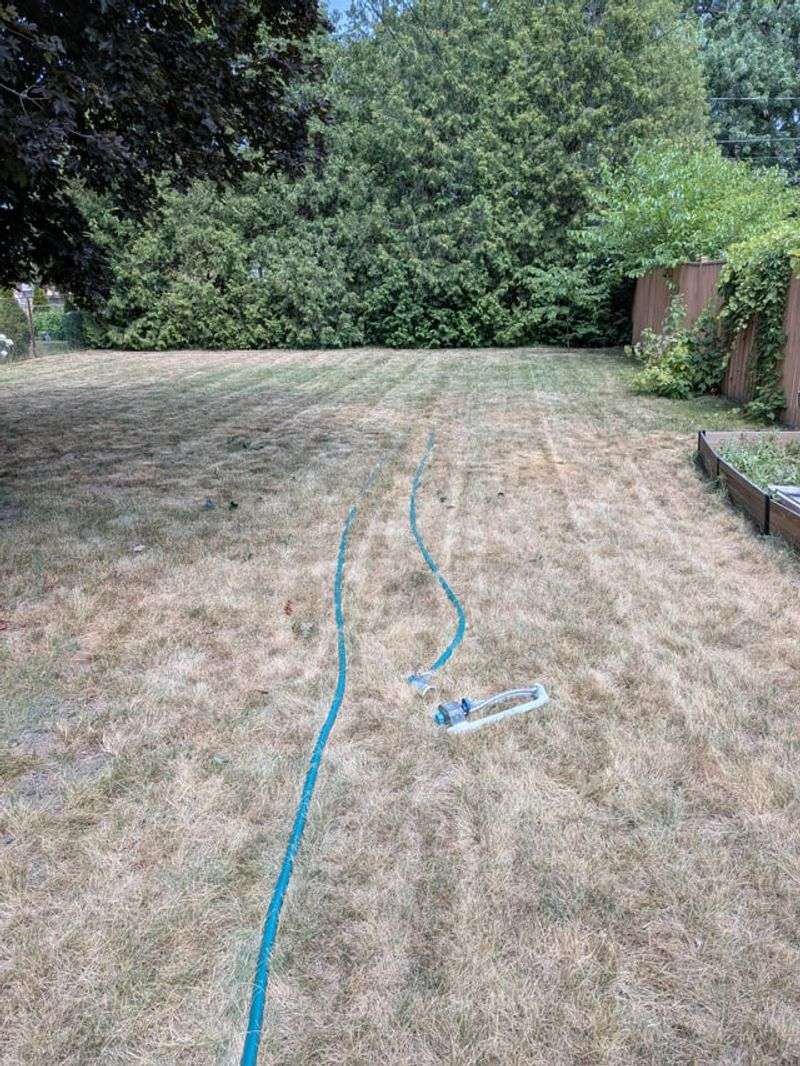
Shallow, frequent watering during a heat wave feels helpful, but it often does more harm than good. Light sprinkles wet only the top inch or two of soil, which encourages shallow root development and leaves grass more vulnerable when the surface dries out fast.
OSU turf guidance supports the idea that deep, infrequent watering helps keep crowns and root zones alive during extended dry periods. That applies when local water restrictions allow it.
Water early in the morning when temperatures are lower and evaporation is slower. Applying water at that time gives it the best chance to soak into the soil before the heat of the day pulls it back out.
Move through the lawn slowly enough to let water penetrate rather than run off. If you see puddles or runoff forming, pause and let the water absorb before continuing.
Dormant cool-season grass may not need enough water to turn green again right away. The goal during peak heat is simply to keep the crowns from drying out completely.
OSU Extension suggests that even dormant lawns benefit from some moisture during extended drought to prevent outright crown death. Check soil moisture a few inches below the surface by pushing a screwdriver into the ground.
If it slides in easily, moisture is present. If it stops at the surface, the soil is very dry and the root zone may be suffering.
Adjust your watering schedule based on what you find, not just what the calendar says.
4. Skip Fertilizer While Heat Stress Is Peaking
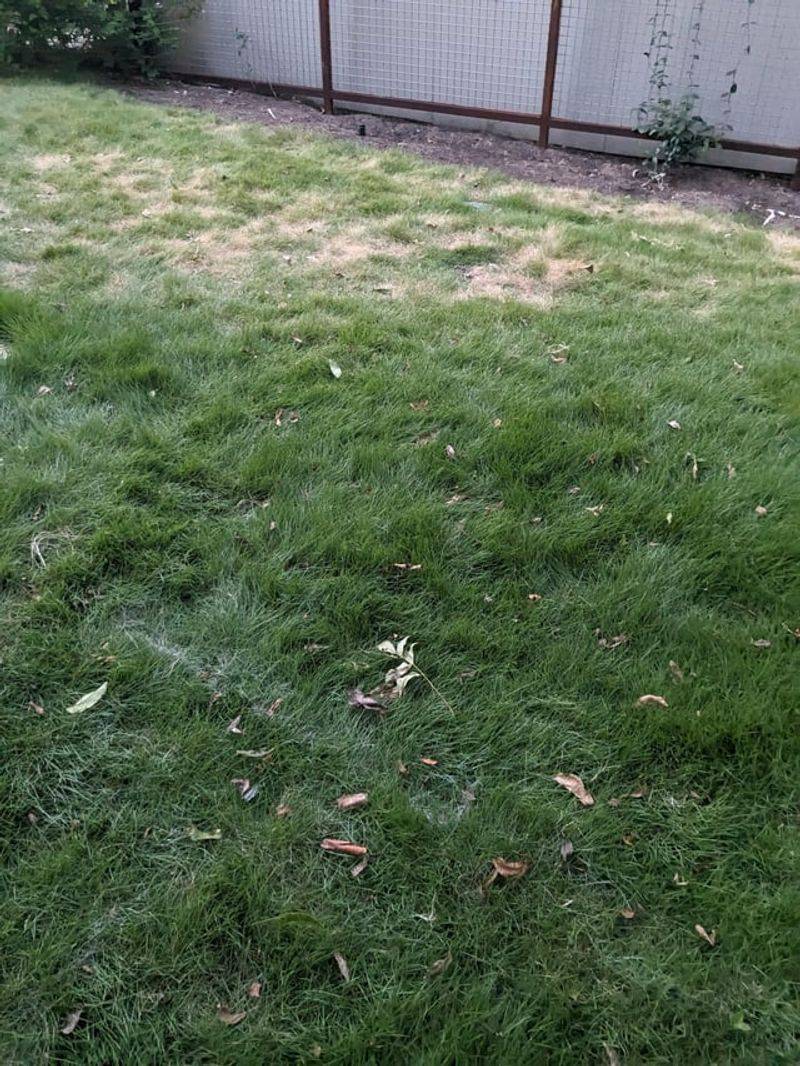
Reaching for a bag of fertilizer when your lawn looks rough is a natural instinct, but summer heat is exactly the wrong time to act on it. Fertilizer, especially quick-release nitrogen, pushes new top growth.
When a cool-season lawn is already stressed by heat and drought, that forced growth puts extra demand on a root system that is already struggling to keep up.
OSU Extension and university turfgrass programs consistently advise against heavy nitrogen feeding during peak summer stress for cool-season grasses.
Quick-release fertilizers applied during dormancy or extreme heat can increase the risk of fertilizer burn. That risk is especially high when soil moisture is low and temperatures are high.
Even slow-release formulas can cause problems if the lawn is not in a position to use the nutrients effectively. The timing of fertilization matters just as much as the product you choose.
A better approach is to wait until the weather cools and the lawn is actively growing again. Early fall is typically the strongest fertilization window for cool-season turf in this region, based on OSU turf guidance.
A soil test taken before that window can help you apply only what your lawn actually needs, rather than guessing. Fertilizer is a useful tool at the right moment, not a rescue product during stress.
Holding off now protects the turf you still have and sets the stage for a stronger, more productive feeding later when the grass can actually benefit from it.
5. Keep Foot Traffic Off Crispy Turf
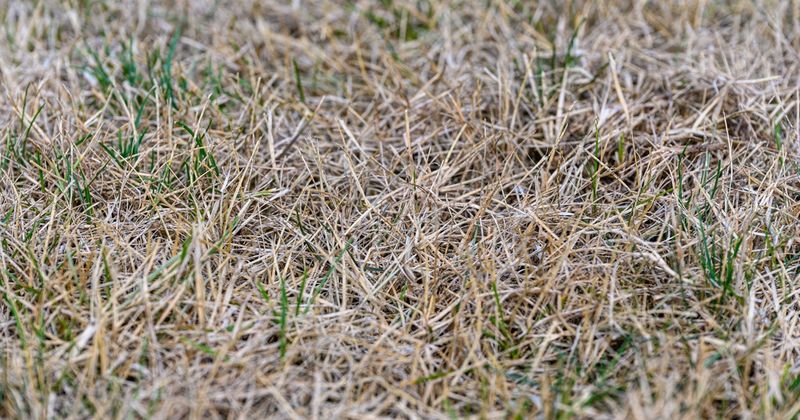
Every footstep across a stressed lawn during a heat wave costs more than it looks like. Dry grass blades are brittle, and repeated pressure snaps them rather than bending them back into shape.
Beyond the blades themselves, foot traffic compacts the soil underneath, which squeezes out the air pockets that grass roots depend on.
Dormant turf has almost no ability to recover from wear the way a healthy, actively growing lawn can bounce back after a rainy weekend.
Families with kids and pets face the biggest challenge here. Play areas, worn paths to backyard gates, and spots where dogs run the same route every day tend to show damage fastest.
Moving play equipment to a shaded or already-bare area can make a real difference. Placing stepping stones along frequently used paths and rerouting foot traffic around the worst dry spots can help too.
Even dragging a garden hose across the same weak area repeatedly adds up over time.
Keeping cars and heavy equipment off the lawn goes without saying, but it is easy to forget during busy summer weeks. A single vehicle parked on dry turf can compact soil deeply enough to affect drainage and root growth for a long time.
The goal is not to put a fence around the yard. The goal is to be thoughtful about where repeated pressure lands while the grass is at its most vulnerable.
Small changes in daily habits can protect a surprising amount of living turf through a difficult stretch of heat.
6. Raise The Mower Before The Next Cut
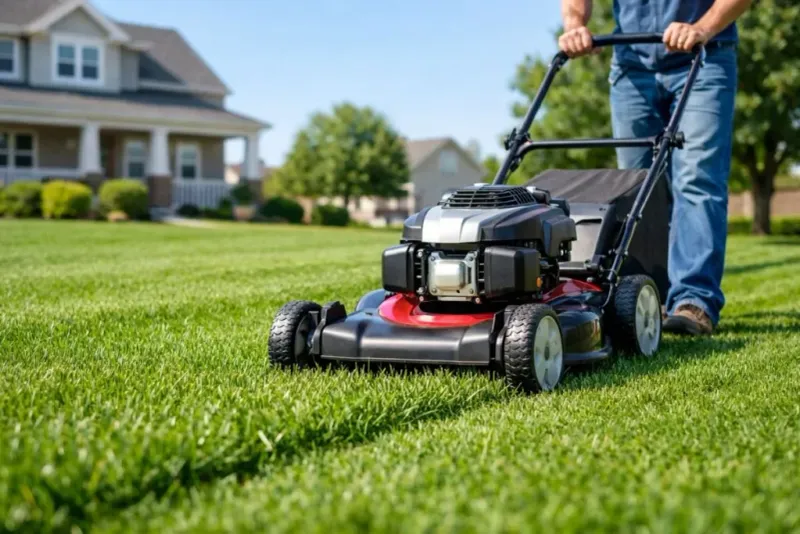
Once your lawn starts showing signs of life again, the temptation is to mow it back to its normal height right away. Resist that urge.
Cutting cool-season grass too short during or after a heat-stress period reduces the leaf surface available for photosynthesis. It also exposes the soil to more direct sunlight.
Hotter soil means faster moisture loss, which puts the recovering root zone right back under pressure. OSU turfgrass guidance supports maintaining taller mowing heights during summer stress to help protect both roots and soil temperature.
For most cool-season grasses in this region, raising the mower deck to three or even three and a half inches during summer recovery is a practical step.
Taller grass blades cast shade on the soil below them, which can help slow evaporation and keep the root zone slightly cooler.
That small difference in soil temperature can matter during a stretch of hot, dry days.
Always use sharp mower blades when you do cut. Dull blades create ragged, torn edges that look brownish and lose moisture more quickly than clean cuts.
Cut only when the grass is dry to avoid clumping and uneven passes. Following the one-third rule, never removing more than one-third of the total blade length in a single mowing session, helps keep the plant stable during recovery.
Scalping the lawn to try to reset it after heat damage is one of the most harmful things you can do at this stage. Taller is safer until the turf is truly back on its feet.
7. Wait For Cooler Weather Before Overseeding
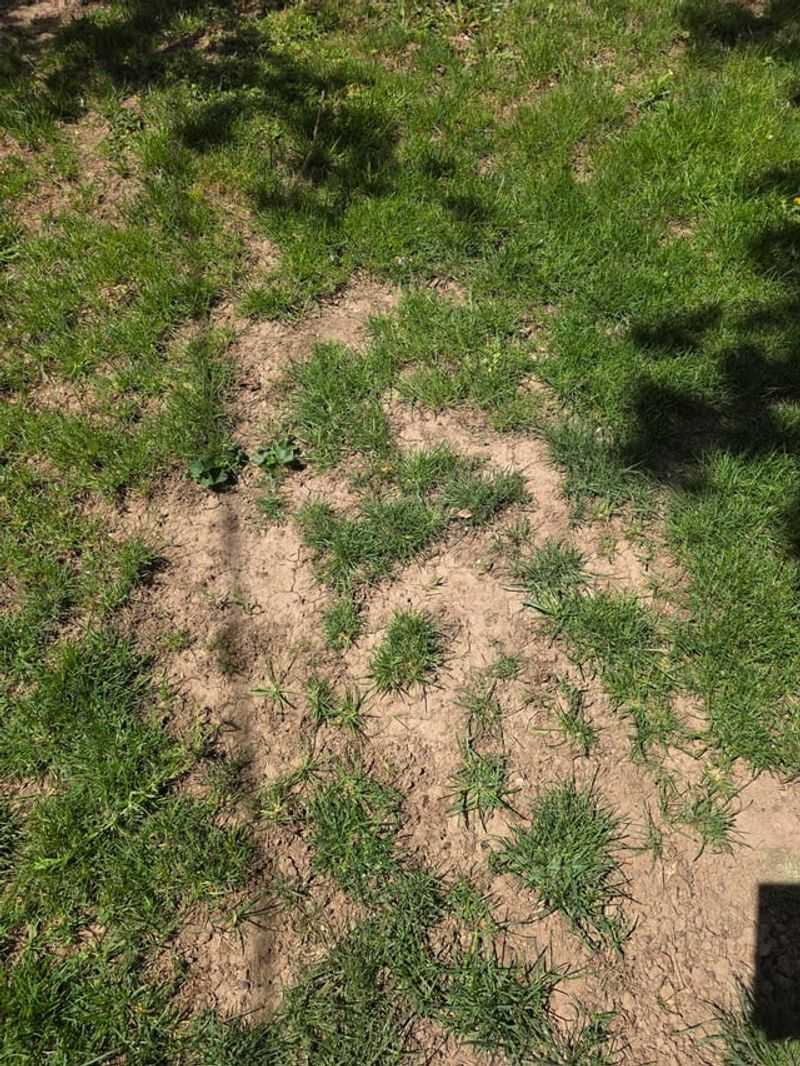
Bare patches and thin spots are hard to ignore when you are staring at a lawn that just survived a brutal summer. The urge to fix them immediately makes sense, but seeding during peak heat is usually a losing battle.
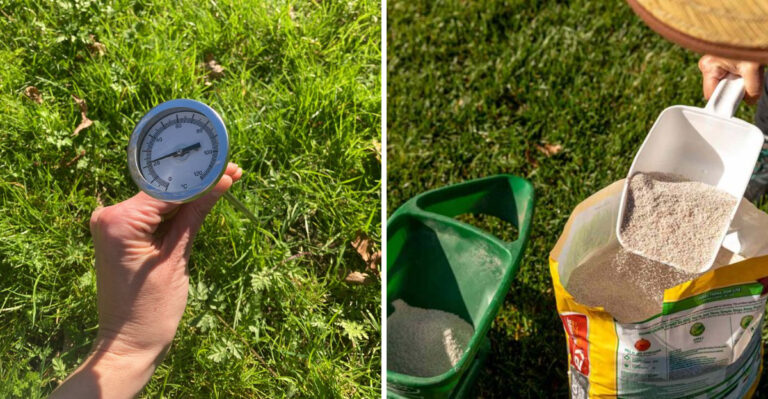
Grass seed needs consistent moisture, moderate soil temperatures, and enough time to germinate and establish before it faces stress. When soil temperatures are above 85 to 90 degrees Fahrenheit, cool-season seed germination slows dramatically or fails entirely.
OSU Extension and Buckeye Turf guidance both point to late summer into early fall as the most reliable overseeding window for cool-season lawns in this region.
Soil temperatures begin to drop while air temperatures are still warm enough to support germination and early growth.
That combination gives new seedlings a real chance to establish before winter arrives. Trying to seed in July or early August, when the ground is hot and dry, often wastes both time and money.
When the timing is right, prepare thin spots by raking out deceased debris and loosening the top layer of soil to improve seed-to-soil contact.
Choose a grass variety suited to your Ohio yard’s sun exposure and soil type, and water new seed consistently until it is well established.
Do not let new seedlings dry out during their first few weeks. Overseeding into a dormant lawn that is likely to recover on its own is usually unnecessary.
Save the seed for spots that clearly will not fill back in without help.
8. Fix Thin Spots Before Weeds Move In
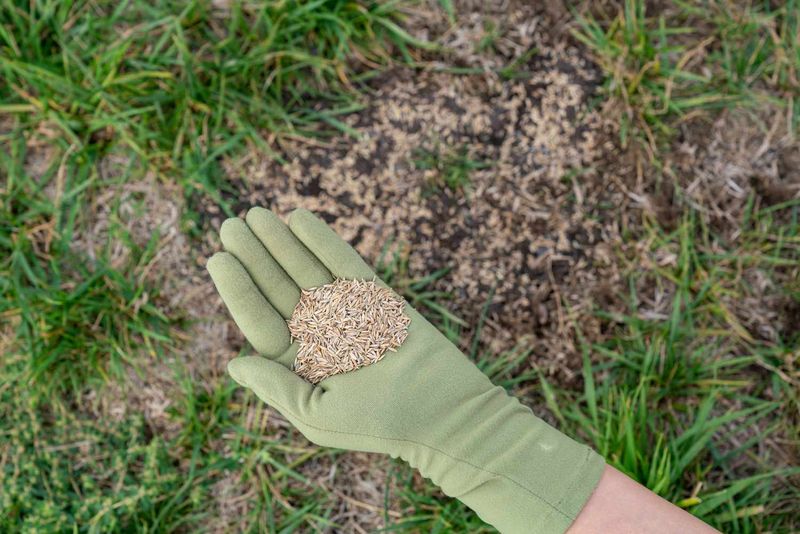
Weeds are patient opportunists. Every bare or thin patch your lawn carries into fall is an open invitation for weeds.
Crabgrass, dandelions, or other unwanted plants can claim territory before your turf can recover. A dense, healthy lawn is one of the most effective weed barriers available, because thick grass simply leaves less room and fewer resources for weed seeds to take hold.
Stressed, patchy turf loses that competitive edge fast.
Start by clearing out deceased material from bare spots. Rake away thatch buildup and any dried, withered grass that is sitting on top of the soil.
Loosening the soil surface slightly improves seed-to-soil contact when you are ready to overseed in the fall window.
If the area has compaction issues, a core aerator can help open up the soil before seeding, improving both drainage and root development for new plants.
Address any pest or disease issues you noticed during the summer before you put seed down. Grub damage, fungal patches, and areas affected by dog urine often need targeted attention before new grass can succeed.
OSU BYGL and OSU Extension offer solid diagnostic resources for identifying what caused specific damage patterns. Mowing at a higher height, watering wisely, and keeping traffic off recovering areas all support the process of rebuilding density over time.
Protect the living crowns you have right now, then focus on rebuilding a thicker stand when the weather shifts in your favor. That combination is your best long-term defense.