How To Protect An Early Peach Harvest From Arizona Wildlife
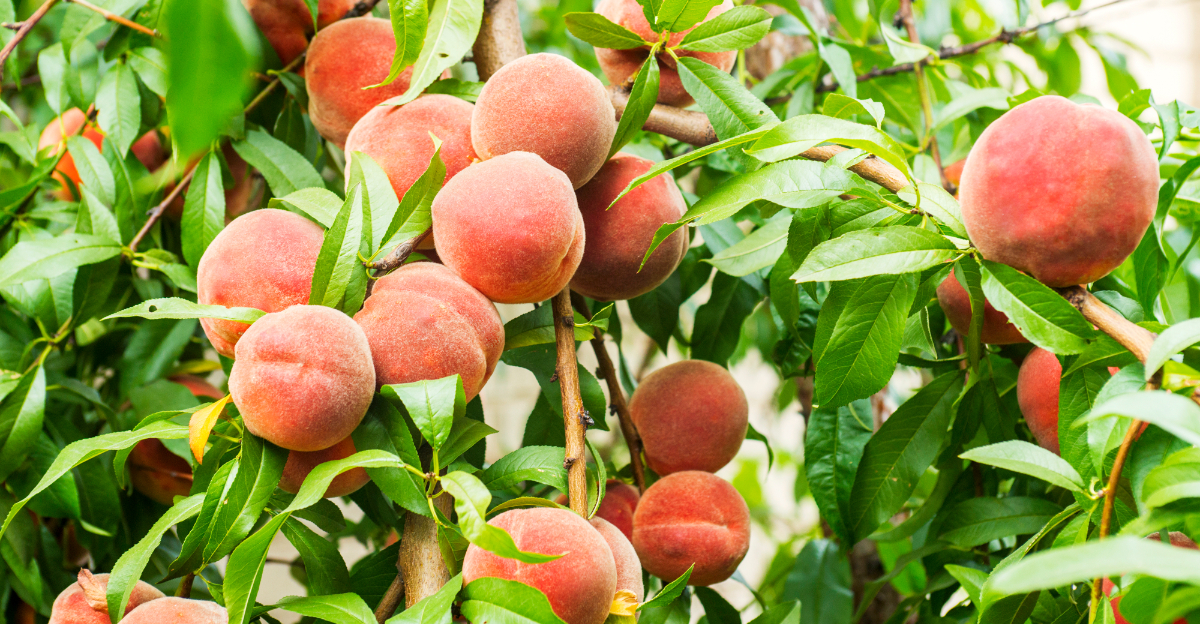
Waiting for peaches to ripen is one of the most satisfying parts of the growing season. After months of watching the tree leaf out and the fruit slowly develop, it is easy to start imagining the first harvest.
Then one morning you notice a few peaches are missing, others have fresh bite marks, and it becomes clear that something found them before you did.
Wildlife pays close attention to fruit as it begins to ripen. Birds, small mammals, and other hungry visitors can quickly turn a promising harvest into a disappointing one if they get there first.
Acting early usually makes a much bigger difference than trying to solve the problem after the damage has already started.
Arizona’s warm climate means peach trees often ripen earlier than many people expect. Taking a few simple precautions now can help keep more of that hard earned harvest on your own table.
1. Cover Ripening Peaches With Protective Netting
Birds will find your peaches before you do. That is not an exaggeration.
Mockingbirds, starlings, and finches scout fruit trees constantly, and they will peck through dozens of peaches in a single morning.
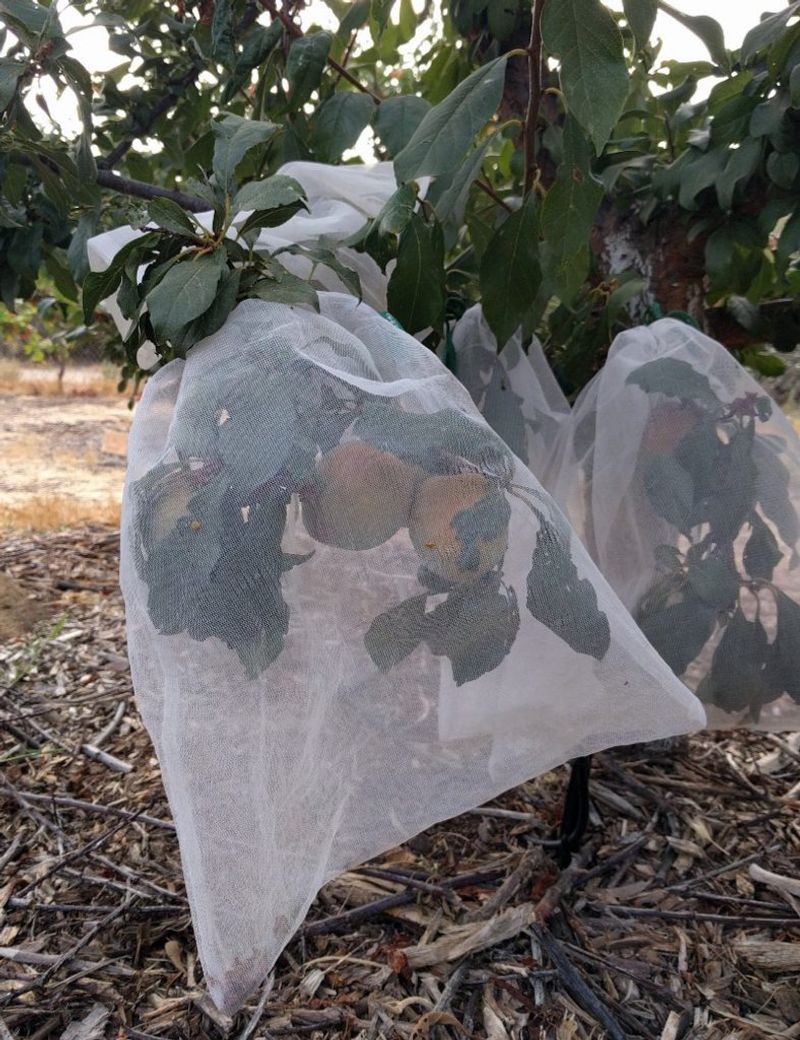
Protective netting is one of the most reliable barriers you can use. Drape fine-mesh bird netting directly over the canopy.
Secure the bottom edges so birds and squirrels cannot sneak underneath from the sides.
Look for netting with openings no larger than three-quarters of an inch. Larger gaps let small birds slip right through, making the whole effort pointless.
Lightweight netting works best on smaller backyard trees. Larger trees may need netting draped in sections.
Clip or tie sections together at the seams so there are no open gaps along the joins.
White or light-colored netting reflects heat better than dark netting. In a hot desert climate, keeping some airflow around the fruit matters.
Dense or heavy covers can trap moisture and encourage mold on ripening peaches.
Check the netting every two to three days. Branches shift in wind, and gaps open up quickly.
A small gap is all a determined bird needs to access the fruit underneath.
Remove netting carefully at harvest time. Rushing it can snap small branches or tear developing fruit off the tree before it is ready to pick.
2. Pick Fruit As Soon As It Ripens
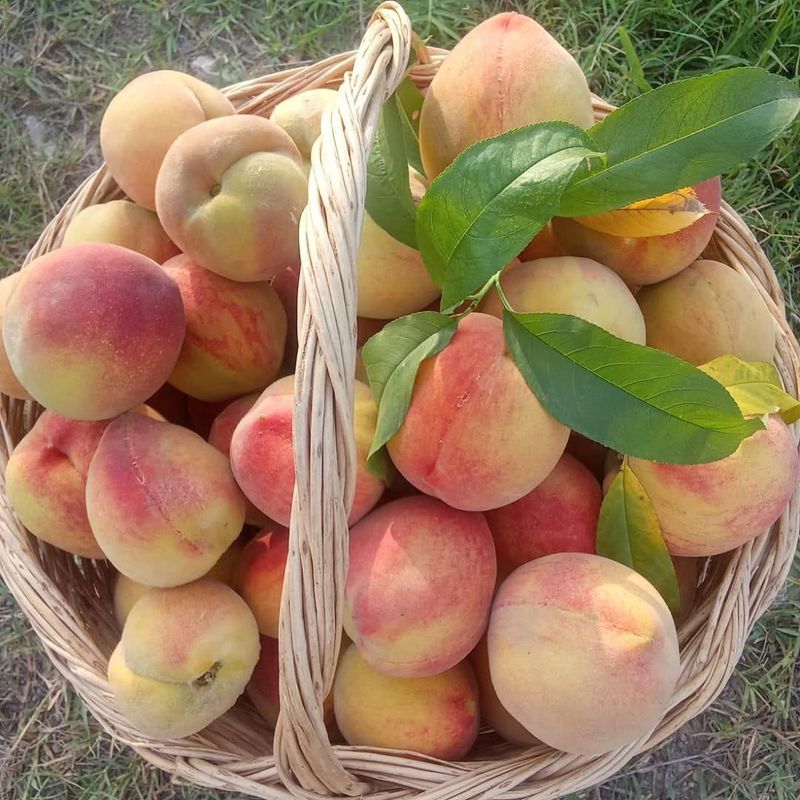
Ripe fruit sitting on a branch is basically an open invitation. Every hour a peach hangs past peak ripeness, the scent grows stronger and more animals notice it.
Check your trees every single morning during peak season. Early morning is the best time because you beat the birds and the heat.
Peaches that feel slightly soft and pull away from the stem easily are ready to come off the tree.
Do not wait for a peach to look perfect before picking. Fruit that is slightly underripe will continue to soften off the tree.
Picking just before full ripeness is actually a smart move in warm climates.
Carry a shallow basket or tray when you harvest. Stacking peaches too deep causes bruising, and bruised fruit draws insects and speeds up spoilage fast.
Your Arizona Garden Changes Every Week. Your Plan Should Too.
Gardening in Arizona changes quickly throughout the season. Every Friday you’ll receive a simple weekly plan showing exactly what to plant, prune, fertilize, harvest, and protect so you never miss the right timing.
Sort your harvest right away. Set aside any fruit with small pecks or soft spots.
Those should be used or processed first before they attract more insects around your storage area.
A consistent daily picking routine makes a noticeable difference. Trees that are checked regularly tend to lose far less fruit to wildlife than those checked only every few days.
Peach season in the low desert can be surprisingly short. Some varieties peak and finish within two to three weeks.
Staying on top of daily harvesting is the simplest protection strategy you have.
3. Clean Up Fallen Fruit Promptly
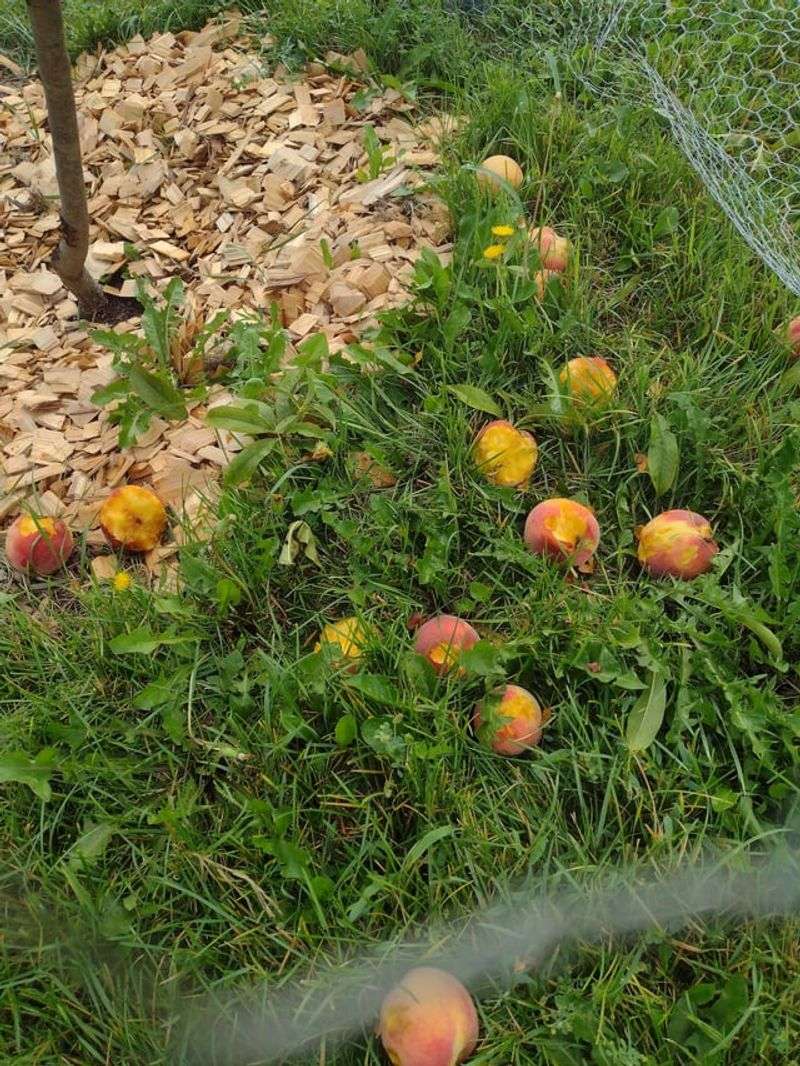
Fallen fruit on the ground is a wildlife magnet. Rotting peaches release a strong fermented smell that carries far and attracts javelinas, raccoons, and rodents from surprising distances.
Walk beneath your trees every morning and every evening. Pick up anything that has dropped overnight.
Even fruit that looks untouched should come up because the scent alone draws animals in.
Dropped peaches should not go into an open compost pile near the tree. That just moves the problem a few feet away.
Seal fallen fruit in a bag and place it in a covered trash bin instead.
Ground-feeding birds will also work through fallen fruit quickly. While birds are less destructive than larger mammals, their activity signals other wildlife that food is available in the area.
After a windy night, do a thorough sweep before sunrise. Strong desert winds can shake loose several pounds of fruit at once, creating a pile that attracts multiple species by dawn.
Keeping the ground beneath your trees clean also reduces fruit fly populations. Fewer flies means less secondary damage to fruit still on the branches above.
A clean ground zone under your tree sends a clear signal that there is nothing worth investigating. Animals are opportunistic.
When they stop finding easy food in one spot, they tend to move on and search elsewhere.
4. Protect Tree Trunks From Climbing Animals
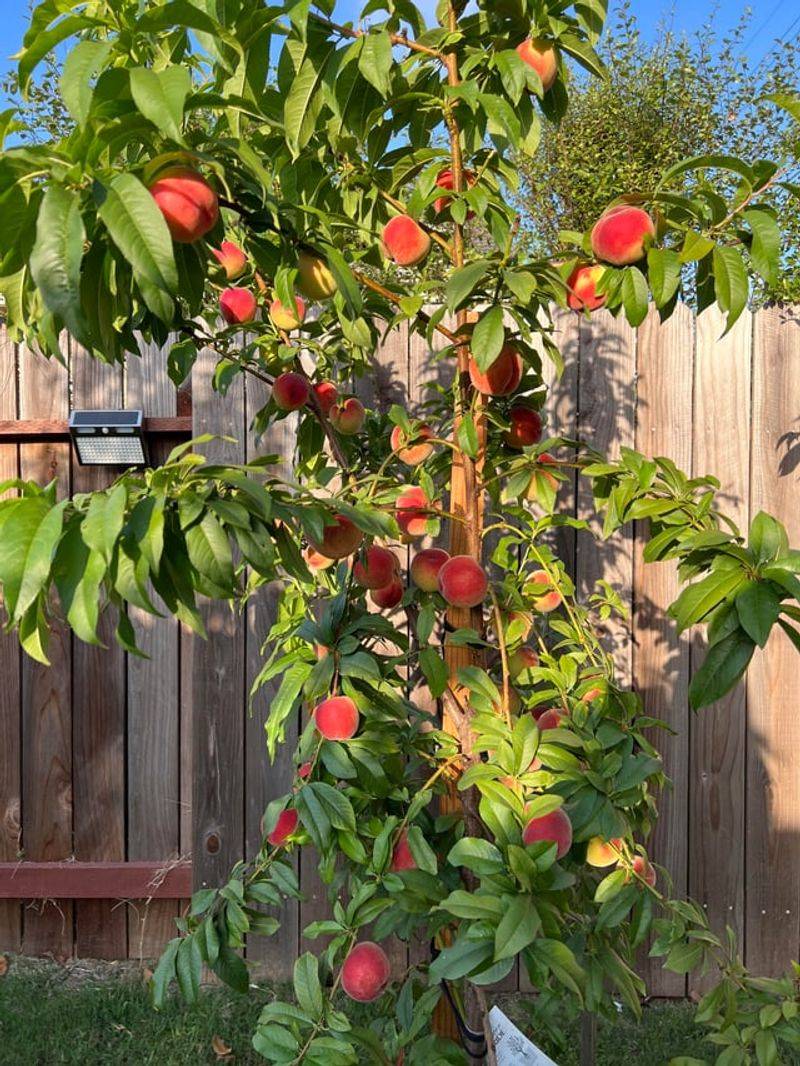
Squirrels are excellent climbers. Raccoons are even better.
Without any barrier on the trunk, both can reach your peaches before you even realize they have been visiting.
A smooth metal collar around the trunk stops most climbing animals cold. Wrap a band of aluminum flashing or sheet metal about 24 inches wide around the trunk.
Position it at least two feet off the ground.
Make sure the collar cannot be bypassed. Trim any branches that hang low enough for an animal to jump from the ground directly into the canopy.
Nearby fences or walls can serve as launch points too.
Check that the collar fits snugly but does not cut into the bark. A collar that is too tight can restrict growth over time.
Loosen it slightly as the trunk expands through the season.
Smooth surfaces are the key feature. Rough bark gives squirrels grip.
A slick metal surface removes that advantage completely. Some gardeners add a light coat of petroleum jelly to the metal surface for extra deterrence.
Rodents that cannot climb the trunk will often try to gnaw at the base instead. Keep an eye on the lower trunk and check for fresh chew marks every week during harvest season.
Combining trunk protection with netting above creates a two-level defense. Animals blocked from climbing are far less likely to access fruit from below the canopy.
5. Use Fencing To Keep Larger Wildlife Away
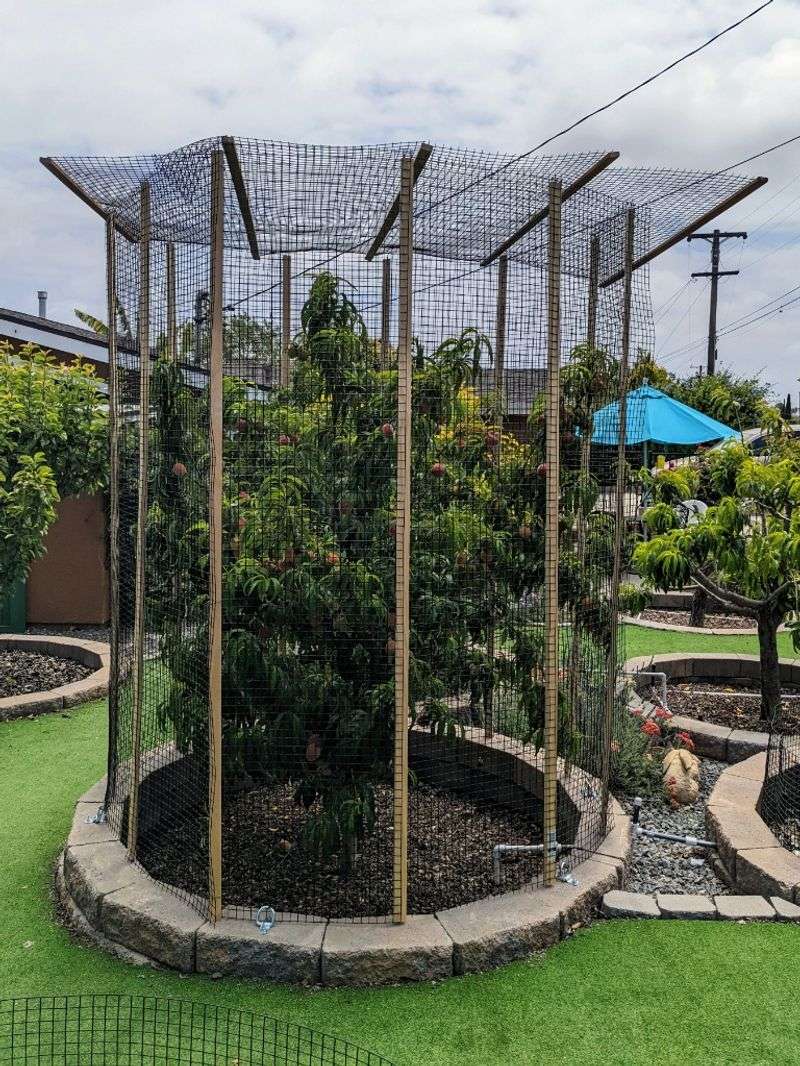
Javelinas do not nibble. They bulldoze.
A small herd can strip low-hanging fruit and trample a young tree in one visit, leaving real damage behind.
A solid perimeter fence is your best defense against larger wildlife. Welded wire fencing at least four feet tall works well for javelinas and rabbits.
Taller fencing around six feet is better if deer are active in your neighborhood.
Bury the bottom edge of the fence at least six inches underground. Javelinas and rabbits will push under loose fencing.
A buried edge removes that option entirely and forces animals to find another route.
Gate placement matters. Keep gates closed at all times when you are not actively working in the garden.
A gate left open even briefly can allow animals in, and they may not leave on their own once they discover fruit.
Check the fence line after monsoon storms. Heavy rain can wash soil away from the buried edges, creating gaps at ground level.
Refill those gaps promptly with packed soil or gravel.
Electric fencing is another option for persistent wildlife problems. Low-voltage electric fence chargers designed for garden use are available at farm supply stores.
They deliver a mild deterrent without causing lasting harm to animals.
Fencing works best as part of a layered strategy. Combine it with netting, trunk guards, and regular cleanup to cover every access point wildlife might try to use.
6. Harvest Fruit Before It Becomes Overripe
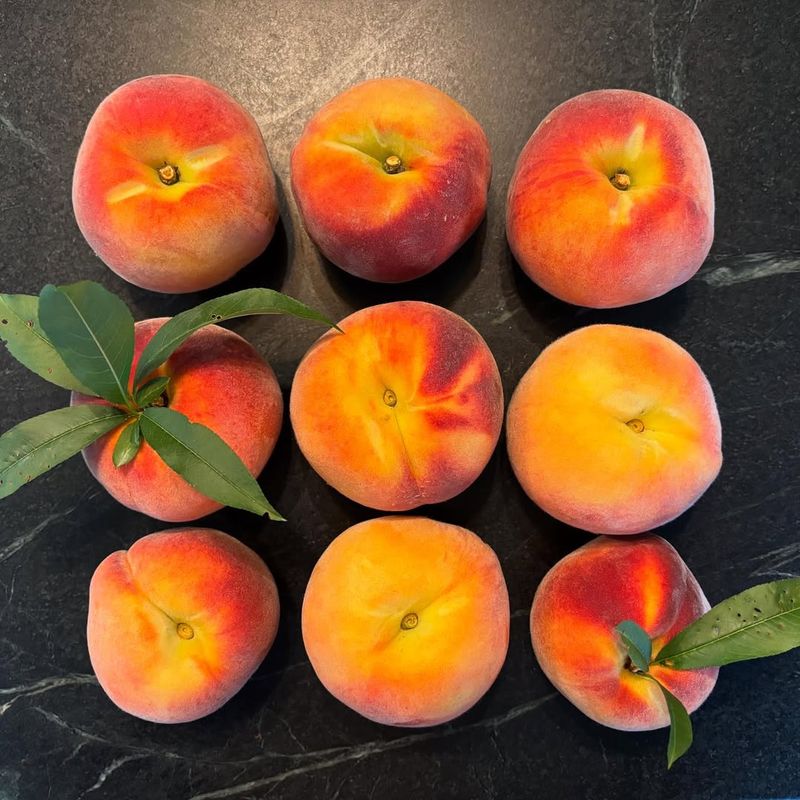
Overripe peaches are practically wildlife bait. The sugars intensify, the skin softens, and the scent becomes overwhelming.
Animals can detect that smell from a long distance away.
Harvest peaches at the firm-ripe stage rather than waiting for them to go fully soft on the branch. Firm-ripe fruit has full color and a slight give when gently squeezed.
It will finish softening indoors within one to two days.
Leaving fruit on the tree too long is one of the most common mistakes backyard growers make. It feels counterintuitive to pick before the fruit seems completely ready, but in a hot desert climate, overripeness happens fast.
High temperatures accelerate ripening dramatically. A peach that looks a day away from perfect can become overripe overnight during a heat spike.
Check your trees more frequently during any stretch of unusually warm weather.
Once overripe fruit appears, act immediately. Remove it from the tree right away.
Do not leave it even one extra day hoping it will still be usable. Overripe peaches are better composted than left hanging.
Picking slightly early also protects fruit from cracking. Peach skin under stress from heat and rapid sugar buildup will sometimes split, exposing the interior to insects and birds.
A firm peach brought inside ripens beautifully at room temperature. You lose nothing by picking early, and you gain real protection against overnight wildlife activity while the fruit sits on the tree.
7. Watch For Fresh Signs Of Wildlife Activity
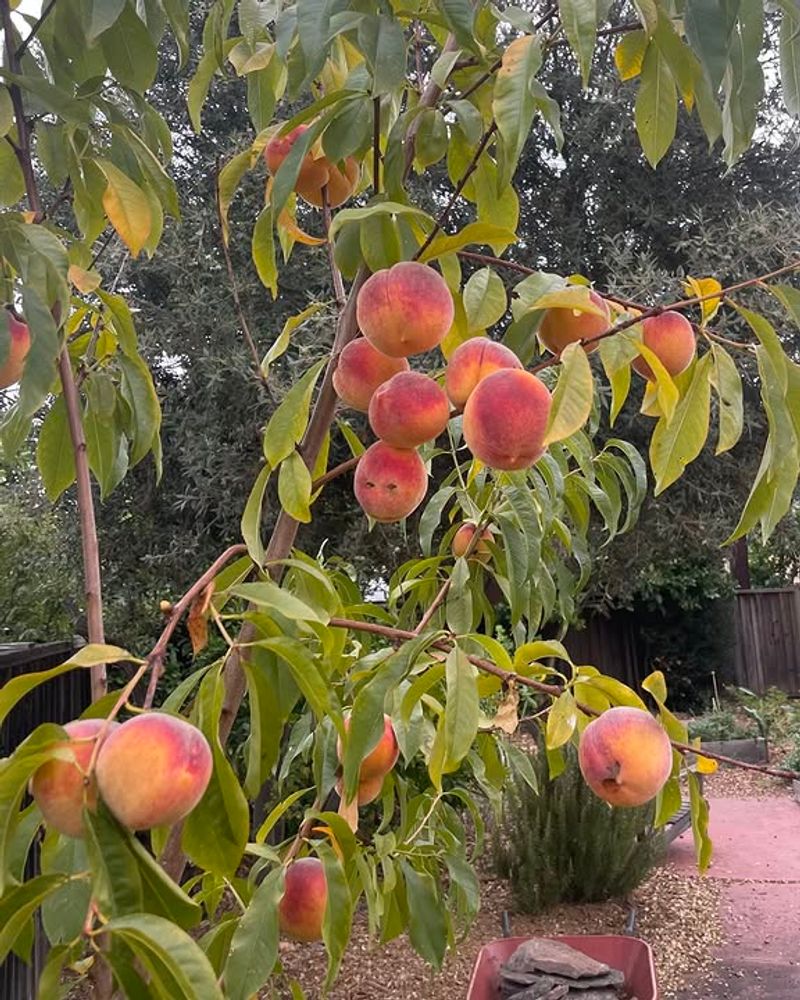
Animals are creatures of habit. Once a squirrel, raccoon, or javelina finds a reliable food source, it returns on a predictable schedule.
Catching the signs early lets you act before the damage becomes serious.
Walk your property at first light every morning during harvest season. Look for tracks in soft soil near the base of your trees.
Fresh digging, scattered fruit pieces, and partially eaten peaches are all clear evidence of overnight visits.
Paw prints tell you exactly which animals you are dealing with. Raccoon prints look like tiny human hands.
Javelina tracks are rounded and hoof-shaped. Knowing your visitor helps you choose the right deterrent quickly.
Check the netting and fencing while you are out there. Look for pushed-in sections, torn mesh, or spots where something tried to squeeze through.
Animals test barriers repeatedly until they find a weak point.
Motion-activated lights can reveal nighttime activity without requiring you to stay up. Position a light near the tree and check the area beneath it each morning for signs of visitors who triggered it overnight.
Trail cameras are another practical tool. Affordable models are widely available and can confirm exactly what is visiting and when.
That information helps you time your deterrent efforts more precisely.
Acting on fresh signs quickly matters. A single visit can turn into a nightly pattern within days.
Respond fast, adjust your barriers, and do not assume the problem will resolve on its own.