What Ohio Homeowners Should Know Before Removing A Tree On The Property Line
A tree on the property line looks like a simple problem until the first conversation with a neighbor goes sideways. What seemed like a straightforward removal turns into a dispute about ownership, liability, and who had the right to make that call in the first place.
Ohio law has specific things to say about boundary trees. Most homeowners do not know what those things are until they are already in the middle of a situation that would have gone differently with better information.
Who owns a boundary tree, who can remove it, who pays for it, and what happens when something goes wrong. The answers are more nuanced than most people expect.
Getting it wrong ranges from an awkward neighborly relationship to a legal claim that costs real money to resolve. This is one of those situations where knowing the rules before acting changes everything.
1. Confirm The Property Line Before Touching The Tree
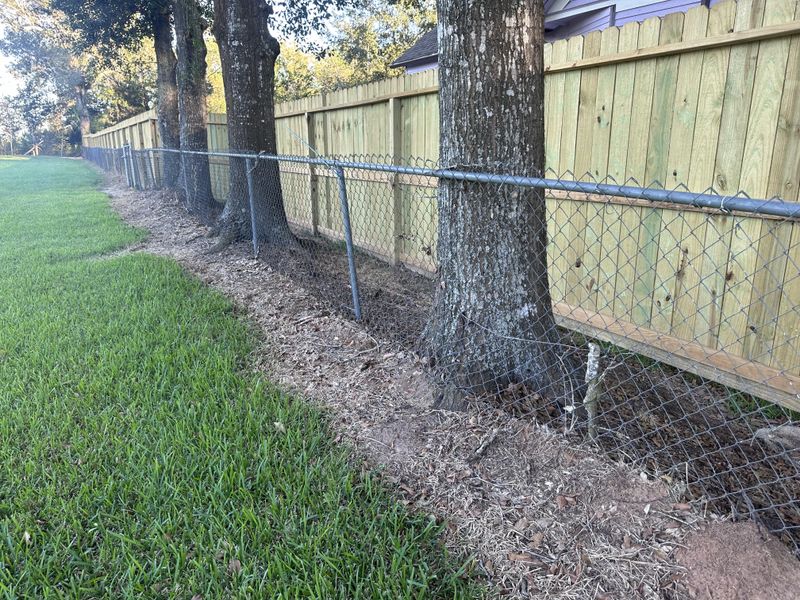
Fences feel permanent, but they are not always accurate. A neighbor who mowed a foot past the actual line for twenty years did not legally move the boundary.
Mowing habits, old landscaping edges, and handshake agreements from previous owners can all create a false sense of where your property ends.
The legal boundary is what matters, and it lives in your deed, your plat map, and your recorded survey. Checking county property records online is a reasonable starting point, but those maps are not always precise enough to settle a close call.
When the tree is close to the line, hiring a licensed surveyor is the safest move.
A professional survey gives you a documented, defensible answer. Guessing can lead to unauthorized removal of a neighbor’s tree, which may carry legal consequences under Ohio law.
OSU Extension guidance consistently reminds property owners that boundary assumptions cause more neighbor disputes than almost any other issue.
Do not rely on a real estate app or a satellite image to confirm your line. Those tools are helpful for general reference, but they are not substitutes for a recorded survey.
When ownership is unclear, confirm it before calling any crew.
2. Treat A Boundary Tree As Shared Property
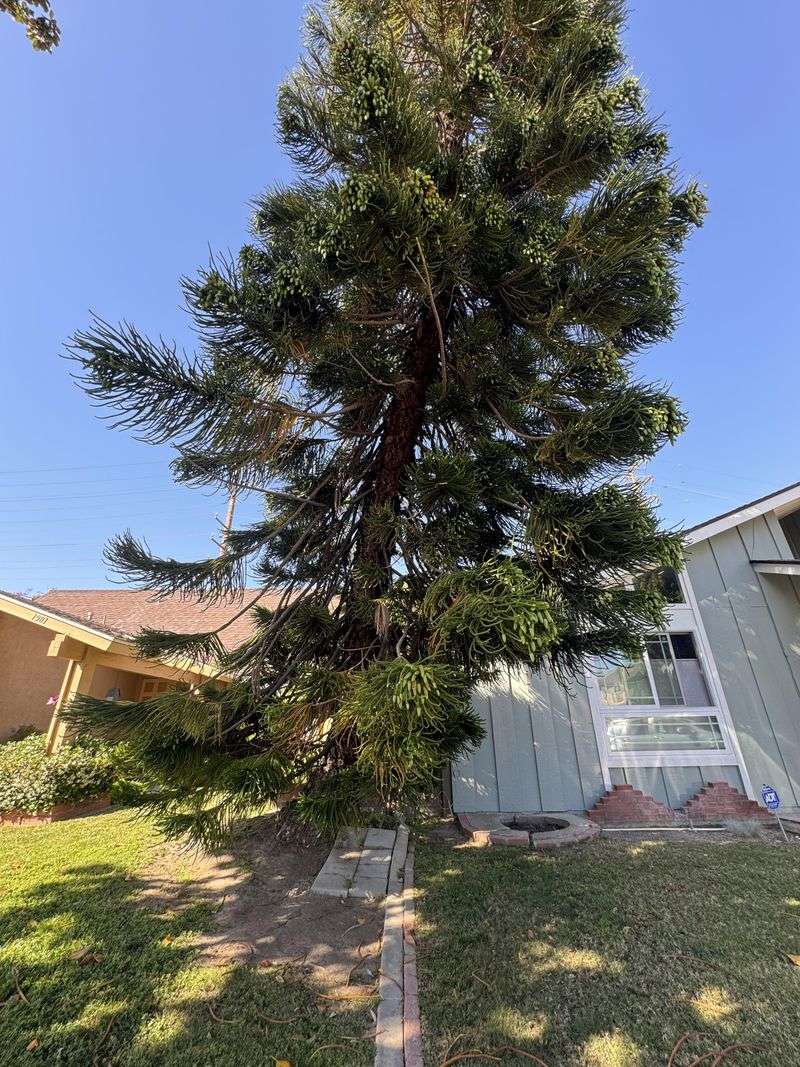
Picture a large oak tree with its trunk sitting squarely on the line between two yards. That tree does not neatly belong to one side.
The Ohio State University Farm Office has noted that trees growing directly on a boundary line may be treated as shared or jointly owned property. That depends on the facts and applicable law.
That shared status carries real meaning. One neighbor generally cannot decide alone to remove the entire tree just because a branch hangs over their garage.
Acting without the other owner’s knowledge or consent can create serious legal exposure, including liability for the tree’s full value.
Confirming where the trunk actually sits is the practical first step. If the tree grows at the line, treat it as jointly owned until you know otherwise.
Talk to your neighbor before doing anything. Document the trunk’s location with photos and measurements.
Your Ohio Garden Changes Every Week. Your Plan Should Too.
Gardening in Ohio changes quickly throughout the season. Every Friday you’ll receive a simple weekly plan showing exactly what to plant, prune, fertilize, harvest, and protect so you never miss the right timing.
Keep the tone neighborly during those conversations. Most tree disputes escalate because one side acted first and asked questions later.
A calm discussion about the tree’s condition, shared concerns, and possible options costs nothing and protects both parties. Rushing to remove a shared tree without agreement can be far more expensive than the removal itself.
3. Get Neighbor Approval Before Removal Begins
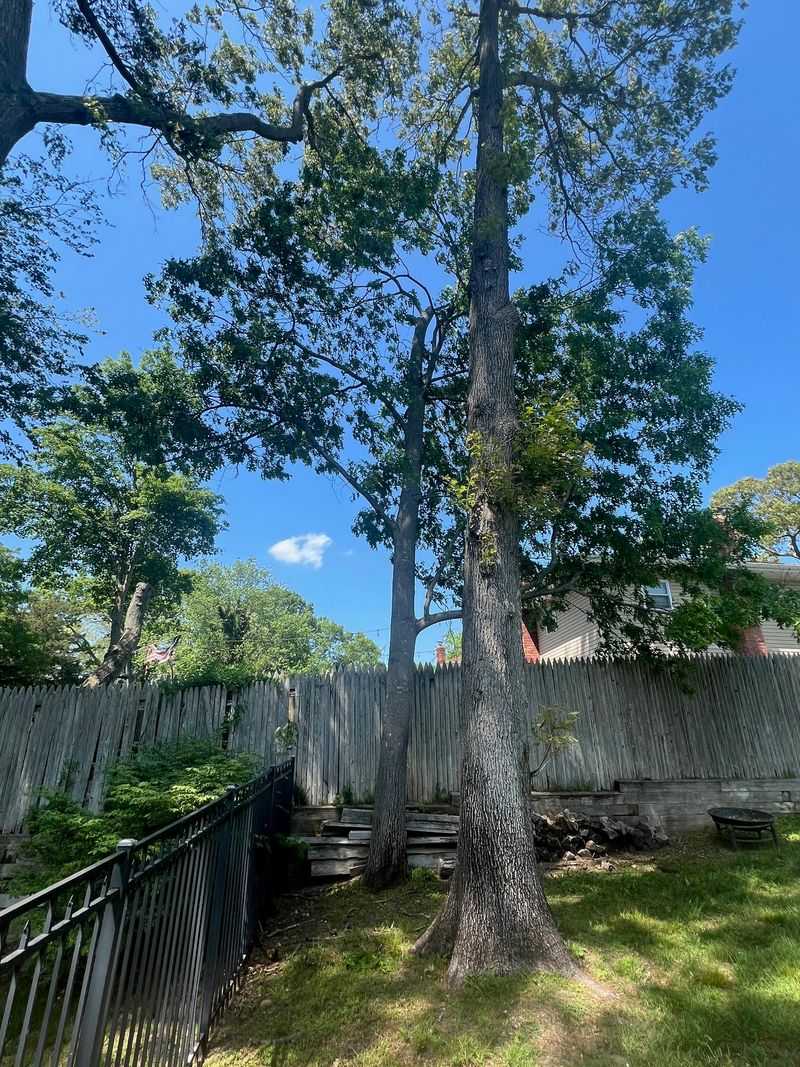
A friendly chat over the fence is a good start, but it is not enough when a tree removal could affect both properties. If the tree sits on or near the boundary, getting clear neighbor approval before removal begins is one of the most practical steps a homeowner can take.
A written agreement matters more than most people expect. Verbal promises are easy to forget or misremember, especially when something goes wrong during the job.
A written record should cover who approves the removal, who pays, who hires the contractor, and where equipment can access the yard. It should also cover what happens to the wood and who handles stump grinding and cleanup.
Text messages and emails can help document the conversation, but a signed written agreement offers stronger protection for both sides. If replacement planting is part of the deal, include that too.
Spelling out damage responsibility upfront prevents arguments after the crew leaves.
Never remove a shared or disputed tree while the neighbor is away or before they have given clear approval. That kind of unilateral action tends to create lasting conflict and potential legal liability.
Neighbor approval matters most when the tree is shared, close to the line, or when its removal will visibly affect the neighboring property.
4. Check Local Rules Before Calling The Crew
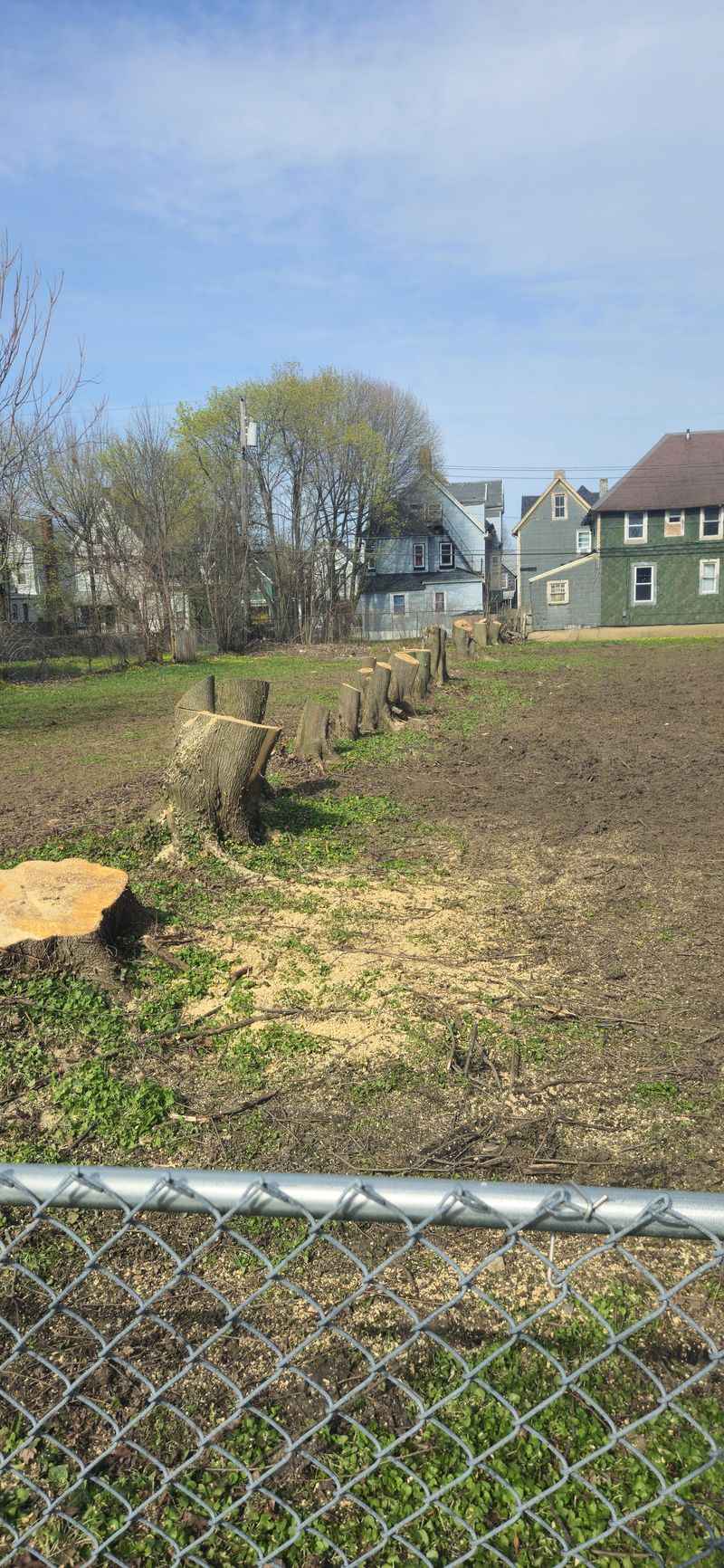
State law is only part of the picture. Cities, townships, homeowners associations, historic districts, and utility corridors can each have their own tree rules that apply to your property.
Some local governments require permits before removing trees above a certain trunk diameter. Others protect specific species or trees in designated green zones.
Municipal forestry offices in places like Columbus, Cleveland, and Cincinnati have specific street-tree policies. These policies affect trees near sidewalks, rights-of-way, and utility easements.
Even if a tree is in your backyard, local rules may still apply if it meets certain size or species thresholds. HOA governing documents sometimes go further than city codes.
The best way to avoid a violation is to check before you act. Visit your city or township’s website and look for zoning, forestry, or tree ordinance information.
Call the local zoning office or municipal forestry department if you cannot find clear answers online. Ask specifically whether a permit is required and whether the tree’s location near a boundary or utility line changes anything.
Rules differ significantly across the Buckeye State, so do not assume that what applies in one township applies in another. A quick phone call to the right office can save a homeowner from a fine, a stop-work order, or a required replanting at their own expense.
5. Hire An Arborist Before Blaming The Tree
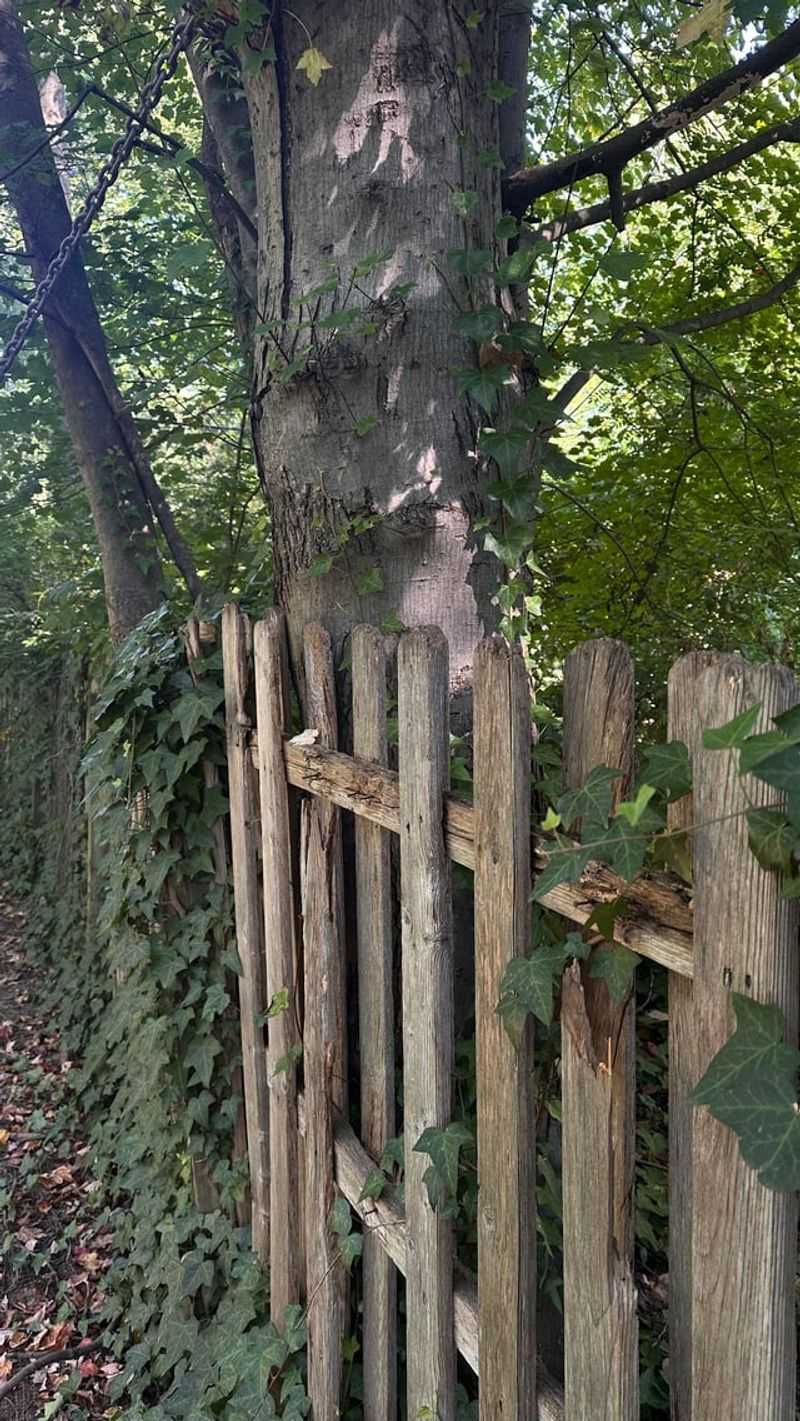
Not every leaning tree is a deceasing tree, and not every lifeless-looking branch signals a hazard. Before deciding a property-line tree needs to come down, getting a professional assessment from a certified arborist is a smart and often money-saving step.
An ISA-certified arborist can evaluate whether the tree is structurally sound, diseased, pest-damaged, or simply in need of targeted pruning.
Certified arborist guidance recommends a written assessment that documents the tree’s condition, any identified risks, and recommended treatment or removal options.
That report becomes useful evidence if a neighbor disputes the decision or if a local permit office asks for justification.
Do not rely solely on a removal estimate from a company whose business model depends on cutting trees down. A company offering only removal may not evaluate the full picture.
An independent arborist with no financial stake in the outcome gives a more balanced view.
Urgent hazards, such as a split trunk overhanging a roof or a severely rotted base near a structure, may require prompt attention. Even then, the diagnosis should come from a qualified professional, not a neighbor’s opinion or a quick visual from the ground.
Arborist documentation protects homeowners, supports neighbor conversations, and strengthens any permit application that local rules may require.
6. Put Every Agreement In Writing First
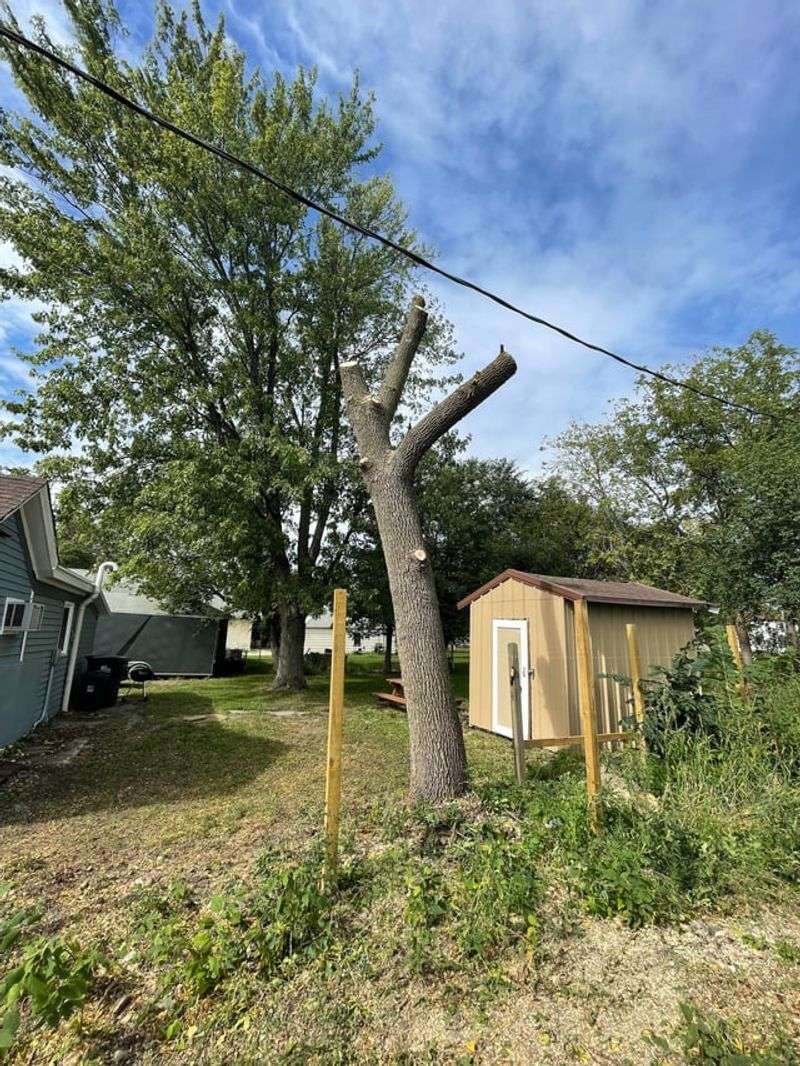
Paperwork feels like doing too much until something goes wrong. When a tree removal involves a shared boundary, a written agreement between neighbors is one of the most protective tools available to both parties.
A handshake deal is easy to dispute after a contractor damages a fence or leaves a stump neither party expected.
A solid written agreement should cover several key points. Who has approved the removal?
Who is paying? Which contractor is doing the work?
Where can equipment enter the property? What happens to the cut wood and debris?
Who is responsible for stump grinding? How will any accidental property damage be handled?
Text messages and email chains can help establish a timeline and show what was discussed. For major work affecting both properties, a more formal signed document offers stronger protection.
Keep copies of everything, including contractor invoices, arborist reports, and any local permits obtained.
A written agreement is not a substitute for legal advice when a serious dispute already exists. v For straightforward cases where both sides agree, a clear written record simply keeps the project on track and both neighbors on good terms.
7. Avoid Cutting Roots Branches Or Trunks Recklessly
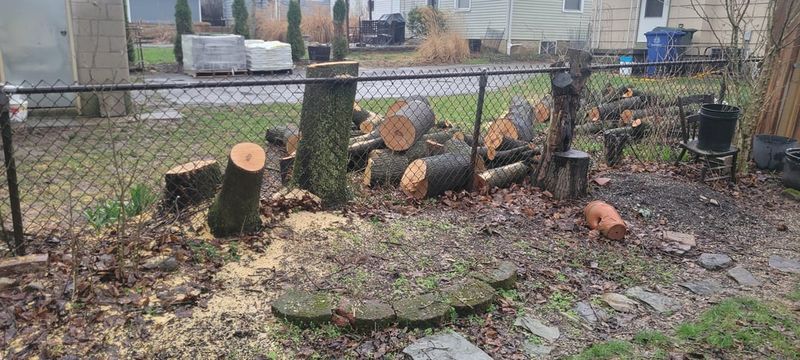
Reaching for the pruning saw the moment a branch crosses the fence line feels satisfying, but reckless cutting can create more problems than it solves.
Property owners in this state generally have some ability to trim branches and roots that encroach onto their side of the line.
That right comes with important limits.
Ohio Revised Code Section 901.51 addresses the unauthorized reckless injury or destruction of another person’s trees and plants. Violations can carry legal consequences.
Cutting too aggressively, severing major roots, or removing large limbs can expose a homeowner to liability. That can happen even if the cuts were made entirely on their own side and end up destabilizing or destroying a neighbor’s tree.
Stay on your side of the property line when trimming. Avoid cuts that remove more than necessary or that could structurally weaken the tree.
For large limbs or significant root concerns, hiring an arborist to do the work reduces risk and ensures the cuts are made correctly. Root pruning near a tree’s base is especially risky and should always involve professional guidance.
The goal is to address the encroachment without harming the tree unnecessarily. Reckless or spiteful cutting is never a smart legal or neighborly move.
Careful, professional trimming on your own property is the right approach when branches or roots are genuinely causing problems.
8. Call A Lawyer When The Tree Dispute Escalates
Most tree conversations between neighbors stay civil and get resolved with a shared plan. Some do not.
When a dispute involves contested ownership, prior unauthorized cutting, storm damage liability, or access refusals, legal help may be necessary. Significant removal costs can also make legal guidance important.
Before meeting with an attorney, gather everything relevant. Pull together the property survey, deed, and plat map.
Collect photos of the tree, the boundary area, and any existing damage. Compile arborist reports, written messages with the neighbor, contractor estimates, and any permits or local ordinances that apply to the situation.
An attorney who handles real estate or property law can apply Ohio law and local rules to the specific facts of your case. General articles and online summaries cannot do that.
Every tree dispute involves unique facts, exact boundary positions, local ordinance language, ownership history, and damage details. Those details can change the legal picture significantly.
Avoid taking matters into your own hands when tensions are already high. Removing a disputed tree without legal clarity can escalate a manageable disagreement into a lawsuit.
The core message of this entire guide comes back to one practical standard. Confirm the line, get agreement, check the rules, and use qualified help before the saws start.
That approach protects your property, your neighbor relationship, and your legal standing all at once.