What To Water In Oregon This July, And What To Stop Worrying About Until Fall
July in Oregon can feel like a puzzle.
The rain has stopped, the sun is blazing, and your garden is staring at you like it needs something.
But not everything in your yard needs the same amount of attention right now, and treating every plant the same way this month is one of the most common and costly mistakes Oregon gardeners make.
Some plants are in the middle of their most demanding weeks of the year and will show the consequences of being ignored within days.
Others are resting through exactly the kind of dry summer they evolved for, and adding water to them now does more harm than good.
Oregon State University Extension has spent years studying what works in this specific climate, and local water providers across the state are already asking residents to be smart about outdoor water use during peak summer months.
Knowing the difference between what needs steady moisture and what thrives on neglect can save you time, money, and a whole lot of stress.
Here is how to sort out your July garden priorities so you can spend less time worrying and more time actually enjoying summer.
1. Water New Trees Before Anything Else
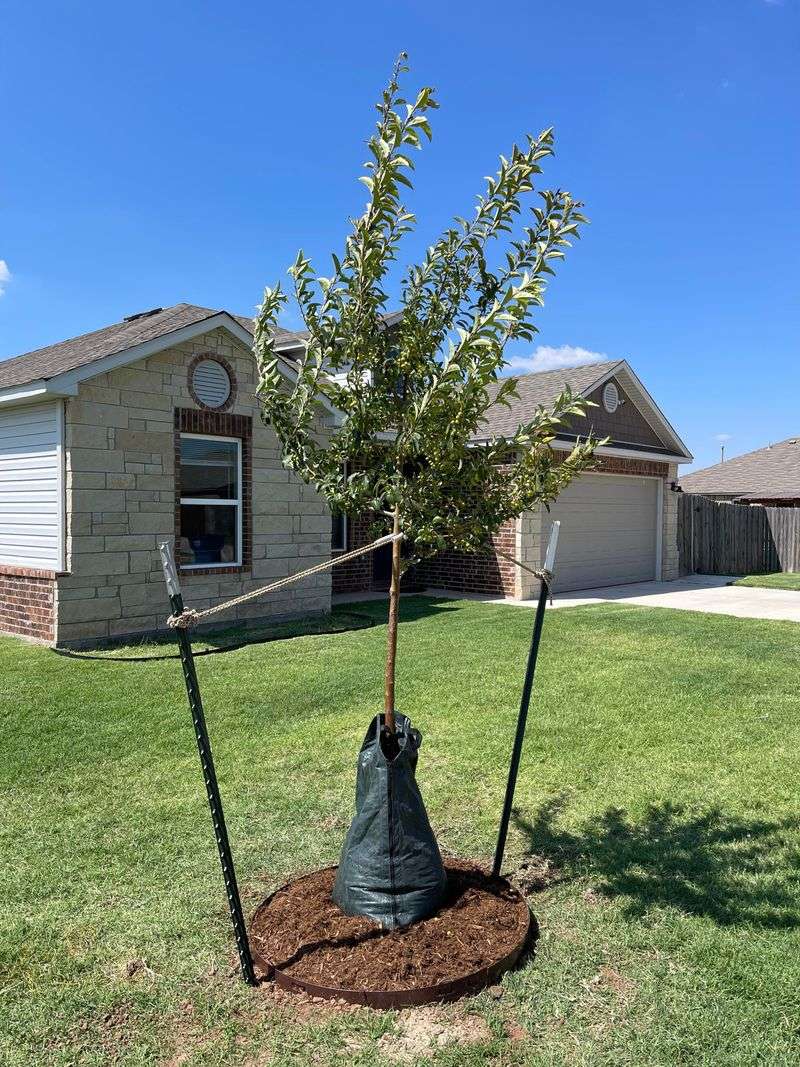
Newly planted trees are the most vulnerable things in your Oregon yard right now.
A tree put in the ground this past spring has not yet built the deep root system it needs to pull moisture from lower soil layers. During July in Oregon, when rainfall is nearly zero, that young tree is completely dependent on you.
Deep watering is the priority here.
Shallow, frequent sprinkles actually do more harm than good because they encourage roots to stay near the surface.
Instead, water slowly and deeply once or twice a week so moisture reaches 12 to 18 inches down. A slow trickle from a hose left near the base for 30 to 45 minutes works well.
Trees planted within the last two to three years still count as new in this situation.
Even if they look sturdy, their root systems have not fully spread. A stressed young tree can drop leaves, stop growing, or struggle to survive the following Oregon winter if it runs dry this summer.
Mulch around the base helps lock in moisture between watering sessions.
A two to four inch ring of wood chip mulch kept a few inches away from the trunk can cut water loss significantly. New trees are an investment, and July is when that investment either takes hold or struggles.
2. Keep Vegetable Beds Producing
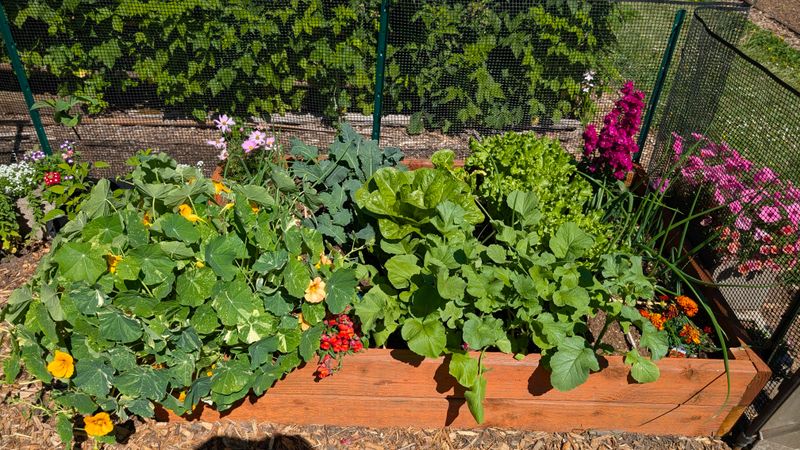
Your vegetable garden is working hard right now, and it needs you to keep up.
Tomatoes, cucumbers, squash, and beans are all in full production mode during July, which means they are pulling moisture from the soil at a rapid pace.
Let them go dry even briefly and you will see blossom drop, cracked fruit, or bitter cucumbers that taste nothing like what you planned.
Tomatoes are especially sensitive to uneven watering.
Wet then dry then wet again leads to blossom end rot, a calcium-uptake problem triggered by inconsistent soil moisture.
Your Oregon Garden Changes Every Week. Your Plan Should Too.
Gardening in Oregon changes quickly throughout the season. Every Friday you’ll receive a simple weekly plan showing exactly what to plant, prune, fertilize, harvest, and protect so you never miss the right timing.
Aim for steady, even watering rather than big swings. Drip irrigation or soaker hoses work better than overhead sprinklers because they keep water at root level and reduce disease risk on leaves.
Squash and cucumbers need consistent moisture to keep producing.
Once a squash plant stresses from dryness, it slows down fast. Beans prefer soil that stays evenly moist but not soggy, especially while pods are filling out.
Most vegetable beds in Oregon need about one to two inches of water per week in July, depending on your soil type and local temperatures.
Focus your water efforts on the crops that are actively producing fruit. Mulch the beds to reduce evaporation and check soil moisture daily during heat waves.
3. Protect Containers From Drying Fast
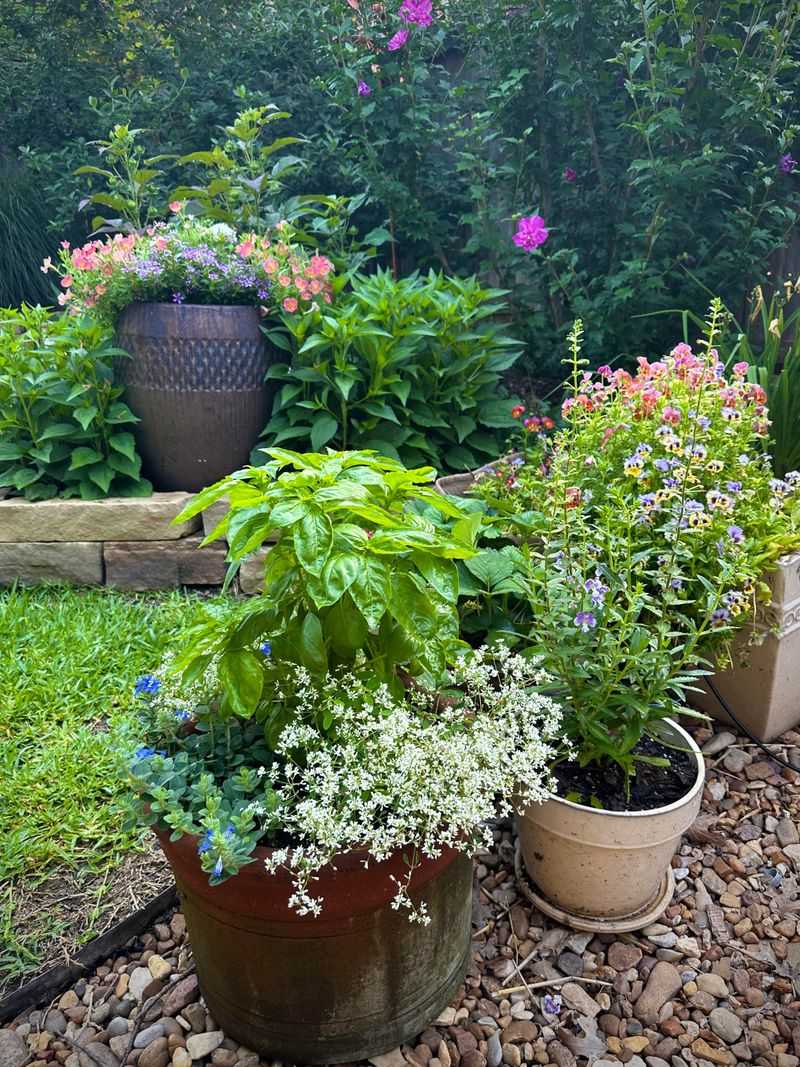
Container plants live a tough life in July.
Unlike plants in the ground, pots and hanging baskets have a limited amount of soil to hold moisture, and summer heat pulls that moisture out fast.
A terracotta pot sitting in full sun can dry out completely in just a few hours on a hot Oregon afternoon.
Small containers may need water twice a day during peak heat, while larger planters might hold out for 24 hours.
The best way to check is to stick your finger two inches into the soil. If it feels dry at that depth, water thoroughly until it runs out the drainage holes at the bottom.
Grouping containers together can help slow moisture loss.
Plants in close proximity create a little microclimate with slightly higher humidity around the leaves. Moving pots to a spot with afternoon shade can also reduce how fast they dry out without sacrificing too much sun for the plants inside.
Hanging baskets are the fastest dryers of all.
The exposure to air on all sides pulls water out quickly, and many hanging basket liners do not retain moisture well.
Watering in the early morning gives plants a full tank to draw from before the hottest part of the Oregon day arrives.
4. Support Berries During Fruit Fill
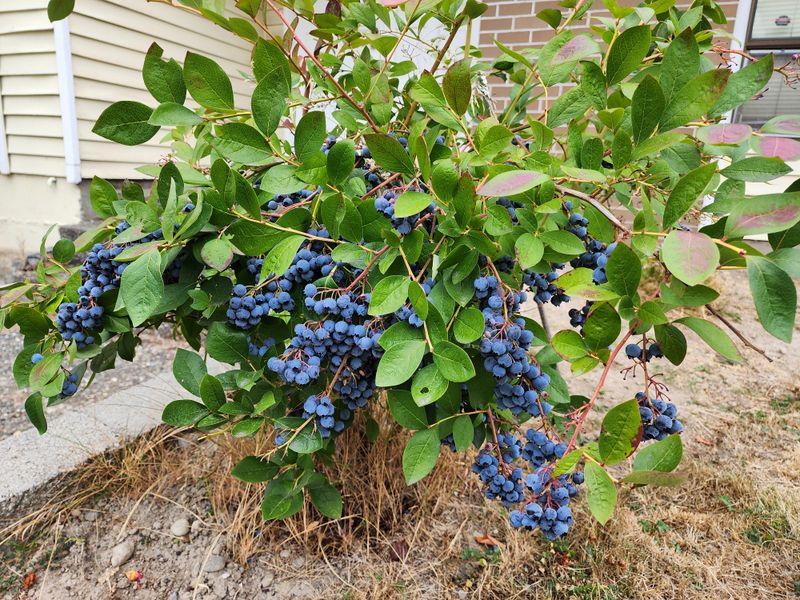
Berry season in Oregon is one of the best things about summer, and July is right in the middle of it.
Blueberries, raspberries, and blackberries are all in active fruit production this month, which means they need steady soil moisture to fill out properly. Stress from dryness at this stage leads directly to smaller, less flavorful fruit.
Blueberries are particularly demanding because they have shallow root systems that dry out quickly.
They prefer consistently moist, acidic soil and can struggle in sandy or well-drained ground during Oregon’s dry spells.
Aim to keep the top six to eight inches of soil evenly moist throughout July. Drip irrigation works well here because it delivers water directly to the roots without wetting the fruit or foliage.
Raspberries and blackberries are a little more forgiving but still need regular moisture while canes are loaded with fruit.
Mulching around the base of berry plants helps retain soil moisture and keeps roots cooler during hot spells.
Water berry plants deeply two to three times per week rather than lightly every day.
Deep watering encourages roots to grow downward, which makes the plants more resilient over time. Healthy berry plants with good moisture management will reward you with fruit that actually tastes like an Oregon summer.
5. Let Established Lawns Rest
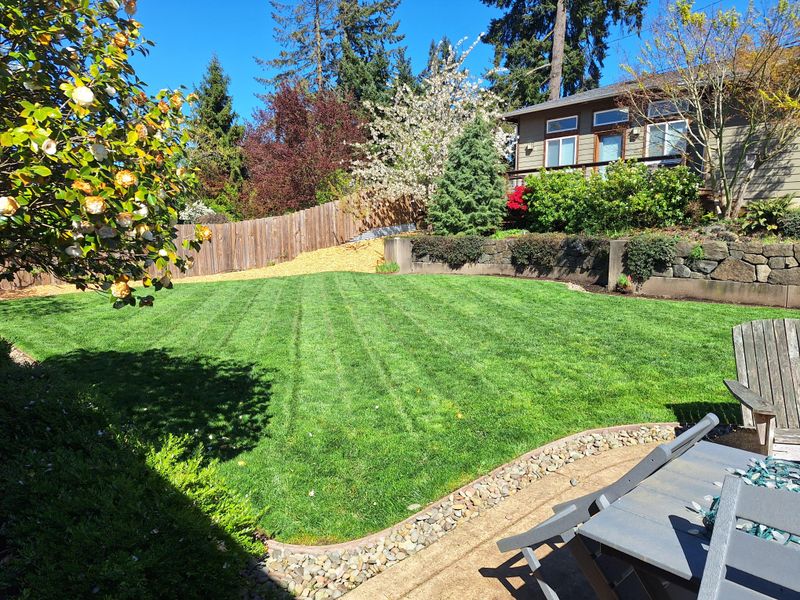
Here is some genuinely good news for your summer schedule: your established Oregon lawn does not need much from you right now.
Mature grass naturally goes dormant during the dry summer months, turning tan or light brown as a survival strategy. This is not a sign that your lawn is failing. It is a sign that it knows exactly what it is doing.
Dormant grass is not gone, it is just resting.
The roots stay alive underground and the lawn bounces back beautifully once fall rains arrive across Oregon. You do not need to fight this process.
Trying to keep established grass green through an Oregon July requires a significant amount of water, and most local water providers discourage heavy lawn irrigation during peak summer months.
If you want to keep a little green going, light irrigation once a week can prevent full dormancy without demanding huge water use.
About half an inch of water once weekly maintains some color and keeps the grass crowns alive.
Skip the fertilizer on dormant or semi-dormant lawns entirely.
Feeding grass during summer stress pushes new growth that the plant cannot support. Mow high if you mow at all, leaving blades at three to four inches to shade the soil.
Fall is the real season for lawn care in Oregon, and that reset is only a few months away.
6. Ease Off Established Native Plants
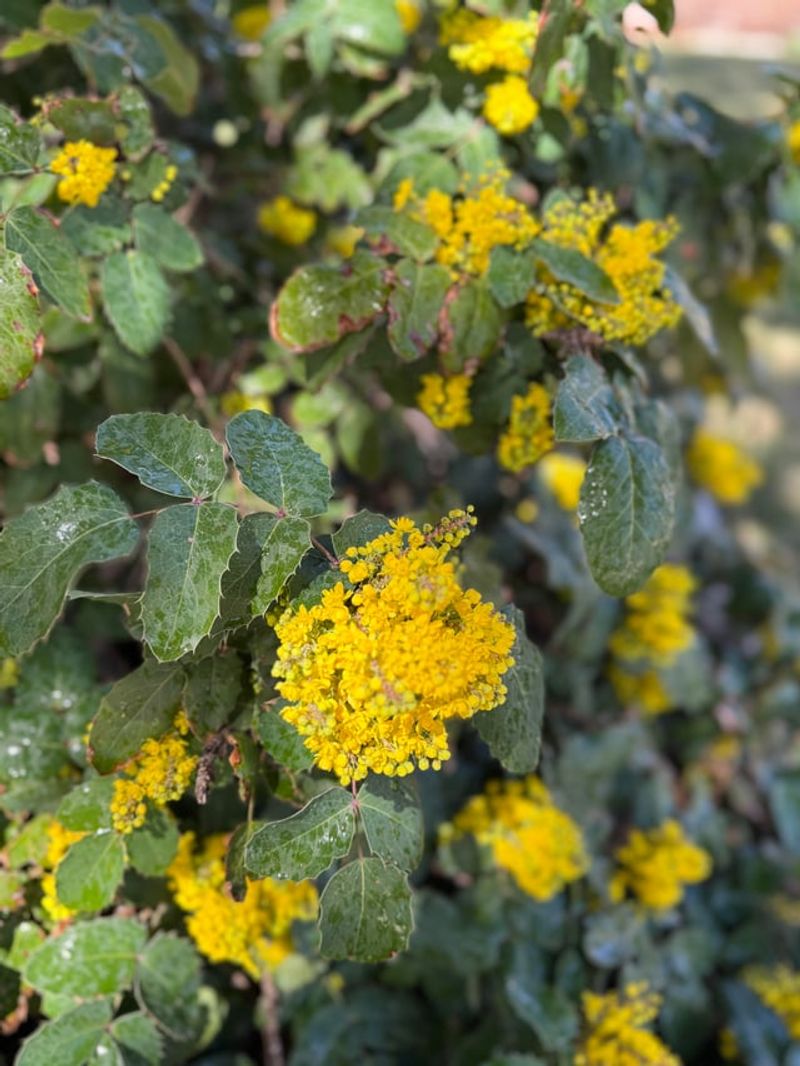
Oregon native plants have a genuine advantage this time of year: they evolved right here, in a climate with dry summers and wet winters.
Once established, most of them are adapted to summer dryness and do not need supplemental irrigation to survive.
Overwatering natives during their natural dry season can actually cause root rot and other problems that would not have occurred if you had simply left them alone.
Plants like Oregon grape, red-flowering currant, camas, and native grasses generally go semi-dormant in summer and handle it just fine.
They slow their growth, conserve energy, and wait for the rains. Fighting that cycle with extra water does more harm than good in many cases.
The key word in all of this is established.
A native plant in its first or second Oregon summer still needs help because its roots have not spread far enough to find deep moisture on their own.
Once a native plant has been in the ground for two to three seasons, it typically handles Oregon summers without complaint.
If a native looks genuinely stressed rather than just dormant, a deep soak once every two weeks is usually enough.
Mulching helps retain what little moisture remains in the soil between watering sessions. Redirecting that saved water toward plants that truly need it is one of the smartest July moves an Oregon gardener can make.
7. Pause Thirsty Annual Beds
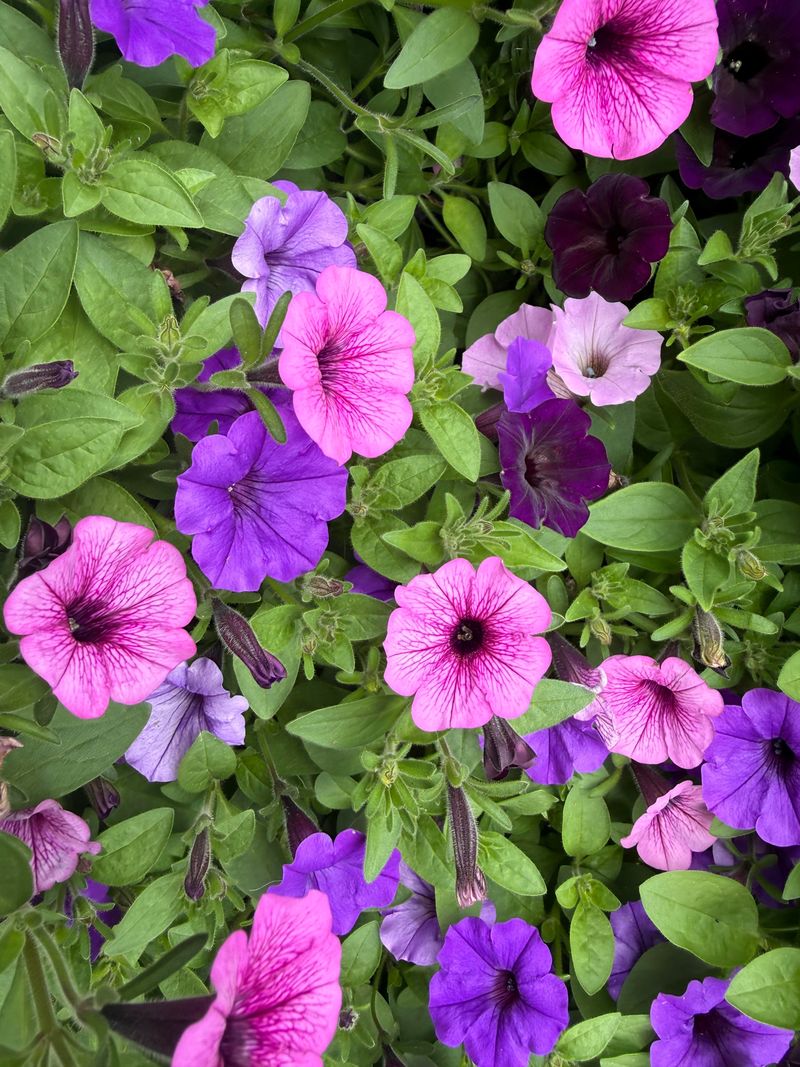
Ornamental annual beds can be a real water drain in July, and not all of them are worth the investment.
Impatiens wilt dramatically in afternoon heat and can need water twice a day in full sun.
Before you commit to keeping every decorative bed lush, take a realistic look at which ones actually add value to your yard and which ones are just draining your water budget.
Annuals grown in partial shade generally hold up better and need far less water than those baking in full Oregon sun.
If you have annual beds in a shaded spot near the house or under a tree, those are worth maintaining because they use water efficiently.
Full-sun annual beds stuffed with thirsty plants are candidates for a mid-summer break from your watering routine.
Petunias and marigolds are tougher than they look and can handle some dryness without completely falling apart.
Zinnias are practically built for hot summers and need much less water than most other annuals.
Reducing water to struggling or non-essential annual beds does not mean letting them collapse completely.
A deep watering once or twice a week is often enough to keep them going until fall. Some Oregon gardeners simply let a few annual beds go in August and replace them with fall plantings.
That is not giving up. That is gardening with the season instead of against it.
8. Skip Extra Water On Mature Shrubs And Trees
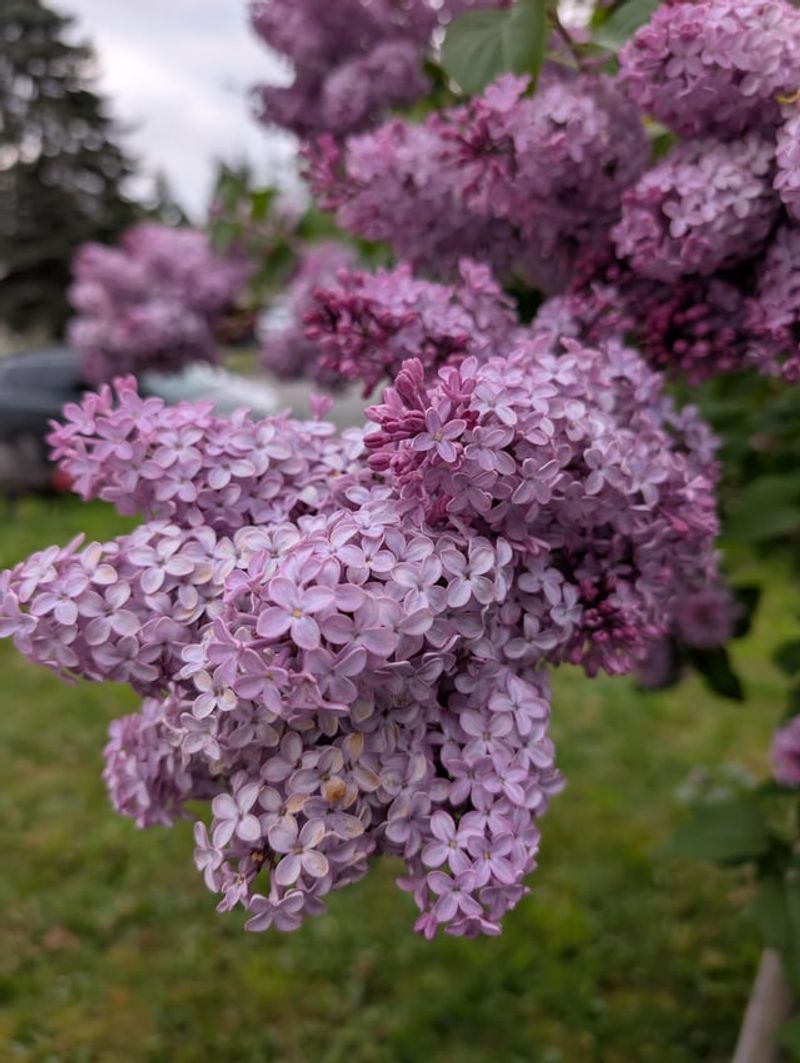
Mature shrubs and trees that have been growing in Oregon soil for five or more years are among the most self-sufficient things in your landscape.
Their root systems have spread wide and deep, reaching into layers of soil that stay cooler and hold more moisture than the surface. Watering them heavily in July is usually unnecessary and can even encourage problems.
Overwatering mature woody plants during summer can promote shallow root growth and increase the risk of fungal root diseases.
Many established shrubs, including lilac, forsythia, and viburnum, handle Oregon summers without any supplemental water once they reach maturity.
Deciduous trees like oaks and maples have been navigating dry Oregon summers for decades and know how to pace themselves.
The classic mistake is seeing a mature shrub drop a few leaves in July and reaching for the hose.
Leaf drop in summer is a normal stress response, not an emergency. The plant is shedding what it cannot support to protect its core structure. A little leaf loss in July does not mean the plant is in serious trouble.
If you want to do something helpful, top up the mulch layer around their base to reduce surface evaporation.
Beyond that, trust them. Save your water for the plants that genuinely need it this month: new trees, vegetable beds, containers, and berries. Your water bill will thank you, and so will the shrubs.