Why Upstate New York’s Blueberry Timeline Is Shifting This Season
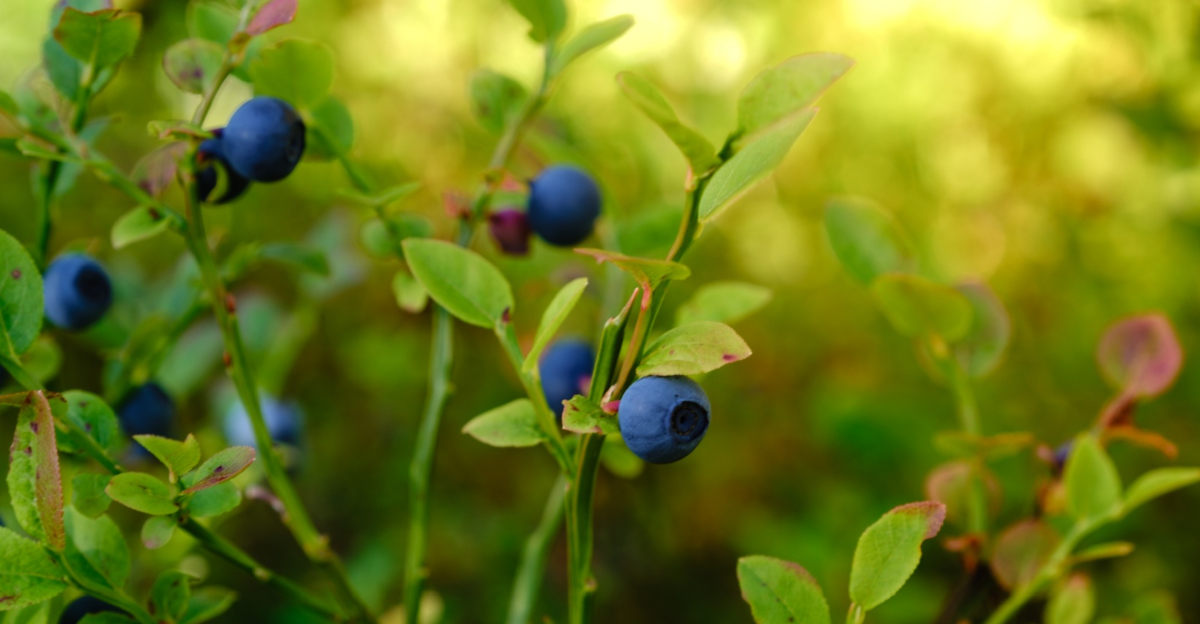
Something strange is happening to the calendar in New York’s blueberry country. Farmers who’ve spent decades reading the land are second-guessing what they thought they knew.
Baskets are filling up before the Fourth of July, and pickers who marked their calendars for late summer are showing up to empty rows. The bushes simply got there first.
Talk to growers across upstate New York and you’ll hear the same puzzled tone. Winters that used to bite hard are softening.
Frost is arriving late and leaving early. Sunlight is lingering longer into the afternoon, coaxing sugars into the fruit ahead of schedule. None of this was written in any farming almanac. What’s unfolding isn’t a fluke season.
It’s a pattern. And it’s asking an old question in a new voice: how much can a plant’s clock actually bend before everything else has to bend with it?
1. Warmer Spring Temps Sped Bud Break
Picture walking into a blueberry field in mid-April and seeing tiny green buds already popping open. That is exactly what farmers across upstate New York witnessed this spring.
The blueberry timeline got a serious head start this year. Spring temperatures arrived warmer and earlier than usual.
Plants responded by waking up faster than anyone anticipated. Bud break, the moment when buds swell and open, happened nearly two weeks ahead of schedule.
Blueberry bushes are incredibly sensitive to temperature changes. Even a few extra degrees over several weeks can push the whole growing cycle forward.
Scientists call this “thermal accumulation,” and it matters a lot. When bud break happens early, the entire season shifts forward. That means earlier flowers, earlier fruit set, and earlier harvests.
Pickers who planned for late July suddenly need to show up in early July instead. Warmer springs are not random flukes anymore. They are part of a broader pattern scientists have tracked for decades.
Each year that temperatures creep up, plants respond by accelerating their natural rhythms. Backyard growers are caught between two feelings this year: a head start, and a reason to stay nervous.
You might get berries sooner, but you also risk late cold snaps catching those early buds off guard. Staying alert to your local forecast becomes more important than ever.
The blueberry timeline in upstate New York is no longer predictable in the old ways. Once that first bud pops, the rest of the season just chases after it.
2. Fewer Frosts Spared Early Blooms
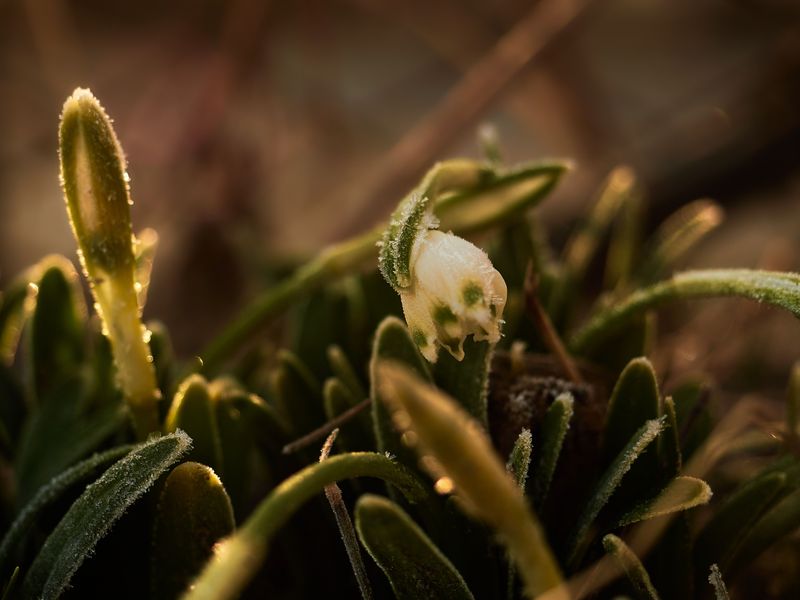
A late frost is a blueberry farmer’s worst nightmare. One cold night at the wrong moment can wipe out an entire season’s worth of blossoms.
This year, that nightmare largely did not come true. Upstate New York saw significantly fewer frost events this spring compared to past years.
That lucky break gave early blossoms the protection they desperately needed. Flowers that opened ahead of schedule actually managed to become fruit. Blueberry blossoms are fragile little things.
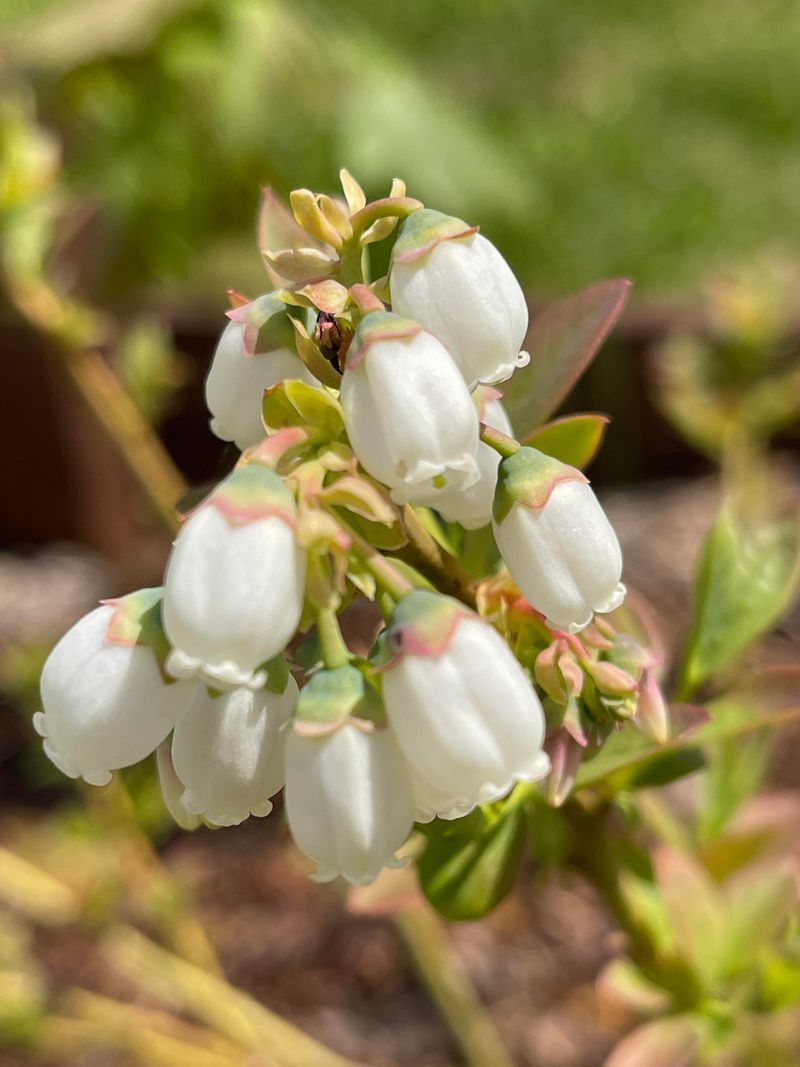
They open up looking like tiny white bells, and they cannot handle temperatures below 28 degrees Fahrenheit for long. Even a brief dip can blacken petals and end fruit potential.
Your New York Garden Changes Every Week. Your Plan Should Too.
Gardening in New York changes quickly throughout the season. Every Friday you’ll receive a simple weekly plan showing exactly what to plant, prune, fertilize, harvest, and protect so you never miss the right timing.
When frosts are absent, those blossoms grow into berries without interruption. Pollination happens smoothly, bees do their work, and the fruit sets properly.
Fewer frost nights this season meant a much higher percentage of successful blooms. Farmers in the Finger Lakes region and Hudson Valley both reported lighter frost pressure in April and May.
Some growers who normally run overhead irrigation systems to protect blooms barely needed to turn them on. That saved time, water, and money.
For backyard growers, fewer frosts also mean less stress about covering your plants at night. You can let nature do its thing with a little more confidence.
Still, keeping an eye on the ten-day forecast never hurts. Blossoms that make it through the spring don’t just hang on, they turn into the earliest berries anyone’s picked in years.
3. Early Snowmelt Warmed Soil Faster
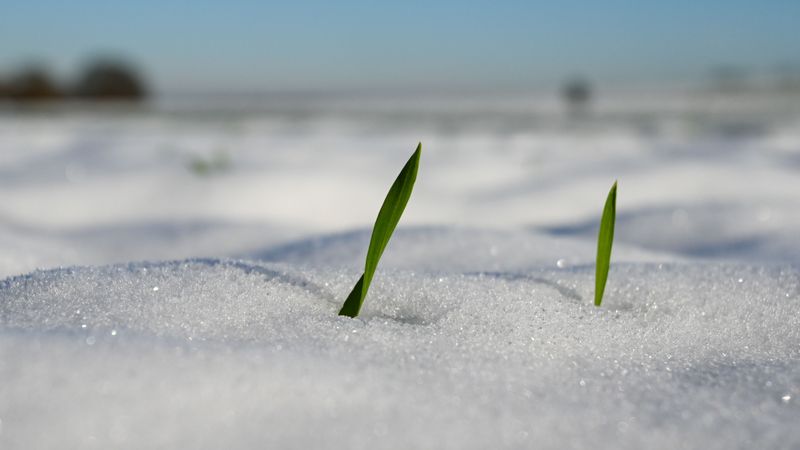
Snow leaving early sounds like good news, and for blueberry growers this year, it absolutely was. The snowpack across upstate New York melted weeks ahead of the typical schedule.
That head start made a bigger difference than most people realize. Soil temperature is one of the most important factors in plant development.
When snow melts early, sunlight hits the ground sooner and warms it up faster. Blueberry roots wake up and start pulling nutrients before they normally would.
Cold soil acts like a brake on plant growth. Even if air temperatures are warm, plants will not push forward if their roots are still sitting in cold, wet ground.
Early snowmelt essentially releases that brake. This season, soil across many upstate growing regions warmed to active growing temperatures earlier than usual.
Once the ground holds steady warmth, roots begin pulling nutrients and signal the whole plant to start growing.
Farmers who monitor soil temperature with probes noticed the shift right away, with warming arriving well ahead of past years. Numbers like that let growers schedule crews down to the week instead of guessing.
Home gardeners can benefit from this knowledge too. Checking your soil temperature with an inexpensive probe tells you when your plants are truly ready to grow.
Planting or fertilizing too early, before the soil warms, wastes effort and resources. Melt the snow early enough, and the whole season scrambles to catch up.
4. Faster Heat Accumulation This Season
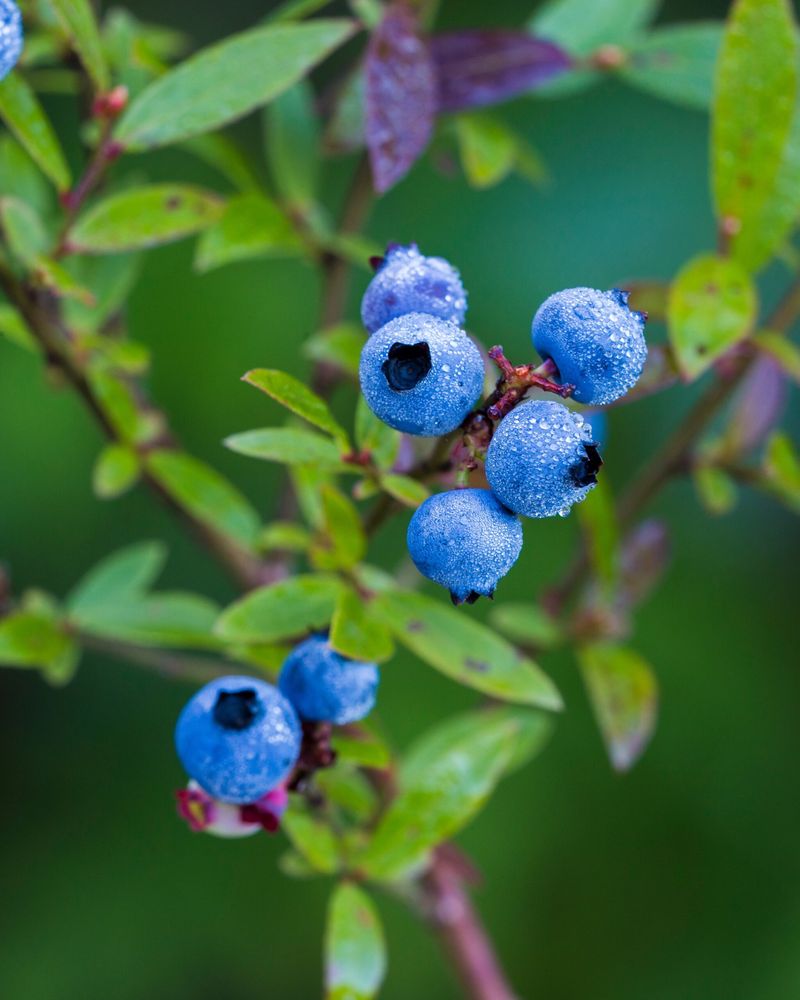
Heat accumulation sounds like a technical term, but the idea is simple. Plants need a certain amount of warmth over time to move through each stage of growth.
Scientists measure this in “growing degree days,” or GDDs. This season, upstate New York racked up growing degree days at a faster pace than in recent memory.
Warm days stacked on top of warm nights, and the heat totals climbed quickly. Blueberry bushes responded like runners hearing a starter pistol. Each crop has its own GDD requirements.
Blueberries need specific heat totals to flower, set fruit, and ripen. When those totals arrive early, every stage of the growing cycle shifts forward accordingly.
Farmers use GDD tracking as a rough guide to predict harvest dates, and this year the accumulated heat units were running well ahead of a typical season.
Many growers had to contact their picking crews and ask them to be ready sooner than originally planned.
The practical impact is real and immediate. Packing facilities, farm stands, and u-pick operations all had to adjust their schedules.
Markets bracing for a late-July delivery were fielding calls two and a half weeks sooner. For home growers, faster heat accumulation means keeping a closer eye on your berry bushes starting in June.
Check for color changes and firmness regularly. Waiting too long once berries start turning blue means overripe fruit and missed flavor. Stack enough warm days together, and the bushes stop waiting for permission.
5. Drought Stress Speeds Fruit Ripening
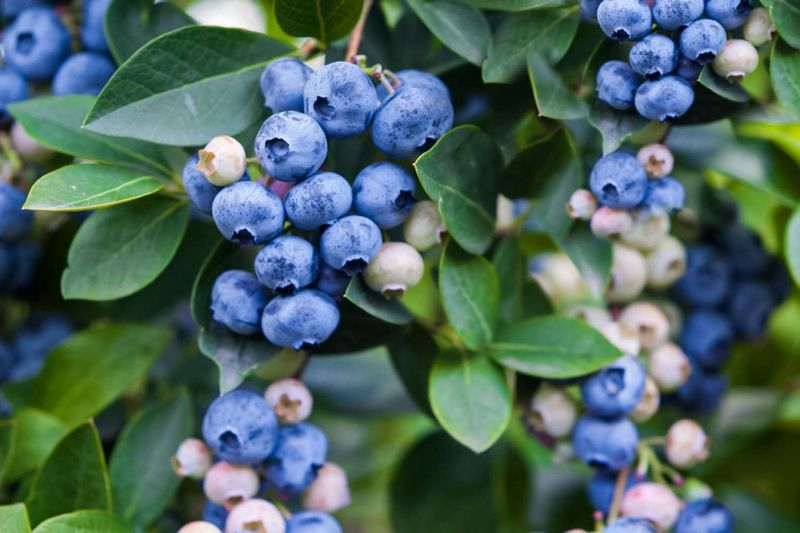
Dry weather usually spells trouble, but this season it worked in the plants’ favor. When blueberry plants feel water pressure, they shift their energy toward seed production.
That means getting their fruit ripe and ready as fast as possible. Parts of upstate New York experienced drier-than-average conditions this spring and early summer.
Rainfall totals came in below normal across several growing regions. The plants noticed and responded in their own survival-driven way.
Under moderate water stress, blueberry bushes tend to concentrate sugars in their fruit more quickly. The berries may be slightly smaller, but they ripen faster and often taste sweeter.
Farmers call this a trade-off, and many actually prefer it in dry years. Too much drought, however, crosses a line from helpful to harmful.
Severe water stress can shrivel berries and reduce yields dramatically. The key is that sweet spot of mild dryness that nudges ripening without causing real damage. This season hit that sweet spot in many areas.
Growers who irrigate had to be strategic about when and how much water they applied. Giving just enough kept plants healthy without removing the natural ripening pressure.
Backyard berry growers can apply this same logic. If your blueberry bushes look a little thirsty but the fruit is starting to color up, hold off on heavy watering for a few days.
You might be rewarded with earlier and sweeter berries as a result. A little thirst turned out to be exactly what the fruit needed to hurry up.
6. Sunnier Days Boosted Photosynthesis
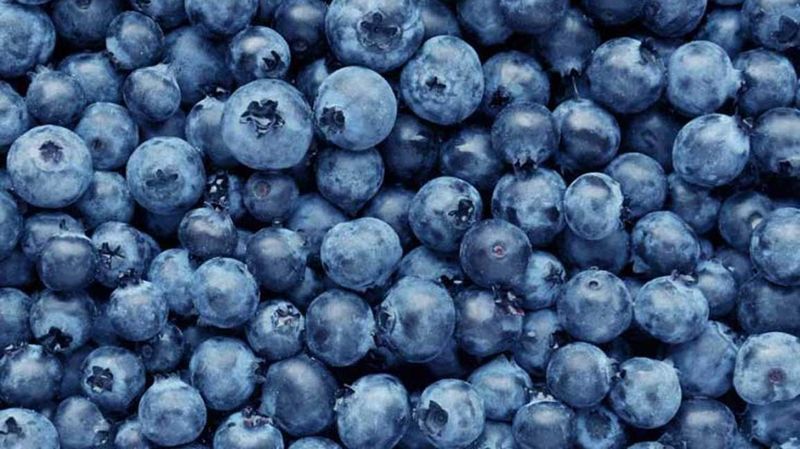
Sun is currency for a plant, and this season it was paid out in full. More sun means more photosynthesis, and more photosynthesis means faster, stronger growth.
This season delivered an unusual stretch of sunny days right during the critical growth window for blueberries.
Cloud cover data for upstate New York showed fewer overcast days in May and June compared to the five-year average.
That extra sunlight gave blueberry plants more energy to push through each growth stage. Leaves grew bigger, stems grew stronger, and fruit developed faster.
Photosynthesis is the process where plants turn sunlight into sugar. Those sugars fuel everything: root growth, flower development, and fruit ripening.
When the sun shines more, the whole engine runs hotter and faster. Farmers noticed their plants looked unusually lush and vigorous by late May.
The canopy filled in faster than expected, and berry clusters appeared dense and well-formed. Sunnier conditions created ideal growing momentum across the region.
There is a bonus effect too. Sunlight helps berries develop their deep blue color more quickly.
The UV rays trigger anthocyanin production, which is the pigment that makes blueberries blue and also packs them with antioxidants.
More sun means deeper color and richer nutrition. Home gardeners should take note of sun exposure when planting blueberry bushes.
A spot that gets at least six to eight hours of direct sun daily will outperform a shadier location every single time.
Where you plant the bush matters just as much as how you care for it. Extra sunlight did its work in the background, and the berries showed up ahead of schedule to prove it.
7. Climate Shifts Extend Growing Season
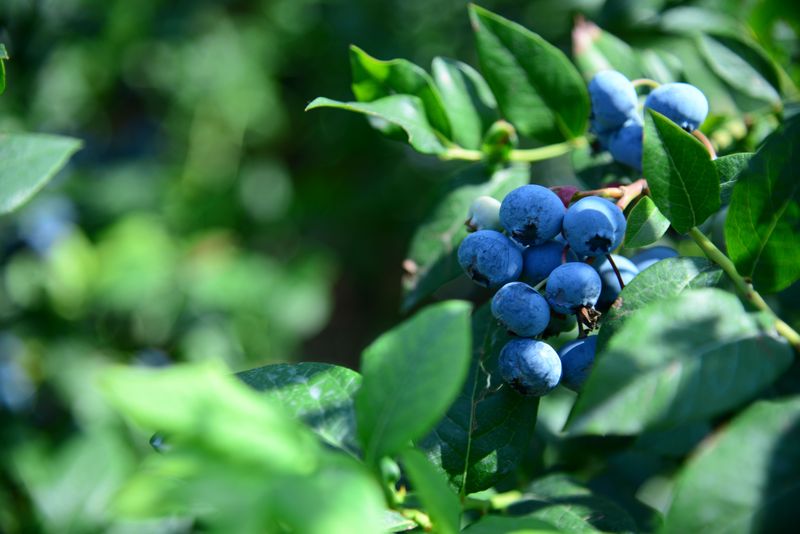
The growing season in upstate New York is not what it used to be. Over the past few decades, the last frost in spring has crept earlier, and the first frost in fall has moved later.
Climate monitoring groups have tracked a modest lengthening of the frost-free window across the Northeast over recent decades.
A few extra days sounds minor until you’re the one scheduling harvest crews around it. More frost-free days mean more growing time and more flexibility.
Blueberries benefit from a longer season in multiple ways. Plants have more time to build energy reserves after harvest.
They also have more opportunity to harden off properly before winter, which improves their survival and productivity the following year.
Extended seasons also allow growers to experiment with later-ripening blueberry varieties. Cultivars that were once too risky for the shorter upstate season are now viable options.
That expands the menu of choices for both farmers and home gardeners. The flip side is that extended seasons can also mean new pest and disease pressures.
Spotted wing drosophila, an invasive fruit fly, thrives in the warmer, longer conditions. Growers have had to adapt their pest management strategies accordingly.
For home growers, a longer season is mostly good news. You have more room to stagger plantings and enjoy fresh berries over a wider window.
Just stay informed about which varieties perform best in your specific microclimate. The calendar farmers grew up with is already gone, and it’s not coming back.
8. Farmers Confirm Early Trend Regionwide
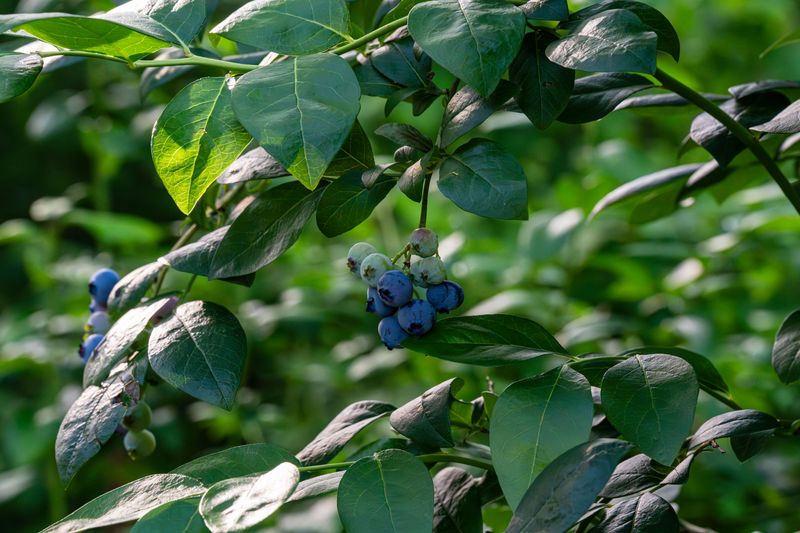
Talk to any blueberry farmer in upstate New York right now, and you will hear the same story. This season felt different from the moment spring arrived.
The blueberry timeline shifted early, and experienced growers noticed it before the data even confirmed it.
At Fishkill Farms in the Hudson Valley, good weather during blossom season has produced the farm’s largest blueberry crop on record.
Blooms opened ahead of schedule. Berries began coloring up weeks before the typical window. The pattern was consistent across the entire region.
Growers across the region describe this as one of the most uniform early shifts they can recall. All the right scenes appeared, just faster than anyone expected.
Agricultural extension offices across the state have been collecting data from growers to document the trend.
Preliminary reports confirm that harvest dates moved up by a week to ten days compared to the ten-year baseline. That is a significant and measurable shift.
Consumer demand has had to adapt as well. Farm stands, CSA subscribers, and u-pick visitors all received early notifications this year.
Some customers showed up on their usual dates only to find the peak had already passed. Flexibility became essential for everyone involved.
The broader message from the farming community is clear. The old calendar no longer applies with confidence.
Growers, pickers, and berry lovers alike need to stay connected and stay flexible as the blueberry timeline continues to evolve.
Nobody reads a season better than the people who’ve spent decades in the dirt, and they’re all telling the same story.