Why Ohio Hostas Develop Brown Edges In Summer And What Usually Causes It
Hostas are the reliable workhorses of the Ohio shade garden, and for most of spring they look absolutely spectacular. Lush, full, that gorgeous layered texture that makes a shaded bed look intentional and well put together.
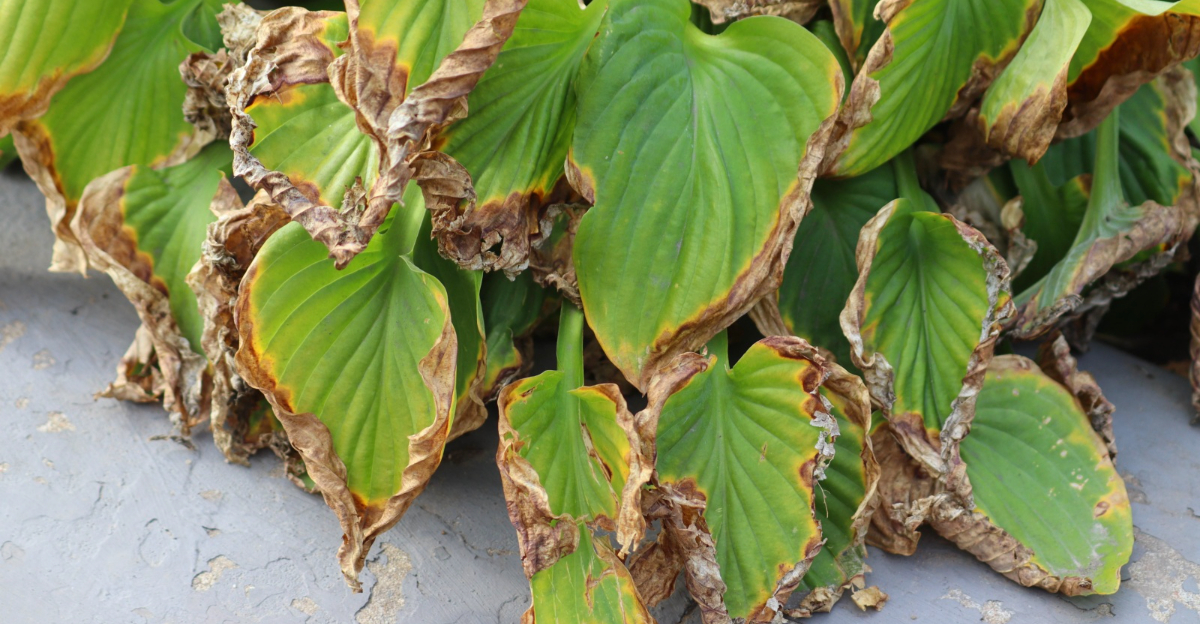
Then midsummer arrives and the crispy brown edges start showing up, and suddenly those same plants look like they have had a rough few weeks. Relatable, honestly, but not ideal.
The frustrating part is that browning hosta leaves can come from several different directions at once.
Hot afternoon sun, dry soil, shallow roots, reflected heat off walls or pavement, and poor watering habits are the usual suspects, though occasionally something more specific like leaf spot or foliar nematodes is behind it.
The good news is that the pattern on the leaves can actually tell you a lot about what is really going on.
You just have to know what to look for.
1. Hot Afternoon Sun Scorches Leaf Edges
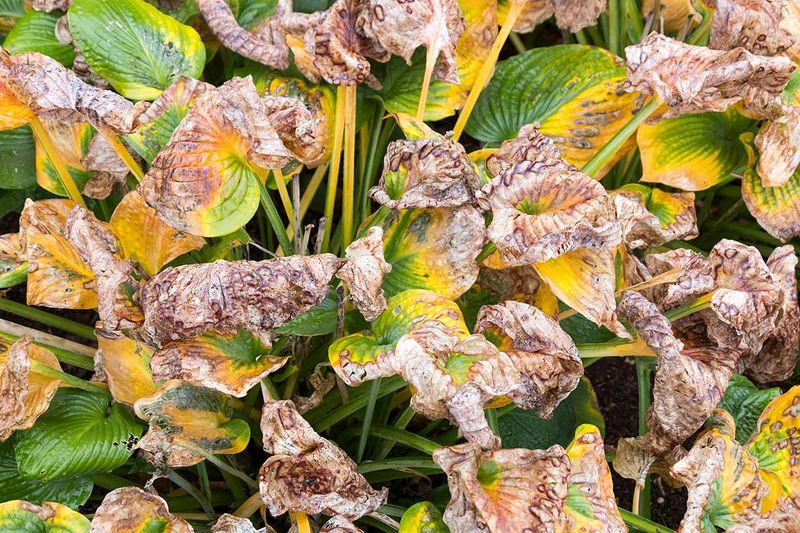
Crispy brown margins showing up along hosta leaves are one of the most common sights in Ohio shade gardens by July.
Hostas are naturally woodland plants that prefer filtered light or morning sun, and when they get hit by direct afternoon sun, the leaf tissue along the edges can lose moisture faster than the roots can replace it.
That imbalance leads to the tan, papery browning that gardeners know well.
Even varieties labeled as sun-tolerant can struggle when afternoon temperatures climb into the upper 80s or low 90s. The edges of the leaf blade are thinner and more exposed than the center, so they tend to show heat damage first.
Once the tissue dries out and turns brown, it will not recover or turn green again, but protecting the plant from further exposure can help preserve newer leaves.
In Ohio, south-facing and west-facing beds are especially prone to this problem because the sun angle in the afternoon hits those spots hardest.
Moving a hosta to a spot with shade after noon, or planting taller shrubs or perennials on the west side of the bed, can significantly reduce sun scorch over time.
2. Dry Soil Makes Margins Turn Brown
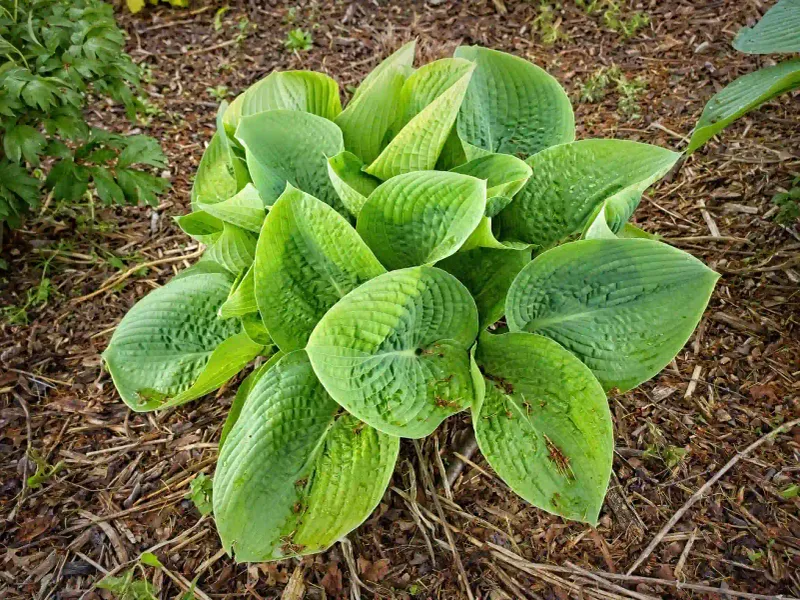
Soil moisture is one of the most important factors in keeping hosta leaves looking clean through an Ohio summer.
When the soil around hostas dries out, the plant starts pulling water from the outermost leaf tissue first, and those thin margins begin to turn yellow and then brown.
It is a slow process, but by the time you notice the edges, the soil may have been dry for several days.
Ohio summers can bring stretches of low rainfall that dry out garden beds quickly, especially in raised beds, sloped areas, or spots with tree root competition.
Mulch helps slow evaporation, but if the layer has thinned out or the soil underneath never got fully saturated, the hostas will still feel the stress.
Checking the soil a few inches down rather than just the surface gives a more accurate picture of actual moisture levels.
Your Ohio Garden Changes Every Week. Your Plan Should Too.
Gardening in Ohio changes quickly throughout the season. Every Friday you’ll receive a simple weekly plan showing exactly what to plant, prune, fertilize, harvest, and protect so you never miss the right timing.
Watering deeply and less frequently tends to work better than light daily sprinkles. A slow, thorough soak once or twice a week during dry spells encourages roots to grow deeper, which gives the plant a slightly better buffer during Ohio heat.
Consistent soil moisture is one of the most reliable ways to reduce brown margins through the season.
3. Heatwaves Push Hostas Past Their Comfort Zone
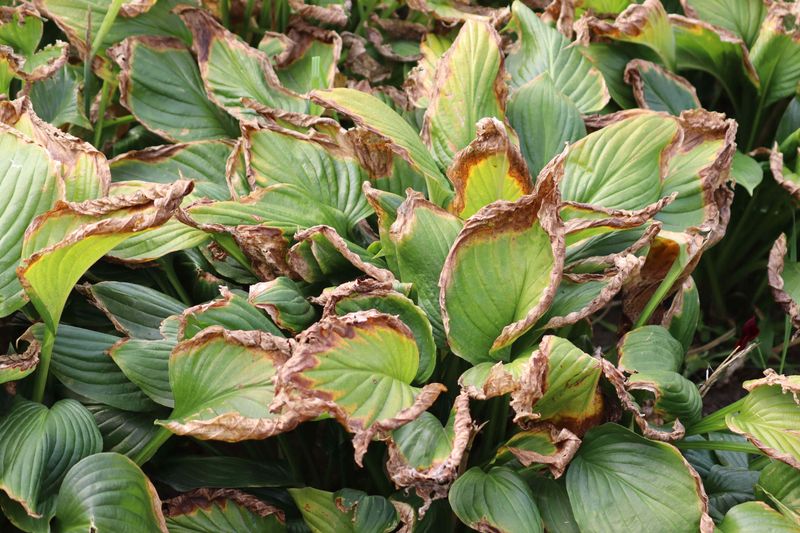
Ohio summers can bring stretches of heat that last several days or even weeks, and hostas are not built to handle extended high temperatures without some support.
Most hosta varieties grow best when daytime temperatures stay below the mid-80s, and once the mercury climbs past 90 degrees for multiple days in a row, even well-watered plants in decent shade can start showing brown edges.
During a heatwave, the plant loses water through its leaves faster than normal, and the soil dries out more quickly than usual.
Shallow-rooted beds are especially vulnerable because the top few inches of soil can go from moist to nearly dry in less than a day when temperatures are extreme.
Hostas may also flatten their leaves slightly during peak heat, which is a natural response to reduce sun exposure.
Gardeners who notice their hostas looking stressed during an Ohio heatwave can help by watering early in the morning before temperatures peak and adding a fresh layer of mulch to slow soil moisture loss.
Shade cloth placed temporarily over vulnerable beds during extreme heat events can also reduce the amount of stress the plants experience.
Once cooler and wetter weather returns, newer growth often looks much cleaner.
4. Shallow Roots Struggle In Summer Drought
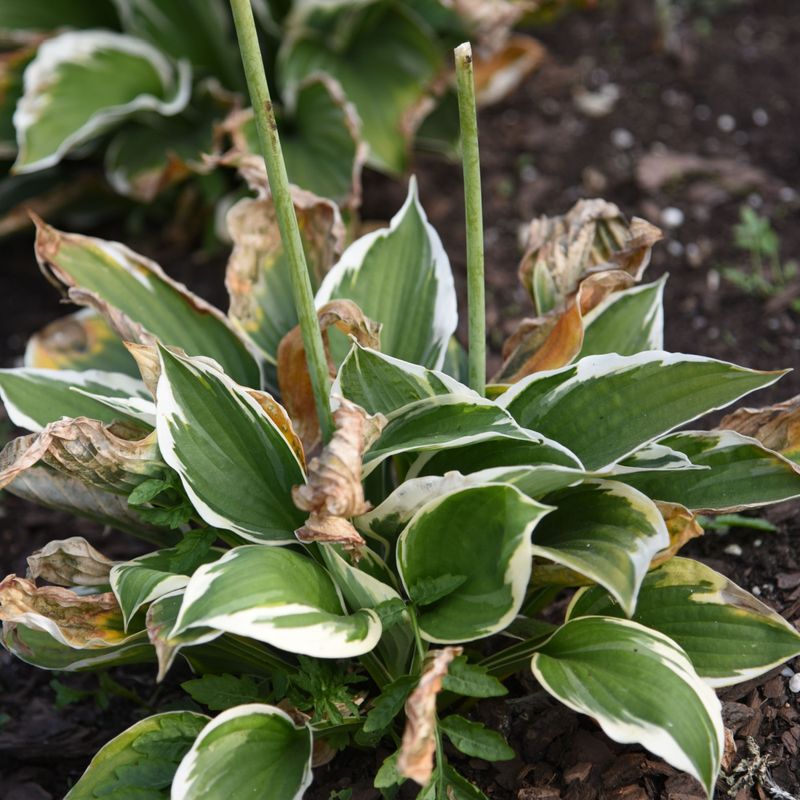
Young hostas, recently divided plants, and hostas growing in compacted or thin soil often develop shallower root systems than established plants.
Those shallow roots sit in the top layer of soil that dries out the fastest during summer, which means the plant runs low on moisture much sooner than a deeply rooted neighbor.
In Ohio, where summer can bring weeks with little rain, shallow-rooted hostas are among the first to show brown margins.
Planting depth, soil preparation, and competition from nearby tree roots all influence how deep hosta roots can grow. When tree roots fill the upper soil layer, hostas may not be able to push their roots down far enough to reach more consistent moisture.
Compacted clay soils, which are common in many Ohio residential yards, can also limit root development and make drought stress worse.
Loosening the soil before planting, mixing in compost, and watering deeply rather than lightly encourages roots to grow downward over time.
A newly planted hosta may need more frequent watering during its first Ohio summer while the root system is still getting established.
Once roots develop more depth, the plant becomes noticeably more resilient through dry spells and summer heat.
5. Low Organic Matter Dries Beds Faster
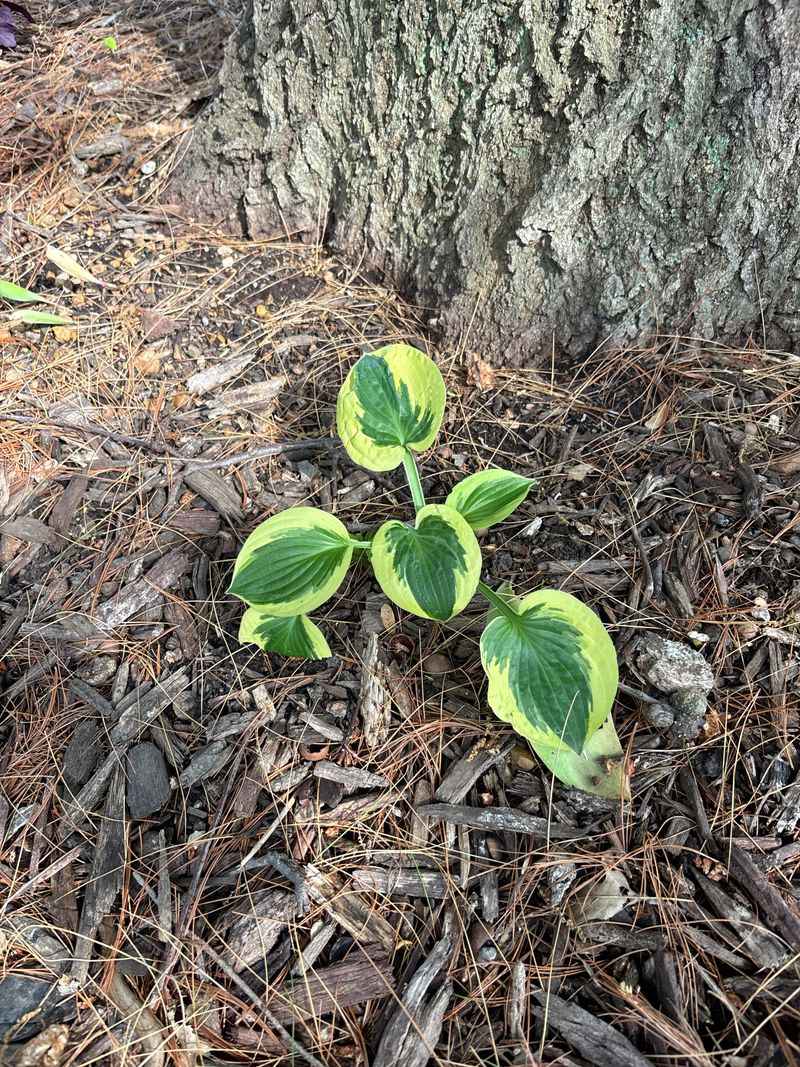
Soil that lacks organic matter behaves differently than rich, well-amended garden soil.
Sandy soils drain water too quickly and hold very little moisture between waterings, while heavy clay soils can become brick-hard when dry, making it difficult for water to penetrate deeply.
Both types of soil are common in Ohio yards, and both can contribute to hosta beds drying out faster than the plants can tolerate.
Organic matter, such as compost, aged leaf mulch, or well-rotted wood chips worked into the soil, improves the structure of both sandy and clay soils.
It helps sandy soil hold moisture longer and helps clay soil accept water more evenly rather than letting it run off the surface.
Over time, beds with higher organic matter tend to stay consistently moist longer after rain or watering, which reduces the frequency and severity of summer scorch.
Ohio gardeners who notice their hosta beds drying out very quickly after rain may benefit from top-dressing with a few inches of compost or shredded leaf mulch each fall.
Working compost into the planting area before installing new hostas also gives the roots a better environment from the start.
Small improvements in soil quality can make a noticeable difference in how well hostas hold up through a dry Ohio summer.
6. Reflected Heat Can Stress Foundation Plantings
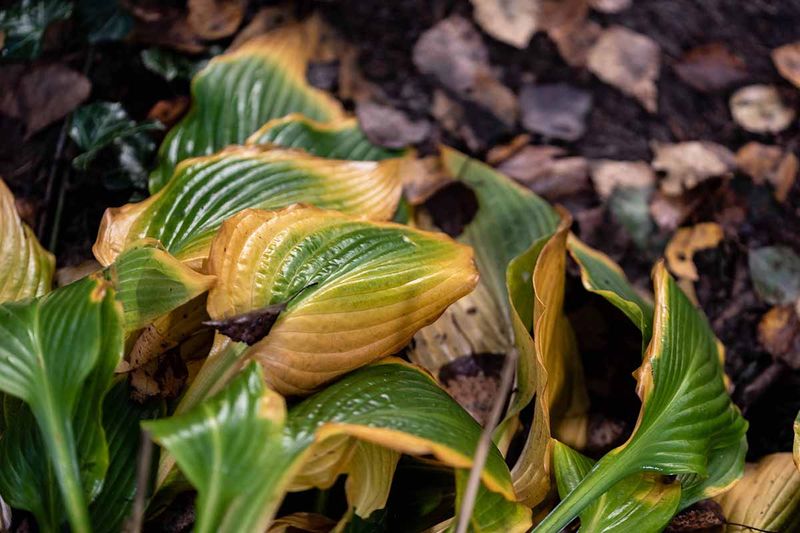
Foundation plantings along the south and west sides of Ohio homes sit in some of the hottest microclimates in the entire yard.
Brick walls, concrete foundations, and stone or paved surfaces absorb heat during the day and radiate it back toward nearby plants in the late afternoon and evening.
Hostas placed in these spots can experience temperatures that are several degrees higher than open garden beds just a short distance away.
That reflected heat speeds up moisture loss from both the leaves and the surrounding soil.
Even if the spot gets reasonable shade from the roof overhang in the morning, the afternoon heat bouncing off the wall can be enough to scorch leaf margins, especially during an Ohio heatwave.
Light-colored walls reflect more heat than dark ones, and south-facing walls tend to be the most intense.
Hostas do much better in foundation beds on the north or east side of an Ohio home, where they get morning light and afternoon shade without the intense heat reflection.
If hostas are already established in a hot foundation spot, there are a few ways to reduce ongoing stress without relocating them.
Adding a thick layer of mulch, watering more frequently during heat events, and allowing taller plants to create a heat buffer on the south or west side can all make a noticeable difference.
7. Overhead Watering Does Not Fix Dry Roots
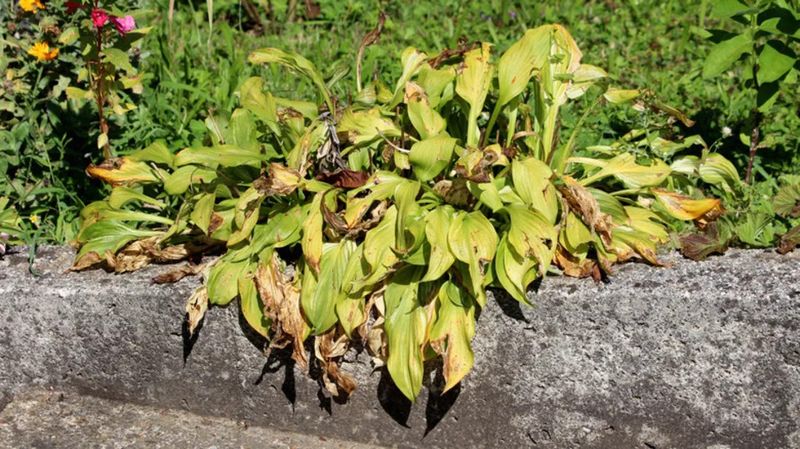
Sprinklers and overhead watering systems are common in Ohio residential landscapes, but they do not always deliver moisture where hostas need it most.
Water sprayed over the top of a hosta canopy often lands on the broad leaves rather than reaching the soil, and a large portion of that water evaporates before it ever gets to the root zone.
Hostas with large, overlapping leaves are especially prone to this problem because their canopy can act almost like an umbrella.
Light, frequent overhead watering can also encourage the roots to stay shallow, which makes the plant more vulnerable during dry spells.
Wet foliage that stays damp overnight can also increase the risk of certain fungal issues, though that is a separate concern from scorch.
The goal during summer should be to get water into the soil where the roots can actually use it.
Soaker hoses or drip irrigation placed at the base of the plants work much more effectively for hostas than overhead sprinklers.
Watering early in the morning, before the heat of the day, also reduces evaporation loss and gives the soil time to absorb moisture before temperatures peak.
A slow, deep watering session two or three times a week during dry Ohio summers tends to produce healthier results than daily light overhead sprinkles.
8. Leaf Spots And Nematodes Create Different Patterns
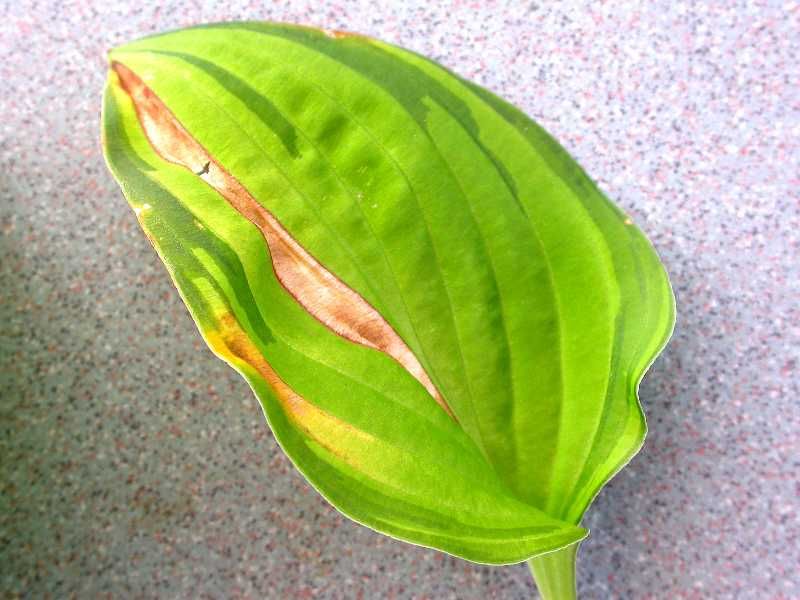
Not every brown area on a hosta leaf comes from heat or dry soil. Foliar nematodes and certain fungal leaf spot diseases create patterns that look noticeably different from the smooth, even browning that environmental scorch usually causes.
Knowing the difference can help Ohio gardeners avoid treating the wrong problem or making unnecessary changes to their watering and shading routines.
Foliar nematodes are microscopic roundworms that move through water on the leaf surface and cause browning that follows the veins of the leaf, creating angular brown sections between the veins rather than just along the outer margin.
Fungal leaf spots tend to appear as irregular blotches, rings, or lesions scattered across the leaf surface, sometimes with a yellow halo.
Both patterns are distinct from the clean, crispy brown edge that sun scorch or drought typically produces.
If the browning on Ohio hostas looks streaky between the veins, or if scattered lesions appear rather than a clean edge pattern, a closer look at the leaf surface and growing conditions is worth taking.
Foliar nematodes spread easily through water splash, so avoiding overhead watering and removing affected leaves can help limit their spread.
When the pattern is unclear, a local university plant diagnostic clinic can often identify the cause from a leaf sample.
9. Better Shade And Moisture Reduce Summer Scorch
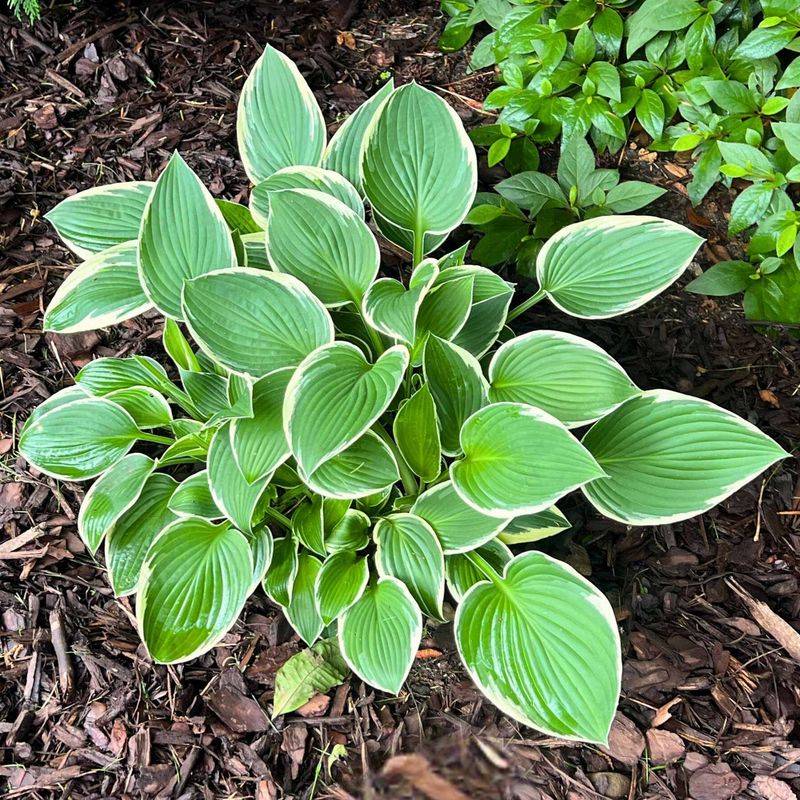
Preventing brown edges on Ohio hostas is much easier than trying to fix them after the damage appears. Since scorched leaf tissue will not turn green again, the goal is to protect the plant from conditions that cause the damage in the first place.
Two of the most effective tools are consistent shade during the hottest part of the day and reliable soil moisture through dry summer stretches.
Shade from mature trees, tall shrubs, or garden structures on the west side of a bed can significantly reduce afternoon heat stress.
In Ohio, even a small amount of dappled shade during the hours between 1 p.m. and 5 p.m. can make a noticeable difference in how the leaves look by late July.
Pairing that shade with a 2-to-3-inch layer of organic mulch, kept a few inches away from the crown of the plant, helps the soil hold moisture between waterings.
Choosing hosta varieties with thicker, more substance-rich leaves can also help, as those tend to handle heat and moisture stress somewhat better than thin-leafed types.
Ohio gardeners who combine good shade placement, consistent deep watering, and well-amended soil with decent organic matter tend to see far fewer brown edges through the summer.
Small, steady improvements in growing conditions add up to healthier hostas season after season.