Native Georgia Plants That Replace Pine Straw In Shady Yard Spots
Shady corners of the yard often become the hardest places to make look inviting. Many homeowners spread pine straw because it is simple, familiar, and covers bare ground quickly.
After a while, though, those areas can still feel empty, especially when the rest of the landscape is full of color and texture. It is easy to wonder if there is a better way to bring those quiet spaces to life.
Living plants can do much more than cover the soil. They soften the landscape, add seasonal interest, and create a more natural look without turning those shady spots into high maintenance projects.
The key is choosing plants that are comfortable growing where sunlight is limited.
Georgia offers several native choices that thrive in shade and gradually replace bare ground with living greenery.
The result is a landscape that feels fuller, healthier, and much more inviting throughout the year.
1. Christmas Fern Stays Green In Deep Shade
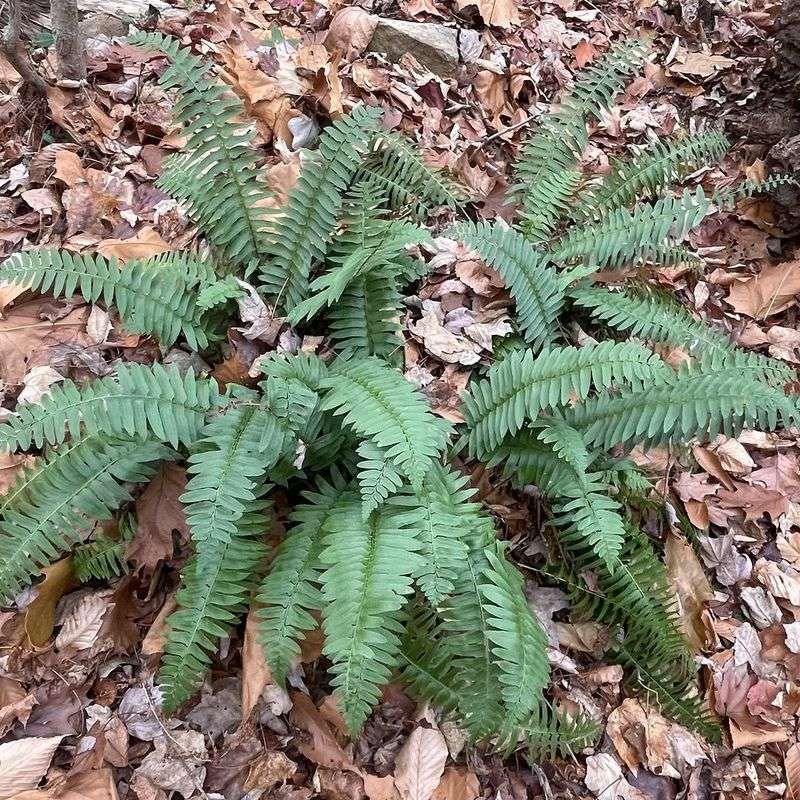
Bare ground under a dense tree canopy is one of the hardest problems to solve in a shady yard. Christmas fern handles it better than almost anything else you can plant.
Polystichum acrostichoides is its botanical name, but most gardeners just call it by the common name and move on. It grows in clumps of dark, leathery fronds that stay green all winter long.
That evergreen quality is a big reason it works so well as a pine straw replacement.
Planting is straightforward. Space transplants about 18 inches apart in a spot with well-drained, slightly acidic soil.
Water them in well during the first season and let them settle. After that, they mostly take care of themselves.
Deer tend to leave Christmas fern alone, which is a real bonus in wooded neighborhoods. Birds sometimes nest near dense clumps, and the thick foliage helps hold soil on slopes where erosion is a problem.
Expect slow spread at first. Christmas fern expands through offsets rather than runners, so patience is part of the deal.
After two or three seasons, though, you will have a full, attractive planting that looks far better than a bed of faded pine straw.
It performs reliably in both dry and moist shade. Few native plants match its combination of toughness, year-round color, and low maintenance in deep woodland settings.
2. Green And Gold Spreads Naturally Across Bare Soil
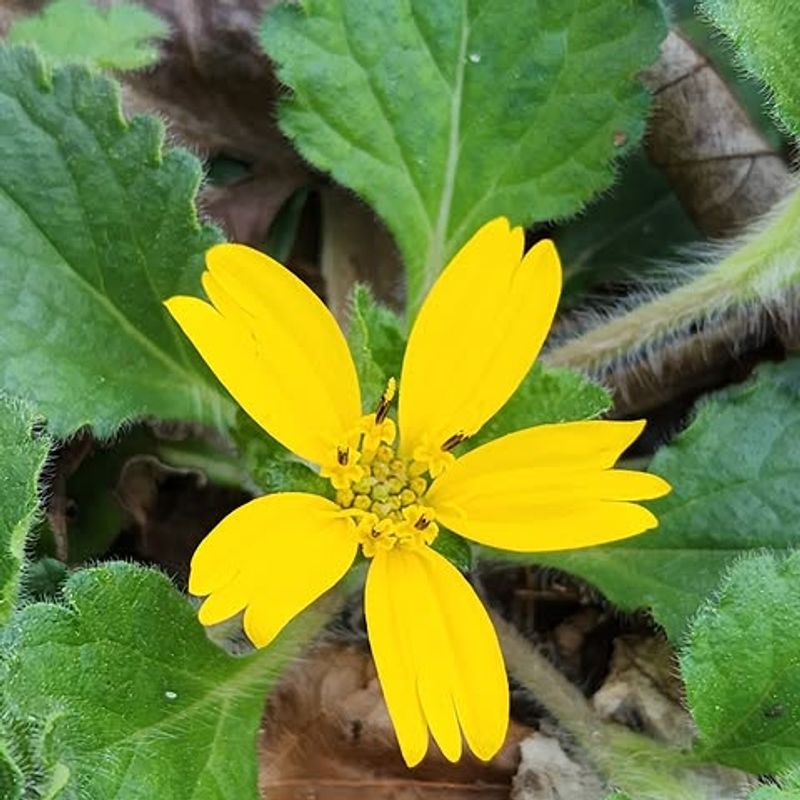
Not many plants can light up a dark corner the way Green and Gold does. Chrysogonum virginianum pushes out cheerful yellow flowers from early spring well into summer, sometimes even longer in mild years.
What makes it especially useful is how aggressively it fills in bare ground. Runners spread outward from each plant, rooting as they go.
A single transplant can cover a square foot or more within one growing season under decent conditions.
Plant it in partial to full shade with average, well-drained soil. It handles both dry and slightly moist conditions without much complaint.
Once established, supplemental watering is rarely needed except during extended dry spells.
Green and Gold works well along shaded walkways, under deciduous trees, or anywhere you want low, spreading coverage without height. It tops out at around six inches tall, so it never blocks views or competes with larger plants for visual space.
Your Georgia Garden Changes Every Week. Your Plan Should Too.
Gardening in Georgia changes quickly throughout the season. Every Friday you’ll receive a simple weekly plan showing exactly what to plant, prune, fertilize, harvest, and protect so you never miss the right timing.
Pollinators, especially small native bees, visit the flowers regularly. That ecological benefit is something pine straw simply cannot offer.
Maintenance is minimal. Trim back any scraggly edges in late winter to keep the planting looking tidy.
Beyond that, it mostly handles itself. Across the Southeast, gardeners have come to rely on Green and Gold as one of the most dependable native ground covers available for challenging shaded spots.
3. Partridge Berry Produces Bright Red Berries In Shade
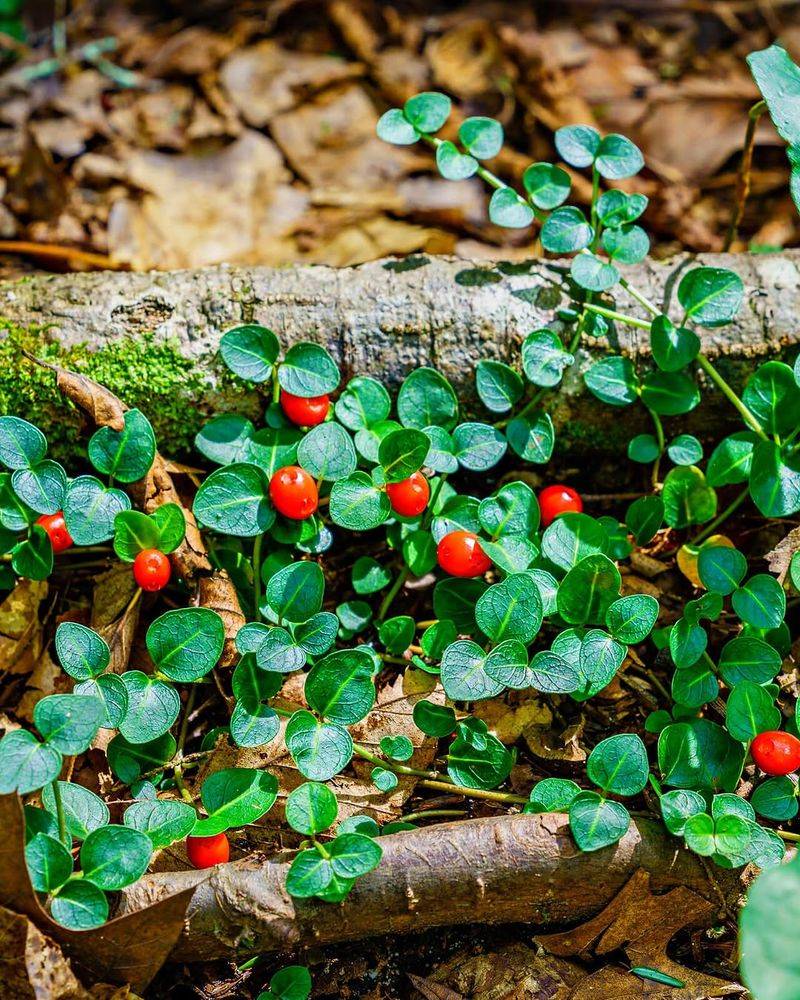
Few native ground covers offer year-round visual interest quite like partridge berry. It earns its place in a shady yard through every single season.
Mitchella repens is a tiny, trailing plant with glossy, dark green leaves and small white flowers in late spring. By fall, those flowers become vivid red berries that persist well into winter.
Birds eat them eventually, but the berries often last long enough to brighten up the garden through the coldest months.
Growth is slow and low, rarely exceeding three inches in height. That makes it ideal for tucking under shrubs, along shaded paths, or between stepping stones in woodland gardens.
It will not overwhelm neighboring plants.
Plant it in acidic, well-drained, humus-rich soil in full to deep shade. Consistent moisture helps during establishment, but mature plants handle short dry spells reasonably well.
Avoid heavy clay soils, which tend to hold too much water around the roots.
Partridge berry is native to the woodlands of the eastern United States and fits naturally into Georgia shade gardens. It pairs well with mosses, ferns, and wild ginger for a layered, naturalistic look that improves over time.
Maintenance is almost nonexistent. No pruning, no fertilizing, and no replanting year after year.
Once it roots in and starts spreading, it simply keeps going. For a low-traffic shaded spot that needs permanent, low-care coverage, partridge berry is hard to beat.
4. Allegheny Spurge Thrives In Rich Woodland Soil
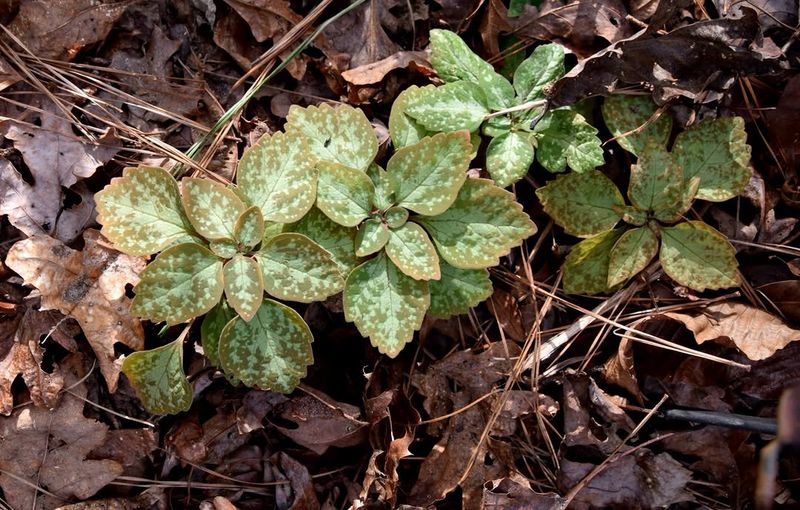
Most gardeners reach for Japanese pachysandra without realizing a native version exists that performs just as well without the invasive spread. Allegheny spurge is that plant.
Pachysandra procumbens grows in low, spreading mounds of attractive, matte-green leaves that often carry silver-gray patterning across the surface.
In late winter to early spring, small fragrant flower spikes emerge before the new foliage fully unfurls. It is a subtle but genuinely appealing display.
Unlike its Japanese relative, Allegheny spurge spreads slowly and politely. It will not take over a bed or creep into lawn areas aggressively.
That controlled spread makes it much easier to manage in a planned garden setting.
Rich, moist, well-drained soil in partial to full shade suits it best. Slightly acidic conditions, common under pine and oak canopies across the Southeast, work very well.
Amending poor soil with compost before planting makes a noticeable difference in how quickly it establishes.
Semi-evergreen in many areas, it holds its leaves through mild winters and re-emerges reliably in spring. Some leaf drop in colder winters is normal and not a cause for concern.
Space transplants about 12 inches apart for reasonably quick coverage. Water consistently through the first growing season.
After that, established plants need very little supplemental water under normal rainfall conditions.
Deer tend to browse it occasionally, so consider protection in areas with heavy deer pressure. Overall, it is one of the most underused and underappreciated native ground covers available.
5. Golden Ragwort Spreads Reliably In Moist Shade
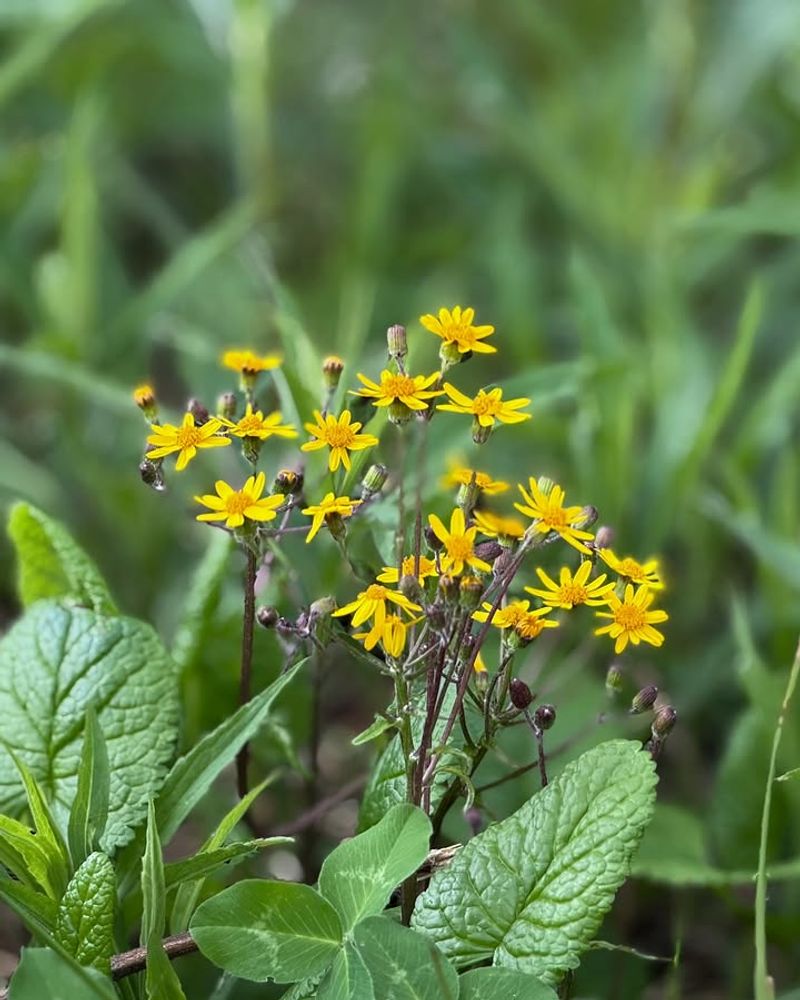
Bright yellow flowers in a shady garden always surprise people. Golden ragwort pulls that off without needing any direct sun.
Packera aurea blooms heavily in mid-spring, covering itself in small, daisy-like yellow flowers on stems that reach 12 to 18 inches tall.
After blooming, the flower stems fade back and the basal foliage takes over as a ground-covering mat for the rest of the season.
Spreading happens through both seeds and rhizomes. Under the right conditions, a small planting can expand into a wide colony over a few seasons.
Moist, shaded spots near streams, drainage areas, or low spots in the yard are where it truly shines.
Plant it in average to rich, consistently moist soil in partial to full shade.
It handles wet conditions better than most native ground covers, which makes it especially valuable in spots where other plants struggle to establish.
Early-season pollinators, including native bees and small butterflies, visit the flowers regularly. That bloom timing in early spring fills an important gap when few other plants are flowering yet.
Maintenance is easy. Cut back the spent flower stems after blooming if you want a tidier look.
Beyond that, golden ragwort handles itself well without much intervention.
Across shaded yards in the Southeast, it fills in quickly and looks natural without feeling weedy.
Paired with foamflower or wild ginger, it creates a layered, ecologically rich planting that genuinely improves year over year.
6. Creek Sedge Brings Soft Texture To Shady Landscapes
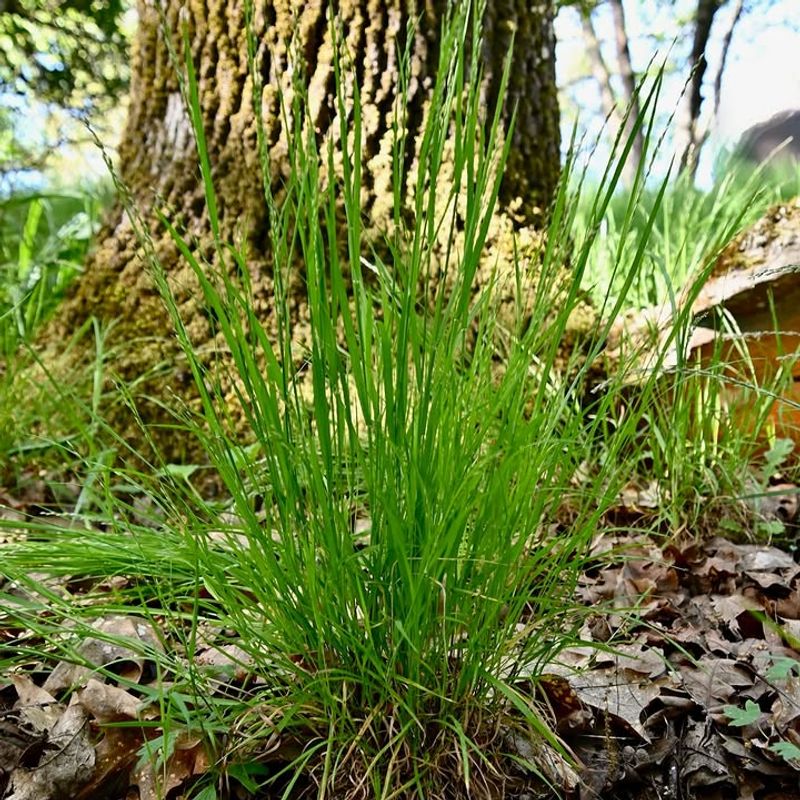
Texture matters in a shade garden, and creek sedge delivers something most broad-leaved ground covers cannot. Its fine, arching foliage adds a soft, grass-like quality that makes surrounding plants look better by contrast.
Carex amphibola grows in loose, graceful clumps reaching about 12 to 18 inches tall. The narrow leaves arch outward from the center, creating a flowing shape that moves gently in a breeze.
Even in still air, it brings a sense of lightness to heavy, dark shade areas.
Plant it in moist to average, well-drained soil in partial to full shade.
Creek sedge handles seasonal flooding better than most ornamental sedges, making it a strong choice near downspouts, drainage channels, or low-lying shaded spots in the yard.
Spacing plants about 18 inches apart allows each clump to develop its full, natural shape. Clumps gradually expand over time but do not spread aggressively.
Division every few years keeps them looking fresh and allows you to expand the planting without buying more plants.
Wildlife value is solid. Small birds use the seeds, and the dense clumps provide cover for ground-dwelling insects and small creatures.
Replacing bare ground or old pine straw with creek sedge genuinely improves the ecological function of a shaded yard.
Minimal care is needed once established. Remove any brown or tattered leaves in late winter before new growth emerges.
Beyond that, creek sedge is one of the most reliably low-maintenance native plants available for challenging shaded landscapes across the region.
7. Wild Ginger Covers The Ground Beneath Mature Trees
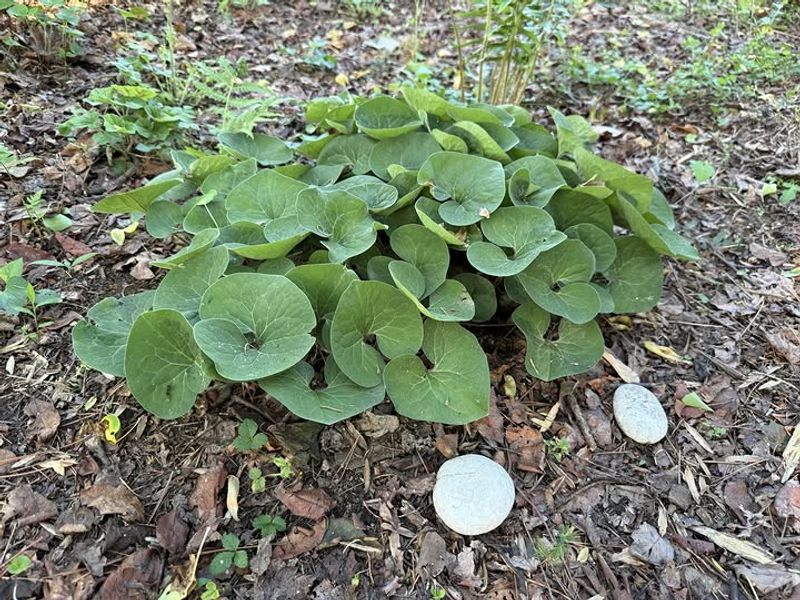
Walking under a canopy of old oaks or hickories, you might notice the ground stays bare no matter what you try. Wild ginger thrives in exactly that kind of spot.
Asarum canadense forms a dense carpet of large, heart-shaped leaves that block out weeds almost completely once established. The foliage is bold and attractive, bringing a lush, woodland feel to areas that otherwise look neglected.
Spread happens slowly through rhizomes just below the soil surface. Planting several starts close together, around 12 inches apart, gives you faster coverage than spacing them widely.
Rich, moist, well-drained soil with plenty of organic matter gives the best results.
Hidden beneath those broad leaves are small, brownish-purple flowers that bloom in early spring. Most people never notice them because they sit right at soil level.
That hidden blooming habit is part of what makes wild ginger feel so naturally woodland-like.
It is deciduous in colder winters but tends to hold its leaves through mild ones. Deer largely avoid it, which matters a lot in suburban areas near wooded edges.
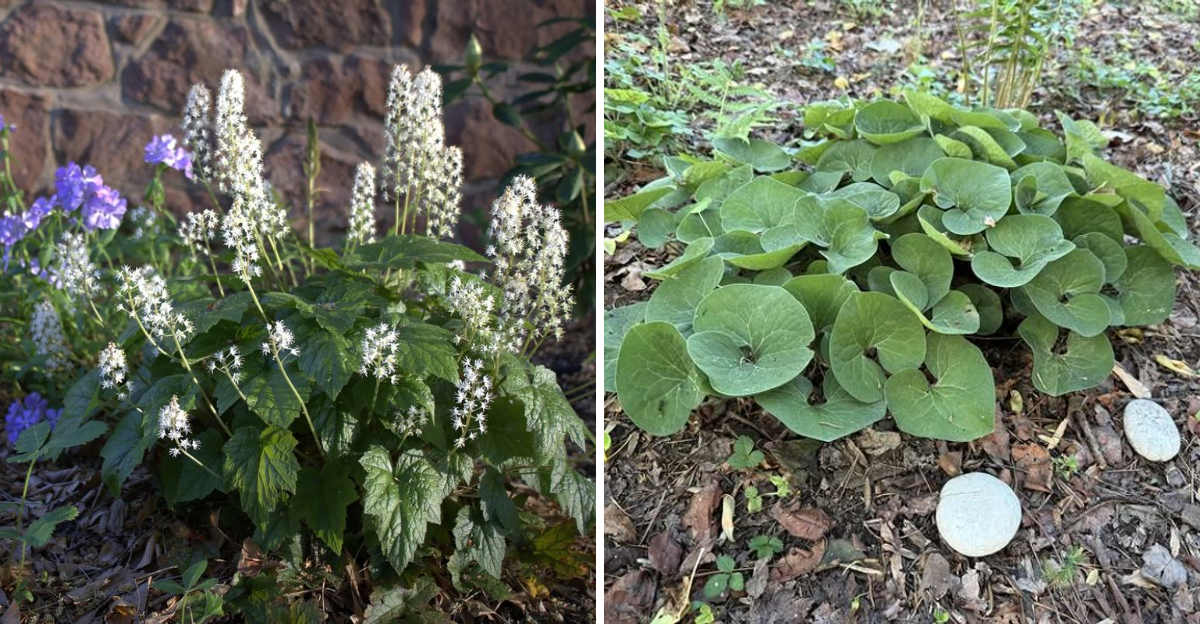
Wild ginger pairs beautifully with Christmas fern and foamflower in layered shade plantings. Combine them for a planting that looks intentional and well-designed without requiring much ongoing care.
For deep, dry shade under mature trees, few native ground covers perform as consistently or look as impressive season after season.
8. Foamflower Adds Spring Color To Woodland Beds
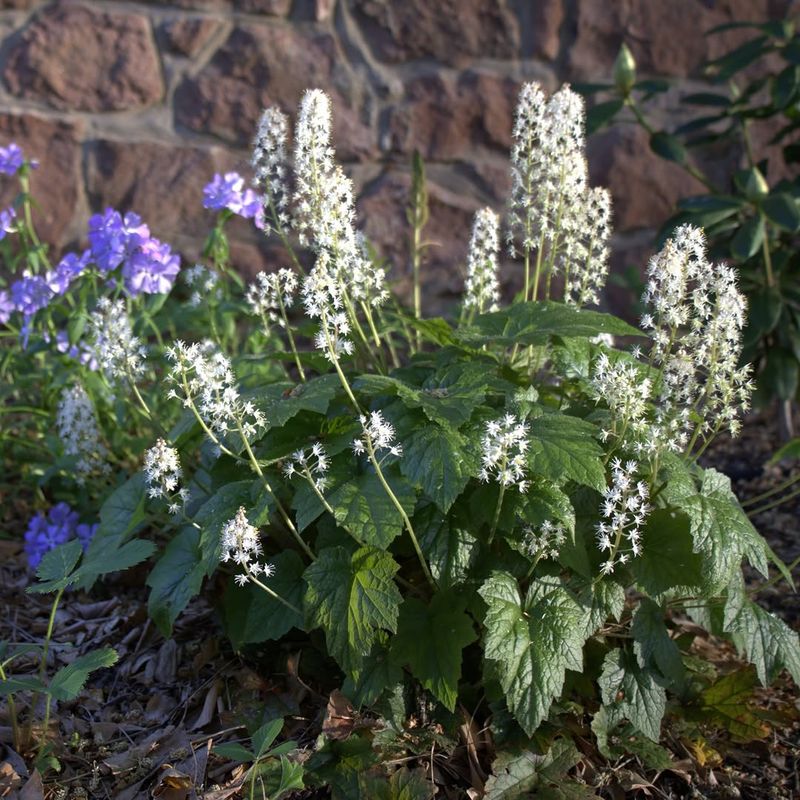
Spring in a shady yard can feel a little dull without the right plants. Foamflower changes that fast.
Tiarella cordifolia sends up frothy spikes of white to pale pink flowers in mid-spring, usually right around the time the canopy trees are leafing out.
Those blooms stand four to eight inches above the foliage and catch even the faintest dappled light beautifully.
Beyond the flowers, the leaves are worth growing it for on their own. They are lobed and often marked with dark burgundy patterns along the veins.
In fall, the foliage picks up reddish tones that add another layer of seasonal interest.
Foamflower spreads by stolons, similar to strawberry plants. Each runner produces a new rosette that roots into the soil.
A small planting can fill in a bed fairly quickly under the right conditions, making it a practical replacement for pine straw in shaded beds.
Plant it in moist, humus-rich soil with good drainage. It does best in partial to full shade and does not handle drought well in its first year.
Once rooted in, it becomes noticeably tougher.
Native bees and early-emerging butterflies visit the flowers for nectar. Deer sometimes browse it, so protection may be needed in heavily wooded neighborhoods.
Paired with wild ginger or Christmas fern, foamflower creates a layered, naturalistic planting that looks polished with almost no upkeep required.