The Vegetables Oregon Gardeners Should Direct Sow In July For A Fall Harvest Before First Frost
July feels like the tail end of planting season, but Oregon gardeners who write it off completely are leaving a genuinely useful growing window on the table.
Warm summer soil is actually one of the best germination environments of the entire year, and a surprising number of fast-maturing vegetables can go from seed to harvest well before the first frost shows up.
The trick is knowing which crops make sense for a July sowing, keeping young plants watered through what can be a pretty unforgiving dry stretch, and factoring in where exactly in Oregon you garden.
The Willamette Valley, the coast, and colder inland or mountain regions all work with slightly different timelines.
Pick the right crops, stay on top of irrigation, and a July planting can absolutely still deliver a rewarding fall harvest.
1. Beets Size Up For Fall Roots
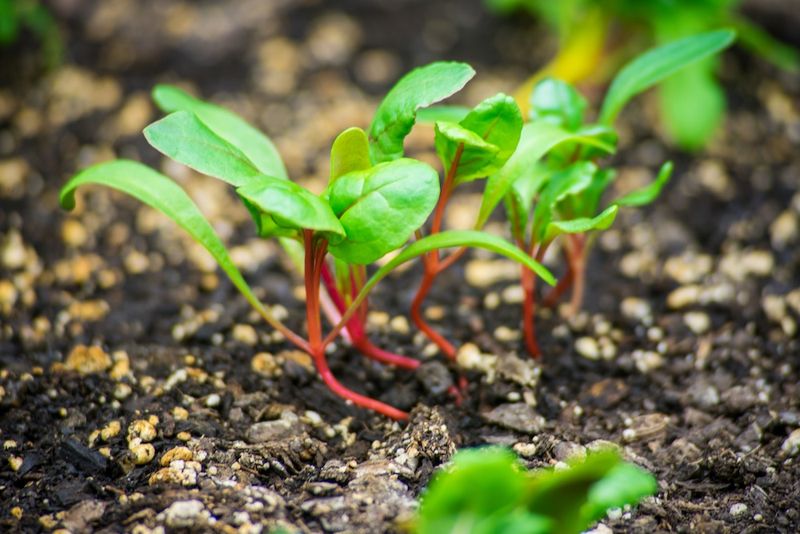
Warm July soil gives beet seeds a strong start, and that early momentum can carry roots to a useful harvest size before fall frosts arrive in most gardens.
Beets are one of the more reliable direct-sow crops for mid-summer planting, partly because they grow steadily through both warm and cooling weather.
Each beet seed is actually a cluster of seeds, so thinning seedlings early is important. Crowded plants produce small, stunted roots rather than the full-sized beets worth harvesting.
Thin seedlings to about three to four inches apart once they reach a few inches tall.
Consistent watering through the dry Oregon summer helps roots size up without cracking or becoming tough. Sandy soils dry out faster than heavier garden soils, so raised beds and in-ground plots may need different irrigation schedules.
Aim for even soil moisture rather than alternating between dry and waterlogged conditions.
Varieties that mature in 50 to 60 days give Willamette Valley and coastal gardeners a reasonable chance at a fall root harvest.
In Central Oregon or higher-elevation gardens where frost arrives earlier, choose the fastest-maturing varieties available and sow as early in July as possible to build in a comfortable buffer.
2. Carrots Need Moist July Seedbeds
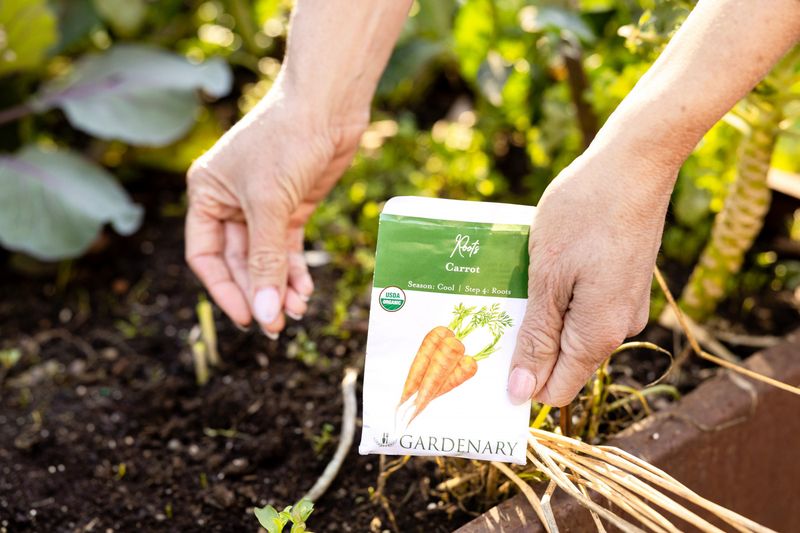
Getting carrot seeds to germinate in July is one of the trickier tasks in an Oregon summer garden, mainly because the soil surface dries out fast during warm, dry weather.
Carrot seeds need consistent moisture at the soil surface to sprout, and even a day or two of dryness can interrupt germination and reduce your stand of seedlings.
A thin layer of light mulch, like straw or row cover fabric laid directly over the seeded area, can help hold moisture between waterings. Some gardeners use a board or burlap to shade the seedbed until sprouts appear, then remove it immediately so seedlings get full light.
Check the seedbed daily during hot spells.
Loose, deep, rock-free soil helps carrot roots grow straight and reach a good size. Heavy clay soils in parts of Oregon can cause forked or stunted roots, so raised beds with amended soil often work better for carrots than compacted in-ground plots.
Choosing varieties with 70 days or fewer to maturity gives most gardens a reasonable fall harvest window when sowing in early to mid-July.
Your Oregon Garden Changes Every Week. Your Plan Should Too.
Gardening in Oregon changes quickly throughout the season. Every Friday you’ll receive a simple weekly plan showing exactly what to plant, prune, fertilize, harvest, and protect so you never miss the right timing.
Shorter-rooted types like Chantenay or Danvers-style carrots can also work well in heavier soils where longer varieties struggle to size up before frost.
3. Bush Beans Need An Early July Start
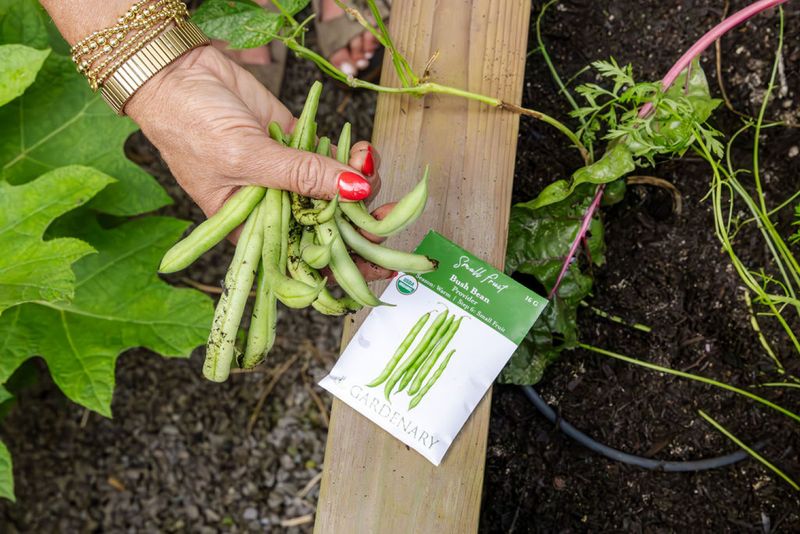
Bush beans are tender crops, meaning frost can stop production quickly, so timing an early July sowing matters more for beans than for cool-season greens.
The goal is to get plants flowering and producing pods well before the first fall frost arrives, which varies significantly across Oregon depending on elevation and region.
Quick-maturing bush bean varieties that reach harvest in 50 to 55 days give gardeners in the Willamette Valley and warmer parts of western Oregon a reasonable shot at a late-summer and early-fall bean harvest.
In cooler regions like Central Oregon or areas above 1,500 feet, the window is tighter, and frost can arrive earlier than expected.
Beans prefer warm soil for germination, which July usually provides. Seeds sown into cold or waterlogged soil tend to rot rather than sprout, so good drainage matters.
Raised beds often warm up faster and drain better than in-ground plots in heavier soils.
Keep young plants watered steadily through the dry summer. Beans that experience drought stress during flowering may drop blossoms before pods form, which cuts your harvest short.
Consistent soil moisture from sowing through pod fill gives plants the best chance of producing a worthwhile crop before cooling weather and frost end the season.
4. Lettuce Needs Shade And Steady Moisture
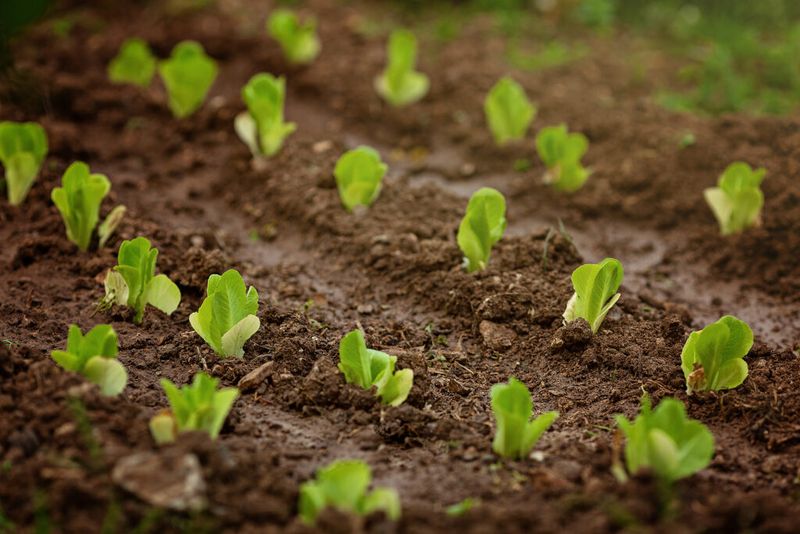
Hot soil is the main obstacle when sowing lettuce in July.
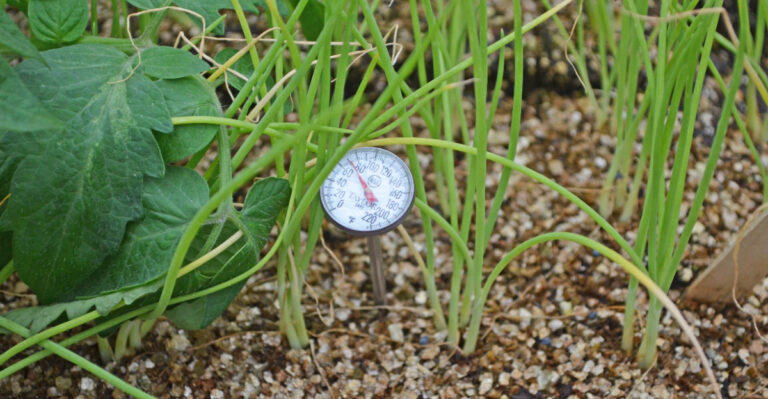
Lettuce seeds have a built-in heat dormancy that can prevent germination when soil temperatures climb above about 80 degrees Fahrenheit, which is common in Oregon garden beds during the warmest part of summer.
Shade cloth stretched over the seedbed during the hottest part of the day can lower soil temperature enough to improve germination rates. Even a light covering of row cover fabric can make a noticeable difference.
Once seedlings are up and growing, partial afternoon shade continues to help them stay tender and productive.
Steady moisture is just as important as shade. Lettuce roots are shallow, and dry soil causes bitter flavor, bolting, and poor leaf quality.
Water lightly and frequently rather than deeply and infrequently to keep the surface zone moist without waterlogging the root zone.
Choosing heat-tolerant or slow-bolt varieties helps when sowing in July. Loose-leaf types tend to handle warm conditions better than tight head-forming varieties.
As Oregon temperatures cool through August and September, lettuce plants often perk up considerably and produce their best leaves heading into fall, making the extra effort of a July sowing worthwhile for many gardeners.
5. Kale Handles The Fall Garden Well
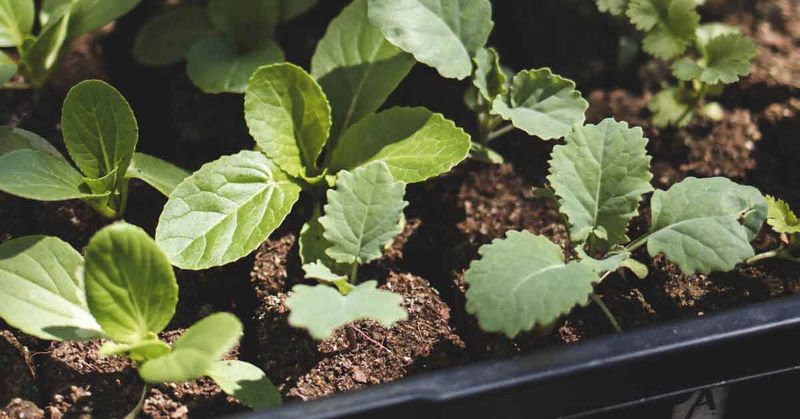
Few vegetables handle the transition from summer heat to fall chill as well as kale. It germinates readily in warm July soil, grows steadily through late summer, and then actually improves in flavor after the first light frosts touch the leaves.
Cold temperatures convert some of the starches in kale leaves to sugars, making fall-harvested kale noticeably sweeter than summer kale.
July is a solid month to direct sow kale across most Oregon regions. Even in cooler coastal gardens or higher-elevation sites where summer is short, kale matures quickly enough from a July sowing to provide useful harvests before hard frosts arrive.
Lacinato, curly, and Red Russian types all perform well in Oregon fall gardens.
Kale prefers consistent moisture but tolerates dry spells better than lettuce or spinach. Mulching around young plants helps hold soil moisture and keeps roots cooler during late summer heat.
Thin seedlings to give each plant enough space to spread its leaves without crowding neighbors.
One practical advantage of kale is that it does not need to be harvested all at once.
Gardeners can pick outer leaves as needed while the plant continues producing from the center, stretching the harvest window through fall and often well into winter in mild parts of western Oregon.
6. Peas Need Quick Timing And Resistant Varieties
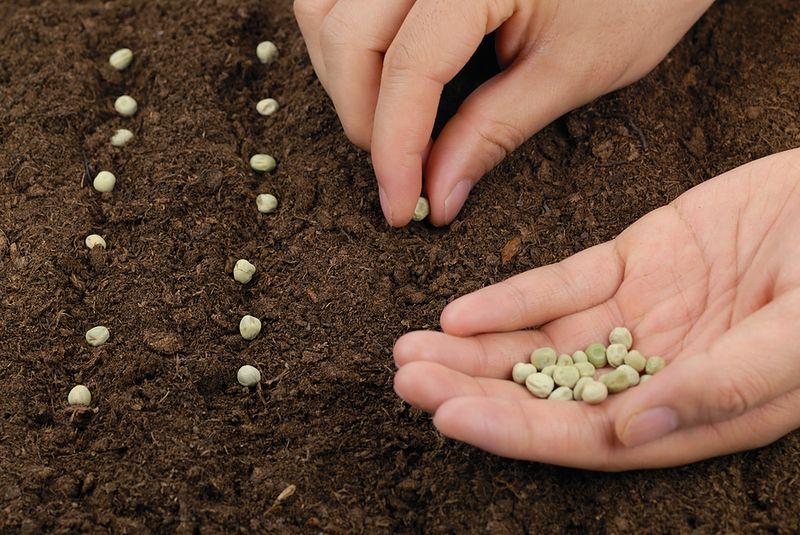
Peas are cool-season crops that prefer mild temperatures for both germination and pod fill, which makes a July sowing in Oregon a bit of a balancing act.
Soil in July is warm, sometimes too warm for comfortable pea germination, so keeping the seedbed moist and shaded slightly can help seeds sprout more reliably.
The timing challenge is real. Peas sown too late in July may not reach full production before fall frosts arrive, especially in Central Oregon, higher-elevation gardens, or inland valleys where frost can come earlier than coastal and Willamette Valley sites.
Choosing varieties with 60 days or fewer to maturity gives the best odds of a harvest before frost ends the season.
Enation mosaic virus is a common pea disease in the Pacific Northwest, and choosing resistant varieties reduces the risk of losing plants before they produce.
Many seed companies offer varieties specifically suited to Pacific Northwest conditions, and those selections tend to perform better than generic catalog picks.
Provide a trellis or support structure from the beginning, since pea vines climb quickly once established. Water steadily through the dry Oregon summer, and watch for powdery mildew as nights cool in fall.
A well-timed July pea sowing can deliver a satisfying harvest that many gardeners find worth the extra care required.
7. Radishes Race Toward A Fall Harvest
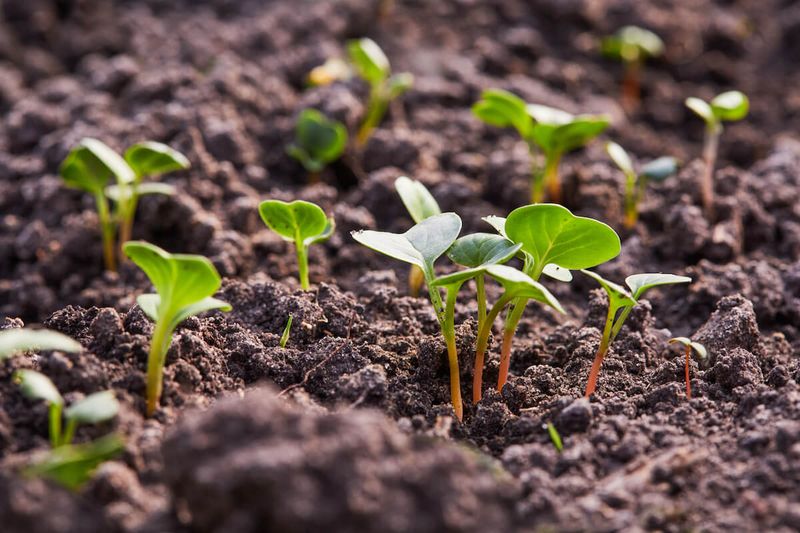
Radishes are the speedsters of the fall vegetable garden, maturing in as few as 25 to 30 days from direct sowing.
That fast turnaround makes them one of the easiest and most satisfying crops to direct sow in July, since even a late planting can produce a harvest before the first frost arrives in most Oregon regions.
The main quality concern with summer-sown radishes is keeping roots tender rather than pithy and hot-flavored. Slow growth caused by dry soil or heat stress leads to tough, overly spicy radishes that are less enjoyable at the table.
Consistent watering through the dry Oregon summer is the most important factor in producing crisp, mild roots.
Radishes can be sown in succession every week or two through July and into August, giving a steady supply of fresh roots rather than a single large harvest all at once.
Small-space gardeners can tuck radish seeds between slower-growing crops like carrots or kale, using the space efficiently while waiting for larger plants to fill in.
Pull radishes promptly when they reach harvest size. Roots left in the ground too long split, become woody, or bolt to seed, especially as temperatures fluctuate in early fall.
A quick check every few days keeps the harvest window from closing before you notice the roots are ready.
8. Turnips Give Roots And Greens
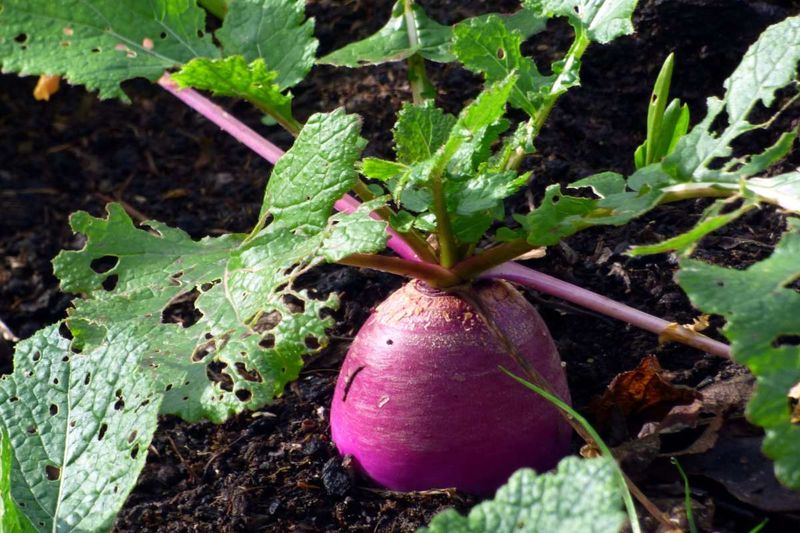
Turnips offer a two-for-one deal that many gardeners overlook. The roots are the main harvest, but the leafy tops are edible too and can be used like other cooking greens.
A July direct sowing gives turnips time to size up before fall frosts arrive, and the roots actually develop better flavor as temperatures cool through September and October.
Most turnip varieties mature in 40 to 60 days, which fits the July-to-fall timeline well across much of Oregon.
In cooler regions with earlier frost dates, choosing faster varieties and sowing in early July rather than mid or late month gives roots more time to develop before cold weather arrives.
Turnips prefer consistent soil moisture for even root development. Irregular watering causes roots to crack or develop a tough, fibrous texture that is less appealing at the table.
Raised beds with good drainage and amended soil tend to produce rounder, more uniform roots than heavy clay soils.
Flea beetles are a common pest on turnip seedlings in Oregon summer gardens. Row cover fabric placed over the seedbed right after sowing can protect young plants during the vulnerable early weeks.
Once plants reach a good size, they are better able to handle minor insect pressure without losing significant quality or yield.
9. Spinach Works Best From Late July
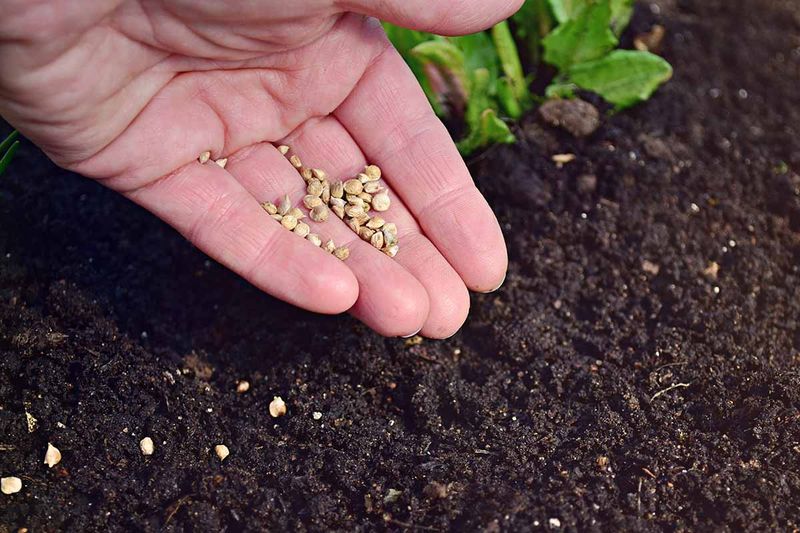
Spinach is a cool-season crop that struggles to germinate in hot, dry soil, which is exactly what much of Oregon offers during early to mid-July.
Waiting until the last week of July to direct sow spinach gives the soil a chance to cool slightly and reduces the risk of germination failure caused by heat stress.
Soil temperatures above 85 degrees Fahrenheit can prevent spinach seeds from sprouting reliably.
Watering the seedbed thoroughly before sowing and covering it with light shade cloth or row cover fabric can help bring surface temperatures down enough to improve germination.
Some gardeners pre-chill spinach seeds in the refrigerator for a day before sowing to improve results in warm conditions.
Once seedlings are up, spinach grows quickly in the cooling weather of late summer and early fall. It handles light frosts well and can continue producing into November in mild parts of western Oregon, including many Willamette Valley and coastal gardens.
Choose smooth-leaf or semi-savoy varieties for easier washing, and look for varieties with downy mildew resistance since that disease can affect spinach in the damp conditions common in Oregon fall gardens.
Thin seedlings to three to four inches apart so each plant has enough space to develop full, productive leaves before the harvest window closes.
10. Swiss Chard Handles Heat Better Than Spinach
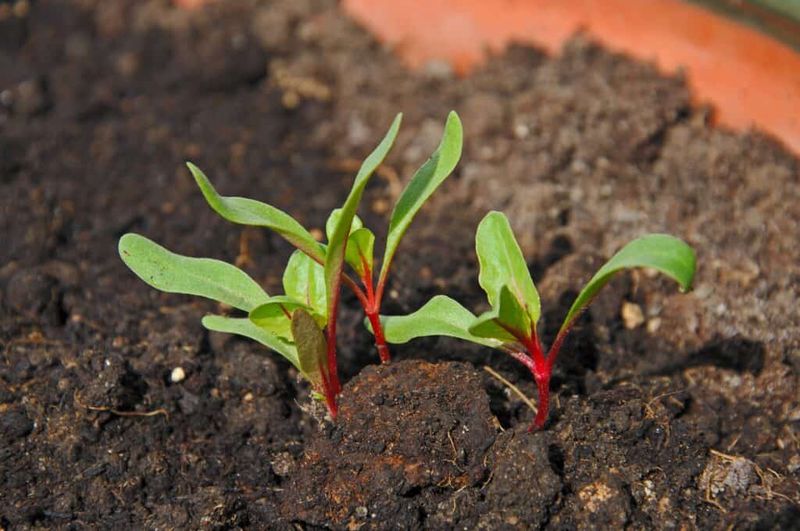
When summer heat makes spinach germination unreliable, Swiss chard steps in as a more heat-tolerant alternative for July direct sowing.
Chard belongs to the same plant family as beets, and like beets, it handles warm soil and summer temperatures better than most leafy greens, making it a practical choice for gardeners who want productive greens from a mid-summer planting.
Chard sown in July can begin producing harvestable leaves in about 50 to 60 days, depending on variety and growing conditions. That timeline fits the fall harvest window for most Willamette Valley, coastal, and mild inland Oregon gardens.
In regions with early fall frosts, sowing in the first half of July rather than the second half gives plants more time to establish before cold weather arrives.
The colorful stems of Rainbow or Bright Lights varieties add visual interest to the garden as well as the table.
Flavor and texture are similar across stem colors, so variety choice can come down to personal preference or what is available from local seed sources.
Harvest outer leaves regularly to keep plants productive rather than letting them grow large and tough.
Chard can tolerate light frosts, which extends the harvest season into fall and sometimes early winter in mild Oregon garden sites, giving July-sown plants a long and useful production window.