North Carolina HOA Plant Rules Homeowners Have The Right To Challenge

HOA plant restrictions can feel absolute, and most North Carolina homeowners accept them without ever questioning whether the rules being enforced actually hold up legally or align with what state law permits. Some do not.
While North Carolina law provides specific statutory protection for irrigation needs during severe, extreme, or exceptional droughts when government water-conservation measures are in place, it offers no such broad protection for eco-friendly yards.
Consequently, current state law does not prevent HOAs from regulating or restricting native plants, pollinator gardens, water-wise landscaping, or food gardens.
The rules that get enforced most aggressively are not always the ones with the strongest legal footing.
Knowing where the governing documents, state drought-irrigation rules, and required fine procedures limit an HOA’s authority can make the conversation with an HOA board more balanced.
1. What North Carolina HOA Plant Rules Usually Cover

Most homeowners picture a simple lawn when they think about HOA rules, but plant restrictions can reach a lot further than that.
North Carolina HOA plant rules often cover a wide range of outdoor features, and knowing the full scope helps you spot when a rule might not actually apply to your situation.
Gardens, flower beds, vegetable patches, and ornamental shrubs are commonly regulated.
Some associations go further and address specific tree species, hedge heights, or the use of mulch and ground cover.
Invasive plant species are another area that many HOAs monitor, especially when they can spread to neighboring properties. Architectural approval requirements are also part of many plant rules.
Before you install a raised garden bed, plant a privacy hedge, or add a new tree, some HOAs require you to submit a written request and get board approval first.
Skipping that step can lead to a violation notice even if your plants look perfectly fine.
Lawn care standards, such as mowing frequency and weed control, are frequently included too. Some rules even address holiday or seasonal decorations placed in garden beds.
The scope can feel overwhelming, but understanding what your HOA actually regulates gives you a clearer picture of where you have room to push back.
Not every plant-related complaint from a neighbor or board member is backed by an actual written rule.
That difference matters enormously when you are deciding whether to comply or challenge the issue head-on.
2. Where HOA Plant Restrictions Come From
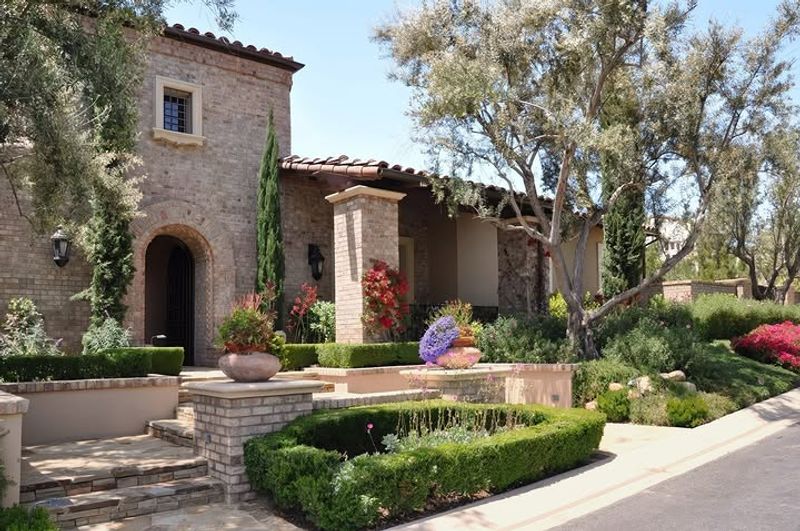
Many homeowners assume there is one big rulebook that covers everything their HOA can and cannot do.
In reality, plant restrictions in North Carolina communities are usually scattered across several different documents, and that matters when you want to challenge a rule.
The Declaration of Covenants, Conditions, and Restrictions, often called the CC&Rs, is typically the primary source.
This document is recorded with the county and carries the most legal weight. It may contain broad language about landscaping standards or specific prohibitions on certain plant types.
Beyond the CC&Rs, bylaws govern how the HOA operates internally, while architectural guidelines or design standards often contain more detailed plant and landscaping requirements.
Your North Carolina Garden Changes Every Week. Your Plan Should Too.
Gardening in North Carolina changes quickly throughout the season. Every Friday you’ll receive a simple weekly plan showing exactly what to plant, prune, fertilize, harvest, and protect so you never miss the right timing.
These guidelines are sometimes adopted by the board without a full homeowner vote, which can affect how enforceable they really are.
Board-adopted rules are another layer to watch. These rules can be added or changed more easily than the CC&Rs, but they also have limits.
If a board-adopted rule conflicts with the original declaration, the declaration usually wins. That is a powerful piece of information if you are facing a plant restriction that seems to have appeared out of nowhere.
There is no standalone North Carolina state law called a plant rule.
Depending on the type and age of the community, North Carolina HOA issues may be governed by the Planned Community Act, the Condominium Act or Unit Ownership Act, the Nonprofit Corporation Act, and the community’s recorded declaration and bylaws.
Knowing where a specific plant restriction comes from is your first step toward figuring out whether it can be challenged successfully.
3. Why Homeowners Should Read The Governing Documents First
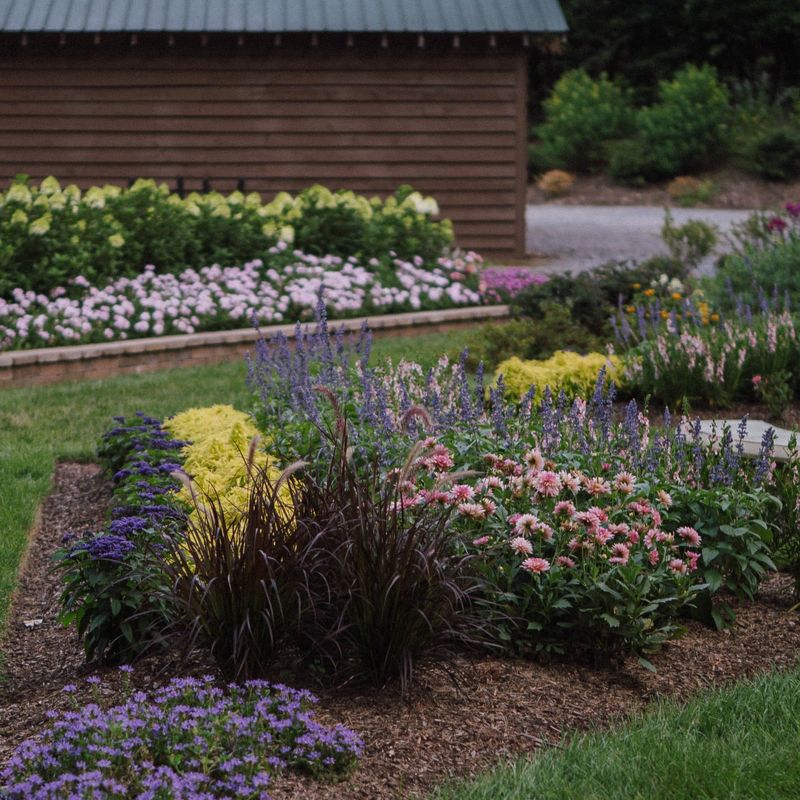
Before you respond to any HOA complaint about your garden or landscaping, do yourself one huge favor: read the actual governing documents.
It sounds simple, but many homeowners skip this step and end up agreeing to changes they never had to make in the first place.
Start with the CC&Rs, then move on to the bylaws and any architectural or landscaping guidelines your HOA has published. Read them carefully and look for specific language related to your situation.
Vague or general wording like maintain a neat appearance can be interpreted in many ways, and that ambiguity can actually work in your favor.
Pay close attention to whether the HOA has written authority to regulate the specific plant, tree, garden structure, or landscaping element in question.
If the documents do not clearly grant that power, the HOA may be overstepping.
Boards sometimes enforce unwritten expectations or personal preferences that have no actual backing in the official rules. Check amendment dates too.
Rules that were added recently may not have followed the proper amendment process, which can make them vulnerable to challenge.
Some amendments require a supermajority vote from homeowners to become valid, and skipping that process is a serious procedural problem.
Bring a highlighter and sticky notes. Mark every section that relates to your landscaping issue and write down any questions that come up as you read.
Having a clear picture of what the documents actually say puts you in a much stronger position before you attend any hearing or send any written response to the board.
4. The Right To Challenge An Alleged Plant Rule Violation

Getting a violation notice in the mail about your garden can feel stressful, but it does not mean the HOA automatically wins.
North Carolina homeowners have real legal rights when it comes to challenging HOA enforcement actions, and using those rights is completely appropriate.
Under the North Carolina Planned Community Act, an HOA cannot impose fines or suspend privileges without first giving the homeowner notice of the violation, an opportunity to present evidence at a hearing, and formal notice of the final decision.
However, this standard process applies only if the community’s specific declaration does not already outline its own alternative procedure.
The notice should identify the charge well enough for the owner to respond, and if a fine is imposed for a continuing violation, daily fines may begin only for each day more than five days after the decision that the violation continues.
Vague notices that skip these details may not meet the legal standard.
Unless the community’s declaration outlines a specific process, the Planned Community Act requires a hearing before the executive board or an adjudicatory panel to decide if a homeowner will face fines or suspended privileges.
That hearing is your opportunity to present your side of the story, share evidence, and ask questions about the rule being enforced.
Showing up prepared and organized makes a real impression on board members and can shift the outcome in your favor.
Some HOAs try to skip the hearing step or rush the process, especially for minor landscaping issues. Do not let that happen without speaking up.
If the HOA does not follow the required statutory or declaration procedure, the resulting fine or suspension may be vulnerable to challenge on procedural grounds, separate from whether the plant rule itself was valid.
Keep every piece of written communication you receive from the HOA. Reply to notices in writing whenever possible, and always keep copies of your responses.
Creating a paper trail from the very beginning protects your rights and gives you solid documentation if the dispute escalates further down the road.
5. How To Prepare Evidence For An HOA Hearing
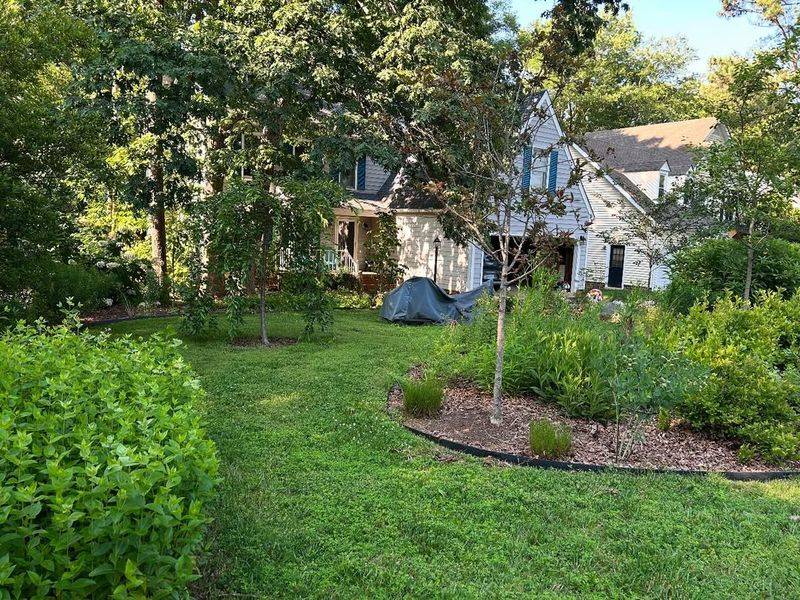
Walking into an HOA hearing without preparation is like showing up to a test without studying.
The good news is that gathering strong evidence for a plant rule dispute is very manageable once you know what to look for and how to organize it.
Photos are your most powerful tool. Take clear, dated pictures of your garden, lawn, or landscaping from multiple angles.
If you made changes over time, gather older photos that show what the space looked like before and after.
Visual evidence is hard to argue against and easy for board members to understand quickly. Approval emails and written permissions from past board members are gold.
If a previous board approved your garden design or gave you the green light on a specific plant, that written record can be used to show that the current enforcement action contradicts what was already agreed to.
Print those emails and bring them with you. Landscape plans, contractor receipts, and nursery purchase records help prove that your plants were intentionally selected and properly installed.
These documents also show that you approached the project seriously and professionally, which can influence how the board views your overall credibility. Neighbor comparisons can be surprisingly effective.
If similar landscaping exists in other yards throughout the community without any violation notices, that inconsistency is worth documenting.
Take photos of comparable situations and note the addresses for reference. Finally, bring a printed copy of the governing documents with the relevant sections highlighted.
Showing the board exactly where their authority does or does not exist, in their own words, is one of the most persuasive moves you can make at a hearing.
6. When A Plant Rule May Be Unreasonable Or Unevenly Enforced

Not every HOA plant rule is fair, clearly written, or consistently applied.
Some rules are vague enough to mean almost anything, and some boards enforce them selectively, which opens the door to a legitimate challenge based on how the rule is being used rather than just what it says.
Selective enforcement is one of the strongest arguments a homeowner can raise.
If your neighbor has the same type of garden, the same tree, or the same flower bed arrangement and has never received a violation notice, that inconsistency is significant.
North Carolina courts may consider arbitrary HOA enforcement on a case-by-case basis, but it is not an automatic defense.
Furthermore, state law does not require an internal dispute process and only encourages voluntary, non-mandatory mediation before litigation. Vague language is another vulnerability.
Rules that use terms like unsightly, excessive, or not in keeping with community standards without any further definition can be harder to enforce consistently and may give homeowners room to challenge how the rule is being applied.
If you cannot clearly understand what the rule requires, the HOA may struggle to prove you violated it.
Lack of valid authority in the declaration, articles, bylaws, or properly adopted rules can be a powerful challenge.
If the declaration, articles, bylaws, or validly adopted rules do not authorize the restriction being enforced, or if a board-adopted rule conflicts with higher-priority governing documents or state law, the HOA may have a weaker basis for enforcement.
Overreach is more common than many homeowners realize.
Failure to follow proper procedures, such as skipping required notice periods, holding hearings without proper notice, or imposing fines before a hearing occurs, can also invalidate an enforcement action on its own.
Procedural errors are separate from the merits of the underlying rule, and they matter just as much in a formal dispute. Knowing these angles gives you real options.
7. What Homeowners Can Do After The HOA Decision
Receiving an unfavorable HOA decision about your landscaping does not have to be the end of the road.
North Carolina homeowners have several practical options available after a board makes its ruling, and choosing the right next step depends on your specific situation and goals.
Start by requesting the decision in writing if you did not already receive it that way.
A written decision gives you a clear record of what was decided, the reasons behind it, and any corrective actions the HOA expects.
That document becomes an important part of your file moving forward. Check your governing documents for an internal appeal process.
For fines or suspensions decided by an adjudicatory panel under the Planned Community Act, the lot owner may appeal to the full executive board by delivering written notice within 15 days after the decision; any additional appeal process depends on the governing documents.
Taking advantage of that process before pursuing outside options is usually the most efficient and affordable path.
Negotiating a correction plan can be a smart middle-ground move. If the board is willing to work with you, you might agree to make specific adjustments over a set period of time while avoiding a fine.
This approach preserves the relationship with the board while still giving you some flexibility.
Consulting a North Carolina HOA attorney is worth considering when the stakes are high or the board is not responding reasonably.
An attorney familiar with the North Carolina Planned Community Act can assess whether the HOA overstepped its authority and advise you on your strongest legal arguments.
Outside dispute resolution, including voluntary prelitigation mediation or filing in civil court, remains an option when other approaches do not produce a fair result.
North Carolina law provides homeowners with avenues to seek relief when an HOA acts outside its authority or fails to follow proper procedures.