What It Really Means When Blue Jays Keep Visiting Your Texas Yard
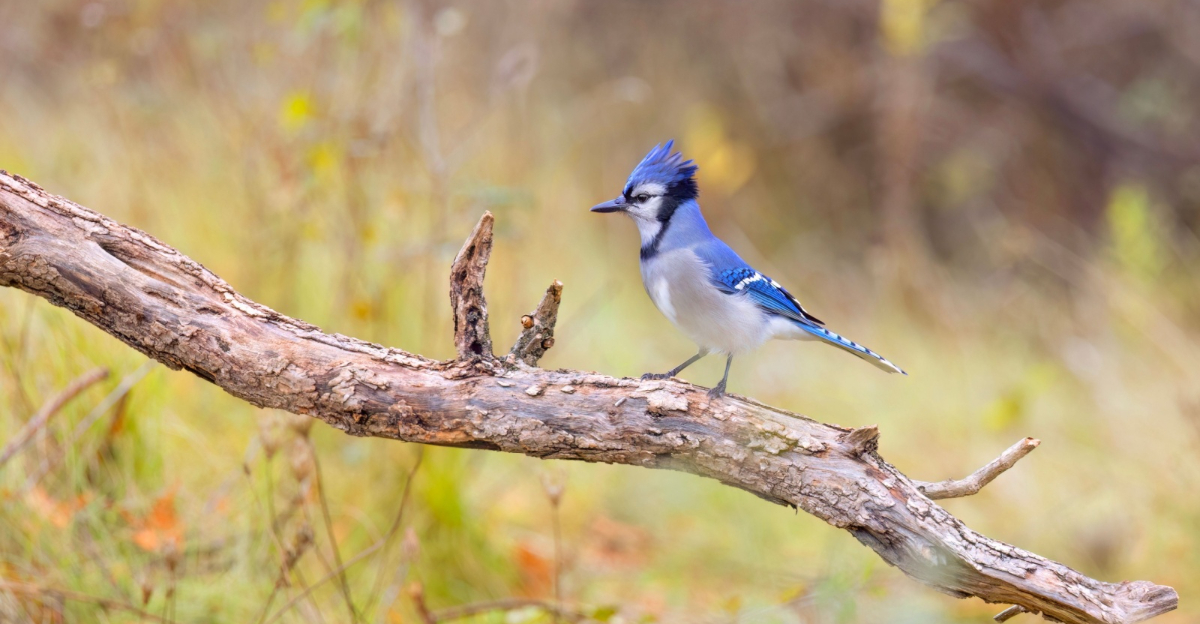
If a bold, bright blue bird has been showing up in your Texas yard with the kind of confidence that suggests it owns the place, that is almost certainly a Blue Jay, and honestly, it has earned that attitude.
These birds are hard to miss and even harder to ignore, with vivid blue feathers, loud calls, and a presence that immediately stands out against any backyard backdrop.
A lot of Texas homeowners find themselves wondering what all those repeat visits actually mean, and that is a completely reasonable thing to wonder.
Some people connect Blue Jay sightings to something deeper and more personal, and those meanings are real and worth exploring.
But there is also a very practical side to why these birds keep coming back to certain yards, and that side of the story is just as interesting.
1. It May Feel Like A Sign Of Curiosity Or Confidence
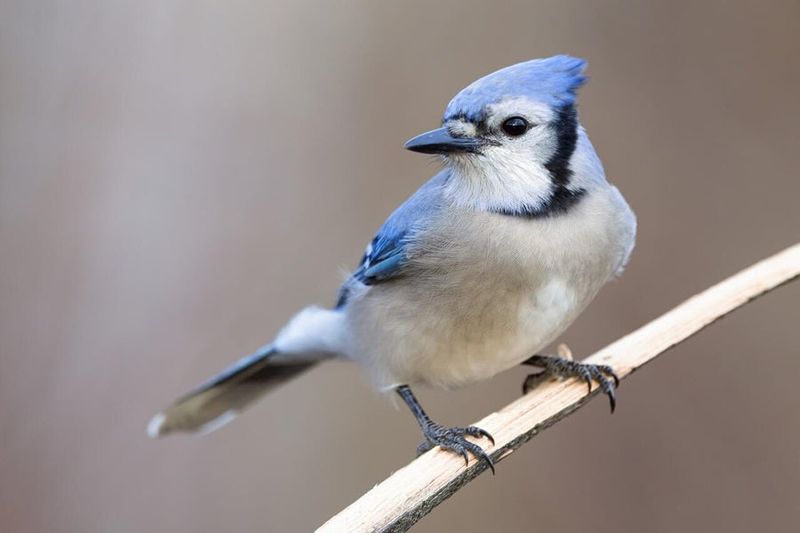
A bright blue bird landing on your fence and staring directly at you can feel like more than just a coincidence. Blue Jays carry themselves with a kind of boldness that makes their visits feel intentional, almost like they chose your yard on purpose.
That sense of confidence is part of what makes people attach meaning to their appearances.
Many people across Texas interpret repeated Blue Jay visits as a sign of curiosity, boldness, or even a message from the natural world.
These feelings are personal and cultural, and they are completely understandable given how striking the bird looks and behaves.
However, from a wildlife behavior standpoint, that confident posture is simply how Blue Jays carry themselves in general.
Blue Jays are naturally assertive birds that hold their ground, investigate new objects, and move through a yard with purpose. Their behavior can feel meaningful, but it reflects their species-wide personality rather than a specific message aimed at you.
Enjoying that boldness while also understanding what drives it makes watching them even more rewarding in any Texas backyard setting.
2. Your Yard May Offer Acorns Or Other Nuts
Acorns scattered beneath a live oak tree are one of the strongest reasons a Blue Jay might keep returning to a Texas yard. Blue Jays have a well-documented relationship with oak trees and acorns, and they actively seek yards where this food source is available.
If you have oak trees on or near your property, your yard may simply be on their regular foraging route.
Beyond acorns, Blue Jays also eat other nuts, seeds, and plant material when available. Pecans, which grow across many parts of Texas, can draw them in just as reliably as acorns.
A yard that sits near wooded edges, parks, or tree-lined streets gives Blue Jays even more reason to pass through frequently.
The connection between Blue Jays and oak trees is strong enough that birding resources often describe them as important players in oak forest spread, since they carry and cache acorns in locations where new trees can grow.
If your Texas yard or neighborhood has mature oaks nearby, you are likely offering one of the most attractive natural food sources these birds look for throughout the year.
Your Texas Garden Changes Every Week. Your Plan Should Too.
Gardening in Texas changes quickly throughout the season. Every Friday you’ll receive a simple weekly plan showing exactly what to plant, prune, fertilize, harvest, and protect so you never miss the right timing.
3. Bird Feeders May Be Encouraging Repeat Visits
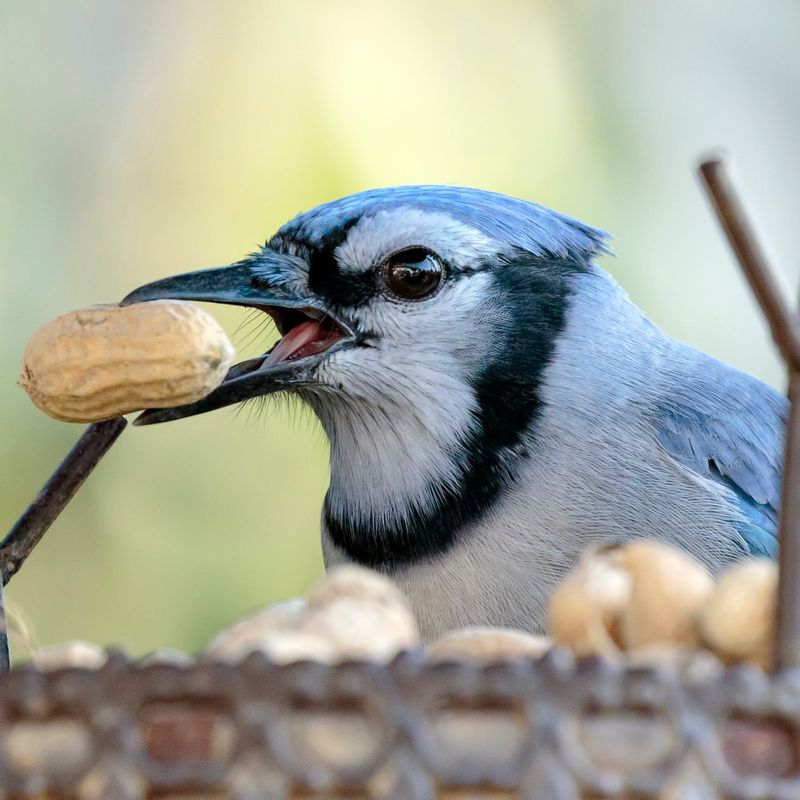
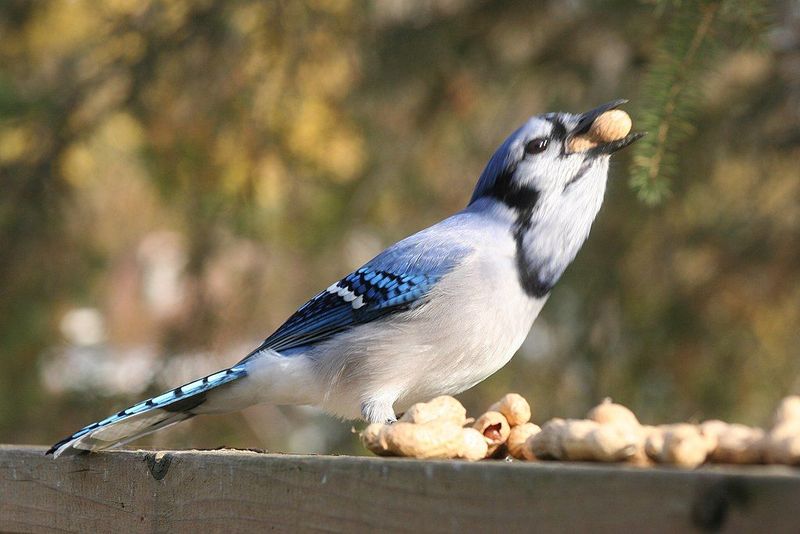
Peanuts sitting in a platform feeder have a way of bringing Blue Jays back to the same yard day after day. These birds are smart enough to remember reliable food sources, and a well-stocked feeder can quickly become a regular stop on their daily route.
Texas homeowners who offer peanuts in the shell, sunflower seeds, or other nuts often notice Blue Jays returning multiple times throughout the day.
Platform feeders tend to work especially well for Blue Jays because they are large birds that prefer open feeding areas where they can land comfortably and grab food quickly. Tube feeders with small perches may not attract them as reliably.
Placing a feeder in a spot that gives the birds a clear view of the surrounding yard also helps, since Blue Jays prefer to feed where they can watch for potential threats.
If your feeder is consistently stocked, do not be surprised when Blue Jays begin arriving at roughly the same times each day. They are creatures of habit when a food source proves dependable.
Keeping the feeder clean and the food fresh is one of the most straightforward ways to support visiting Blue Jays in a Texas yard responsibly.
4. A Birdbath May Be Drawing Them Back
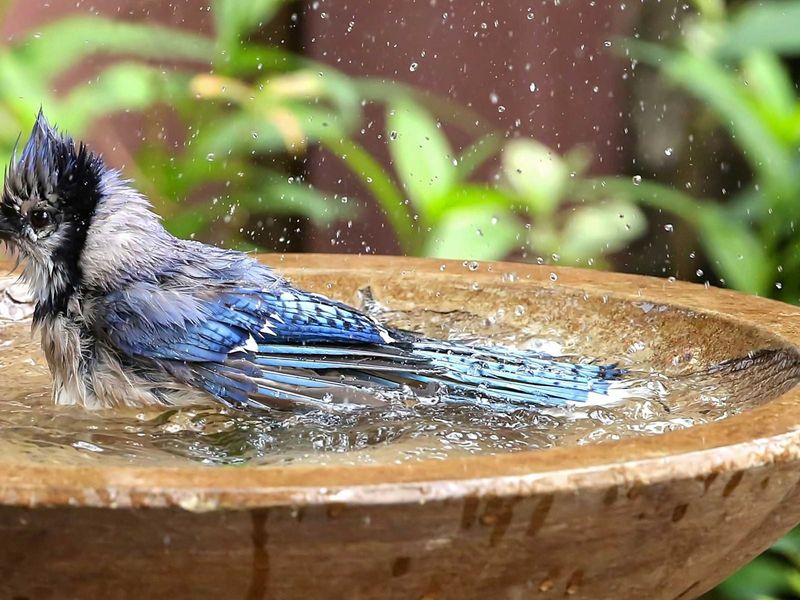
Water splashing at the edge of a birdbath is often a sign that a Blue Jay has found something it genuinely needs.
Fresh, clean water is one of the most consistent attractors for birds in Texas, particularly during hot summers when natural water sources can become scarce.
A birdbath placed in a visible, accessible spot can turn your yard into a regular stop for Blue Jays throughout multiple seasons.
Blue Jays use birdbaths for both drinking and bathing. Watching one of these birds splash around in shallow water is one of the more entertaining sights a Texas backyard can offer.
They tend to be enthusiastic bathers, and their size means they can move a fair amount of water in a short time.
Keeping the water fresh and the basin clean encourages repeat visits and supports bird health in general.
Moving water, such as a small dripper or fountain attachment, can make a birdbath even more attractive because birds are drawn to the sound and sight of flowing water.
If Blue Jays have been visiting your yard regularly, checking whether a water source is nearby may explain a good portion of their interest in your outdoor space.
5. Trees And Shrubs May Provide Safe Perches
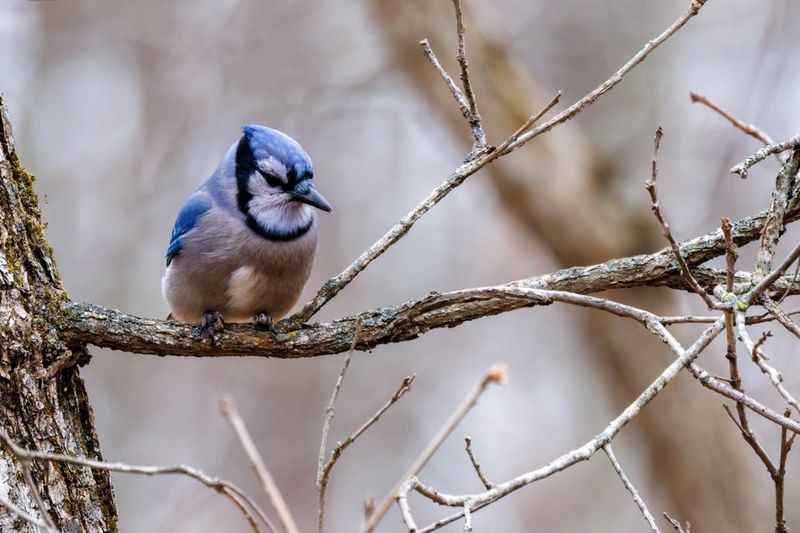
Oak branches, cedar shrubs, and dense native plantings give Blue Jays exactly what they look for when moving through a neighborhood.
These birds prefer to perch in elevated spots where they can observe their surroundings before landing on the ground or approaching a feeder.
A yard with tall trees or thick shrubs near a patio or fence line naturally offers that kind of structure.
In Texas, live oaks, cedar elms, and native shrubs like yaupon holly provide layered cover that Blue Jays find useful throughout the year. These plants offer not just perching spots but also shelter from weather and a place to pause between foraging trips.
A yard that lacks trees or shrubs may see fewer Blue Jay visits simply because the birds have fewer safe places to land and rest.
Adding native shrubs or allowing existing trees to mature can gradually make a Texas yard more welcoming to Blue Jays and many other bird species. Even a fence line bordered by dense plantings can serve as a travel corridor that birds use regularly.
The physical structure of your yard often matters just as much as the food and water you provide when it comes to encouraging repeat bird activity.
6. Their Loud Calls May Signal Activity Nearby
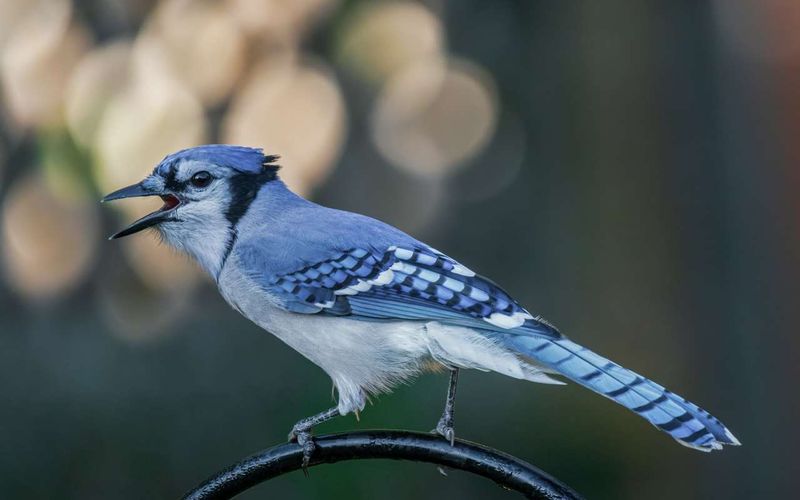
A sharp, loud call from somewhere in the oak canopy above your yard is often the first sign that a Blue Jay is nearby. These birds are vocal in ways that stand out clearly from the quieter sounds of most backyard wildlife.
Their calls carry across long distances, and in Texas neighborhoods with mature trees, you can often hear a Blue Jay before you ever see one.
Blue Jays use a range of calls for different purposes, including alerting other birds to potential threats, communicating within their group, or simply moving through a familiar area.
When they call repeatedly from your yard or the trees nearby, it often means they feel comfortable enough in the space to vocalize freely.
It can also mean they have spotted something worth paying attention to, such as a hawk or an unfamiliar animal moving through the area.
Some Texas homeowners notice that other smaller birds go quiet or scatter when a Blue Jay starts calling, which reflects how much influence these birds have on the local backyard community.
Rather than seeing those calls as disruptive, many birders appreciate them as a natural alarm system.
Paying attention to when and how often you hear Blue Jay calls can give you a clearer sense of the wildlife activity happening around your yard.
7. They May Be Caching Food Nearby
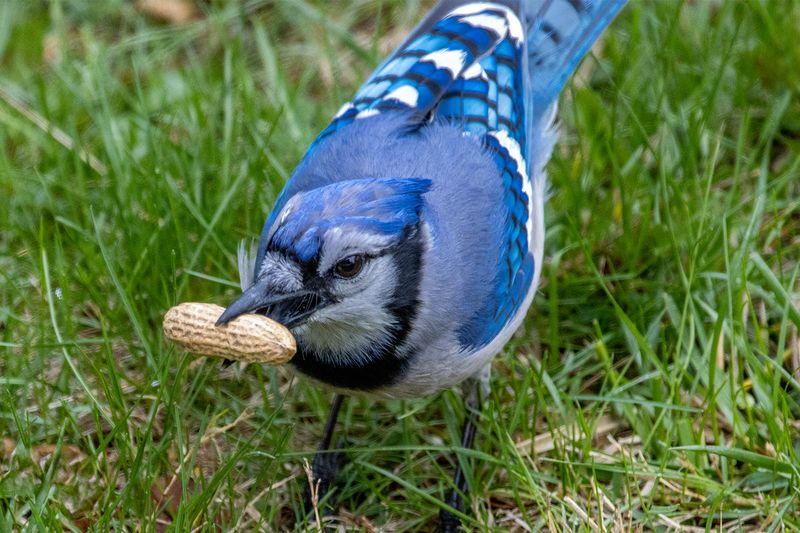
Watching a Blue Jay grab something from a feeder and fly off without eating it right away is a clue that something interesting is happening. Blue Jays are known for caching food, which means they carry food items to hidden spots and store them for later use.
This behavior is especially common in fall when acorns and nuts are plentiful across many Texas yards and neighborhoods.
A Blue Jay can carry multiple acorns at once using a specialized pouch in its throat along with its bill. It will then fly to a chosen spot, often a patch of soft soil, a garden bed, or a grassy area, and press the food into the ground for storage.
Your yard or the space immediately surrounding it may be serving as one of these storage sites without you even realizing it.
Caching behavior explains why a Blue Jay might visit your yard repeatedly even on days when the feeder appears empty. The bird may be returning to check on stored food rather than looking for a fresh meal.
Understanding this habit makes those quick, purposeful visits make a lot more sense and adds another layer of appreciation for how resourceful and organized these birds tend to be in Texas outdoor spaces.
8. Insects And Garden Food Sources May Be Available
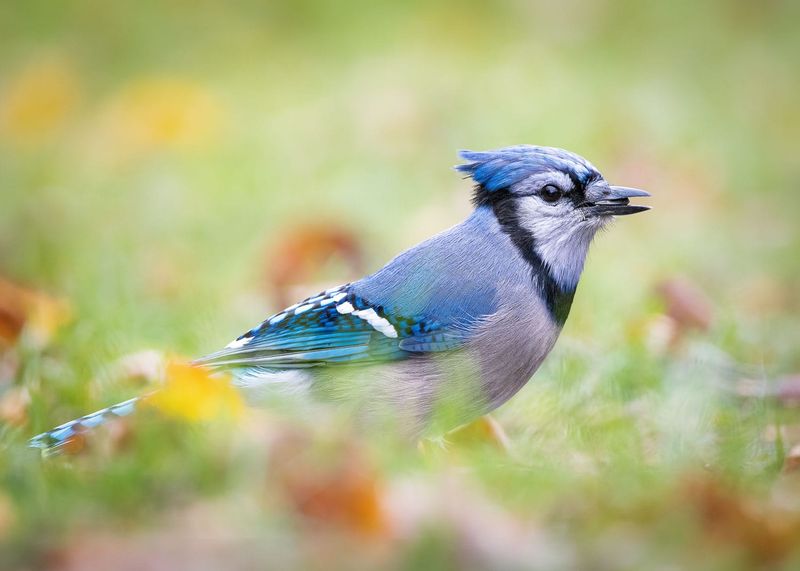
Garden beds, leaf litter, and grassy patches in a Texas yard can offer Blue Jays more than just a place to rest.
These birds are omnivores, meaning they eat both plant material and animal matter, and insects make up a meaningful part of their diet during certain seasons.
A yard with active garden beds, compost areas, or native plantings may be drawing Blue Jays in because of the insects living in and around the soil.
Grasshoppers, beetles, caterpillars, and other insects that appear in Texas yards throughout spring and summer can attract foraging Blue Jays that are looking for protein-rich food.
This is especially relevant during nesting season when parent birds need to feed growing chicks a more varied diet.
Even a small garden space with healthy soil activity can support this kind of foraging.
Reducing pesticide use in a Texas yard is one practical way to keep insect populations healthy enough to support visiting birds.
Native plants tend to host a wider variety of insects than non-native ornamentals, which makes them especially valuable for birds like Blue Jays that forage across different food types.
A yard that supports insects naturally ends up supporting a broader range of bird activity throughout the year.
9. Nesting Habitat May Be Close To Your Yard
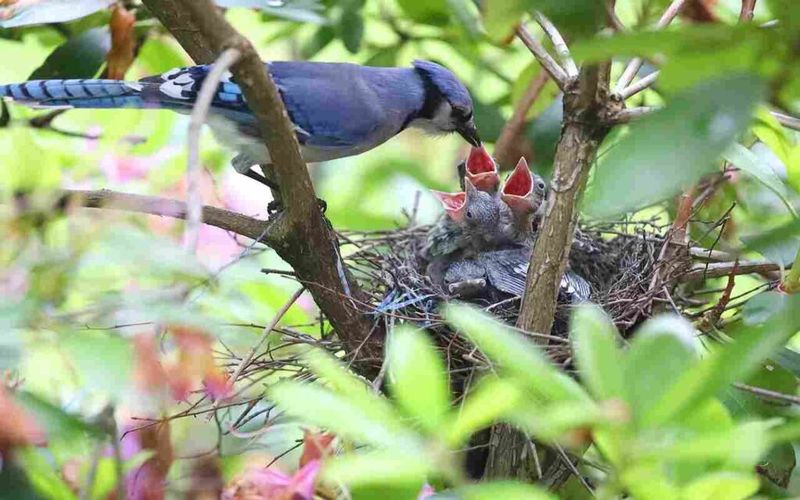
Nesting cover close to your yard could explain why a pair of Blue Jays keeps showing up with such regularity.
During breeding season, which can begin as early as spring in parts of Texas, Blue Jays look for dense trees or shrubs where they can build a cup-shaped nest.
Live oaks, cedar elms, and other mature trees common across Texas neighborhoods are frequently used for this purpose.
When Blue Jays are nesting nearby, they tend to visit the same food and water sources repeatedly because the demands of raising young birds require reliable resources close to home.
You might notice two birds visiting together, or one bird making frequent trips to a feeder and returning quickly to the same area of the yard.
These are signs that a nest may be active somewhere in or near your property.
Giving nesting Blue Jays space and avoiding unnecessary disturbance near suspected nest trees is the most supportive thing a Texas homeowner can do during this period.
Keeping feeders and birdbaths stocked without approaching the nest area helps birds feel secure enough to continue using your yard as a base.
Nesting activity nearby is one of the most meaningful reasons a Blue Jay might make your outdoor space part of its daily routine.
10. Blue Jay Visits Are Common In Many Texas Yards
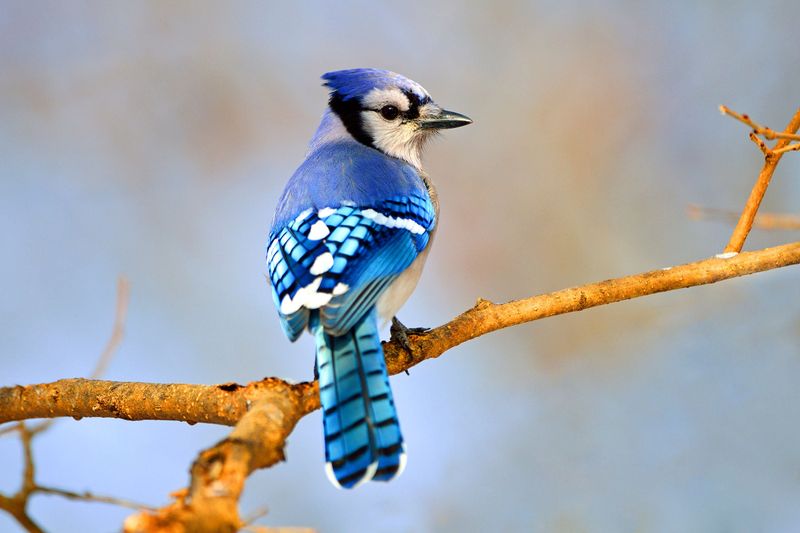
Across Texas, from the wooded neighborhoods of Austin to the tree-lined streets of Dallas and the suburban parks of San Antonio, Blue Jays are a familiar and well-established presence.
Their range covers much of the eastern and central parts of the state, and they tend to thrive in the kind of mixed suburban and wooded habitat that many Texas neighborhoods naturally provide.
If Blue Jays keep showing up in your yard, it likely means your space fits well within their preferred environment.
Blue Jays are not migratory in the traditional sense across most of Texas, which means the same individuals may be living in your general area year-round.
Repeat visits from what appears to be the same bird or pair of birds are common in yards that consistently offer food, water, and cover.
Over time, Blue Jays can become a predictable and welcome part of a Texas backyard’s daily rhythm.
Appreciating these visits for what they are, which is a sign that your yard supports healthy local wildlife, is a satisfying perspective for any Texas homeowner.
Whether you are watching them cache acorns beneath an oak or splash in a birdbath on a warm afternoon, Blue Jays bring energy and personality to outdoor spaces that few other birds can match.