Why Ohio Zinnias Get Brown Centers In July And What Gardeners Can Do About It
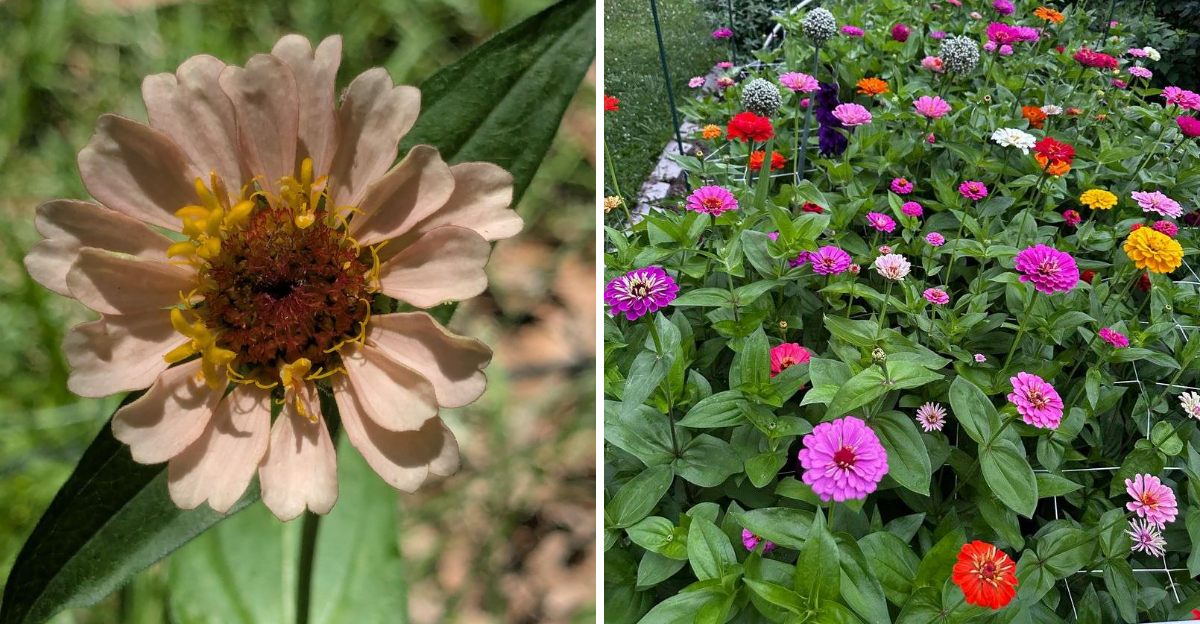
July in Ohio is supposed to be zinnia season, but sometimes those bright blooms start looking rough right when they should be at their best.
Brown centers can pop up fast, and most gardeners assume the worst without knowing what is actually going on.
The frustrating part is that several completely different problems can produce that same browning look, and treating for the wrong one wastes time and sometimes makes things worse.
Your watering habits, your plant spacing, the humidity hanging over Ohio every July night, and a few very specific insects are all capable of producing nearly identical symptoms on your zinnia flowers.
The good news is that a close inspection of your plants tells you almost everything you need to know.
Once you understand what is actually causing the browning, the fix is usually straightforward and does not require any expensive products or starting over from scratch.
Seven reasons explain why Ohio zinnias develop brown centers in July, and the last item pulls everything together into a simple plan for getting your bed back on track before summer ends.
1. Spent Blooms Are Going To Seed
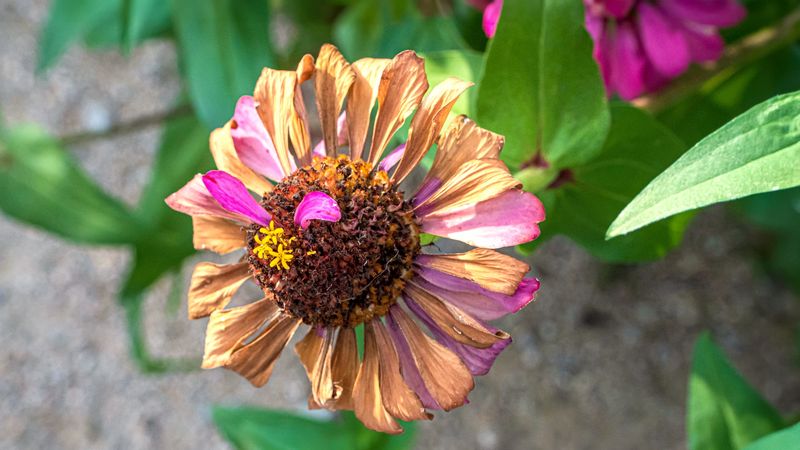
Not every brown center means something has gone wrong. Sometimes a zinnia is simply doing exactly what nature designed it to do, and that is make seeds.
When a bloom reaches the end of its cycle, the petals start to fade and pull back, and the center darkens as the flower shifts its energy toward seed production.
This is completely normal, and it happens faster in the heat of July.
Ohio summers push zinnias hard. Long days, warm nights, and plenty of sunshine mean flowers open and age quickly.
A bloom that looked perfect on Monday can have a brown, drying center by Thursday. That browning center is packed with developing seeds, and the plant is happy to leave it there if you let it.
The challenge is that a seeding flower signals the plant to slow down on making new blooms.
Once the plant thinks its job is done, flower production drops noticeably. Gardeners who want continuous color through August and September need to stay on top of this process.
Check your plants every few days and look for petals that feel papery or are starting to curl inward.
The center will feel dry and slightly rough rather than soft. Removing these blooms early keeps the plant focused on producing fresh flowers instead of finishing seeds.
2. Alternaria Spots Move Into Petals
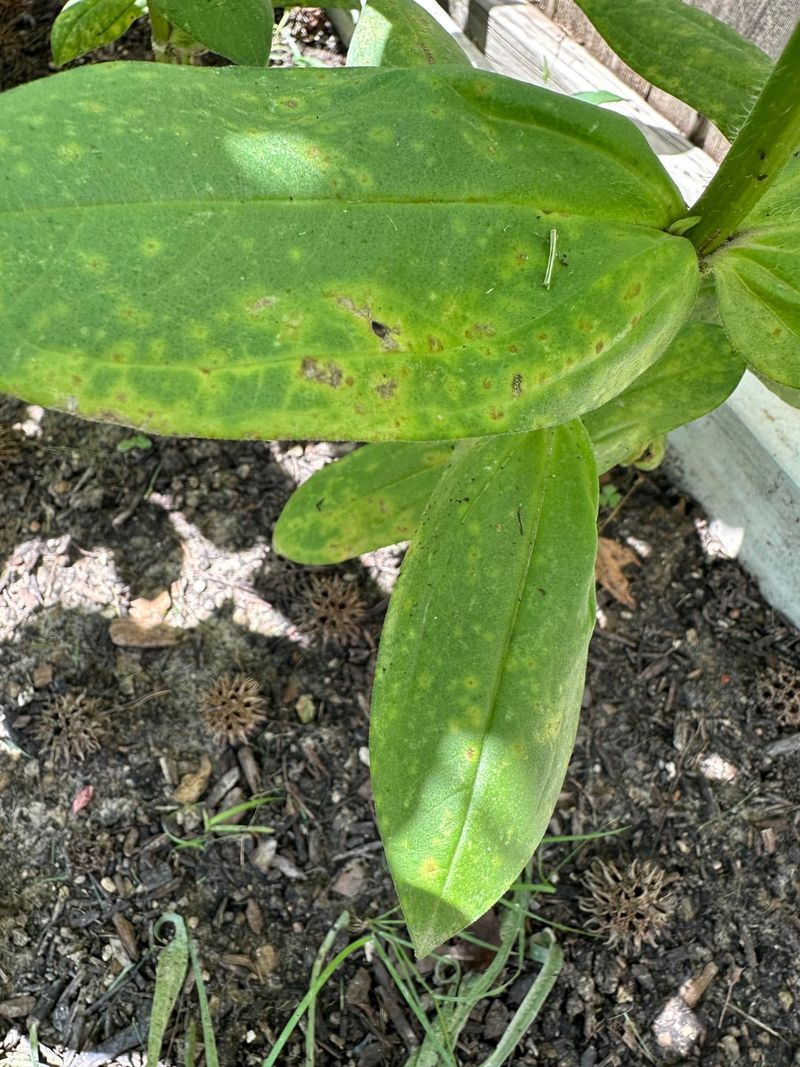
Alternaria blight is one of the most common fungal problems Ohio zinnia growers face, and it does not stay politely on the leaves.
Once this fungus gets going, it can spread from the foliage right up into the flower petals and center. The spots usually start as small, water-soaked areas that quickly turn brown or tan with a darker border around them.
Alternaria zinniae thrives when humidity is high and leaves stay wet for extended periods.
July in Ohio checks both of those boxes regularly. The fungus spreads through spores that travel on water droplets, wind, and even on your hands when you brush past plants.
Your Ohio Garden Changes Every Week. Your Plan Should Too.
Gardening in Ohio changes quickly throughout the season. Every Friday you’ll receive a simple weekly plan showing exactly what to plant, prune, fertilize, harvest, and protect so you never miss the right timing.
A garden that got rained on several days in a row is a perfect setup for an Alternaria outbreak.
What makes this tricky is that Alternaria spots on petals can look similar to normal aging or insect damage at first glance.
Look closely at the pattern. Fungal spots tend to have a defined edge, sometimes with a yellow halo, while normal aging browns from the center outward more evenly.
Checking the leaves at the same time helps confirm a fungal issue because the leaves will likely show matching spots.
Removing heavily spotted leaves and flowers slows the spread.
Avoid working in the garden when plants are wet, and consider a copper-based fungicide applied early in an outbreak to protect healthy tissue still on the plant.
3. Humid Nights Keep Centers Wet
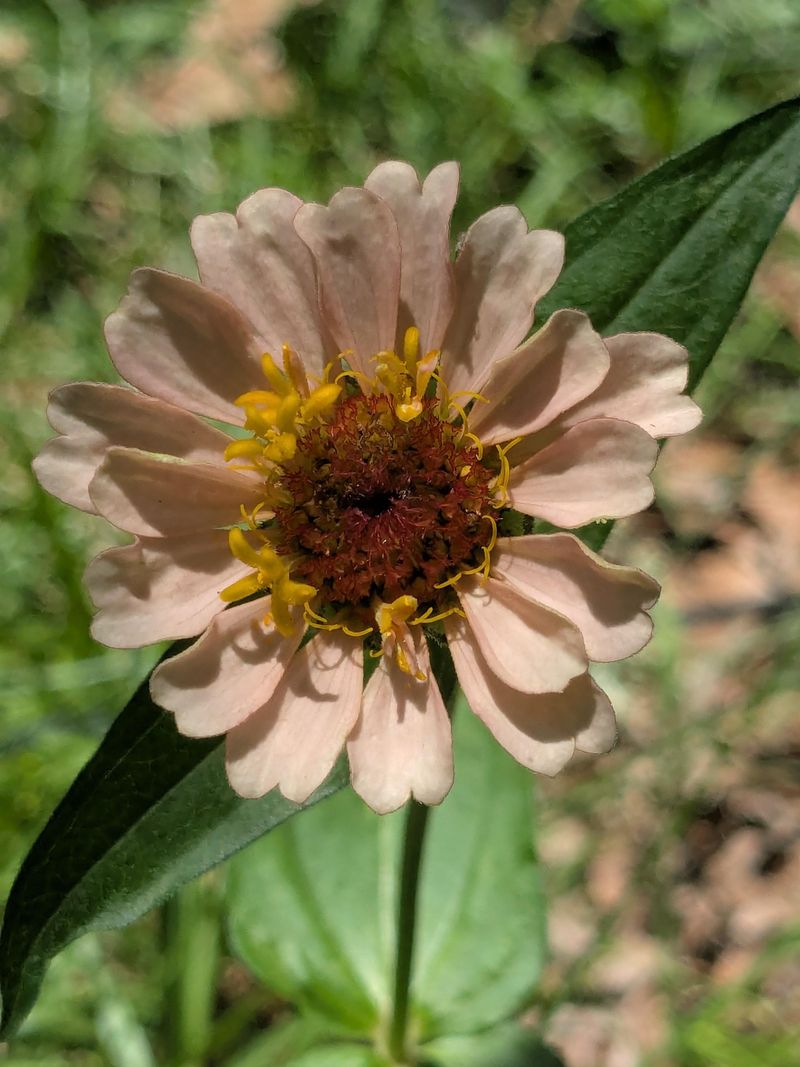
Ohio humidity in July is no joke.
The air gets thick and sticky by afternoon, and nighttime temperatures stay warm enough that moisture does not evaporate the way it would in a drier climate.
That combination means zinnia flowers that picked up any moisture during the day are still wet when the sun goes down, and they stay that way until morning.
Flower centers are particularly vulnerable because of their structure.
The tightly packed petals and disc florets in the center of a zinnia trap moisture and hold it close.
When that center stays damp for eight to ten hours overnight, fungal spores that landed on the plant have exactly the warm, wet environment they need to germinate and start spreading.
Botrytis blight is another fungal issue that loves humid Ohio nights.
It tends to show up as a soft, grayish-brown rot that starts at the center of the flower and works outward. Late summer nights in Ohio can get cool enough after a hot day to create ideal conditions for this particular problem.
Improving airflow around your plants is one of the most effective ways to fight humidity-related browning.
Thinning crowded stems, removing faded blooms promptly, and positioning zinnias where morning sun hits them first all help flowers dry out faster.
A plant that dries off by mid-morning is far less likely to develop fungal problems than one shaded until noon.
4. Overhead Watering Starts The Trouble
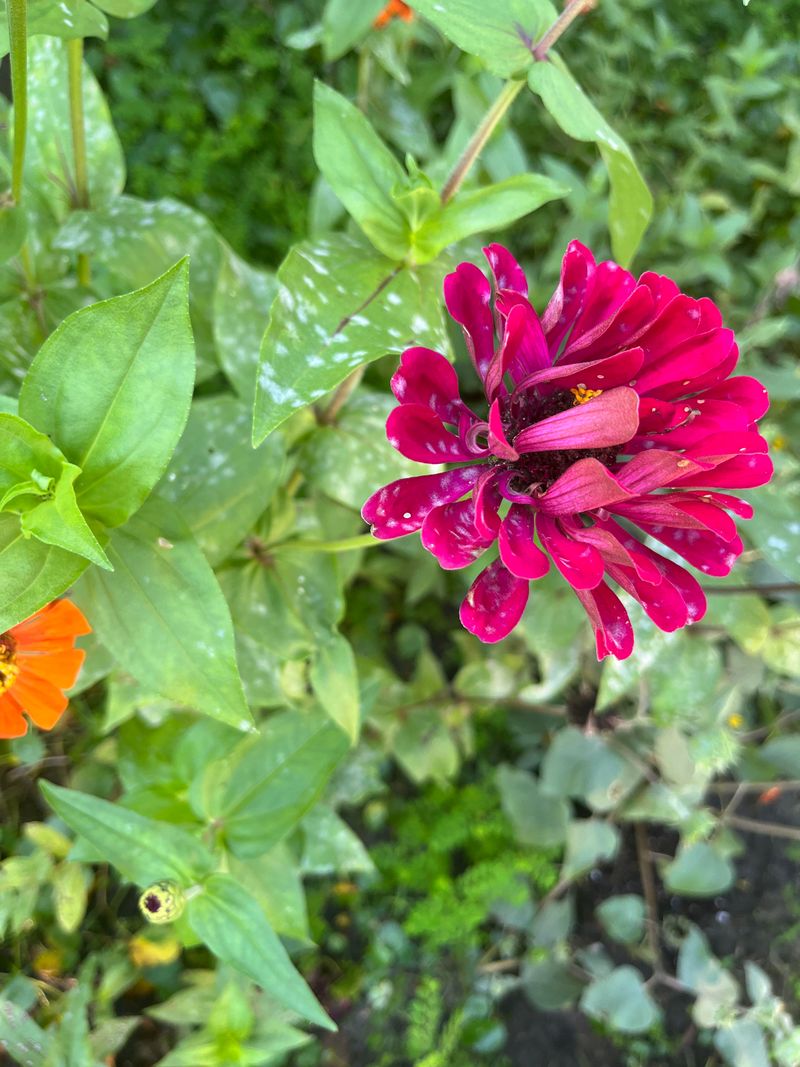
Watering habits matter more for zinnias than many gardeners realize.
Running a sprinkler over the top of your flower beds might seem like the easiest approach on a hot July afternoon, but every drop that lands on a flower center or a leaf is an invitation for fungal problems.
Zinnias are heavy drinkers at the roots but do not appreciate getting their heads wet.
When water sits in the center of a zinnia bloom, it creates a small, humid pocket that fungal spores find irresistible.
Alternaria and powdery mildew both spread more aggressively on foliage that gets regularly wet from above.
Ohio State University Extension consistently recommends watering at soil level as one of the most important steps in preventing zinnia disease.
Soaker hoses and drip irrigation are the gold standard for zinnia beds.
They deliver water directly to the root zone without touching the plant above ground. If you only have a hose and a standard nozzle, try watering early in the morning and aiming the stream at the base of the plant rather than broadcasting it over the whole bed.
Timing matters just as much as method.
Morning watering gives any accidental splash on leaves or stems a full day of sunshine to dry off. Evening watering is the worst choice because plants go into the night already wet.
Making this one adjustment to your routine can reduce brown center problems noticeably within a week or two.
5. Crowded Plants Lose Airflow Fast
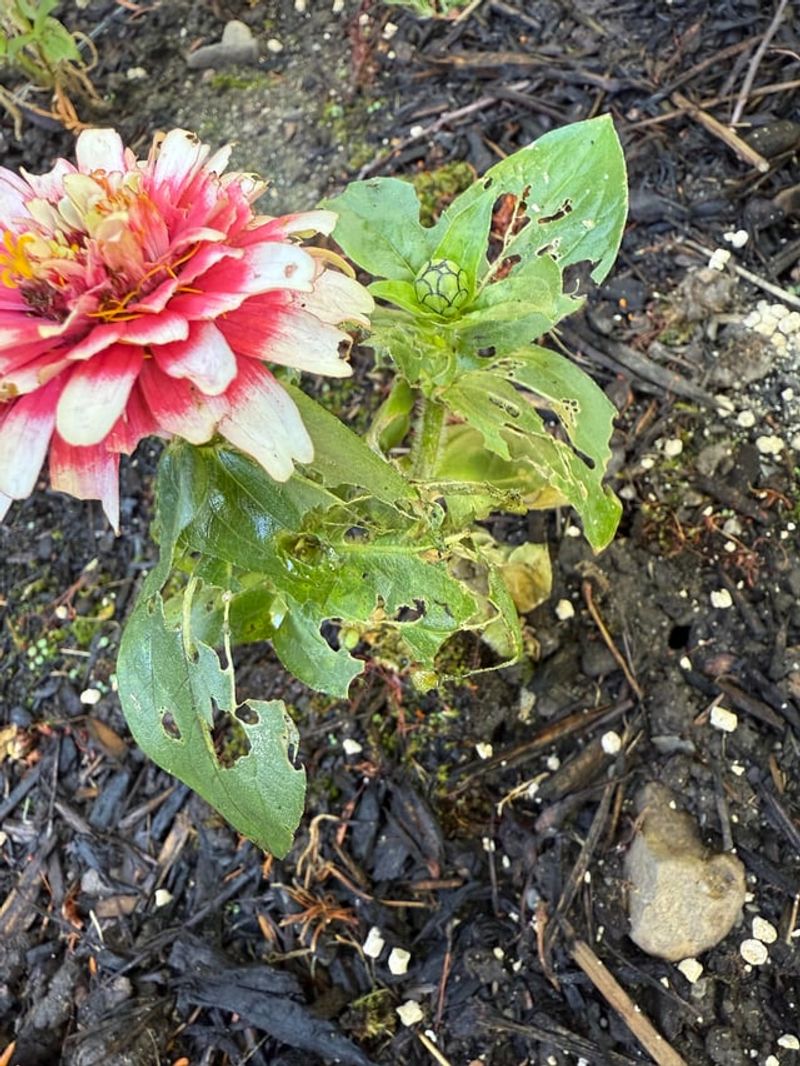
Zinnias are social flowers, but they do not like being crammed together.
When plants are spaced too closely, their leaves and stems overlap, creating a thick canopy that traps warm, humid air right where it can do the most harm.
That trapped moisture is a breeding ground for the fungal diseases that cause brown centers and spotty petals.
Many gardeners plant zinnias generously in spring, thinking more plants means more color. That is true early in the season when plants are small.
By July, those same plants have grown into each other, and the bed that looked cheerful in June has turned into a dense, poorly ventilated tangle. Airflow between plants drops dramatically, and disease pressure goes up just as fast.
University extension guides recommend spacing standard zinnia varieties at least twelve to eighteen inches apart, with larger varieties needing up to twenty-four inches of breathing room.
If your current planting is already too tight, thinning out some plants mid-season can actually improve the performance of the ones you leave behind.
It feels counterproductive, but the remaining plants will be healthier and more productive.
Even without replanting, you can improve airflow by removing lower leaves that touch the soil or press against neighboring plants.
Stripping the bottom third of the stem keeps air moving at ground level where moisture tends to pool.
Combine good spacing with morning watering and prompt trimming, and your zinnia bed will stay far healthier through the rest of the summer season.
6. Japanese Beetles Rough Up Fresh Blooms
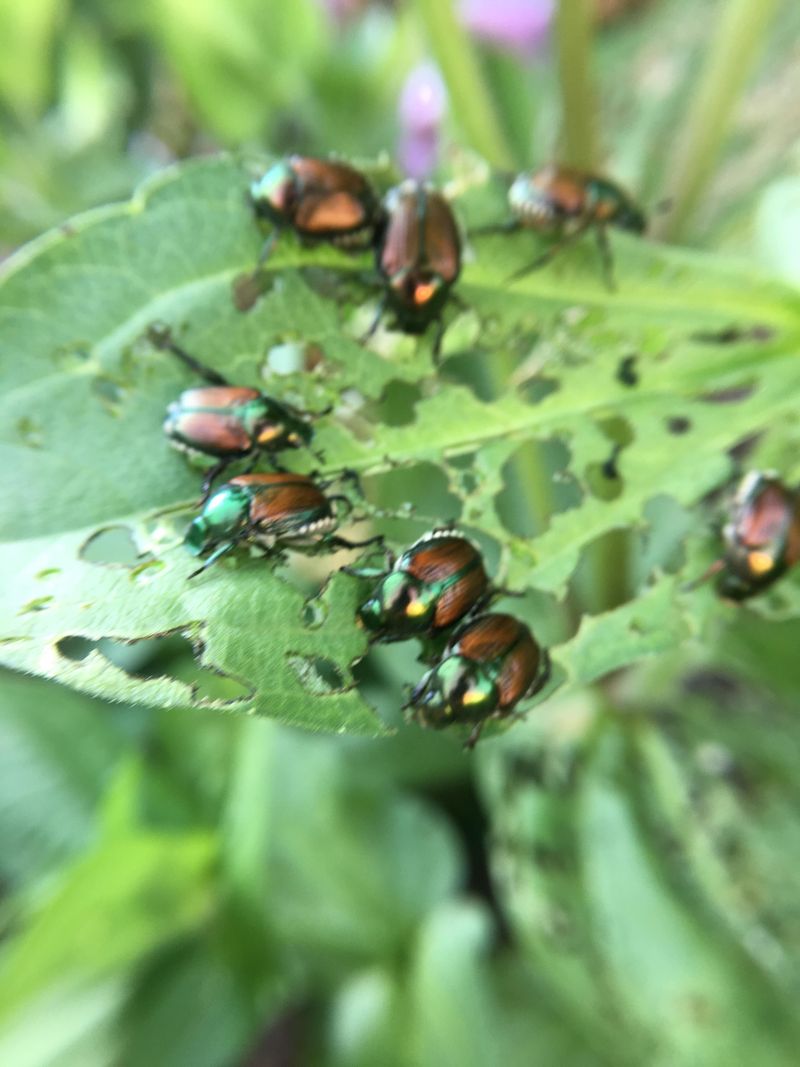
Few garden pests are as brazen as the Japanese beetle.
These shiny, copper-and-green insects show up in Ohio right around late June and stay active through August, which puts them squarely in the middle of zinnia season.
They tend to feed in groups, and they have a particular fondness for flower centers where the tissue is soft and easy to chew through.
When Japanese beetles feed on a zinnia bloom, they leave behind a ragged, chewed-up center that quickly turns brown as the damaged tissue breaks down.
From a distance, this can look almost identical to fungal browning or normal aging. Up close, though, the damage looks different.
You will see torn and missing petals, irregular holes in the center disc, and sometimes the beetles themselves still sitting right there, completely unbothered.
Hand-picking is the most effective control for small gardens.
Drop the beetles into a bucket of soapy water in the early morning when they are sluggish and easier to catch.
Avoid using Japanese beetle traps near your flower beds because research consistently shows that traps attract more beetles than they capture, making the problem worse rather than better.
Neem oil applied in the evening can deter feeding, though it works best as a preventive measure rather than a cure once beetles are already active.
Checking plants daily during peak beetle season, typically the first three weeks of July in Ohio, gives you the best chance of catching damage early and protecting your best blooms.
7. Clip Old Flowers Before Seed Forms
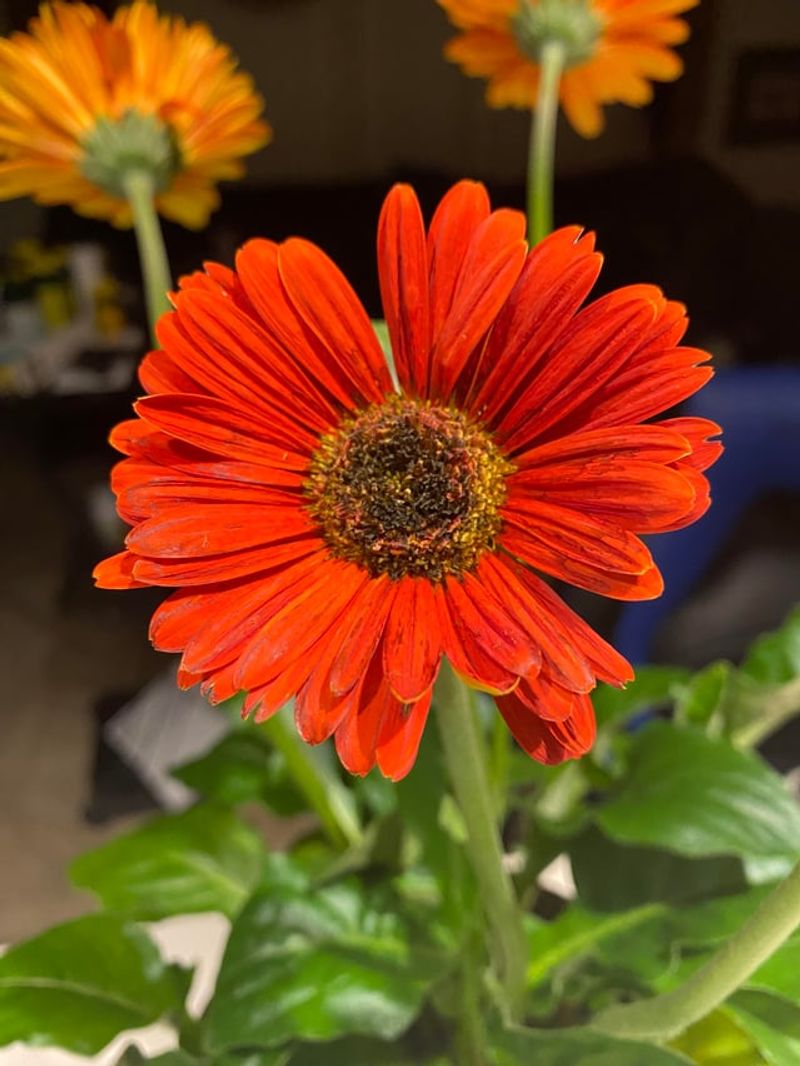
Trimming is one of those gardening tasks that feels almost too simple to matter, but the results speak for themselves.
Clipping old zinnia blooms before they go to seed is the single most reliable way to keep plants producing fresh flowers through the end of summer.
Skip this step, and the plant shifts into seed-making mode and slows down on blooming noticeably.
The key is timing. You want to remove blooms just as they start to look tired, not after they have already gone fully brown and dry.
A good rule of thumb is to clip any flower where the petals feel papery or have started to curl and drop. The center will feel drier than a fresh bloom, and the color will have faded from its original brightness.
Use clean, sharp scissors or pruning snips and cut the stem back to the first set of healthy leaves below the spent flower.
Cutting to a leaf node encourages the plant to branch and produce multiple new flower buds rather than just one.
Wipe your blades with rubbing alcohol between plants to avoid spreading any fungal spores from one plant to the next.
A good trimming session two or three times a week keeps things tidy and productive.
Even imperfect trimming is far better than none, and your plants will reward the effort with a fresh flush of color within ten to fourteen days. That is a pretty good return on ten minutes of work.
8. Switch To Cleaner Watering Habits
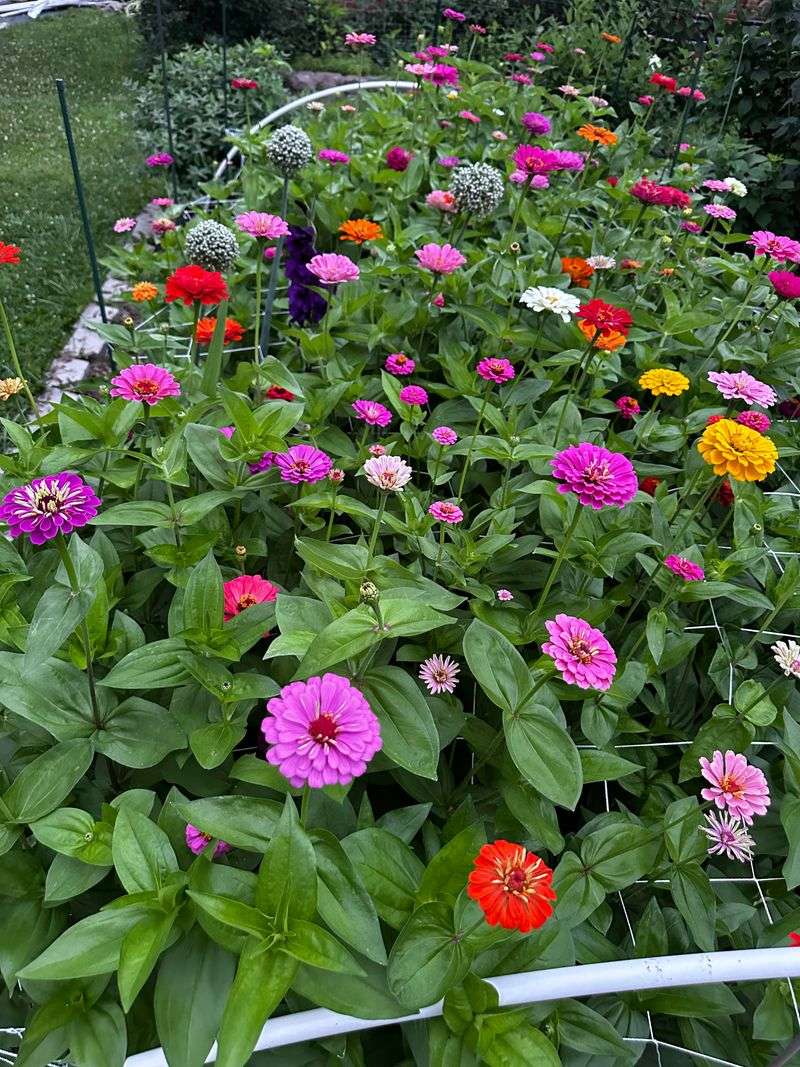
Pulling your zinnia bed back from a rough patch in July is absolutely possible, and it starts with a few consistent habit changes.
Watering, spacing, sanitation, and inspection work together as a system. Fixing just one piece helps, but addressing all of them at the same time gives your plants a real chance to recover and finish the season strong.
Start with your watering method and timing.
Switch to a soaker hose or drip line if you have not already. If that is not an option right now, water by hand at the base of each plant every morning and keep the stream low and directed at the soil.
This one change reduces disease pressure faster than almost anything else you can do.
Clean up fallen petals and leaves from around the base of your plants at least once a week. Diseased plant material sitting on the soil can reinfect healthy tissue through splash, foot traffic, or wind.
Removing debris cuts off that cycle and keeps the garden bed looking sharp at the same time.
Walk through your zinnia bed every two or three days and look closely at what you find. Check the undersides of leaves for beetle eggs or fungal spots.
Feel the flower centers to see if they are dry or soft. Catch problems early and you have options. Wait too long and the whole bed suffers.
Inspect before you panic, adjust care early, and your Ohio zinnias can still deliver a spectacular late-summer show.