8 Fast-Growing Illinois Native Trees That Will Outlast Your Bradford Pear
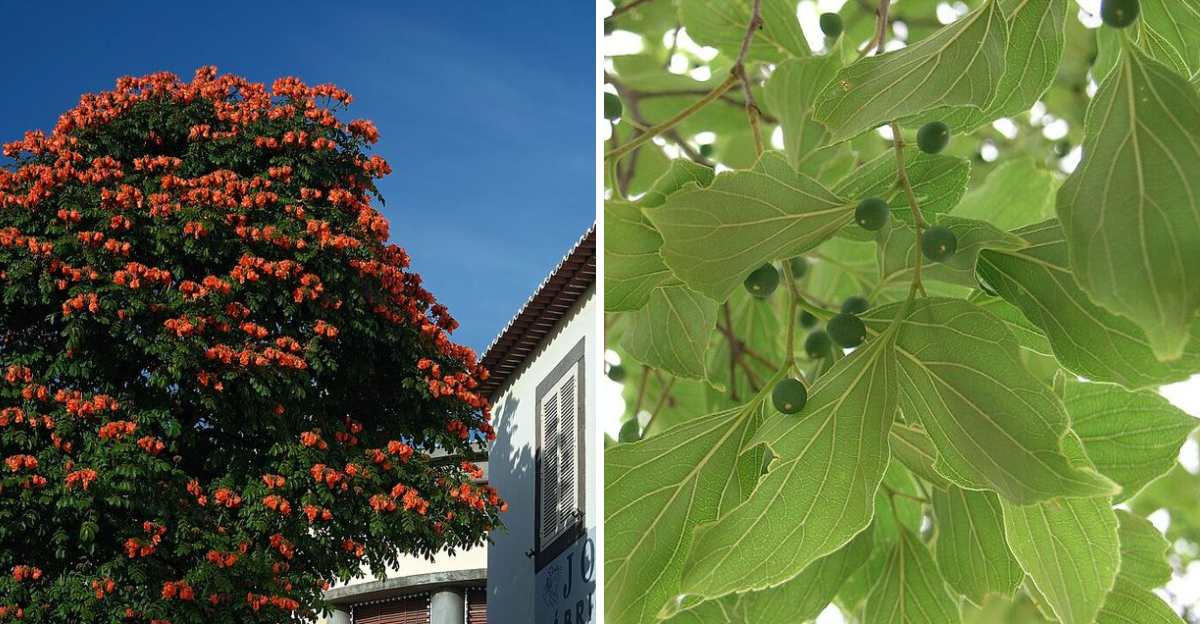
Bradford Pears put on a show every April, but that white cloud of blossoms is hiding some notable drawbacks.
Their branches grow in tight, weak clusters that give way like matchsticks the moment a storm rolls through.
Stand under one in bloom and you’ll catch a smell closer to rotting fish than spring flowers. Worse, birds scatter their seeds far beyond your yard, letting these trees crowd out real forests across Illinois.
What looks like a harmless ornamental is actually a gradual ecological problem for the landscapes that make Illinois wild spaces worth protecting.
Illinois has a lineup of native trees that shoot up just as quickly and skip the stink and the storm damage. They actually feed the birds, bees, and butterflies that evolved alongside them.
Plant one of these instead, and you’re not just avoiding a headache. You’re building something your grandkids might climb.
1. Red Maple
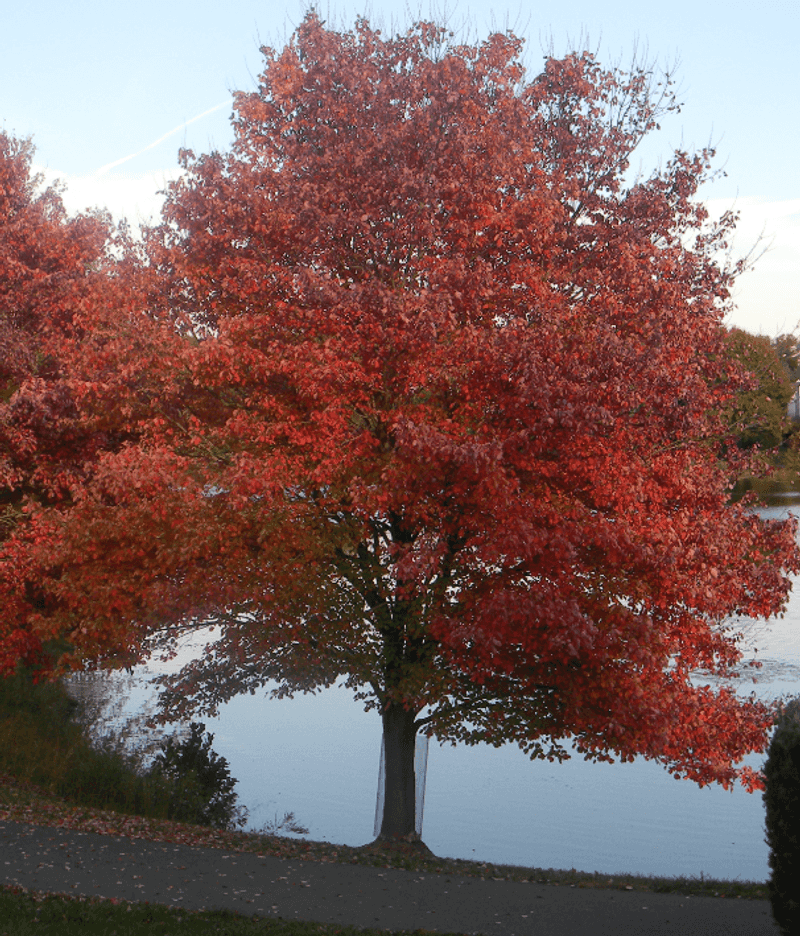
Few trees put on a show quite like the Red Maple does in autumn. Blaze-red leaves light up the yard like a bonfire you never have to sweep up after.
Red Maple is one of the fastest-growing native trees you can plant in the Midwest. It adds up to three feet of height each year under the right conditions.
This tree thrives in a wide range of soils, from soggy lowlands to drier upland spots. That flexibility makes it a top pick for yards with unpredictable drainage.
Spring brings tiny crimson flower clusters before the leaves even appear. Birds and squirrels flock to it almost immediately after planting.
Red Maple grows well in full sun or partial shade, making placement easy. You do not have to stress about finding the perfect spot in your yard.
The canopy spreads wide enough to create solid summer shade within about ten years. Your energy bills will thank you for the natural cooling effect.
These trees also support close to 300 species of caterpillars and moths native to the region, according to research on native plant-insect relationships. That kind of wildlife value is something a Bradford Pear simply cannot offer.
Fast-growing Illinois native trees like Red Maple are built for the long haul. Plant one now and watch your yard transform into a living ecosystem worth bragging about.
2. River Birch
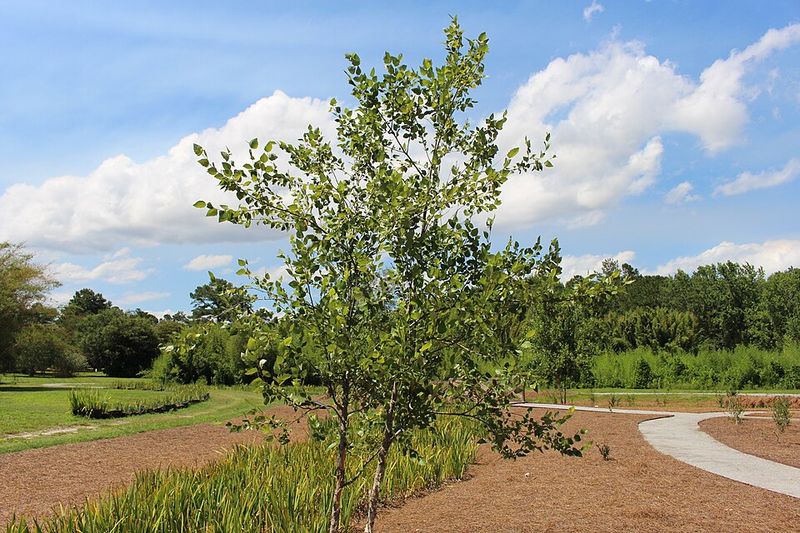
Peeling bark that looks like it belongs in an art museum sets River Birch apart from every other tree on this list. The cinnamon and cream layers peel back in papery curls that catch the light beautifully.
River Birch is a powerhouse grower, often putting on two to three feet per year in moist soil. It loves wet areas that other trees avoid, making it perfect near downspouts or low spots.
This tree handles heat and humidity far better than its white birch cousins. Midwest summers do not slow it down one bit.
The diamond-shaped leaves flutter in the breeze and turn a warm golden yellow each fall. Even in winter, the exfoliating bark keeps the yard looking interesting.
Your Illinois Garden Changes Every Week. Your Plan Should Too.
Gardening in Illinois changes quickly throughout the season. Every Friday you’ll receive a simple weekly plan showing exactly what to plant, prune, fertilize, harvest, and protect so you never miss the right timing.
Caterpillars, birds, and small mammals all rely on River Birch for food and shelter. Planting one is like opening a tiny nature preserve in your own backyard.
River Birch works beautifully as a multi-stem clump or a single-trunk specimen tree. Either form creates a dramatic focal point without overwhelming smaller yards.
Soil requirements are minimal as long as moisture is present. Sandy, clay, or loamy ground all work fine for this adaptable native.
Among fast-growing Illinois native trees, River Birch stands out for its year-round visual appeal. Once established, it practically takes care of itself while looking like you hired a professional landscaper.
3. Tulip Tree
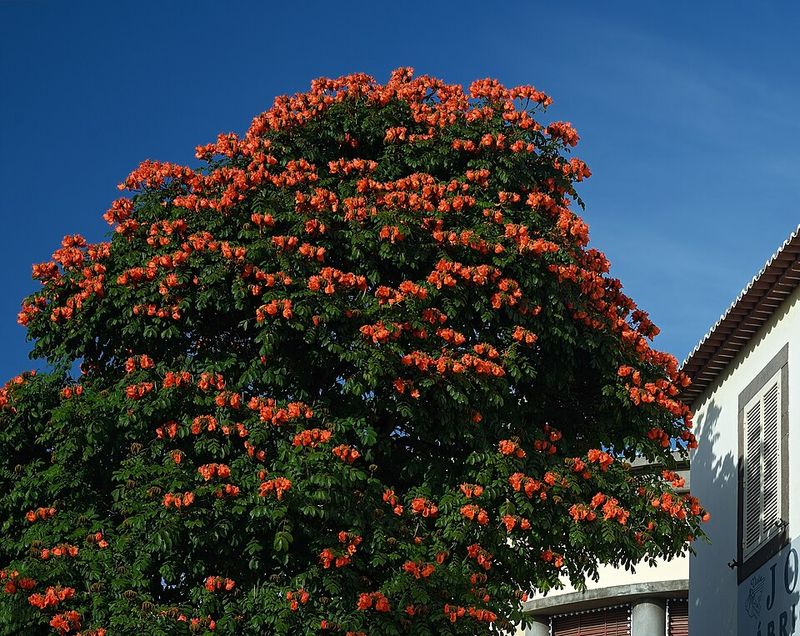
Tulip Tree earns its name honestly, producing cup-shaped blooms in shades of yellow, green, and orange each spring. These flowers appear high up in the canopy, like nature hung lanterns just out of reach.
Growth rate on this tree is genuinely impressive, typically reaching two to three feet per year, with up to five feet possible under ideal, well-maintained conditions. Within two decades, a Tulip Tree can tower sixty feet or more above your roofline.
The trunk grows arrow-straight and tall, giving yards a stately, almost cathedral-like feel. Architects and landscape designers love this tree for its clean vertical lines.
Tulip Trees prefer deep, moist, well-drained soil and full sun for the best results. Avoid planting in low-lying areas where water pools after rain.
Hummingbirds are absolutely wild about the nectar-rich flowers. Planting this tree is basically installing a hummingbird feeder that never needs refilling.
The large, uniquely shaped leaves turn a buttery gold in autumn. That fall color rivals anything you would find at a pumpkin patch or apple orchard.
Tulip Tree wood has long been valued for being lightweight and easy to work with, which made it popular for canoes and early construction.
As one of the tallest fast-growing Illinois native trees, this species makes a bold statement. Plant it where it has room to stretch and it will reward you for a lifetime.
4. Northern Red Oak
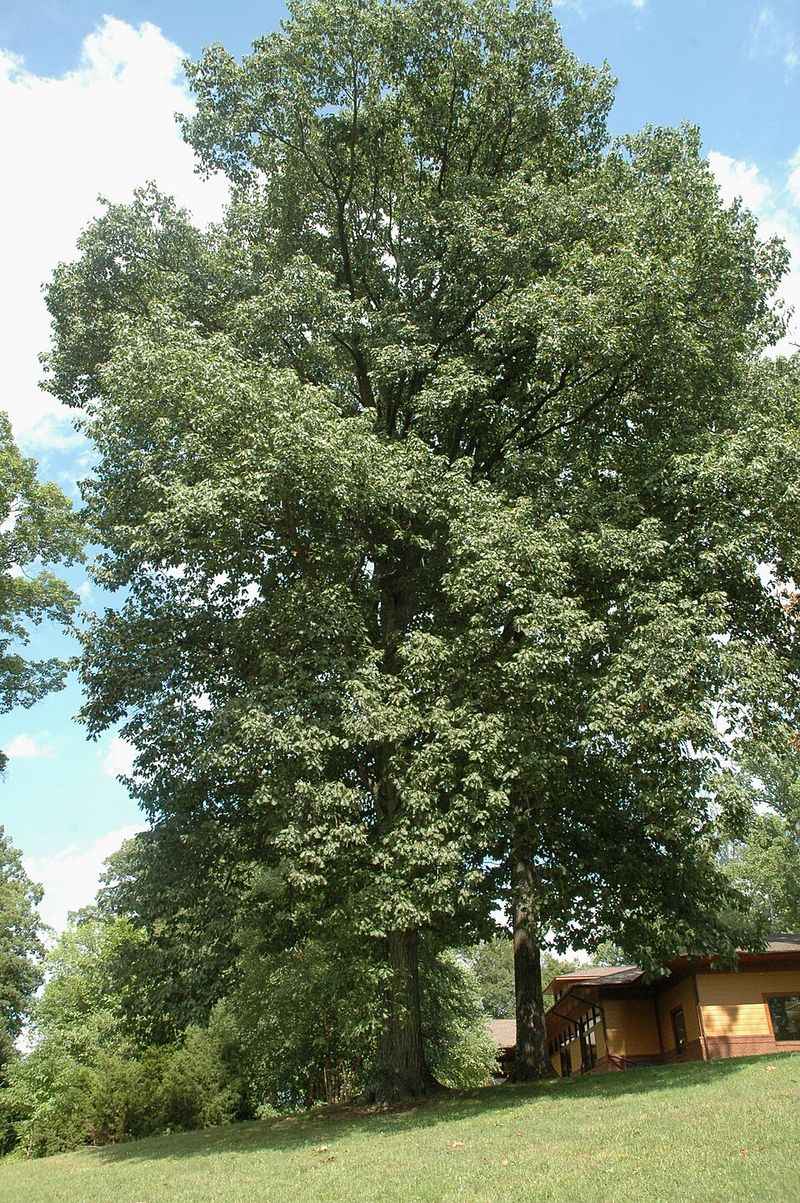
Northern Red Oak is the kind of tree that makes future generations grateful for the person who planted it. It grows surprisingly fast for an oak, adding two feet or more each year when young.
The deeply lobed leaves turn a rich burgundy red in fall that stops traffic. Few native trees match that combination of speed and seasonal drama.
Red Oak acorns feed deer, wild turkeys, blue jays, and dozens of other wildlife species. A mature tree can drop thousands of acorns in a single season.
This oak tolerates urban conditions better than most of its relatives. Compacted soil, pollution, and dry summers slow it down but rarely stop it.
Northern Red Oak prefers well-drained, slightly acidic soil and full sun exposure. Planting on a gentle slope actually helps drainage and encourages stronger root development.
The bark becomes deeply furrowed and ridged as the tree ages, adding rugged texture to the landscape. Even in winter, the silhouette alone is worth admiring.
Oaks as a group, including Red Oak, support over 500 species of caterpillars, more than almost any other tree genus in North America.
That ecological muscle makes it a cornerstone species for any wildlife-friendly yard. Among fast-growing Illinois native trees, Northern Red Oak offers the best long-term investment.
Plant it today and you are essentially gifting the next century a stronger, wilder, more beautiful yard.
5. American Sycamore
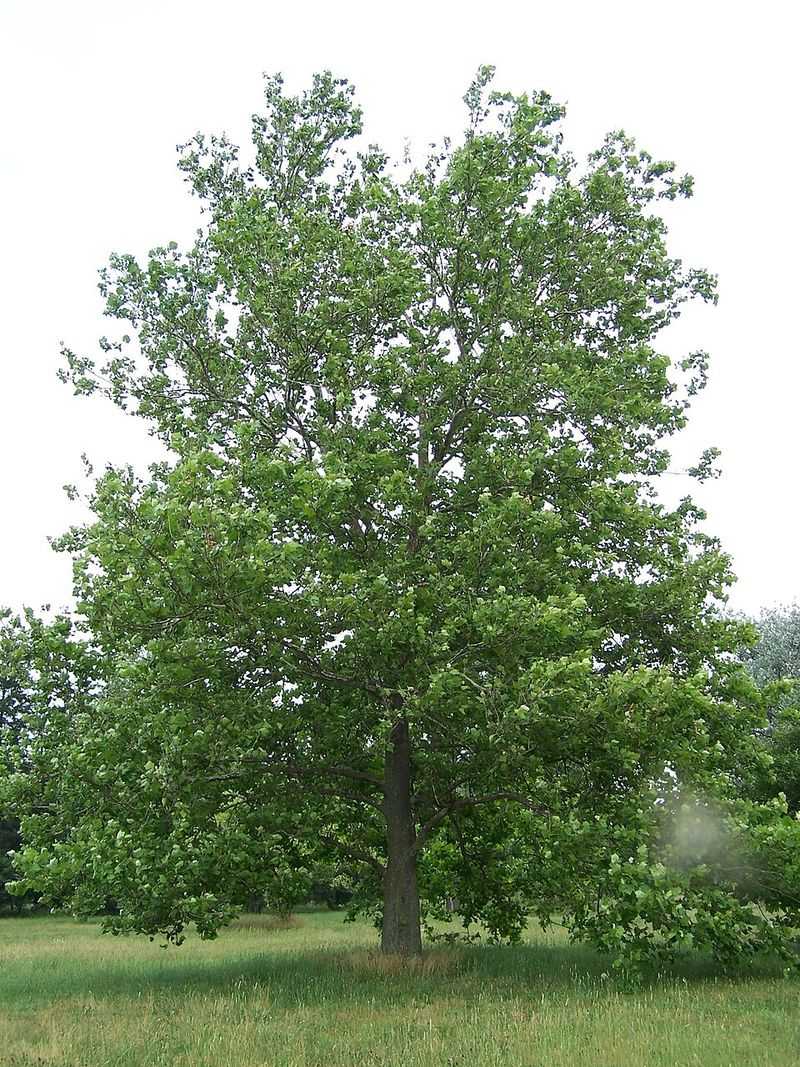
Nothing in the Midwest looks quite as dramatic as American Sycamore bark up close. The outer bark flakes off in patches, revealing a ghostly white and tan surface that practically glows in winter sunlight.
Sycamore is one of the fastest-growing native trees in eastern North America, typically gaining three to six feet per year under ideal, well-watered conditions.
Give it water and space and it will reward you with speed that rivals any invasive species. This tree loves moisture and does exceptionally well near streams, ponds, or areas with high groundwater.
Wet spots that flood seasonally are no problem for a Sycamore. The leaves are enormous, sometimes as wide as a dinner plate.
That massive canopy creates deep, cool shade that makes summer afternoons genuinely comfortable outside.
American Sycamore also provides nesting cavities for wood ducks, owls, and chimney swifts. Older trees with hollow sections become wildlife condominiums that no birdhouse can replicate.
A fully grown Sycamore can reach over 100 feet tall and live for several centuries. Planting one is an act of optimism for the future of your land.
The seed balls that dangle through winter add a quirky, architectural detail to bare branches. Kids love throwing them and adults secretly do too.
For sheer speed and presence among fast-growing Illinois native trees, American Sycamore is nearly unmatched. Plant it where it can spread wide and watch something truly magnificent take shape.
6. Pin Oak
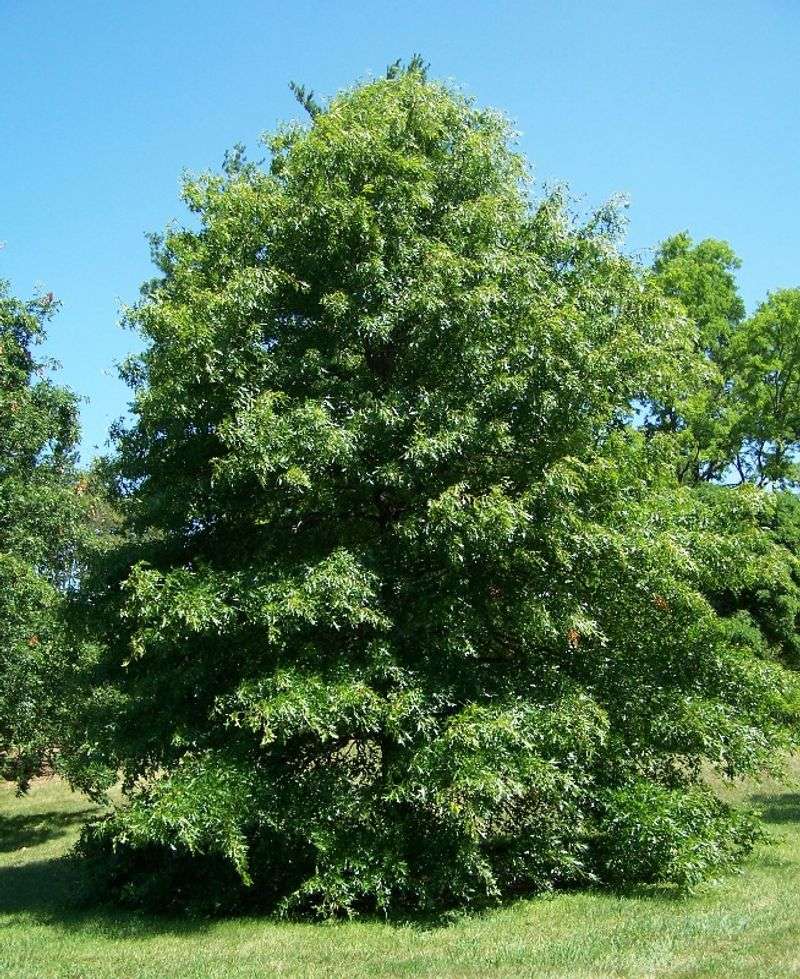
Pin Oak is the overachiever of the native oak world, growing faster than most of its relatives while still delivering classic oak strength. It can add two to three feet per year when young and well-watered.
The lower branches droop downward in a distinctive layered pattern that gives Pin Oak its recognizable silhouette. That shape makes it easy to spot even from a moving car.
Fall color ranges from deep scarlet to burnt orange, depending on the season and soil conditions. Few sights in a Midwest neighborhood beat a row of Pin Oaks lit up in October.
Pin Oak tolerates wet soils better than most oaks, which makes it valuable in yards with drainage challenges. Clay-heavy ground that drowns other trees barely slows this one down.
The tree holds its dried brown leaves through winter in a process called marcescence. That crunchy winter foliage provides nesting material and insulation for small wildlife.
Acorns from Pin Oak are small but produced in enormous quantities. Squirrels, deer, and ground-feeding birds treat Pin Oak yards like an all-you-can-eat buffet.
Pin Oak prefers full sun and slightly acidic soil for the best growth and color. Avoid planting near concrete or alkaline materials that can cause nutrient deficiencies.
Pin Oak belongs on every shortlist of fast-growing Illinois native trees for good reason. It is tough, beautiful, ecologically generous, and built to outlast any ornamental tree by centuries.
7. Hackberry
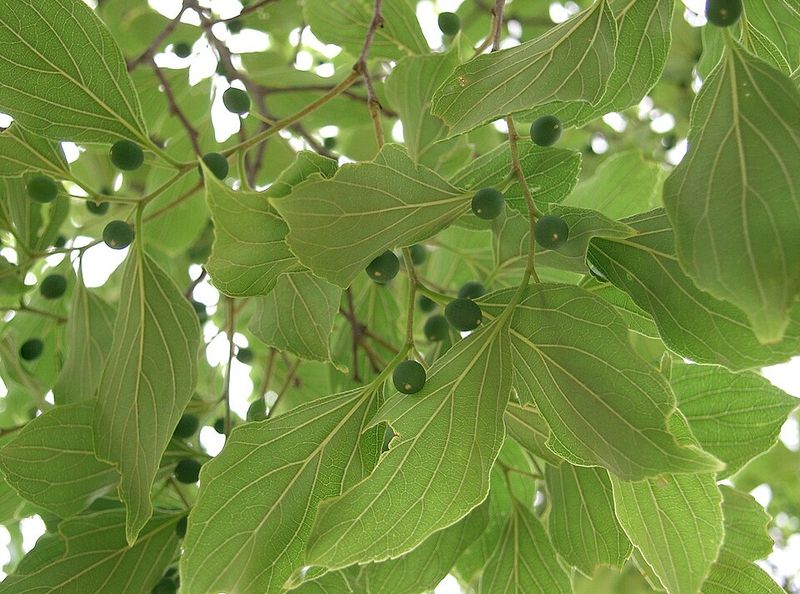
Hackberry might not be the flashiest tree on this list, but it is arguably the toughest one. Wind, drought, compacted soil, flooding, and urban pollution barely register as inconveniences for this resilient native.
Growth rate runs one to two feet per year under average conditions, which is solid for a tree this durable.
Hackberry fills in a yard quickly without demanding much attention in return. The bark is one of the most distinctive features in the native tree world.
Cork-like ridges and warty projections cover the trunk in a pattern that looks almost prehistoric.
Small dark berries ripen in late summer and hang on the branches well into winter. Dozens of bird species eat Hackberry fruit, including cedar waxwings and American robins.
Hackberry also hosts the larvae of several beautiful butterfly species, including the hackberry emperor. Planting one essentially turns your yard into a butterfly nursery.
The canopy is open and airy, allowing enough light through for grass or shade-tolerant plants underneath. You get wildlife habitat without sacrificing the whole yard to deep shade.
Hackberry adapts to nearly any soil type found across the Midwest. Sandy, clay, rocky, or silty ground all work fine as long as the tree gets decent sun.
Among fast-growing Illinois native trees, Hackberry is the unsung hero that serious gardeners swear by. Give it a chance and it will quietly become one of the hardest-working trees in your entire landscape.
8. Black Cherry
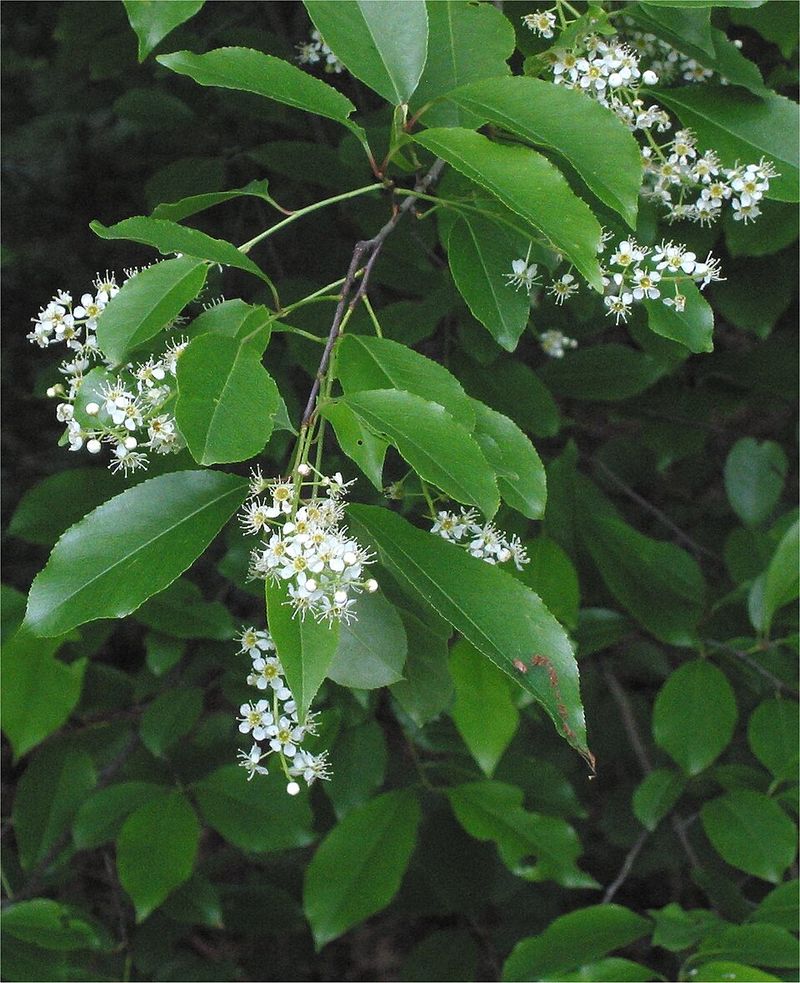
Black Cherry blooms in long drooping clusters of white flowers each spring, filling the air with a faint sweet scent. It is the kind of tree that makes you stop mid-walk and actually look up.
Growth rate reaches two to three feet per year in full sun with decent soil moisture. Within a decade, Black Cherry earns its place as a genuine canopy tree.
The small dark fruits ripen in late summer and are irresistible to dozens of bird species. Cedar waxwings, thrushes, and Baltimore orioles practically line up to feast on the harvest.
Black Cherry wood has been prized by furniture makers for centuries thanks to its rich reddish-brown grain. The same tree that beautifies your yard is also one of North America’s most valuable cabinet woods.
The bark on older trees breaks into distinctive dark, scaly plates that resemble burnt potato chips. That texture adds serious visual interest to the winter landscape.
Black Cherry grows well at woodland edges and in open areas with full to partial sun. It naturally seeds itself along fence lines and field margins throughout the Midwest.
This tree also hosts several hundred caterpillar species, making it one of the more ecologically valuable native trees in eastern North America. The wildlife support it provides is staggering for a single planting.
Choosing fast-growing Illinois native trees like Black Cherry means investing in beauty, ecology, and lasting strength all at once. Your yard will benefit for decades to come.