8 Mistakes Causing Your Illinois Tomatoes To Split Before You Even Pick Them
You had plans for that tomato.
Maybe a BLT, maybe just a sprinkle of salt over the sink and nothing else.
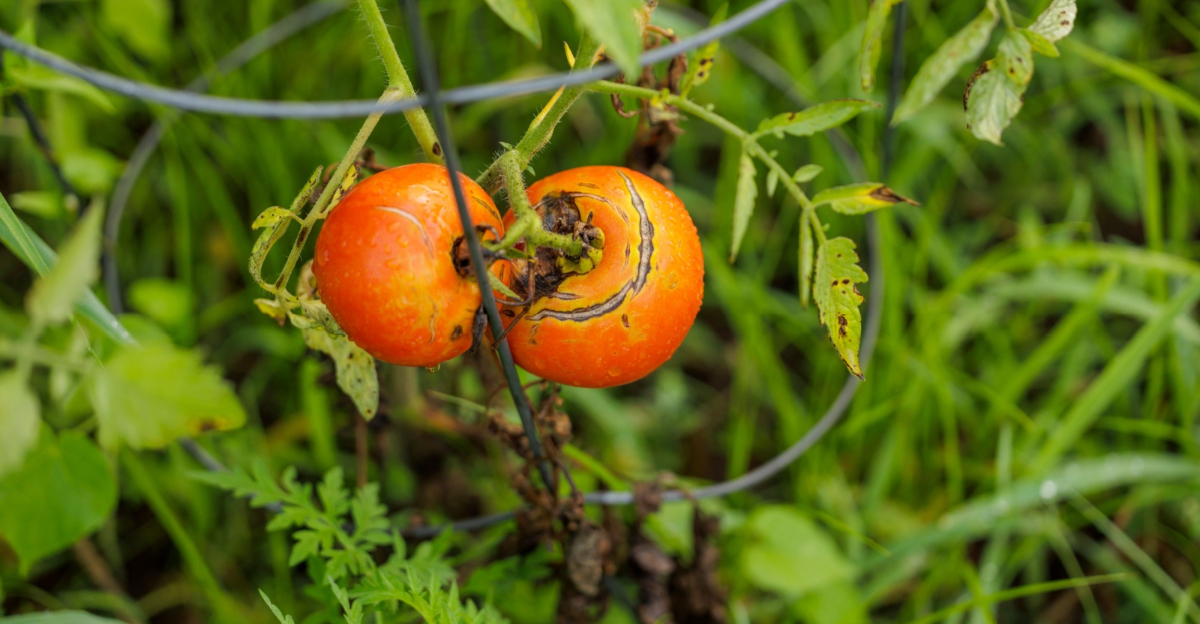
But instead you’re standing in your garden staring at a fruit that split wide open like it had somewhere better to be.
The watering, the staking, the secret conversations with your plants, all of it, wasted.
Splitting tomatoes are one of the most common heartbreaks in Illinois gardens.
And the cruelest part?
The damage happens quietly, overnight, while you sleep.
Except you probably are doing something wrong.
A few things, actually.
The good news is that none of it is complicated.
Once you understand why tomatoes split, the fixes are surprisingly straightforward, and most of them cost nothing but a little attention.
Let’s get into it.
1. Irregular Watering Is The Number One Crack Culprit
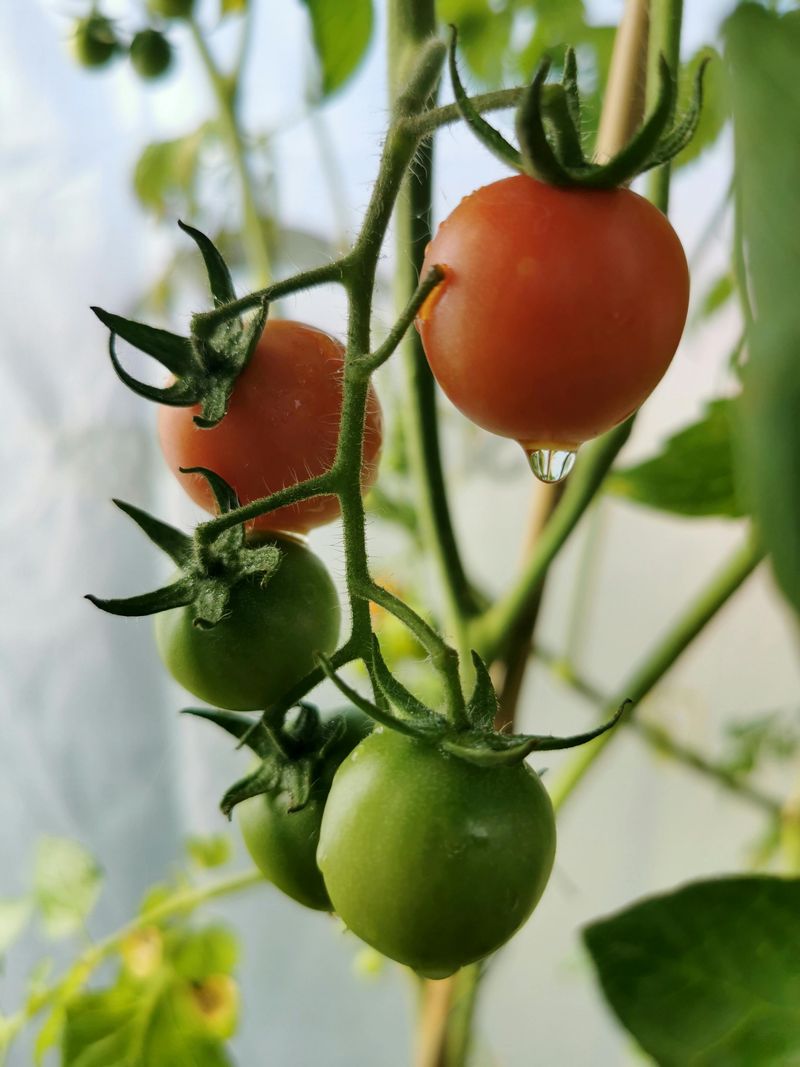
Image Credit: © Karen Laårk Boshoff / Pexels
Tomatoes are basically drama queens when it comes to water.
They want steady, reliable moisture every single day, and the moment you throw off that rhythm, they panic.
When plants go from dry to soaked and back again, the fruit swells too fast for the skin to keep up.
That rapid expansion is exactly what causes Illinois tomatoes to split before you even pick them.
The outer skin stays tight while the inside puffs up, and something has to give.
That something is always the tomato.
Consistent watering is the single most powerful thing you can do to stop cracking before it starts.
Aim for one to two inches of water per week, spread out evenly rather than dumped all at once.
A drip irrigation system or a soaker hose can do this almost automatically.
Hand watering every few days in uneven amounts is where most gardeners go wrong.
You might water heavily on Monday, skip Wednesday because it looks cloudy, then pour on more Friday.
That kind of roller-coaster schedule is a recipe for split fruit.
Set a reminder on your phone if you have to.
Your tomatoes do not care about your busy schedule, but they will absolutely let you know when they are unhappy.
Regular watering is the foundation everything else is built on.
2. Watering After A Dry Spell Shocks The Fruit
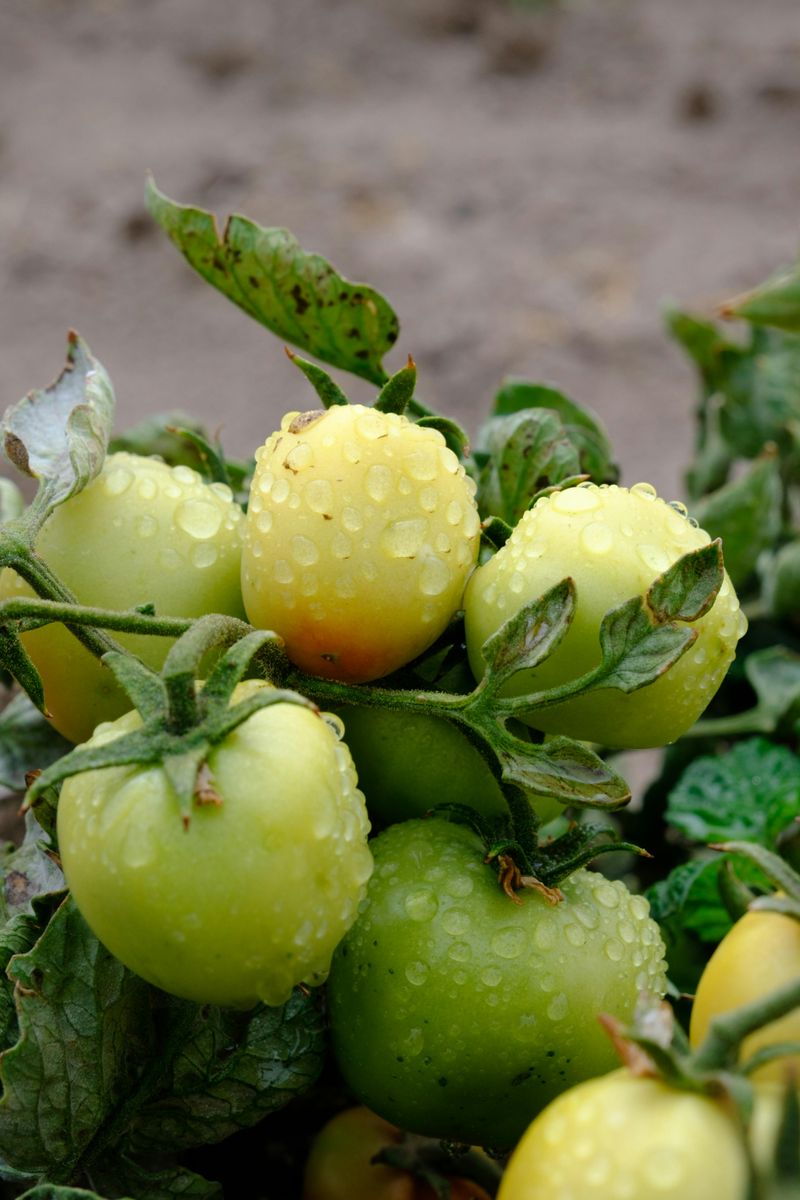
Picture this: two weeks of hot, dry Illinois summer weather with barely a drop of rain.
Your tomato plants look thirsty and a little sad.
So you grab the hose and give them a long, generous drink, feeling like a hero.
Within a few days, those same tomatoes start splitting right down the middle.
The roots soak up that sudden flood of water and push it straight into the fruit faster than the skin can stretch.
The fix is not to avoid watering after a dry stretch, because your plants absolutely need it.
The trick is to do it gradually.
Instead of drenching the soil all at once, water in smaller amounts spread across two or three days to ease the plant back into a hydrated state.
Your Illinois Garden Changes Every Week. Your Plan Should Too.
Gardening in Illinois changes quickly throughout the season. Every Friday you’ll receive a simple weekly plan showing exactly what to plant, prune, fertilize, harvest, and protect so you never miss the right timing.
Think of it like drinking water after a long hike.
You sip slowly rather than chugging a full bottle in one go.
Your tomatoes need that same gentle reintroduction to moisture.
Checking soil moisture with your finger before watering can also help you judge how dry things really are.
If the top two inches of soil feel dry, water a moderate amount and check again the next morning.
Slow and steady keeps the fruit from bursting at the seams.
3. Wrong Tomato Variety For Illinois Heat
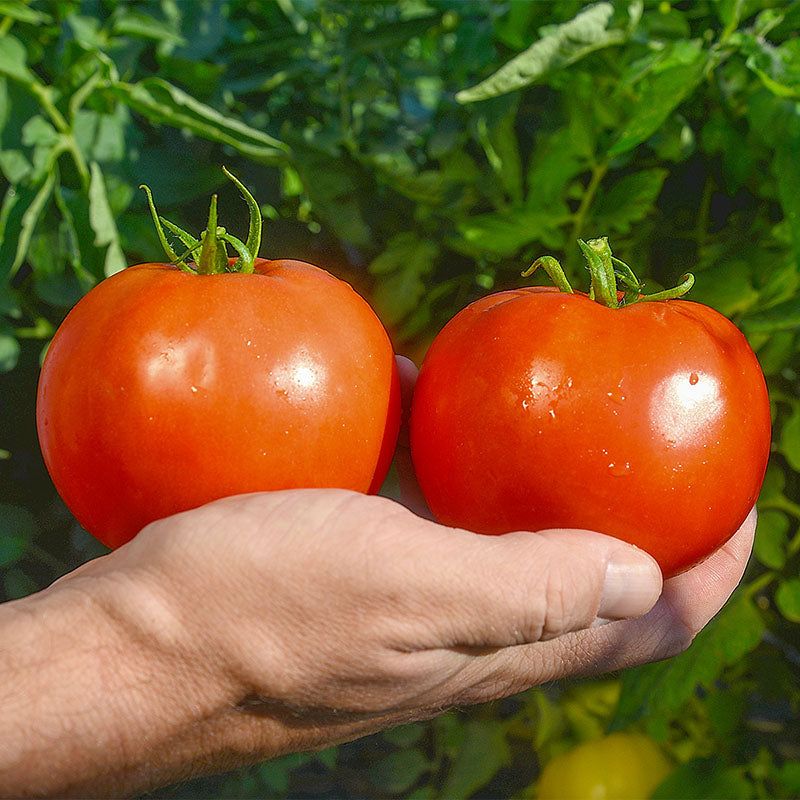
Not every tomato was built to handle a Midwest summer.
Illinois heat can swing from warm and humid to blazing hot within the same week.
And some tomato varieties just were not built for that kind of chaos.
Choosing the wrong variety is a mistake that gets made at the very beginning of the season, long before any fruit appears.
Thin-skinned varieties like Early Girl or some heirloom types are beautiful and delicious, but they are also more prone to splitting under stress.
Thicker-skinned or crack-resistant varieties are bred specifically to handle inconsistent moisture and temperature swings without falling apart.
Look for labels that say crack-resistant when you are shopping for seedlings or seeds.
Some great options for Midwest gardens include Mountain Fresh Plus, Celebrity, and Jet Star.
These varieties have tougher skins that can flex a little when moisture levels change.
That flexibility is the difference between a beautiful harvest and a cracked mess.
Heirloom lovers, do not give up completely.
You can still grow your favorites, but pair them with extra attention to consistent watering and mulching to reduce stress on the plant.
A little extra care goes a long way when you are working with more delicate varieties.
Matching your tomato choice to your local climate is one of the smartest moves a gardener can make.
The right variety does half the work for you before you even turn on the hose.
4. Ignoring Soil Moisture In Peak Summer
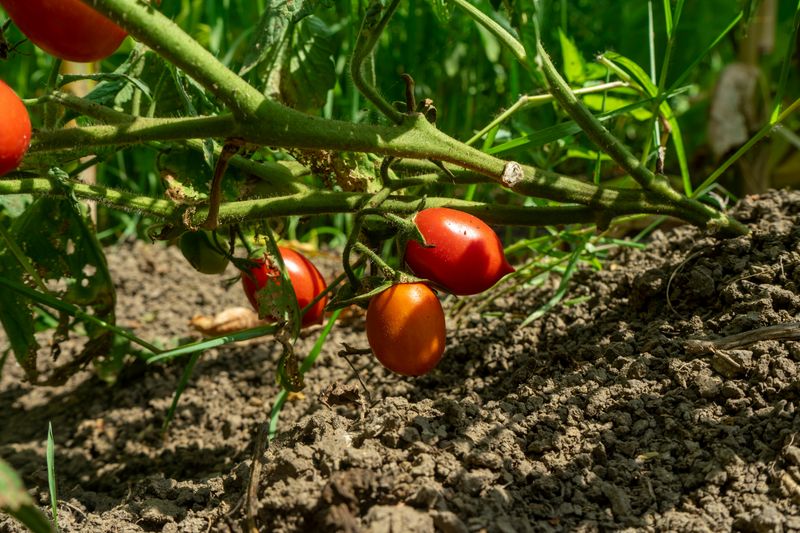
July and August in Illinois are not gentle months for a garden.
Temperatures can climb past 90 degrees, and the soil dries out faster than most gardeners expect.
When you stop paying close attention to soil moisture during those peak weeks, your tomatoes pay the price.
Soil moisture is not just about how often you water.
It is about how well your soil holds onto that water between watering sessions.
Sandy or poor-quality soil drains too fast, leaving roots thirsty even a few hours after watering.
Adding organic matter like compost to your garden beds improves moisture retention significantly.
Rich, loamy soil holds water longer and releases it slowly to the roots, which keeps the plant hydrated at a steady pace.
That steady hydration is what prevents the sudden fruit expansion that leads to splitting.
A simple moisture meter from any garden center can take the guesswork out of your routine.
Stick it into the soil near the base of the plant, and it will tell you exactly how wet or dry things are.
That way you are watering with intention, not just hoping for the best.
Checking your soil every morning during peak summer takes about thirty seconds and can save your entire tomato crop.
Once you make it a habit, you will wonder how you ever gardened without it.
Knowing what is happening underground changes everything.
5. Skipping Mulch Is A Mistake Most Gardeners Regret
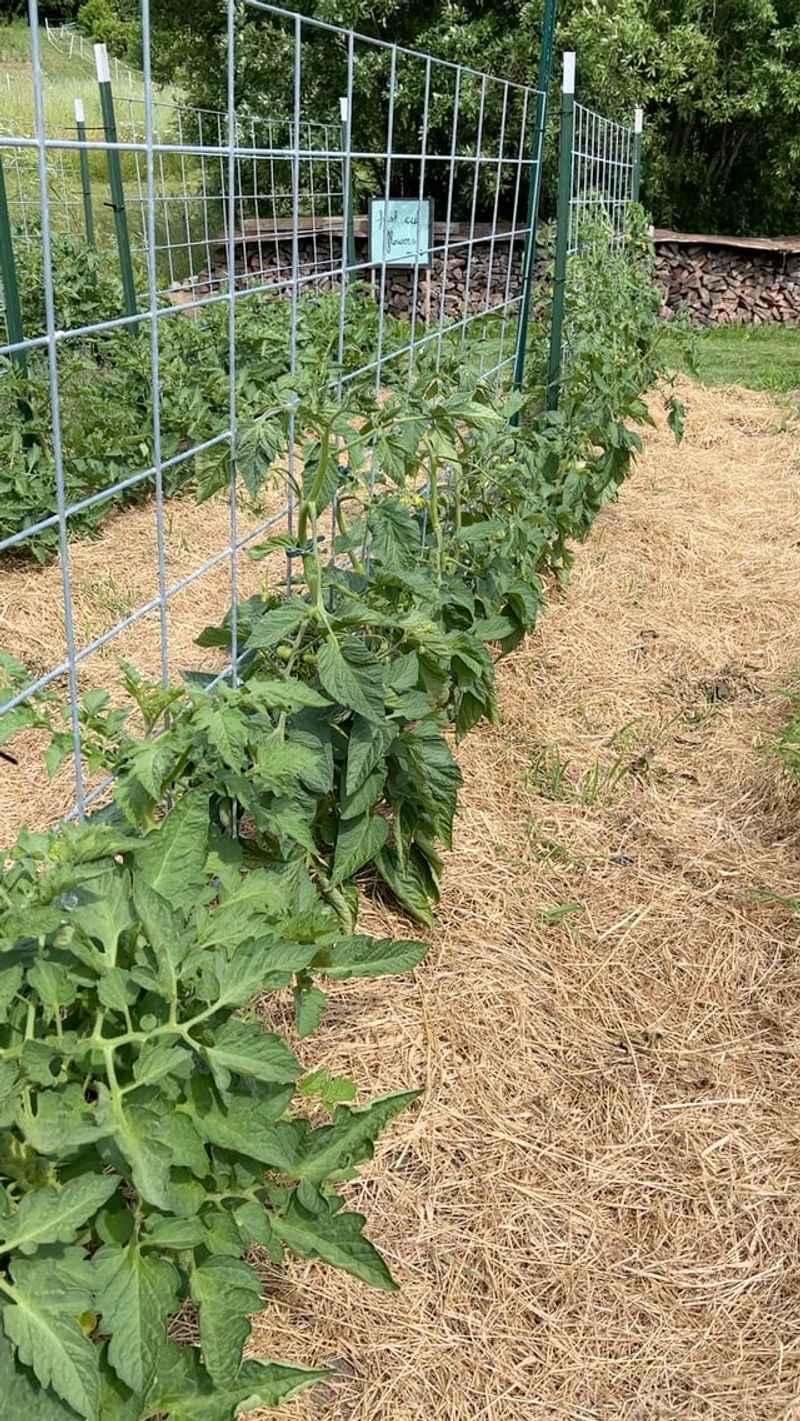
Bare soil in a summer garden is basically an open invitation for moisture to escape.
Without a protective layer on top, the sun bakes the ground and water evaporates quickly, leaving your tomato roots scrambling for hydration.
Mulch is the simplest, cheapest fix for this problem, and a surprising number of gardeners skip it entirely.
A two to three inch layer of straw, wood chips, or shredded leaves placed around the base of your tomato plants acts like a blanket for the soil.
It slows evaporation, keeps roots cooler on hot days, and helps maintain that steady moisture level your plants crave.
Even temperature and moisture at the root zone means less stress on the fruit above.
Straw mulch is a favorite among Midwest vegetable gardeners because it is affordable, easy to spread, and breaks down slowly.
Wood chip mulch works well too, though it takes longer to decompose into the soil.
Either option is a massive upgrade over leaving the ground bare.
Apply mulch right after planting and top it off mid-season if it starts to thin out.
Keep it a few inches away from the main stem to avoid moisture buildup against the plant.
That small gap prevents rot while still giving the surrounding soil full protection.
Skipping mulch might seem like no big deal until you are standing in your garden holding a handful of split tomatoes.
One bag of straw from the hardware store could save your harvest.
6. Leaving Ripe Tomatoes On The Vine Too Long
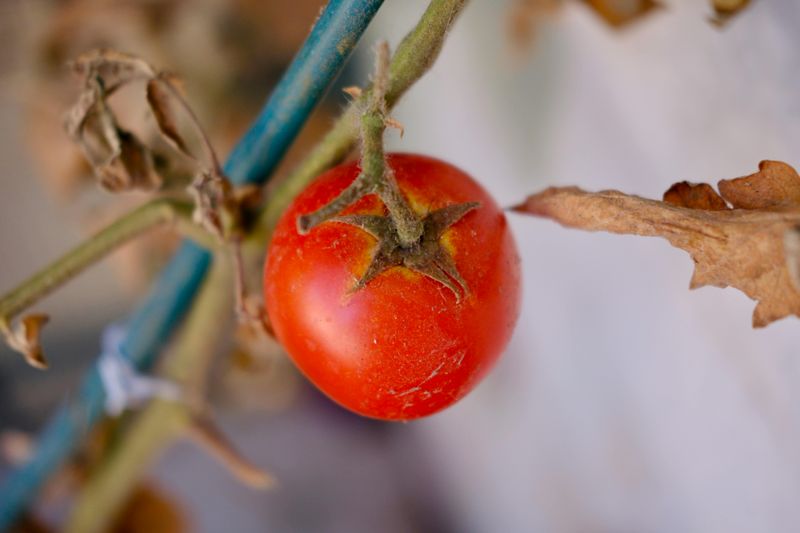
A fully ripe tomato is a beautiful thing, but leave it on the vine just a day or two too long and it becomes a cracked, leaking mess.
Once a tomato reaches full ripeness, the skin stops being able to handle any additional moisture absorbed through the roots.
Even a light rain or a regular watering session can push it right over the edge.
Overripe tomatoes are also more vulnerable to cracking simply because the skin has been stretched to its limit for too long.
The fruit has reached maximum size, and there is no more room to grow.
Any extra water goes straight into pressure the skin cannot absorb.
The solution is simple: pick your tomatoes as soon as they are fully colored and slightly soft to the touch.
You do not have to wait for them to reach peak perfection on the vine.
They will continue ripening on your kitchen counter, away from rain and garden moisture.
Counter-ripening also protects the fruit from birds, insects, and sudden weather changes that can trigger splitting overnight.
A tomato sitting on your windowsill is a tomato you are in control of.
A tomato left outside is at the mercy of whatever the sky decides to do.
Train yourself to harvest every two to three days during peak season.
Once you get into that rhythm, your tomatoes will practically never have the chance to crack on the vine.
Harvest early, ripen inside, and enjoy every single one.
7. Poor Drainage Means Sudden Root Overload After Rain
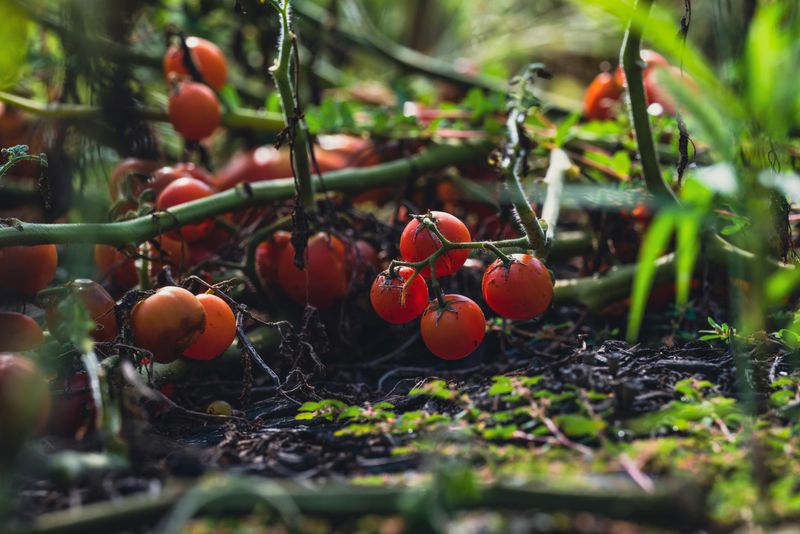
Heavy rain events are a regular part of summer in the Midwest, and what happens after the rain stops matters just as much as the rain itself.
If your garden bed does not drain well, water pools around the roots and gets absorbed all at once in a massive rush.
That sudden overload travels up through the plant and into the fruit, causing splits that seem to appear out of nowhere.
Clay-heavy soil is a common culprit in many Illinois yards.
It holds water like a sponge and releases it slowly, keeping roots soaked long after the rain has passed.
That prolonged saturation creates the same rapid moisture surge that dry-to-wet watering does.
Improving drainage starts with loosening compacted soil and mixing in compost or coarse sand to create better structure.
Raised garden beds are another excellent option because they lift the root zone above the water table and allow excess moisture to flow away naturally.
Many gardeners who switch to raised beds report far fewer cracking problems almost immediately.
Adding drainage channels or planting on a slight slope can also help move excess water away from the root zone after heavy storms.
You want the water to pass through, not sit.
Moving water feeds the plant gently, while standing water overwhelms it.
Check your garden after every significant rainstorm.
If water is still pooling around your tomato bases an hour after the rain stops, your drainage needs serious attention before the next downpour hits.
8. Inconsistent Fertilizing Causes Uneven Fruit Growth
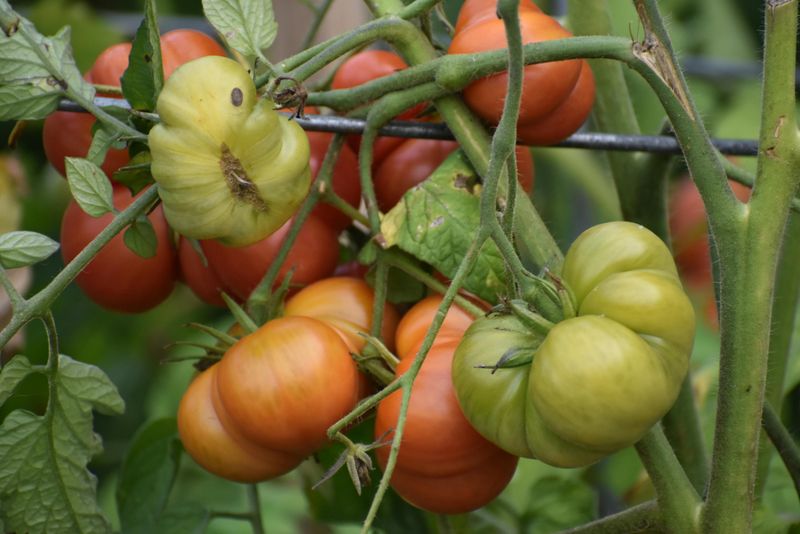
Here is the irony, the fertilizer meant to grow your best tomatoes might be the exact thing cracking them open.
A sudden surge of nitrogen after a period of low nutrients pushes rapid new growth through the plant, and the fruit expands faster than the skin can stretch.
The result looks a lot like what happens with inconsistent watering, because the root cause is the same: too much too fast.
Illinois tomatoes splitting before harvest is sometimes a fertilizer problem hiding in plain sight.
Gardeners who dump extra fertilizer mid-season hoping to boost production often trigger a growth surge that ends in cracked fruit.
More is not always better when it comes to feeding your plants.
Switch to a slow-release fertilizer formula that delivers nutrients gradually over several weeks.
These products are designed to feed the plant at a steady pace, which supports consistent growth instead of dramatic spurts.
You can find them at any garden center, and they are worth every penny.
Low calcium levels can weaken the overall structure of the fruit, making the skin less able to handle sudden changes in moisture.
Strong skin means the fruit can handle moisture changes without giving way.
Feed your tomatoes on a regular schedule, not just when you remember.
Consistent nutrition, like consistent watering, is the backbone of a crack-free tomato harvest.