The July Fertilizing Mistake That Stops Ohio Tomatoes From Setting More Fruit
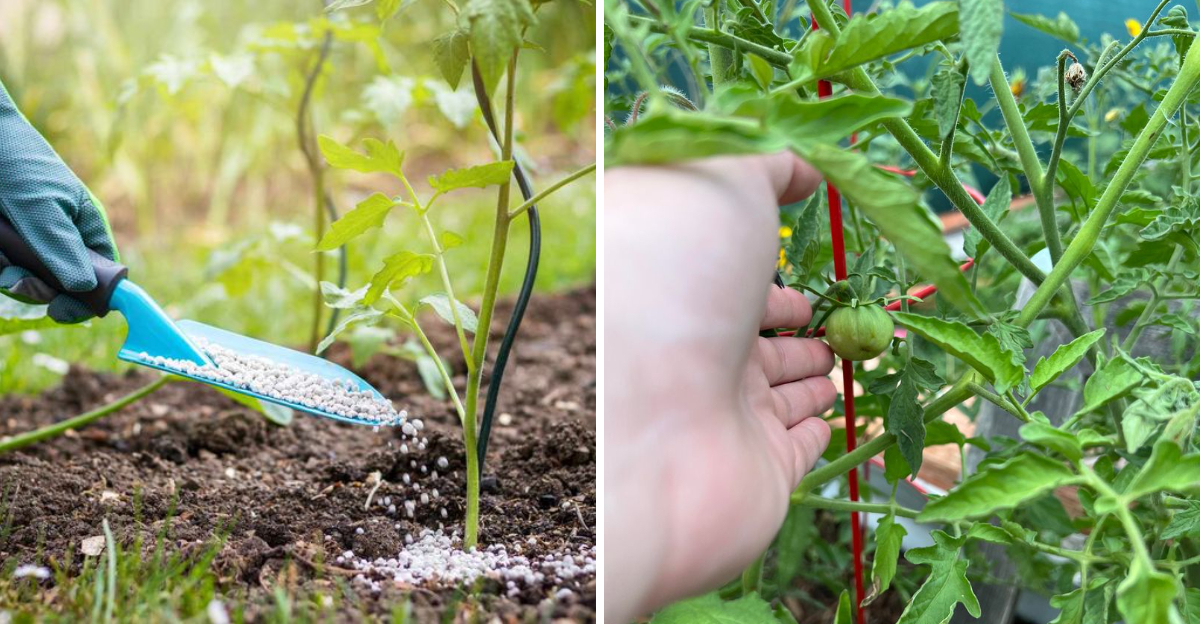
Ohio tomato plants in July look like they want feeding. Big, leafy, actively growing, working through soil nutrients at a pace that makes fertilizing feel like the obvious next move.
That instinct is where a lot of Ohio gardeners quietly derail their own harvest without realizing it. July fertilizing done wrong does not help an Ohio tomato set more fruit.
It does the opposite. Pushes the plant toward foliage at exactly the moment it should be redirecting energy toward the tomatoes already forming on the vine.
The mistake is not fertilizing in July itself. It is what gets applied, how much, and when during the month it happens.
Those details determine whether a tomato plant responds by producing or by growing in all the wrong directions. Ohio’s short season does not leave room to course correct after a July fertilizing mistake.
The fruit that does not set in July does not get a second chance.
1. Stop Feeding Leaves When You Want Fruit
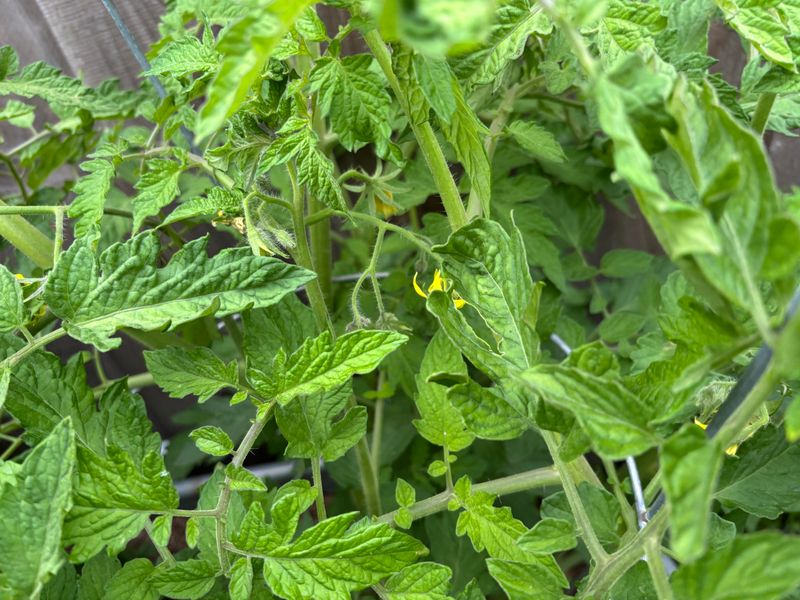
Lush, climbing tomato vines loaded with dark green leaves can feel like a gardening victory. But if those vines have few flowers or developing fruits, something may be off with the feeding routine.
The most common July fertilizing mistake is continuing to apply high-nitrogen fertilizer after tomato plants have already shifted into flowering and fruiting mode.
Nitrogen is essential for plant growth, and it is not the enemy here. The problem is timing and amount.
When plants get repeated doses of nitrogen-rich fertilizer during midsummer, they can be pushed toward producing more leafy, vegetative growth. That redirects energy away from setting and developing fruit.
OSU Extension and university vegetable gardening resources consistently note that balanced nutrition matters more than heavy feeding once flowering begins.
Checking fertilizer labels is a smart first step. The three numbers on any fertilizer bag represent nitrogen, phosphorus, and potassium in that order.
A product with a very high first number is designed for leafy growth, not fruiting crops. Pausing repeated high-nitrogen applications and observing what the plant is actually doing can help Ohio gardeners reset their approach.
A plant covered in flowers and small developing fruits likely does not need another heavy nitrogen boost. Feed the goal, not just the leaves.
2. Treat Too Much Nitrogen As The Real Problem
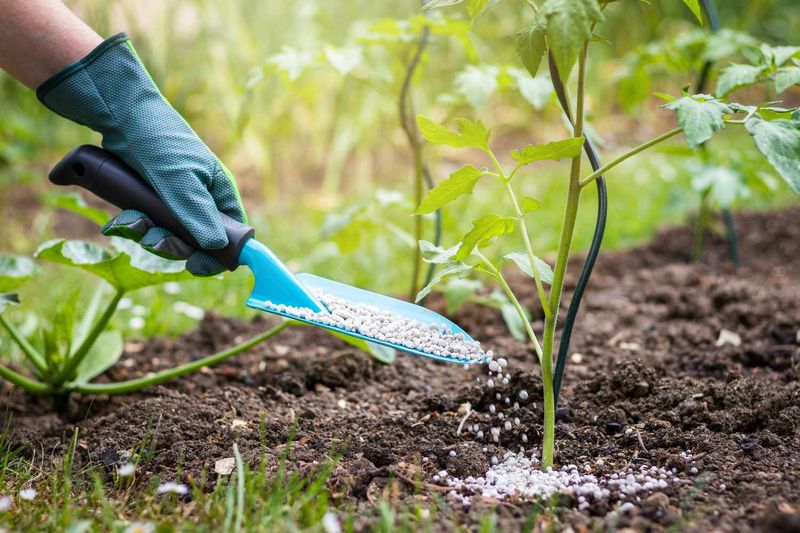
Spotting excess nitrogen as the culprit can be surprisingly tricky. A tomato plant with too much nitrogen often looks perfectly healthy.
The leaves are large and deeply colored, the vines are vigorous, and new growth keeps pushing out. Most Ohio gardeners see that picture and assume everything is going well.
The signal to watch for is the balance between leaf production and fruit development. Fewer blossoms, flowers that drop without setting, and vines that keep growing taller can all suggest nitrogen levels may already be high enough.
That is especially true when the plant is not filling out with fruit clusters. University extension resources recommend soil testing as the most reliable way to understand what nutrients are actually present before adding more fertilizer.
Your Ohio Garden Changes Every Week. Your Plan Should Too.
Gardening in Ohio changes quickly throughout the season. Every Friday you’ll receive a simple weekly plan showing exactly what to plant, prune, fertilize, harvest, and protect so you never miss the right timing.
More fertilizer is rarely the right answer in July, especially without knowing what the soil already contains. Tomatoes need balanced nutrition across nitrogen, phosphorus, potassium, and several micronutrients.
Guessing and adding more of everything can throw that balance off. Heat stress, inconsistent watering, and poor pollination can also reduce fruit set during midsummer, so excess nitrogen is one likely contributor among several.
Recognizing it as a real possibility, rather than ruling it out because the plant looks green and healthy, is the first step toward a more productive garden.
3. Watch Lush Growth Hide A Weak Harvest
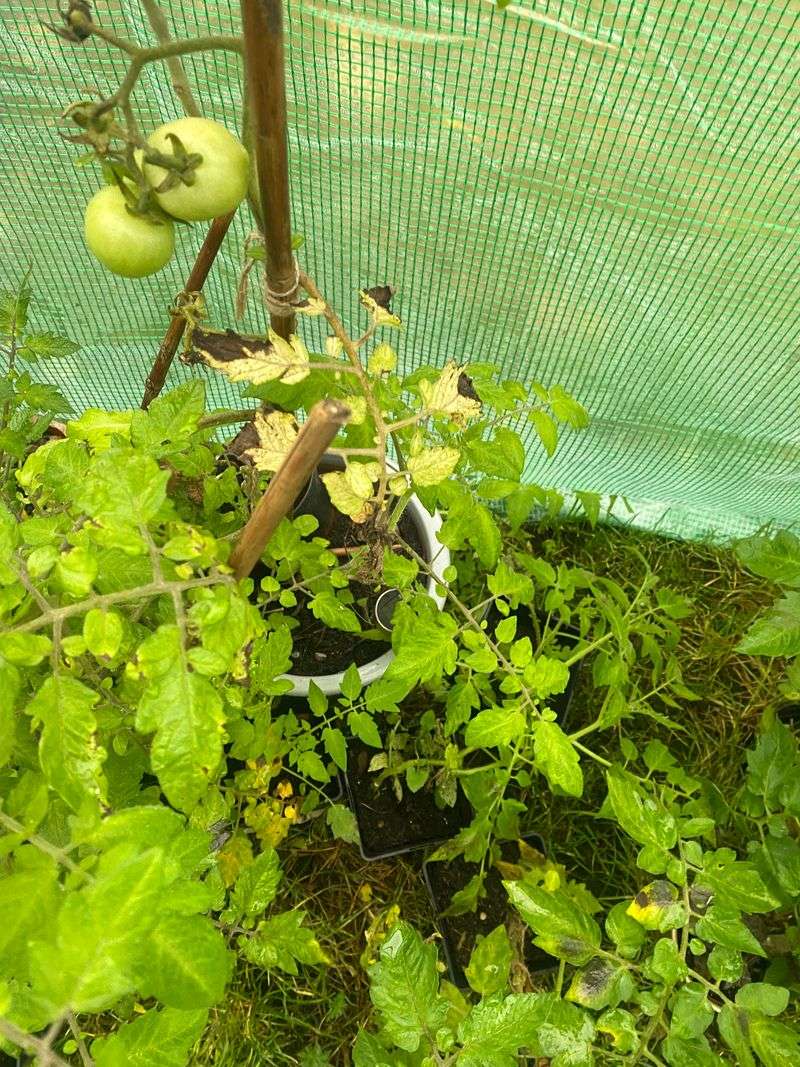
Few things are more confusing than a tomato plant that looks amazing but delivers a disappointing harvest. Tall vines, broad leaves, and deep green color can create the impression of a thriving plant.
But visual health at the leaf level does not always equal productive health at the fruiting level.
July conditions add another layer of complexity. Plants may already be under heat and moisture stress, which affects how flowers develop and whether they manage to set fruit.
When a gardener responds to slow fruiting by adding more fertilizer, especially a nitrogen-heavy product, the plant may shift even harder toward vegetative growth. That means it puts less energy into reproduction.
That response feels counterproductive, but it makes biological sense for the plant.
Practical observation matters more than appearances. Checking flower clusters for signs of pollination and counting developing fruit sets can reveal how the plant is performing.
Watching whether new blossoms are holding or dropping gives a clearer picture than leaf size alone. If the flowers are dropping and the vines keep getting taller, chasing greener leaves with more fertilizer is unlikely to help.
Redirecting attention from the look of the leaves to the behavior of the flowers can shift an Ohio gardener’s strategy in a much more useful direction.
4. Remember July Heat Already Slows Fruit Set
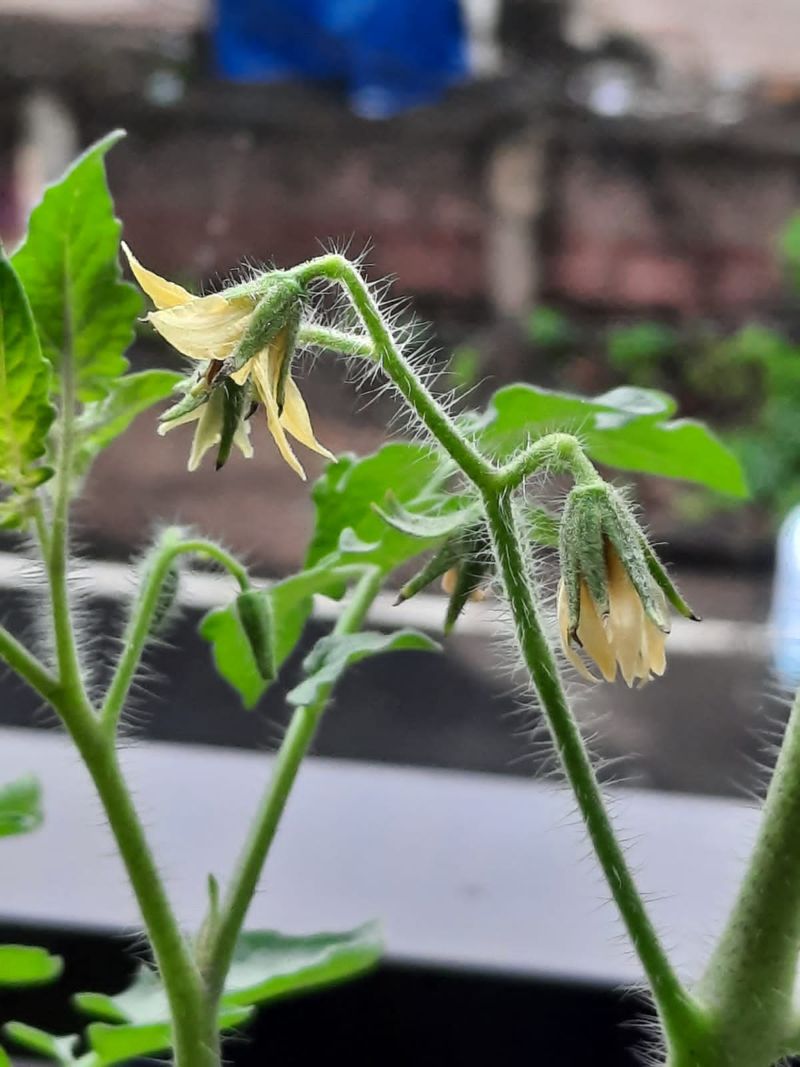
Even a perfectly fertilized tomato plant can struggle to set fruit during the hottest stretch of July. Heat is a powerful disruptor of tomato pollination and fruit development.
OSU Extension notes that high daytime temperatures, particularly above 90 degrees Fahrenheit, can interfere with pollen viability. Warm nighttime temperatures above 75 degrees can also cause blossoms to drop before fruit can form.
This heat-related slowdown happens independently of fertilizer choices. But when a plant is already under thermal stress and is also receiving excess nitrogen, the combination can make the fruiting slowdown worse.
More vegetative growth means the plant is using energy on new leaves and vines during a period when it needs to focus on holding and developing existing blossoms.
Practical steps during heat waves can help reduce stress without making things worse. Watering deeply and consistently keeps roots from drying out between cycles.
Mulching around the base of plants helps moderate soil temperature and retain moisture. Avoiding unnecessary fertilizer applications during extreme heat gives the plant fewer competing demands.
Being patient during a heat wave is genuinely good gardening advice. Fruit set often improves naturally when temperatures moderate in late July or August.
Adding more fertilizer during peak heat is unlikely to speed that recovery and may slow it further.
5. Water Steadily Before Reaching For Fertilizer
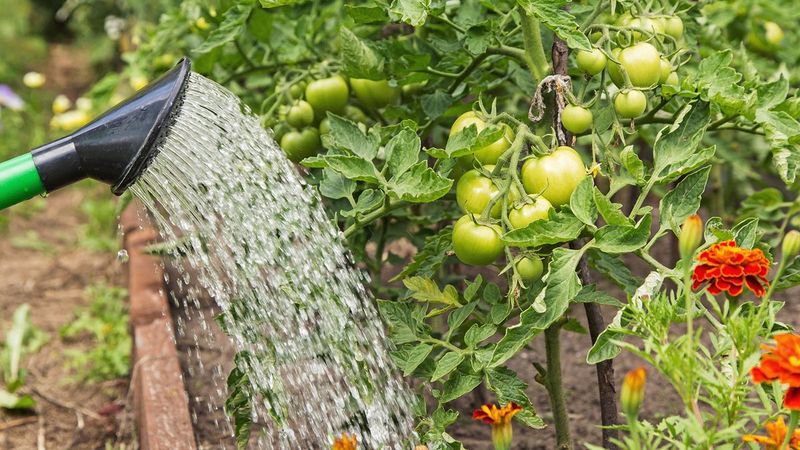
Dry spells followed by heavy watering sessions create a stressful cycle for tomato plants. Inconsistent moisture affects how nutrients move through the soil and how well roots can absorb what is already available.
Before adding more fertilizer to a struggling plant, it is worth asking whether the watering routine is steady enough to support good fruiting.
Blossom-end rot is one visible example of what irregular watering can cause. University extension sources explain it as a disorder related to calcium movement within the plant, which is disrupted when soil moisture swings between dry and wet.
Adding calcium supplements rarely fixes it if watering inconsistency is the root cause. Deep, consistent watering is the most effective correction.
Practical watering habits that support fruiting include watering at the base of the plant rather than overhead. They also include checking soil moisture before watering again and using mulch to slow evaporation between waterings.
Shallow daily sprinkles can encourage surface rooting and leave deeper roots dry, which weakens the plant’s ability to handle heat and fruit development at the same time. A plant under water stress may not need more fertilizer at all.
Restoring steady moisture often improves plant performance more than any additional feeding can during midsummer.
6. Use Soil Tests Instead Of Guesswork
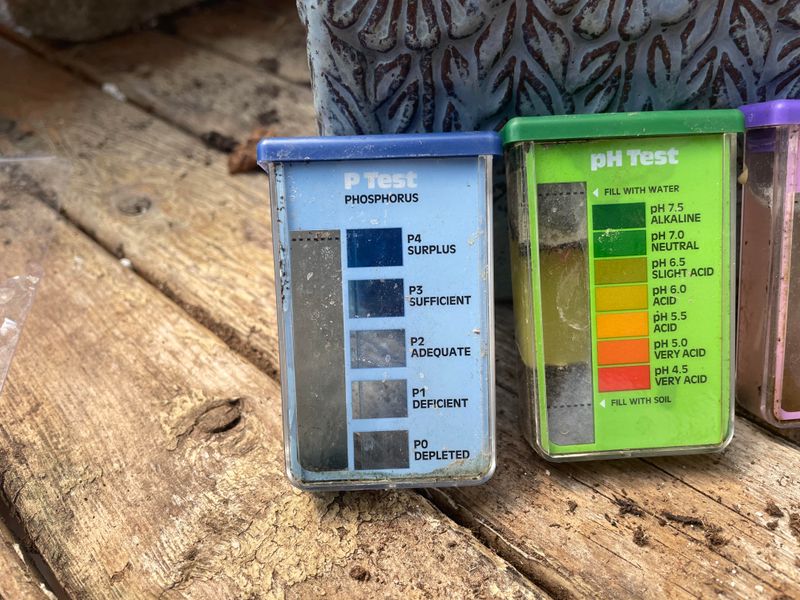
Fertilizing by guesswork is one of the easiest ways to accidentally oversupply nitrogen. When a tomato plant looks like it is struggling, the instinct to add more fertilizer makes sense.
But without knowing what the soil already contains, that extra feeding can push nutrient levels further out of balance rather than correcting them.
Soil testing removes the guesswork. OSU Extension offers soil testing guidance and services that help gardeners understand pH levels and nutrient availability before making fertilizer decisions.
A basic soil test can reveal whether nitrogen, phosphorus, potassium, or other nutrients are already at adequate levels. It can also show whether something specific is actually missing.
Testing before the growing season is ideal, but mid-season testing can still provide useful information.
Using test results to guide fertilizer choices means spending money on what the soil actually needs, not on what looks like a reasonable guess. Tomatoes do need nutrients to produce well, but a soil already high in nitrogen does not benefit from another application of a nitrogen-heavy product.
Compost also contributes nutrients over time, so Ohio gardens that receive regular compost applications may already have adequate nitrogen without any added fertilizer.
Soil testing is not the most glamorous part of vegetable gardening, but it is one of the most effective ways to protect both production and plant health.
7. Choose Balanced Feeding Over Big Green Growth
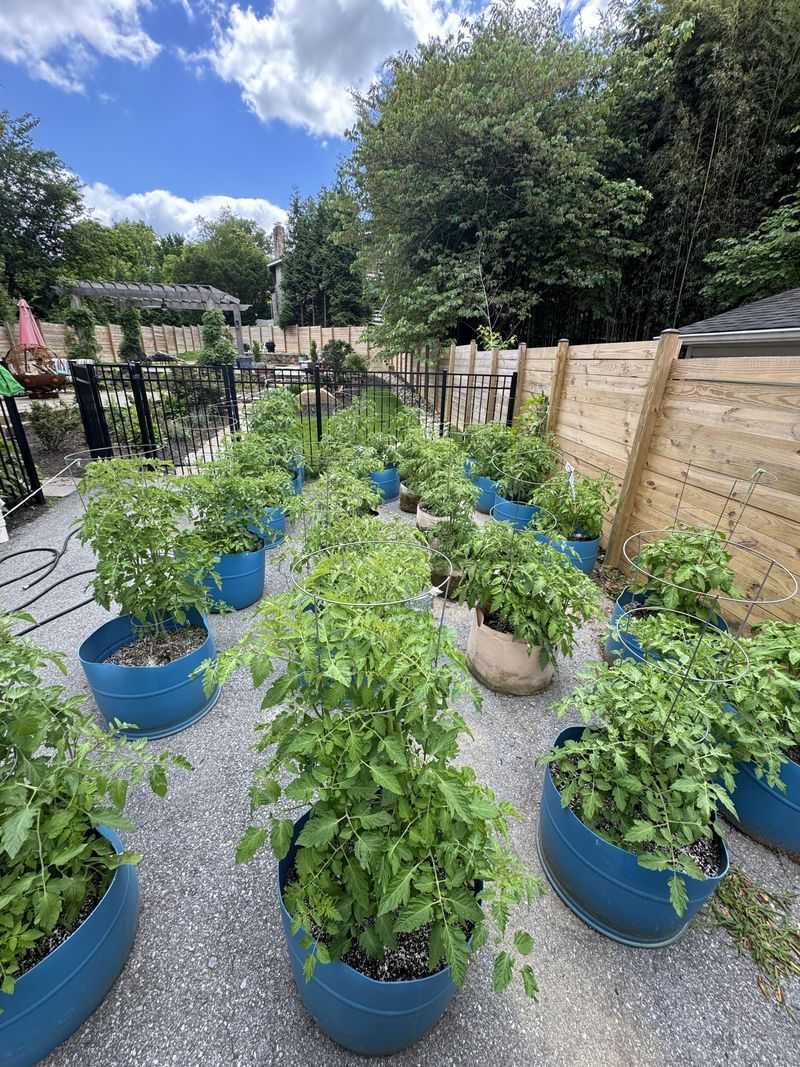
Reading a fertilizer label takes about thirty seconds and can prevent weeks of frustration. The three numbers printed on every fertilizer package represent the percentage of nitrogen, phosphorus, and potassium in that product.
A bag labeled 30-0-4, for example, is built for lawns and leafy crops, not for tomatoes that are actively flowering and setting fruit.
Once tomato plants move into their fruiting stage, balanced nutrition supports the plant better than products designed to push vegetative growth.
University extension vegetable gardening resources suggest that phosphorus and potassium both play roles in flower development, root health, and fruit quality.
A fertilizer with a more balanced or lower nitrogen ratio is generally more appropriate during midsummer than a high-nitrogen lawn formula.
Compost is worth factoring into the fertility picture as well. Gardens that receive regular compost applications are already getting a slow, steady release of nutrients, including nitrogen.
Adding a strong nitrogen fertilizer on top of a compost-amended soil can push total nitrogen higher than the plant needs.
Choosing fertilizer based on the plant’s current growth stage, soil test results, and what the plant is actually doing produces better results.
That works better than choosing based on what makes the leaves look greenest. Bigger leaves are not the goal.
More tomatoes are.
8. Help Flowers Turn Into Tomatoes Again
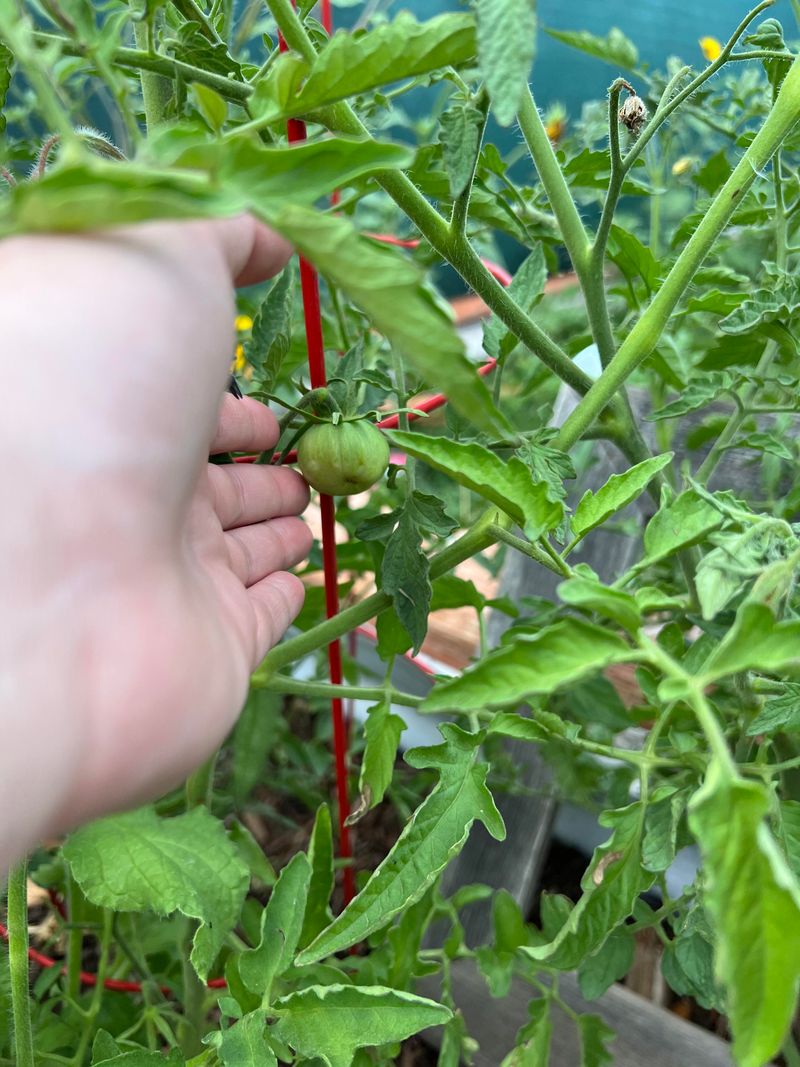
Recovery is possible, and it does not require a complicated fix. When a tomato plant has been receiving too much nitrogen and is showing more leaves than fruit, easing back on fertilizer is a reasonable first correction.
Letting the plant stabilize before applying anything new gives it space to redirect energy toward the flowers and fruit clusters already forming on the vine.
Keeping soil moisture steady during the recovery period matters just as much as adjusting fertilizer. Mulching around the base of plants helps hold moisture, moderate soil temperature, and reduce the stress that compounds fruit-set problems.
Light pruning for airflow can help, but stripping large amounts of foliage at once adds stress rather than reducing it. Gentle, targeted adjustments work better than dramatic interventions.
New blossoms often set more successfully when temperatures begin to moderate in late July or into August. Cooler nights, steadier watering, and a plant that is no longer being pushed into constant leafy growth can all contribute to better fruit development.
No single correction guarantees an instant turnaround, because heat, variety, soil conditions, and pollinator activity all play roles too.
Reducing excess nitrogen, managing moisture carefully, and avoiding unnecessary stress gives every tomato plant a stronger chance to recover.
It helps the plant do what gardeners want: stop growing leaves and start growing tomatoes.