These Are The Gardening Mistakes Costing Maryland Homeowners The Most
Maryland gardens have a habit of humbling even confident homeowners. One season you’re planting azaleas with big plans for a lush backyard.
The next you’re standing in ankle deep mud wondering where the money went. That stubborn clay soil holds water like a grudge.
The humidity swings from dry to swamp thick within days, and a single hard frost can undo months of careful planting. It’s not bad luck.
It’s usually a handful of avoidable missteps that quietly snowball into struggling shrubs, cracked patios, or a drainage headache nobody saw coming. Homeowners across Maryland sink real money into curb appeal.
Too often they watch plants fade, mulch wash away, or foundations sit in standing water after every storm.
If your yard has started to feel less like a retreat and more like a recurring expense, take note. One of these common gardening mistakes is likely the reason why.
1. Planting Non-Native Species That Fight Maryland’s Clay Soil
Clay soil is Maryland’s signature challenge, and it is unforgiving for plants that did not evolve with it.
Many homeowners fall in love with exotic ornamentals at the nursery, not realizing those plants were bred for loose, well-draining soil.
When non-native species hit clay, their roots cannot breathe or spread properly. Water pools around them, oxygen disappears, and the plant gradually declines from root stress.
The financial hit comes fast. Replacement plants, amended soil, and professional consultations add up quickly after just one failed planting season.
Native plants like Black-Eyed Susans, Virginia Bluebells, and Inkberry Holly evolved alongside the Mid-Atlantic’s dense, heavy earth. They thrive where imported species struggle and require far less coddling once established.
Switching to native species also reduces fertilizer costs significantly. These plants know how to pull nutrients from the local soil without any chemical assistance.
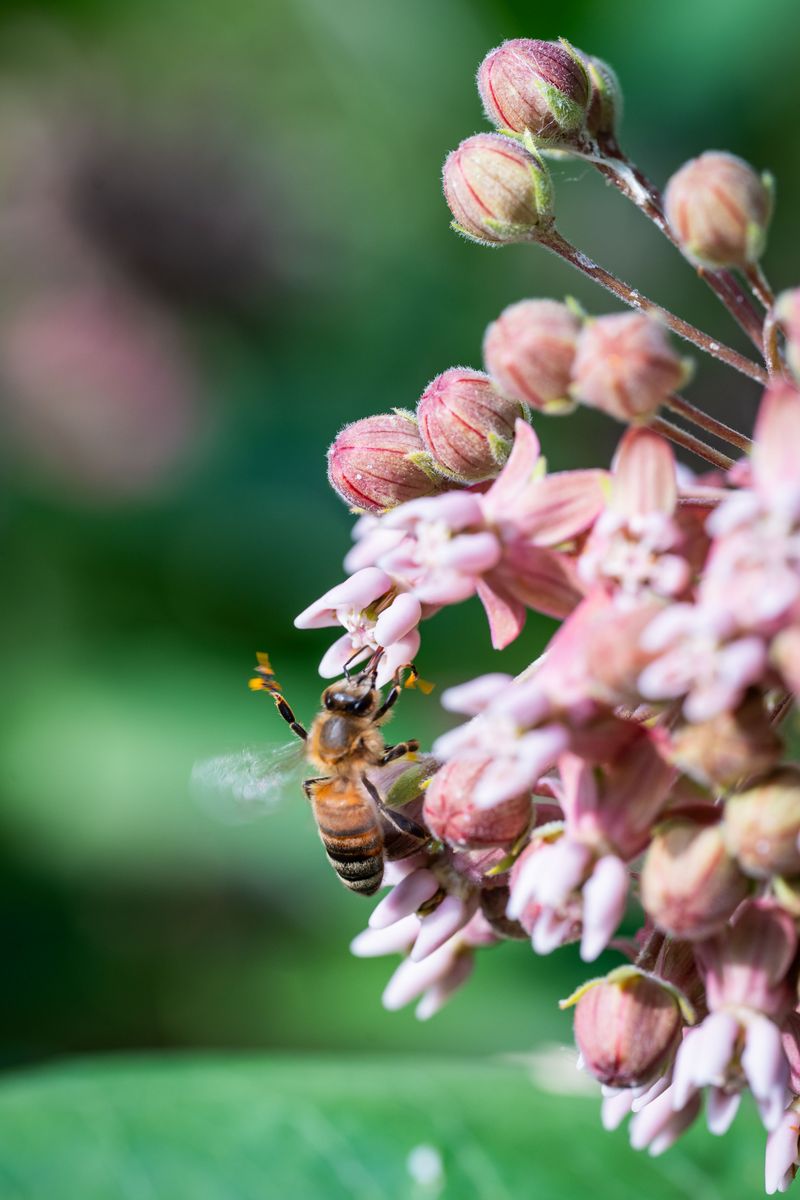
Local wildlife benefits too, which adds ecological value to your investment. Pollinators flock to native blooms, turning a simple garden into a buzzing, beautiful ecosystem.
Before buying anything new, research whether a plant is suited for USDA Hardiness Zones 6a through 8a. This range covers the state, from western Maryland to the coastal Eastern Shore.
Your county’s cooperative extension office offers free plant guides built specifically for local soil conditions.
Gardening mistakes like this one are easy to avoid with a little research upfront. Choosing the right plants from the start saves money, effort, and a lot of heartbreak later.
2. Ignoring Drainage Before Costly Landscaping Goes In
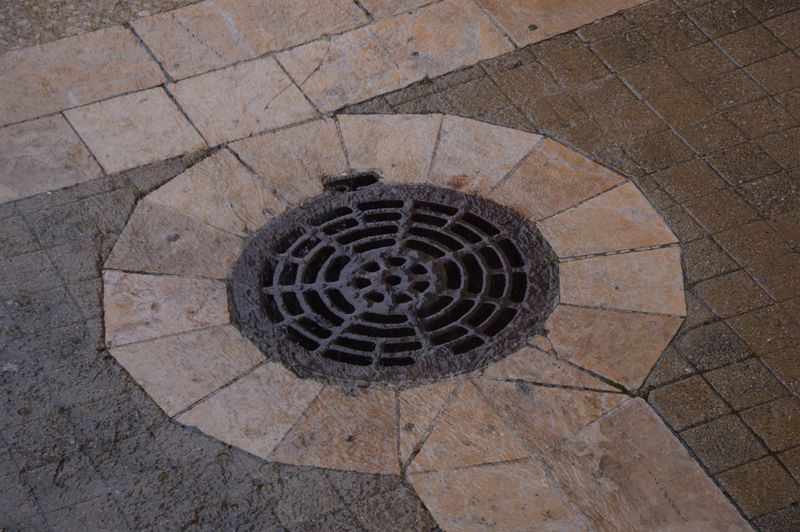
Standing water after a rainstorm is not just annoying. It is a warning sign that will quickly undermine your landscaping investment.
Many homeowners skip the drainage assessment step entirely. They install sod, plant shrubs, and lay mulch before ever checking where rainwater actually flows on their property.
Then the first heavy storm hits. Suddenly, mulch washes into the street, new shrubs sit in puddles for days, and that fresh sod turns into a waterlogged, discolored lawn.
Poor drainage is one of the most expensive gardening mistakes a homeowner can make. Repairs often cost two to three times more than prevention would have.
Your Maryland Garden Changes Every Week. Your Plan Should Too.
Gardening in Maryland changes quickly throughout the season. Every Friday you’ll receive a simple weekly plan showing exactly what to plant, prune, fertilize, harvest, and protect so you never miss the right timing.
A simple grading check before any landscaping begins can reveal problem areas. The ground should slope away from your home at roughly six inches for every ten feet of distance.
French drains, dry creek beds, and rain gardens are all affordable solutions when planned early. Retrofitting them into an established landscape costs significantly more in both labor and materials.
Permeable pavers and strategic plant placement can also redirect water naturally. Native grasses and deep-rooted shrubs absorb runoff before it pools and causes damage.
Hiring a landscape professional for even a one-hour drainage consultation before starting your project is money well spent. Catching a drainage flaw early keeps your entire outdoor investment intact and your yard looking sharp through every season.
3. Overwatering Lawns And Shrubs Past Their Needs
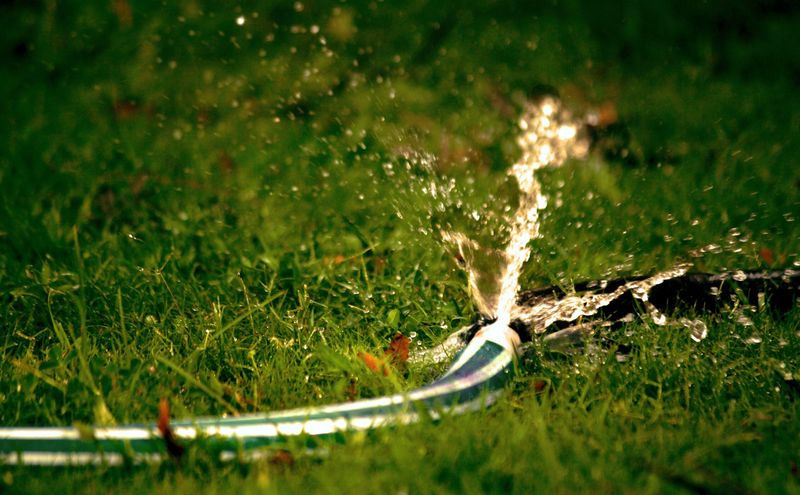
Overwatering feels like kindness, but your plants are not grateful for it. Too much water pushes oxygen out of the soil and leaves roots deprived of oxygen in waterlogged conditions.
Lawn grass in the Mid-Atlantic region generally needs about one inch of water per week. Many homeowners run their sprinkler systems daily, which is far more than most turf ever needs.
The result is a lawn that looks lush on the surface but is secretly struggling underneath. Shallow roots, fungal growth, and pest infestations are all common side effects of chronic overwatering.
Shrubs suffer similarly. Boxwoods, azaleas, and ornamental grasses all develop root rot when their soil never fully dries between watering sessions.
Water bills are another casualty. Overwatered properties often see a noticeable rise in utility costs during warmer seasons without any visible benefit to the landscape.
A simple soil moisture test using your finger or an inexpensive probe tells you exactly when watering is needed. If the top two inches of soil feel damp, skip the watering session entirely.
Smart irrigation controllers that adjust based on rainfall and temperature data are increasingly affordable. Installing one can cut outdoor water use by up to fifty percent without sacrificing plant health.
Fixing this gardening mistake costs almost nothing beyond a habit change. Water less, water deeply, and your yard will thank you with stronger roots and a lower monthly bill.
4. Ripping Out Mature Trees Without Weighing Their Value
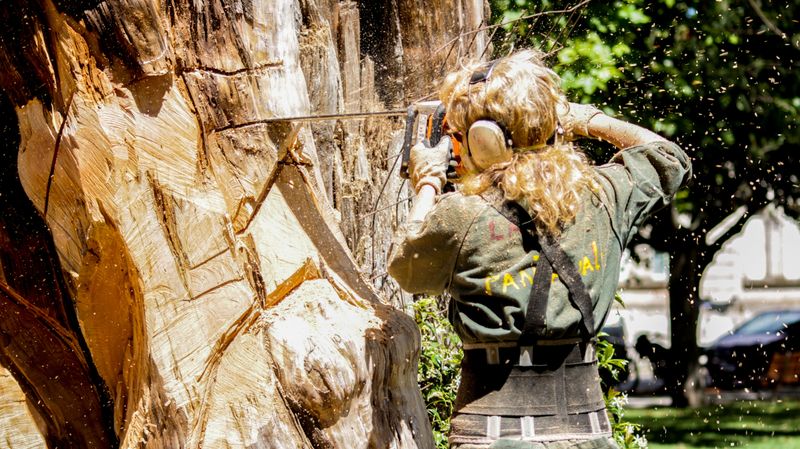
Mature trees are not just pretty. They are working assets that add thousands of dollars to your home’s market value and cut cooling costs every single summer.
A fully grown oak or maple can lower nearby air temperatures by up to ten degrees through shade and evapotranspiration. That translates directly into lower energy bills from June through September.
Many homeowners remove large trees impulsively after a single storm drops a branch. The perceived risk feels urgent, but the long-term financial loss rarely gets factored into that decision.
Professional arborists can assess whether a tree is actually hazardous or simply needs structural pruning. That evaluation typically costs a fraction of full removal and replanting.
Replacing a mature canopy tree takes decades. A sapling planted today will not provide meaningful shade for fifteen to twenty years, leaving your yard exposed and your energy bills higher in the meantime.
Trees also manage stormwater runoff significantly. Their root systems absorb enormous amounts of rainfall, reducing erosion and protecting nearby garden beds from washout.
Before calling a removal crew, consult a certified arborist for a second opinion. Many trees flagged as problems are actually healthy and just need targeted care to remain safe.
Skipping that consultation is one of the gardening mistakes that costs homeowners the most over time. Keeping a valuable mature tree standing is almost always the smarter financial and environmental choice.
5. Choosing Plants Without Checking Sun And Shade Needs
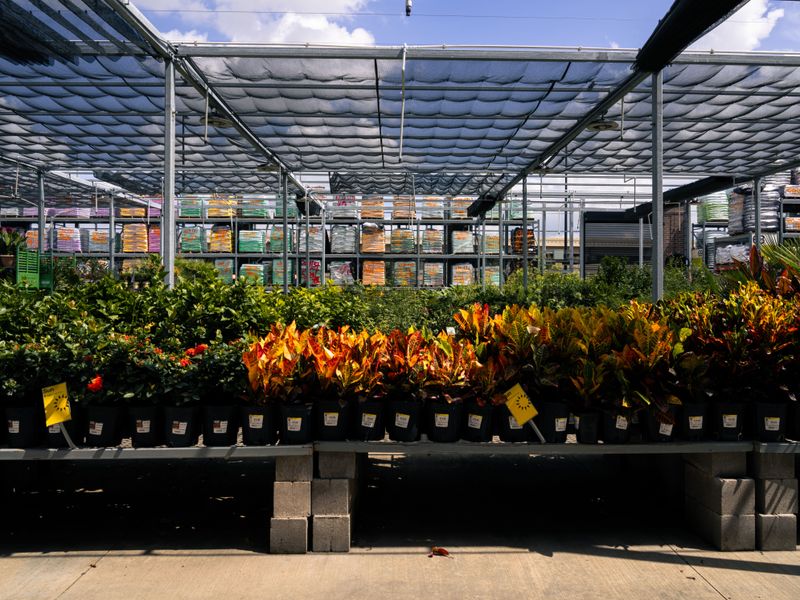
Sunlight is not negotiable for plants. Place a shade-lover in full afternoon sun and you will watch it burn, wilt, and fail no matter how carefully you water or fertilize it.
This mistake happens constantly at garden centers. A plant looks beautiful in the pot, the homeowner loves it, and it goes into the ground without a single thought about that spot’s daily sun exposure.
Hostas fried in full sun. Lavender rotting in deep shade. Hydrangeas refusing to bloom because they never get the right light balance. These are all common and costly outcomes.
The financial damage compounds quickly. Each failed plant means another trip to the nursery, more soil amendment, and more time spent replanting the same spot over and over.
Tracking sunlight in a garden bed is simple and free. Observe the area at three different times during the day: morning, midday, and late afternoon.
Count the total hours of direct sun the spot receives. Full sun means six or more hours of direct light daily. Part shade means three to six hours.
Deep shade means fewer than three hours. Match the plant tag to those numbers before purchasing.
Free plant selection guides from your county’s extension office list species suited to every light condition found in local landscapes. Using those resources turns guesswork into confidence.
Choosing plants correctly the first time eliminates one of the most frustrating and repetitive gardening mistakes homeowners face every spring planting season.
6. Skipping Soil Tests Before New Garden Beds
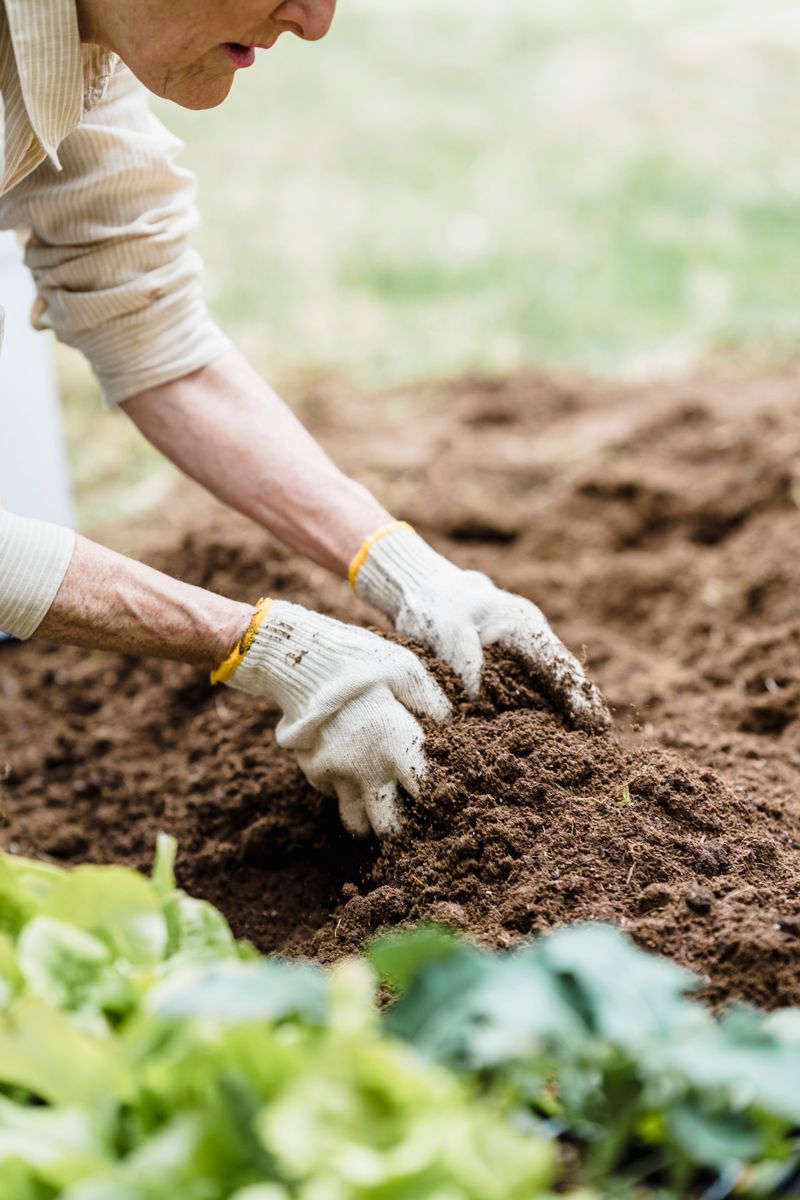
Soil is the foundation of every successful garden, yet most homeowners never test it. They add compost, drop in plants, and hope for the best without knowing what the ground actually contains.
Maryland soils vary wildly across the state. Coastal areas often deal with sandy, nutrient-poor ground, while inland regions battle dense clay with pH imbalances that lock nutrients away from plant roots.
A soil test reveals pH levels, nutrient deficiencies, and organic matter content. That information tells you exactly what amendments to add and in what quantities, saving you from guessing and overspending.
Lime is a common fix for overly acidic soil, which is widespread across the Mid-Atlantic region. Without a test, you might add too little and see no improvement, or too much and create a new set of problems.
The University of Maryland Extension offers affordable soil testing services. For a modest fee, you receive a detailed report with specific amendment recommendations tailored to your exact location.
Skipping that test often leads to buying fertilizers and amendments your soil does not actually need. Unnecessary products cost money, can harm plants, and sometimes leach into local waterways.
Testing before planting also helps you choose species that naturally suit your soil’s profile. That alignment reduces maintenance needs and keeps plants healthier with far less intervention over time.
This is one of the simplest gardening mistakes to avoid. A modest soil test can save hundreds in failed plants and wasted amendments across a single growing season.
7. Installing Hardscaping Too Close To The Foundation
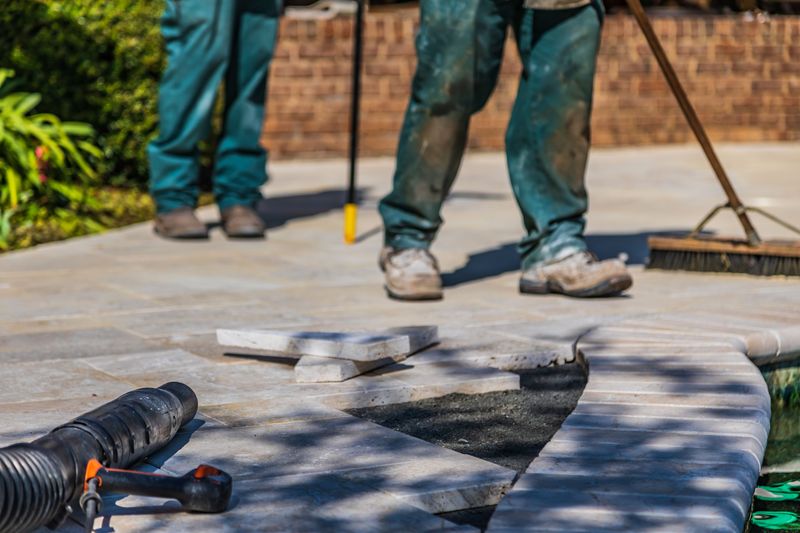
A brand-new patio right against your house looks sharp on day one. By year three, you might be staring at foundation cracks, water intrusion, and a repair bill that dwarfs what the patio cost.
Hardscaping installed too close to the foundation traps moisture against the structure. That moisture seeps into concrete, erodes mortar joints, and creates ideal conditions for mold growth inside basement walls.
Many homeowners do not realize this is happening until interior damage appears. By then, the fix requires tearing out existing hardscaping, waterproofing the foundation, and starting over from scratch.
The minimum clearance between hardscaping and a home’s foundation should be at least six inches of exposed foundation above grade. This gap allows moisture to escape and prevents direct water contact with the structure.
Proper slope matters just as much as distance. Any paved surface near the home must pitch away from the foundation at a minimum grade of two percent.
That angle keeps rainwater flowing outward instead of pooling against the wall. Mulch piled against siding creates the same problem as improper hardscaping.
Keep all mulch beds at least three inches away from wood siding and foundation walls to prevent rot and pest entry.
A qualified landscape contractor or structural engineer can assess your current setup before problems escalate. Catching improper grading early is far less expensive than addressing foundation damage later.
Avoiding this gardening mistake protects your home’s structure and keeps your landscaping investment from becoming a liability over time.
8. Neglecting Pruning Until Damage Becomes Difficult To Reverse
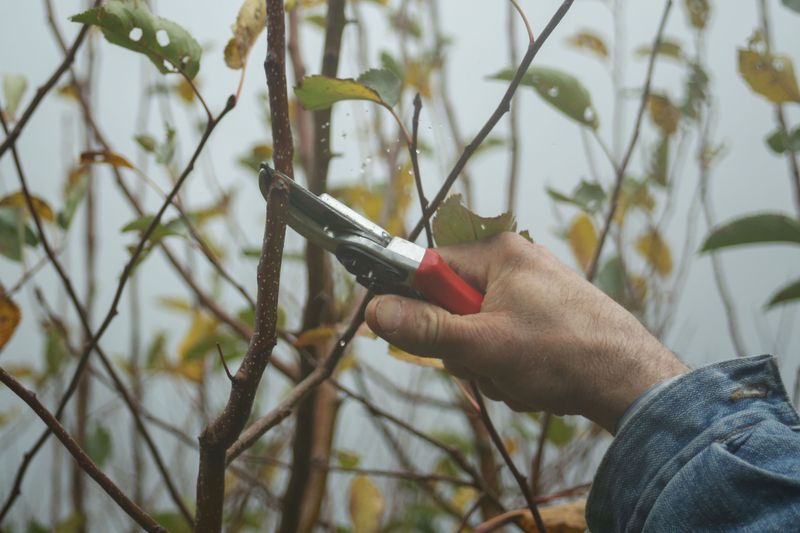
Overgrown shrubs do not just look bad. They become structural hazards that press against siding, block gutters, and create hidden entry points for moisture and pests.
Pruning feels optional until it suddenly is not. A shrub left untouched for three or four seasons develops crossing branches, weak wood, and a dense canopy that traps humidity against your home’s exterior.
Many homeowners put off pruning because they are unsure when or how to do it correctly. That hesitation is understandable, but the delay leads to plant structures that pruning alone may not fully restore.
Rejuvenation pruning, which involves cutting a shrub back hard to restart healthy growth, works well on some species. On others, severe cutting causes permanent decline and forces full replacement.
Timing matters enormously. Spring-blooming shrubs like lilacs and forsythia should be pruned immediately after flowering.
Fall-blooming species can handle pruning in late winter before new growth emerges in spring.
Hiring a professional pruner once every year or two costs far less than replacing neglected shrubs.
A skilled arborist can also spot disease or pest damage early, before those issues spread to surrounding plants.
Hand pruners, loppers, and pruning saws are all relatively inexpensive tools that make routine maintenance manageable for most homeowners.
Keeping blades clean and sharp ensures cuts heal quickly without inviting disease. Catching this gardening mistake early keeps your landscape looking intentional, healthy, and worth every dollar you invested in it from the very beginning.