These Lawn Habits Invite Grub Damage In Maryland This Summer
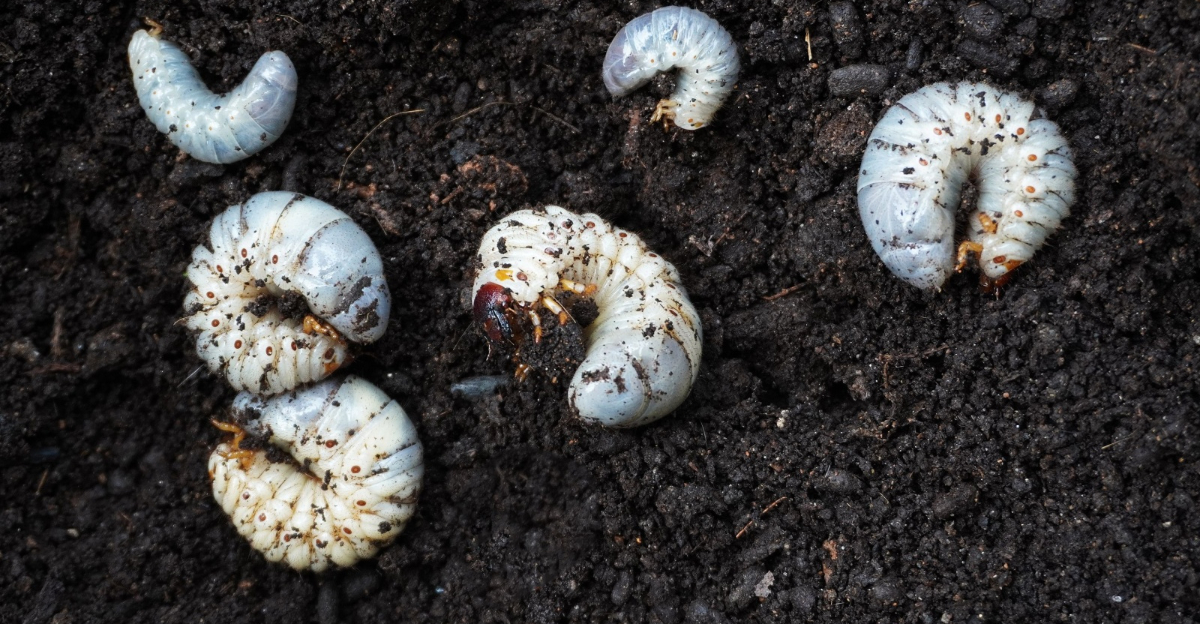
Something is eating your Maryland lawn right now. You just can’t see it yet.
Grubs don’t announce themselves. They work underground, chewing through grass roots while your lawn looks fine on the surface. By the time you notice the brown patches, the damage is already done.
Here’s the part most homeowners miss: your own yard habits may be making things worse. The way you water, mow, and fertilize can quietly turn your soil into the perfect breeding ground for Japanese beetles, masked chafers, and other white grub-producing beetles.
Maryland summers already put enough stress on a lawn. Add a grub infestation, and you’re looking at brown patches, spongy turf, and a yard that peels back like old carpet.
The habits on this list aren’t unusual. Most Maryland homeowners do at least one of them.
But knowing which ones invite grub damage is the first step. Stop them before peak beetle season, and you can save yourself a costly re-seeding job.
1. Overwatering Your Lawn In Late Summer
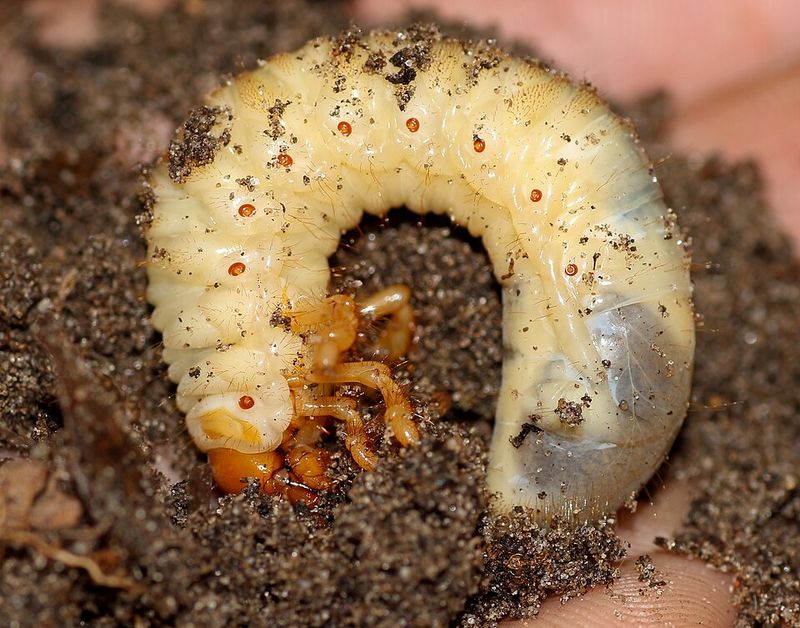
Soggy soil is prime real estate for beetle eggs. When you overwater your lawn in late summer, you are creating the exact moist, warm conditions that Japanese beetles and masked chafers love for laying their eggs.
These beetles are picky about where they drop their eggs, and they actively seek out soft, well-watered ground to do it. Grubs hatch within two weeks and immediately start feeding on grassroots beneath the surface.
The more moisture in the soil, the faster they grow and the deeper they burrow. You end up with a lawn that looks lush on top but is being hollowed out below.
A lot of homeowners assume that keeping the grass green means watering more often. That logic backfires badly during beetle egg-laying season, which runs from late June through August.
Cutting back to about one inch of water per week is usually enough for most cool-season grasses common across the region. Deep, infrequent watering encourages roots to grow downward, which also makes your turf more resilient to grub feeding.
Shallow roots snap easily when larvae chew through them. Letting the top inch of soil dry out between watering sessions can significantly reduce the attractiveness of your yard to egg-laying beetles.
Grub damage in Maryland lawns often traces right back to this one overwatering habit that feels helpful but causes serious underground harm.
2. Mowing Too Short Before The Heat Sets In
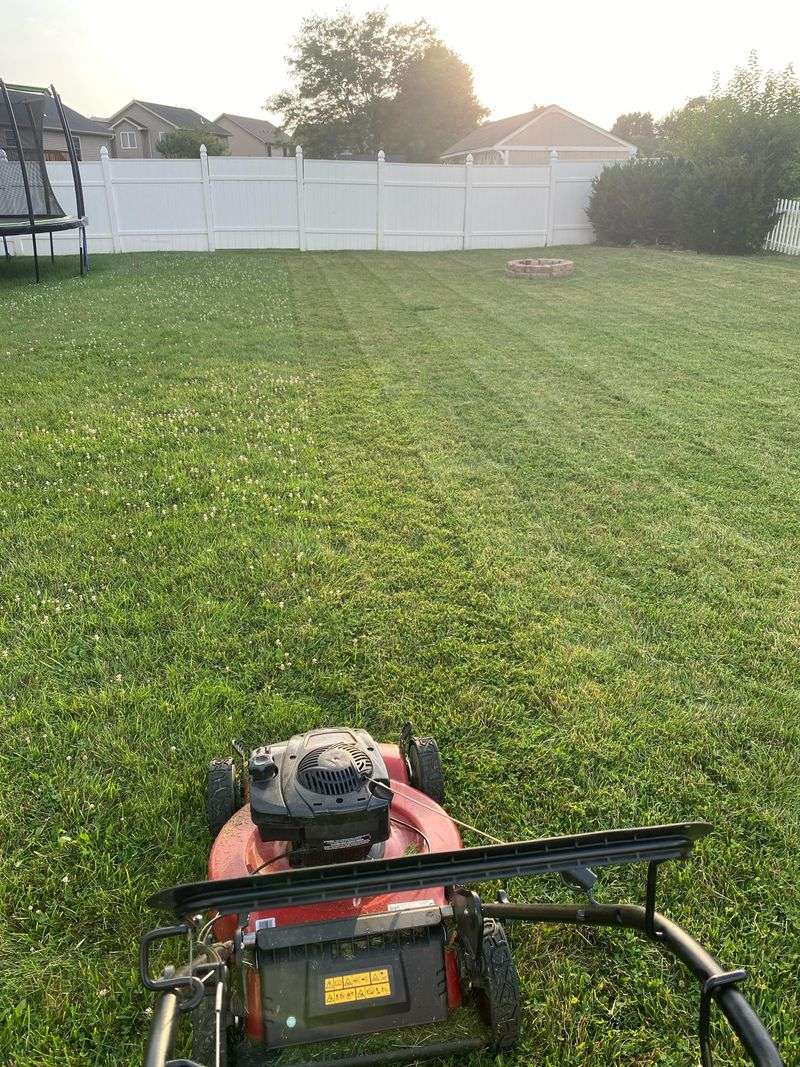
Scalped grass is stressed grass, and stressed grass is an open invitation. When you mow your lawn too short before summer heat arrives, you strip away the shade that the soil desperately needs.
Exposed, warm soil heats up faster and retains moisture near the surface, which is exactly the microclimate that egg-laying beetles prefer. Cutting below two and a half inches removes so much leaf blade that the grass cannot photosynthesize efficiently.
The roots weaken, the lawn thins out, and bare patches begin to form. Those bare patches are prime real estate for beetles scouting a place to deposit their eggs.
Your Maryland Garden Changes Every Week. Your Plan Should Too.
Gardening in Maryland changes quickly throughout the season. Every Friday you’ll receive a simple weekly plan showing exactly what to plant, prune, fertilize, harvest, and protect so you never miss the right timing.
Turfgrass specialists recommend keeping cool-season grasses like tall fescue, which is common across central Maryland, at a height between three and four inches through summer. That extra height shades the root zone, keeps soil temperatures lower, and makes the ground less appealing to beetles looking for soft, warm spots.
A sharp mower blade also matters more than most people realize. Dull blades tear grass instead of cutting it cleanly, leaving ragged edges that invite disease and further weaken the plant.
Weakened turf simply cannot recover from grub feeding the way healthy, properly mowed grass can. Raise your mowing deck this season and let the grass grow a little taller.
That one simple adjustment can make a noticeable difference in how much grub damage shows up in your lawn by late August.
3. Skipping Fall Aeration Year After Year
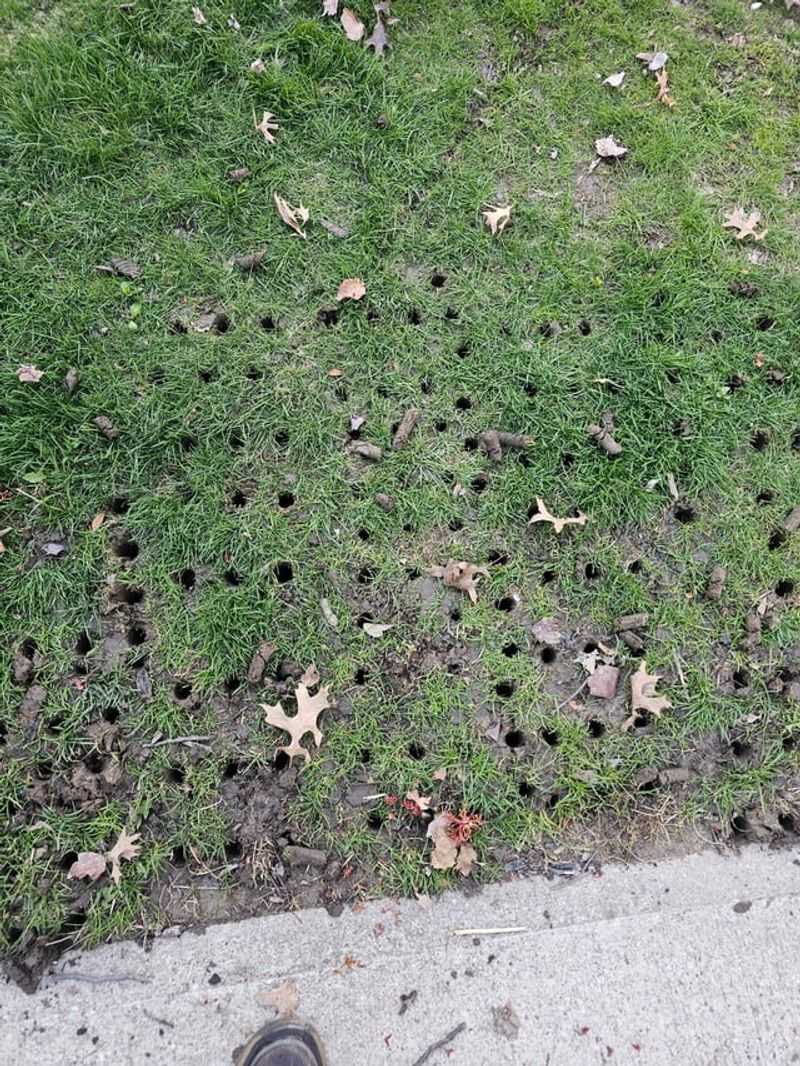
Compacted soil is a grub’s best hiding place. When you skip fall aeration year after year, you allow the soil beneath your lawn to become so dense and hard that air, water, and nutrients can barely penetrate it.
Ironically, this same compaction creates a protected underground layer where grubs can feed and overwinter with very little disturbance. Core aeration pulls small plugs of soil from the ground, opening up channels that improve drainage and root growth.
Without it, water tends to pool near the surface instead of soaking deep into the root zone. That surface moisture is exactly what makes your lawn attractive to beetles during egg-laying season.
Fall is actually the best time to aerate cool-season lawns in the mid-Atlantic region. The soil is still warm enough to encourage strong root growth, and the process helps any overseeding or treatment you apply afterward to work more effectively.
Skipping this step leaves your lawn in a weakened state heading into the next summer. Healthy, well-aerated turf develops deeper, stronger root systems that can better withstand the feeding pressure from grubs living below.
When roots are shallow and fragile due to compaction, even a moderate grub population can cause significant visible damage quickly.
Renting a core aerator for a single afternoon each fall is one of the smartest investments you can make. It reduces grub damage and keeps your Maryland lawn looking strong all year long.
4. Using Too Much Nitrogen Fertilizer In Summer
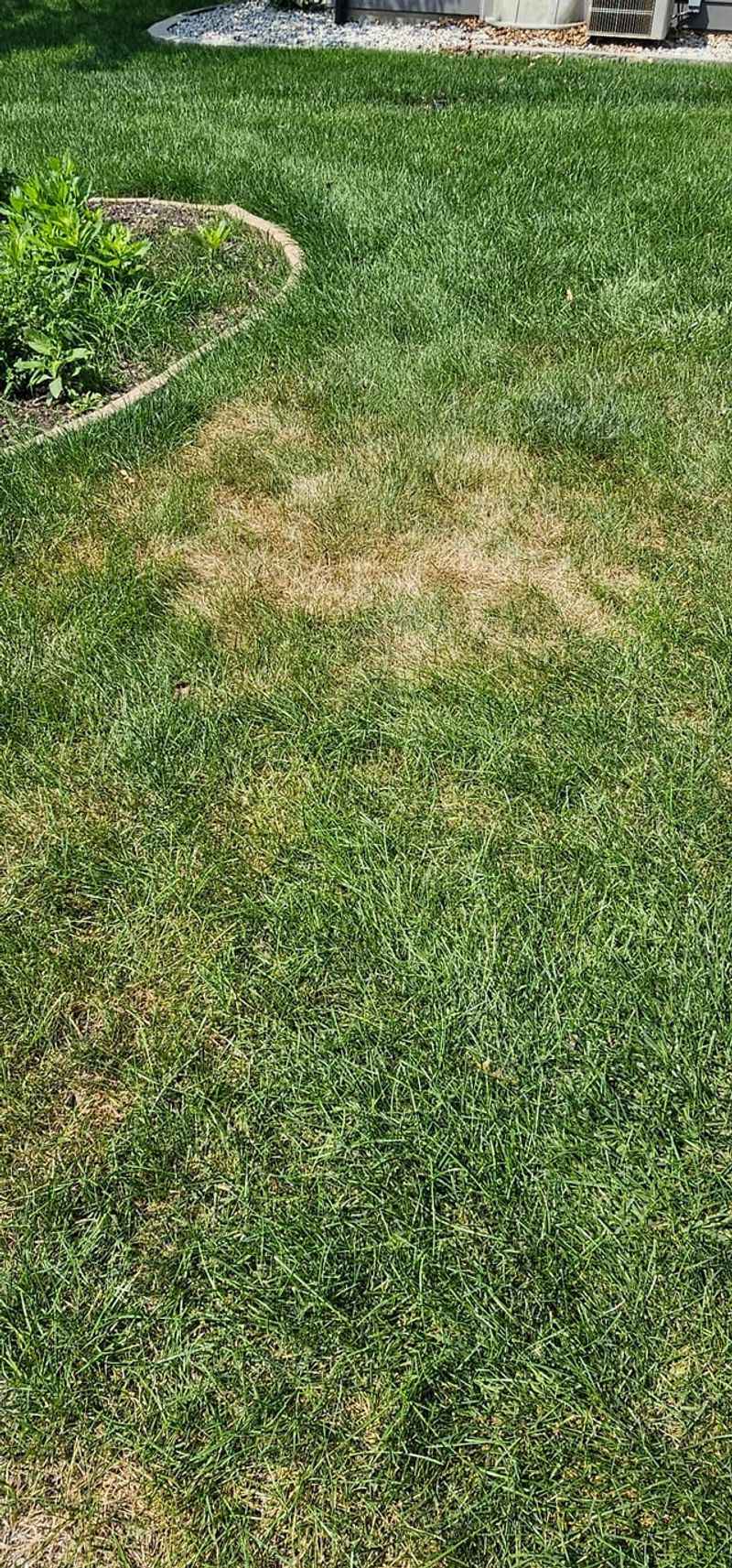
More fertilizer does not always mean a better lawn. Dumping heavy nitrogen applications on your grass during summer might seem like a boost, but it actually creates a lush, tender growth that draws beetles in.
Soft, fast-growing turf signals to egg-laying beetles that the soil below is fertile and well-nourished, which makes it an ideal nursery for their young. Excess nitrogen also pushes the grass to grow too fast, which thins out the root system relative to the top growth.
Roots cannot keep up with the rapid blade production, so the lawn ends up looking full on the surface while being structurally weak underground. Grubs exploit that weakness immediately.
Agronomists generally recommend avoiding high-nitrogen fertilizer applications between June and August for cool-season grasses. If your lawn needs feeding during summer, a slow-release formula with a balanced nutrient ratio is far less likely to trigger the lush, soft growth that attracts beetles.
Timing your heaviest feeding for early fall instead gives roots time to strengthen before winter. Reading the fertilizer label and following the recommended rate is something many homeowners skip, assuming more is better.
Overfertilizing can also burn grass and push thatch accumulation, compounding the problem. A soil test from your local cooperative extension office can tell you exactly what your lawn needs and when to apply it.
Avoiding fertilizer excess is one of the most overlooked ways to reduce grub damage across Maryland lawns each summer.
5. Ignoring Thatch Buildup In Your Lawn
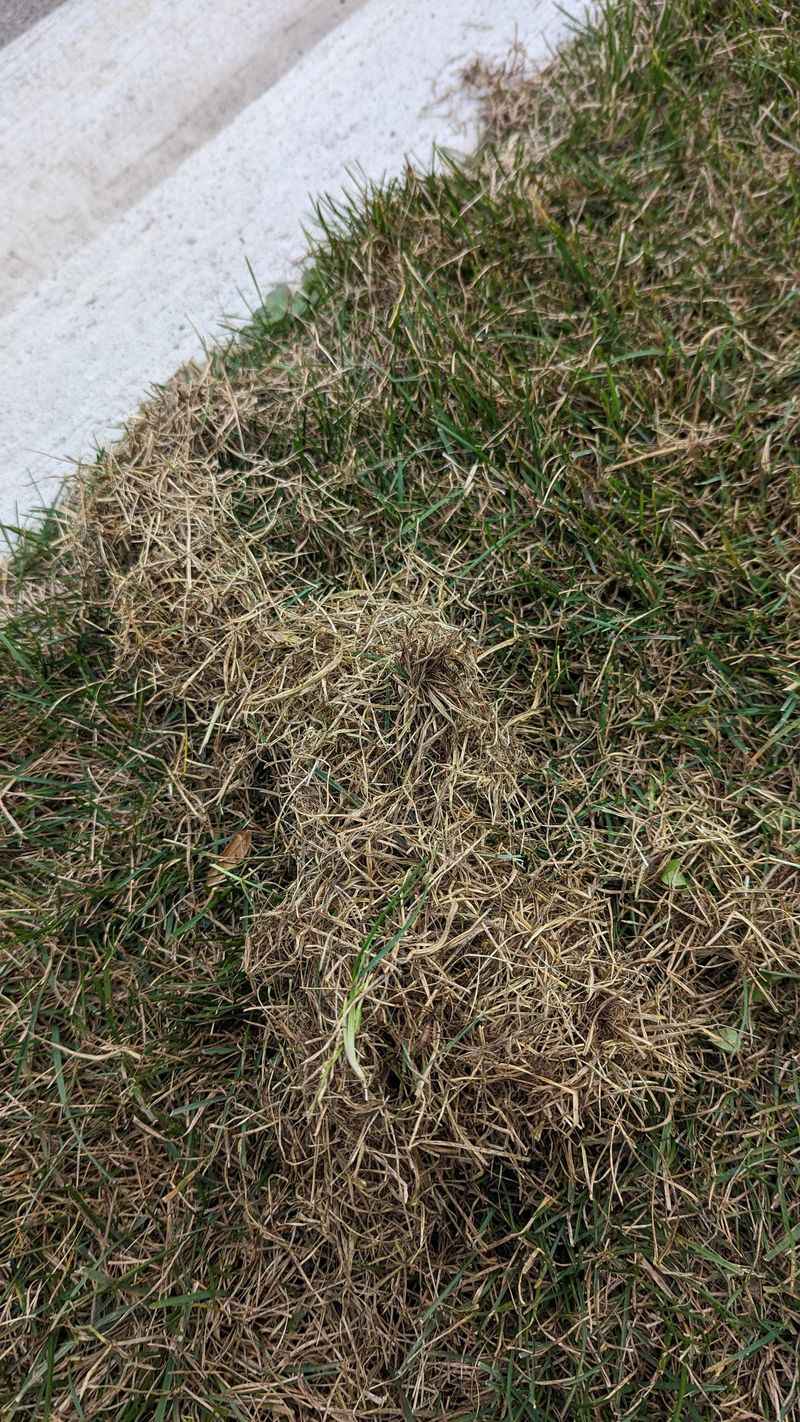
A little thatch is normal. A thick mat of it is a grub welcome sign.
Thatch is the spongy layer of brown grass stems, roots, and organic debris that accumulates between the green blades and the soil surface. When it builds up beyond half an inch, it traps moisture, blocks treatments from reaching the soil, and gives grubs a cozy place to hide just beneath the surface.
Beetle larvae actually thrive in the zone right at the soil-thatch interface. The moisture retained in thick thatch keeps them hydrated, and the organic material provides additional food sources as they grow.
Lawns with heavy thatch tend to show more severe grub damage because the population can establish and grow unchecked. Dethatching with a power rake or vertical mower opens up the lawn and allows air and water to move properly through the turf system.
It also allows grub control products to penetrate into the soil where they actually work. Applying a treatment on top of thick thatch is like spraying a shield you cannot get through.
Thatch management is something many homeowners overlook until the damage is already visible. Scheduling a dethatching session every one to two years, combined with regular aeration, keeps the lawn balanced and less hospitable to pests.
Staying on top of thatch is a simple but powerful way to reduce grub damage and keep your turf healthy through the toughest Maryland summers.
6. Watering At Night Instead Of Early Morning

Nighttime watering feels convenient, but your lawn pays for it later. When you irrigate after sunset, the water sits on the soil surface for hours without evaporating.
That prolonged surface moisture is exactly what draws egg-laying beetles to your yard during the peak summer months when they are actively searching for soft, damp ground. Beetles use soil moisture as a key signal when selecting where to lay their eggs.
A lawn that stays wet overnight broadcasts that signal loudly and clearly. Over time, eggs get deposited in the top inch or two of soil, where they hatch and begin feeding within days.
Early morning watering, ideally between five and nine in the morning, allows the sun to dry the surface quickly while still giving roots time to absorb moisture throughout the day. The soil surface dries out by mid-morning, reducing its attractiveness to beetles that are most active during daylight hours in summer.
Switching your irrigation timer from evening to early morning is a free change that costs you nothing but a few minutes of setup. Paired with proper watering amounts, this single habit shift can make your lawn significantly less appealing to the beetles responsible for grub damage.
Many Maryland homeowners are surprised to learn that when they water matters just as much as how much they water each week.
7. Planting Grass Types That Attract Beetles
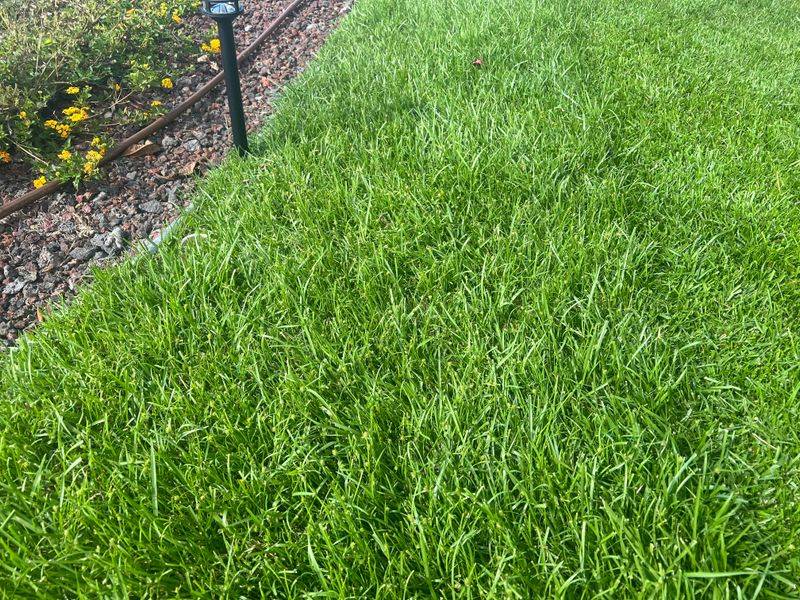
Not all grass is equally appealing to beetles, and choosing the wrong type can stack the odds against you. Kentucky bluegrass and perennial ryegrass are among the most attractive turf species to Japanese beetles and other common grub-producing beetles found across the region.
These grasses tend to produce the soft, moist root zones that larvae find most palatable. Tall fescue, on the other hand, has naturally deeper roots and a coarser texture that makes it somewhat less inviting to egg-laying beetles.
Some tall fescue varieties also contain endophytic fungi, which are naturally occurring organisms that produce compounds that deter surface-feeding insects. Choosing endophyte-enhanced seed blends is a smart long-term strategy.
Overseeding thin or bare areas with a more resistant grass type gradually shifts the composition of your lawn over time. You do not need to tear everything out and start fresh.
Adding tall fescue seed to problem areas each fall slowly builds a more resilient turf. Talking to a local nursery or your county extension office about the best grass varieties for your soil and sun conditions is always a worthwhile conversation.
Grass selection is a long-term decision that directly affects how much grub damage your lawn experiences season after season. The right turf type is one of your most underestimated defenses against underground pest pressure in Maryland.
8. Missing The Narrow Window For Grub Treatment
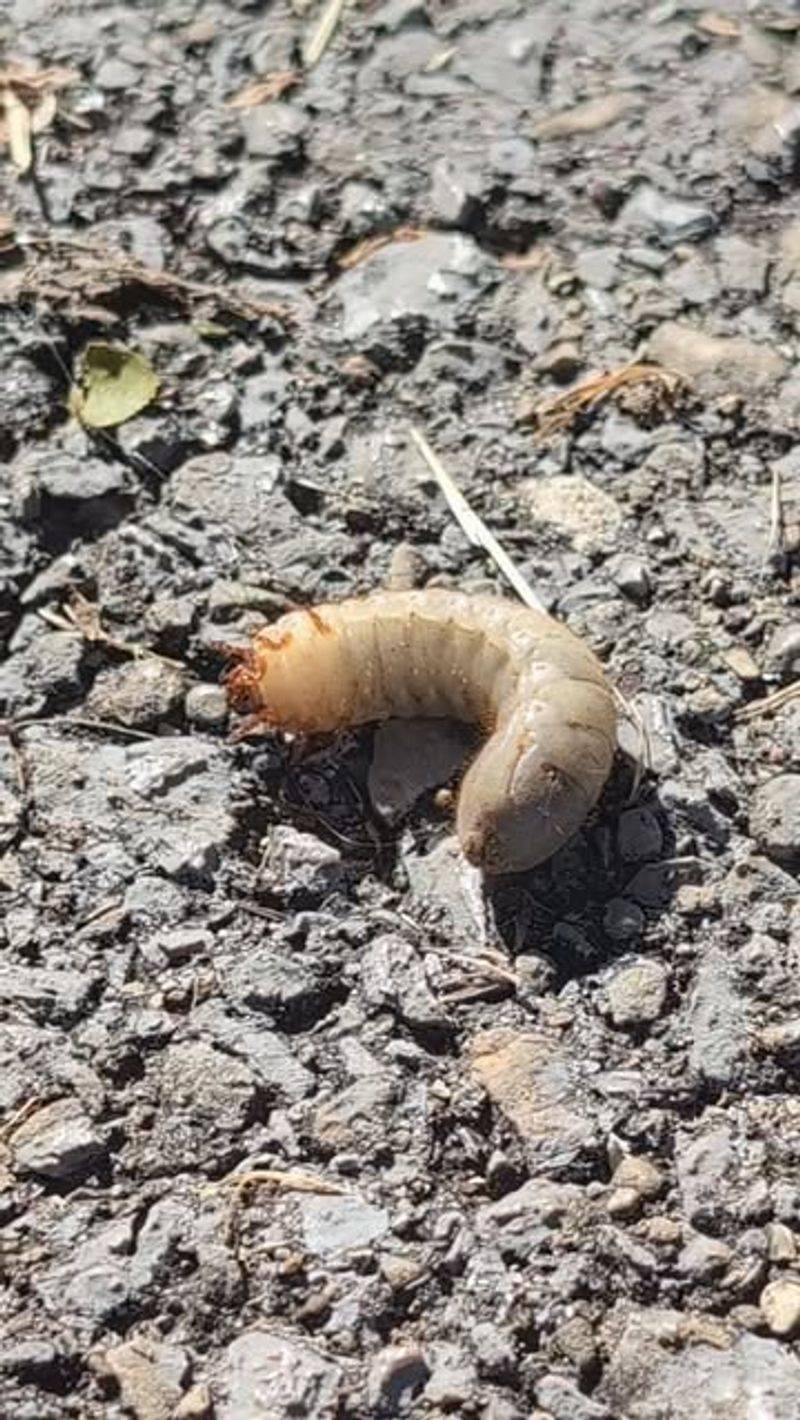
Timing is everything when it comes to grub control, and most homeowners miss the window entirely. Preventive grub treatments work by targeting young larvae just after they hatch, when they are small, near the soil surface, and most vulnerable.
That window typically runs from late June through early August across the mid-Atlantic region. Applying a treatment in September or October is largely ineffective because by then, the grubs have already grown large and burrowed several inches deeper into the soil.
Waiting until you see brown patches in the lawn means the feeding has already caused significant root loss. At that point, you are managing damage rather than preventing it.
Curative products exist for late-season applications, but they are less reliable and require very specific soil temperature and moisture conditions to work properly. Preventive products applied at the right time are far more consistent and require much less effort overall.
Setting a reminder in late May to purchase and schedule your treatment can save you hundreds of dollars in lawn repair costs. Grub damage in Maryland lawns is almost always worse in yards where treatment timing is missed or ignored.
Checking with your local extension office gives you the most accurate timing guidance. They can pinpoint the recommended application window for your specific county.
Acting early is the single most effective way to protect your lawn. Even before you see a single grub or brown patch, the right timing makes all the difference.