8 Fruit Trees That Reward North Carolina Gardeners With Decades Of Harvests From A Single Planting
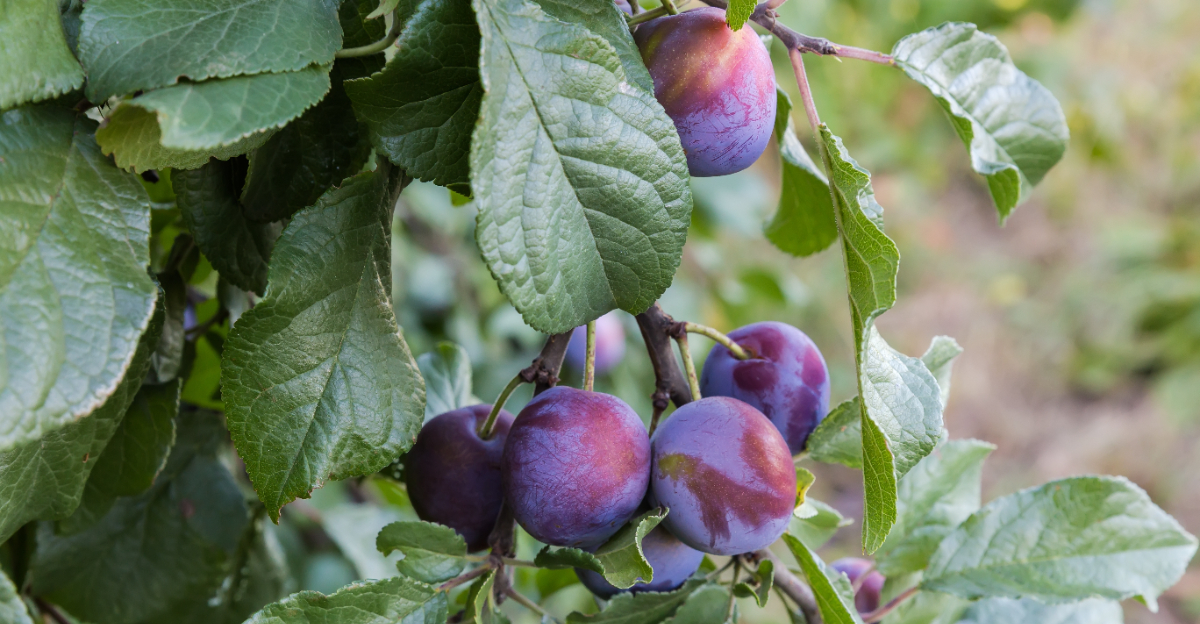
Planting a fruit tree is one of the most rewarding decisions a gardener can make, and one of the most permanent.
A single tree planted this season could still be feeding your family in thirty years. It could outlast the fence, the deck, and possibly the garden plans you have right now.
That kind of long-term return is rare in gardening, and it starts with choosing the right tree for where you actually live.
North Carolina offers a genuinely wide range of growing conditions, from the warm coastal plain to the cooler mountain ridges, and what thrives in Asheville may struggle in Wilmington.
Getting that regional match right is the difference between a tree that produces for decades and one that limps along producing nothing and eventually gets removed to make room for something better.
Eight fruit trees have proven track records across North Carolina.
Some are obvious choices that every gardener already knows. Others are overlooked for no good reason, producing fruit that rivals anything at the farmers market while asking surprisingly little in return.
At least one of these belongs in your garden plan.
1. Fig Trees Fit Warm North Carolina Corners
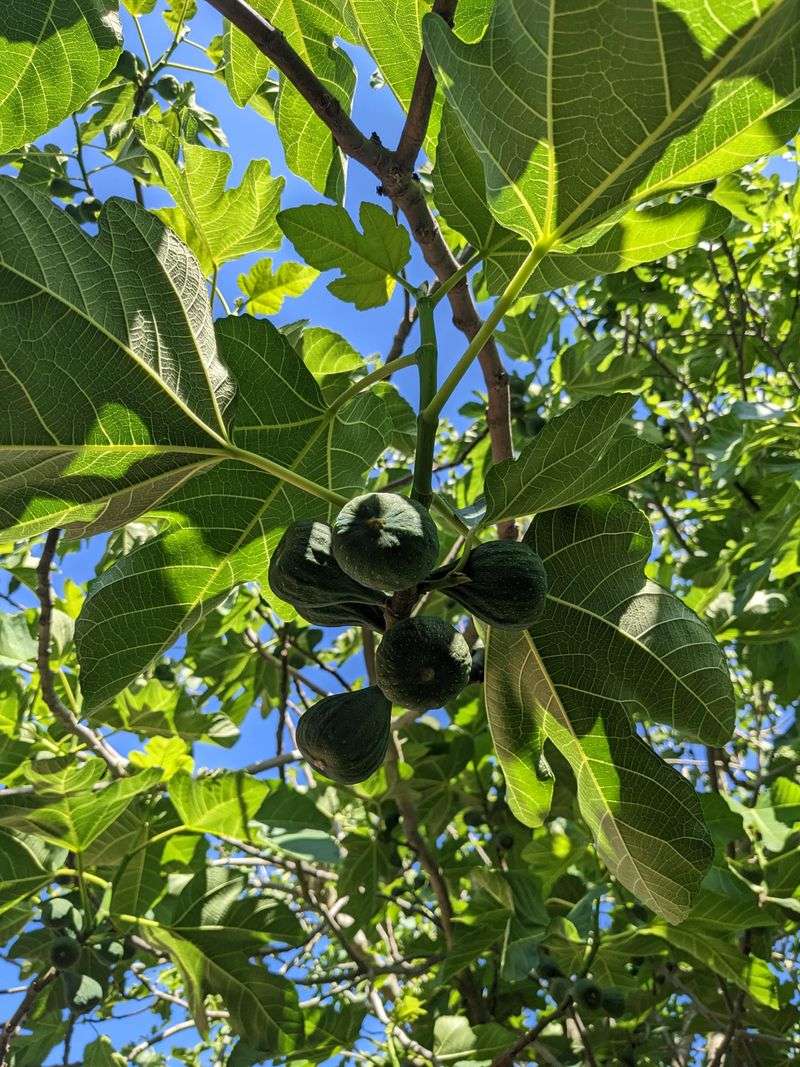
Few fruit trees feel as generous as a fig.
One well-placed tree in a warm, sheltered spot can produce two flushes of fruit per season and keep doing so for thirty years or more with relatively little fuss.
In North Carolina, figs perform best in the Piedmont and coastal plain regions, where winters are mild enough to protect the roots and lower branches from severe cold damage.
Varieties like Celeste and Brown Turkey are the most popular choices for North Carolina gardeners, and for good reason.
Both are cold-hardy compared to other fig types, produce sweet flavorful fruit, and bounce back well even after a hard winter knocks back the top growth. The roots usually survive and send up vigorous new shoots in spring.
Figs prefer full sun and well-drained soil, and they do especially well when planted near a south-facing wall or fence that reflects warmth.
Mulching heavily around the base in late fall helps protect the roots during cold snaps.
One of the biggest advantages of figs is their low pest pressure compared to other fruit trees.
They rarely need spraying, though you will want to share harvest time with birds unless you net the tree. Pruning is straightforward and mainly aimed at keeping the tree a manageable size.
A fig planted today could still be feeding your grandchildren decades from now, and that is a return on investment that very few plants can match.
2. Persimmons Bring Long Term Reliability
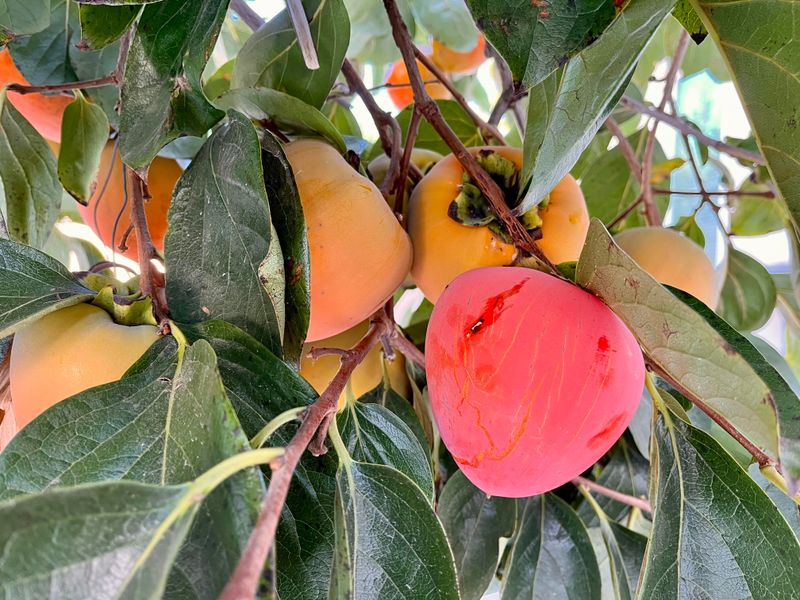
There is something almost magical about watching a persimmon tree light up in late fall with clusters of brilliant orange fruit after the leaves have dropped.
Both American and Asian persimmons grow well in North Carolina, and each brings its own strengths to the long-term garden plan.
American persimmons are native to the region, making them especially well adapted to local soils and weather patterns.
Your North Carolina Garden Changes Every Week. Your Plan Should Too.
Gardening in North Carolina changes quickly throughout the season. Every Friday you’ll receive a simple weekly plan showing exactly what to plant, prune, fertilize, harvest, and protect so you never miss the right timing.
American persimmon trees are tough, long-lived, and require very little intervention once established.
They handle drought, clay soils, and neglect better than almost any other fruit tree on this list. The fruit is intensely sweet after the first frost softens it, and wildlife absolutely loves it.
Named varieties like Meader and Yates offer more reliable fruit size and flavor than wild seedlings.
Asian persimmons, including popular varieties like Fuyu and Hachiya, tend to produce larger fruit with a more familiar flavor.
They need a bit more care, better-drained soil, and more attention to variety selection for North Carolina conditions.
Both types are generally disease-resistant and rarely need pesticide applications, which makes them a smart long-term investment.
Expect to wait three to five years before a young tree produces meaningful harvests, but once it gets going, a persimmon tree can fruit reliably for decades with only basic pruning and occasional fertilizing each year.
3. Pawpaws Handle Native Woodland Edges
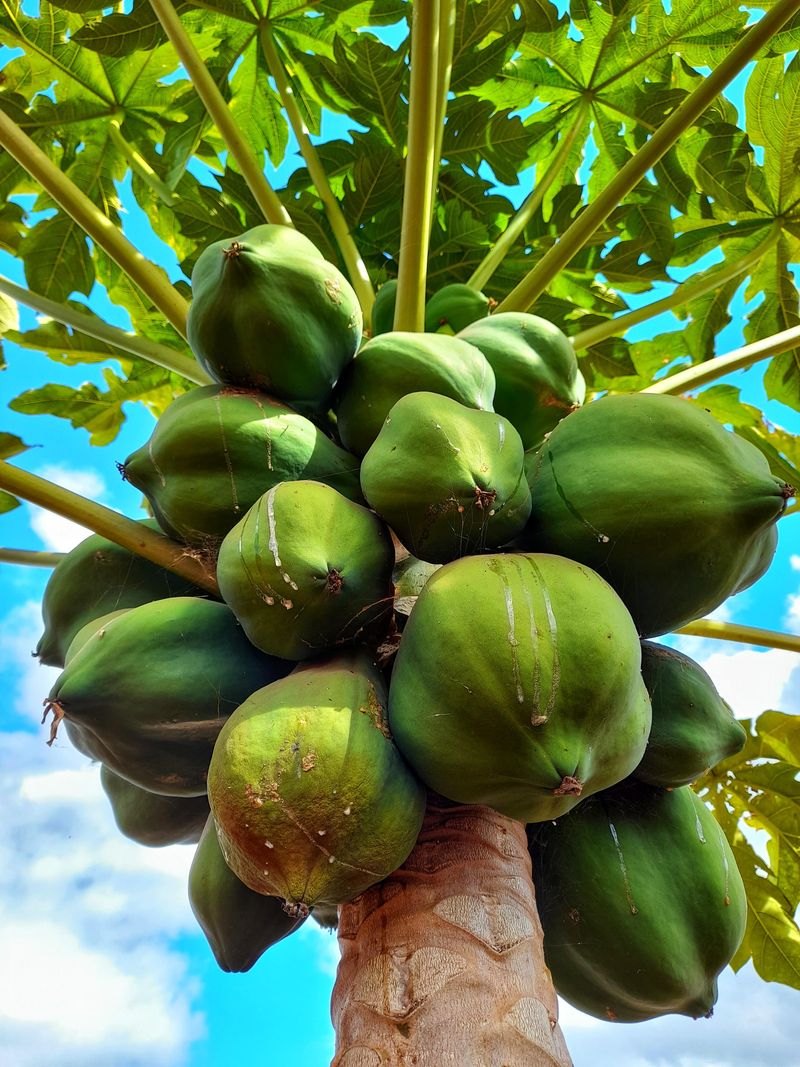
A fruit that tastes like a cross between a banana and a mango, grown on a tree that has been living wild in North Carolina forests for thousands of years.
That is exactly what the pawpaw offers, and it is one of the most underappreciated fruit trees a home gardener can plant.
Pawpaws are the largest native fruit in North America, and they thrive in the moist, partially shaded conditions found along woodland edges and creek bottoms across much of the state.
Unlike most fruit trees on this list, pawpaws actually prefer partial shade when young, making them an excellent option for spots under taller trees or along the north side of a fence.
Once established, they can handle more sun as long as soil moisture stays consistent. They spread slowly by root suckers, eventually forming a small grove that becomes more productive over time as cross-pollination between plants improves fruit set.
Planting at least two genetically different seedlings or named varieties like Shenandoah or Susquehanna is strongly recommended to ensure good pollination.
Pawpaws have very few serious pest or disease problems, partly because the leaves and bark contain natural compounds that most insects find unpleasant.
The fruit does not ship or store well, which is exactly why growing your own is so valuable.
Expect your first meaningful harvest around three to five years after planting, with production increasing steadily for many years afterward.
4. Pears Reward Careful Variety Choice
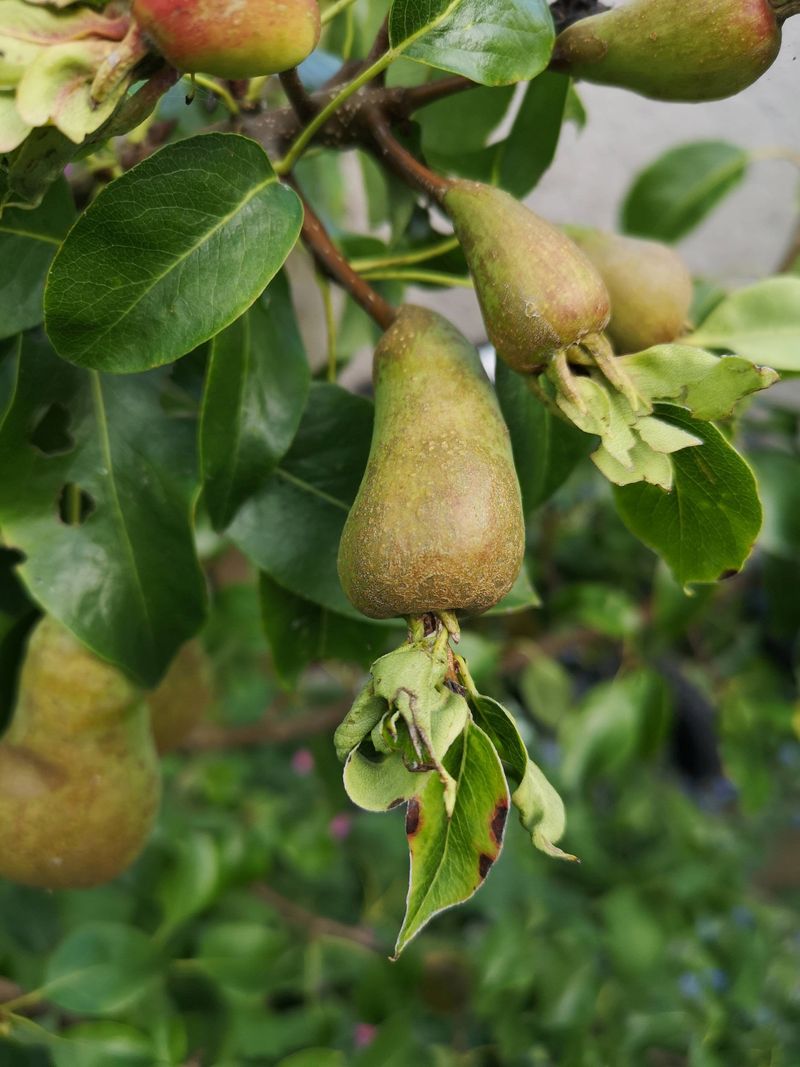
Pears can be wonderfully productive in North Carolina, but they come with a catch that every gardener needs to understand before planting.
Fire blight is a bacterial disease that devastates susceptible pear varieties, turning branches brown and cutting whole sections of a tree in a single season.
Choosing fire-blight-resistant varieties is not optional here. It is the single most important decision you will make when growing pears in this state.
Fortunately, several excellent resistant varieties have been developed specifically for the Southeast.
Moonglow, Orient, and Kieffer are longtime favorites that hold up well against fire blight while still producing good harvests of flavorful fruit.
Harrow Sweet and Harrow Delight are newer options with even better disease resistance and improved flavor that NC State Extension recommends for home gardeners across the Piedmont and coastal plain.
Pears generally need full sun, well-drained soil, and a compatible pollinator variety planted nearby.
Most varieties require another pear tree of a different type within a reasonable distance for cross-pollination, so plan to plant at least two trees.
Annual pruning is important, and avoid heavy nitrogen fertilizer applications that push excessive soft growth, since that lush new growth is exactly what fire blight bacteria target most aggressively.
With the right variety and a little seasonal attention, a well-chosen pear tree can produce bushels of fruit reliably for twenty-five years or more in a North Carolina backyard.
5. Asian Pears Add Crisp Harvests
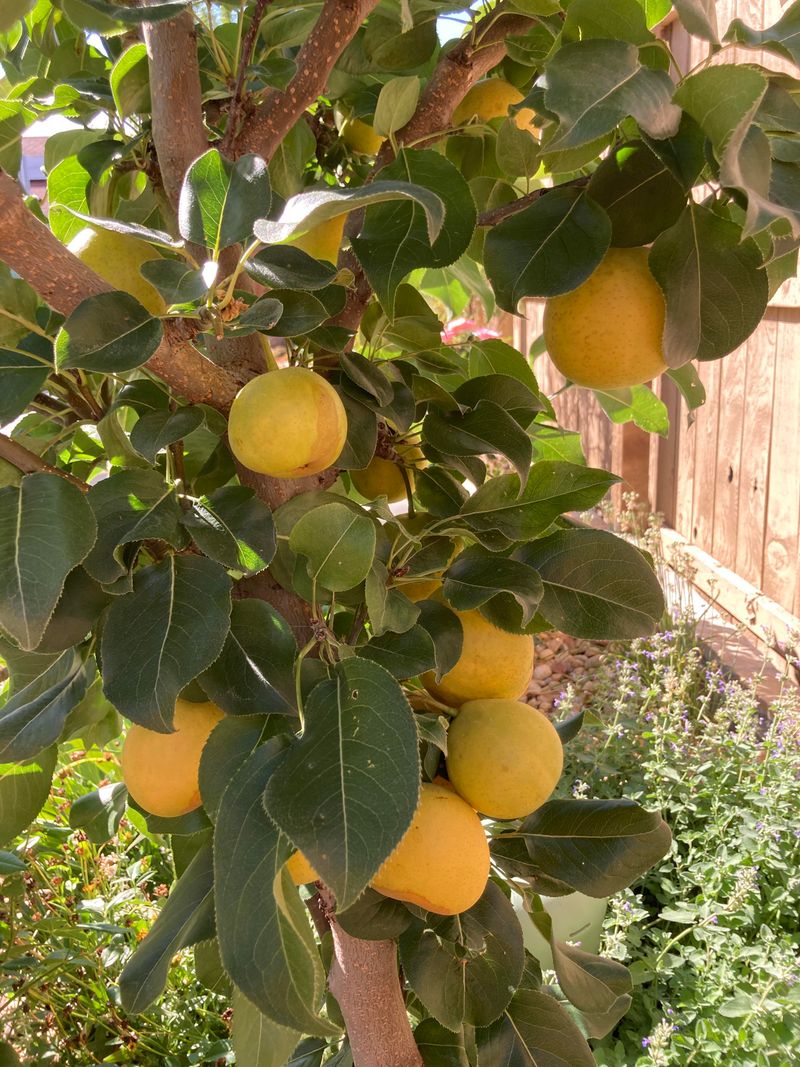
Biting into a freshly picked Asian pear is a genuinely different experience from eating a European pear.
The texture stays crisp and juicy even when fully ripe, more like a crunchy apple than a soft traditional pear, which makes them a favorite for fresh eating straight off the tree.
Asian pears ripen on the branch and do not need the post-harvest ripening period that European pears require, so timing your harvest is refreshingly straightforward.
In North Carolina, Asian pears perform well across the Piedmont and into the foothills, where they get enough winter chill hours to break dormancy properly.
Most varieties need between 400 and 500 chill hours, which is easily met across most of the state except in the warmest coastal areas. Hosui, Shinseiki, and Chojuro are popular varieties that have shown solid performance in the region.
Full sun is non-negotiable for good Asian pear production.
These trees need at least six to eight hours of direct sunlight daily to produce well and to keep the canopy dry enough to reduce fungal disease pressure.
Fire blight can still be a problem, though many Asian pear varieties show better tolerance than European types.
Annual pruning to open up the canopy improves air circulation and fruit quality significantly.
Like European pears, Asian pears benefit from a compatible pollinator nearby, and most gardeners find that planting two different varieties solves pollination challenges effectively and boosts overall fruit production each season.
6. Apples Shine In Cooler Regions
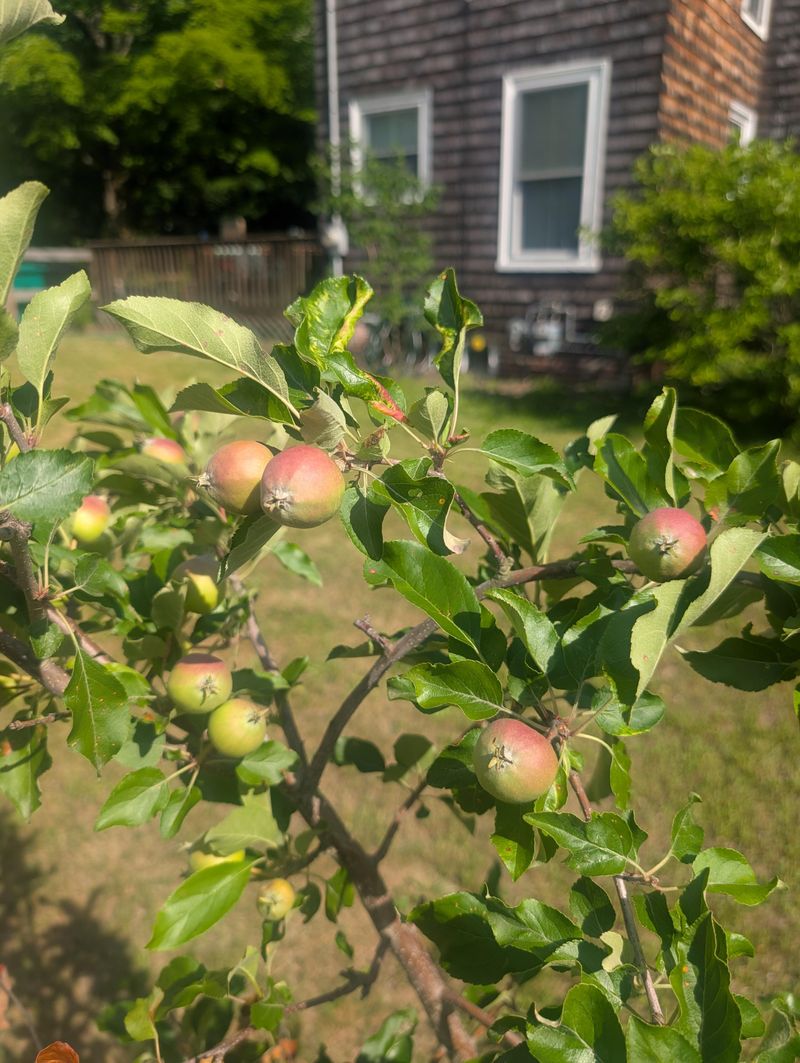
Apples are the fruit tree that most home gardeners dream about first, but they also come with the longest list of requirements to get right.
In North Carolina, apples do best in the mountain counties and upper Piedmont foothills, where cooler temperatures and adequate chill hours match what most productive apple varieties need.
Trying to grow high-chill apple varieties in the warm coastal plain is a recipe for frustration and poor harvests year after year.
Chill hour requirements are the first thing to research before buying any apple tree.
Most classic varieties like Honeycrisp, Fuji, and Gala need 800 to 1,200 chill hours, which are only reliably available in the mountains and upper foothills.
For gardeners in the Piedmont or warmer zones, lower-chill varieties like Dorsett Golden or Anna are worth exploring.
Apples are among the more demanding fruit trees when it comes to pest and disease management.
Cedar apple rust, fire blight, and codling moth are ongoing challenges across North Carolina. Planting disease-resistant varieties like Enterprise, Pristine, or Liberty significantly reduces the spray schedule needed to produce clean fruit.
Apples also require a compatible pollinator variety, careful annual pruning, and consistent thinning of young fruit to develop large, high-quality apples at harvest.
The reward for all that attention is a tree that can produce impressive harvests for forty years or more in the right location and climate zone.
7. Pecans Suit Larger Sunny Yards
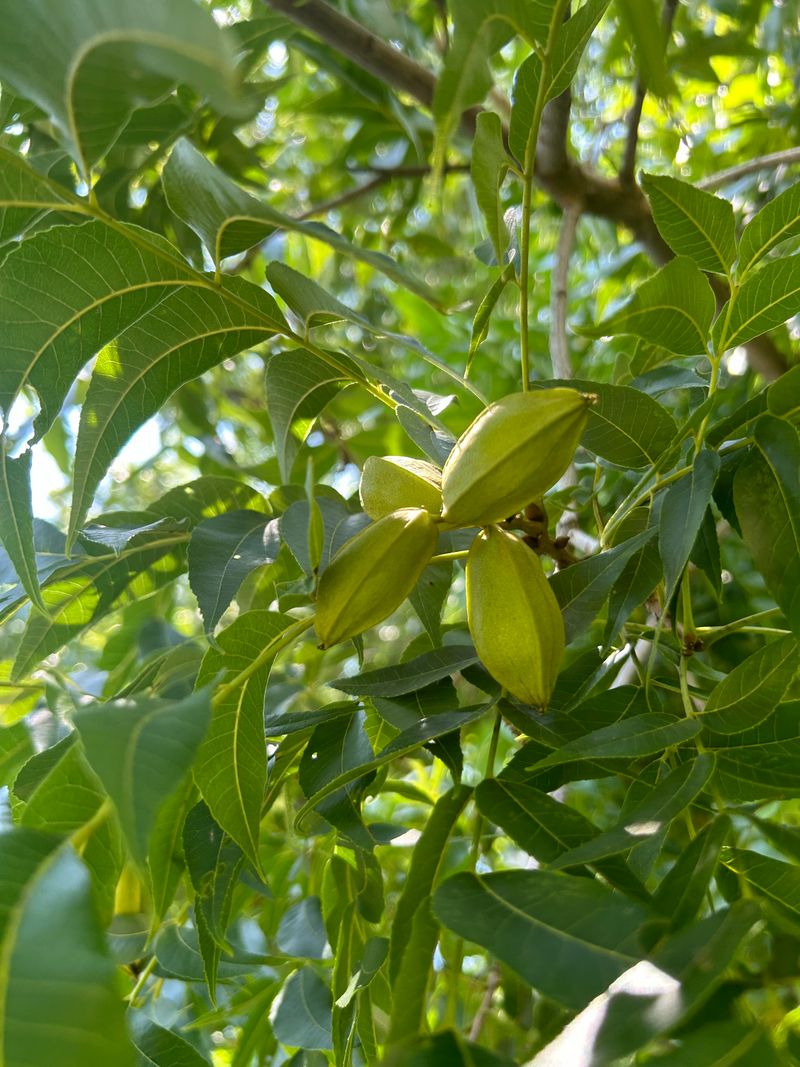
Planting a pecan tree is a multigenerational decision, and that is not an exaggeration.
A well-sited pecan tree can live for over a hundred years and produce hundreds of pounds of nuts annually once it reaches full maturity.
The catch is that full maturity takes time, space, and consistent care during the early years to set the tree up for that long productive future.
Pecans are native to the southeastern United States and grow naturally across much of North Carolina.
They prefer deep, well-drained soils with good moisture retention, full sun exposure, and plenty of horizontal space. A mature pecan tree can spread fifty feet wide or more, so small suburban lots are not the right fit.
Variety selection matters enormously with pecans in North Carolina.
Scab disease is the most serious threat to pecan production in the state, and planting susceptible varieties without a spray program leads to poor nut quality or no crop at all.
NC State Extension recommends scab-resistant varieties like Elliot, Sumner, and Melrose for home gardeners who want to minimize disease management demands.
Two different varieties are needed for cross-pollination and reliable nut production.
Zinc deficiency is also common in North Carolina soils, and annual foliar zinc applications are often necessary to keep pecan trees healthy and productive throughout the growing season each year.
8. Plums Bring Early Backyard Payoff
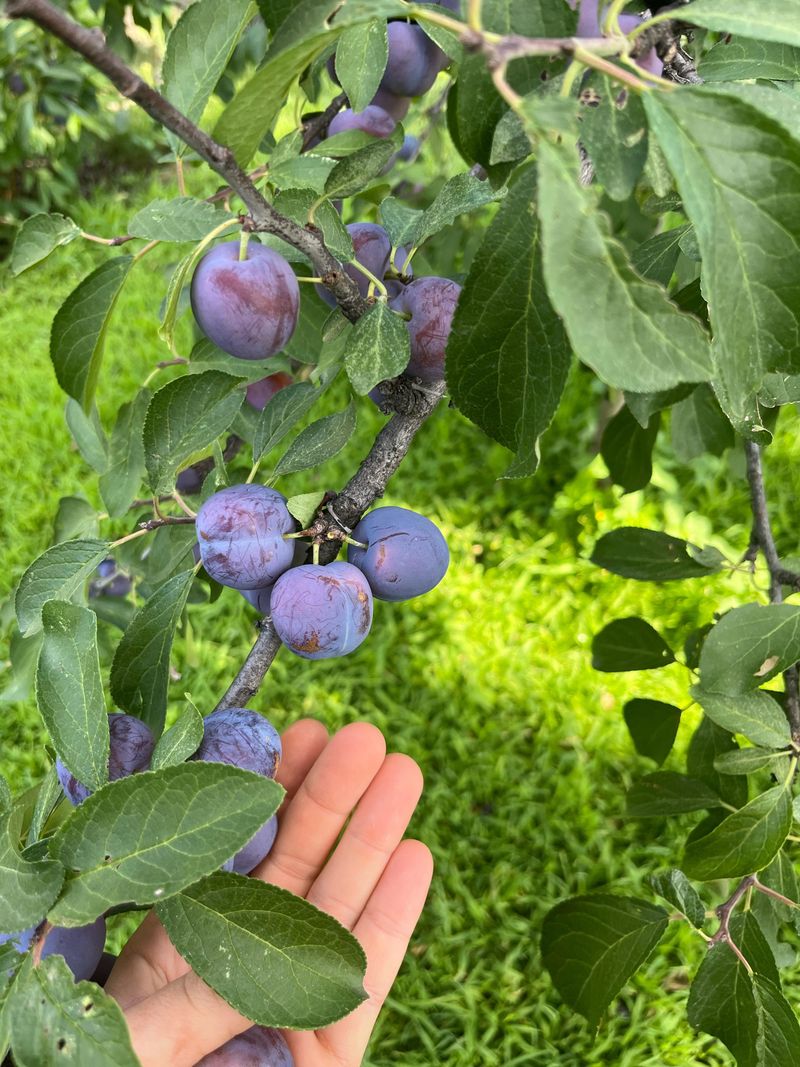
If patience is not your strongest quality, plums might be your favorite fruit tree on this list.
Compared to apples, pears, and especially pecans, plum trees tend to begin producing fruit sooner after planting, often within two to three years for young nursery-grown trees.
That early payoff makes them especially satisfying for gardeners who want to see results without waiting a decade.
North Carolina gardeners have good options in both Japanese and European plum types.
Japanese plums like Methley, Santa Rosa, and Bruce are well-suited to the Piedmont and coastal plain, producing juicy, flavorful fruit in early summer.
Methley is particularly popular because it is partially self-fertile and shows good adaptability to a range of soil types and heat levels found across the state.
Brown rot is the most damaging disease problem for plums in North Carolina, especially during wet springs when humidity stays high around ripening fruit.
Thinning fruit clusters, pruning to open the canopy for better airflow, and monitoring for early signs of the disease are all important seasonal habits.
Plum curculio is another pest to watch for during the early fruit development stage.
Despite these challenges, plums reward attentive gardeners with generous harvests of sweet summer fruit, and a healthy tree can continue producing reliably for twenty years or more with consistent seasonal care and smart variety selection from the start.