The One Thing You Must Do To North Carolina Panicle Hydrangeas Before June Ends
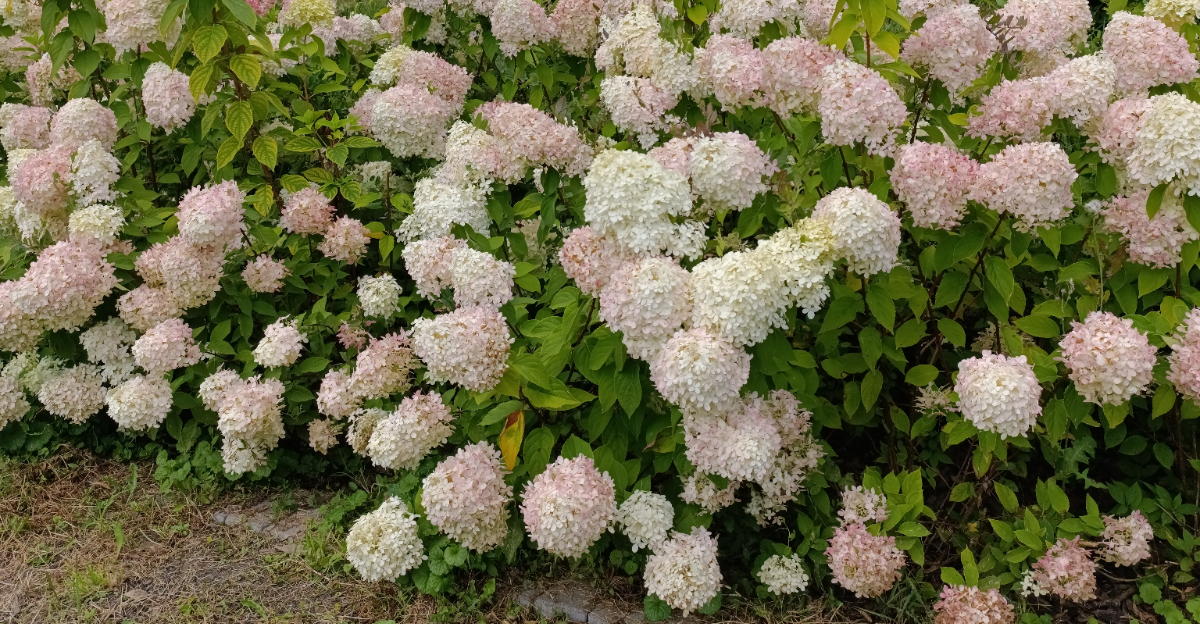
Panicle hydrangeas are the workhorses of the North Carolina summer garden.
They handle heat better than other hydrangea types, they bloom reliably even in difficult spots, and those large cone-shaped flower heads put on a show that carries straight through into fall.
Most gardeners treat them as completely self-sufficient, which is mostly fair, but there’s one task in June that separates panicle hydrangeas that perform well from ones that perform spectacularly.
It’s not complicated and it doesn’t take long, but the window for doing it correctly is tied to where the plant is in its growth cycle right now.
Get it done before June ends and the plant channels its energy in exactly the right direction heading into peak bloom season. Skip it and the hydrangea does fine, just not nearly as fine as it could have with about fifteen minutes of well-timed attention.
1. Apply Mulch Before Summer Heat Arrives
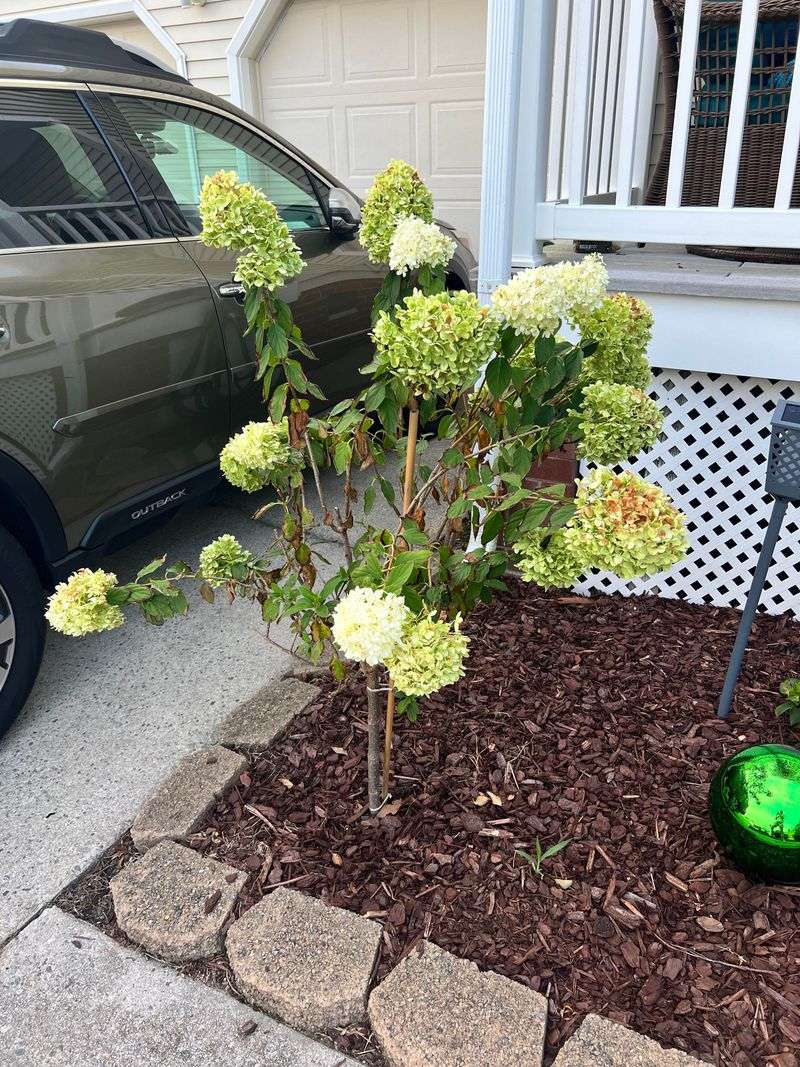
Panicle hydrangeas have a reputation for being tough, but even the toughest plants have their limits.
North Carolina summers are no joke, and by the time July rolls around, soil temperatures can skyrocket in ways that put serious stress on plant roots.
Getting mulch down before that heat arrives is one of the smartest, most effective things you can do.
A 2 to 3 inch layer of mulch acts like a protective blanket over the soil. It keeps the ground cooler, holds moisture in place, and reduces how often you need to drag out the hose.
That means your hydrangeas spend less energy struggling with heat and more energy pushing out those gorgeous, cone-shaped blooms you planted them for.
Compared to bigleaf hydrangeas, panicle varieties handle heat better overall. But that does not mean they are completely immune to summer stress.
Reduced bloom size, shorter flower longevity, and increased watering demands are all real consequences of skipping mulch. A little effort in June pays off in a big way through August and beyond.
Think of it as setting your plants up to win before the hardest part of the season even begins.
2. Why June Is The Last Easy Opportunity To Prepare For Summer Stress
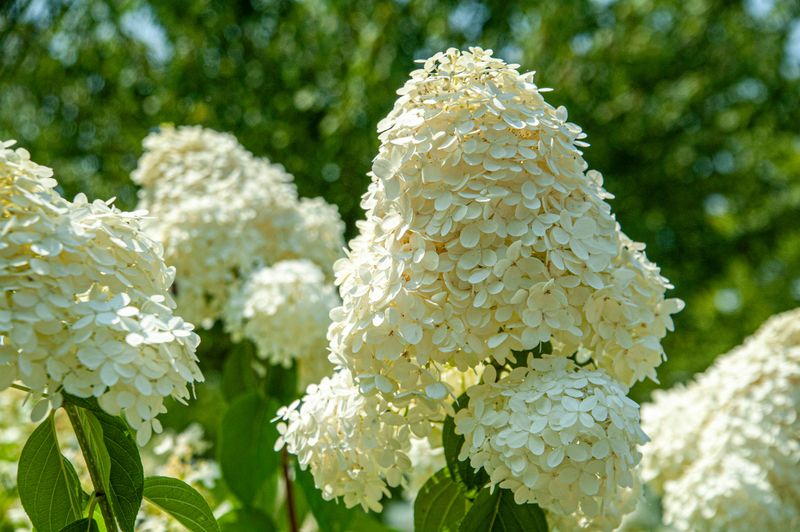
June has a way of sneaking by fast. One week you are enjoying mild mornings, and the next you are reaching for a cold drink just to survive a trip to the mailbox.
For panicle hydrangeas, that shift from comfortable spring to scorching summer is exactly the window you need to act in.
By late June, North Carolina officially enters its hottest growing period. Soil that was moist and forgiving in May starts drying out faster.
Root systems that were happily expanding begin dealing with temperature swings that can slow growth and reduce flower quality. Preparing the root zone before all of that happens is the key to a strong-performing plant.
Waiting until July to mulch is not impossible, but it is a lot less effective. By then, the soil has already heated up, moisture has already been lost, and your plants are already working harder than they should be.
Your North Carolina Garden Changes Every Week. Your Plan Should Too.
Gardening in North Carolina changes quickly throughout the season. Every Friday you’ll receive a simple weekly plan showing exactly what to plant, prune, fertilize, harvest, and protect so you never miss the right timing.
June is your sweet spot because the weather is warm enough to encourage growth but not yet punishing enough to cause real setbacks.
Use that window wisely, and your panicle hydrangeas will reward you with fuller, longer-lasting blooms right through the hottest stretch of the Carolina summer.
3. How Mulch Protects The Root System
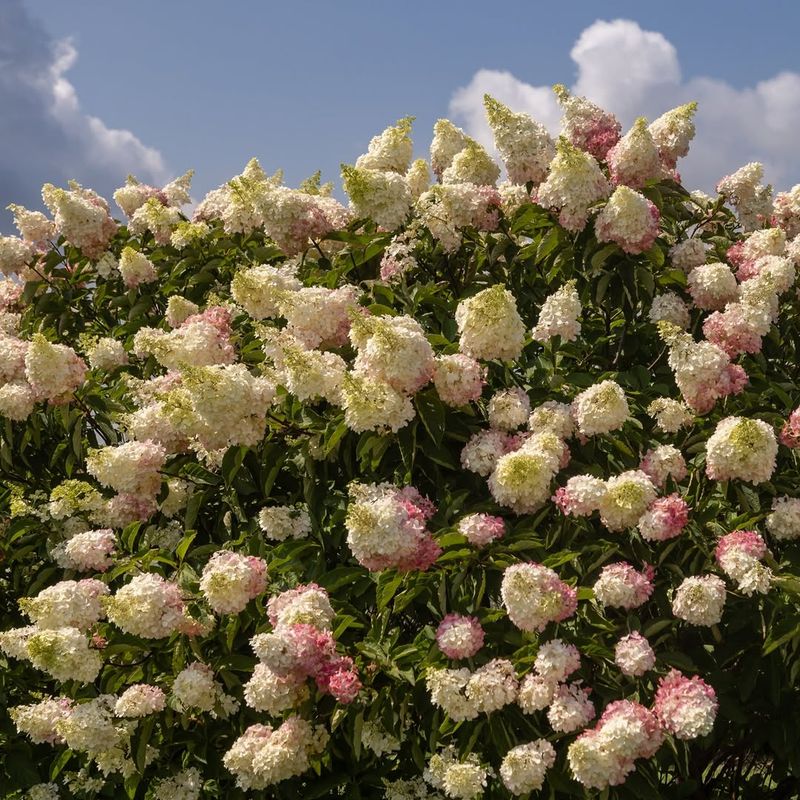
Most gardeners think of plants as being all about what happens above ground. The blooms, the leaves, the shape of the shrub.
But the real action happens underground, where the root system is quietly doing all the hard work. For panicle hydrangeas, protecting those roots is everything.
Panicle hydrangeas develop relatively shallow feeder roots that sit close to the soil surface. That positioning makes them efficient at picking up water and nutrients, but it also makes them vulnerable to heat and moisture loss.
When the top layer of soil dries out and heats up, those feeder roots feel it almost immediately.
Mulch creates a buffer zone between the harsh summer environment and those delicate surface roots. It reduces temperature swings that would otherwise stress the plant throughout the day.
It also slows evaporation, which means the soil stays moist longer between waterings. Think of mulch as giving your hydrangea roots a cool, shaded retreat even when the sun is blazing overhead.
Without it, those shallow roots bake and dry out quickly, forcing the whole plant into survival mode instead of bloom mode.
With a good mulch layer in place, your hydrangeas stay comfortable, steady, and focused on producing the biggest, most beautiful panicles possible all season long.
4. The Best Mulch Materials For NC Gardens
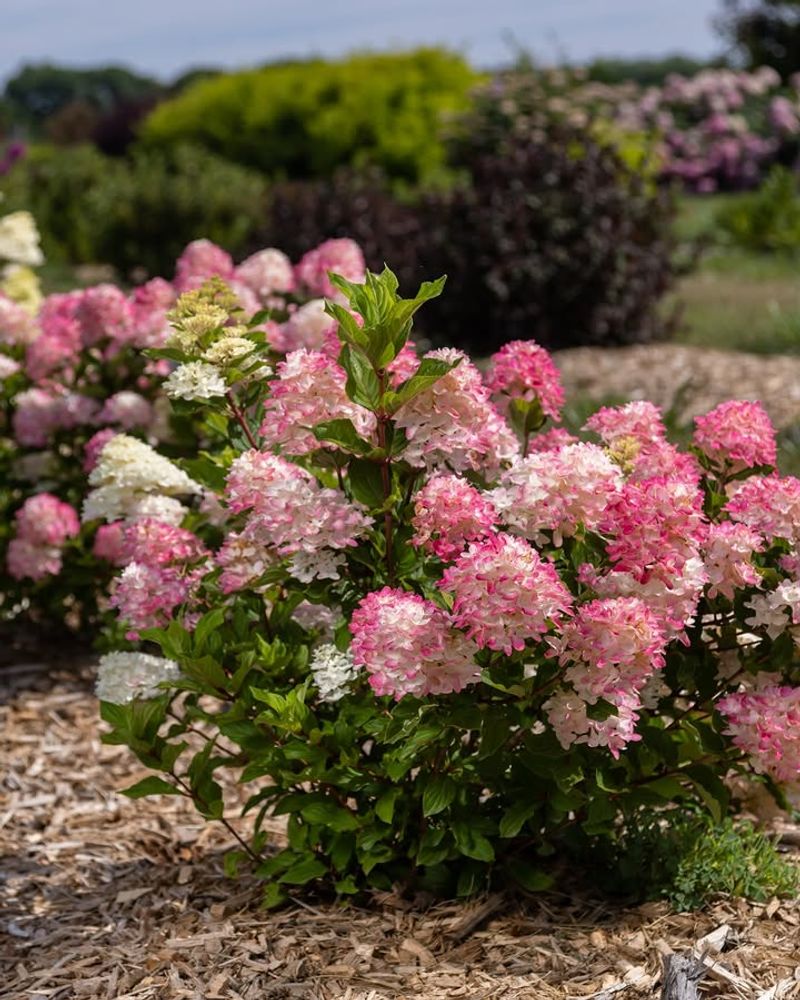
Walk into any North Carolina garden center in June and you will find plenty of mulch options staring back at you.
Choosing the right one does not have to be complicated, but knowing what works best for panicle hydrangeas can make a real difference in how your plants perform through the summer.
Pine bark mulch is a top choice across the Carolinas. It breaks down slowly, looks tidy, and tends to stay in place even during heavy rain.
Shredded hardwood is another solid option that knits together nicely and resists washing away. Pine straw is incredibly popular in the South for good reason.
It is lightweight, easy to spread, and acidifies the soil slightly as it breaks down, which panicle hydrangeas appreciate. Leaf mulch, especially from shredded oak or maple leaves, is a fantastic free option if you have access to it.
All of these organic materials share one important quality: they gradually improve your soil as they decompose. Over time, they add organic matter, encourage beneficial soil organisms, and improve drainage in clay-heavy NC soils.
Avoid dyed or synthetic mulches, which do not offer the same soil benefits and can sometimes introduce unwanted chemicals.
Sticking with natural, locally available materials is almost always the best call for healthy, thriving panicle hydrangeas in a North Carolina garden.
5. Why Bare Soil Creates Problems In Summer
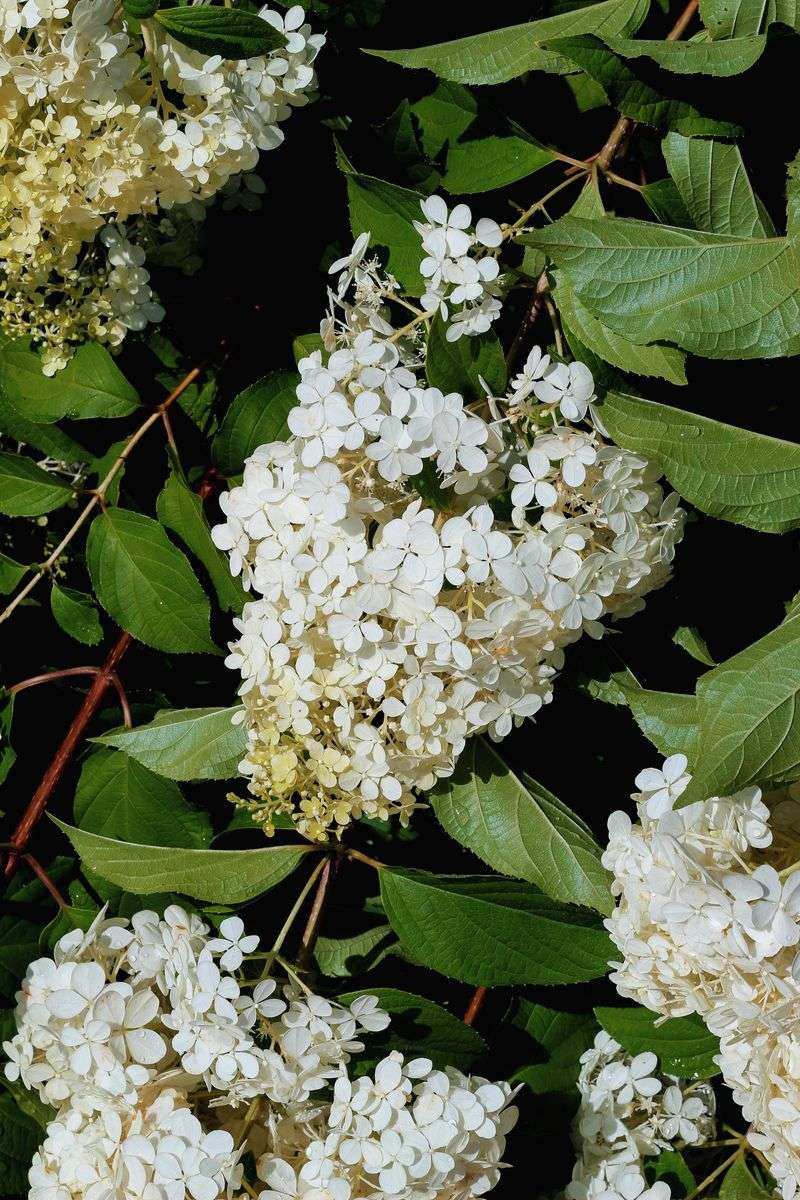
Bare soil might look clean and neat in spring, but come July in North Carolina, it becomes a real problem.
Without any protective covering, the ground heats up fast, dries out even faster, and creates conditions that make it genuinely hard for panicle hydrangeas to thrive.
On a hot summer day, bare soil surface temperatures can reach well above 100 degrees Fahrenheit. That level of heat at the soil surface hits shallow feeder roots hard, slowing nutrient uptake and reducing the plant’s ability to move water efficiently.
You might notice wilting during the hottest part of the afternoon even if you watered that morning. That is a classic sign of heat stress at the root level.
Bare soil also loses moisture much more quickly through a process called evaporation. Every sunny, breezy summer day pulls water right out of the ground and into the air, leaving your hydrangea roots dry and struggling.
This forces you into a cycle of more frequent watering just to keep the plant stable. Beyond moisture loss, bare soil is also more prone to compaction from rain and foot traffic, which further limits root health.
Covering that soil with a good organic mulch before summer peaks breaks that whole cycle and gives your plants the consistent, stable environment they need to bloom beautifully.
6. How Deep The Mulch Layer Should Be
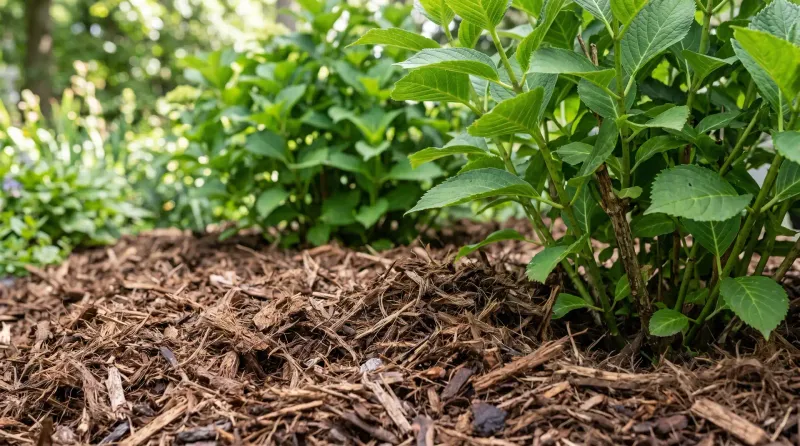
More is not always better in gardening, and mulch depth is a perfect example of that. Getting the thickness just right is one of those small details that makes a surprisingly big difference in how well your panicle hydrangeas handle the summer ahead.
Around 2 to 3 inches is the sweet spot for most panicle hydrangeas. At that depth, mulch does an excellent job of moderating soil temperature, retaining moisture, and suppressing weeds.
It is thick enough to make a real impact without going overboard. A simple ruler or even just eyeballing it works fine.
You want enough coverage to protect the soil, not bury it. Going deeper than 3 inches can actually cause issues. Thick mulch layers limit the movement of oxygen through the soil, which roots need just as much as water.
Excess moisture can also build up in overly deep mulch layers, creating soggy conditions around the crown of the plant that encourage rot and fungal problems.
On the flip side, a layer thinner than 2 inches dries out quickly and does not provide enough insulation to make a meaningful difference during peak heat.
Check your mulch depth every spring and top it up as needed since organic mulch naturally breaks down over time and thins out. Keeping it in that 2 to 3 inch range all summer is the goal.
7. The One Mulching Mistake That Causes Problems
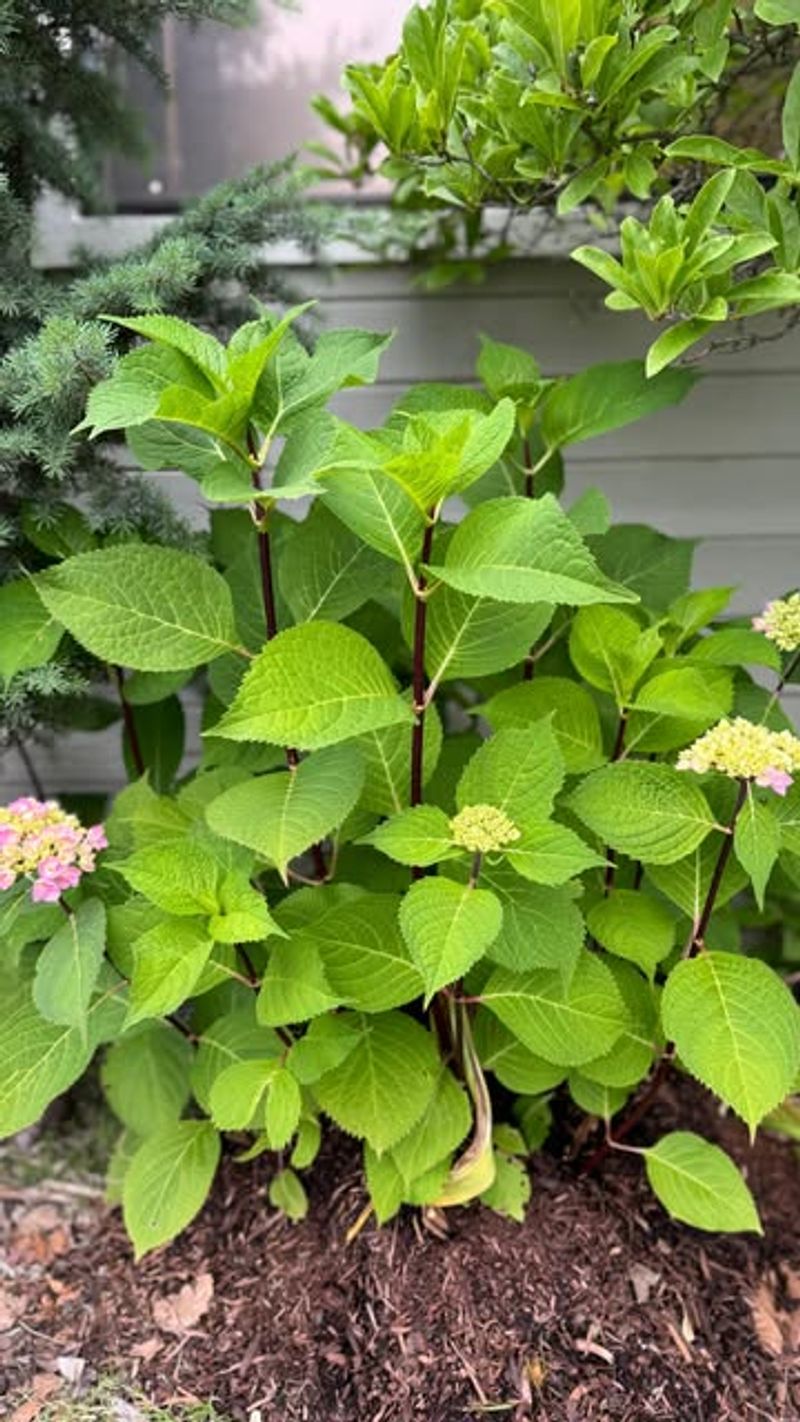
Here is something that surprises a lot of gardeners: the most common mulching mistake is not skipping mulch altogether. It is applying it the wrong way.
You can have the best mulch in the world and still cause problems if you pile it up against the base of your plant.
Mulch volcanoes are exactly what they sound like. Big mounds of mulch piled high around the stem or trunk of a plant.
They look tidy from a distance, but up close they are quietly creating conditions that hurt your hydrangea.
When mulch presses against plant tissue for extended periods, it traps moisture against the stem and creates the perfect environment for rot and fungal issues to develop.
The fix is simple and takes about ten seconds. Pull the mulch back a couple of inches from the main stem so there is a small gap around the base of the plant.
Mulch should cover the soil around the plant, not the plant itself. Think of it like a donut shape with the hole right at the stem.
That little open ring allows air to circulate, keeps the stem dry, and prevents the moisture buildup that leads to trouble.
Spreading mulch correctly from the start is one of the easiest ways to protect your panicle hydrangeas and keep them healthy and vigorous all season long.
8. Why Consistent Moisture Matters More Than Fertilizer In June
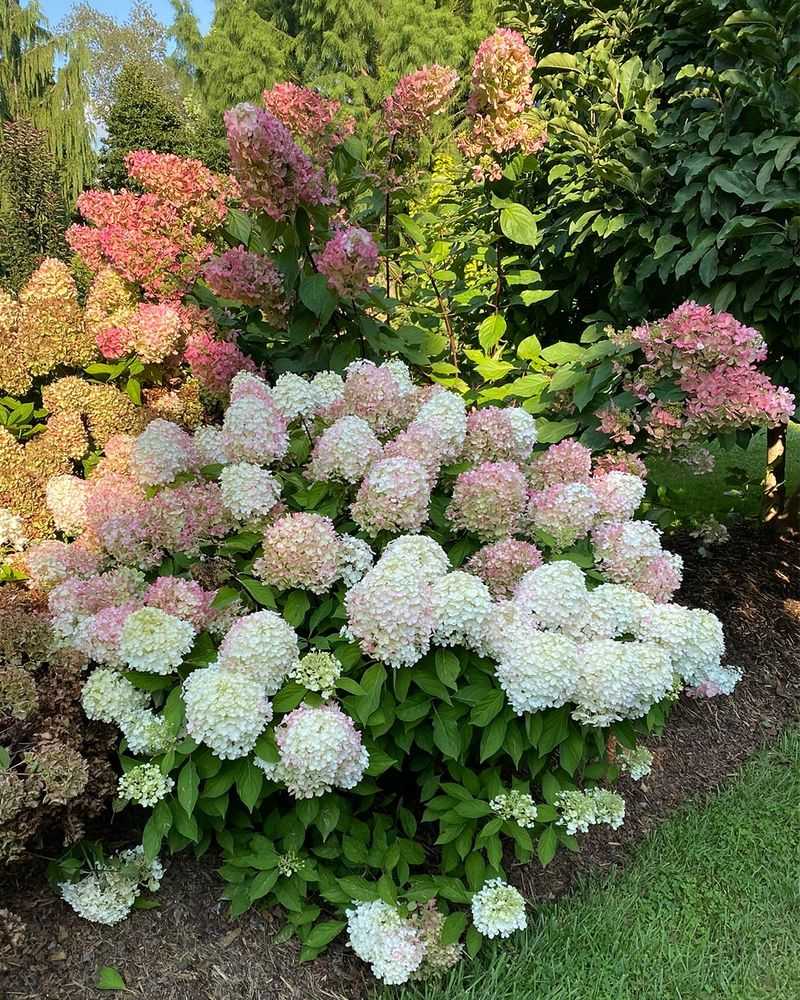
Fertilizer gets a lot of attention in the gardening world, and for good reason. But by the time June arrives, your panicle hydrangeas need something more fundamental than nutrients.
They need steady, reliable moisture, and mulch is one of the best tools you have for delivering it.
Water management becomes the top priority in June because this is when the plant is actively building its flower panicles. Those developing blooms require consistent hydration to reach their full size and stay on the shrub longer.
Moisture stress during this critical window commonly reduces flower quality more than any nutrient shortage ever would. Even a well-fed plant will produce disappointing blooms if it is struggling to stay hydrated.
Mulch plays a direct role in moisture consistency by slowing down evaporation from the soil surface.
A properly mulched bed can hold onto moisture significantly longer than bare soil, which means your plants get a steadier water supply between rain events or irrigation sessions.
This is especially valuable during dry spells, which are common across North Carolina in June.
Fertilizer still has its place earlier in the season, but once summer approaches, shifting your focus to water retention through good mulching gives your panicle hydrangeas the best possible foundation for a lasting bloom display.
9. What A Well-Mulched Panicle Hydrangea Looks Like By August
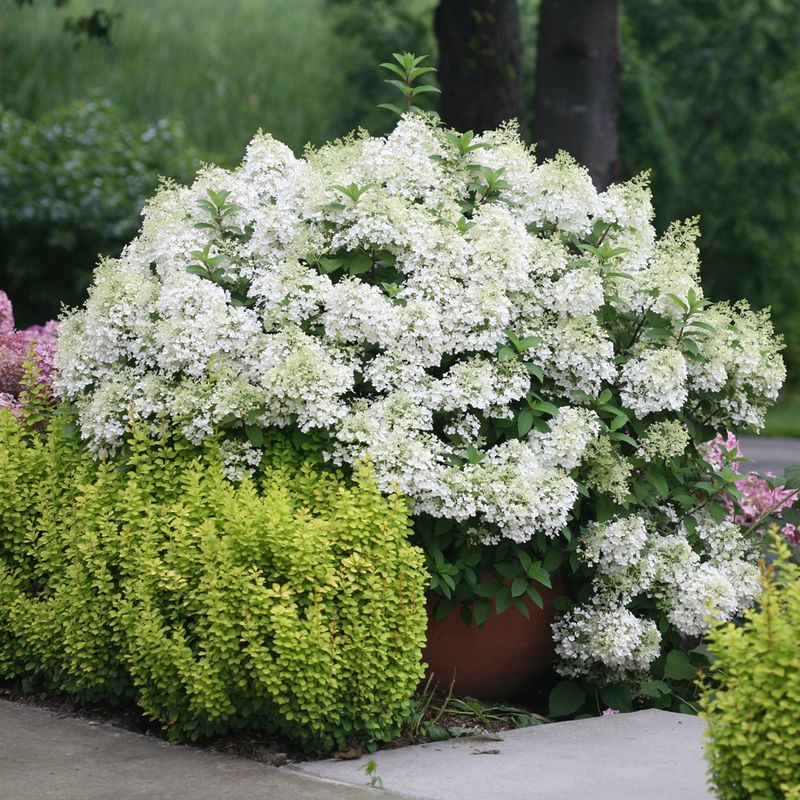
Fast forward to August and picture two panicle hydrangeas growing side by side in a North Carolina garden. One was mulched properly before June ended.
The other was left with bare soil all summer. The difference between them is striking, and it all comes down to that one simple task done at the right time.
The well-mulched plant typically shows deeper green foliage that holds its color even through the worst heat waves. Its flower panicles tend to be larger and more fully developed, and they stay on the shrub longer before fading.
The plant looks vigorous and grounded rather than stressed and wilted. It bounces back faster after hot, dry stretches and requires noticeably less supplemental watering to stay in good shape.
Mulch alone does not guarantee a perfect summer. Proper watering, good planting location, and the right soil conditions all play a role too.
But mulching is the single most impactful low-effort action you can take in June to set your panicle hydrangeas up for success. By August, a well-mulched plant often looks like it had a much easier summer than it actually did, and that is kind of the whole point.
Give your hydrangeas this one advantage before June ends, and they will reward you with a late-summer bloom show worth every bit of the effort.