What Illinois Gardeners Need To Know Before Planting Potatoes At Home
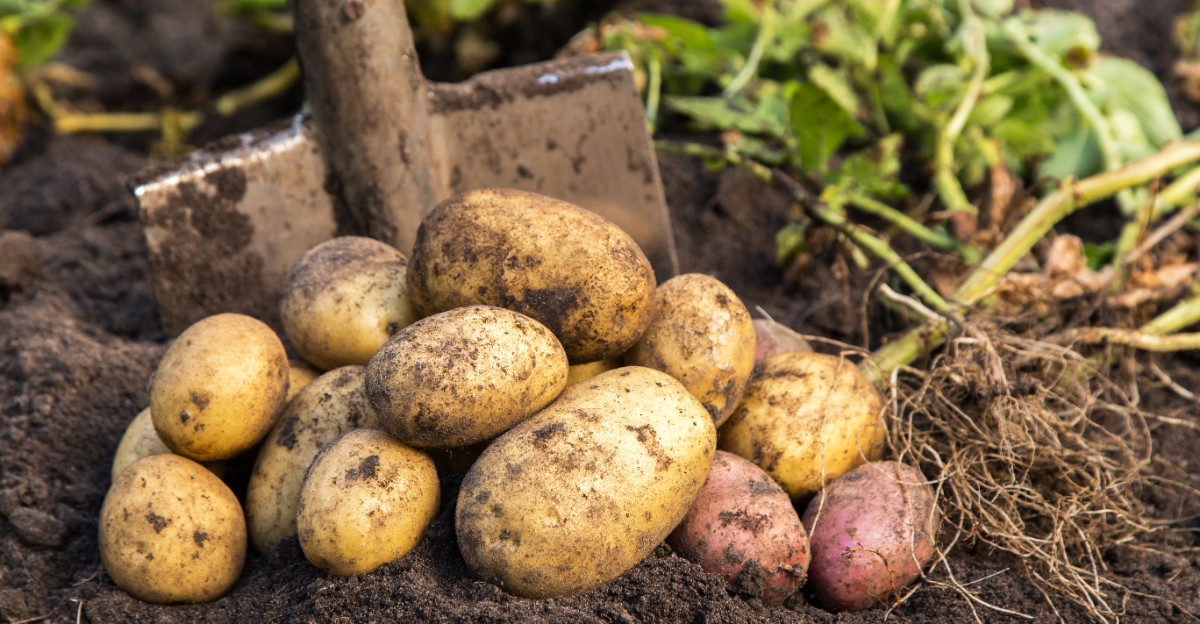
Potatoes seem foolproof until Illinois throws its first curveball. One week you’re basking in a mild April afternoon, the next you’re covering seedlings against a surprise frost that rolled in overnight.
That’s just how it goes here. Add in the state’s stubborn clay soil, the kind that turns rock-hard in July and waterlogged after every spring downpour, and you’ve got a crop that punishes anyone who skips the prep work.
Then there’s the humidity. Illinois summers trap moisture close to the ground, creating the exact conditions late blight and other fungal troublemakers love.
None of this means potatoes are a bad choice for your backyard. It means timing and soil work matter more here than almost anywhere else.
Get those things right, and you’ll be pulling up a healthy harvest instead of wondering where it all went wrong. Here’s what actually works, planting window to storage bin.
1. The Best Time To Get Potatoes In The Ground
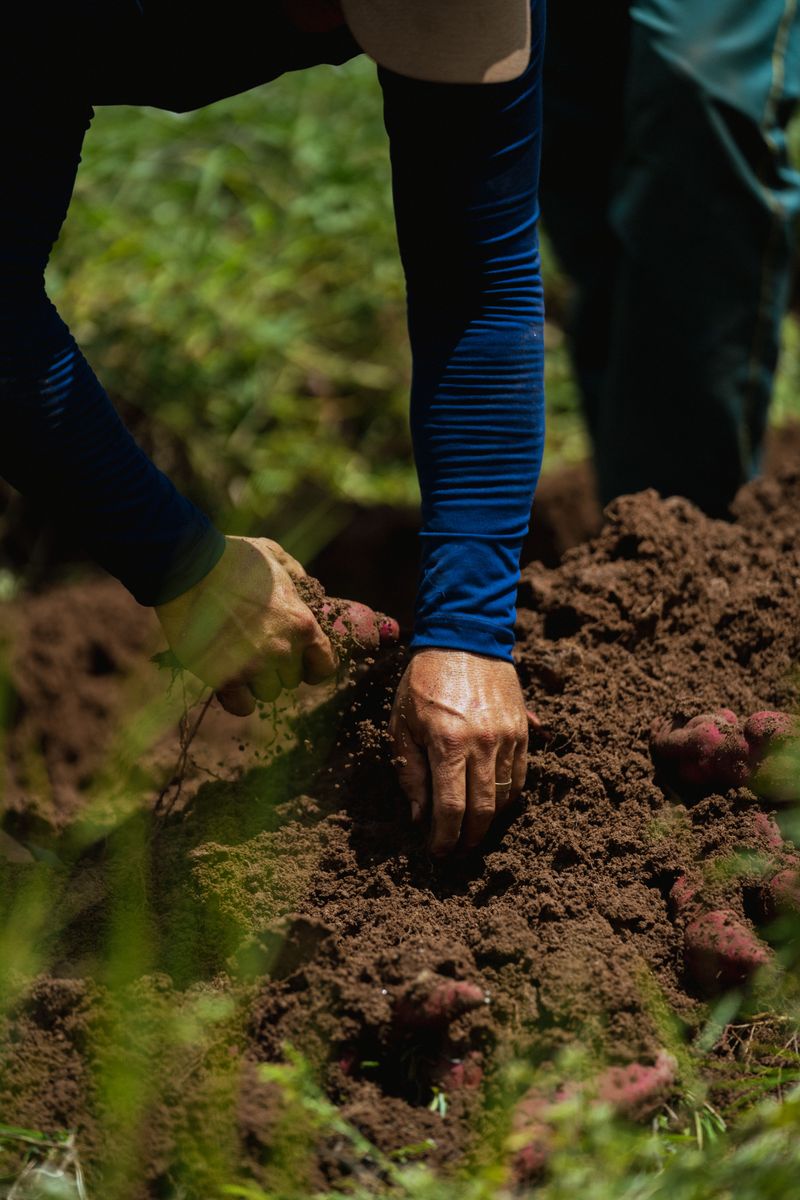
Timing is everything when it comes to planting potatoes in Illinois. Get it wrong, and frost can wipe out your crop before it even starts.
Most Illinois gardeners should aim to plant potatoes between mid-March and mid-April. The soil temperature needs to be at least 45 degrees Fahrenheit before you drop a seed potato in the ground.
Northern Illinois gardeners should wait closer to late April. Southern Illinois growers can often start as early as St. Patrick’s Day, which is a fun tradition for potato fans.
A soil thermometer is your best tool for making this call. Guessing based on the calendar alone can lead to rotted seed potatoes sitting in cold, soggy ground.
Frost dates also matter a lot here. The average last frost in central Illinois falls around April 15th, so keep that date on your radar.
If a late frost is in the forecast, row cover fabric can protect young sprouts. Lay it loosely over the bed and remove it once temps stabilize above freezing.
Planting too late in Illinois is also a real risk. Potatoes need around 70 to 120 days to mature, and summer heat above 80 degrees can bring tuber growth to a near standstill.
Shoot for a harvest window that lands before the hottest weeks of July hit. When you plant potatoes with that goal in mind, your timing becomes a lot clearer.
2. Choosing The Right Potato Variety
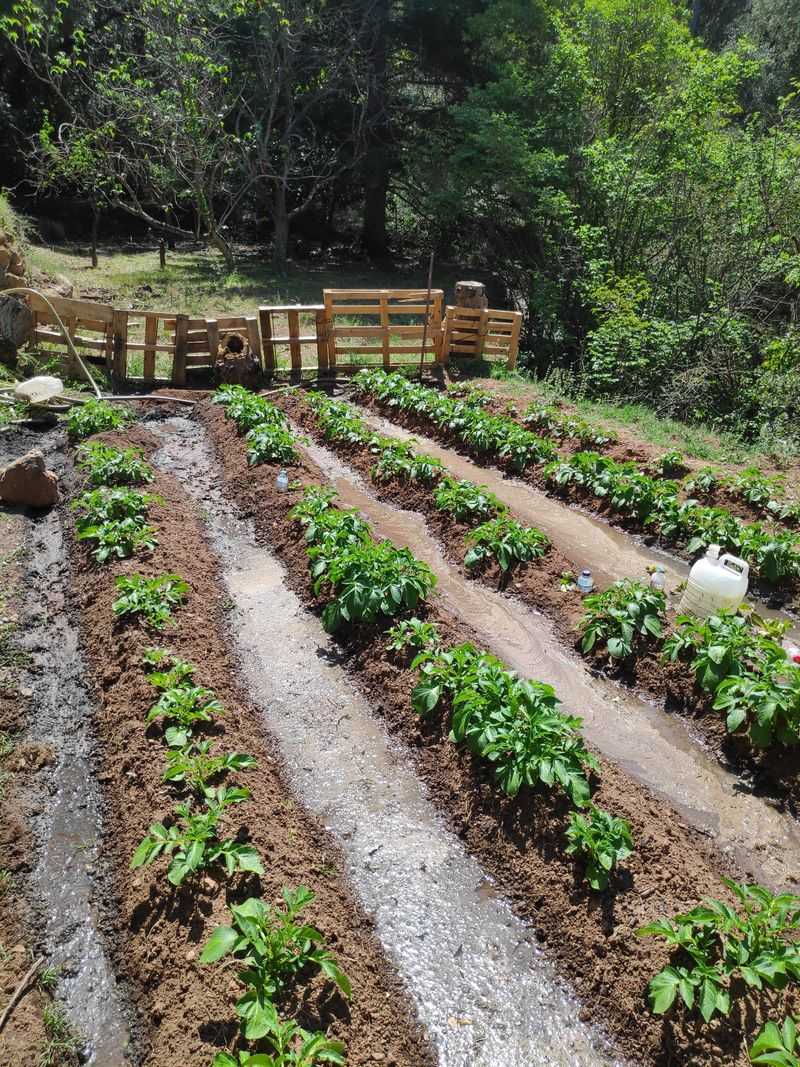
Not every potato belongs in an Illinois garden, and choosing the wrong one is a rookie mistake worth avoiding. Luckily, several varieties thrive in this state’s climate.
Yukon Gold is a fan favorite for Illinois home growers. It matures in about 70 days and handles the state’s variable spring weather with ease.
Red Pontiac is another solid pick for Illinois soil. It grows well in heavier clay soils, which many Illinois backyards are full of.
Russet Burbank is the classic baking potato, but it needs a longer growing season. If you are in northern Illinois, russets can be a gamble unless you plant early enough.
Your Illinois Garden Changes Every Week. Your Plan Should Too.
Gardening in Illinois changes quickly throughout the season. Every Friday you’ll receive a simple weekly plan showing exactly what to plant, prune, fertilize, harvest, and protect so you never miss the right timing.
For a fun twist, try purple or fingerling varieties. They mature quickly, look stunning on the dinner table, and tend to resist some common potato diseases.
Early-maturing varieties are smart choices for summers. Anything that produces in under 80 days gives you a buffer before the brutal heat sets in. Certified seed potatoes are generally the safest bet for planting.
Check with your local extension office for variety recommendations specific to your county. They track what performs best in your exact growing zone, which is information worth having before you plant potatoes this season.
3. Preparing Your Soil Before Planting
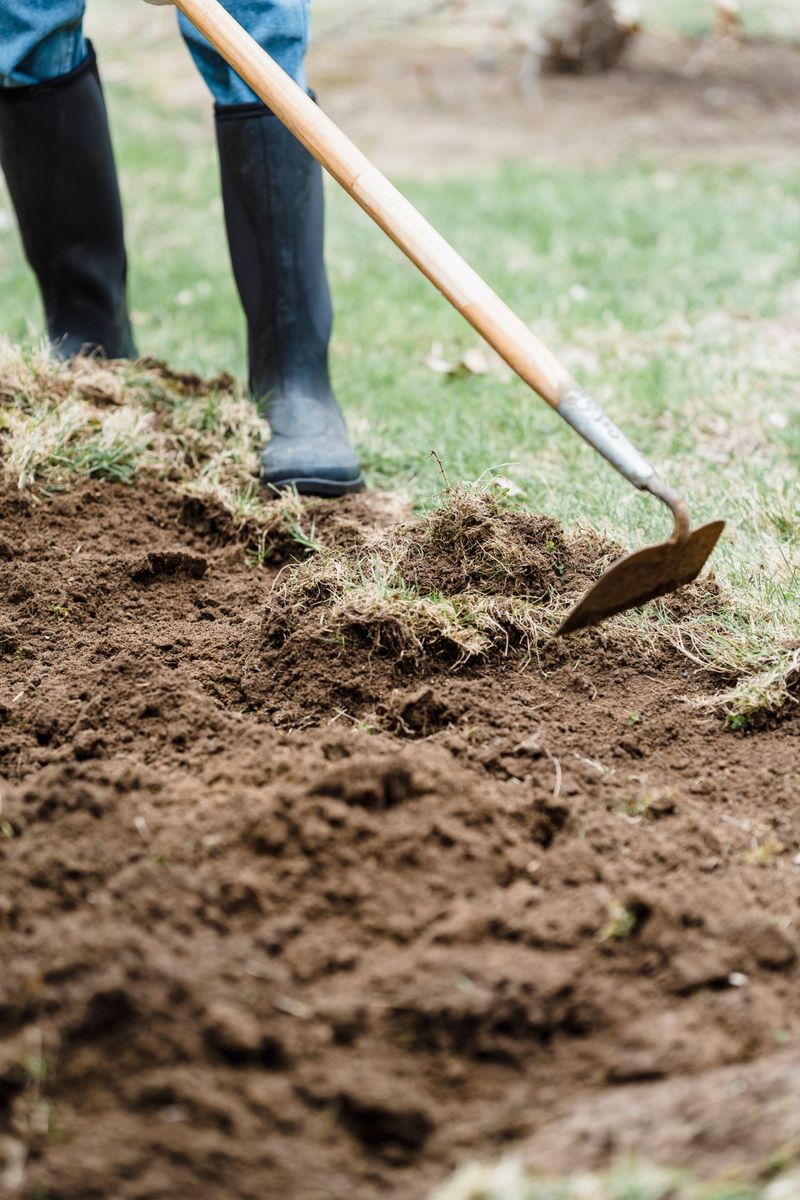
Potatoes are picky about their soil, and Illinois clay can be a real obstacle. Spend time preparing your ground before planting, and your harvest will thank you for it.
Potatoes prefer loose, well-draining soil with a pH between 5.0 and 6.0. Most Illinois soils run closer to neutral or slightly alkaline, so testing your pH is a smart first move.
A simple soil test kit from a garden center costs just a few dollars. You can also send a sample to the University of Illinois Extension for a more detailed breakdown of your soil health.
If your pH is too high, work in sulfur or peat moss to bring it down. Lowering pH also helps reduce the risk of scab, a common potato disease that loves alkaline conditions.
Adding compost is one of the best things you can do for potato beds. A 3-inch layer worked into the top 12 inches of soil improves drainage, texture, and nutrient content all at once.
Avoid adding fresh manure right before planting. It can burn young roots and introduce pathogens that damage your crop from the start.
Raised beds are a popular workaround for clay soil. Filling them with a custom blend of topsoil, compost, and perlite gives potatoes the loose, airy environment they love.
Good soil prep is the foundation of a successful harvest, and skipping this step costs you more than you save in time.
4. Planting Depth And Spacing
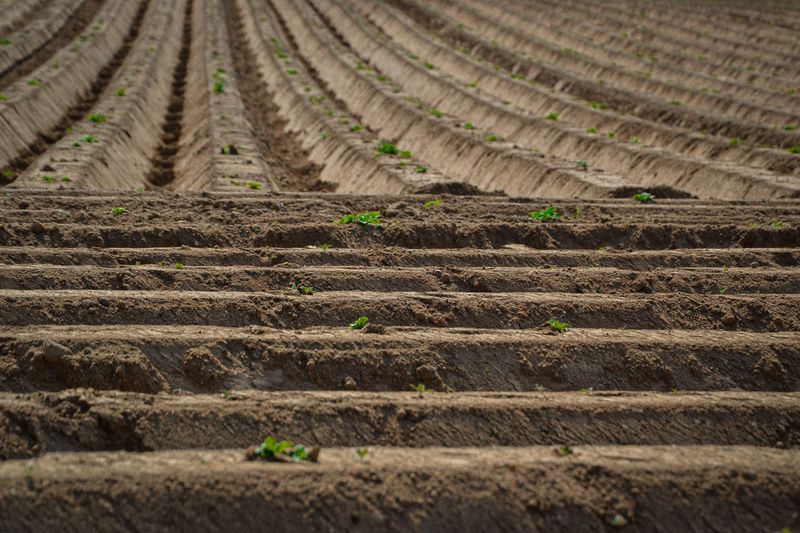
Mess up your planting depth, and you will end up with green potatoes or a frustratingly small yield. Getting this part right takes about five minutes of planning but pays off big at harvest.
Plant seed potato pieces about 3 to 4 inches deep in loose soil. In heavier clay, you can go a bit shallower, around 2 to 3 inches, to prevent rot.
Space each piece about 12 inches apart within the row. Rows themselves should be spaced 2.5 to 3 feet apart to give plants enough room to spread their roots and leaves.
Each seed potato piece should have at least one or two eyes. Cut large seed potatoes into chunks about the size of a golf ball, letting the cut sides dry for a day before planting.
This drying step, called curing the cuts, reduces the chance of rot underground. It only takes 24 to 48 hours on a dry surface, and it makes a noticeable difference in germination success.
Hilling is a technique that Illinois gardeners should not skip. As plants grow to about 6 inches tall, mound soil up around the stems to encourage more tuber development.
Repeat hilling every few weeks until the mounds are about a foot tall. This also protects developing potatoes from sunlight exposure, which turns them green and makes them bitter.
Proper spacing and depth set the stage for a full, healthy crop that fills your basket come harvest day.
5. Watering And Ongoing Care
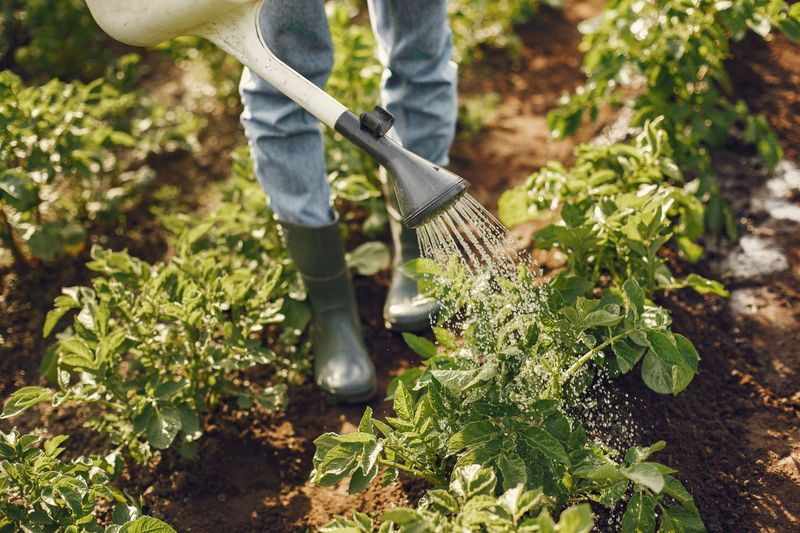
Potatoes are thirsty plants, but they don’t like sitting in water. Finding that balance is the key to avoiding rot while keeping your plants well-fed through the season.
Aim for about 1 to 2 inches of water per week during the growing season. Consistent moisture matters most when plants are flowering, which is when tubers are actively forming underground.
Irregular watering leads to a problem called hollow heart, where potatoes develop empty cavities inside. It looks fine on the outside but is a disappointing surprise when you cut into it at dinner.
Soaker hoses or drip irrigation work better than overhead sprinklers for potato beds. Wet foliage invites fungal diseases, which thrive in Illinois’s humid summer air.
Mulching around your plants helps lock in soil moisture between watering sessions. Straw is a classic choice and also keeps weeds from competing with your potato plants for nutrients.
Pull weeds early and often, especially in the first month after planting. Young potato plants are poor competitors and can be stunted by aggressive weed growth nearby.
Fertilizing matters too, but more is not always better here. A balanced fertilizer at planting time and a side-dress of nitrogen when plants are 6 inches tall is usually enough for a solid Illinois season.
Consistent, attentive care throughout the season turns a mediocre potato patch into one you will brag about at every summer cookout.
6. Common Pests And Diseases To Watch For
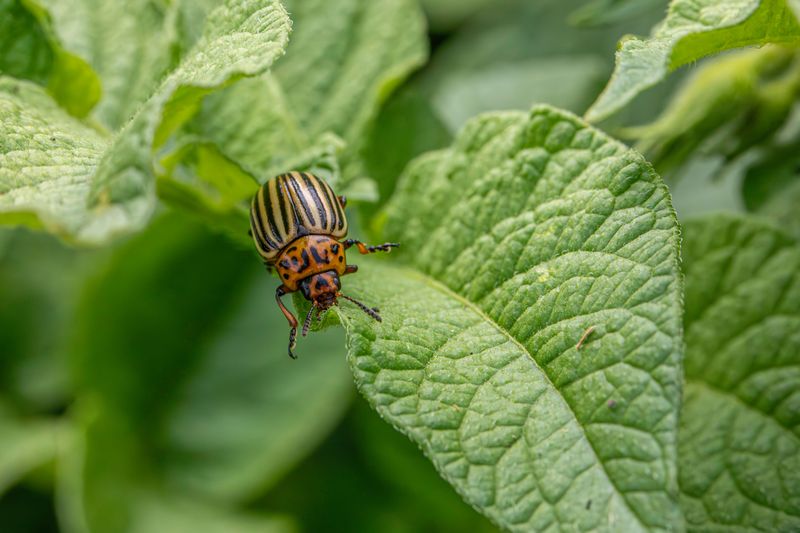
Illinois gardens come with uninvited guests, and potato plants attract some of the most persistent ones. Knowing your enemies before they show up is the smartest defense you have.
The Colorado potato beetle is the most notorious pest for potato growers across the Midwest. These bold, striped beetles and their orange larvae chew through leaves fast and can defoliate a plant in days.
Check the undersides of leaves regularly for clusters of bright orange eggs. Hand-picking beetles and larvae is effective in small gardens and keeps chemical use to a minimum.
Late blight is a fast-spreading disease with a long, destructive history, and it still shows up in Illinois today. It spreads fast in cool, wet conditions and turns leaves and tubers into a mushy, dark mess.
Early blight is more common and less catastrophic but still worth managing. It appears as dark spots with yellow rings on older leaves and weakens the plant over time.
Crop rotation is your best long-term defense against both pests and disease. Avoid planting potatoes or other nightshades in the same spot more than once every three years.
Scab causes rough, corky patches on potato skin and thrives in alkaline soil with low moisture. Keeping your soil pH below 6.0 and watering consistently during tuber formation helps reduce its impact significantly.
Staying alert through the season means you catch problems early, before they have a chance to take over your entire patch.
7. Harvest Timing And Signs Your Potatoes Are Ready
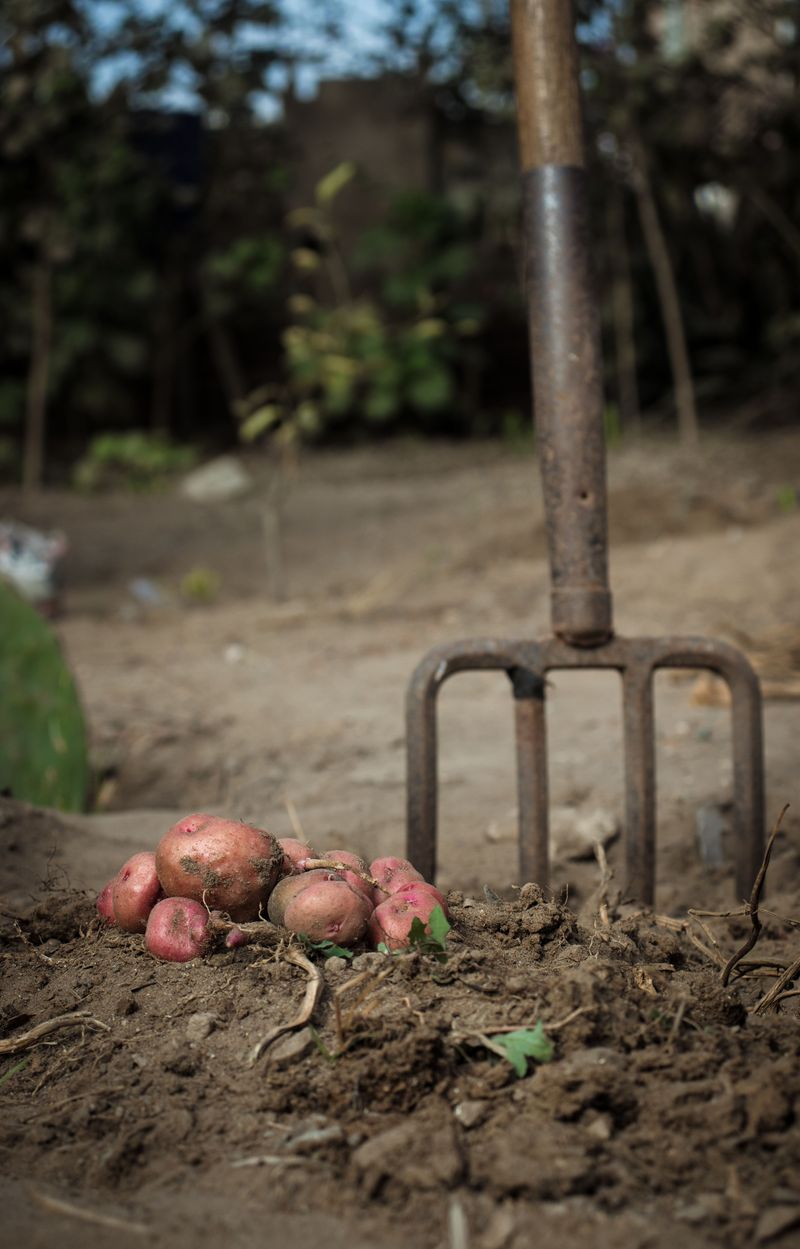
There is nothing quite like reaching into the soil and pulling up a potato you grew yourself. Knowing exactly when to harvest makes that moment even sweeter.
New potatoes, which are small and tender, can be harvested a few weeks after the plants stop flowering. Gently dig around the base of the plant with your hand to feel for small tubers without disturbing the whole plant.
For a full harvest of mature potatoes, wait until the plant foliage turns yellow and begins to fall over. This signals that the plant has finished sending energy into the tubers below ground.
After the foliage withers, wait an additional 10 to 14 days before digging. This waiting period allows the potato skins to toughen up, which helps them store much longer after harvest.
Use a garden fork rather than a shovel to avoid accidentally slicing through potatoes. Insert the fork at least 12 inches away from the base of the plant and lift gently upward.
Work on a dry day whenever possible. Wet soil clings to potatoes and makes it harder to spot damage or disease during the sorting process.
Sort through your harvest immediately and set aside any cut, bruised, or diseased tubers for quick use. Those should not go into long-term storage with the rest of your crop.
A successful dig in Illinois feels like striking gold, and with the right timing, it absolutely can be.
8. Curing And Storing Your Potatoes
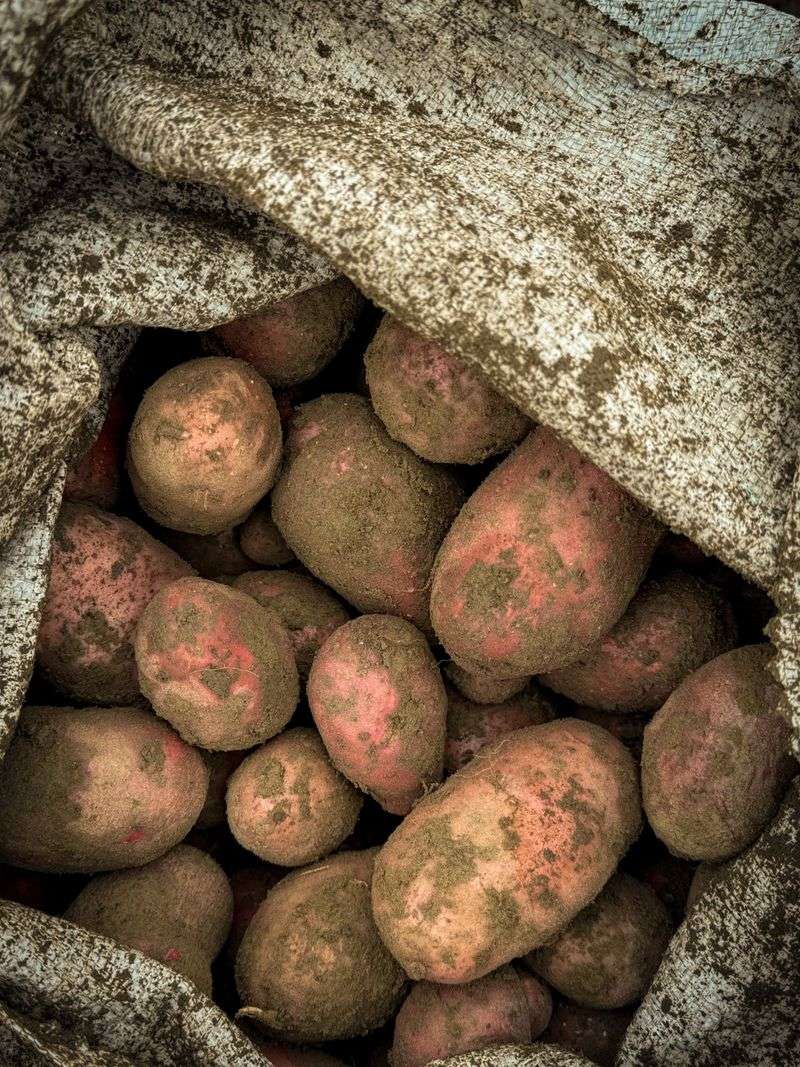
You dug them up, and now comes the part most gardeners skip entirely: curing. Skipping this step is one of the fastest ways to turn a great harvest into a rotting pile.
Curing means letting freshly dug potatoes rest in a warm, humid, dark environment for about 10 to 14 days. This process thickens the skin, heals minor cuts, and dramatically extends shelf life in storage.
Ideal curing conditions are around 50 to 60 degrees Fahrenheit with high humidity and good airflow. A basement corner, an unheated garage, or a shaded porch can work well for Illinois gardeners in late summer.
After curing, move your potatoes to a cool, dark, and dry storage space. Temperatures between 40 and 45 degrees Fahrenheit are ideal for long-term keeping through fall and winter.
Avoid storing potatoes near apples or onions. Apples release ethylene gas that causes sprouting, and onions absorb moisture that leads to rot in nearby tubers.
Check your stored potatoes every few weeks and remove any that show signs of softening or mold. One bad potato really does affect the others around it if left unchecked.
Light exposure during storage causes greening, which makes potatoes bitter and mildly toxic. Keep them in a completely dark space, wrapped in newspaper or stored in burlap sacks for best results.
When you plant potatoes with this full plan in mind, from soil prep to proper storage, your Illinois harvest becomes something truly worth celebrating.