July Is The Best Month For Florida Fireflies – Here Is What Brings Them To Your Yard
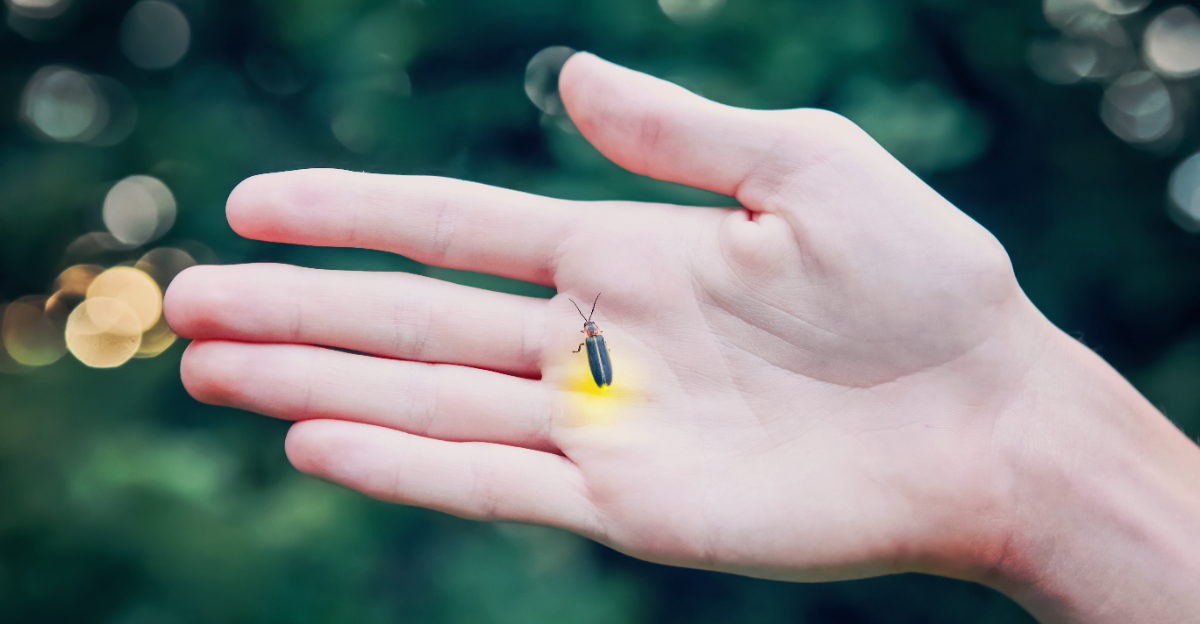
Florida firefly season has a peak, and most people miss it entirely because they are not looking for it at the right time or in the right place.
July is that window, and a Florida yard set up correctly can pull in a display that surprises even people who have lived here for decades.
Fireflies in Florida are not rare. They are specific.
They show up where the habitat supports them and skip everything else without a second glance. The yards that light up in July are not lucky.
They are set up in ways that most Florida homeowners have never thought deliberately about. A handful of targeted changes shift a yard from one fireflies pass through to one they return to night after night during peak season.
July does not last long. Neither does the firefly window inside it.
The right setup makes both worth experiencing fully this summer.
1. Turn Off The Lights Before The Show Starts
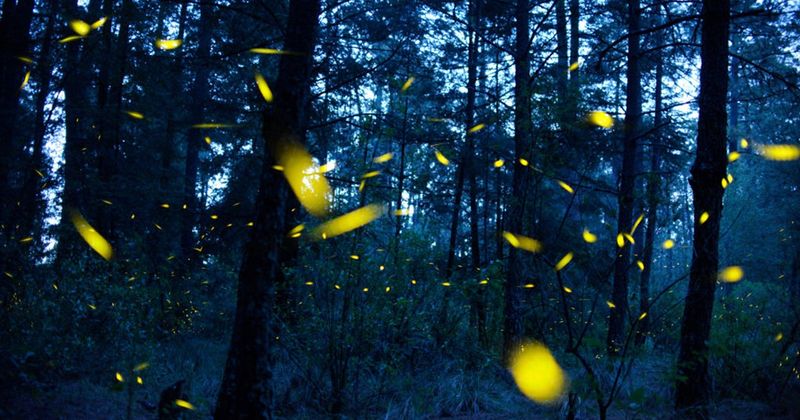
Picture this: a July evening, the air is thick and warm, and you step off the porch to look for fireflies. But the security light above the door floods the yard with a harsh white glow, washing out any chance of seeing that soft, rhythmic flash in the tree line.
Artificial light is one of the biggest barriers to noticing fireflies, and it may also interfere with the flashing signals they use to find mates.
Porch lights, landscape spotlights, pathway lights, string lights, and even bright windows can all reduce your chances of a good sighting.
Fireflies rely on their bioluminescent flashes to communicate, and bright outdoor light makes those signals harder to see and may disrupt the behavior entirely.
Research from firefly scientists has consistently pointed to light pollution as a growing concern for these insects.
The fix does not have to be complicated. Turn off unnecessary outdoor lights during the hour after dusk, which is often peak viewing time.
Close bright interior curtains that face the yard. Switch security lights to motion sensors so they are not running all night.
Choose lower-output bulbs in amber or warm tones where lighting is truly needed. Darkness does not guarantee fireflies will appear, but it gives them a better chance to be noticed and supports the natural conditions they prefer in Florida.
2. Let The Yard Stay A Little Wild At The Edges
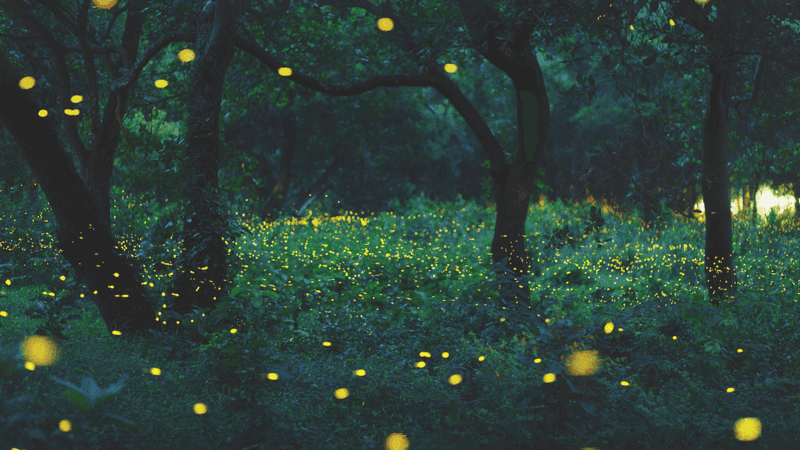
A perfectly trimmed lawn can look great on a Saturday afternoon, but for fireflies, it offers almost nothing to work with. Overly manicured yards tend to lack the layered, low-disturbance habitat that these insects need for resting, hunting, and reproducing.
The edges of a yard, those quiet corners near fences, tree lines, or natural areas, are often the most valuable spots.
Letting a border stay a little looser does not mean letting the yard become overgrown or unsafe. It simply means allowing some areas of tall grass, low shrubs, and mixed groundcover to develop without heavy trimming.
These softer edges give firefly adults a place to perch during the day and give larvae a protected zone closer to the ground. Undisturbed soil and layered vegetation near natural areas are consistently associated with better firefly habitat.
Your Florida Garden Changes Every Week. Your Plan Should Too.
Gardening in Florida changes quickly throughout the season. Every Friday you’ll receive a simple weekly plan showing exactly what to plant, prune, fertilize, harvest, and protect so you never miss the right timing.
Entomology resources from university extension programs support that connection.
Even small yards can benefit from this approach. Try leaving a narrow strip along a back fence or shaded corner where you do not mow or trim as aggressively.
Homeowners in HOA communities can often keep one tucked-away corner a little more natural without violating appearance rules. The goal is contrast: tidy where you need it, layered and calm where you do not.
That balance can make a real difference in the habitat your yard offers to fireflies and other beneficial insects.
3. Keep Soil Moist Without Making Mosquito Water
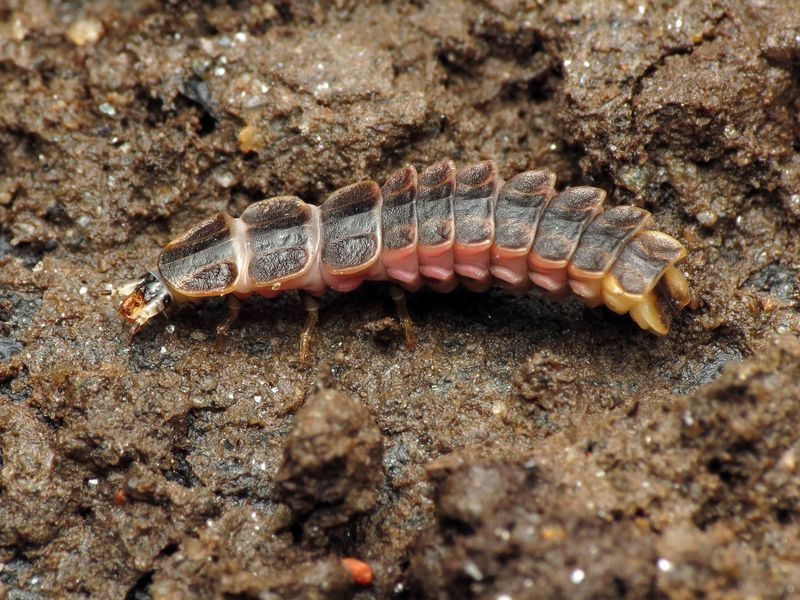
Moisture matters a great deal to fireflies, especially during the larval stage. That is when they live close to the ground and hunt soft-bodied invertebrates in damp soil and leaf litter.
Yards with consistently moist, shaded areas tend to offer more suitable habitat than dry, sun-baked lawns. This is one reason fireflies are often spotted near wooded areas, wetland edges, and creek banks where humidity stays high.
That said, homeowners should not create standing water in an attempt to attract them. Stagnant water in buckets, plant saucers, clogged gutters, and low-lying puddles breeds mosquitoes and creates a different kind of problem entirely.
The goal is moist soil and shaded ground cover, not pools of water sitting in the open. Mulched garden beds, rain gardens with proper drainage, and shade trees that slow soil drying are all good tools for maintaining helpful moisture levels.
After heavy summer rains, check around the yard for areas where water collects and sits for days. Adjust drainage where needed and empty any containers that hold water.
Shade helps soil stay moist longer without adding irrigation, so planting trees or large shrubs in strategic spots serves double duty. Keeping the ground cool and slightly damp in undisturbed corners creates the kind of microhabitat where firefly larvae can thrive.
Mosquito prevention and firefly habitat are not opposites when drainage and plant cover are handled thoughtfully.
4. Skip Pesticides That Silence The Glow
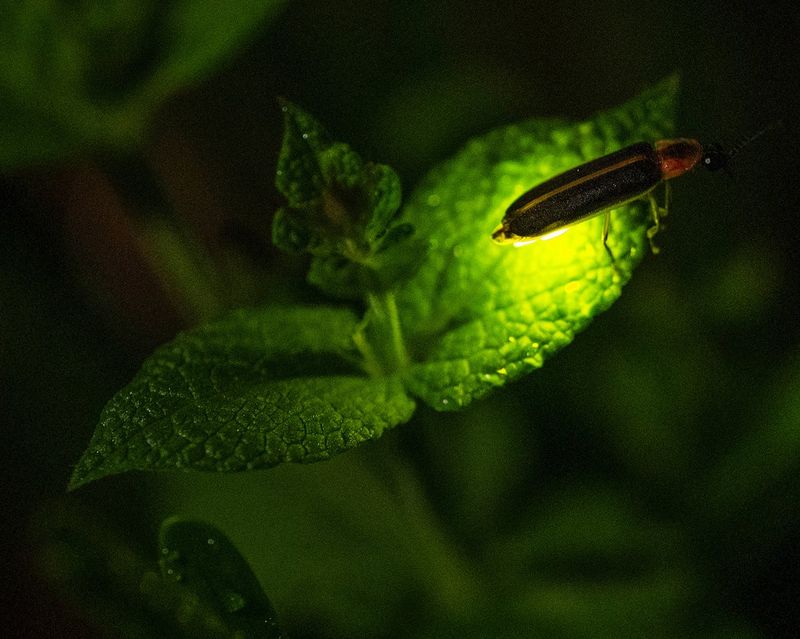
Broad pesticide applications are one of the quietest threats to firefly populations in residential yards. Lawn insecticides, routine mosquito fogging, and perimeter spray treatments can reduce more than target pests.
They can also affect the beneficial insects and small invertebrates that fireflies depend on throughout their life cycle.
Firefly larvae are ground-dwelling predators that feed on soft-bodied invertebrates, and a yard with heavily treated soil may offer very little for them to hunt.
This does not mean every pest problem has to go unaddressed. It means identifying what is actually causing damage before reaching for a spray.
Many homeowners apply insecticides on a schedule rather than in response to a specific problem, and that routine use adds up over a season.
Mosquito fogging services that treat broad areas on a regular basis are particularly worth reconsidering, since they can affect a wide range of insects beyond mosquitoes.
When control is genuinely needed, using the least disruptive reliable method in the smallest effective area is a smarter approach. Spot treatments, physical barriers, and targeted products reduce the overall chemical load on the yard.
University extension resources from programs like UF/IFAS consistently recommend integrated pest management. This approach focuses on identifying the problem first and choosing the most precise solution.
Reducing unnecessary pesticide pressure will not guarantee fireflies. It removes one of the most common reasons beneficial insects disappear from otherwise suitable yards.
5. Plant Native Cover Near Dark Corners
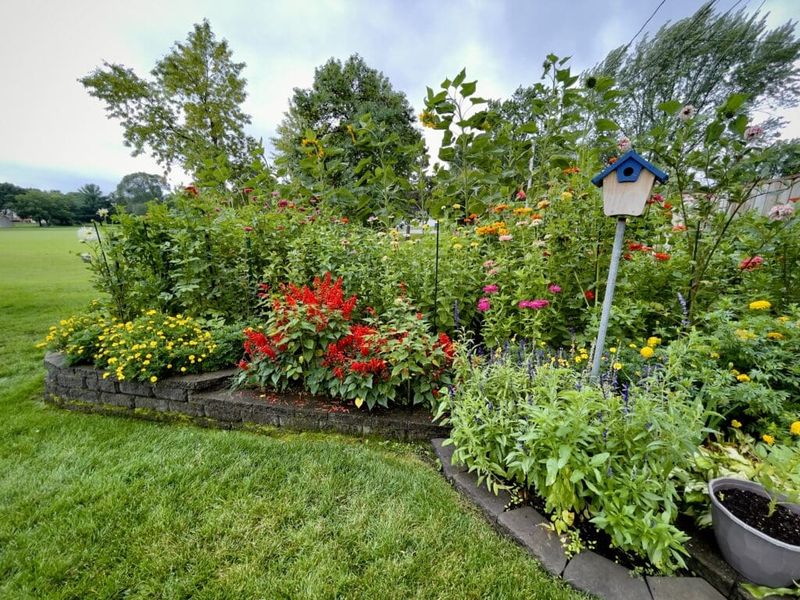
Native plants do more than look good in a Florida yard. They support a broader web of insect life, including the small organisms that fireflies depend on at different stages of their development.
When you add shrubs, native grasses, and layered groundcovers near shaded corners, you build useful structure. That makes a yard genuinely helpful to insects rather than just visually appealing.
Fireflies tend to rest in low vegetation during daylight hours and become active near dusk, especially in areas with natural cover and limited disturbance. Planting native species that match your soil type, sun exposure, and moisture level creates sustainable habitat.
It does this without requiring heavy irrigation or chemical maintenance. Florida-Friendly Landscaping resources from UF/IFAS offer guidance on selecting plants suited to specific yard conditions across the state.
You do not need to overhaul the entire yard to make a difference. Start with one shaded corner or bed near a tree line and add a few native shrubs or low-growing groundcovers that tolerate your local conditions.
Avoid planting in high-foot-traffic areas where the ground stays compacted and disturbed. The goal is to create layered, quiet zones where insects can move, rest, and reproduce without constant interruption.
Over time, these planted pockets become living habitat that supports fireflies and dozens of other beneficial species that keep a yard healthy and balanced.
6. Leave Leaf Litter Where Larvae Can Hunt
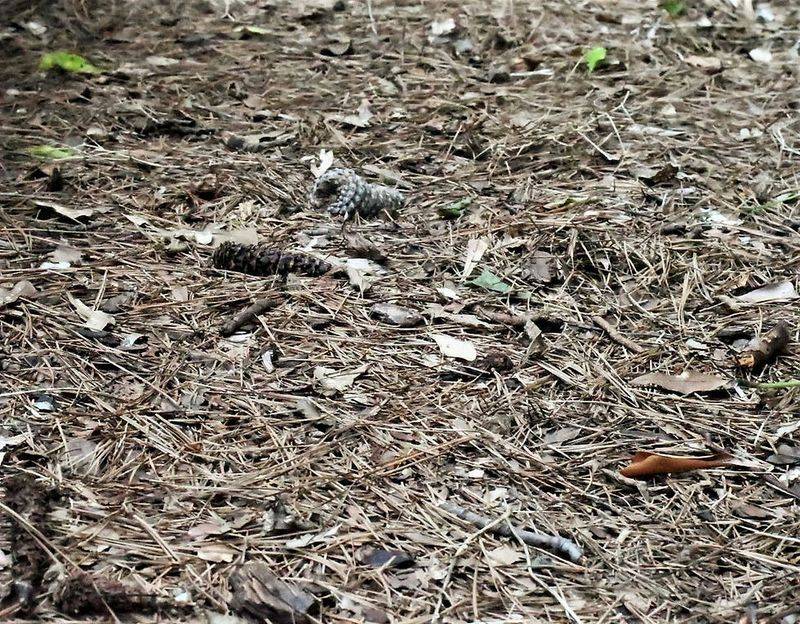
Leaf litter might not look like much, but underneath that layer of fallen leaves is a busy, moist world where firefly larvae spend much of their early lives. These ground-dwelling larvae hunt soft-bodied invertebrates like snails, worms, and other small creatures.
Many of those creatures live in the organic layer just above and below the soil surface. Removing every leaf from every corner of the yard eliminates a habitat that larvae genuinely need.
Leaving leaves in garden beds, shaded natural areas, and undisturbed corners is simple and cost-free. It is one of the easiest things a homeowner can do to support firefly habitat.
The key is being thoughtful about where leaves stay and where they get cleared. Leaf litter piled against the house foundation, stacked against plant crowns, or blocking walkways and drainage areas should still be managed properly.
The goal is targeted, not total, leaf removal.
A light layer of leaves under trees, along fence lines, or tucked into a garden bed creates the moist, protected environment that larvae prefer.
Shredded leaves break down faster and can be spread as a natural mulch that holds moisture while still offering habitat value.
Some gardeners designate one low-traffic corner of the yard as a leaf zone where organic material accumulates naturally through the season. That simple decision can add real habitat value without much extra work, and it feeds the soil too.
7. Look Near Waterways After Sundown
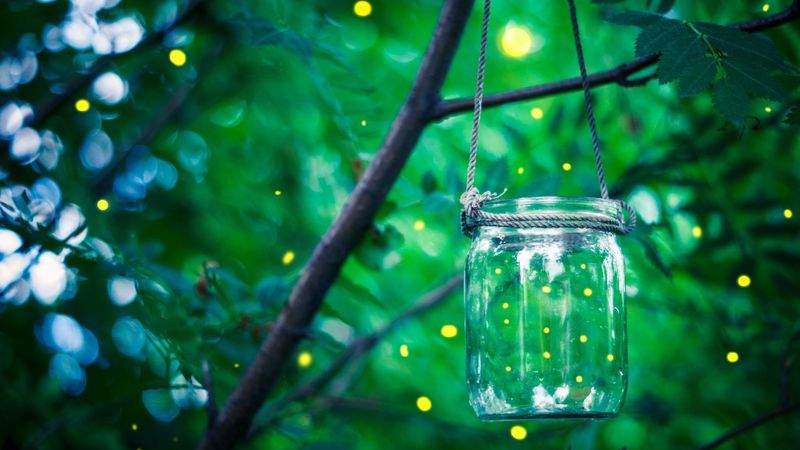
July evenings near a pond, canal, creek, or swale have a certain quality that is hard to describe until you have experienced it. The air feels thicker, the sounds are softer, and if conditions are right, small lights begin to drift up from the grass along the bank.
Fireflies are most commonly observed near water edges and moist vegetation, and this is not a coincidence. These humid, low-disturbance areas provide the kind of layered habitat where multiple firefly species can live and reproduce.
Timing matters when you go looking. The window right around dusk and the first hour after dark tends to be most productive for spotting flashes.
Different species flash at different heights, speeds, and intervals. Watching quietly without phone screens or flashlights gives your eyes time to adjust and pick up subtle patterns.
Species abundance and activity can vary significantly by location, season, and annual rainfall, so some evenings will be more active than others.
If you live near a natural waterway or have a pond or retention area nearby, those edges are worth watching from a respectful distance. Avoid trampling wet vegetation, entering sensitive wetland areas, or disturbing wildlife habitat when you explore.
You do not need to be in the water or deep in the brush to enjoy a good sighting. A quiet spot at the edge of your yard, with the lights off and your eyes adjusted to the dark, is often enough.
8. Build A Yard That Fireflies Can Find Again
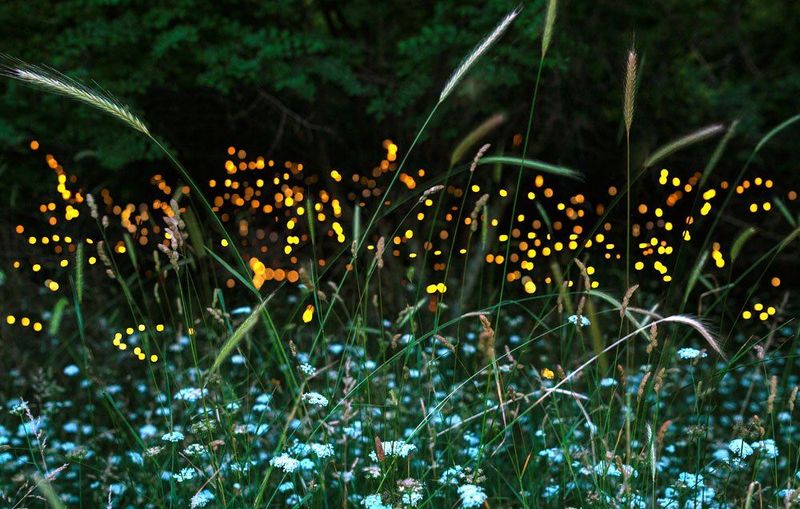
Seeing fireflies once is a treat, but the real reward comes when they return season after season because your yard has become a place they can actually use. Attracting fireflies is not a one-night project.
It is a slow, steady shift toward a yard that is darker, softer, and less chemically managed than the average suburban lawn. That kind of yard takes time to develop, but each small change adds up.
Reducing outdoor lighting during evening hours and skipping unnecessary pesticide treatments are pieces of the same puzzle. Keeping soil moist, preserving leaf litter, and allowing natural edges to develop along fence lines are too.
No single action transforms a yard overnight. But a yard that checks several of these boxes consistently becomes far more useful to fireflies and the broader insect community that supports them.
Location also plays a role that homeowners cannot fully control. Yards near wooded areas, wetlands, or natural corridors will generally see more firefly activity than yards surrounded entirely by pavement and manicured turf.
If your neighborhood has limited natural habitat nearby, connecting your yard to even a small green corridor can help.
Plant a native hedge, leave a weedy strip along the back fence, or coordinate with a neighbor to reduce lighting and pesticide use on shared edges.
The more your yard feels calm, dark, and alive after sundown, the better the odds that fireflies will find it when summer brings the right conditions.