The Only Plant You Need On Your Pennsylvania Patio To Keep Wasps Less Welcome All Summer Long
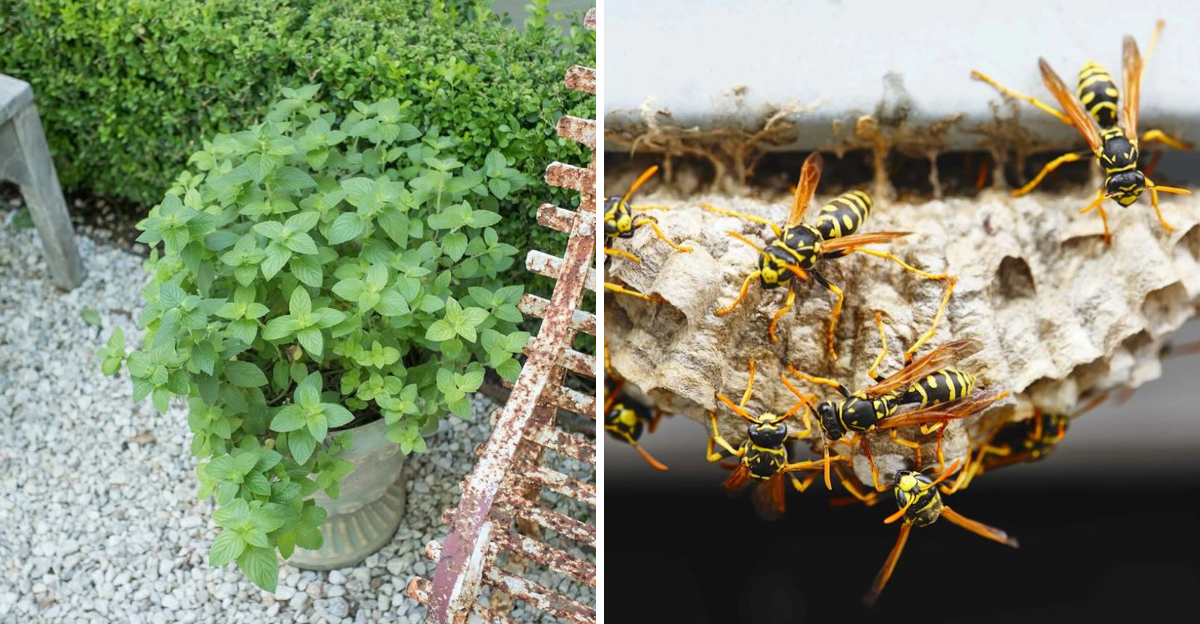
Wasps on a Pennsylvania patio have a way of ruining an otherwise perfect summer evening. One minute you’re relaxing outside with a drink, the next you’re watching a wasp investigate everything within reach like it was personally invited.
Most people respond with sprays or traps, which help for a little while but never really solve the problem for the whole season. But there’s one plant that changes the dynamic entirely.
This particular patio plant produces natural compounds that wasps consistently avoid, making your outdoor space significantly less appealing to them without any spraying or chasing involved. It works passively, around the clock, through the entire Pennsylvania summer.
And beyond keeping wasps at bay, it happens to be one of the most beautiful and low maintenance patio plants you can grow in this climate. It handles summer heat well, looks great in containers, and keeps performing reliably from late spring all the way through fall.
Meet Potted Mint
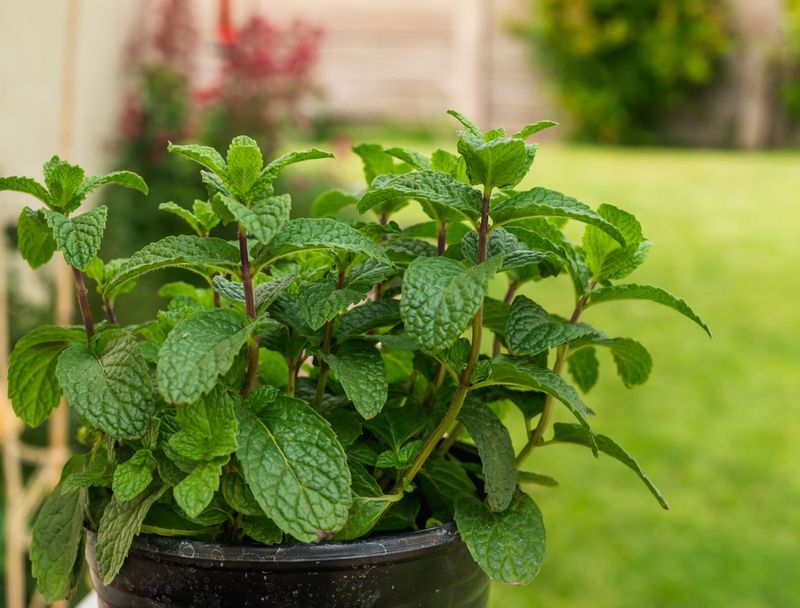
Walk through any Pennsylvania garden center in May, and you will probably smell the mint section before you even see it. That sharp, clean, almost cooling scent is exactly what makes mint such a popular patio plant.
Peppermint and spearmint are the two most common types, and both are easy to find, affordable, and simple to grow in containers.
Mint is a perennial herb, which means it comes back year after year. It thrives in Pennsylvania summers with regular watering and a spot that gets morning sun and some afternoon shade.
The plant is low-maintenance, grows quickly, and looks great in a simple terracotta or plastic pot near a patio table or porch steps.
What makes mint stand out as a patio plant is its strong natural aroma. The scent comes from natural oils inside the leaves, especially menthol.
Many insects, including wasps, are believed to find strong herbal scents unpleasant or disorienting. Brushing the leaves with your hand releases even more of that smell into the air around your seating area.
Mint also has a bonus: you can use it. Fresh mint leaves are great in lemonade, iced tea, fruit salads, and summer cocktails.
So while it may help make your patio less welcoming to wasps, it also adds something useful and flavorful to your outdoor space. For Pennsylvania homeowners looking for a natural, budget-friendly, and practical patio plant, potted mint checks almost every box on the list.
Why Wasps Visit Patios
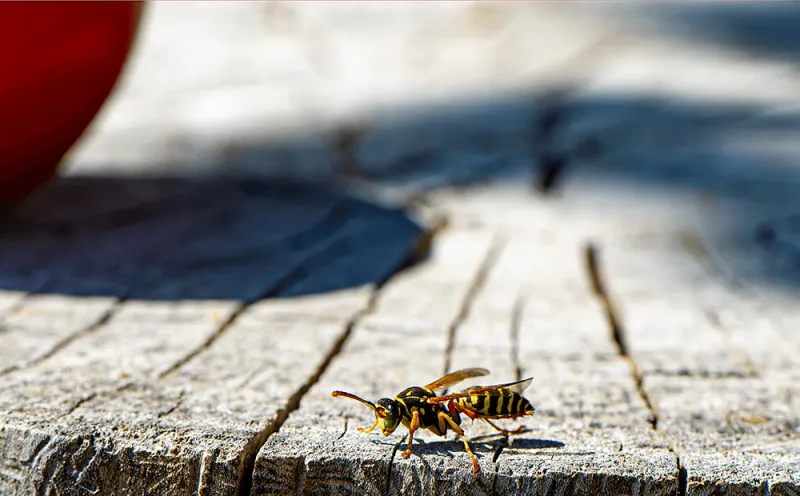
Before blaming a plant for not doing its job, it helps to understand why wasps come around in the first place. Spoiler: it is almost always about food.
Wasps are scavengers during the warmer months, and a busy patio is basically a buffet to them. They are drawn to sugary drinks, ripe or rotting fruit, meat scraps, pet food left outside, crumbs on the table, and sticky spills on the deck or patio floor.
In Pennsylvania, wasp activity picks up in late summer, usually around August and September. By that point, wasp colonies are large and workers are actively hunting for food to feed growing larvae back in the nest.
Your Pennsylvania Garden Changes Every Week. Your Plan Should Too.
Gardening in Pennsylvania changes quickly throughout the season. Every Friday you’ll receive a simple weekly plan showing exactly what to plant, prune, fertilize, harvest, and protect so you never miss the right timing.
That is when the patio invasions feel the worst. A can of soda left open or a plate of grilled chicken sitting out can attract a dozen wasps within minutes.
Open trash cans near the patio are another major magnet. Even a small amount of food residue in a bag or can is enough to pull wasps in from a distance.
They have strong senses and can detect food odors from surprisingly far away. Once one wasp finds a food source, others tend to follow.
Understanding this is key because no plant, including mint, can fully overcome a patio loaded with food smells. The scent of fresh mint is no match for a plate of ribs or an uncovered fruit bowl.
Mint works best as one piece of a bigger strategy, not as a standalone fix for a patio that is already attracting wasps through food.
How Mint May Help
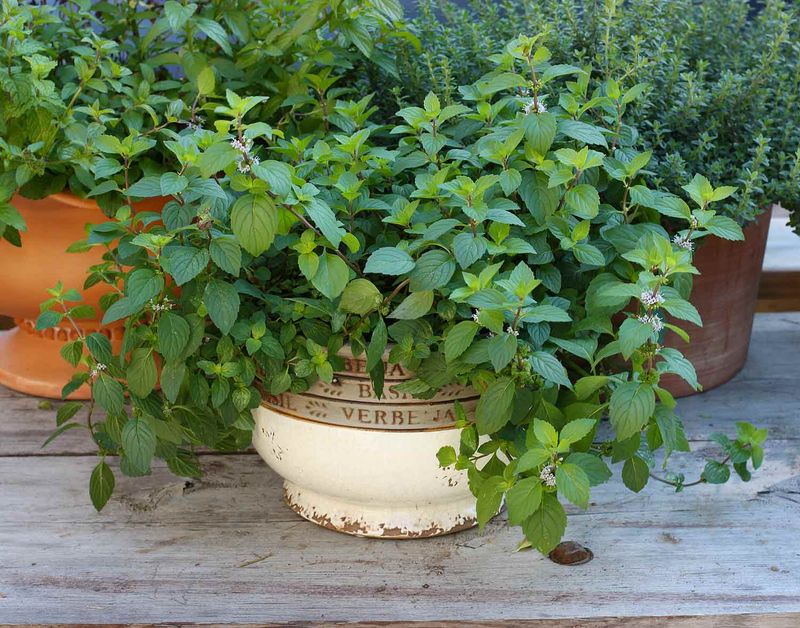
Mint is not a magic shield. It will not create an invisible force field around your patio that keeps every wasp away for the entire summer.
Anyone who tells you otherwise is overselling it. But that does not mean mint has no value at all when it comes to making your outdoor space feel less inviting to wasps.
The strong essential oils in mint, particularly menthol, are thought to interfere with the way insects detect their environment. Wasps rely heavily on scent to find food, locate nesting spots, and communicate with each other.
A concentrated herbal smell nearby may confuse or irritate them enough to make them choose a different spot.
Research on mint as an insect deterrent is still limited, but many gardeners and homeowners report that it seems to help reduce casual wasp visits around seating areas.
The key is releasing the scent actively. A pot of mint just sitting on the patio will give off some aroma naturally, but brushing or lightly crushing the leaves boosts the smell significantly.
Some people rub a few leaves on the edges of their patio furniture or near the table legs to spread the scent further. Trimming the plant regularly also keeps it producing fresh, oil-rich leaves.
Fresh mint works better than dried mint for this purpose because the oils are still active and potent. Planting two or three pots of mint in different spots around the patio, rather than just one, also increases the overall scent coverage.
Think of mint as a natural, pleasant-smelling layer of discouragement rather than a guaranteed solution.
Why Pots Are Best
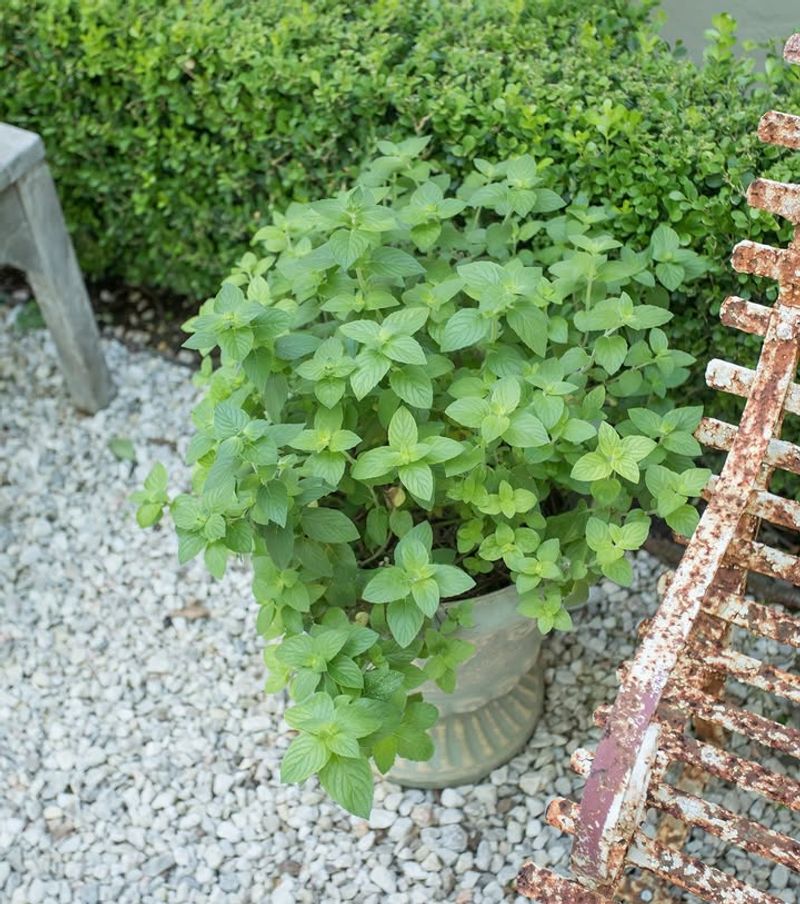
If you have ever planted mint directly in a garden bed, you already know what happens next. It spreads. Fast. Mint is one of the most aggressive spreaders in the plant world.
It sends out underground runners called rhizomes, and before long, it has taken over the entire bed, crowding out everything else you planted.
In Pennsylvania, where the growing season gives mint plenty of warm weeks to spread, planting it in the ground is usually a choice people regret.
Growing mint in containers solves that problem completely. A pot keeps the roots contained so the plant cannot spread beyond its boundaries.
You stay in control of exactly how big the plant gets and where it lives. When the season ends or you want to rearrange your patio setup, you can simply pick up the pot and move it. That kind of flexibility is hard to get with an in-ground plant.
For best results, choose a pot that is at least 12 inches wide and has drainage holes at the bottom. Mint does not like sitting in waterlogged soil, and good drainage keeps the roots healthy through Pennsylvania’s summer rain patterns.
A plastic, ceramic, or terracotta pot all work well. If you use a saucer underneath, empty it after heavy rain so water does not pool.
One smart trick is to place a pot of mint inside a larger decorative planter. It looks tidy, keeps the plant contained, and makes it easy to swap out or replace if the plant gets too leggy or starts to look tired by late summer. Containers also let you bring mint indoors if an early frost hits.
Where To Place It
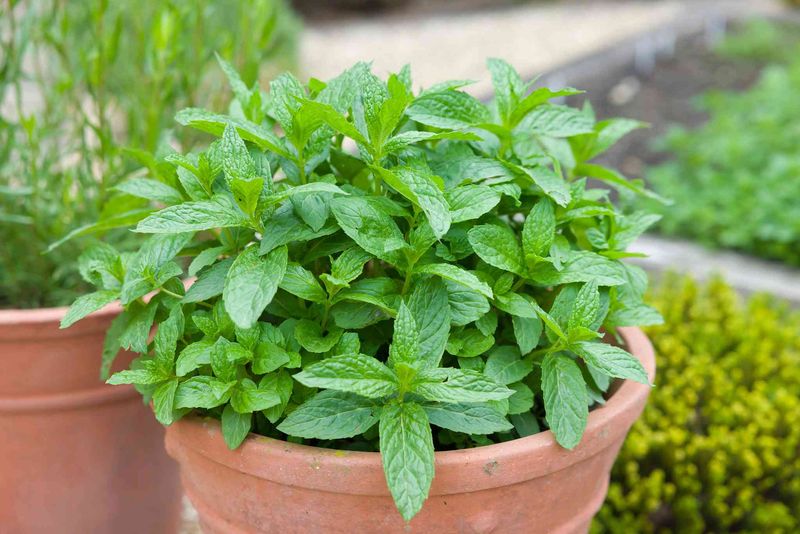
Placement matters more than most people realize when using mint as a patio herb. Tucking a pot in a far corner of the yard where no one sits will not do much.
To get the most benefit from mint’s scent, the pots need to be close to where people actually spend time. That means near your seating area, beside the outdoor dining table, along the porch railing, or next to the door you use to go in and out.
Patio edges are another great spot. Lining a few mint pots along the perimeter of your deck or patio creates a natural aromatic border.
When a breeze moves through, it carries the mint scent across the seating area. Pennsylvania summers can be humid and still, so placing pots where any airflow will catch the leaves helps distribute the scent more effectively.
Mint needs at least four to six hours of sunlight per day to stay healthy and aromatic. Morning sun with some afternoon shade is ideal, especially during the hottest weeks of a Pennsylvania summer.
Too much intense afternoon sun can dry out the leaves quickly. Water mint consistently, checking the soil every day or two during dry stretches. The soil should feel slightly moist but never soggy.
Pinching off the flower buds as they appear keeps the plant focused on producing leaves rather than going to seed. Once mint flowers, the leaves lose some of their potency.
Regular trimming encourages bushy, leafy growth and keeps the essential oil content high. A well-placed, well-maintained mint plant is both a functional and attractive addition to any Pennsylvania patio setup.
Pair It With Wasp Prevention
Mint is a helpful companion on a clean, well-maintained patio. But if you really want to keep wasps less welcome all summer long, the plant needs backup.
Think of mint as the finishing touch on a smart prevention plan, not the whole plan itself. The most effective approach combines the herb with a few consistent habits that remove what wasps actually want.
Start with food and drinks. Always cover beverages when you are not actively drinking them.
Wasps can find an open soda can in seconds. Use cups with lids or cover glasses with small mesh drink covers.
Clean up food spills right away, especially sugary ones like juice, syrup, or soda. Wipe down the table and chairs after every outdoor meal so no sticky residue is left behind.
Trash management is equally important. Use a trash can with a tight-fitting lid, especially near the patio.
Empty it regularly so food waste does not build up and create a strong odor. If you have a compost bin nearby, keep it sealed and away from the main seating area.
Pet food bowls left outside are another common attractant, so bring them in when your pet is done eating.
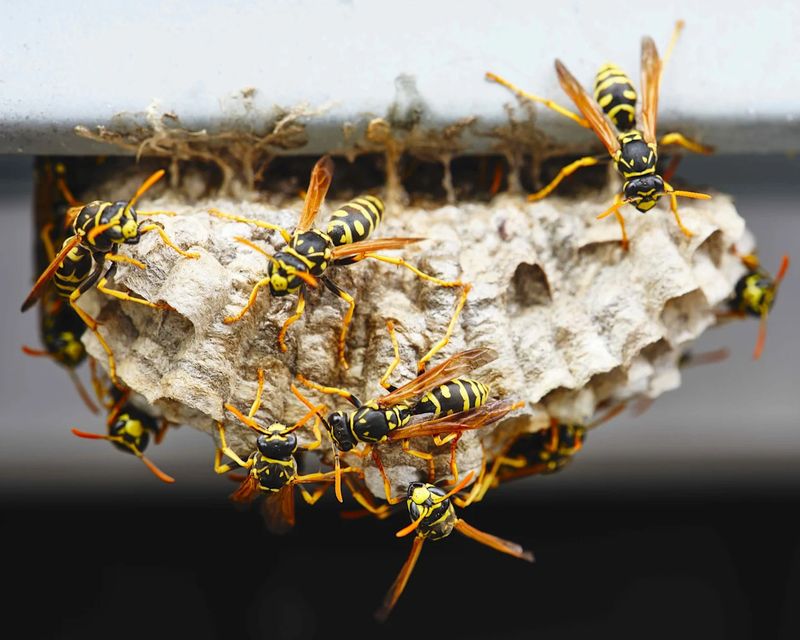
Check your porch eaves, railings, and overhangs regularly through spring and early summer. Wasps often start small nests in sheltered spots before the colony grows large.
Catching a nest early, when it is still small and walnut-sized, makes it much easier to handle safely. Combine these habits with a few well-placed pots of mint, and your Pennsylvania patio will be a noticeably more relaxing place to spend the summer.