The July Christmas Cactus Care Tips Virginia Gardeners Need For A Winter Bloom Display
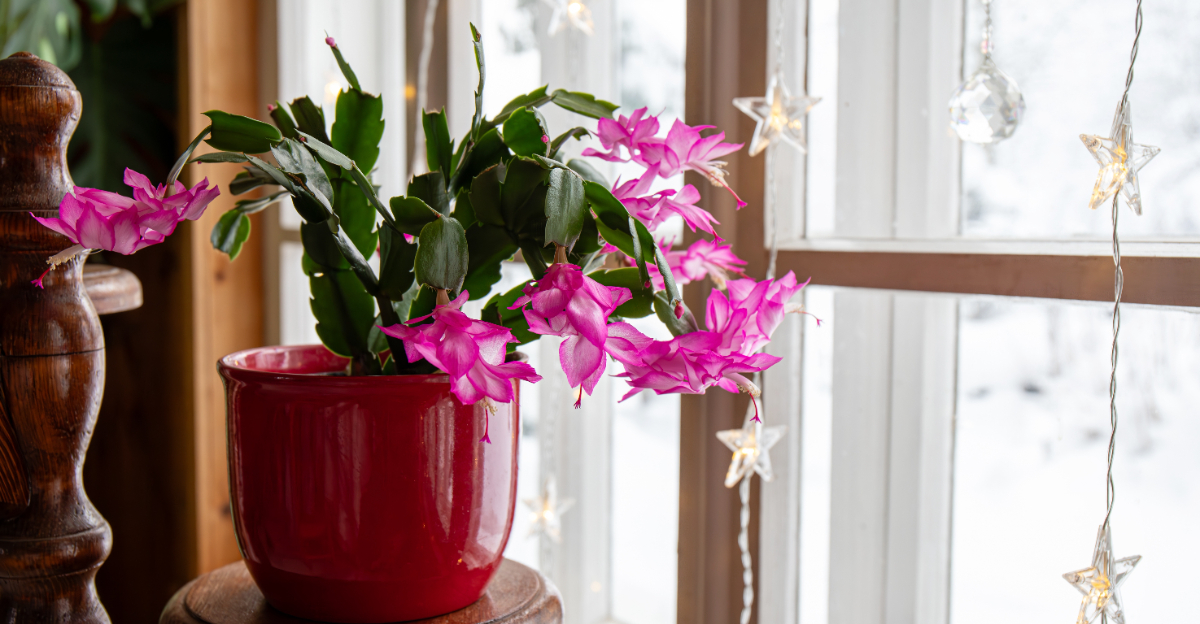
Right now, while Virginia’s heat presses down on everything else in your garden, your Christmas cactus is running on a completely different calendar.
It’s not dormant. It’s not struggling. It’s building the exact conditions it needs to flood your windowsill with color in December, and July is when that groundwork actually happens.
Most people wait until October, then wonder why their cactus gives three blooms instead of forty. The truth is simple: this plant reads light and temperature like a calendar, and summer is when the countdown starts.
Skip these weeks, and you’re not failing at Christmas cactus care. You’re just starting the countdown late.
The Virginia gardeners who get a plant so full of blooms it stops houseguests mid-conversation aren’t doing anything exotic. They’re just paying attention now, while everyone else assumes there’s nothing to do.
1. Feed It While It’s Actively Growing
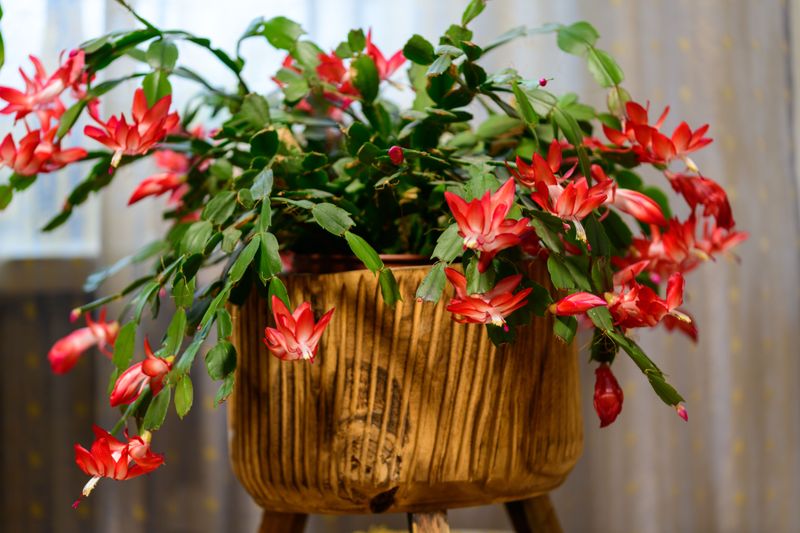
July is feeding season, and your Christmas cactus is hungry. This plant puts on serious growth between spring and late summer, so skipping fertilizer now means fewer blooms later.
Signs of a hungry cactus are easy to miss if you don’t know what to look for. Pale segments, slow growth, and a plant that just sits there without pushing out new pads all point to a fertilizer schedule that needs attention.
A balanced liquid fertilizer diluted to half strength works great during this period. Look for something with roughly equal parts nitrogen, phosphorus, and potassium.
Feed your plant every two weeks from June through August. Consistent feeding builds strong, healthy stems that can support lots of flower buds come December.
Timing your feeding around watering matters more than people realize. Always fertilize right after you water, never on dry soil, since this protects the roots from getting scorched by concentrated nutrients.
One thing to watch: do not overfeed. Too much fertilizer causes lush green growth but no flowers.
Switch to a high-phosphorus fertilizer in late August. Phosphorus encourages blooming, so this swap sets you up perfectly for the holiday season ahead.
Flush the soil with plain water once a month. This prevents fertilizer salt buildup, which can damage roots over time.
Think of feeding like training for a race. Your plant is building strength now so it can perform its best when the finish line arrives in winter.
The July Christmas cactus care routine you build around feeding pays off big. Healthy, well-fed plants bloom more reliably and produce brighter, longer-lasting flowers every single year.
2. Adjust Your Watering For The Summer Heat
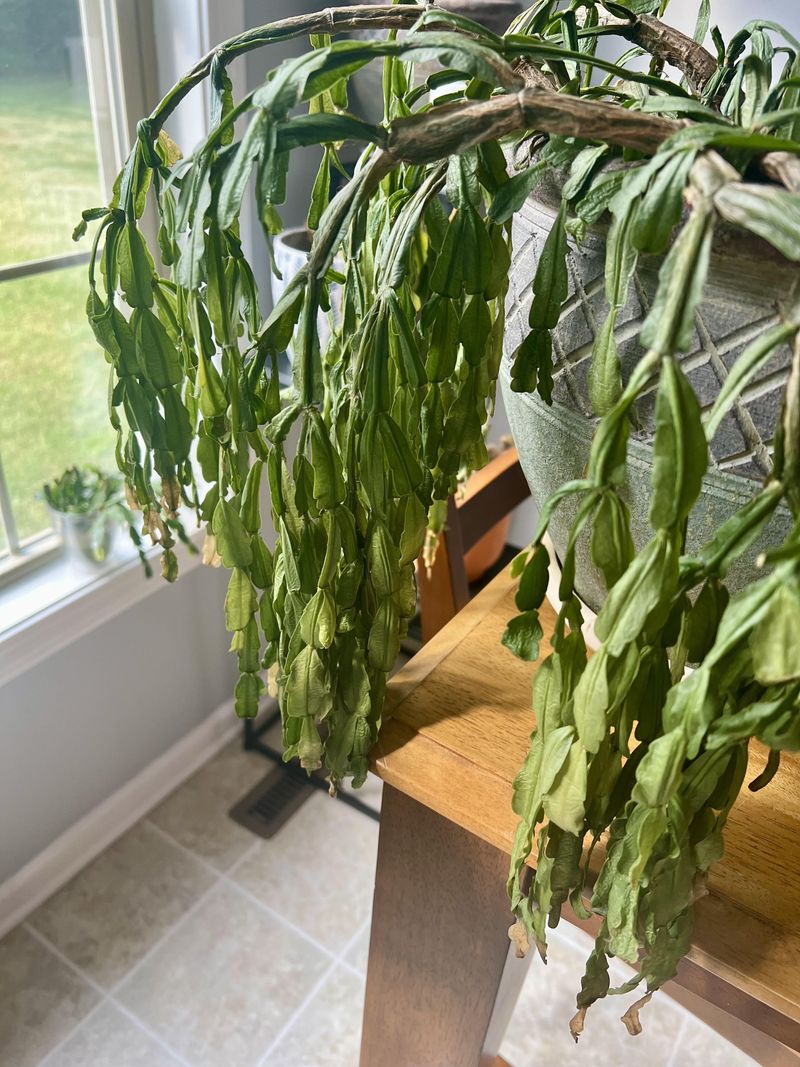
Soggy roots are one of the fastest ways to lose a Christmas cactus, and July heat only speeds up the damage. Christmas cacti are not true desert plants, but they absolutely hate sitting in waterlogged soil.
Yellowing or limp segments are usually the first warning sign. Once you notice this, check the roots immediately, since root rot spreads fast in warm, wet soil and gets much harder to reverse the longer it sits.
Your Virginia Garden Changes Every Week. Your Plan Should Too.
Gardening in Virginia changes quickly throughout the season. Every Friday you’ll receive a simple weekly plan showing exactly what to plant, prune, fertilize, harvest, and protect so you never miss the right timing.
Water deeply, then wait. Let the top inch of soil dry out completely before you water again.
In Virginia summers, that might mean watering every five to seven days. Humidity levels in the state can slow evaporation, so always check the soil before reaching for the watering can.
Use room-temperature water whenever possible. Cold water can shock the roots and cause stress that shows up later as dropped buds.
Morning watering tends to work better than evening watering in Virginia’s climate. This gives excess moisture on the leaves and soil surface a full day to evaporate, instead of sitting overnight when fungal problems tend to take hold.
Good drainage matters a lot here. Make sure your pot has holes at the bottom and that water flows freely through the soil each time you water.
If water pools on the surface before soaking in, your soil may be compacted. Gently aerate the top layer with a chopstick or pencil to help moisture reach the roots.
Clay pots are a smart choice in humid summers. They breathe better than plastic, which helps prevent the moisture buildup that leads to root rot.
Watering right in July is one of the most impactful parts of the July Christmas cactus care routine. Nail this step, and your plant stays healthy all the way through bloom season.
3. Check The Light It’s Getting
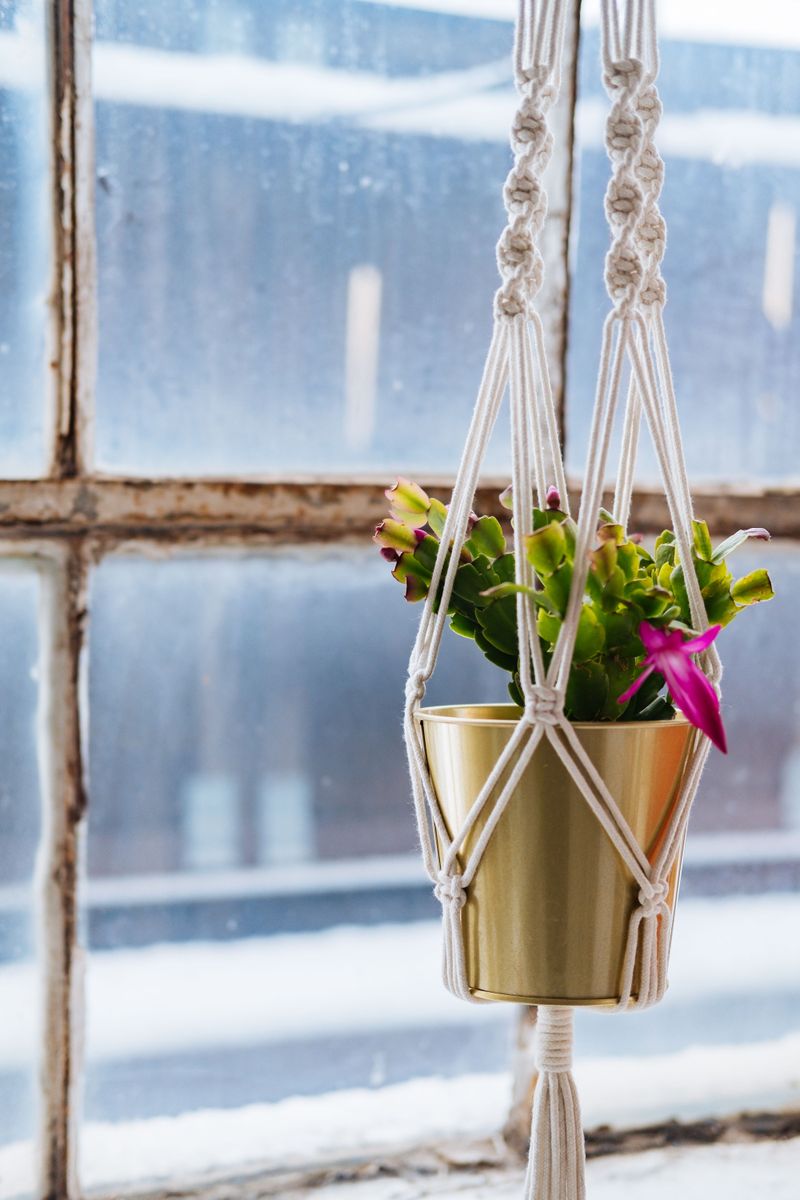
Light is the secret language your Christmas cactus uses to decide when to bloom. Get the light wrong in July, and the plant gets confused about what season it is.
Bright, indirect light is the sweet spot during summer months. A spot near an east-facing window works beautifully, giving morning sun without the harsh afternoon rays.
Direct afternoon sun in July is too intense. It scorches the flat, leaf-like stems and causes them to turn a reddish or purplish color, which signals stress.
A little reddish tint on the stems isn’t always bad news. Slight color change from bright light is normal, but if segments look bleached or crispy at the edges, that’s your cue to pull the plant back from the window.
If your plant is near a south or west window, hang a sheer curtain to filter the light. This simple fix prevents sun damage without moving the plant to a darker spot.
Consistent light matters more than perfect light. Moving the plant around constantly confuses it and can delay or prevent blooming altogether.
Aim for about twelve to fourteen hours of light per day during summer. This long-day light exposure is part of what tells the plant summer is here.
Later in fall, you will deliberately reduce light to trigger blooming. But for now, in July, keeping light steady and bright helps the plant store energy for that big moment.
Paying attention to light placement is a core part of the July Christmas cactus care approach. The right light now means a more dramatic and reliable bloom display when the holidays arrive.
4. Give It Some Fresh Air Outdoors
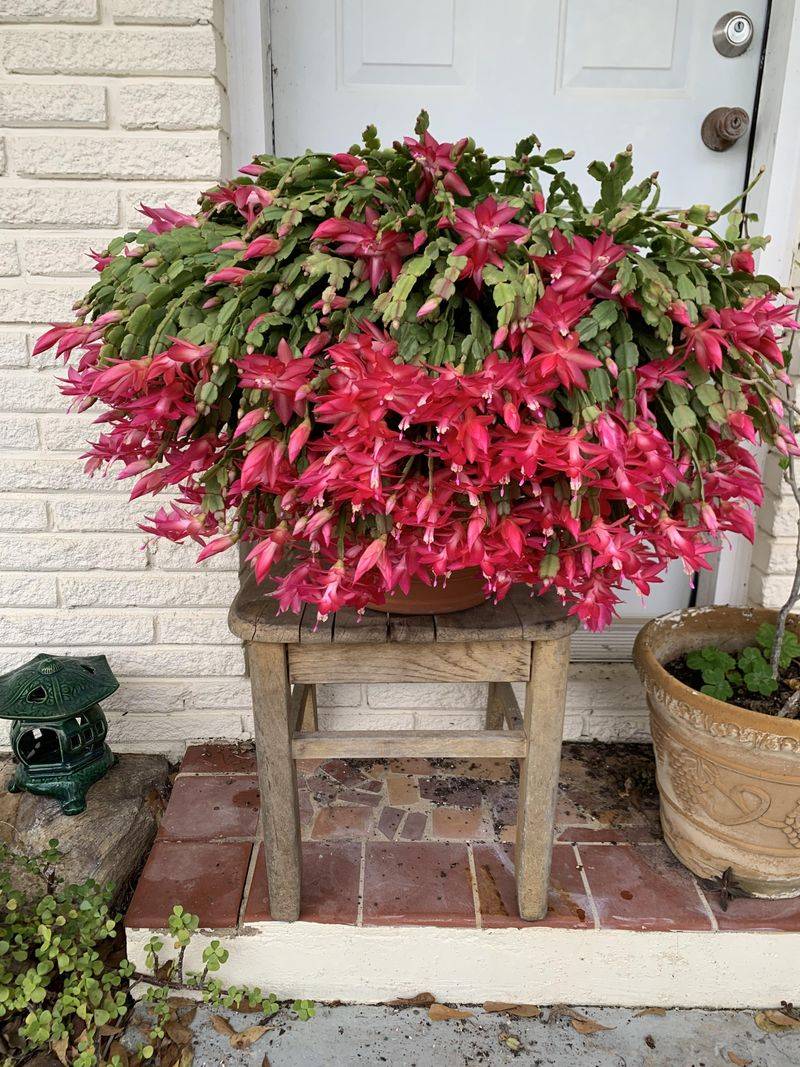
Moving your Christmas cactus outside in July might feel risky, but it is one of the best things you can do for it. Fresh air, natural humidity, and gentle outdoor light give the plant a real boost.
Choose a shaded spot with bright, filtered light. Under a tree canopy or on a north-facing porch works perfectly for this plant.
Avoid placing it in full sun, even for a few hours. The intensity of July sun outdoors is far stronger than anything coming through a window indoors.
Check the plant every day when it is outside. Wind, rain, and temperature swings can change conditions quickly during summer storms in the Mid-Atlantic region.
Watch out for sudden downpours common to Virginia summers. A pot sitting in standing water after a storm can undo weeks of good care, so move it under cover once rain passes.
Bring it inside if nighttime temps drop below 50 degrees Fahrenheit. Christmas cacti prefer temperatures between 60 and 85 degrees for healthy summer growth.
Outdoor air also helps reduce pest pressure. Good air circulation makes it harder for spider mites and fungus gnats to settle in and cause problems.
Natural humidity outdoors can reduce how often you need to water. Always check the soil before watering, since outdoor conditions vary more than indoor ones.
Give your cactus time to adjust before big location changes. Sudden shifts in light and temperature stress the plant, so transitions work best when they happen gradually.
Giving your plant a summer vacation outside is a fun and effective part of July Christmas cactus care for Virginia growers. The plant comes back indoors stronger, fuller, and ready to put on a show.
5. Watch For Pests Before They Spread
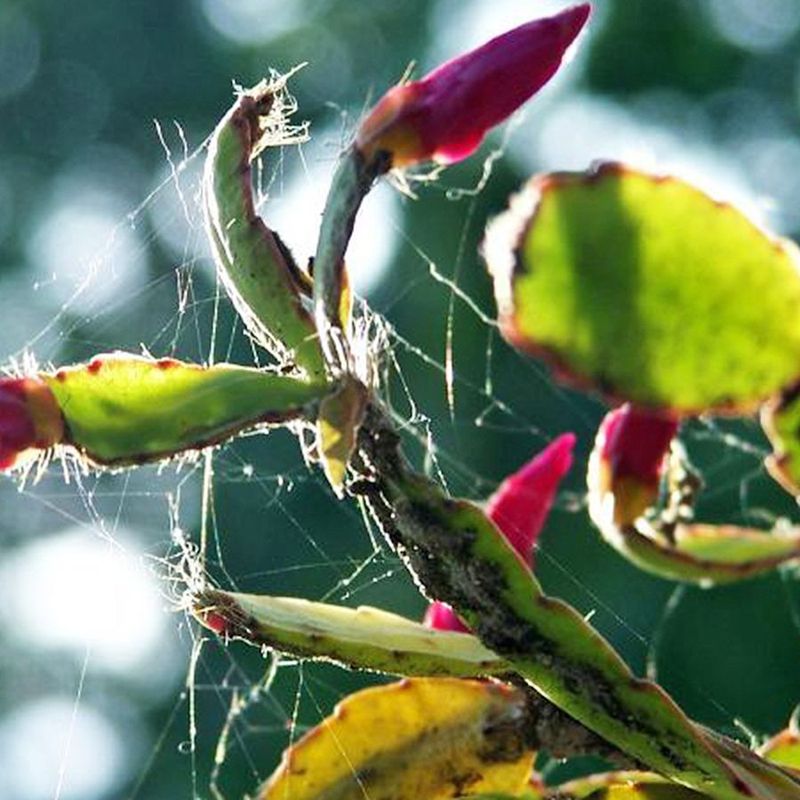
Tiny bugs can derail months of careful growing in just a few weeks. July warmth creates ideal conditions for pests like spider mites, mealybugs, and fungus gnats to multiply fast.
Check the undersides of stems every week. That is where spider mites hide and where early infestations are easiest to catch and treat.
Mealybugs look like tiny cotton puffs tucked into the joints between stem segments. Dab them with a cotton swab dipped in a mild insecticidal soap solution to remove them quickly.
Spider mites thrive in hot, dry conditions. If you notice fine webbing or a dusty look on stems, mist the plant and treat it with neem oil spray right away.
Fungus gnats are attracted to moist soil. Letting the top layer of soil dry out between waterings is the single best way to keep them from laying eggs in the pot.
Sticky yellow traps placed near the pot catch adult gnats before they breed. They are inexpensive and work well as an early warning system for any flying pests.
Try not to wait too long once you spot a pest problem. A small infestation handled early takes ten minutes to fix, while an ignored one can take months to clear up.
Staying on top of pests is a crucial part of the July Christmas cactus care plan. Healthy, pest-free plants channel all their energy into growth and blooming, not fighting off invaders.
6. Trim And Shape For Fuller Growth
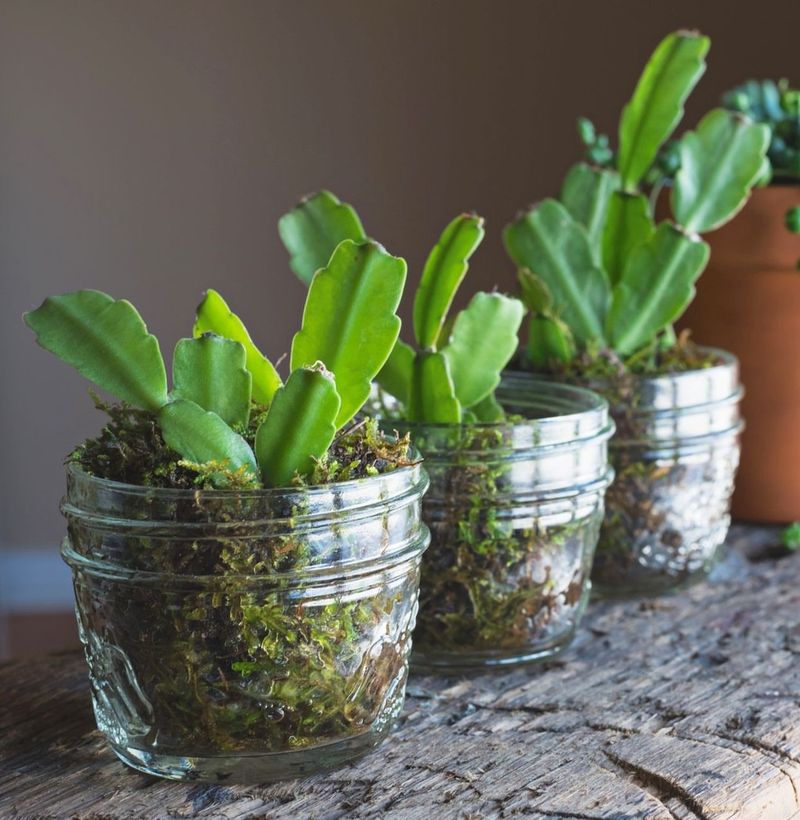
Pinching back your Christmas cactus in July is one of those gardening moves that feels counterintuitive but works like a charm. Removing a few stem segments now encourages the plant to branch out and grow bushier.
Use clean fingers or sharp scissors to remove one to three segments from the tip of each stem. Always cut or snap at the natural joint between segments.
Do not trim more than one-third of the plant at one time. Removing too much at once stresses the plant and slows growth right when it should be speeding up.
The cuttings you remove are not waste. Stick them an inch deep into moist potting mix, and they will root within a few weeks to create new plants.
Trimming also removes any weak or damaged segments that could attract pests or develop rot. A cleaner plant is a healthier plant going into the bloom-triggering period in fall.
After trimming, keep the plant in bright indirect light and water as normal. New growth appears at the cut points within two to three weeks.
A fuller plant produces more stem tips, and each tip has the potential to produce a flower bud. More tips means more blooms, which means a more impressive winter display.
Trimming in July is one of the most rewarding steps in the July Christmas cactus care process. A little snip now leads to a plant so full and floriferous that guests will ask how you did it.
7. Hold Off On Repotting Or Major Changes
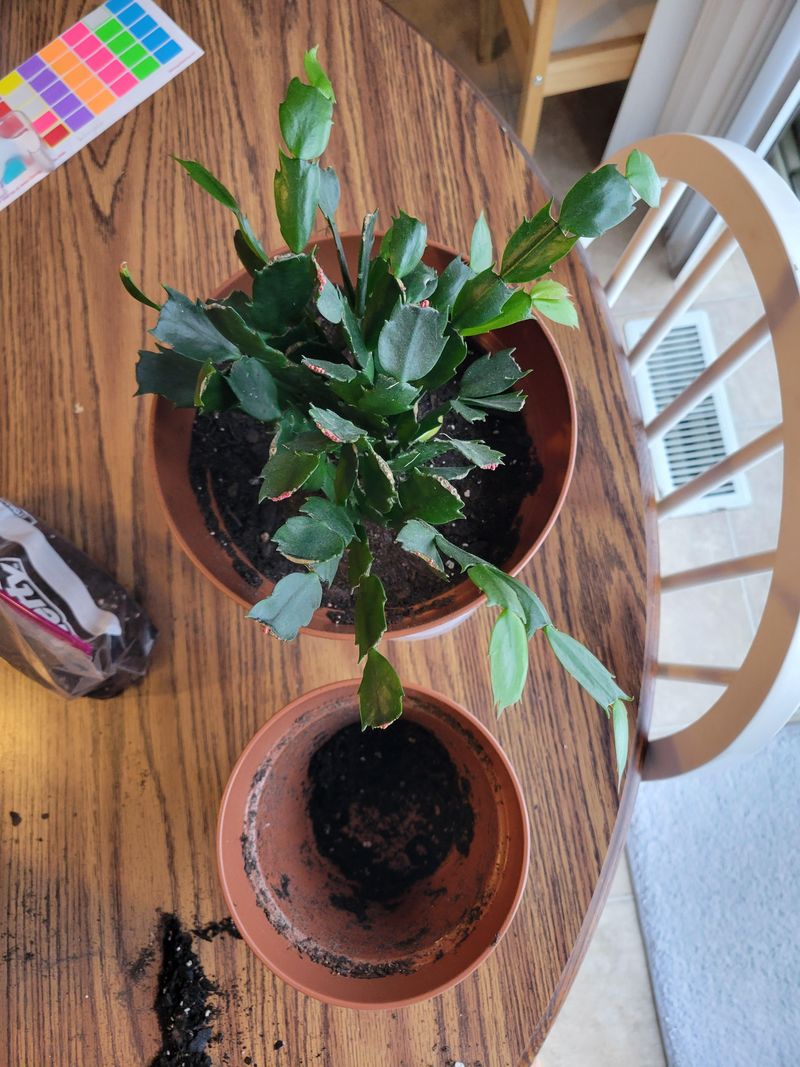
July is not the time to shake things up for your Christmas cactus. Repotting, changing fertilizers suddenly, or moving the plant to a completely different spot can all cause stress at the wrong moment.
These plants actually bloom better when slightly root-bound. A snug pot encourages flowering, so resist the urge to move it to a bigger container just because it looks crowded.
If you must repot, do it in late winter or early spring, right after blooming ends. That timing gives the plant months to settle before it needs to focus on forming buds.
Avoid changing your potting mix brand or soil type mid-season. Roots adapt to their environment, and a sudden change in soil structure can disrupt water and nutrient absorption.
Temperature stability matters just as much as soil stability. Keep the plant away from air conditioning vents, which blast cold, dry air and can stress the plant or cause bud drop.
Consistency is the theme for July. The more stable the environment, the more energy the plant puts into growing strong stems and storing nutrients for winter flowers.
Think of this step as protecting your investment. Every week of steady, stress-free growing in summer adds up to a more spectacular bloom display in December.
Staying hands-off with major changes is the final and perhaps most underrated step in the July Christmas cactus care checklist. Sometimes the best thing a gardener can do is simply trust the process and let the plant do its work.